
REVIEW · JAPAN
Hiroshima: Food and Culture Guided Walking Tour with Dinner
Hiroshima’s best evening meal may be the one that keeps moving. This three-hour walk takes you from the Hondori shopping arcade into the Nagarekawa nightlife district, stopping at three local restaurants for small plates, drinks, and conversation. You might eat seafood, tempura, grilled and simmered dishes, and Hiroshima-style okonomiyaki along the way.
I like the three-stop format, since each restaurant brings a new room, menu, and rhythm. I also like the guide-led access to small tachinomi counters, places that can feel hard to enter when you cannot read the menu or are unsure of local customs.
The main caution is that this is not a quiet, sit-down dinner. You may spend much of the evening standing, and the exact dishes and restaurants can change with the season or local availability. At $94 per person, the value depends on how much you value the guide, the introductions, and the chance to try many dishes in one night.
Key points at a glance
- Three local restaurant stops: Eat your way through different casual venues instead of spending the whole evening in one place.
- At least ten dishes: Expect seafood, tempura, grilled foods, steamed items, simmered dishes, and possibly Hiroshima okonomiyaki.
- Three included drinks: Choose one alcoholic or non-alcoholic drink at each stop, with extras usually costing about 500 yen.
- Hondori to Nagarekawa: Walk through Hiroshima’s shopping and entertainment districts as the city shifts into evening mode.
- Small-group feel: Private or small-group bookings are available, and guides such as Ken and Kensuke are praised for making the night personal.
- A social Japanese dining style: Tachinomi means standing while eating and chatting, so come ready for a relaxed, informal night.
Three restaurants, three different moods
The strength of this Hiroshima food tour is its variety. You do not simply sit down and order one large meal. Instead, you move through three restaurants, spending roughly 30 minutes at each. That keeps the evening lively and lets you sample more of the city’s casual food scene.
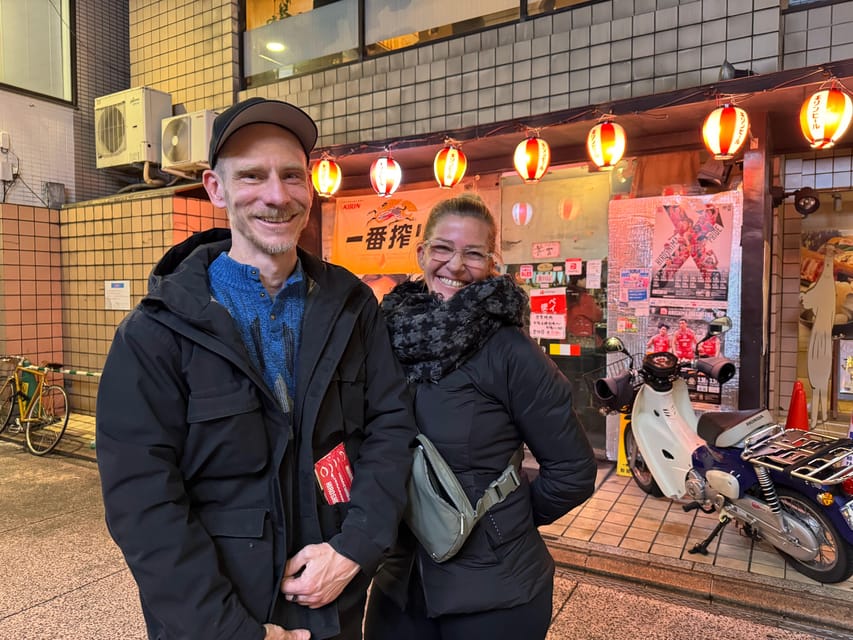
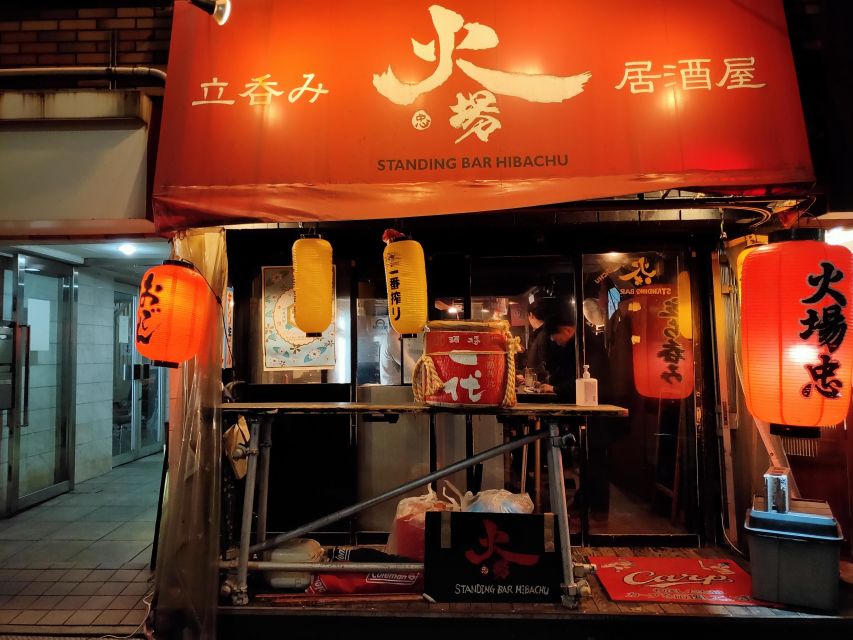
Some stops will be tachinomi, the Japanese style of standing at a counter or table while eating small plates and talking. At least one stop is usually seated, but this can change. If you have trouble standing for long periods, ask about the current arrangements before booking.
The short visits also help with pacing. You can try a dish that you might not order alone, ask the guide what it is, and then move on before the meal becomes heavy. The result is closer to a series of small local discoveries than a standard restaurant dinner.
The exact venues are not fixed. That is practical, since restaurant schedules, seasonal ingredients, and availability can change. It also means you should not book this tour expecting a guaranteed restaurant list or an identical menu from one date to the next.
More Food Walking Tours in Japan
- Tokyo Tsukiji Fish Market Food and Culture Walking Tour
★ 5.0 · 3,184 reviews - Osaka Local Foodie Walking Tour in Dotonbori and Shinsekai
★ 5.0 · 985 reviews - Tsukiji Fish Market Small-Group Food Walking Tour
★ 5.0 · 621 reviews
Starting at Don Quijote in central Hiroshima
The meeting point is on the street in front of Don Quijote Hiroshima Hatchobori. This is a useful central landmark, but give yourself enough time to find the correct side of the building and wait outside. Hotel pickup and drop-off are not included, so you make your own way to and from the meeting point.
From there, the guide leads you toward Hiroshima Hondori Shopping Street. The walk gives you a gentle start rather than rushing straight into dinner. You can settle into the group, learn how the evening will work, and ask about unfamiliar foods before the first restaurant.
The English-speaking guides are a major part of the experience. Ken and Kensuke receive especially strong praise for their friendly manner, clear explanations, and attention to each person in the group. Alex also leads some departures. Guide assignments can vary, so do not assume a particular person is guaranteed unless your booking says so.
The best guides do more than translate menus. They explain how to approach small Japanese eateries, what to do with unfamiliar dishes, and how local dining customs work. They also add wider comments about Hiroshima, Japanese life, nearby sights, and food recommendations for the rest of your trip.
Hondori Shopping Street: a useful introduction to Hiroshima nightlife
The first guided walk lasts about 30 minutes and passes through Hiroshima Hondori Shopping Street. This is not a major sightseeing stop in the same way as the Peace Memorial Park or Miyajima. Its value is more immediate: you get a feel for central Hiroshima’s shops, restaurants, and evening foot traffic.
The walk helps connect the food to the city around it. You are not eating in an isolated tourist venue, then returning to a hotel. You are moving through the same central districts used for shopping, meeting friends, and going out after work.
Keep your expectations clear. This portion is a neighborhood orientation, not a long history tour or a formal architectural walk. The cultural information is woven into the evening rather than delivered as a lecture.
What appears on the plates
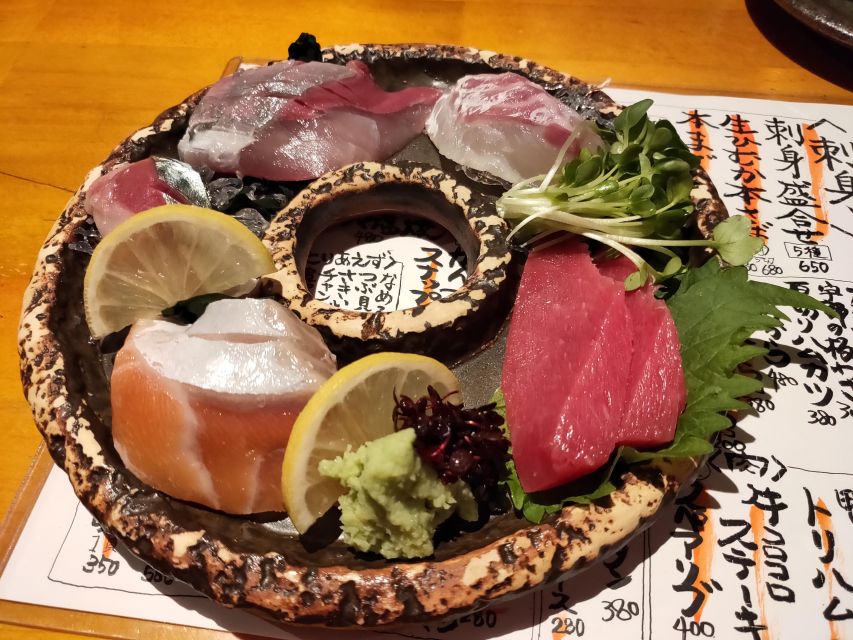
The tour promises a full dinner spread across the three restaurants, with at least ten different dishes. In practice, the number can be higher. One evening included roughly 15 dishes, and the range may cover seafood, chicken, tempura, grilled items, steamed foods, and slow-simmered dishes.
That variety is the point. You might taste something you would never have selected from a menu, then learn why it matters or how it is normally eaten. The food is served in small portions, so you can sample broadly without committing to one large plate.
Hiroshima-style okonomiyaki is a likely highlight, though it is not sensible to treat any specific dish as guaranteed. Several people especially enjoyed trying the local version, and the tour can be a good way to understand how it differs from other regional styles.
You should come with a curious appetite. This is not a menu designed only for familiar Western favorites. Some foods may be more adventurous than you expect, and not every bite will suit every palate. That is a fair trade for the chance to try local dishes with someone who can explain them.
Dietary restrictions and preferences can usually be discussed with the local partner. The guide will do their best to arrange suitable choices, but you should provide the information in advance and repeat it at the beginning of the tour. Since the menu changes, the tour cannot promise every specific item.
Same streets, a different route:
- Kyoto Geisha Walking Tour: Gion District & Hidden Gems
★ 4.7 · 3,273 reviews - Kyoto: Gion Magical Night Walking Tour with Geisha Trivia
★ 4.9 · 2,393 reviews - Tokyo: Imperial Palace and Shogun Historical Walking Tour
★ 5.0 · 2,251 reviews - Kyoto: Gion Geisha District Walking Tour – Stories of Geisha
★ 4.7 · 2,187 reviews
Three drinks, with alcohol or without
One drink is included at each restaurant, for three drinks total. You can choose alcoholic or non-alcoholic options, depending on your preference and the choices available at the stop.
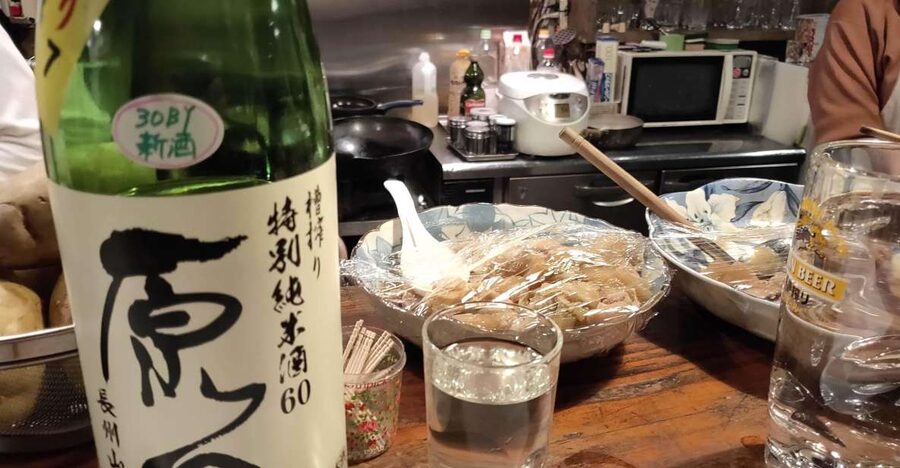
Beer, cocktails, spirits, sake, and plum wine appear among the possible choices. Non-alcoholic drinks are also available, so you do not need to drink alcohol to enjoy the evening. The minimum drinking age in Japan is 20, while all participants must be at least 13.
Additional drinks are not included. They generally cost around 500 yen each and are paid directly to the restaurant. If you want to keep the evening within the advertised price, stick with the included drink at each stop.
The drinks work best as part of the cultural experience rather than the main attraction. Sake, beer, and plum-based drinks can help you understand the atmosphere of a Japanese evening out, but the food remains the focus.
Nagarekawa Dori after dark
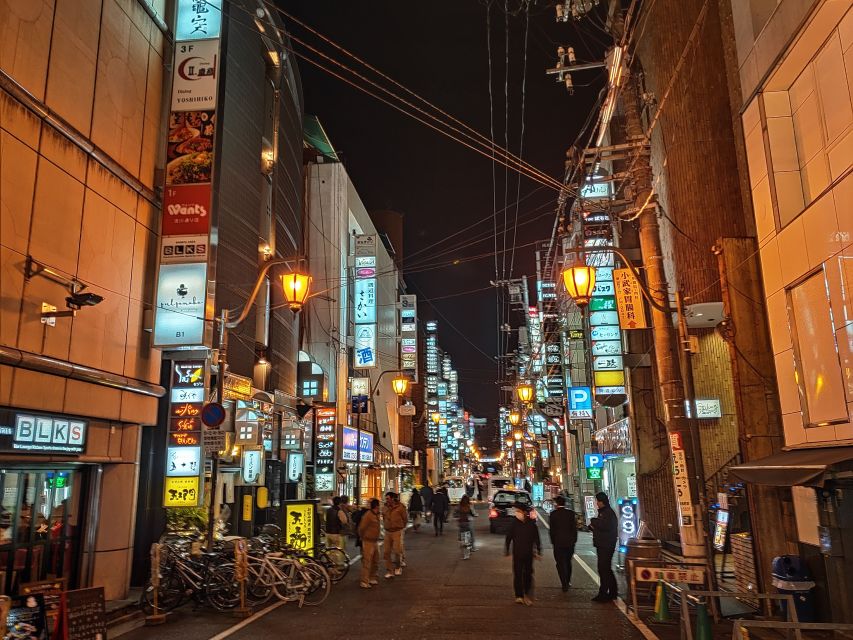
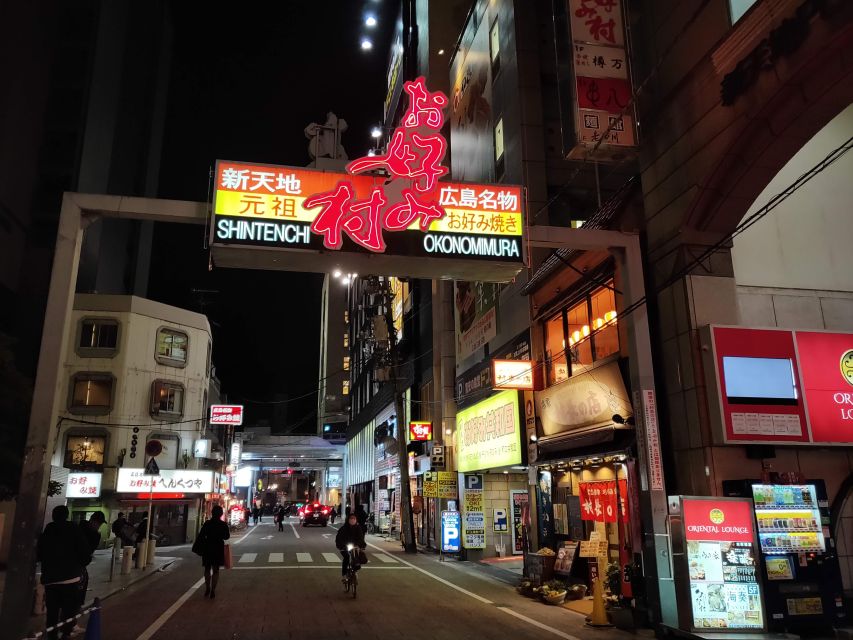
After the first two restaurant visits, the route passes along Nagarekawa Dori for another guided walk. This is Hiroshima’s main entertainment area, and seeing it after dark gives the tour a different feel from a daytime sightseeing route.
The walk between stops is generally short enough to keep the night comfortable, but it provides a useful reset between plates. You can talk with the guide, compare dishes, and watch the character of the streets change as the evening continues.
This part is also practical for first-time visitors. Small backstreet restaurants can be difficult to identify from outside, especially when menus are mostly in Japanese. Having a local guide lead you into places you might otherwise pass by is one of the strongest reasons to book this experience.
The guide makes the difference
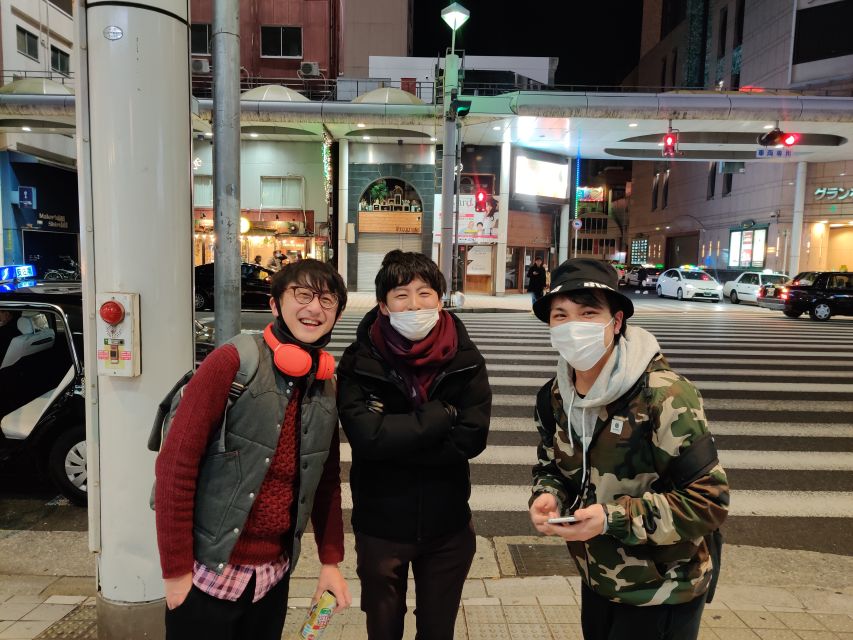
Food tours succeed or fail on the person leading them. Here, the repeated praise focuses on Ken and Kensuke as warm, easygoing hosts who explain food and culture without making the evening feel like a classroom.
Ken is also described as attentive to allergies, group dynamics, and individual questions. That matters in a small restaurant, where dishes may arrive quickly and the setting can feel unfamiliar. A good guide notices who needs an explanation, who wants to try something new, and who may need a little help with the menu.
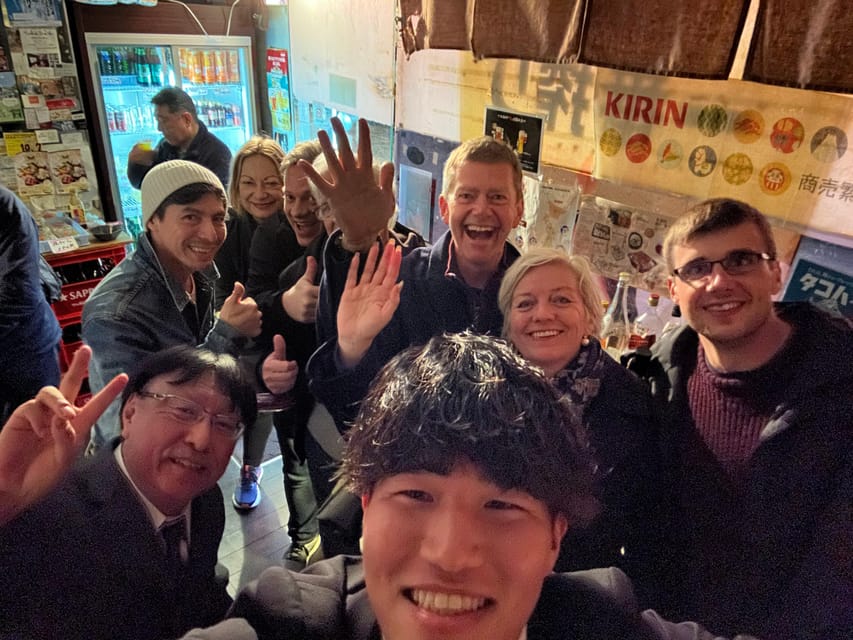
The evening can become quite personal in a small group. Some departures have had only one or two participants, creating the feeling of going out for dinner with a local friend. Other groups are more social, giving you the chance to meet people from different countries.
You may also get local stories that are impossible to plan in advance. One particularly memorable evening included a meeting with a former sumo wrestler who showed photographs from his career and signed an autograph for a sumo fan. That kind of encounter is not guaranteed, but it shows how a local guide can connect you with the people behind the restaurants.
Is $94 a fair price?
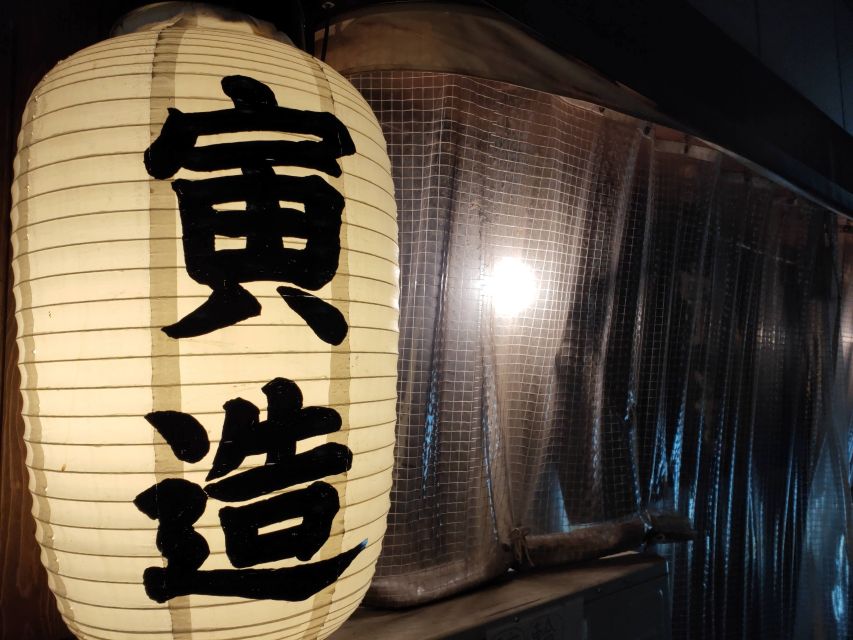
At $94, this is not the cheapest way to eat in Hiroshima. You could order individual dishes at casual restaurants for less, especially if you already know where to go and feel comfortable reading menus and handling local dining customs.
The price becomes easier to justify when you count the full package: a three-hour guided walk, three restaurant visits, a full dinner’s worth of food, three drinks, translation help, and access to places you may not find on your own. You are paying for direction and context as much as for the food itself.
The value is strongest if you have only one or two nights in Hiroshima. Instead of spending your first evening guessing where to eat, you get a broad introduction to the local food scene and several ideas for later meals.
It is also a useful choice for people who compare food tours across Japan. Some participants have found this experience better value than food tours in Kyoto or Tokyo, largely because the food is plentiful and the smaller venues feel less polished and more local.
Still, you should not book it just to save money on dinner. If you dislike standing, prefer a fixed menu, or want a long meal at one restaurant, the format may not suit you.
Practical details before you book
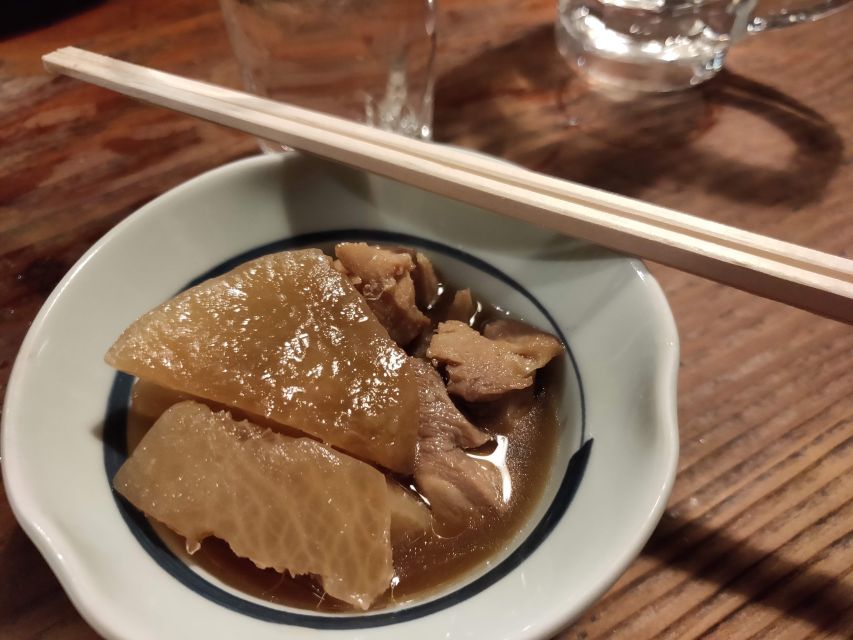
The tour lasts three hours, with starting times varying by date. It begins and ends at the Don Quijote Hiroshima Hatchobori meeting point. Since there is no hotel transportation, check the route from your accommodation before the start time.
The activity is open to participants aged 13 and older. Children under 13 cannot join, and alcohol is only available to people aged 20 or older. Non-alcoholic drinks are available for younger participants and anyone who prefers not to drink.
Private and small-group options are available. A small group is ideal if you want more time to ask questions or need help with food restrictions. If fewer than two people book a scheduled departure, the operator may offer a different date, request a 3,000-yen solo supplement, or issue a full refund.
The cancellation terms are traveler-friendly: you can cancel up to 24 hours in advance for a full refund, and the reserve-now, pay-later option keeps your plans flexible.
Who will enjoy this Hiroshima food tour?
I would recommend it most strongly to curious eaters, first-time visitors, solo travelers, and couples who want an easy introduction to Hiroshima after dark. It works particularly well if you feel unsure about entering small Japanese restaurants alone.
It is also a good fit if you want more than a food checklist. The guide explains local customs, introduces the entertainment districts, and can suggest places to eat during the rest of your stay.
You may want another kind of evening if you need a fully seated meal, have severe dietary restrictions, or want every restaurant and dish confirmed in advance. The menu and route can change, and some stops involve standing.
Should you book it?
Book this tour if you want a social, flexible introduction to Hiroshima’s food and nightlife, with a guide who can open doors that may otherwise stay closed. The strongest reasons are the three different restaurants, the wide range of small dishes, and the personal help from guides such as Ken and Kensuke.
Skip it if you are looking for a formal historical tour, a quiet dinner, or the lowest possible food cost. For most curious eaters, though, $94 buys more than three drinks and a meal. It buys a practical first evening in Hiroshima, a taste of local neighborhoods, and a better sense of where to eat next.
FAQ
Where does the Hiroshima food tour start and finish?
The tour starts and ends on the street in front of Don Quijote Hiroshima Hatchobori.
How long does the experience last?
The walking food tour lasts three hours.
How many restaurants do you visit?
You visit three local restaurants, with about 30 minutes at each stop.
How many dishes are included?
At least ten different dishes are served during the evening. The exact number and menu can vary, and some evenings may include around 15 dishes.
Are drinks included?
Yes. Three drinks are included, with one drink at each restaurant. You can choose alcoholic or non-alcoholic options. Extra drinks usually cost about 500 yen each and are paid directly to the restaurant.
Can people under 20 drink alcohol on the tour?
No. The minimum drinking age in Japan is 20. Non-alcoholic drinks are available, and all participants must be at least 13 years old.
Can I cancel or change my booking?
You can cancel up to 24 hours in advance for a full refund. The reserve-now, pay-later option lets you book without paying immediately.
More Dining Experiences in Japan
- Naples: Street Food Experience With 6 Stops
★ 4.7 · 392 reviews - Marrakech: Authentic Moroccan Food Walking Tour & Dinner
★ 4.8 · 261 reviews - Athens at Night Small-Group Walking Tour with Dinner
★ 5.0 · 230 reviews - Tirana: Local food experience & walking tour
★ 5.0 · 154 reviews
More Tours with Dinner in Japan
- Osaka: Deep Backstreets Walking Tour with Dinner Option
★ 4.9 · 902 reviews - Kyoto Gion Cultural Walk & Geisha Show with Dining Options
★ 5.0 · 518 reviews - Kyoto: Geisha Dinner & Gion Cultural Walk
★ 5.0 · 73 reviews - Sydney: Blue Mountains Late Start: Walks, Wildlife & Dinner
★ 4.9 · 295 reviews
Just added around Japan
- Miyajima Half-day Trip Historical Walking Tour★ 5.0 · 284 reviews
- Hiroshima Walking Tour Why A Bomb was dropped to Hiroshima★ 5.0 · 347 reviews
- Asakusa Senso-ji Temple and Old Tokyo Walking Tour★ 5.0 · 560 reviews
- Tokyo: Asakusa & Sensoji ー Oldest Temple Walking Tour (2hrs)★ 5.0 · 213 reviews
- Asakusa Cultural Walk & Matcha Making Tour★ 5.0 · 245 reviews
- Tokyo: Tsukiji Market Walking Tour & Sushi Cooking Class★ 4.6 · 122 reviews
- Tokyo:Stroll in Old traditional culture towns~Yanaka & Nezu★ 4.9 · 186 reviews
- Tokyo: Shibuya Crossing & Hidden Streets Walking Tour★ 4.8 · 128 reviews
Food Walking Tours, compared.
Reykjavik Food Walk – Local Foodie Adventure in Iceland
Read our review →
Ho Chi Minh City Street Food Tour & Sightseeing By Motorbike
Read our review →
New Orleans Food Walking Tour of the French Quarter with Small-Group Option
Read our review →
Authentic Parisian Gourmet Food Tour with 10 Local Dishes & Wines
Read our review →
Savannah First Squares Culinary & Cultural Walking Food Tour
Read our review →Browse the lists this tour appears in