
REVIEW · WALKING TOURS
Tirana: Local food experience & walking tour
Tirana’s best food stories often begin away from polished restaurant menus. This three-hour walking tour takes you from a small byrek shop to Çam Bazaar, neighborhood markets, and the New Bazaar, with local produce and a full Albanian meal along the way. Guides such as Markel, Ervis, and Brikena also add useful context about Albania’s past and present.
I like the way the tastings are spread across the walk, so you are not simply sitting at one restaurant for three hours. I also like the mix of everyday places, from market stalls to second-hand goods, which gives you a better feel for Tirana than a standard list of monuments. The main thing to consider is the amount of walking, which has reached more than 5 kilometers on some outings, along with the generous quantity of food and the strong final glass of raki.
Key points at a glance
- Starts with byrek: Try Albania’s flaky, savory pastry at a small spot used by locals.
- Markets are part of the meal: Sample seasonal fruit, vegetables, cheese, olive oil, honey, and other local products.
- Çam Bazaar adds daily life: Browse clothing, kitchen goods, and other practical items while bargaining with sellers.
- The New Bazaar provides the main meal: Finish the food portion with traditional Albanian cooking and dessert.
- History comes with the walking: Guides explain Tirana, Albanian culture, politics, architecture, and changing daily life.
- Raki closes the tour: You receive one glass of grape raki, a memorable finish that may be too strong for some people.
Why this Tirana food walk works so well
I see this as two tours joined together: a food introduction and a city orientation. You eat your way through Tirana, but you also move through ordinary streets, market areas, and neighborhoods that can be easy to miss if you follow only the main sights.
The food gives the walk a clear purpose. Instead of stopping at a monument, taking a photo, and moving on, you have something to discuss at each stage: how byrek is filled, what local honey tastes like, how produce is sold, or why raki carries such weight in Albanian social life.
The guides are a major part of the experience. Markel is the name most often associated with the tour, while Ervis and Brikena have also led outings. The strongest guiding style here is conversational rather than scripted. You can ask about Albanian history, modern politics, coffee, architecture, or local customs as you walk.
That makes the tour particularly useful at the start of a stay. You get food recommendations, a basic map of central Tirana, and a feel for the city’s social rhythm before setting out on your own.
More Dining Experiences in the world:
- Osaka: Deep Backstreets Walking Tour with Dinner Option
★ 4.9 · 902 reviews - Kyoto Gion Cultural Walk & Geisha Show with Dining Options
★ 5.0 · 518 reviews - Sydney: Blue Mountains Late Start: Walks, Wildlife & Dinner
★ 4.9 · 295 reviews
Beginning with byrek and a proper appetite
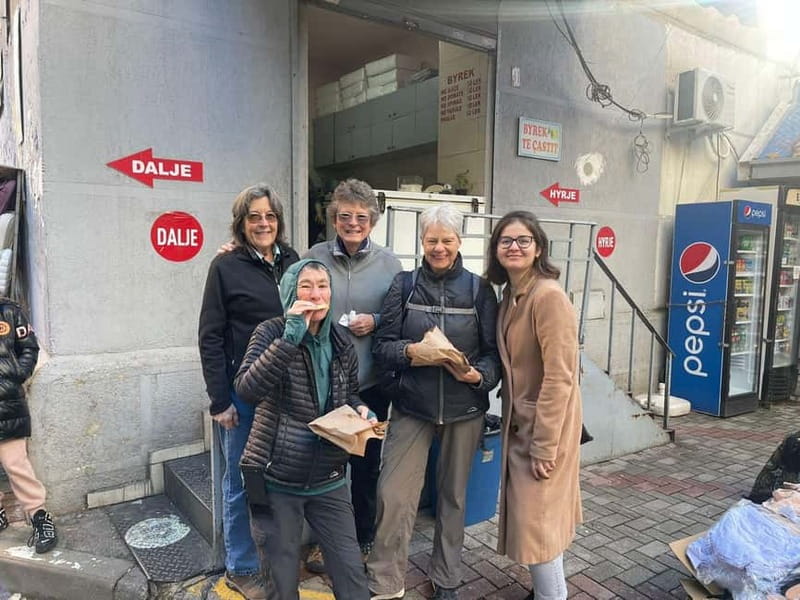
The first food stop is a small local place chosen for byrek. This pastry is made with thin layers of dough and can contain cheese, meat, spinach, or other fillings. It is a simple dish, but it is one of the most useful introductions to Albanian food because it is common, filling, and closely tied to everyday eating.
You should arrive hungry. The byrek is only the opening bite, not the whole meal. Later stops can include fruit, vegetables, cheese, nuts, olive oil, honey, dessert, and a traditional Albanian lunch. The food is spaced out with walking, but you can still end up eating close to two meals.
I like this opening because it avoids starting with an expensive restaurant or a dish chosen mainly for tourists. You begin with something practical and familiar to local life. It also gives you an early chance to ask your guide what you are eating and how it fits into Albanian cooking.
If you have food allergies or dietary restrictions, tell the operator before booking or at the meeting point. The listed foods include dairy, pastry, honey, and several shared tastings, but no specific alternatives are promised.
Çam Bazaar and the practical side of Tirana
The route then reaches Çam Bazaar, a useful stop because it is not only about food. You can browse clothing, kitchen equipment, household goods, and other everyday items. Bargaining is part of the experience, although you should treat it as a look at local shopping rather than a guaranteed souvenir stop.
This section helps explain how the city functions beyond its central squares and landmark buildings. You see goods changing hands, shopkeepers working, and people buying ordinary items. It is not polished sightseeing, and that is exactly why it can be worthwhile.
Your guide also helps you move through side streets and market areas without feeling lost. The route is designed to show you places you might not select from a guidebook alone. Expect colorful buildings, busy streets, small businesses, and the ordinary details of residential Tirana.
The pace is usually manageable because food and conversation break up the walk. Still, this is not a seated tasting. One outing covered more than 5 kilometers, and an August group walked in temperatures near 40 degrees Celsius. If you visit in summer, ask for a morning or cooler starting time when available, wear comfortable shoes, and carry water.
Seasonal produce and Albanian pantry staples
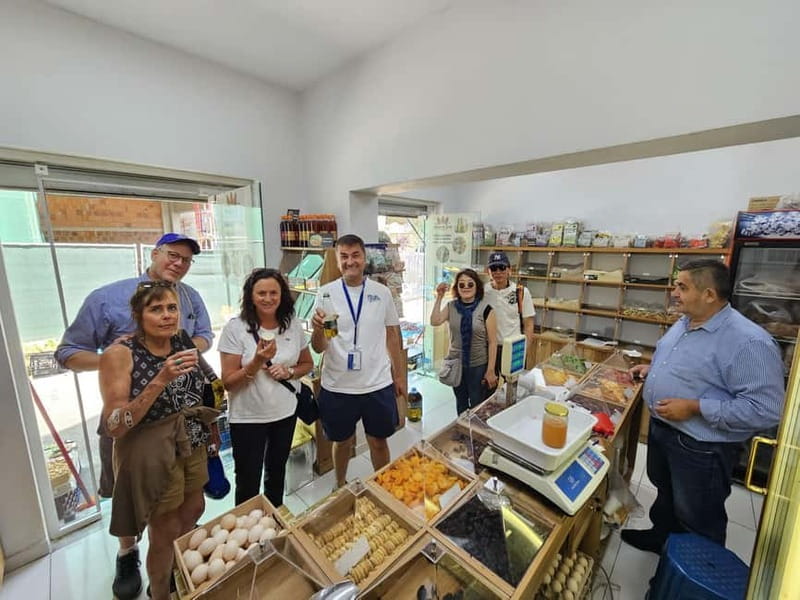
The market tastings are one of the most useful parts of the outing. You may try seasonal fruit and vegetables, local cheese varieties, olive oil, honey, nuts, and other regional products. These samples do more than fill the gaps between meals. They show you the ingredients that shape Albanian home cooking.
Fresh produce is especially important here because it gives you a direct comparison with the prepared food served later. You can taste the raw ingredients, then notice how cheese, oil, herbs, pastry, or vegetables are used in a cooked dish.
This is also where a good guide earns the price. Markel, Ervis, or Brikena can explain what you are tasting and answer questions about how people eat at home. You may also sample coffee, including Turkish-style coffee, depending on the route and stops.
The market portion can be less predictable than a restaurant tasting. Seasonal products change, and the exact selection depends on what is available that day. That is a positive if you like food that reflects the time of year, but it means you should not expect a fixed menu.
A few more walking tours around the world worth a look
- Magical London: Harry Potter Guided Walking Tour
★ 4.7 · 22,044 reviews - Reykjavik Food Walk – Local Foodie Adventure in Iceland
★ 5.0 · 18,952 reviews - History and Hauntings of Salem Guided Walking Tour
★ 5.0 · 14,564 reviews - New Orleans Premier Ghost, Voodoo and Vampire Walking Tour
★ 4.5 · 12,856 reviews
Second-hand markets and the city between attractions
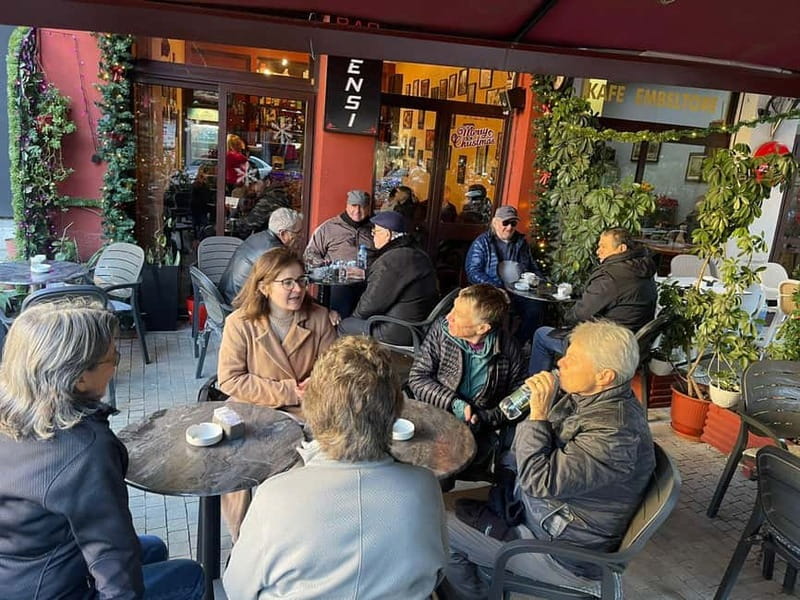
A later stop takes you through a market known for second-hand goods. You can browse pre-owned items and look for something useful or unusual. This is not a staged cultural display. It is a working market, so the interest comes from seeing what people actually buy and sell.
I appreciate this stop because it prevents the tour from becoming a string of restaurants. You continue walking, looking, and observing. The second-hand market also gives you a different view of Tirana’s economy and daily habits than the newer cafés and formal shopping streets.
The experience will suit you best if you enjoy wandering without needing every stop to be a major attraction. If you want a tightly timed tour of famous buildings, this may feel loose. The reward is a broader sense of the city, including places that do not fit neatly into a sightseeing checklist.
The New Bazaar meal and traditional dessert
The main meal comes at the New Bazaar, where you sit down for Albanian dishes made with regional ingredients. This is the point when the earlier tastings begin to make sense. You have sampled individual products, and now you can try them in a more complete meal.
The exact dishes are not specified in advance, so you should expect a traditional selection rather than a fixed restaurant menu. The meal is substantial, and the tour also includes a traditional dessert. Several people have found the food enough for nearly two meals, so do not plan an immediate large dinner afterward.
A meal at the New Bazaar also gives you a chance to rest. Three hours of walking and tasting can be tiring, especially in warm weather. The seated portion slows things down and lets you ask more questions about food, family customs, and regional differences.
This is one of the places where the tour’s value becomes clear. At $53 per person, you are paying for more than a lunch. The fee includes the guide, byrek, produce, cheese, olive oil, honey, dessert, a traditional meal, and one glass of grape raki. You also receive a walking introduction to several parts of Tirana.
You still pay separately for extra drinks, snacks, souvenirs, and personal purchases. If you would rather spend $53 on one long restaurant meal, this is not the best comparison. If you want food, conversation, and city orientation in one booking, the price is reasonable.
Raki, coffee, and the final taste of Albania
The tour ends with a glass of Albanian grape raki. This clear spirit is a strong part of local hospitality, and the final tasting gives you a chance to try it in context rather than ordering it without knowing what to expect.
Raki is not a gentle after-dinner drink for everyone. One participant found the final glass hard on the stomach, so pace yourself and do not feel obliged to finish quickly. You can enjoy the custom without pretending the drink is mild.
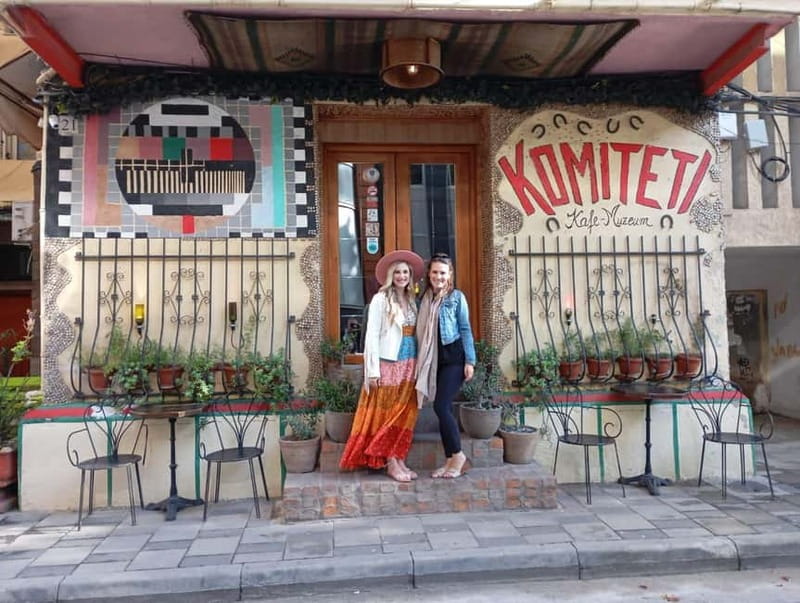
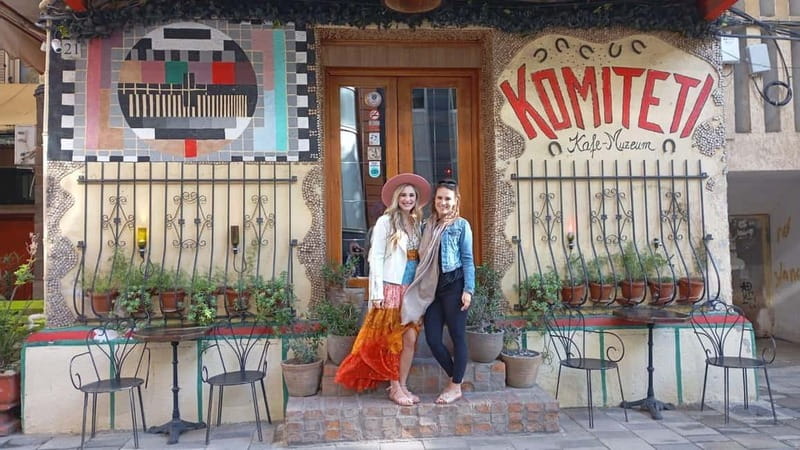
Some outings have included Turkish coffee and a stop at Komiteti, a bar associated with Albania’s communist period. Other routes have ended after a traditional meal and raki. The exact sequence can vary with the guide, timing, and available venues, but the final drink is listed as one included glass.
The ending works because it is social rather than purely culinary. You finish with a local ritual and a final conversation about Albania. It is a small moment, but it can be more memorable than another plate of food.
What the guides add to the walk
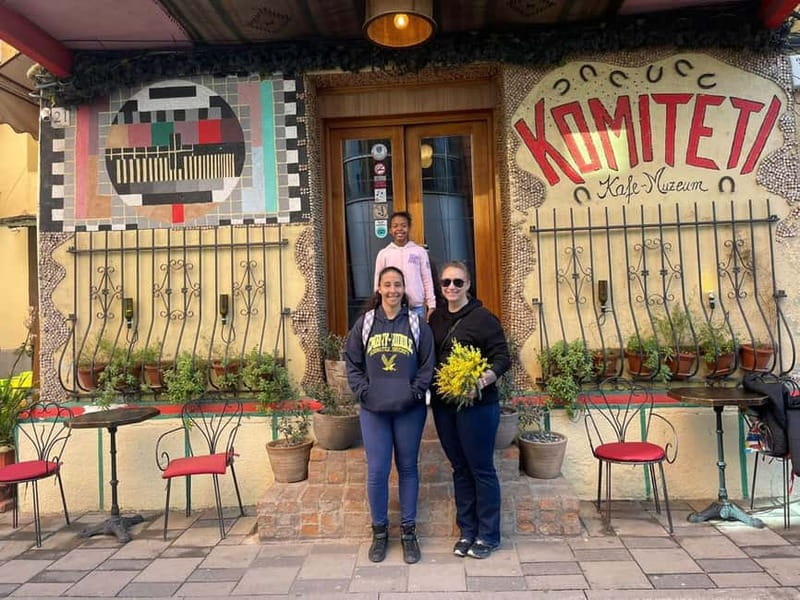
Markel receives the strongest praise in the supplied experiences. His approach combines food explanations with stories about Albania’s history, politics, architecture, and modern changes. He is also described as engaging with teenagers and patient with questions, which matters if your group has different ages or interests.
Ervis has led outings described as friendly, well informed, and focused on both Tirana and its food culture. One route with him covered more than 5 kilometers and included help from an intern. Brikena has also guided private outings and adjusted the conversation to the group’s interests, including spending extra time when questions continued.
Guide assignments can change, so you should not assume a particular person is guaranteed unless the operator confirms it. The common feature is an English-speaking local guide, with private and small-group formats available.
The best benefit is not a list of dates and facts. It is the ability to ask what a building, dish, market, or custom means to people in Albania today. That personal exchange is difficult to get from a self-guided food list.
Heat, walking, and practical planning
Meet at BKT ATM, Twin Towers, on Bulevardi Dëshmorët e Kombit. The towers are opposite the Pyramid of Tirana. Wait outside the Amo sushi restaurant on the ground floor of Tower 2, where the guide will meet you.
The tour begins and ends at the same place, which makes planning easier. It lasts three hours, though some outings have run longer when the group had many questions or the guide added extra time.
Wear shoes suitable for city walking. Bring water, especially from June through August. The route includes streets, markets, and food stops rather than a vehicle transfer, so expect regular walking and time on your feet.
You can cancel up to 24 hours ahead for a full refund, and you can reserve now while paying later. Those policies are useful if your Tirana plans are still moving around, but the main booking decision is simpler: decide if you want a social, food-led walk rather than a formal culinary class.
Who should book this food tour?
I would choose it for a first day or two in Tirana, when you want to learn where to eat and how the center fits together. It is also a good choice for anyone who prefers local markets, ordinary neighborhoods, and conversation over a checklist of sights.
Families can enjoy it, though parents should account for heat, walking, and the amount of food. Teenagers may respond well because the tour combines food with stories, markets, and modern city life rather than relying only on historical lectures.
Food-focused visitors will appreciate the variety, but you do not need to be a serious eater. The tour is also useful if you know little about Albania and want a friendly introduction through everyday food.
I would hesitate only if you dislike alcohol, have strict dietary needs that have not been confirmed, or want a short route with minimal walking. The raki is included, but you can ask about it before the tasting. The food is generous, and the route may cover several kilometers.
FAQ
How long does the Tirana food and walking tour last?
The advertised duration is three hours. Some outings have lasted longer when groups had many questions or spent extra time at stops.
Where does the tour start?
Meet at BKT ATM, Twin Towers, on Bulevardi Dëshmorët e Kombit in Tirana. Wait outside the Amo sushi restaurant on the ground floor of Tower 2, opposite the Pyramid of Tirana.
Where does the tour finish?
The tour returns to BKT ATM, Twin Towers, the same location where it begins.
What food is included?
The tour includes byrek, seasonal fruit and vegetables, local cheese, olive oil, honey, a traditional dessert, and an Albanian traditional meal.
Is raki included?
Yes. The price includes one glass of Albanian grape raki. Other drinks and snacks are not included.
Is the tour offered in English?
Yes. The listed live guide language is English.
Can I book a private or small-group tour?
Yes. Private and small-group options are available.
Should you book it?
Book this tour if you want Tirana explained through food, markets, and local conversation. At $53, the combination of tastings, a full meal, a guide, and three hours of walking makes good sense, especially early in your visit.
Come hungry, wear comfortable shoes, and expect more than a quick snack crawl. You will see ordinary corners of Tirana, taste a broad range of Albanian products, and finish with a strong glass of raki. If that sounds more appealing than a standard sightseeing circuit, this is a smart introduction to the city.
Just added around the world
- Vatnajökull Glacier Walk from Hali★ 5.0 · 479 reviews
- Old Hobart Pub Walking Tour★ 4.5 · 91 reviews
- Ice Cave and Glacier Walk into Blue Glacier Canyon★ 5.0 · 224 reviews
- Southwest Tasmania Wilderness Experience: Fly Cruise and Walk Including Lunch★ 5.0 · 233 reviews
- Saigon’s Hidden Flavors – Private Street Food Walk with Local Students★ 5.0 · 301 reviews
- Hobart History, People & Places – 2 hour city walk★ 5.0 · 224 reviews
- Vegan Walk Not Just Vegan Food★ 5.0 · 266 reviews
- Ho Chi Minh City: Highlights & Hidden Gems – Free Walking Tour★ 5.0 · 194 reviews
Walking Tours, compared.

Magical London: Harry Potter Guided Walking Tour
Read our review →
Reykjavik Food Walk – Local Foodie Adventure in Iceland
Read our review →
History and Hauntings of Salem Guided Walking Tour
Read our review →
New Orleans Premier Ghost, Voodoo and Vampire Walking Tour
Read our review →
Amsterdam Anne Frank: Small-Group Walking Tour & Local Guide
Read our review →

Edinburgh Castle: Guided Walking Tour with Entry Ticket
Read our review →
Anne Frank’s Story – Guided Walking Tour through Amsterdam
Read our review →Browse the lists this tour appears in