
REVIEW · ATHENS
Greek Food Walking Tour in Athens
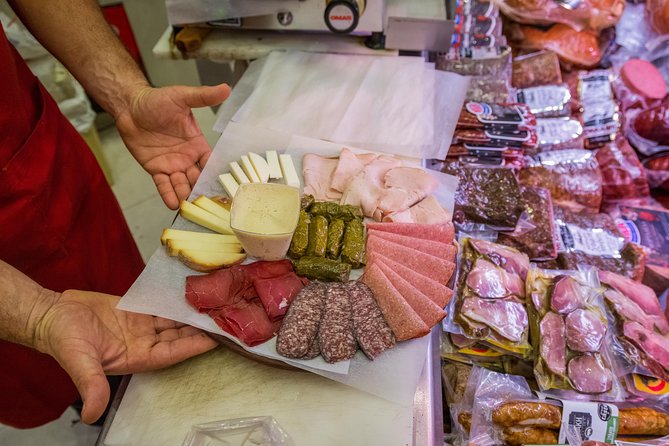
Athens reveals itself through its food on this three-and-a-half-hour walking tour. You move from Monastiraki to Varvakios Agora and Psyrri, tasting sesame bread, Greek coffee, meze, souvlaki, local wine, tsipouro, yogurt with honey, and loukoumades along the way. It is part meal, part market visit, and part neighborhood walk.
I like the tour’s mix of food and city life, especially the fish, meat, and produce market rather than a string of tourist restaurants. I also like the personal touch: guides such as Adele, Ana, Tonia, and Maria are praised for explaining Greek customs, ingredients, and good places to eat.
The main drawback is simple: this is a lot of food. The tour is not suitable for a gluten-free diet, and the small pours of wine and ouzo may disappoint anyone expecting a drinking tour. Come hungry, and plan on a light meal afterward.
Key points at a glance
- Six stops and 12 tastings: Expect enough food to replace a meal, with sweets and drinks included.
- Varvakios Agora visit: See Athens’ central fish, meat, and produce market while learning how food reaches the city’s tables.
- Private group format: Only your party takes part, with groups capped at 12 people.
- A real neighborhood walk: The route links Monastiraki, Aiolou Street, Psyrri, and the herb and spice quarter.
- Strong guide-led experience: Guides including Ana, Adele, Tonia, Dorella, Maria, and Alexandra are praised for warmth, local knowledge, and practical restaurant advice.
- Come very hungry: Several people found the food plentiful enough to skip dinner.
Starting in Monastiraki with a koulouri
The tour begins at the Holy Church of the Virgin Mary Pantanassa in Monastiraki Square. This is a useful meeting point in central Athens, close to public transportation and surrounded by major sights, flea-market stalls, tavernas, and views toward the Acropolis.
Your first taste is likely to be koulouri, the sesame-covered bread ring sold all over Greece. It is a humble snack, but a good introduction to the way this tour works. You are not just handed food. The guide explains what you are eating and places it within everyday Greek life.
Monastiraki itself gives you plenty to look at before the first proper market stop. Nearby are Hadrian’s Library, the Ancient Agora, and the rebuilt Stoa of Attalos. The flea market adds a different layer, with handmade sandals, soaps, clothing, and souvenir goods packed into narrow streets.
I like beginning here because you get your bearings in one of Athens’ busiest central areas before moving into smaller food shops and market lanes. The tradeoff is that Monastiraki can feel crowded, especially around the square and flea market. Keep your attention on the group and wear shoes you can walk in comfortably.
More Food Walking Tours in Greece
- Athens: Guided Greek Food Walking Tour with Tastings
★ 4.9 · 2,859 reviews - Athens Authentic Greek Food Walking Tour (Small Group)
★ 5.0 · 809 reviews - Athens: Ultimate Food Walking Tour with 15 Tastings
★ 4.9 · 567 reviews
Aiolou Street and the first food discoveries
The route continues along Aiolou Street, named for Aeolus, the Greek god of winds. This downtown street helps connect the open spaces around Monastiraki with the commercial center of Athens.
This part of the walk is less about a single famous sight and more about seeing how the city changes block by block. You might pass cafés, food counters, specialty shops, and older commercial buildings while the guide explains the ingredients and customs behind the tastings.
The sample menu includes local coffee, bread with tomato sauce, local pies, and high-quality olive oil. You may also taste honey, olives, feta, and other regional products depending on the food stops selected for your group.
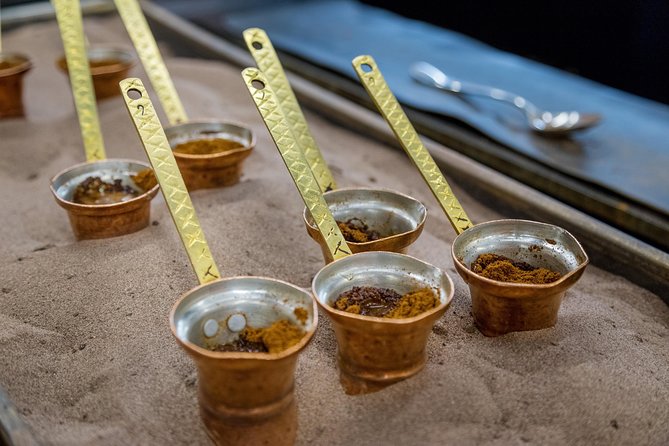
The coffee stop deserves attention. Several people singled out the coffee experience at Mokka, along with the chance to try Greek coffee and Turkish delight. Coffee preparation is a small but revealing part of the food culture, and it gives the tour a pause between the walking and the larger shared plates.
Varvakios Agora: the strongest part of the route
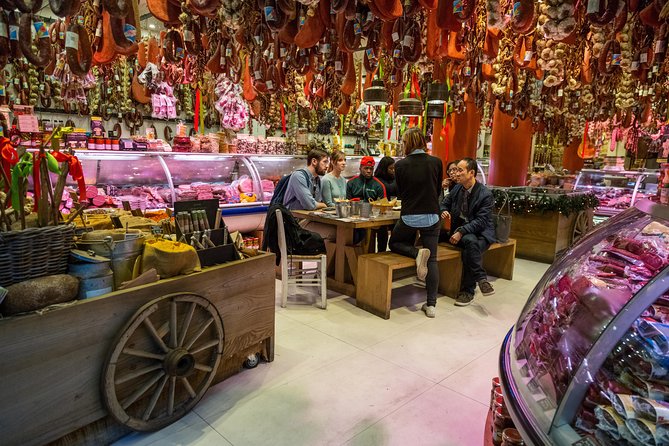
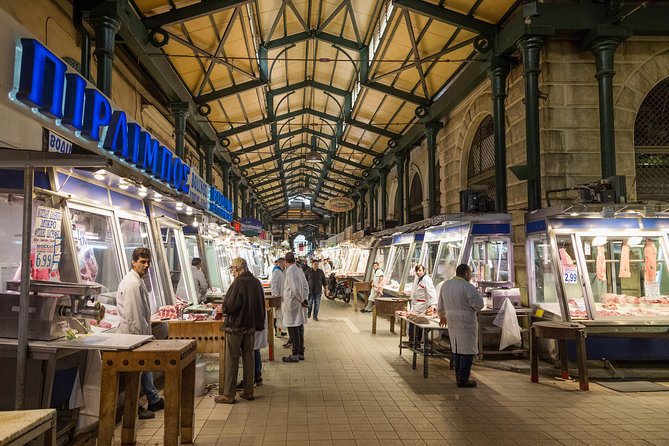
The central market, commonly called Varvakios Agora, is the most useful stop for understanding Athens as a food city. Fish, meat, and produce are sold here, and restaurants operate within the market area.
A guide makes a real difference in this setting. Without context, a market can become a quick pass through rows of stalls. With someone explaining the ingredients, shopping habits, and place of the market in city life, you get more from the visit.
The fish and meat sections may not suit everyone. The sights and smells are direct and practical rather than polished. That is exactly why I consider the stop worthwhile, but you should know what you are signing up for if you prefer tidy food halls.
Produce adds a lighter side, with seasonal fruit and vegetables helping show the range of Greek cooking. The market visit also gives you a chance to compare the ingredients you have tasted with their source. Olive oil, tomatoes, herbs, cheese, and meat stop being abstract menu items and become part of a working food system.
This is one of the places where guides such as Ana and Adele have made the strongest impression. Their role is not only to lead you through the market, but to answer questions and explain why Greek food varies by region. You can ask about olive oil, wine, feta, honey, or the differences between local dishes.
The herb and spice quarter
Athens has a dedicated street known for herbs and spices, and the tour includes this part of the city. It is a good change of pace after the meat and fish market.
Here you may encounter dried herbs, spice blends, teas, and products used in Greek home cooking. The value is in the explanation. Oregano, thyme, and other seasonings are not just decoration on a plate. They help distinguish regional cooking and show how much Greek food depends on simple, well-handled ingredients.
This stop is also useful if you want to shop after the tour. The experience includes tastings of local products, but the information can help you decide what is worth taking home. Ask your guide about storage, quality, and how an ingredient is normally used before buying.
Do not expect a long shopping session. The tour has six food stops, and the pace needs to leave room for eating, walking, and conversation. If you want to purchase spices or olive oil, note the shop and return later.
More Food Walking Tours in Athens:
- Athens: Authentic Greek Food Walking Tour
★ 4.9 · 549 reviews - Athens: Evening Food Walking Tour
★ 4.9 · 422 reviews - Reykjavik Food Walk – Local Foodie Adventure in Iceland
★ 5.0 · 18,952 reviews - Ho Chi Minh City Street Food Tour & Sightseeing By Motorbike
★ 5.0 · 9,413 reviews
Psyrri, meze, and the main sitting-down meal
Psyrri is one of central Athens’ best areas for a food walk. Around Iroon Square and the surrounding lanes, you find meze restaurants, tavernas, bars, artisan shops, and streets marked by graffiti and small creative businesses.
The food portion here is more substantial. The sample menu includes mezedes plates, bread with tomato sauce, local pies, and other shared dishes. You may also have anchovies in olive oil, honey, feta, olives, or other small plates depending on the day.
The family-style meal is often the point when people realize the warning about arriving hungry was serious. One stop can provide enough food for a full meal, yet the tour continues with souvlaki, sweets, and other tastes.
That abundance is a strength if you want a generous introduction to Greek cooking. It is less appealing if you prefer tiny, carefully measured samples. I would treat this as lunch with additional tastings, not as a light snack crawl.
The guide also helps you understand how meze works. Shared plates are meant to be sampled across the table, and the meal becomes social rather than a sequence of isolated bites. If you have a vegetarian preference, mention it to the guide. The tour can accommodate vegetarians when the preference is communicated.
Souvlaki, yogurt, wine, and loukoumades
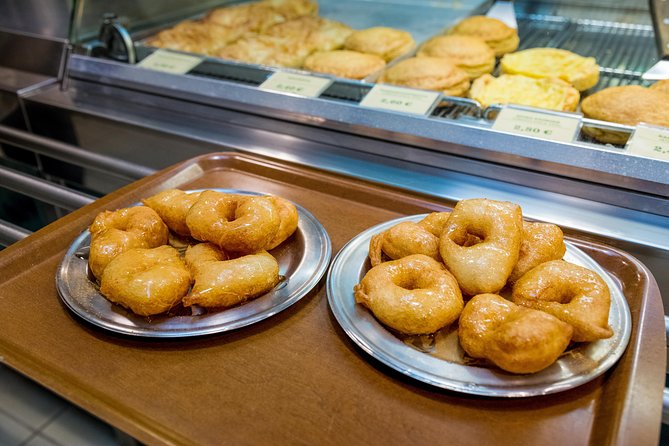
Souvlaki gives the route a familiar Greek favorite, but having it during a food walk lets you compare it with the other dishes rather than treating it as your only meal in Athens. The menu also includes yogurt with honey, a simple combination that shows how a few good ingredients can carry dessert.
The drinks include local wine and tsipouro. These are tastings, not a full evening of drinking. One person found the glass of wine and ouzo very small, so I would not book this tour mainly for alcohol.
The final sweet is loukoumades, Greek doughnuts usually served with honey or syrup. They are an excellent finish, though you may already be full by the time they arrive. A little restraint at the earlier stops will help you enjoy the dessert.
Some people also saved the final gyro for later because they had eaten so much. That is a practical strategy, not a failure. You can taste what you want, ask questions, and stop before you feel uncomfortable.
How much food do you actually get?
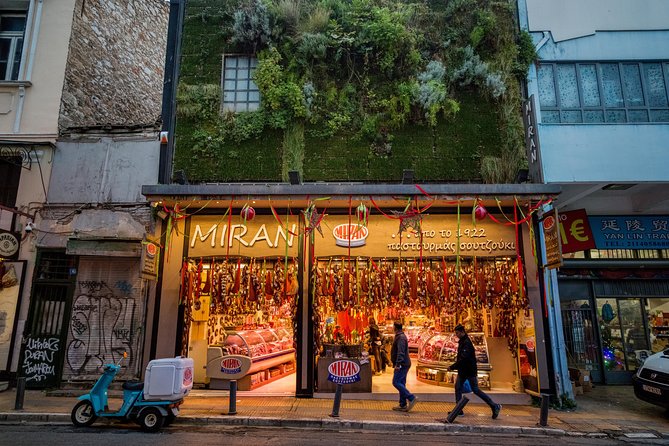
The advertised plan includes six food stops and 12 tastings. The menu lists koulouri, coffee, meze, bread with tomato sauce, local pies, souvlaki, yogurt with honey, wine, tsipouro, and loukoumades. The exact combination can vary, but the overall pattern is clear: this is a full food experience.
I would skip breakfast or eat very lightly beforehand. The tour specifically advises arriving without a full meal, and that advice matters. Several people ended the walk too full for dinner.
The portions seem designed to be shared at some stops, especially the meze meal. If you have a small appetite, tell your guide early. You do not need to force every bite, and a good guide can help you pace yourself.
The tour is suitable for vegetarians if you state your preference. It is not suitable for vegans or people with gluten intolerance, according to the tour details. Allergies should be discussed with the tour leader, but the gluten-free warning means you should not assume substitutions will make the experience safe.
The guides shape the experience
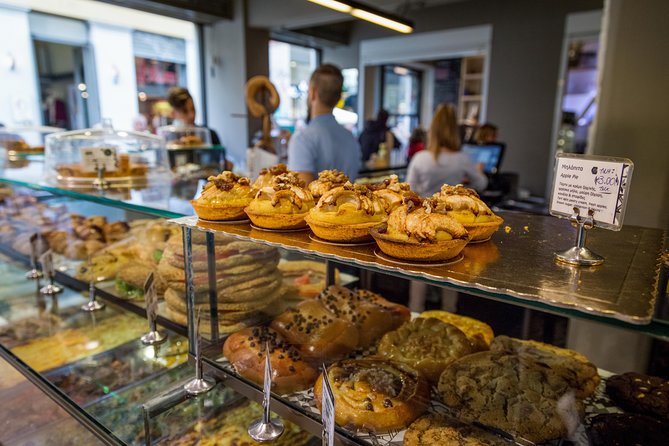
Food walks live or die by the guide, and this one clearly depends on the person leading your group. Names associated with the tour include Adele, Ana, Anna, Tonia, Dorella, Dora, Maria, and Alexandra.
The strongest qualities are warmth, useful food advice, and the ability to connect dishes with Greek culture and history. Adele is praised for keeping a small group laughing and engaged. Ana is noted for explaining the markets and local customs. Tonia receives credit for handling dietary restrictions, while Maria is praised for being kind and welcoming even when someone arrived late.
You should not book expecting the same guide every time unless the company confirms it. Still, the repeated pattern is encouraging: the guide is not simply a person who points out restaurants. You get a local food leader who can suggest places for later meals and explain where ingredients come from.
If you want restaurant recommendations for the rest of your stay, take notes. Several guides offered advice about good areas for food, drinks, and evening stops, which can make the tour more useful than a single afternoon of eating.
Private format, timing, and value
The price is $87.07 per person, and the tour lasts about three hours and 30 minutes. Food and drinks are included, as is the local food leader. Hotel pickup and drop-off are not included, so you make your own way to Monastiraki Square.
The experience is described as private, with only your group taking part, and groups are limited to 12 people. That matters if you want to ask questions or need help with food preferences. A small group also makes market walking easier than a large organized crowd.
At this price, the value depends on how you use it. If you count only the food, you may find cheaper ways to eat in Athens. But the tour also includes a market visit, 12 tastings, neighborhood orientation, cultural context, and guidance for later meals.
I consider it good value for a first or second day in Athens, when you can use the advice for the rest of your stay. It is less valuable if you already know Greek food well and mainly want a cheap lunch.
The tour is booked, on average, 52 days in advance, so it is wise to reserve before your trip if your schedule is fixed. Confirmation arrives at booking, and you can use either a paper or electronic voucher.
Who should book this food walk?
This tour suits first-time visitors who want a quick introduction to central Athens without spending a day inside a formal cooking class. It also works well for couples, families, and small groups who enjoy sharing food and asking questions.
It is a strong choice for people who want more than the usual taverna meal. The central market, spice street, and everyday shops show parts of Athens you could easily miss while moving between the Acropolis and major museums.
Vegetarians can take part if they state their preference. People with gluten intolerance or a vegan diet should choose another experience. Anyone who dislikes markets, meat sections, or a large amount of food should also think twice.
The walk requires good weather. If poor weather cancels the tour, you are offered another date or a full refund. You can cancel for a full refund up to 24 hours before the start time, but changes made within 24 hours are not accepted.
Should you book the Greek Food Walking Tour in Athens?
Book it if you want a generous introduction to Greek food tied to real Athens neighborhoods. The best parts are the market visit, the variety of tastings, and the chance to learn from a guide such as Ana, Adele, Tonia, or Maria.
I would book it early in your stay, preferably on a day when you can use the restaurant tips afterward. Arrive very hungry, wear comfortable shoes, and treat the wine and tsipouro as small additions rather than the main event.
Skip it if you need gluten-free or vegan food, want a quiet sit-down meal, or prefer to choose each dish yourself. For everyone else, the combination of market life, local products, sweets, and a filling Greek meal makes this a practical way to get oriented in Athens.
FAQ
Where does the Greek Food Walking Tour in Athens begin?
It begins at the Holy Church of the Virgin Mary Pantanassa in Monastiraki Square, Athens.
Where does the tour end?
The activity ends back at the meeting point in Monastiraki.
How long does the tour last?
The tour lasts approximately three hours and 30 minutes.
How many food tastings are included?
The tour includes six food stops and 12 tastings, along with food and drinks.
Is the tour suitable for vegetarians?
Yes. You can inform your tour leader about your vegetarian preference or allergies.
Is the tour suitable for vegans or people with gluten intolerance?
No. The tour is not suitable for vegans and is not recommended for people with gluten intolerance.
Can I cancel for a full refund?
Yes. You can cancel at least 24 hours before the start time for a full refund. Cancellations or changes made within 24 hours are not refunded or accepted.
Just added around Athens
- Eat Your Way Through Athens: A Local Food Walk★ 4.9 · 97 reviews
- Athens: The Acropolis Guided Walking Tour in Dutch★ 4.9 · 107 reviews
- Athens: Women in Ancient Greece Guided Walking Tour★ 5.0 · 86 reviews
- Athens: The Acropolis Walking Group Tour with a French Guide★ 4.7 · 469 reviews
- Athens: The Acropolis Guided Walking Tour in German★ 5.0 · 362 reviews
- Athens: Private Walking Tour with a Local★ 4.5 · 93 reviews
- Athens: Evening Food Walking Tour★ 4.9 · 422 reviews
- Athens: Greek Food Discovery Small Group Walking Tour★ 4.9 · 336 reviews
Food Walking Tours, compared.
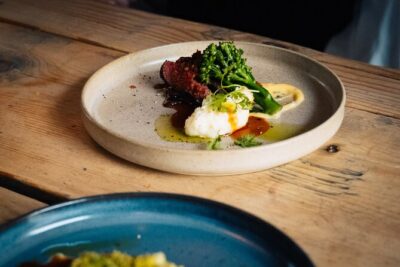
Reykjavik Food Walk – Local Foodie Adventure in Iceland
Read our review →
Ho Chi Minh City Street Food Tour & Sightseeing By Motorbike
Read our review →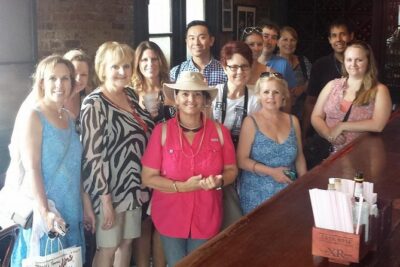
New Orleans Food Walking Tour of the French Quarter with Small-Group Option
Read our review →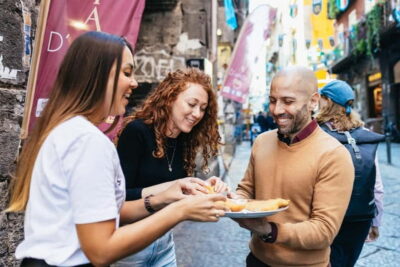
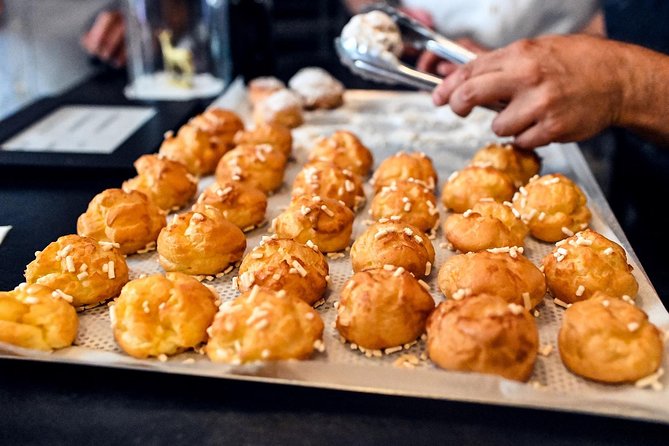
Authentic Parisian Gourmet Food Tour with 10 Local Dishes & Wines
Read our review →
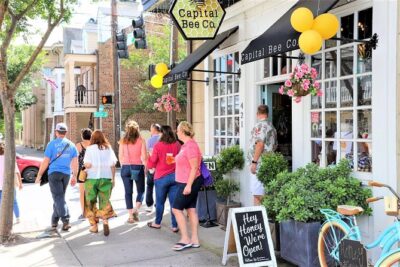
Savannah First Squares Culinary & Cultural Walking Food Tour
Read our review →
Tokyo Tsukiji Fish Market Food and Culture Walking Tour
Read our review →Browse the lists this tour appears in