
REVIEW · KYOTO
Kyoto Geisha Walking Tour: Gion District & Hidden Gems
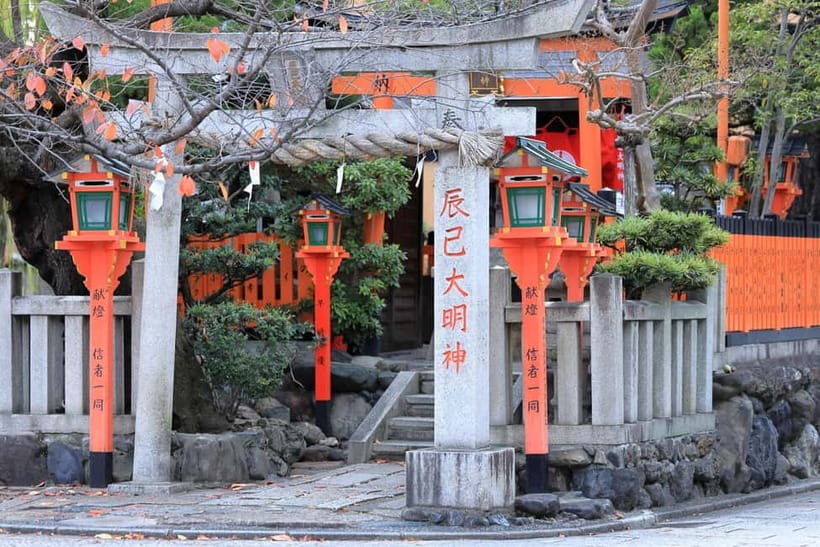
Gion is at its most atmospheric when lanterns begin to glow and a Geiko or Maiko hurries between appointments. This two-hour walk brings you through the district’s old lanes, teahouses, temples, and carefully preserved machiya townhouses while explaining what you are actually seeing.
I like the clear cultural context, especially the explanation of how Geisha culture began and how it fits into Kyoto today. I also like the useful end-of-tour advice on restaurants, bars, shops, and other places to visit.
The main drawback is simple: seeing a Geiko or Maiko is possible, not promised. You will also walk for two hours, and the route is not suitable for wheelchair users or people with mobility impairments.
Key points at a glance
- A practical first look at Gion: Cover major streets, quiet corners, tea houses, temples, and traditional wooden townhouses in two hours.
- Geiko and Maiko explained properly: Learn the difference between the terms, their training, their work, and their place in present-day Kyoto.
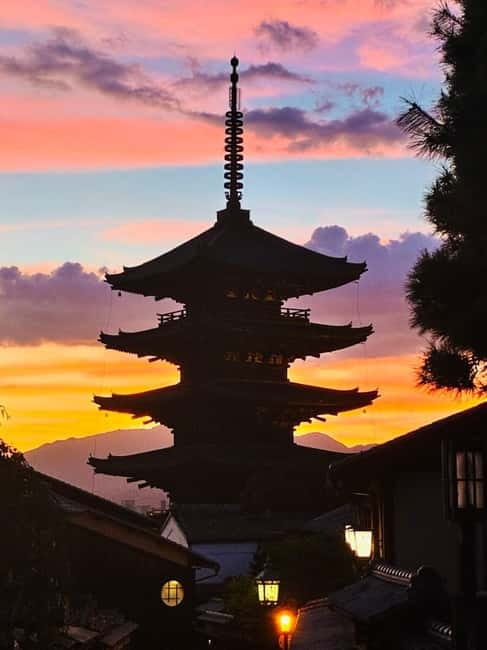
- Several strong photo stops: Hokan-ji Pagoda, lantern-lit lanes, machiya facades, and less-visited corners offer more than the usual postcard views.
- Guides who add plenty of context: Michael receives especially strong praise, while Anton, Yuri, Ikuro, and others also lead tours.
- Useful advice after the walk: Leave time afterward for food, shopping, or activities recommended by your guide.
- Good value at $25: The price is modest for a live English-speaking introduction to one of Kyoto’s most famous districts.
Why Gion is best understood on foot
Gion can look easy to explore. You follow the cobbled lanes, admire the wooden buildings, and wait for a Geiko or Maiko to appear. But without context, much of the district becomes a pretty backdrop rather than a place you understand.
That is where this walk earns its keep. Your guide explains why Gion developed around teahouses, how traditional entertainment worked, and why the district still matters today. You are not simply pointed toward old buildings. You learn how the streets, tea houses, performers, and temples fit together.
The walk also helps you read the visual clues. A narrow entrance, a modest wooden facade, a lantern, or a machiya courtyard can tell you more about the old neighborhood than a large sign can. The guides keep the explanations connected to what is directly in front of you, which makes the history easier to remember.
At two hours, this is an introduction rather than a complete study of Kyoto. That is a strength if you are visiting Gion for the first time and want your bearings quickly. If you already know the district well, the walk may feel more like a refresher.
More Hidden Gems Walks in Kyoto:
- Dublin Highlights and Hidden Gems Guided Walking Tour
★ 5.0 · 6,020 reviews - Explore Berlin: See All The Iconic Sights & Some Hidden Gems
★ 5.0 · 4,429 reviews - Venice: San Marco to Rialto Walk & Spritz Like a Local
★ 4.2 · 3,651 reviews
Starting beside Hotel Alza Kyoto
The meeting point is on the side street next to Hotel Alza Kyoto. Look for the red parasols and marble seats underneath. This is a useful landmark, but give yourself enough time to find the side street rather than arriving at the last minute.
The tour is offered in English with a live guide. Michael is the name most often associated with the experience, and the guide team also includes Anton, Yuri, Ikuro, and others. The exact guide can affect the tone of the walk, but the recurring strengths are clear: friendly explanations, a strong grasp of Kyoto’s past, and a willingness to answer questions.
Group size can vary. Some departures have been small enough to feel almost private, allowing the guide to adjust the discussion around personal interests. That is a pleasant bonus, not something to count on when booking.
Wear comfortable shoes. This is a walking tour over old streets and temple grounds, with no stated provision for a rest stop. One person specifically found a winter departure very cold and suggested a warm-up stop would help. In hot, rainy, or cold weather, dress for the conditions.
The old streets, machiya, and tea houses
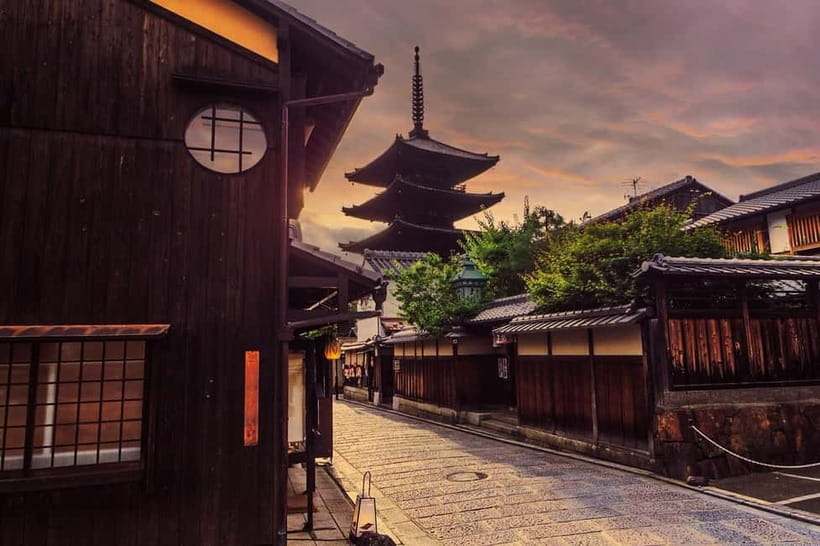
The first part of the route brings you into Gion’s traditional streets. Here, the appeal is not one single monument. It is the combination of dark timber, narrow lanes, quiet entrances, and the sense that the district still follows its own rules.
The preserved machiya townhouses are especially useful for understanding old Kyoto. Their long, narrow forms reflect the shape of the plots, while their restrained street fronts keep the neighborhood visually calm. Your guide points out details you might pass without noticing on your own.
You also see tea houses connected with private Geiko and Maiko performances. These are not ordinary restaurants or public shows. Access is traditionally restricted, and the walk helps explain why the tea house remains such an important part of Gion’s social world.
This is also where respectful behavior matters. A Geiko or Maiko may be heading to work, not posing for photographs. The tour offers an opportunity to see them, but it should not be treated as a photo hunt. Watch from a respectful distance and follow your guide’s instructions.
The small shops along the route add a lighter touch. You may find boutique-style souvenirs and other places worth returning to after the tour. One useful tip is to leave some free time after the walk, since the area has restaurants, shopping, and small activities such as perfume-making or pottery.
Hokan-ji Pagoda and the classic Gion view
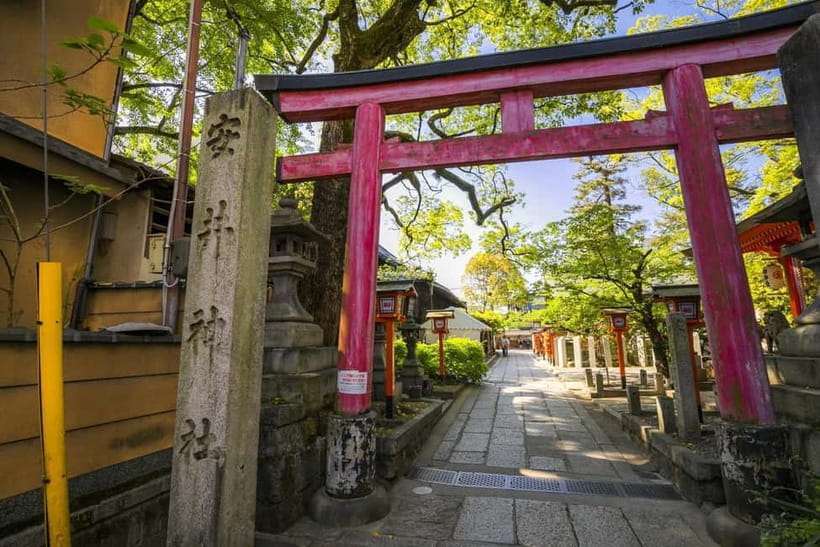
Hokan-ji Pagoda, often called Yasaka-no-To, is one of the most recognizable sights in this part of Kyoto. Its form rises above the surrounding buildings and gives the neighborhood a strong sense of place.
The pagoda makes a good photo stop, but the guide’s explanation gives it more meaning than a quick snapshot from a crowded street. You learn how the landmark fits into the religious and architectural character of the area.
The route also includes quieter places where you can take photographs without focusing only on the most famous angle. That matters in Gion, where the best image is often a side lane, a wooden facade, or a lantern-lit passage rather than a major attraction.
Keep your expectations realistic about crowd levels. One winter departure was praised for having few people around, but conditions will change with the season and time of day. The neighborhood can feel calmer in the evening, while daylight gives you better views of building details.
A few more walking tours around Kyoto worth a look
- Kyoto: Gion Magical Night Walking Tour with Geisha Trivia
★ 4.9 · 2,393 reviews - Kyoto: Gion Geisha District Walking Tour – Stories of Geisha
★ 4.7 · 2,187 reviews - Night Walk in Gion: Kyoto’s Geisha District
★ 4.5 · 2,003 reviews - Kyoto Gion Geisha District Walking Tour – The Stories of Geisha
★ 5.0 · 1,441 reviews
Kennin-ji, Kyoto’s oldest Zen temple
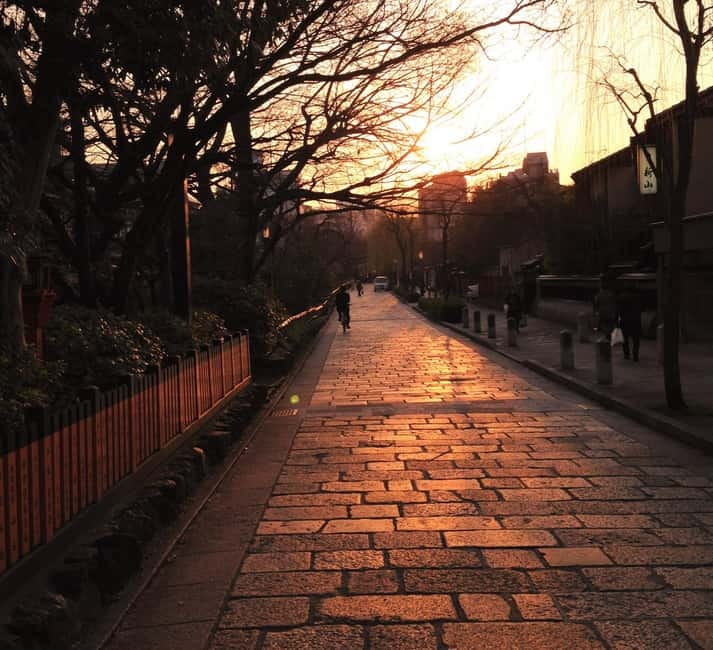
Kennin-ji is identified on the tour as the oldest Zen temple in Kyoto. Its grounds offer a calmer change from Gion’s narrow streets and commercial activity.
The value here is contrast. After hearing about entertainment districts and tea houses, you enter a religious setting shaped by Zen practice. The temple helps show that Gion is not an isolated tourist quarter. It sits within a larger cultural area where commerce, art, religion, and daily life have long shared the same streets.
The visit also gives your guide another setting in which to explain architecture and tradition. Listen for how the temple differs from the tea houses and machiya you have just seen. The walk works best when you notice those changes rather than rushing from one photo stop to the next.
Because the tour lasts only two hours, do not expect an extended temple visit or a detailed study of every building. Think of Kennin-ji as an important stop within a wider neighborhood walk.
Chion-in and the quieter side of Kyoto
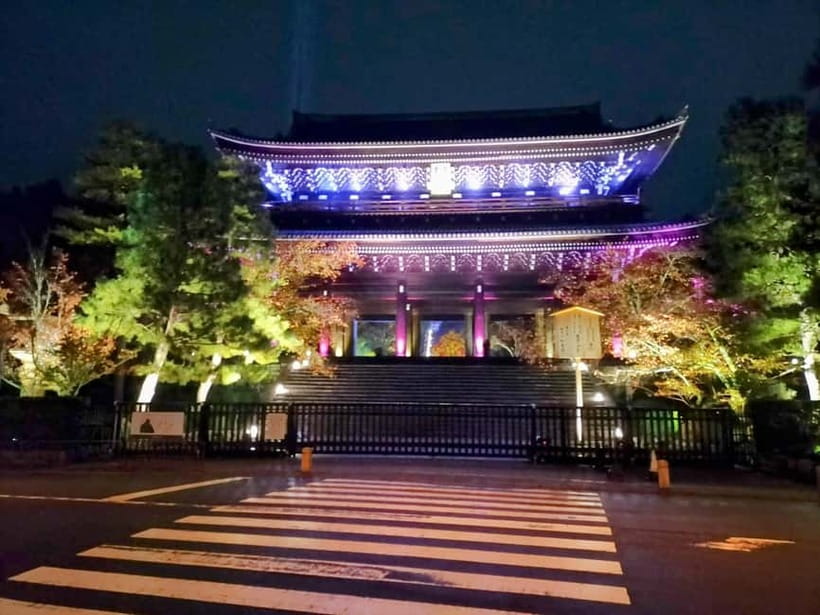
Chion-in is described as a less-visited highlight of the route. Its grounds are broad and scenic, and three items there have national treasure status.
This stop adds scale to the experience. Gion’s lanes feel intimate and tightly packed, while Chion-in gives you a sense of Kyoto’s larger temple spaces. The change of pace is welcome, especially if you have spent the day among busy streets.
It also helps correct a common impression of Gion. The district is not only about Geisha culture, evening lanterns, and tea houses. The surrounding area contains major religious sites, large grounds, and long-standing traditions that deserve attention in their own right.
The practical limitation is time. Two hours is enough to introduce Chion-in and explain why it matters, but not enough to explore every part of its grounds in depth. If the temple interests you, ask your guide for advice on returning later.
Learning about Geiko and Maiko
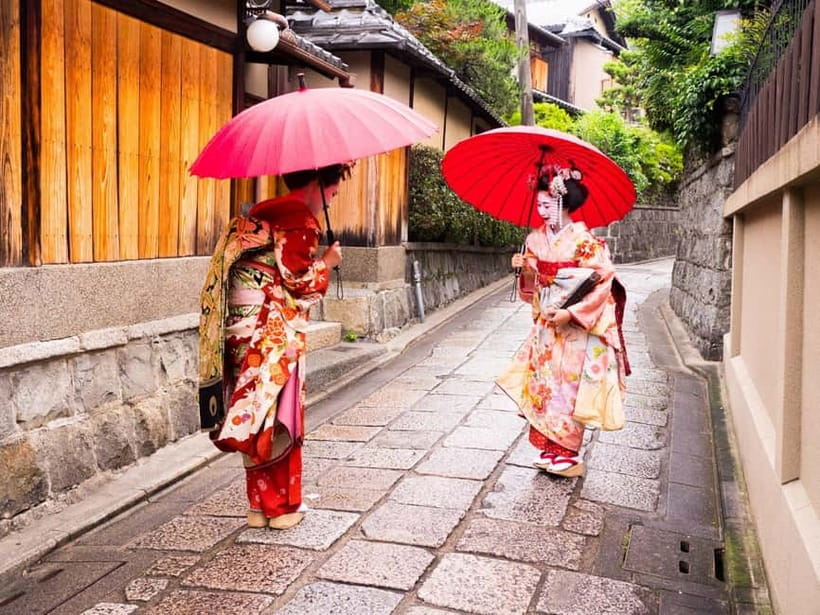
The Geisha portion of the walk is strongest when it moves beyond costume and mystery. In Kyoto, the terms Geiko and Maiko are used, and your guide explains their origins, training, work, and place in modern society.
That background helps you understand what you see on the street. A Maiko’s appearance reflects a particular stage of training, while a Geiko is an accomplished professional. The clothing and presentation are not simply decorative. They connect to the traditions of performance and hospitality that define the district.
The guide also explains why private tea house performances are different from public stage events. That distinction matters. You may see a performer traveling to an appointment, but that does not mean you are seeing a public attraction or an invitation to follow.
Several departures included a Geiko sighting, while at least one did not. That is the honest version of the experience. If seeing one is your only reason for booking, you may be disappointed. If your main goal is to understand Gion and improve your chances of noticing the district’s working life respectfully, the tour makes good sense.
Choosing the right time of day
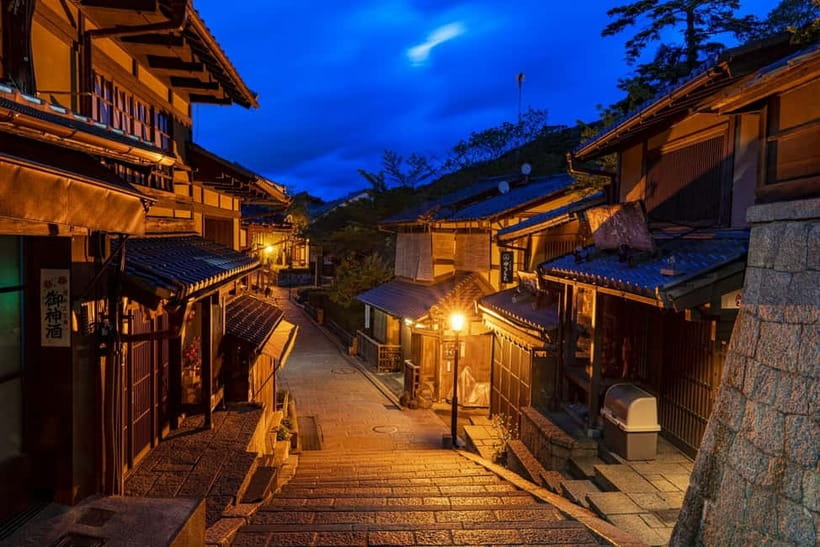
The tour offers different starting times, so check availability for the date of your visit. The best choice depends on what you want from Gion.
A late afternoon departure can give you daylight for architecture and photographs, followed by the first lantern-lit moments of the evening. One person who joined at 3:00 p.m. felt an earlier time would be better because of fading light. That is useful advice during winter or on cloudy days.
An evening departure can provide a more atmospheric walk. One 6:00 p.m. outing was especially comfortable because the area was quiet and there was room to look around and ask questions. The tradeoff is less daylight for building details and photographs.
If you care most about seeing facades and taking clear photos, choose an earlier slot. If you want the mood of Gion after dark, choose later. Neither timing guarantees a Geiko or Maiko sighting.
The value of the $25 price
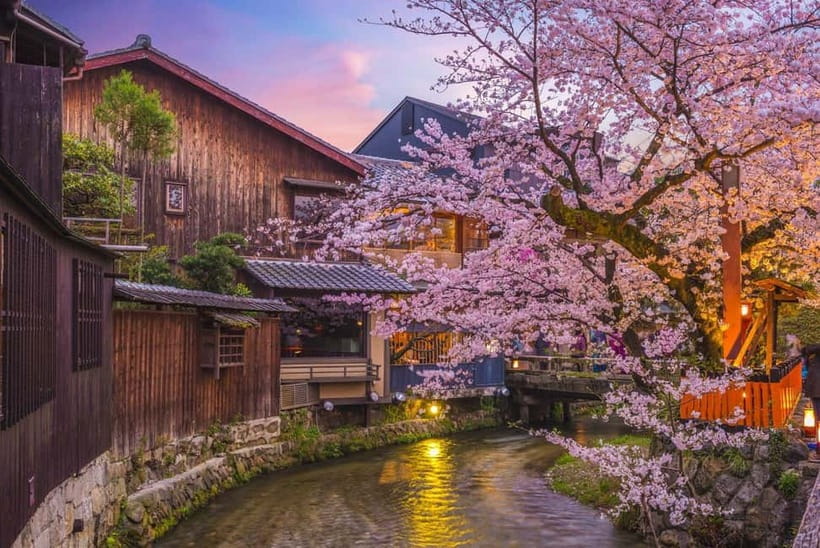
At $25 per person, this is a modestly priced guided walk in one of Kyoto’s most famous areas. You are paying for two hours of English-language explanation, route planning, cultural background, and access to a guide who can answer questions in real time.
The value is highest at the beginning of a Kyoto visit. After the walk, Gion’s tea houses, temples, and traditional streets will make more sense, and you can return to places that caught your interest. The recommendations at the end may also save you time when choosing restaurants, bars, shops, and other attractions.
Do not compare this price with a private custom tour. The walk is a short introduction, and the exact group size and guide will vary. You will not receive a long meal, a private Geiko performance, or guaranteed access inside tea houses.
For a low-cost orientation, though, it is strong value. You get a focused route through a difficult district to interpret on your own, plus advice that can shape the rest of your stay.
Who will enjoy this walk most
I would recommend this tour to first-time visitors who want more than pretty streets and a few photographs. It also suits anyone interested in Japanese history, traditional performance, architecture, or the changing role of old districts in modern Kyoto.
Families can benefit from the clear explanations. One guide was specifically praised for working well with children, and the walk’s short length is manageable for many people who do not want a full-day outing.
It is less suitable if you have limited mobility, use a wheelchair, or dislike walking outdoors for two hours. It may also disappoint you if you expect guaranteed Geisha sightings or a private performance.
Plan your meal afterward. The route finishes with restaurant and bar suggestions, and several people found the food advice useful. Keeping the rest of the evening open lets you act on those recommendations instead of hurrying to another booking.
Should you book the Kyoto Geisha Walking Tour?
Book it if you want a well-priced introduction to Gion that combines famous sights with useful cultural explanation. The strongest part is not the promise of seeing a Geiko or Maiko. It is the way the guide helps you understand the streets, tea houses, temples, and traditions as parts of one living district.
Choose an earlier departure for better daylight, or an evening slot for lanterns and a quieter mood. Wear good shoes, dress for the weather, and treat any Geiko sighting as a fortunate extra. For $25, this is a sensible first activity in Kyoto, especially if you plan to stay in Gion afterward for dinner or more exploring.
FAQ
How long does the Kyoto Geisha Walking Tour last?
The tour lasts two hours.
How much does the tour cost?
The listed price is $25 per person.
Is the tour conducted in English?
Yes. The experience includes a live English-speaking guide.
Where is the meeting point?
Meet on the side street next to Hotel Alza Kyoto. Look for the red parasols or umbrellas with marble seats underneath.
Will I definitely see a Geiko or Maiko?
No. The tour gives you an opportunity to spot Geiko and Maiko as they travel to appointments, but sightings are not guaranteed.
Is the tour suitable for wheelchair users?
No. The activity is not suitable for wheelchair users or people with mobility impairments.
Can I cancel or pay later?
You can cancel up to 24 hours in advance for a full refund. The reserve-now, pay-later option lets you book without paying immediately.
Just added around Kyoto
- Kyoto: Meet the Geisha Maiko with Gion Walking Tour★ 4.8 · 371 reviews
- Cool Kyoto: 5-Hour Walking Tour with the Last Samurai★ 4.8 · 73 reviews
- Gion Walking Tour by Night★ 4.5 · 429 reviews
- Kyoto Sake Brewery & Tasting Walking Tour★ 5.0 · 623 reviews
- Kyoto Gion Night Walk & Geisha District Guided Tour★ 5.0 · 786 reviews
- Kyoto: Izakaya Bars Guided Walking Tour★ 4.9 · 815 reviews
- Kyoto Gion: 2-Hour Geisha Culture & History Walking Tour★ 5.0 · 1,186 reviews
- Kyoto Arashiyama Walking Tour: Bamboo, Monkeys, Gardens & Secrets★ 5.0 · 1,216 reviews
Hidden Gems Walking Tours, compared.
Dublin Highlights and Hidden Gems Guided Walking Tour
Read our review →
Explore Berlin: See All The Iconic Sights & Some Hidden Gems
Read our review →
San Marco to Rialto Walk & Spritz Like a Local
Read our review →
Eat Like a Local: Venice 3-Hour Small-Group Food Tasting Tour
Read our review →
Montmartre Hidden Gems and Scenic Highlights Walking Tour
Read our review →
Guided Walking Tour of City Highlights & Hidden Gems
Read our review →

Secrets of Grand Central Station Walking Tour New York City
Read our review →Browse the lists this tour appears in