
REVIEW · TOKYO
Tokyo:Stroll in Old traditional culture towns~Yanaka & Nezu
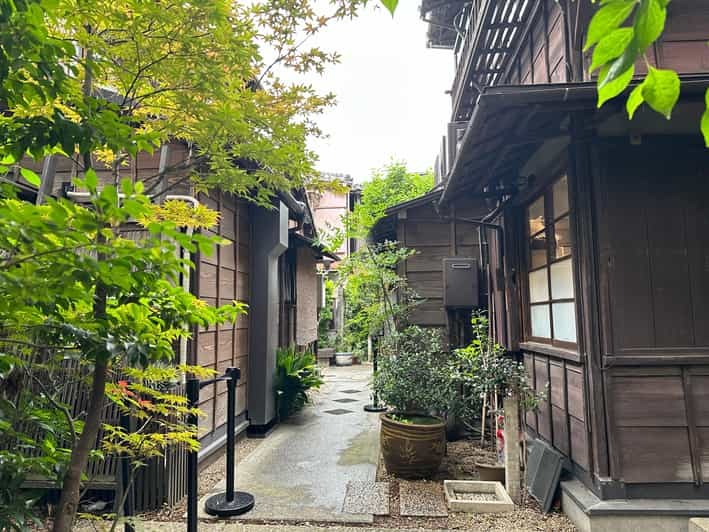
Tokyo’s neon districts get the attention, but Yanaka and Nezu show a quieter Tokyo, where narrow lanes, wooden homes, small temples, and family-run shops still shape the day. This 3.5-hour walk begins at Nippori Station and moves at an easy pace through one of the city’s most appealing old neighborhoods.
I like the access to small places you could easily miss alone, especially neighborhood temples, old houses, and the traditional Yoshida Liquor Store. I also like the personal touch from guide Sui, who has helped families with children, offered food and shopping suggestions, and adjusted the walk to match the group’s interests. The main consideration is physical: there are stairs, plenty of walking, and little shade in hot weather.
Key points to know before booking
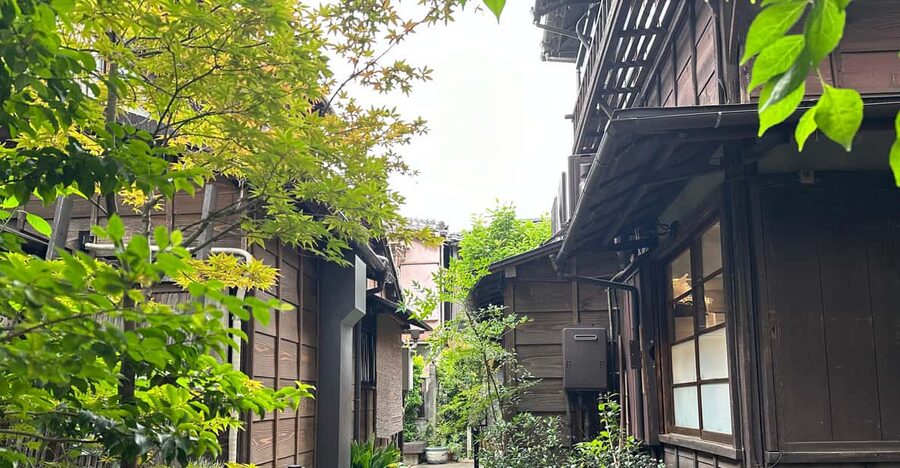
- Yanaka and Nezu offer a calm counterpoint to central Tokyo, with old residential lanes instead of high-rise streets and major attractions.
- Guide Sui leads the walk in excellent English, explaining local customs, religion, history, food, and daily life.
- Nezu Shrine and Tennoji Temple provide two different looks at Japanese worship, architecture, and garden design.
- Yanaka Ginza and Yoshida Liquor Store add practical local flavor, including snacks, sake, souvenirs, and small shops passed down through generations.
- Summer departures include a cafe stop and one drink, while spring departures may include sakura mochi, subject to availability.
- The $29 price is strong value if you want cultural context and local orientation rather than a fast checklist of famous sights.
Why Yanaka feels unlike the Tokyo in the guidebooks
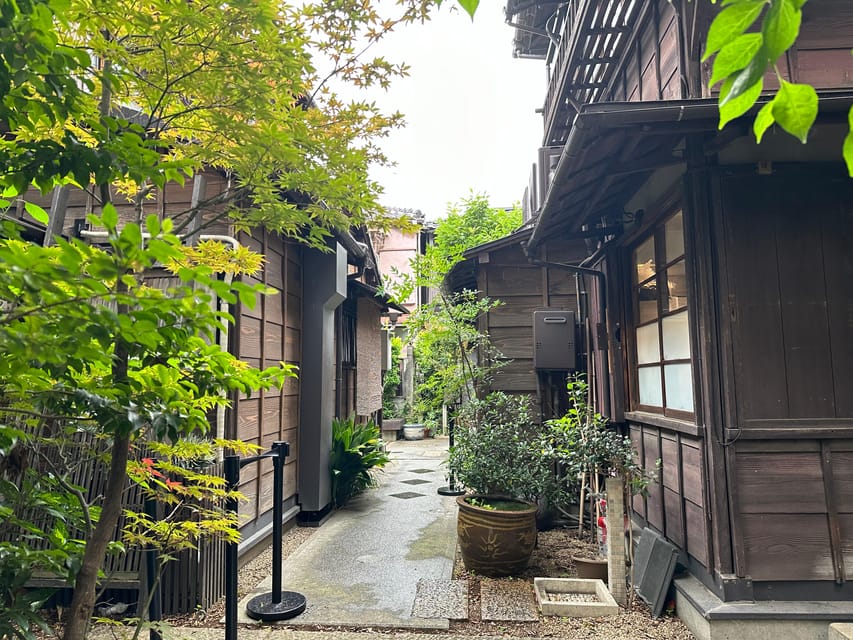
Yanaka sits in Tokyo’s old downtown, an area shaped by temples, cemeteries, modest houses, workshops, and small stores. It is not untouched or frozen in time. New homes and modern businesses sit beside older wooden buildings, which makes the area useful for understanding how Tokyo’s past and present fit together.
I like this mix. You are not being shown a staged historic district with every sign polished for visitors. Instead, you walk through places where nursery children, older residents, shopkeepers, and families still form part of the scene. The appeal is in ordinary details: a quiet side street, a small religious building, an old shopfront, or a row of houses that survived earlier periods of the city’s growth.
The walk also gives you a break from the dense commercial zones around Shinjuku and Shibuya. If your Tokyo plans already include department stores, observation decks, and major crossings, Yanaka provides a slower afternoon or morning with more room to notice how people live.
A few more walking tours around Tokyo worth a look
- Tokyo Tsukiji Fish Market Food and Culture Walking Tour
★ 5.0 · 3,184 reviews - Tokyo: Imperial Palace and Shogun Historical Walking Tour
★ 5.0 · 2,251 reviews - Tokyo: Shinjuku Local Bar and Izakaya Guided Walking Tour
★ 4.9 · 1,794 reviews
Meeting at Nippori Station and settling into the walk
The meeting point is the West Exit of Nippori Station, marked for Yanaka. Your guide waits in the area after you come out, and the directions are designed to help you find the meeting spot without wandering around the station district.
Be punctual. The tour starts on time, and a late arrival could be difficult to manage once the group has moved into the residential lanes. Wear comfortable shoes, bring cash for food or shopping, and consider carrying water, especially outside the cooler months.
The group may be private or small. That matters here because the best parts of Yanaka are found on narrow streets where a large group would feel clumsy. A small group also gives you more chances to ask Sui about religious customs, local buildings, food, or places to eat after the walk.
Quiet streets and everyday life in Yanaka
The first part of the walk takes you through residential streets where old and new houses sit beside small shops. This is where the tour earns its price. A map can show you Yanaka, but it cannot easily explain which lane reveals an older home, why a small temple matters, or how local businesses have served the area for generations.
You may see nursery children, older residents going about their routines, and shopkeepers working in compact spaces. Sui’s role is not just to lead you from one stop to the next. She adds the local context that turns a pleasant walk into a lesson about Japanese life.
The pace is intentionally unhurried. Several people have appreciated having time for questions, photographs, and short pauses. That makes the tour suitable for travelers who want conversation rather than a nonstop march through a list of sights.
The tradeoff is that this is a walking tour, not a vehicle-based sightseeing trip. You will spend most of the 210 minutes on your feet, and the route includes staircases. Wheelchair users should not book this experience because the route is not suitable for them.
Nezu Shrine and its red torii passage
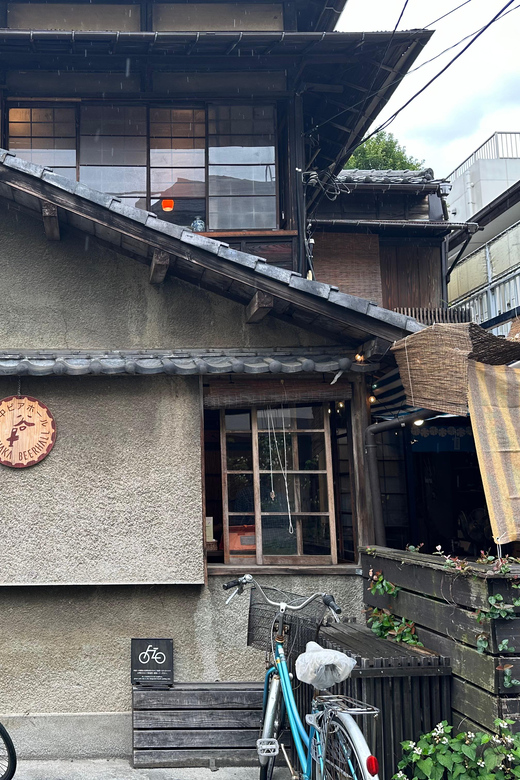
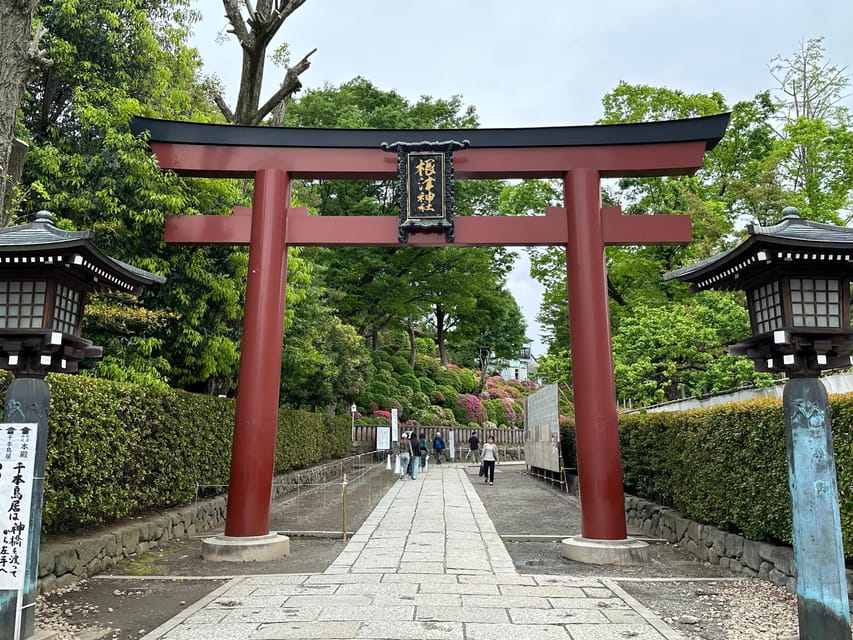
Nezu Shrine is one of Tokyo’s oldest places of worship and one of the walk’s most photogenic stops. Its line of torii gates creates a memorable passage through the shrine grounds, giving you a clear visual introduction to Shinto design and the role of shrines in Japanese life.
Sui explains how to approach and use places of worship, including the basic etiquette for praying. This is helpful if you have never visited a Japanese shrine before and do not want to copy the nearest person while hoping for the best.
The shrine stop is not only about taking photographs. It gives you a chance to discuss the difference between shrines and temples, how religious practice appears in daily life, and why these places remain part of residential neighborhoods. The route allows time to look around rather than simply stop for a quick picture.
Crowds can vary by date and season, and the tour does not promise an empty shrine. Still, the wider Yanaka route includes smaller religious sites where you can have calmer moments away from Tokyo’s most heavily visited attractions.
Same streets, a different route:
- Tokyo: Tsukiji Fish Market Food and Walking tour
★ 5.0 · 1,724 reviews - Tokyo: Asakusa Walking Tour with Sensoji Temple Visit
★ 4.8 · 1,583 reviews - Tokyo: Tsukiji Fish Market Guided Walking Tour
★ 4.9 · 1,397 reviews - Tokyo Castle & Imperial PalaceーShogun Walking Tour
★ 4.7 · 1,068 reviews
Tennoji Temple and a quieter side of worship
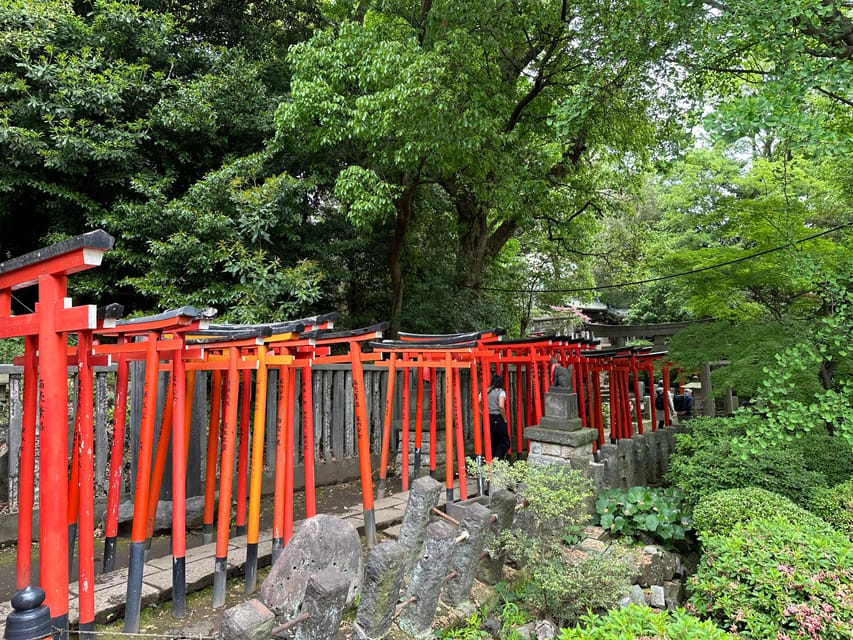
Tennoji Temple brings a different mood. Its large bronze seated Buddha gives the stop a strong visual focus, while the Japanese garden offers a more peaceful setting for a pause.
This is one of the places where a guide adds real value. You can see the statue and garden on your own, but Sui can explain how the temple fits into the neighborhood and answer questions about Buddhist practice. Several parts of the walk deal with both of Japan’s main religious traditions, so you gain a more useful picture than you would from visiting a single famous temple.
I like the chance to slow down here. Tokyo can encourage you to collect sights quickly, but the appeal of Yanaka is noticing the atmosphere of a place. If you prefer only major landmarks and dramatic architecture, some of the smaller temple visits may feel modest. If you enjoy quiet spaces and local context, they are among the better parts of the walk.
Yanaka Cemetery and Tokyo’s past
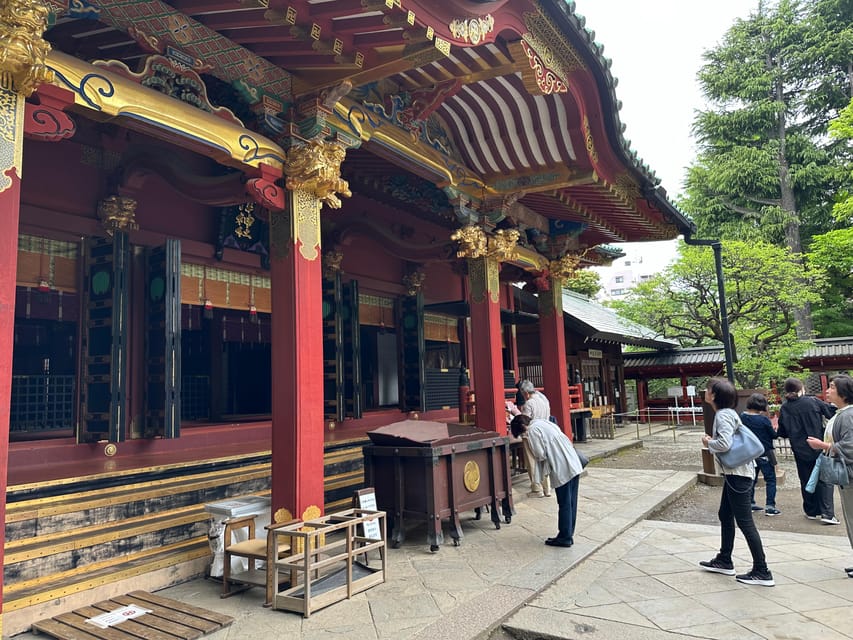
Yanaka Cemetery is one of the largest and most scenic cemeteries in Tokyo. A row of trees gives the area a distinctive look, especially when seasonal color is present.
The cemetery also helps explain why Yanaka developed such a strong concentration of temples and religious sites. Instead of treating it as a quick photo stop, the tour uses the area to discuss older Tokyo and the way sacred spaces became part of the neighborhood fabric.
You should approach this section with the usual respect. It is a working cemetery, not simply a park or attraction. The quiet lanes and trees make it visually appealing, but the atmosphere is subdued and reflective. That change of mood is part of the appeal.
Buildings from the Meiji and Showa periods
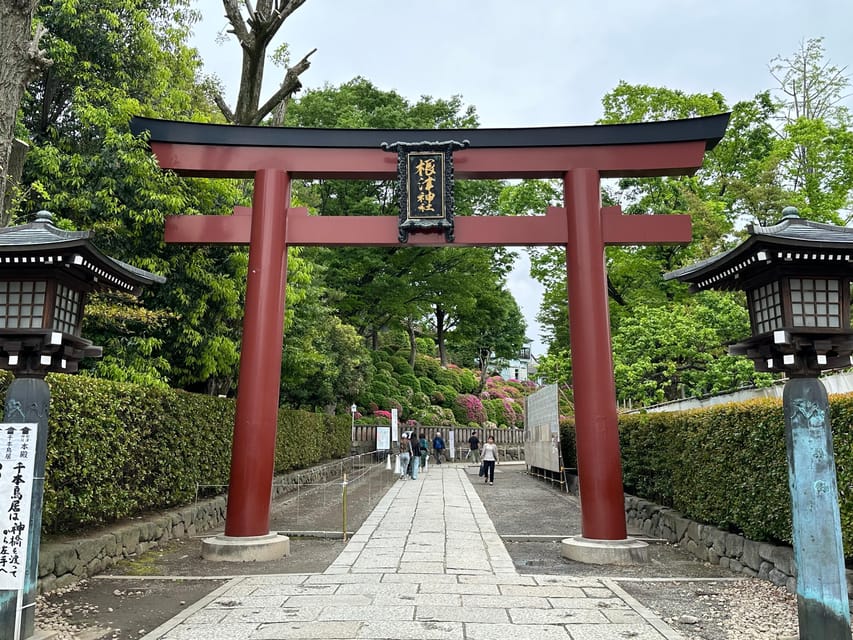
As you walk, Sui points out buildings and structures dating from the Meiji period, from 1868 to 1912, through the Showa period, from 1926 to 1989. These details are easy to overlook because they are woven into normal streets rather than grouped inside a museum.
For me, this is one of the most useful parts of the experience. You begin to see Tokyo as a city with layers. A modern house may sit beside a building with older proportions, materials, or shop design. You get a sense of what remained after major changes and what local communities retained.
The walk does not promise access inside every old building. Much of the experience comes from viewing the streets and structures from outside while learning what to notice. That makes the tour a good fit for anyone interested in architecture, urban change, or the everyday side of Japanese history.
Yoshida Liquor Store and old neighborhood shopping
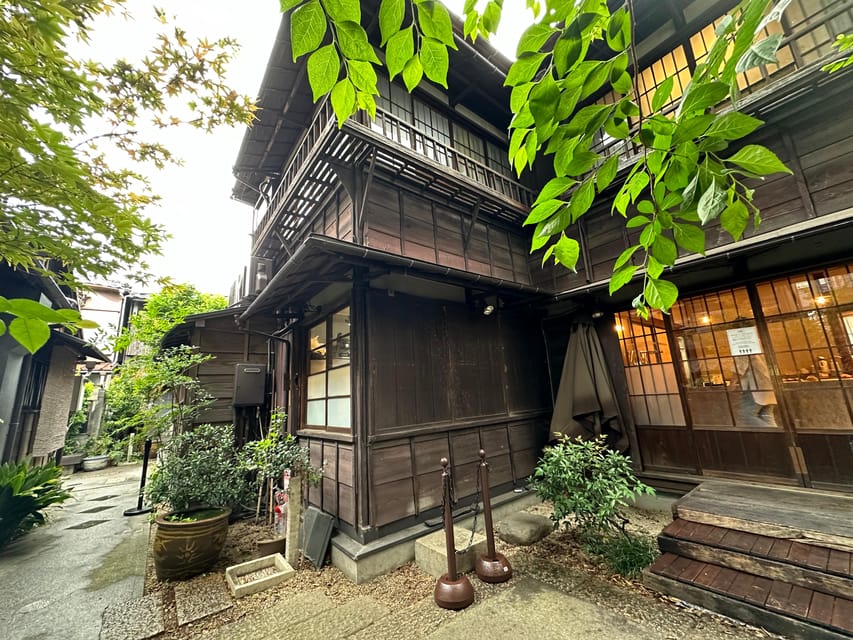
Yoshida Liquor Store is a traditional Japanese sake shop and one of the more distinctive stops. Small stores such as this one show how shopping in an old neighborhood can feel personal and specialized rather than dominated by large chains.
Sui can explain what you are seeing and help you understand local products. Bring cash if you would like to buy something, since cash is specifically recommended for the tour. Shop opening times can vary, and some stores may be closed on the day you visit, particularly on Mondays.
This is an important limitation to understand. The walk remains worthwhile if one shop is closed, but your shopping opportunities will depend on timing. If food and souvenirs matter greatly to you, ask Sui for suggestions during the walk and keep an open mind about smaller alternatives.
Yanaka Ginza, snacks, and the Sunset Staircase
Yanaka Ginza is the most commercial stop on the standard route, but it still feels tied to local life. It is a traditional shopping street where Sui introduces street foods, Japanese snacks, souvenir shops, and small food businesses.
This is where I would keep a little time and spending money available. The tour price does not include food or shopping, but the guide can help you understand what you are looking at and point out items you might otherwise pass without recognizing.
The nearby Sunset Staircase is a popular local photo spot. It gives you a simple, recognizable view and a good chance for photographs at the end of the regular route. The stop is not a grand monument, which is precisely why it fits the tone of Yanaka. You are seeing a familiar neighborhood place rather than a purpose-built attraction.
The standard route can finish at Nippori Station, Yanaka Ginza, or Nezu Station. Ask about the most useful ending point for your next plan. The route details also change in summer, when the tour skips Yanaka Ginza because of the heat and ends at Nezu Station.
Seasonal changes: sakura sweets and summer heat
Spring brings a small food extra. For departures from March 25 to April 25, 2026, sakura mochi is included when available. If it cannot be provided, it is replaced with another traditional Japanese sweet or food item.
The advertised cherry blossom special runs from March 25 to April 10, 2026, but blooming depends on weather. Do not book those dates expecting peak blossoms as a certainty. The neighborhood can still be worthwhile even if the trees do not reach full bloom.
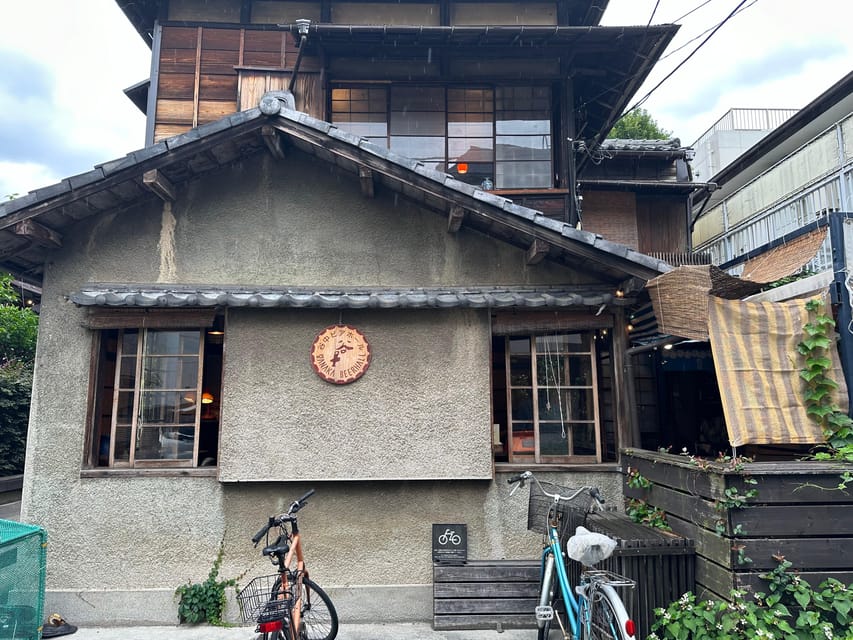
Summer needs more planning. From June 1 to September 11, 2026, the route includes a stop at a cafe inside an old traditional building, with one drink included. The tour keeps the other places of interest but does not visit Yanaka Ginza, and it ends at Nezu Station.
This change is sensible because Tokyo summers can be hot and humid. One cafe stop helps, but you are still walking for much of the experience. I would bring water, wear light clothing, and think carefully before booking if you find heat difficult. One past departure in very hot conditions felt demanding without a longer rest break, so this is not the best tour for anyone hoping to avoid outdoor exertion.
The guide makes the difference
Sui is the main guide for this Yanaka walk. Her strengths are clear from the way the tour is structured: she explains history, religion, local customs, shopping, and food, while leaving room for questions and photographs.
She has also been praised for practical help beyond the route. That includes helping families find suitable restaurants, offering suggestions for cafes and souvenirs, taking photographs, and helping visitors get to their next station or activity. Families with children have found the walk manageable, with toys and small treats sometimes appearing along the way.
The English-language guiding is a major reason to choose this tour over walking alone. You are not simply being shown a route. You are given the meaning behind the buildings, rituals, and neighborhood habits.
That said, the experience depends on being interested in conversation. If you want a private, silent audio guide and complete control over your pace, this may feel too social. For most people comparing a self-guided walk with a live small-group experience, the questions and local recommendations justify the modest extra cost.
Is $29 good value for 210 minutes?
At $29 per person, this is inexpensive for a 3.5-hour guided walk in Tokyo. You are paying for an English-speaking guide, route planning, cultural explanation, local orientation, and access to small places that are easy to pass without context.
The value is strongest if you want to understand the neighborhood rather than simply photograph it. A self-guided visit to Nezu Shrine, Yanaka Cemetery, and Yanaka Ginza could cost little, but you would need to research the area and decide how to connect the pieces. Here, Sui provides the thread between religion, architecture, shops, history, and daily life.
Extra costs are limited to anything you buy, eat, or drink outside the included seasonal treats. The spring sakura mochi and summer cafe drink add a small bonus, but they should not be the main reason you book.
Free cancellation up to 24 hours before the tour and reserve-now, pay-later booking also make it easier to fit into a changing Tokyo schedule. Check the available starting times before booking.
Who should book this Yanaka walk?
I would choose this tour if you have already seen Tokyo’s famous central districts, or if you want a slower introduction to the city. It suits first-time visitors who want help with shrine and temple etiquette, as well as repeat visitors looking for a different part of Tokyo.
It is especially good for:
- People interested in Japanese religion and local customs
- Families who prefer a relaxed route and personal guidance
- Photographers looking for old streets, torii gates, gardens, and wooden buildings
- Shoppers who like small food stores, sake shops, and neighborhood souvenirs
- Visitors who want practical restaurant and cafe suggestions
- Anyone who prefers a small group to a large scheduled tour
I would hesitate if you dislike walking, stairs, humid weather, or visits to cemeteries and religious sites. I would also avoid booking on a Monday if your main goal is shopping, since many stores may be closed. The walk continues, but the retail portion can be thinner.
Should you book it?
Book it if you want to see ordinary old Tokyo with useful explanation, not just famous landmarks. The combination of Nezu Shrine, Tennoji Temple, Yanaka Cemetery, old buildings, small stores, and residential lanes gives you a fuller sense of the area than a quick independent stroll.
Sui’s personal guidance is the strongest reason to choose this particular walk. At $29, the price is fair, the route has real variety, and the small-group format leaves room for questions. Just wear good shoes, carry cash and water, arrive early at Nippori Station, and choose your date with the weather and shop hours in mind.
FAQ
Where does the Yanaka and Nezu walking tour start?
The tour starts at Nippori Station, at the West Exit marked for Yanaka. The guide waits in the waiting area after you exit.
How long does the tour last?
The advertised duration is 210 minutes, or 3.5 hours. It may finish a little earlier or later depending on the pace and the group.
What language is the tour conducted in?
The live tour guide speaks English.
Who is the main guide?
Sui is the main guide for this Yanaka walking tour.
What places do you visit?
The route includes Yanaka and Nezu residential areas, Nezu Shrine, Tennoji Temple, Yanaka Cemetery, traditional buildings, Yoshida Liquor Store, Yanaka Ginza, and the Sunset Staircase.
Does the tour include food or drinks?
Spring departures from March 25 to April 25, 2026 include sakura mochi when available, or a replacement traditional sweet or food item. Summer departures from June 1 to September 11, 2026 include one drink at a cafe in an old traditional building.
Does the route include stairs?
Yes. Staircases are used during the tour.
Is the tour suitable for wheelchair users?
No. The tour is not suitable for wheelchair users.
What should I bring?
Bring comfortable shoes and cash. Water is also a sensible choice, especially during warm or humid weather.
Can I cancel the booking?
You can cancel up to 24 hours in advance for a full refund. Reserve-now, pay-later booking is also available.
Just added around Tokyo
- Tokyo: Tsukiji Market Walking Tour & Sushi Cooking Class★ 4.6 · 122 reviews
- Tokyo: Shibuya Crossing & Hidden Streets Walking Tour★ 4.8 · 128 reviews
- Tokyo: Shinjuku Bar Hopping & Night Walking Tour★ 4.6 · 137 reviews
- Tokyo: Shinjuku Nightlife & Secret Backstreets Walking Tour★ 4.8 · 229 reviews
- Tokyo: Meiji Shrine Walking Tour — Shinto & Imperial System★ 4.9 · 266 reviews
- Tokyo: Private Custom Walking Tour with Local Guide★ 4.9 · 350 reviews
- Tokyo: Shibuya Highlights Walking Tour & Secret View Spot★ 4.9 · 196 reviews
- Tokyo: Kimono Dressing, Walking, and Photography Session★ 4.9 · 427 reviews
Walking Tours, compared.

Magical London: Harry Potter Guided Walking Tour
Read our review →
Reykjavik Food Walk – Local Foodie Adventure in Iceland
Read our review →
History and Hauntings of Salem Guided Walking Tour
Read our review →
New Orleans Premier Ghost, Voodoo and Vampire Walking Tour
Read our review →
Amsterdam Anne Frank: Small-Group Walking Tour & Local Guide
Read our review →

Edinburgh Castle: Guided Walking Tour with Entry Ticket
Read our review →
Anne Frank’s Story – Guided Walking Tour through Amsterdam
Read our review →Browse the lists this tour appears in