
REVIEW · JAPAN
Hiroshima: Miyajima Half-day Historical Walking Tour
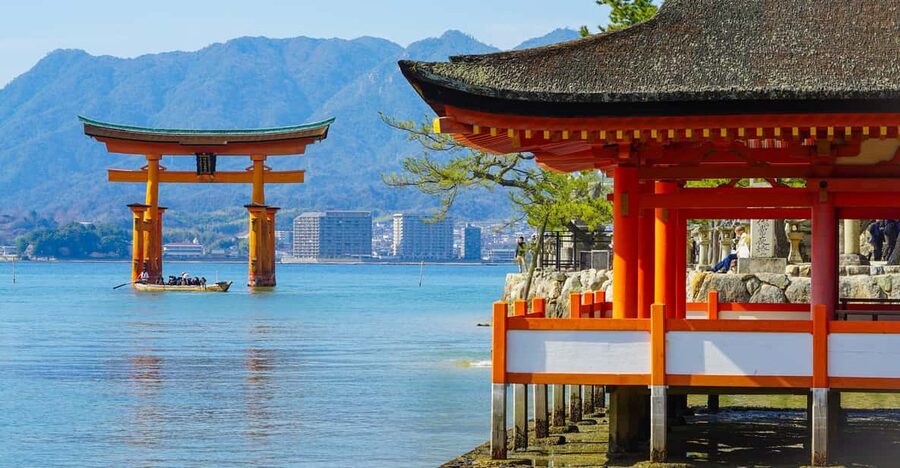
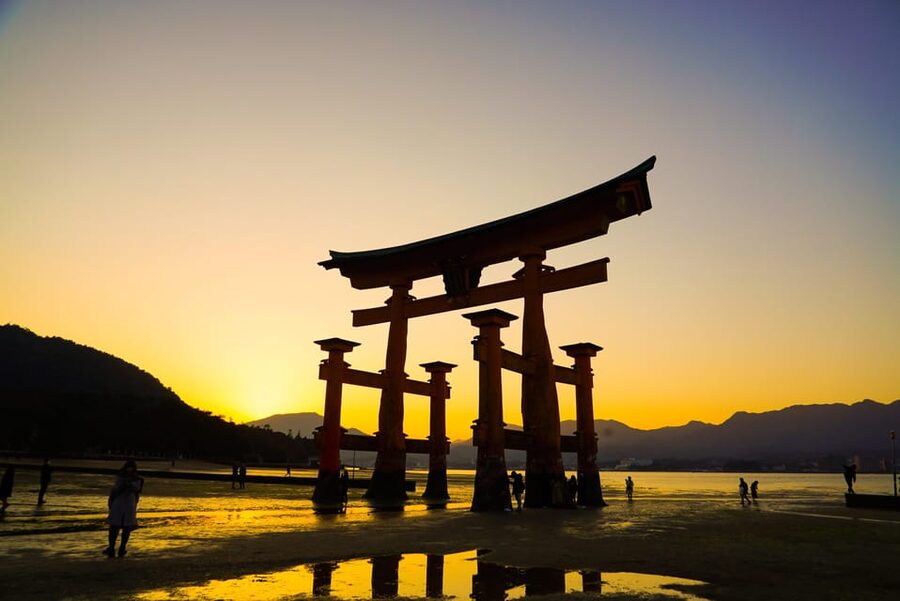
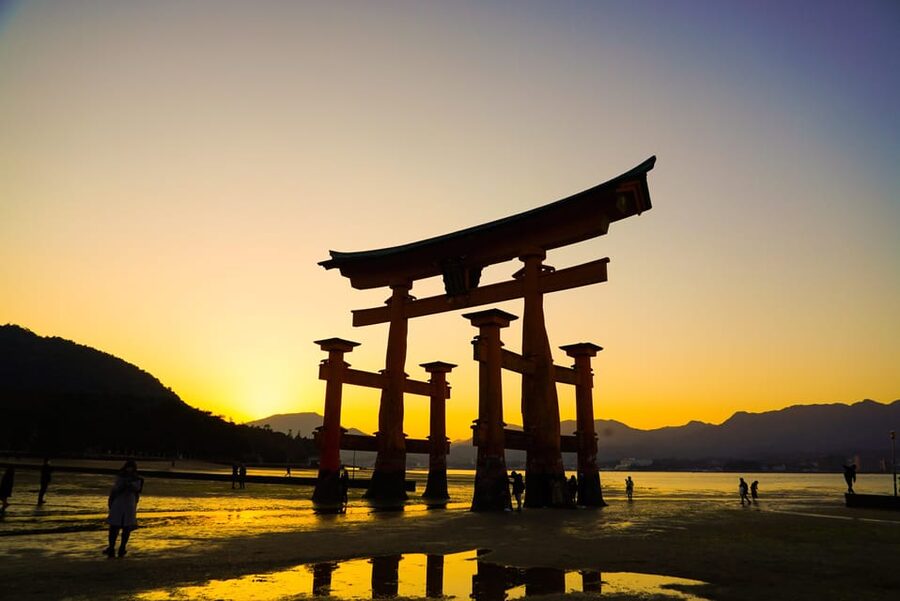
Miyajima gives you one of Japan’s most memorable sights in a single frame: the O-Torii Gate floating offshore, with Itsukushima Shrine behind it and forested hills rising above the town. This tour adds the missing pieces, explaining how the island’s religious life, food, buildings, and everyday customs fit together.
I like the small group, limited to seven, because it makes questions easy and keeps the walk personal. I also like the food stop, where lunch can include Hiroshima oysters and fried momiji dumplings, rather than leaving you to guess what to order.
The main drawback is the pace and physical demand. You’ll walk for hours, use uneven paths, and visit places that are not suitable for every wheelchair or stroller. The ferry costs extra, and the current information gives both ¥360 and ¥500 as possible fares, so bring cash and confirm the fare locally.
Key points to know before booking
- The O-Torii changes with the tide: You may see it standing in water and later approach it from the shore at low tide, depending on the day’s timing.
- Lunch is part of the experience: Expect Hiroshima Prefecture ingredients, with oysters and other local Miyajima treats, though vegetarian, vegan, and allergy-friendly choices are limited.
- Daisho-in is the quiet heart of the walk: The one-hour visit brings you to Miyajima’s oldest temple, with mountain paths, gardens, and many statues.
- The group is genuinely small: With no more than seven participants, your guide can answer questions and adjust rest stops.
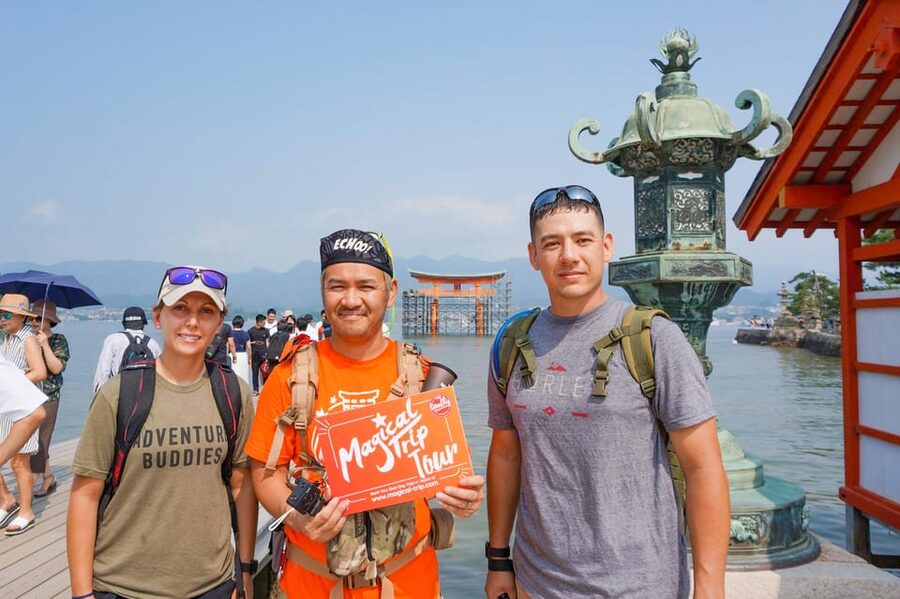
- Guides bring the island to life: Yuji, Kiki, Eri, Kaz, Shun, Hika, Hikaru, and others have led this walk, with particular praise for their stories about religion, daily life, and local customs.
- Plan for heat and walking: Summer is hot and humid. Water, a hat, and supportive shoes are sensible basics.
Why Miyajima works best with a guide
Miyajima is easy to recognize and harder to understand. You can photograph the torii, walk through the shrine, eat an oyster, and still miss why the island has been treated as sacred for centuries.
A guide gives the buildings a story. You learn how Itsukushima Shrine was designed during the Heian period, from 794 to 1192, and how its unusual position on the water relates to the tides. You also get help with the small cultural details that are easy to overlook, from shrine and temple customs to the right way to handle a Japanese meal.
The tour also reaches beyond the waterfront. You’ll see traditional architecture, gardens, crafts, the island museum, and quieter sections on the way to Daisho-in. That broader view is useful if this is your first visit and you want more than a quick photograph of the famous gate.
The English-speaking guides have varied personalities, but the strongest pattern is a friendly, conversational style. Yuji is often singled out for clear English, cultural explanations, and a relaxed manner. Kiki, Eri, Kaz, Shun, Hika, and Hikaru have also led groups, offering different takes on island history and Japanese daily life. You cannot assume a particular guide will be assigned, but the tour format gives you a good chance to ask questions rather than simply follow a flag.
More History Walking Tours in Japan
- Tokyo: Imperial Palace and Shogun Historical Walking Tour
★ 5.0 · 2,251 reviews - Kyoto Gion: 2-Hour Geisha Culture & History Walking Tour
★ 5.0 · 1,186 reviews - Tokyo: Imperial Palace Japanese History Walking Tour
★ 4.9 · 987 reviews
Meeting at Miyajimaguchi and crossing the Seto Inland Sea
The meeting point is outside JR Miyajimaguchi Station, in front of the coin-operated lockers. Look for the guide holding a MagicalTrip board.
From JR Hiroshima Station, the Sanyo Line ride to Miyajimaguchi takes about 30 minutes. That train journey is not included in the tour details, so allow enough time to arrive before the meeting hour. The ferry crossing is also separate. Bring cash, with the supplied information listing a ferry charge of ¥360 in one place and ¥500 in another. Fares can change, so checking on the day is wise.
The crossing is brief but important. You get open views of the Seto Inland Sea, the island’s wooded slopes, and the O-Torii Gate approaching from the water. This is a far better introduction than arriving by land and immediately stepping into the shopping streets.
On arrival, Miyajima’s deer may greet you. They are used to people, but you should still treat them as animals rather than living photo props. Keep paper and food tucked away, and let your guide explain how to move through the area sensibly.
O-Torii Gate and Itsukushima Shrine
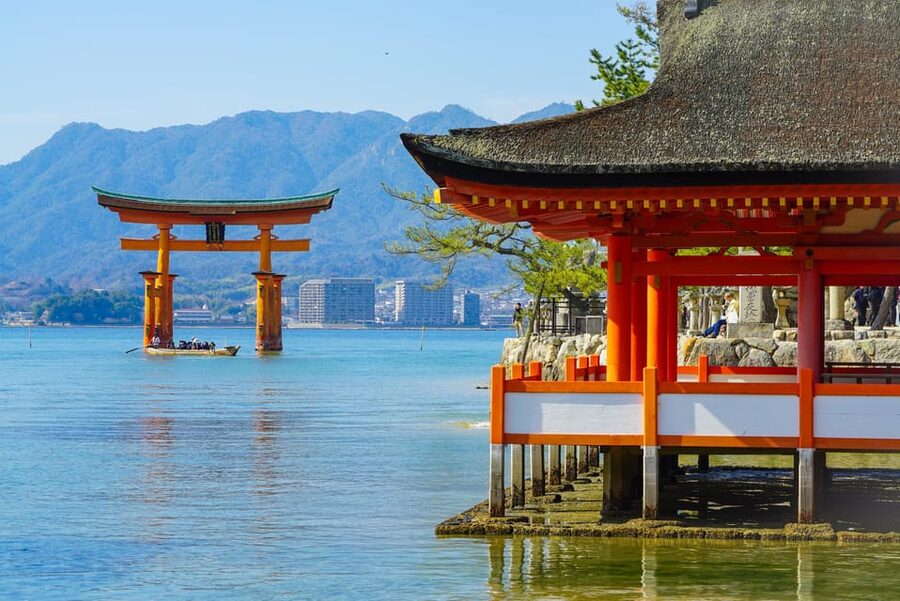
The first major walk follows the coast toward the O-Torii. The gate is Miyajima’s symbol, but the tide determines how you experience it.
At higher water, the red gate appears to float offshore. At low tide, the shore may open up and allow a much closer view on foot. The precise timing depends on the day, which is why the tour’s schedule can feel more fluid than a simple checklist. One useful feature is that the walk may let you see both the gate in water and from the exposed shore if the timing works.
Itsukushima Shrine deserves more than a quick pass through its bright vermilion corridors. Its design was created to work with the sea, with buildings, walkways, and open views arranged around the changing water level. Your guide explains how the shrine’s construction has coped with the ebb and flow of tides over many centuries.
The planned visit lasts about 40 minutes. That is enough for an explanation of the main architecture and religious setting, though not enough to study every detail at leisure. If you are devoted to architectural photography, you may wish you had more free time. The advantage is that you are not left to puzzle out the layout on your own.
Crowds can gather around the shrine and gate, especially in popular seasons. The tour does not remove that reality. It does, however, help you see the place with context instead of spending your whole visit waiting for a clear photograph.
The museum, island life, and a proper Miyajima lunch
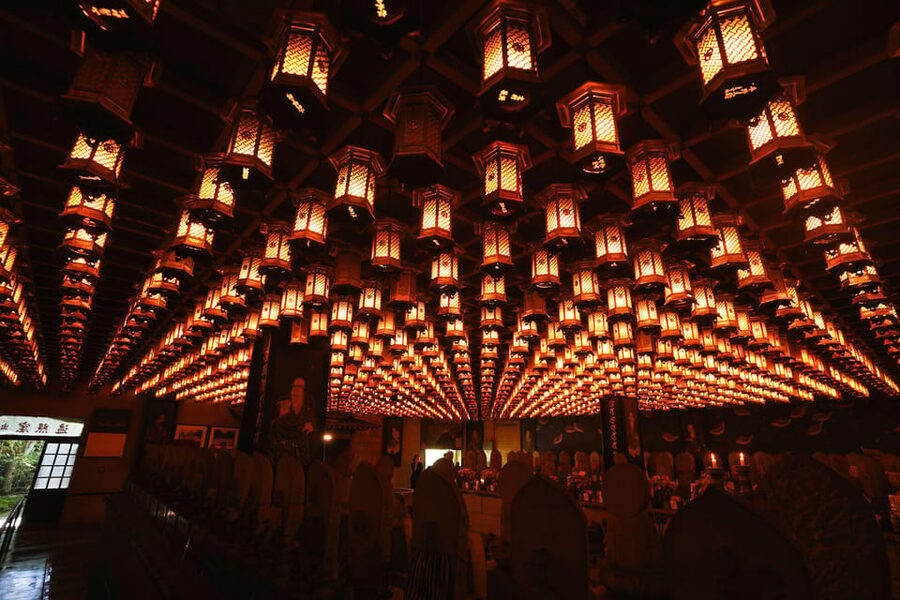
The museum visit adds an everyday side to the island. Rather than focusing only on famous religious buildings, it helps you understand Miyajima’s life and culture from the Edo period to the present.
That matters because Miyajima is more than a pilgrimage site. The island has long been a lived-in community with food traditions, work, homes, crafts, and local customs. The museum gives your guide a useful place to connect those subjects to what you see outside.
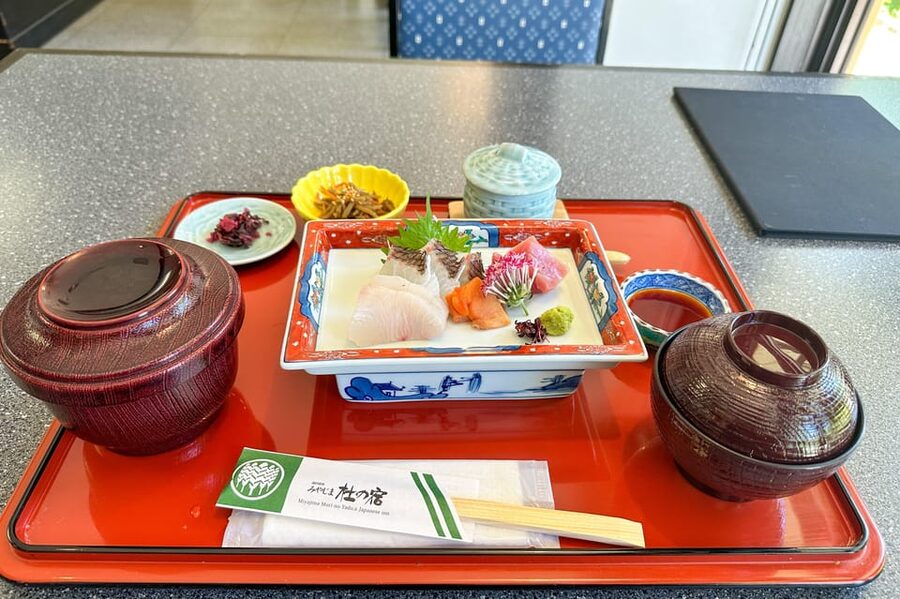
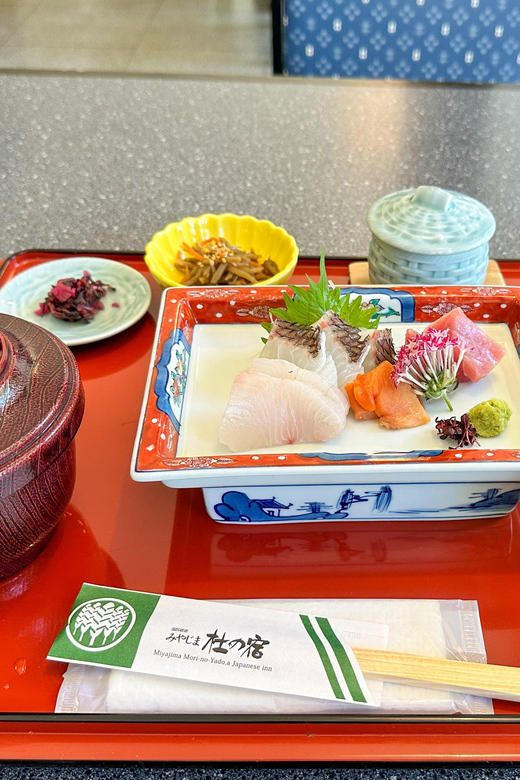
Lunch is included and uses ingredients from Hiroshima Prefecture. Local oysters are a major attraction, and several people have enjoyed grilled or fresh oyster dishes. Fried momiji dumplings are another popular taste, combining the island’s maple-leaf shape with a warm, crisp snack. Depending on the stop, you may also encounter local drinks or a sweet treat such as ice cream.
The meal is not simply a convenience. It gives you a chance to ask about eating customs, and a guide can explain practical points such as how to finish a Japanese meal. Food service can sometimes run slowly, and the tour may finish later than planned if a restaurant is busy.
Vegetarian and vegan meals are available but limited. If you have a serious allergy or dietary restriction, this is not the safest tour to book. The food is prepared in kitchens outside the tour company’s control, substitutions may not be possible, and an allergy-free meal cannot be guaranteed. People with gluten intolerance are specifically advised not to take this tour.
Same streets, a different route:
- Kyoto Geisha Walking Tour: Gion District & Hidden Gems
★ 4.7 · 3,273 reviews - Tokyo Tsukiji Fish Market Food and Culture Walking Tour
★ 5.0 · 3,184 reviews - Kyoto: Gion Magical Night Walking Tour with Geisha Trivia
★ 4.9 · 2,393 reviews - Kyoto: Gion Geisha District Walking Tour – Stories of Geisha
★ 4.7 · 2,187 reviews
Daisho-in, Miyajima’s mountain-side temple
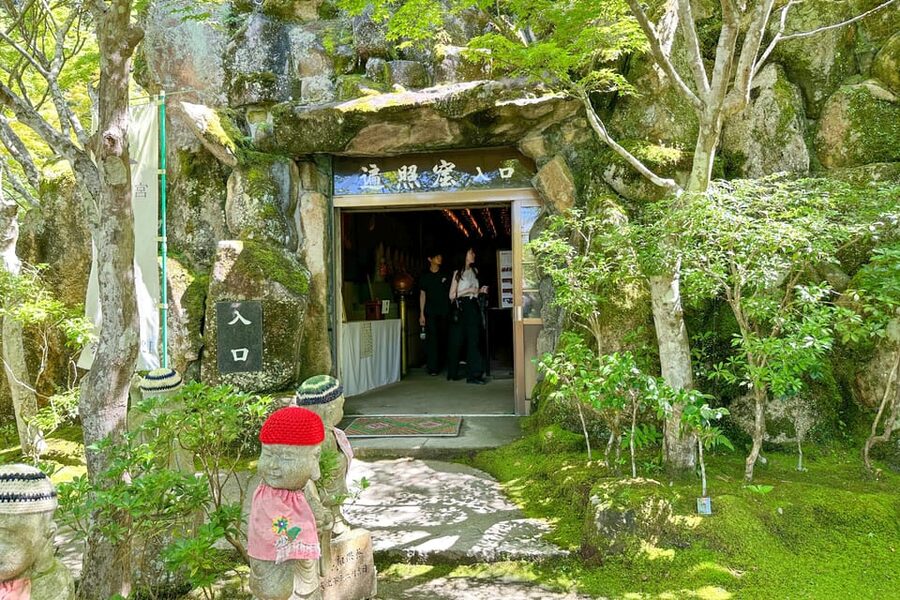
The walk to Daisho-in changes the mood. You leave much of the waterfront activity behind and follow a more scenic mountain path toward a temple complex with about 1,200 years of history.
Daisho-in is the oldest temple on Miyajima, and the one-hour visit is one of the tour’s strongest sections. You’ll see traditional buildings, gardens, and many statues, while your guide explains how Buddhism and local belief developed on the island.
This is also where the tour feels less like a famous-sight collection and more like a lesson in Japanese religious life. Your guide can compare Buddhist and Shinto practices, explain the role of the temple, and point out details that would be easy to walk past.
The route is peaceful, but it is not effortless. You should expect walking on uneven ground and some uphill movement. People with a low level of fitness, back problems, heart problems, high blood pressure, or difficulty walking for extended periods should think carefully before booking. The tour is not suitable for babies under one year either.
Wear shoes that can handle changing weather. One past participant noted that paths can become muddy when it rains. Sandals or smooth-soled fashion shoes are a poor choice for a day built around temple paths.
Momijidani, Senjokaku, and the quieter corners
The itinerary also includes short visits to Momijidani and Senjokaku Pavilion. Momijidani brings you into one of the island’s scenic green areas, with a mountain setting that contrasts nicely with the open coast.
Senjokaku, known for its broad wooden interior, gives you another view of traditional Japanese space. Its simple scale and open structure feel different from the more formal shrine buildings. The scheduled visit is about 20 minutes, so expect an introduction rather than a long independent exploration.
The itinerary includes a one-hour stop described as a less-visited part of the island. The exact location can depend on the guide and the day, but this is valuable because it moves you away from the most obvious route. You may see quieter architecture, local details, or a view that does not appear in every quick Miyajima plan.
The final portion includes tea or coffee and ends near the souvenir shop street. That finish is practical. You can browse, buy a small gift, or continue exploring after the formal walk, though the official return point is back at JR Miyajimaguchi.
What the ¥106 price includes
At $106 per person, this is not the cheapest way to visit Miyajima. But the price includes an English-speaking local guide, admission to the shrines, temples, and museum on the route, lunch, and tour photographs.
The value depends on how you like to travel. If you are comfortable researching ferry times, tide conditions, religious sites, food customs, and the best walking route, you can visit Miyajima for less. You will also have more control over how long you spend at each sight.
I think the tour earns its price for first-time visitors who want the island explained in one well-organized half-day. The food alone is not the reason to book. The real value comes from linking the O-Torii, Itsukushima Shrine, Daisho-in, museum, local meal, and everyday customs into one story.
The small group improves the calculation. A maximum of seven people allows your guide to stop for questions and adjust rest breaks. Some outings may be smaller, and occasionally a booking may feel almost private, but you should not count on that every time.
The 330-minute duration is long enough to cover the major sites without feeling like a rushed photo stop. It is also long enough for a slow restaurant service or extra conversation to push the finish beyond the scheduled time.
Practical advice for a smoother day
Bring water, especially between June and September. Japanese summer heat and humidity can make the walking feel harder than the distance suggests.
Wear supportive shoes and carry a hat. Rain can make parts of the route muddy, and the itinerary includes places that may not work for wheelchairs or strollers.
If you are prone to seasickness, the ferry may be uncomfortable even though the crossing is short. The tour also advises against booking if you have major mobility, heart, back, or blood-pressure concerns.
Do not rely on credit cards for every small purchase. Bring cash for the ferry and for any extra snacks or drinks. Lunch is included, but additional food is not.
The tour is offered in English, with a live guide. Cancellation is free up to 24 hours before the start, and you can reserve now and pay later, which helps if your Hiroshima schedule is still shifting.
Who should book this Miyajima walk?
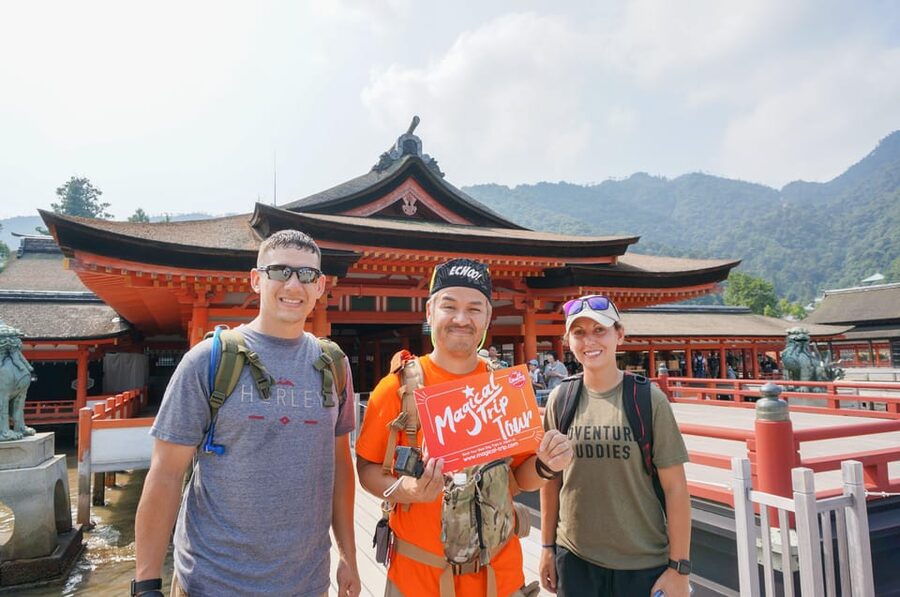
I would choose this tour if you have one day in Hiroshima, want cultural context, and prefer a guide to handle the route and meal choices. It suits couples, solo visitors, families with older children, and curious first-time visitors who want to ask questions as they go.
It is especially useful if you want to understand both Shinto and Buddhism, not just see a famous gate. The combination of Itsukushima Shrine, Daisho-in, the museum, local food, and the quieter walking sections gives you a fuller picture of the island.
I would skip it if you need a slow, fully accessible outing, have serious food restrictions, dislike group schedules, or want a long visit inside one site. You should also allow extra time after the tour if you have a train reservation, since lunch service or a relaxed guide may extend the day.
Should you book it?
Book this tour if you want Miyajima explained by a personable English-speaking guide and you value local food, religious history, and a small group more than absolute flexibility. The O-Torii and Itsukushima Shrine are the headline sights, but Daisho-in, the museum, and the everyday stories make the experience worthwhile.
Skip it if you are happy exploring independently and want to spend the whole day hiking or photographing at your own pace. For most first visits, though, the $106 fee is a fair trade for transport guidance, admissions, lunch, photos, and a well-shaped introduction to one of Japan’s most distinctive islands.
FAQ
How long does the Miyajima tour last?
The tour lasts 330 minutes, or five and a half hours. Food service delays may make the day run longer than the planned schedule.
Where is the meeting point?
Meet outside JR Miyajimaguchi Station, in front of the coin-operated lockers. The guide will hold a MagicalTrip board.
How long does it take to reach Miyajimaguchi from Hiroshima Station?
The JR Sanyo Line takes about 30 minutes from JR Hiroshima Station to JR Miyajimaguchi Station.
Is the ferry included in the tour price?
No. The ferry ticket is separate. The supplied information lists a fare of ¥360 in the practical notes and ¥500 in the inclusions summary, so bring cash and confirm the current fare.
Is lunch included?
Yes. A local lunch using Hiroshima Prefecture ingredients is included. Extra food and drinks are not included.
Are vegetarian and vegan meals available?
Vegetarian and vegan options are available but limited. Allergy-free meals and all dietary substitutions cannot be guaranteed.
Is the tour suitable for wheelchairs or strollers?
No. Some locations on the route are not accessible to wheelchairs or strollers.
Is the tour offered in English?
Yes. The tour has a live English-speaking guide and is limited to seven participants.
More Half-Day Tours in Japan
- Nara: Half-Day UNESCO Heritage & Local Culture Walking Tour
★ 4.8 · 250 reviews - Discover Berlin Half-Day Walking Tour
★ 5.0 · 9,624 reviews - Rio De Janeiro: Half-Day Rocinha Favela Walking Tour
★ 4.7 · 2,272 reviews - Istanbul: Fener Balat Half-day Guided Walking Tour
★ 4.9 · 1,711 reviews
Just added around Japan
- Miyajima Half-day Trip Historical Walking Tour★ 5.0 · 284 reviews
- Hiroshima Walking Tour Why A Bomb was dropped to Hiroshima★ 5.0 · 347 reviews
- Tokyo: Asakusa & Sensoji ー Oldest Temple Walking Tour (2hrs)★ 5.0 · 213 reviews
- Asakusa Senso-ji Temple and Old Tokyo Walking Tour★ 5.0 · 560 reviews
- Asakusa Cultural Walk & Matcha Making Tour★ 5.0 · 245 reviews
- Tokyo: Tsukiji Market Walking Tour & Sushi Cooking Class★ 4.6 · 122 reviews
- Tokyo:Stroll in Old traditional culture towns~Yanaka & Nezu★ 4.9 · 186 reviews
- Tokyo: Shibuya Crossing & Hidden Streets Walking Tour★ 4.8 · 128 reviews
History Walking Tours, compared.



Berlin’s Best: 2 Hour Walking Tour Third Reich and the Cold War
Read our review →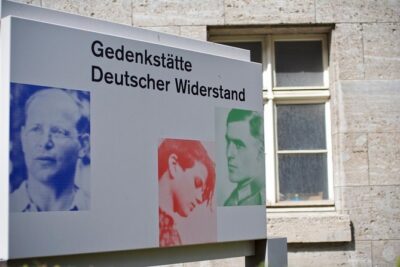
Third Reich Berlin: Hitler and WWII Walking Tour
Read our review →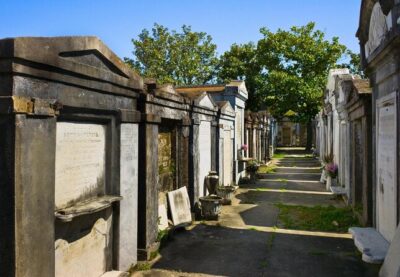
New Orleans Garden District History Walking Tour
Read our review →
Cartagena: Historic Center and Getsemaní Shared Walking Tour
Read our review →
Imperial Palace and Shogun Historical Walking Tour
Read our review →Browse the lists this tour appears in