
REVIEW · MUNICH
Munich: Third Reich & WWII Walking Tour
Munich is where Adolf Hitler’s political career gathered speed, and this walking tour shows you how that happened one street and meeting hall at a time. You’ll connect the early Nazi movement with places you might otherwise pass without a second thought, including the Hofbräuhaus, Feldherrnhalle, Königsplatz, and Hofgarten.
I like the way the tour joins political history to real city streets, rather than treating World War II as a list of dates. I also like the attention given to the White Rose resistance, which brings Munich’s story beyond Hitler and the Nazi leadership. The main drawback is practical: this is an outdoor tour lasting about 2.5 hours, and winter weather can make it a cold, demanding morning or afternoon.
The quality of the experience depends heavily on your guide. Names praised in recent bookings include Michael, Steve, Alex, Josh, Danielle, Florian, Ulrich, Aileen, and Brigit Muller. Guides such as Steve have brought tea and pads for sitting in cold weather, while Josh has been praised for clear storytelling and a strong voice. Still, one booking had trouble finding the meeting point, and one tour did not finish at the advertised Königsplatz, so confirm the details for your selected departure.
Key points at a glance

- Munich’s Nazi origins: Follow the movement from postwar turmoil and political violence to Hitler’s first major public meetings.
- Four important locations: Visit the Hofbräuhaus, Feldherrnhalle, Königsplatz, and Hofgarten, each tied to a different part of the story.
- A serious but accessible lesson: The guides explain a difficult subject with facts, anecdotes, and clear historical context.
- The White Rose: Learn about Munich students who resisted the Nazi regime, an important counterpoint to the city’s role in Hitler’s rise.
- Good value at $31: A 165-minute guided walk costs less than many museum experiences and gives you a useful framework for Munich’s Nazi-era sites.
- Prepare for the weather: Wear comfortable shoes and bring warm clothing, especially in winter.
Why Munich matters to this story
Munich was not simply a backdrop to the Nazi era. It was one of the main places where Hitler developed his political identity, found supporters, and tested methods that later helped the Nazi Party seize power.
The tour begins with Germany’s situation after World War I. The country had lost the war, faced humiliation and economic distress, and was struggling with revolution and political assassination. Bavaria, and Munich in particular, became a place where competing political groups fought loudly for control.
That setting matters because it explains why extremist movements could gain attention. The tour does not present Hitler’s rise as inevitable. Instead, it shows how disorder, anger, economic pressure, public speaking, organized meetings, and political opportunity worked together.
I value this kind of framing. If you already know the basic story of the Third Reich, the streets give the facts a physical setting. If you are less familiar with the subject, the guide’s explanations help you understand why Munich became such an important center of Nazi power.
More History Walking Tours in Germany
- Berlin: Third Reich & Cold War Guided Walking Tour
★ 4.9 · 8,378 reviews - Berlin’s Best: 2 Hour Walking Tour Third Reich and the Cold War
★ 5.0 · 5,486 reviews - Third Reich Berlin: Hitler and WWII Walking Tour
★ 5.0 · 3,301 reviews
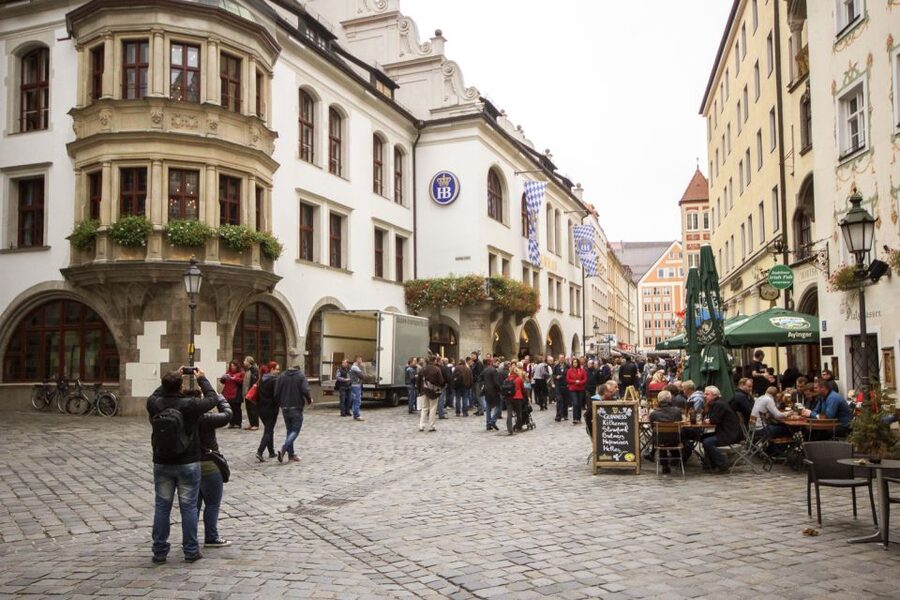
Hofbräuhaus and the first mass meetings
The Hofbräuhaus is one of Munich’s best-known beer halls, and it also played a role in the early public growth of the Nazi movement. Here, the tour discusses the first mass meeting connected with the movement and explains how political gatherings helped Hitler attract attention.
The location makes the lesson especially direct. You are not hearing about an abstract political organization in a classroom. You are standing at a famous Munich institution while learning how public meetings, speeches, and group identity helped turn a small political movement into a force that could command large audiences.
Your guide may also explain how Munich’s beer halls served as meeting places for political debate. The value of this stop is not simply that Hitler once spoke there. It is that the setting helps you understand the mechanics of early political mobilization.
This can also be one of the noisiest parts of the walk, since the area is in the city center. One booking specifically suggested that a small speaker would help when large crowds are nearby. A guide with a strong voice makes a real difference, and several guides, including Steve and Josh, were praised for being easy to hear.
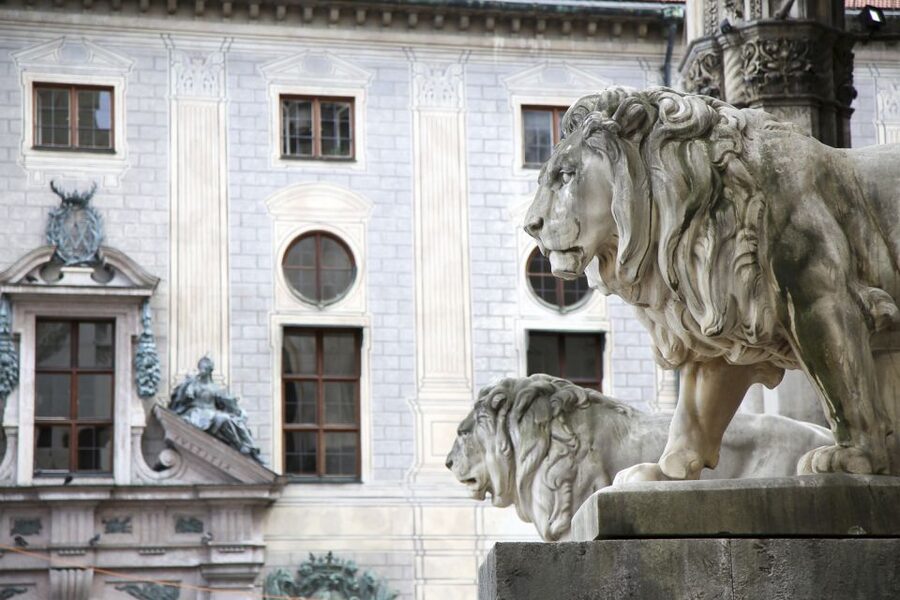
Feldherrnhalle and the failed seizure of power
The Feldherrnhalle is tied to the failed attempt by Hitler and his supporters to seize power in Munich. The event became known as the Beer Hall Putsch, and the tour uses this site to explain how an unsuccessful revolt later became part of Nazi propaganda.
This is one of the most important stops because it shows that Hitler did not simply walk into national power. He first tried to force a political breakthrough, failed, and then changed tactics. The story helps you see the difference between revolutionary theater and the later legal and political steps that brought the Nazis into government.
At the Feldherrnhalle, your guide will likely pause the group and explain what happened at the site, why it mattered to the movement, and how the Nazis later used the dead and the failed putsch as symbols. The stop is not only about an event from 1923. It is also about the creation of political myth.
You should expect frequent stops rather than a long continuous march. That helps with a subject requiring explanation, but the tour can run close to three hours depending on the guide and the questions from the group. Allow extra time instead of scheduling a tight museum booking immediately afterward.
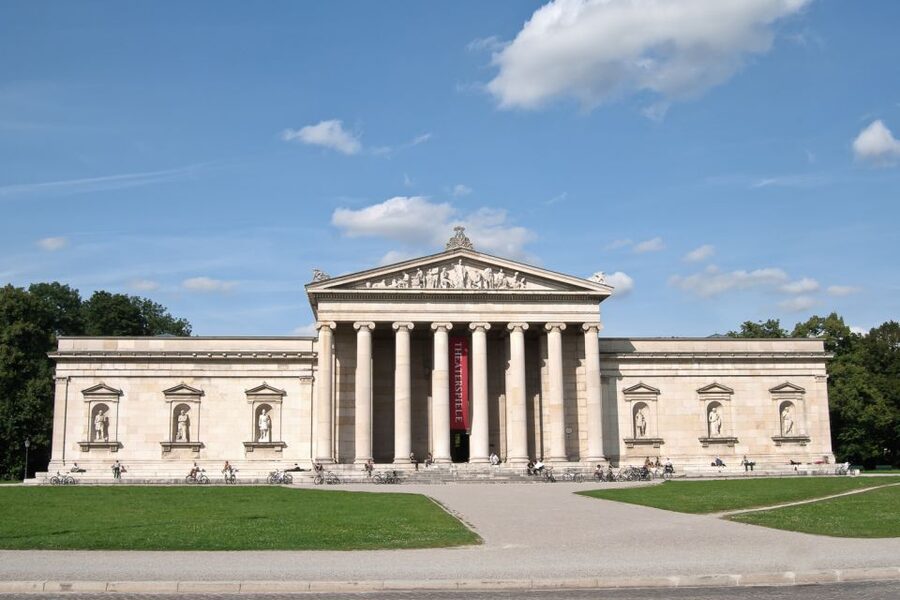
Königsplatz and the machinery of spectacle
Königsplatz is connected with Nazi party rallies and public displays of power. Its broad setting helped the regime create ceremonies that projected order, discipline, and authority.
This stop shows how architecture and public space can be used to shape political feeling. The tour moves from early meetings and attempted rebellion to the more organized spectacle of the Nazi state. You learn how public gatherings could turn politics into ritual, with crowds, symbols, speeches, and carefully staged images.
Königsplatz is also useful for understanding the physical scale of the movement. A private room can hold a meeting, but a large open square can hold a mass event. The change in setting mirrors the growth of the Nazi Party from a local organization into a movement with national ambitions.
There is one practical point to check before booking. One booking reported that the group did not finish at Königsplatz, despite that being a reason for choosing the tour. This may depend on the guide or the option selected, so ask about the end point if you need to continue directly to the Documentation Center or another nearby attraction.
Same streets, a different route:
- Discover Berlin Half-Day Walking Tour
★ 5.0 · 9,624 reviews - Berlin City walk Government District and Places of Democracy
★ 4.7 · 8,467 reviews - Berlin: Discover Berlin Walking Tour
★ 4.9 · 5,998 reviews - Berlin: Hidden Backyards Guided Walking Tour
★ 4.8 · 5,360 reviews
Hofgarten and the White Rose resistance
The Hofgarten section adds welcome balance to a tour that naturally focuses on Hitler and the Nazi Party. Here, you learn about the White Rose, the Munich-based resistance movement associated with students who opposed the Nazi regime.
This is an essential part of the tour because Munich’s wartime story includes both collaboration and resistance. The White Rose helps show that opposition existed, even under a dictatorship that used fear, surveillance, and punishment to silence people.
The stop also changes the emotional tone. Earlier sections trace the spread of Nazi power. The Hofgarten discussion asks you to think about personal courage, moral choice, and the risks faced by people who rejected the system around them.
I especially value this inclusion for families and younger visitors. It gives the tour a human scale and prevents the walk from becoming only a study of Hitler’s speeches, party offices, and political tactics. The emphasis remains serious, but the subject is easier to grasp because it follows individual choices.
What the guide adds to the experience
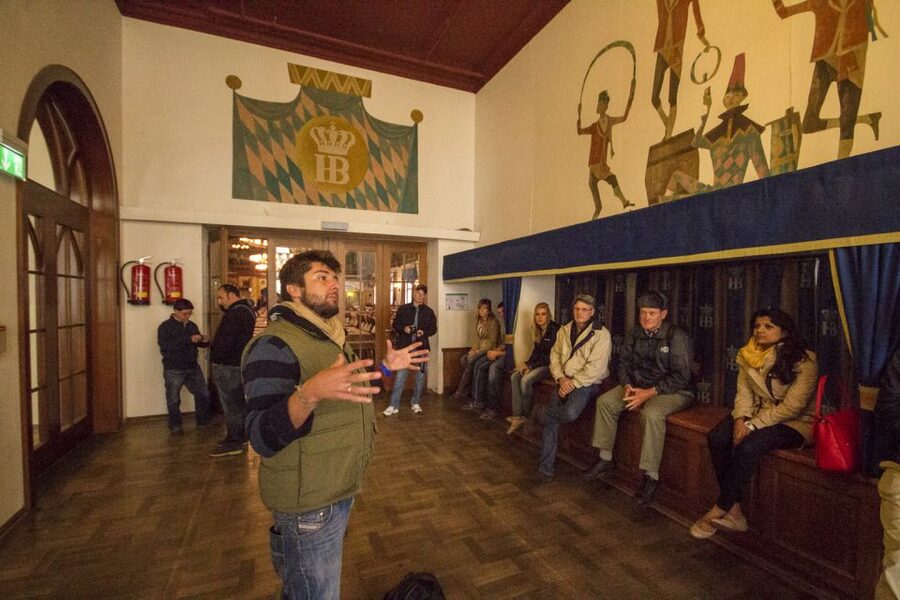
This tour relies more on the person holding the group together than on physical displays. You will not spend most of the time entering museums or examining original objects. The guide provides the interpretation at each location.
Recent departures have included Michael, Steve, Alex, Josh, Danielle, Florian, Ulrich, Aileen, and Brigit Muller. The strongest reports describe guides who explain complex history clearly, answer questions, speak loudly enough for the group, and handle the subject with respect.
Steve received special praise for bringing hot tea and cushions or mats on snowy and cold days. That is a small detail, but it matters on a long outdoor walk. Josh was praised for setting expectations at the start, maintaining attention for a large group, and connecting the lessons of Munich’s past with the wider world. Michael was described as enthusiastic and easy to follow, while Alex was praised for energy and approachability.
You should still expect differences between guides. One booking found the group instructions a little strict, while another noted difficulty hearing in a noisy crowd. A larger group can make questions, movement, and sound more difficult. If you want the most personal format, a private group is available.
How demanding is the 165-minute walk?
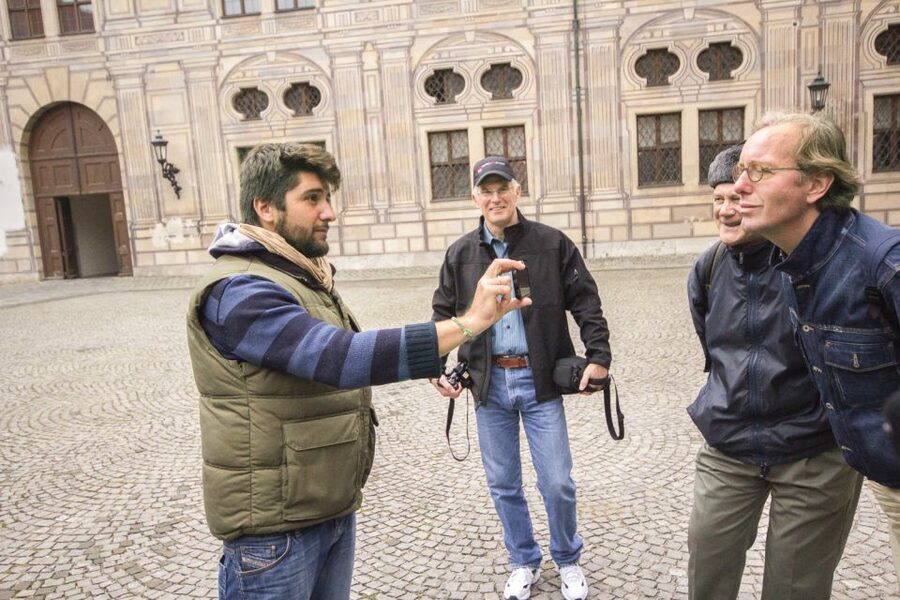
The advertised duration is 2.5 hours, or 165 minutes. Some guides keep the tour moving at a steady pace, while others may run close to three hours when they answer questions or add detail.
You should wear comfortable shoes. There are regular stops, so you are not walking without a break for the whole period, but this remains a city walking tour conducted outdoors. The most important preparation is clothing. Winter bookings repeatedly mention cold, snow, rain, and wet seating areas.
For a cold-weather departure, wear a warm coat, gloves, and shoes suitable for walking on potentially wet streets. In poor weather, the difference between an enjoyable history lesson and an uncomfortable afternoon is simple preparation.
The tour is listed as wheelchair accessible. Since the experience takes place across city streets and public areas, you should confirm the exact route and meeting point for your selected option if you have specific mobility needs.
Price, timing, and overall value
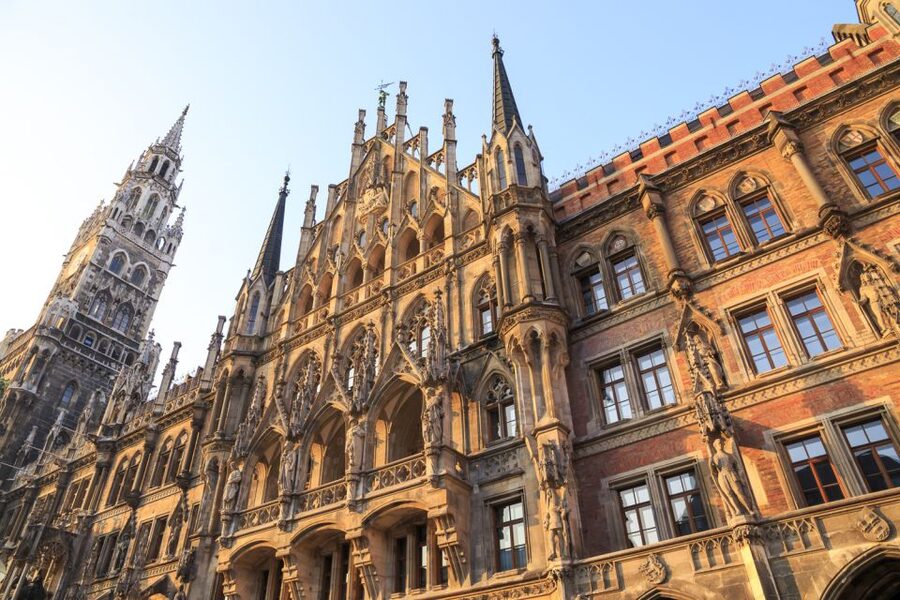
At $31 per person, the tour offers solid value if you want a guided introduction to Munich’s Nazi-era sites. You are paying for 165 minutes of explanation, historical context, and route planning rather than for admission to a museum.
The value is strongest for a first visit. The buildings and squares are spread across the central city, and it can be hard to understand their connection if you visit them alone. A guide gives you a usable sequence: postwar Munich, early political meetings, the failed putsch, party rallies, and resistance.
The price is less compelling if you want a quiet, private study session with original documents or long indoor visits. This is a walking and storytelling experience. You will see the locations, but the main content comes through the guide’s spoken account.
The tour also pairs well with a visit to the Munich Documentation Center. One booking ended near the center, allowing the participant to continue the subject indoors. Do not assume every departure ends there, but if your tour does, it can make a useful follow-up.
Who should book this Munich walking tour?
I would choose this tour if you want to understand how Munich became central to Hitler’s rise rather than simply see war memorials. It suits adults, families with older children, history students, and anyone who prefers learning through places.
It is also a good choice if you already know a fair amount about the Third Reich. The locations add detail and scale, and guides may bring in lesser-known anecdotes or local context. One experienced history reader found the tour rewarding because the physical sites gave familiar events a clearer setting.
You should think twice if you dislike long outdoor tours, have little tolerance for cold or rain, or want a visit centered mainly on World War II battle history. The walk focuses heavily on the birth of Nazism, Hitler’s rise, and the political development of the Third Reich. The war itself is part of the story, but it is not a military battlefield tour.
The subject is also emotionally serious. Guides use humor at times to keep the group engaged, but the best departures remain respectful and direct. This is not an entertainment-themed Hitler tour. It is a historical walk about dictatorship, propaganda, resistance, and the damage inflicted on Munich and Germany.
Booking advice before you go
Check the exact meeting point for your selected option. The starting location can vary, and one booking found the city-center meeting point difficult to identify.
Plan for the full 2.5 hours, with some possibility of a longer finish. Keep your schedule flexible afterward, especially if you want to visit the Documentation Center or another timed attraction.
Choose your clothing based on the forecast, not the calendar. Even a mild-looking day can feel cold when you are standing outdoors during several long explanations.
The tour is offered in English and German. Private groups are available if you want more control over the pace or a more personal discussion.
Cancellation is free up to 24 hours in advance, and you can reserve now and pay later. Those terms help if your Munich plans are still shifting.
Should you book it?
Book this Munich Third Reich and WWII Walking Tour if you want a clear, place-based explanation of Hitler’s rise and Munich’s role in it. The route covers the key locations, includes the White Rose resistance, and gives you context that is hard to gain from sightseeing alone.
At $31, it is a sensible use of time for a first visit, particularly if you choose a guide who speaks clearly and handles questions well. Go prepared for weather, confirm the start and end points, and allow more than 2.5 hours if you want to avoid rushing.
Skip it only if you want a mostly indoor museum visit or a military history tour. For everyone else, this is a serious, useful introduction to one of Munich’s darkest chapters.
FAQ
How long is the Munich Third Reich and WWII Walking Tour?
The listed duration is 2.5 hours, or 165 minutes. Some departures may run close to three hours depending on the guide and questions.
What sites does the tour visit?
The route includes the Hofbräuhaus, Feldherrnhalle, Königsplatz, and Hofgarten. These locations relate to Hitler’s rise, Nazi party activity, public rallies, and the White Rose resistance movement.
What does the tour explain?
You learn about the political conditions in Munich after World War I, the birth of Nazism, Hitler’s rise, the Third Reich, the failed attempt to seize power at the Feldherrnhalle, and the White Rose resistance.
Is the tour conducted in English?
Yes. The tour is available in English and German.
Is the walking tour wheelchair accessible?
The activity is listed as wheelchair accessible. The meeting point and route can vary by booking option, so confirm the details if you have specific accessibility requirements.
Is a private group available?
Yes. A private group option is available.
What should I bring?
Bring comfortable shoes. Warm clothing is also important in cold weather, based on the outdoor nature and length of the tour.
How much does the tour cost?
The listed price is $31 per person.
Can I cancel the tour for a refund?
You can cancel up to 24 hours in advance for a full refund.
Can I reserve the tour without paying immediately?
Yes. The reserve now and pay later option lets you hold your plans without paying at the time of booking.
Just added around Germany
- Hamburg: Guided Port Walk for Families★ 4.6 · 191 reviews
- East Berlin and the Wall: Walking Tour★ 4.9 · 407 reviews
- Dresden: Shared Small Group Walking Tour in English★ 4.8 · 172 reviews
- Dresden: Taste of Dresden Food Walk★ 4.6 · 397 reviews
- Dresden: Private Guided Walking Tour★ 4.5 · 81 reviews
- Dresden: Guided City Walk and Panometer Entrance Ticket★ 4.5 · 176 reviews
- Dresden Old Town – Guided Walking Tour in English★ 4.8 · 135 reviews
- Dresden: Neustadt District Street Art Guided Walking Tour★ 4.3 · 333 reviews
History Walking Tours, compared.

Berlin’s Best: 2 Hour Walking Tour Third Reich and the Cold War
Read our review →
Third Reich Berlin: Hitler and WWII Walking Tour
Read our review →
New Orleans Garden District History Walking Tour
Read our review →
Cartagena: Historic Center and Getsemaní Shared Walking Tour
Read our review →
Imperial Palace and Shogun Historical Walking Tour
Read our review →
Leipzig: 1.5-Hour Historical Walking Tour in German
Read our review →Browse the lists this tour appears in