
REVIEW · OSAKA
Osaka: Private Custom Walking Tour with a Local Guide
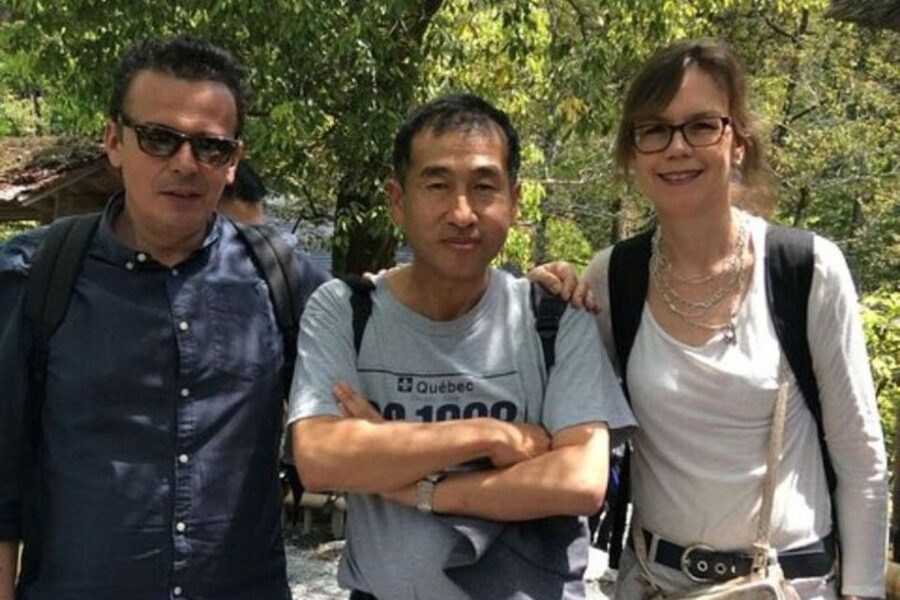
Osaka makes more sense when someone local helps you connect the dots. This private walking tour can be shaped around Dotonbori, Osaka Castle gardens, Harukas 300, a shrine, shopping, food, or quieter streets, depending on your interests and time. Guides such as Francisca, Jean, Jamie, Andy, and Shaye have helped visitors fit a lot into a few hours.
I like the advance contact, since you can explain what matters before meeting. I also like the practical help: Jamie guided a visitor through the rail system, while Cristina stayed longer to help with an airport bus ticket. The main drawback is that admission fees, meals, and local transport are extra, and a crowded Osaka can make a short tour feel rushed.
Key things to know before booking
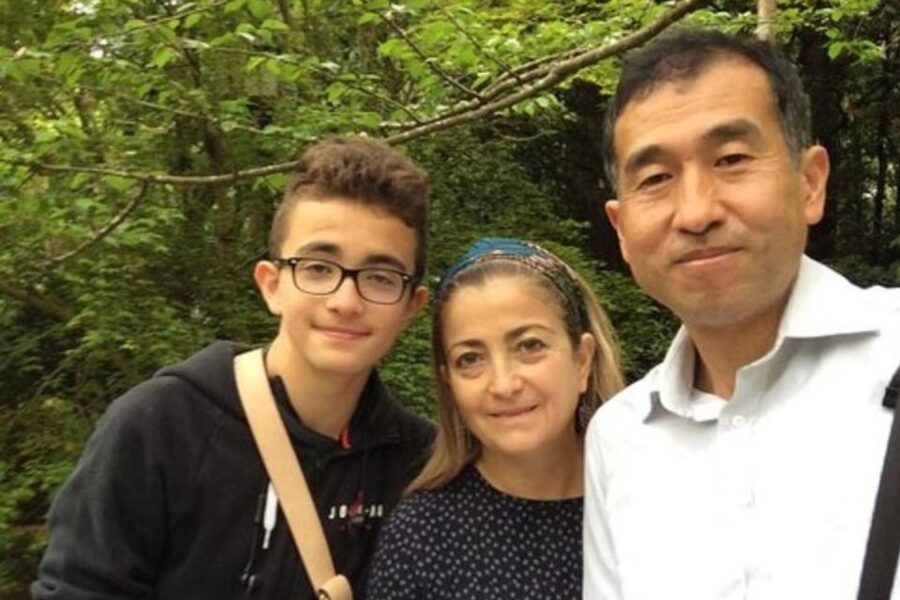
- Your route is built around your interests: You can request major sights, shopping, shrines, gardens, museums, or local life.
- Dotonbori works well in a short tour: Shaye helped one visitor combine Dotonbori, Harukas 300, and a shrine in three hours.
- The guides are useful beyond sightseeing: Expect help with trains, tickets, shopping, food choices, and everyday customs.
- It is a real walking day: Wear comfortable shoes, and be ready to use public transport if your route crosses Osaka.
- You pay for extras separately: Attraction tickets, food, drinks, and transport are not part of the base price.
- The private format suits mixed groups: Families, couples, solo visitors, and larger groups can set the pace and priorities.
A private first look at Osaka
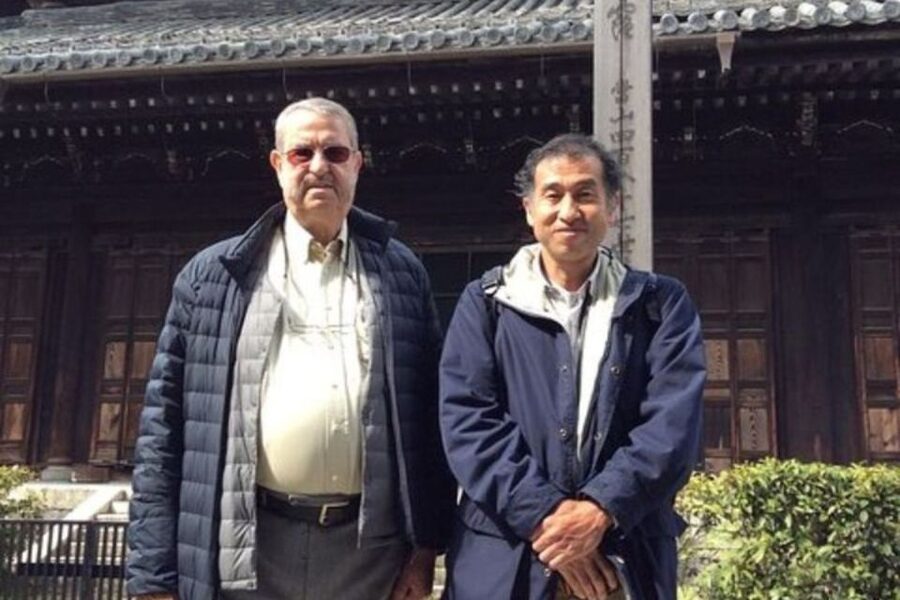
At $62 per person, this experience is less about ticking off every famous sight and more about getting your Osaka day organized around you. You are not placed with strangers, and you are not tied to a fixed route. The tour lasts from two to eight hours, so you can book a quick orientation or spend most of a day with a guide.
That flexibility matters in Osaka. The city spreads across several districts, and the best route depends on your starting point and wish list. A short visit might focus on one area, while a longer outing can connect separate sights by train or subway. Your guide can explain the plan before the tour, which gives you a chance to remove places that no longer interest you.
The price is good value for a solo visitor or couple who wants personal attention. For a large family or group, the per-person cost can add up, but you also get a private guide who can adjust explanations, walking speed, and stops for everyone. The tour is wheelchair accessible, though you should explain any mobility needs when arranging the route.
More Private Walking Tours in Japan
- Tokyo: Private Custom Walking Tour with Local Guide
★ 4.8 · 533 reviews - Tokyo: Private Walking Tour with a Local Guide
★ 4.9 · 469 reviews - Hiroshima City 4hr Private Walking Tour with Licensed Guide
★ 5.0 · 437 reviews
How the planning works before you meet
The guide contacts you ahead of time to learn what you want to see. This is one of the most useful parts of the experience, because you can arrive with a rough wish list rather than spend the first half hour deciding what to do.
Tell the guide how long you have, where you are staying, and which sights matter most. You might want food streets and shopping, Osaka history, gardens and shrines, modern viewpoints, or simple help learning the transport system. If you want to enter a museum or other attraction, mention it early so the route can be adjusted.
You can request a particular starting time. Hotel pickup is available when your hotel is in Osaka, which is especially handy on your first morning in town. If you are arriving from elsewhere, confirm the meeting point carefully and allow time to reach it.
The planning is not a promise that every requested stop will fit. Osaka traffic, crowds, walking time, and rail connections all take time. One visitor found that three hours covered key places but left little room to wander or shop. I would treat your first conversation with the guide as a chance to choose two or three priorities, not a demand to see everything.
Dotonbori, Osaka Castle gardens, and other possible stops
The tour does not publish one fixed route, so your stops depend on the plan you make. The most useful examples show how much the route can change.
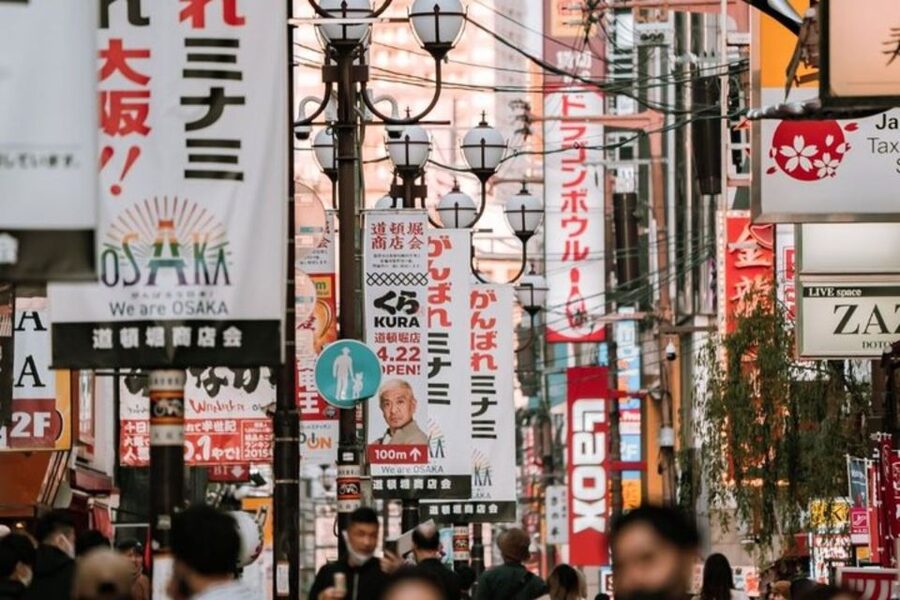
Dotonbori is a strong choice for a short introduction to Osaka. Its famous signs, canal-side streets, shops, and food options give you a quick sense of the city’s energy. It can also eat up your time. There is plenty to look at, and crowds make slow walking normal. If you want shopping or a meal there, tell your guide so the schedule leaves room for it.
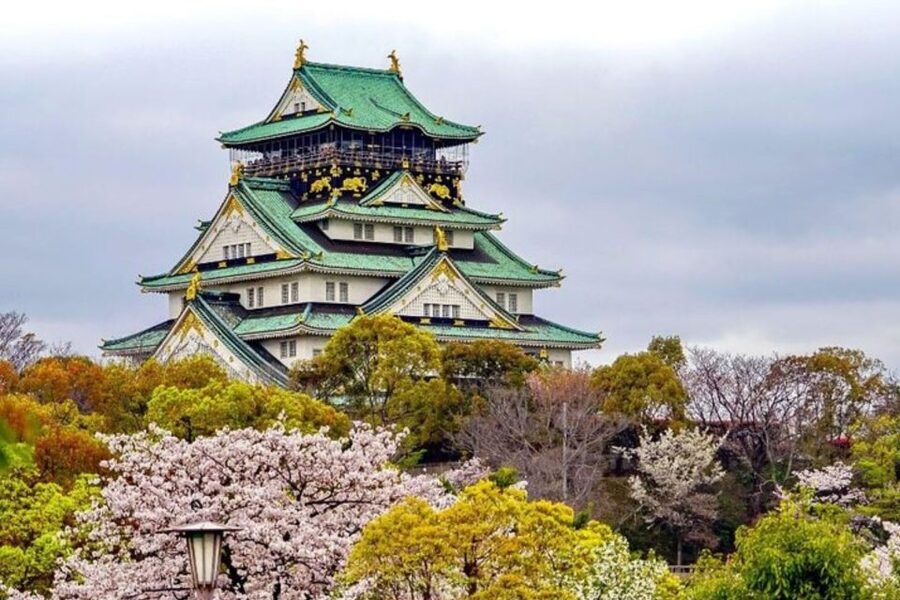
Osaka Castle gardens offer a different pace. One visitor visited the gardens but skipped the castle itself because of a tight departure schedule. That is a good reminder that seeing an attraction from outside or visiting its grounds may be the sensible choice when time is short. Castle entry is not included, and the guide’s ticket must also be covered if you choose to go inside.
Harukas 300 gives you a modern city view and can pair well with a southern Osaka route. A three-hour outing once included Harukas 300, a shrine, and Dotonbori, though that kind of schedule leaves little space for lingering. If you want photographs, plan for fewer stops.
Shrines, coffee shops, toy stores, shopping areas, and food stops can also be included when they fit your interests. One family added toy-focused stops and food tasting to its route. Another visitor appreciated having a guide help with shopping. These details make the tour feel less like a standard sightseeing circuit and more like a useful day designed around your group.
Museums are possible, too, but you need to request them in advance. The guide can help arrange tickets, yet admission remains your responsibility. You also pay the guide’s entrance fee for a paid attraction. That extra cost is easy to overlook when comparing prices, so include it in your budget.
What the guides add beyond sightseeing
The strongest part of this experience is practical local help. The guides are not simply pointing at buildings. They can explain Osaka and Japan, answer questions about daily life, and help you manage the city.
Francisca is repeatedly described as warm, prepared, and able to explain local history, culture, and everyday customs. She also helped one visitor buy an airport bus ticket after the planned tour time. That sort of assistance can be worth more than another monument, especially near the end of a trip.
Jean and Jamie were praised for friendly explanations and transport help. Jamie led a visitor through the rail system and showed how to reach Osaka Castle gardens. Jean helped another visitor feel comfortable around iconic Osaka sights. Andy patiently answered questions, guided a family on trains, and included toy shops and food experiences.
Shaye adapted a same-day booking and fitted three major stops into three hours. Carla adjusted the route for shopping, while Hugo took a visitor to areas he might not have found alone and explained Osaka’s past along the way. These examples show why your questions matter. Ask about trains, etiquette, food, neighborhoods, or practical travel problems, and the guide can shape the day around them.
Guide quality can vary from person to person, as it does with any private service. The strong pattern here is friendliness, flexibility, and clear communication before and during the walk. If a particular language matters, choose from English, Italian, French, or Spanish when checking availability.
Same streets, a different route:
- Kyoto Geisha Walking Tour: Gion District & Hidden Gems
★ 4.7 · 3,273 reviews - Tokyo Tsukiji Fish Market Food and Culture Walking Tour
★ 5.0 · 3,184 reviews - Kyoto: Gion Magical Night Walking Tour with Geisha Trivia
★ 4.9 · 2,393 reviews - Tokyo: Imperial Palace and Shogun Historical Walking Tour
★ 5.0 · 2,251 reviews
Walking and public transport: what the day feels like
This is a walking tour, not a car tour. Comfortable shoes are essential, especially if you choose several districts or add shopping streets. You may also use public transport, depending on the option selected and the route you arrange.
That combination is more useful than it sounds. Osaka’s rail and subway network can save time between districts, but it can confuse a first-time visitor. A guide who shows you how to find the right platform, transfer, or ticket can give you confidence for the rest of your trip.
Transport costs are not included. Food and drinks are also separate. Extra arrangements such as tickets, transport, and meals can be made for an additional cost, but clarify the plan before the tour starts. You do not want a carefully timed route to become uncertain because everyone assumed something different was included.
The walking pace should be discussed early if you are traveling with children, older adults, or anyone with limited stamina. The tour is listed as wheelchair accessible, but the most comfortable route still depends on the places you select and the amount of rail travel involved.
Choosing the right length
Two hours is enough for a focused introduction. Choose this length if you want help with one neighborhood, a few nearby sights, or a quick orientation at the beginning of your stay. It will not leave much time for long museum visits, shopping, or widely separated districts.
Three hours is a practical middle ground. It can cover a few major sights, as shown by the route that combined Harukas 300, a shrine, and Dotonbori. You should still pick your priorities, since crowded streets and transport connections take time.
Four hours gives you a better balance. One visitor spent four hours gaining a broad sense of Osaka, while another found that three hours was useful but wished for more time. I would choose four hours if you want history, local advice, and a relaxed stop for coffee or food.
Six to eight hours suits a full custom day. It gives you room to combine districts, use public transport, shop, stop for lunch, and ask questions without watching the clock every few minutes. The longer format costs more, naturally, and you should only book it if you enjoy a full day on foot.
Price, extras, and overall value
The starting price of $62 per person is reasonable for a private guide, especially if two or more people share the experience and make good use of the time. You are paying for planning, personal attention, local explanations, and help navigating Osaka, not for admission to attractions.
The value is highest on your first day. A guide can show you how the subway works, point out places to return to, and help you avoid wasting time finding entrances or transfers. It can also help you settle into Japanese travel habits before you explore alone.
The cost is less attractive if you want only a quick photo stop or a basic route through one familiar district. You may get more from the experience if you arrive with questions and a short list of priorities. Otherwise, you risk paying for a private guide while spending much of the time deciding where to go.
Budget separately for attraction tickets, the guide’s ticket when entering paid sites, public transport, meals, drinks, and any special arrangements. The team can help book desired visits, but that help does not make the admission free.
Who will get the most from this Osaka tour
This tour fits a first-time visitor who wants to get oriented quickly. It also suits a solo visitor who prefers company, a couple with different interests, or a family that needs a flexible pace.
It is a strong choice for anyone uneasy about Japanese rail travel. The transport guidance can save time during the tour and make the rest of your Osaka stay easier. It also helps if you want to ask everyday questions that a standard group tour may not have time to answer.
Families should explain children’s interests in advance. Toy shops, food tasting, shopping, and short sightseeing stops can be combined if the route allows. Larger groups can also benefit from the private format, though a big group may move slowly in crowded areas.
You may want a different product if you prefer a fixed historical tour with guaranteed entry to named attractions. This experience puts the decisions in your hands, and that means you must communicate clearly and accept that some places may be visited only from outside.
Booking advice and final verdict
I would book this tour early in an Osaka stay, especially if you want help with trains or need a sensible plan for your remaining days. Ask for the guide to contact you before the meeting, then send a short list of must-sees, nice-to-sees, food interests, mobility needs, and any museum requests.
Choose three hours for a compact introduction, four hours for a more comfortable first look, and six to eight hours if you want several districts and time for shopping or food. Wear good shoes, keep some flexibility, and confirm every extra cost.
You should book if you value a personal route, useful local advice, and the freedom to change plans. You should skip it if you want a low-cost, fixed sightseeing circuit with tickets included. For most first visits, the private format and practical transport help make the $62 starting price worthwhile.
FAQ
How long does the Osaka private walking tour last?
You can choose a tour lasting from 2 to 8 hours. Starting times depend on availability, and you can request a specific time.
Can I choose the places I visit?
Yes. The tour is personalized, and your guide contacts you beforehand to understand your preferences. You can request major sights, shopping, shrines, museums, food stops, or other interests.
Is hotel pickup available?
Hotel pickup is available when your hotel is located in Osaka. Pickup is optional.
Are attraction tickets included?
No. Attraction tickets are not included. If you enter a paid attraction, you must also cover the local guide’s entrance cost.
Can I visit a museum?
Yes, but you should request a museum visit in advance so the route can be adjusted. The entrance cost is extra.
Is public transportation included?
Public transport is available depending on the option you select, but local transportation around the city is not included in the base walking tour. Additional transport arrangements can be made for an extra cost.
What languages are available?
Live guides are available in English, Italian, French, and Spanish.
Just added around Japan
- Miyajima Half-day Trip Historical Walking Tour★ 5.0 · 284 reviews
- Hiroshima Walking Tour Why A Bomb was dropped to Hiroshima★ 5.0 · 347 reviews
- Tokyo: Asakusa & Sensoji ー Oldest Temple Walking Tour (2hrs)★ 5.0 · 213 reviews
- Asakusa Senso-ji Temple and Old Tokyo Walking Tour★ 5.0 · 560 reviews
- Asakusa Cultural Walk & Matcha Making Tour★ 5.0 · 245 reviews
- Tokyo: Tsukiji Market Walking Tour & Sushi Cooking Class★ 4.6 · 122 reviews
- Tokyo:Stroll in Old traditional culture towns~Yanaka & Nezu★ 4.9 · 186 reviews
- Tokyo: Shibuya Crossing & Hidden Streets Walking Tour★ 4.8 · 128 reviews
Private Walking Tours, compared.

Barcelona Helicopter, Sailboat & Old Town Private Walking Tour
Read our review →

Lyon: Private Walking Tour of “Traboules” in the Old Town
Read our review →
Browse the lists this tour appears in