
REVIEW · TOKYO
Tokyo: Private Custom Walking Tour with Local Guide
Tokyo is easiest to enjoy when someone helps you make sense of its huge train stations, far-flung neighborhoods, and very different sides. This private custom walking tour lets you choose the focus, from Senso-ji and Asakusa to Shibuya, Shinjuku, Akihabara, or quieter corners that may not appear on a first-time itinerary.
I like the practical side most: guides can teach you how to use Tokyo’s rail system, help with a Suica card or train tickets, and suggest places for later in your trip. I also like the flexibility. Guides such as Francine, Enrique, Karl, Albert, and Cristiano have adjusted routes for families, mobility needs, food concerns, and changing interests.
The main drawback is that tickets, meals, and drinks cost extra, and a long custom day can involve a lot of walking and public transport. You need to tell the guide what you want before the tour if you hope to include a museum or timed attraction.
Key points to know before booking
- Choose your Tokyo: Build a route around temples, shopping, food, modern districts, gardens, anime, architecture, or daily life.
- Learn the trains early: Guides can help you use public transport, find platforms, buy tickets, and gain confidence for the rest of your stay.
- Pick your pace: Tours run from 2 to 8 hours, with a private group rather than a large shared party.
- Expect local advice: You can ask about restaurants, bars, karaoke, customs, bathrooms, Suica cards, and places to visit after the tour.
- Hotel pickup is included: A guide can meet you at a Tokyo hotel, though an outside-the-center hotel may require a city-center meeting point.
- Plan for extra costs: Attraction tickets, food, drinks, and any selected paid transport option are not included.
Why a private Tokyo guide can save your first day

Tokyo is not hard because the sights are hidden. It is hard because the city is immense, its districts have distinct personalities, and its train system can feel like a puzzle when you are jet-lagged.
A private guide gives you a useful first map. You are not locked into a fixed sightseeing list. You can ask for temples and traditional streets, then switch to department stores, anime shops, a rooftop view, or a neighborhood restaurant. That freedom is the heart of this experience.
I see the tour working especially well as your first activity in Tokyo. You can learn how to read station signs, use local transport, find a bathroom, behave at a shrine, and get from one district to another. After that, you can explore with less hesitation.
The tour costs $53 per person, based on the advertised starting price. That is good value if you use the guide for more than simple sightseeing. A guide who helps you navigate trains, locate food that suits your diet, explain local customs, and shape the rest of your trip is providing practical help, not just commentary.
The final price can depend on the length and option you select. Since food, drinks, and attraction tickets are extra, compare the price with your own plans. If you only want one famous temple and a quick photo stop, a self-guided visit may cost less. If you want a useful introduction to Tokyo, the private format earns its keep more easily.
More Private Walking Tours in Japan
- Tokyo: Private Walking Tour with a Local Guide
★ 4.9 · 469 reviews - Tokyo: Private Walking Tour with a Local
★ 4.4 · 419 reviews - Hiroshima City 4hr Private Walking Tour with Licensed Guide
★ 5.0 · 437 reviews
Choosing between Asakusa, Shibuya, and Tokyo’s other districts
Your guide contacts you before the tour to discuss your interests. Use that conversation well. Do not simply say you want to see Tokyo. Give a short list of priorities and explain your energy level, food needs, interests, and any places you have already booked.
Asakusa and Senso-ji
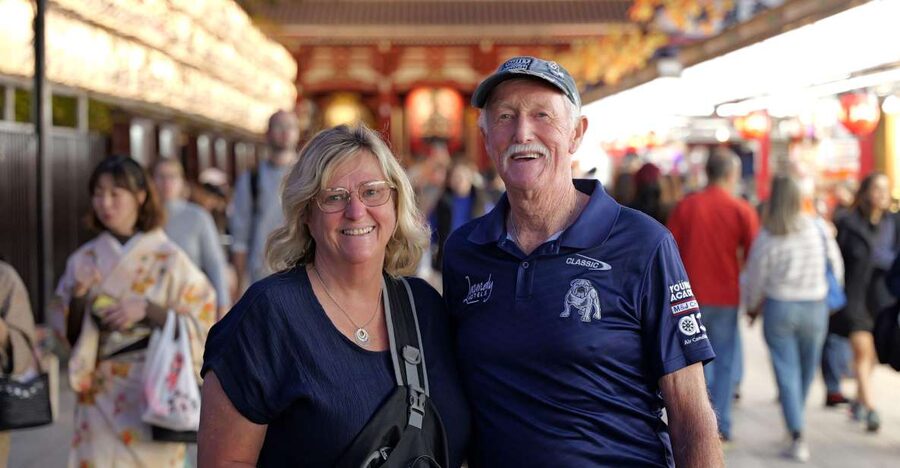
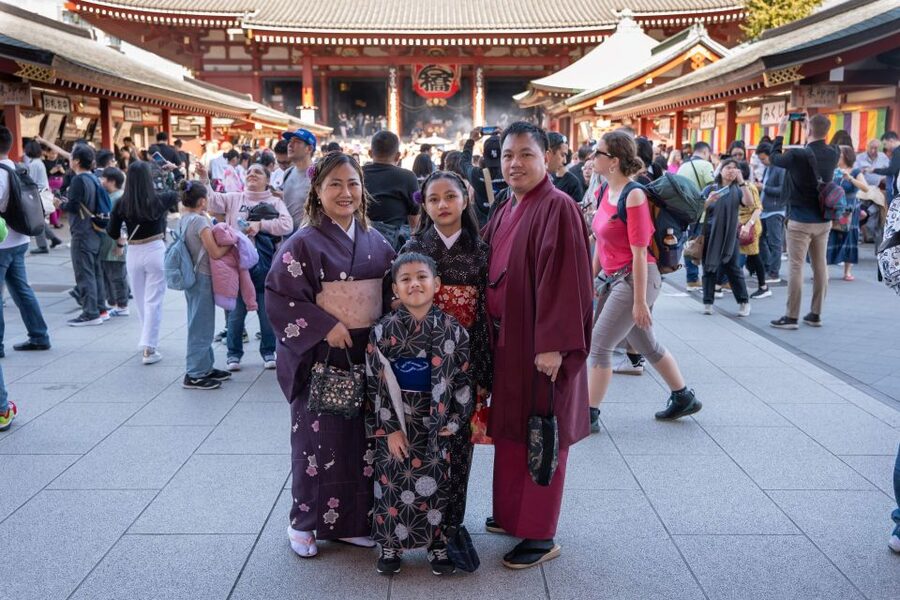
Asakusa is a strong choice for a first visit. You can see traditional temple architecture, older streets, local treats, and the atmosphere around Senso-ji. Sarah’s day included Asakusa, winter views, temple streets, and snacks, along with the Imperial Palace Gardens and Marunouchi.
A guide can explain respectful behavior at a shrine or temple, which makes the visit more meaningful than simply walking through the gate. You can also ask for a view over Senso-ji and the surrounding streets. One guide took a group to the top of a building for that kind of outlook.
The limitation is distance. If you try to combine Asakusa with Shibuya, Shinjuku, and Odaiba in a short tour, much of your time can disappear on trains. For two hours, choose one area or two nearby stops. For six to eight hours, several districts become more realistic.
Shibuya and Shinjuku
Shibuya gives you modern Tokyo, famous streets, shopping, and city views. Shinjuku adds department stores, entertainment, tall buildings, and quieter side streets. Himena created a route through both districts that included temples, major sights, and less busy areas, along with suggestions for bars, restaurants, and karaoke.
I like this pairing for visitors who want to understand present-day Tokyo rather than focus only on old temples. You can see how quickly the mood changes from a major commercial center to a calmer local street.
The trade-off is scale. These districts can absorb a full day if you shop, stop for food, or visit a paid attraction. Tell your guide if you want time for browsing. A long list of photo stops may leave little room for conversation.
More Private Walking Tours in Tokyo:
- Private Walking Grand Tour of Copenhagen
★ 5.0 · 3,953 reviews - Vienna: Private Walking Tour with a Local
★ 4.6 · 1,446 reviews - Barcelona Helicopter, Sailboat & Old Town Private Walking Tour
★ 5.0 · 1,395 reviews - Private Walking Tour of Hanoi City
★ 5.0 · 1,251 reviews
Akihabara
Akihabara suits visitors interested in electronics, games, anime, and Japanese pop culture. One solo visitor chose Akihabara and Asakusa, using the guide to connect a modern interest with a traditional district.
This is a good example of why a custom route beats a standard highlights walk. You can combine a specific hobby with the usual sights, instead of spending the whole tour on places you already know you want to see.
Odaiba and the Imperial Palace area
Odaiba offers a different side of Tokyo. Francine took one visitor to the Odaiba Marina, described as a peaceful change from central Tokyo. It may suit you if you want open space and waterfront scenery rather than another dense shopping district.
The Imperial Palace Gardens and Marunouchi provide another useful contrast. You can pair formal gardens and historic surroundings with a modern business district. In spring, the gardens take on a different look from winter, so the season will affect what you see.
Tokyo Skytree and other major sights
A route can include Tokyo Skytree, Senso-ji, and the Asakusa area, as it did on a four-hour tour with Enrique. Skytree can be a good choice if views matter to you, but check in advance how you want to handle tickets and timing. Attraction admission is not included.
The same rule applies to museums. The tour normally covers exteriors, but your guide can adjust the plan for a museum visit if you request it in advance. Help with booking desired visits is included, but the admission cost is yours.
The most useful part may be learning Tokyo’s trains
Tokyo’s rail system is one of the biggest reasons to book this experience. It is also one of the clearest ways to judge a guide’s value.
Several tours used local transport to connect different parts of the city. Guides helped with train tickets, JR passes, Suica cards, station routes, and platform navigation. Cristiano helped one visitor collect JR rail passes and learn the transport system. Victor helped with a Suica card and Metro advice. Enrique was praised for handling the city’s confusing train network.
That help can save more than minutes. It can spare you the stress of arriving at the wrong platform, boarding the wrong service, or trying to understand a station with luggage and a tired family.
You should still expect to walk. This is called a walking tour, even when trains connect the neighborhoods. One eight-hour outing reached about 23,000 steps, a useful warning for anyone planning a full day.
If you have mobility limits, say so before the tour. Karl adjusted his pace for a visitor with mobility issues, and Cristiano helped a guest whose husband had medical concerns get around the subway. The tour is listed as wheelchair accessible, but the exact route and station conditions should be discussed ahead of time.
What guides add beyond sightseeing
The best use of your guide is not simply pointing out a gate or tower. It is getting the explanation that makes the place click.
At shrines and temples, you can learn how to enter respectfully. In a food district, you can ask how to choose a place and what to order. On the train, you can learn the habits that make the rest of your trip easier. In a neighborhood, you can ask how modern Japanese life fits around older customs.
Guides have also helped with practical tasks. Shaban assisted with train tickets, attraction bookings, meal ordering, and photographs during an eight-hour tour. Mark located food for a visitor with celiac disease and designed a route for adults and teenagers. These are small services, but they can make a busy day calmer.
You can also ask for advice after the tour ends. Guides have suggested restaurants, bars, karaoke, viewpoints, and other activities. That after-tour advice may be one of the best reasons to schedule the experience early in your stay.
Do not expect every guide to produce the same style of day. The guide names connected with especially strong feedback include Francine, Enrique, Karl, Albert, Cristiano, Himena, Fabian, Maria, Victor, and Shaban. You may not be assigned a particular person, so book this for the private format and local planning rather than a guaranteed guide name.
Building a good two-hour, four-hour, or eight-hour route
Two hours
Keep it tight. Choose one district and a clear purpose. Asakusa with Senso-ji, a short Shibuya introduction, or a nearby park and temple combination can work well.
A two-hour tour is best for a quick orientation, a first-day confidence boost, or a visitor with limited time. It is not enough for a relaxed crossing of Tokyo and several major attractions.
Four hours
Four hours gives you room for a main district plus a second nearby stop, or two districts connected by a short train ride. Skytree, Senso-ji, and Asakusa fit this kind of plan. You can also focus on a few highlights and spend time learning the trains.
This length is a sensible choice for families and first-time visitors who want useful instruction without committing to an exhausting full day.
Six to eight hours
A longer tour can link several wards and cover history, shopping, special interests, and transport. Brian’s route with Francine covered three wards and mixed those subjects. An eight-hour day can also include meal help, extra stops, and a slower pace when your interests change.
The drawback is physical. Build in breaks, especially during hot weather or if you have children. Tell the guide if you want a relaxed day rather than a checklist. A private guide can change the order and shorten a stop, but you should not expect to see every corner of Tokyo in one day.
Families, solo visitors, and special interests
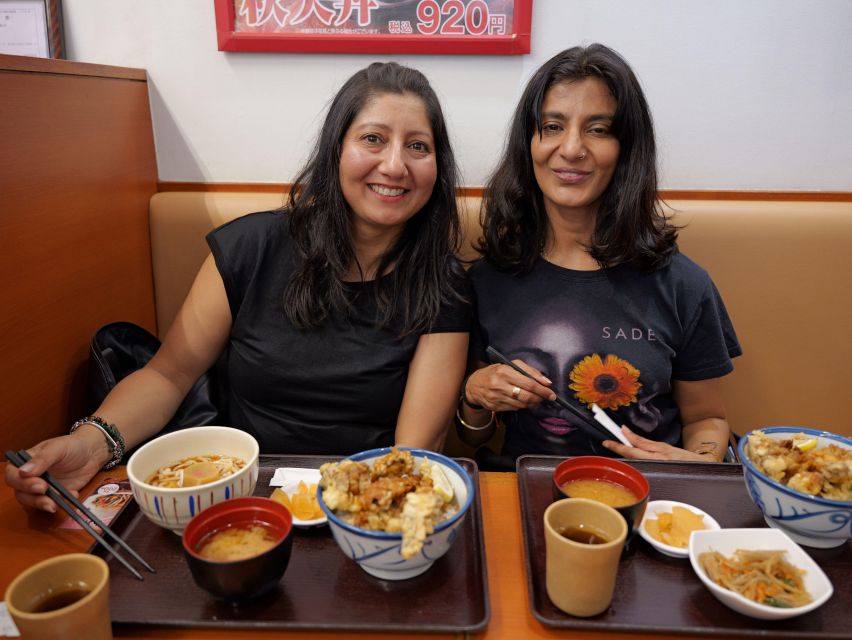
Families benefit from the private setup because the route can slow down for children, quick breaks, and unplanned detours. Albert adjusted a day for children who needed regular pauses, while Mark created a route that worked for two teenagers and two adults.
Solo visitors also get a lot from the format. You can ask constant questions without holding up a group, choose exactly the sights that interest you, and receive advice for the rest of your independent time. Shebon helped a solo guest understand Japanese customs and appropriate behavior at the places visited.
Couples can choose a balanced day of temples, gardens, viewpoints, food, and neighborhoods. Food-focused visitors should state dietary restrictions clearly before the tour. The guide may help locate suitable food, but meals remain an additional cost.
This tour also works for visitors arriving by cruise ship, since one guide picked up a group at a cruise terminal. Confirm the starting point when booking, particularly if you are not staying at a Tokyo hotel.
Practical details that affect your decision
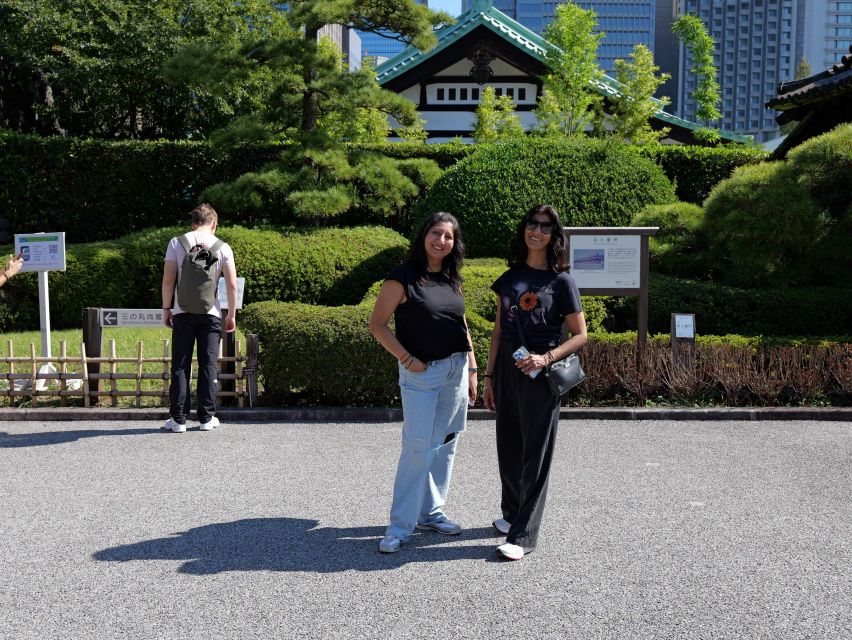
Hotel pickup is available when your accommodation is in Tokyo. If you stay outside the city center, the operator selects a convenient central meeting point. The tour may finish somewhere different from where it began, so request a return to the starting point in advance if that matters.
You can choose from English, French, Italian, Japanese, Spanish, and Portuguese. The tour is private and wheelchair accessible. Public transport is included unless you select an option that changes that arrangement.
Museum and attraction tickets are not included. Food and drinks are also extra. If your plan includes Skytree, a museum, or another timed visit, ask the guide to help arrange it before the tour rather than hoping to fit it in on the day.
Free cancellation is available up to 24 hours before the start, and you can reserve now and pay later. That gives you some useful flexibility while your Tokyo schedule is still taking shape.
Should you book this Tokyo walking tour?
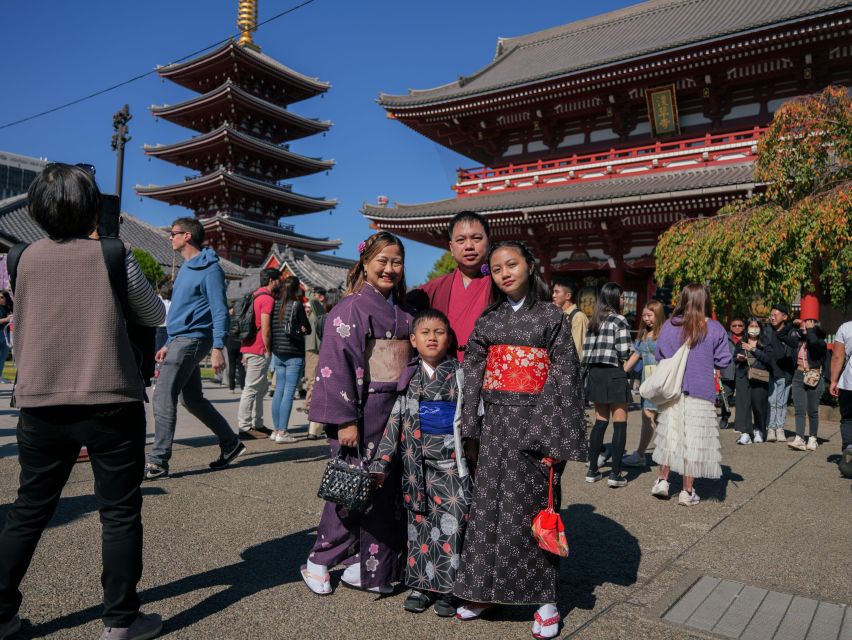
Book it if you want a private introduction to Tokyo that teaches you how to continue on your own. It is especially useful on your first day, for families, solo visitors, anyone nervous about the trains, and people with a clear interest such as food, anime, gardens, temples, shopping, or modern architecture.
Choose the four-hour option for a balanced introduction. Choose two hours for a focused neighborhood visit. Choose eight hours only if you are comfortable with a long day on foot and want several districts connected into one route.
Skip it if you already know Tokyo’s transport system, have a detailed self-guided plan, and mainly want free access to attractions. Remember that the guide fee does not cover admission, meals, or drinks.
For most first-time visitors, the real value is not ticking off more sights. It is learning how Tokyo works, finding places you would otherwise miss, and leaving with a workable plan for the rest of your stay.
FAQ
How long does the private Tokyo walking tour last?
You can book a tour lasting from 2 to 8 hours. Starting times depend on availability.
Can I choose the places I visit?
Yes. The tour is customizable, and the guide contacts you beforehand to discuss your interests. You can request areas, sights, neighborhoods, and specific themes.
Is hotel pickup included?
Pickup is included from accommodation located in Tokyo. If your hotel is outside the city center, a convenient city-center meeting point will be selected.
Are attraction tickets included?
No. Tickets to attractions, along with food and drinks, are not included. The team can help book tickets for desired visits.
Can I visit a museum?
You can request a museum visit, but you should tell the operator in advance so the guide can adjust the itinerary.
Which languages are available?
Guides are available in English, French, Italian, Japanese, Spanish, and Portuguese.
Just added around Tokyo
- Asakusa: A Big-picture History Walk to Know Japan★ 4.6 · 77 reviews
- Tokyo: Private Walking Tour with a Local Guide★ 4.9 · 469 reviews
- Tokyo: Private Walking Tour with a Local★ 4.4 · 419 reviews
- Tokyo: Shibuya Highlights Walking Tour★ 4.8 · 601 reviews
- Tsukiji Fish Market Small-Group Food Walking Tour★ 5.0 · 621 reviews
- Tokyo Castle & Imperial PalaceーShogun Walking Tour★ 5.0 · 724 reviews
- Tokyo: Dark Side of Tokyo Shinjuku Red Light Walking Tour★ 4.7 · 862 reviews
- Tokyo Drift: GT-R Car Club R35 Liberty Walk Daikoku meeting★ 4.8 · 875 reviews
Private Walking Tours, compared.

Barcelona Helicopter, Sailboat & Old Town Private Walking Tour
Read our review →
Lyon: Private Walking Tour of “Traboules” in the Old Town
Read our review →
Browse the lists this tour appears in