
REVIEW · TOKYO
Tokyo: Private Walking Tour with a Local Guide
Tokyo is too large for a sensible one-day checklist, and that is exactly why this private walking tour works. Your guide meets you at your hotel or chosen location, then helps you choose between old Tokyo, modern districts, food markets, shopping streets, and quieter local corners. Guides such as Momo, Miwa, Rika, and Hina are praised for clear English, warm company, and practical help with trains.
I especially like the custom planning and the chance to learn Tokyo’s public transport while you sightsee. I also like the personal scale: you can slow down for a shrine, change plans for lunch, or ask for help with a rail pass. The main drawback is distance. Tokyo’s sights are spread far apart, so a packed route means standing on trains and walking a lot.
- Hotel pickup in central Tokyo: Your guide can meet you where you are staying or at another preferred meeting point.
- A route built around you: Pick famous sights, food, shopping, temples, neighborhoods, or a mix of old and new Tokyo.
- Public transport practice: Your guide accompanies you on convenient trains and subways, helping you feel more confident for the rest of your trip.
- Real local guidance: Momo, Miwa, Rika, Hina, Kanako, Yossy, Nao, and other English-speaking guides have led guests through different parts of the city.
- Flexible duration: Choose from two to eight hours, with four and six hours offering a more useful balance for most sightseeing plans.
- Good first-day value: At $53 per person, the tour can pay off quickly if it saves you from route mistakes and helps you plan the rest of your stay.
Why a private Tokyo tour can save your first day
Tokyo looks simple on a map, but the city is a web of districts, railway lines, subway operators, and large stations. A private guide gives you more than sightseeing. You get a human route planner who can adjust the day around your energy, interests, weather, and appetite.
The best use of this experience is not trying to visit every place listed. The sample route includes Asakusa, Ueno, Akihabara, Shibuya, Harajuku, Meiji Shrine, Tsukiji, Ginza, the Imperial Palace, and Shinjuku. That is far too much for a relaxed four-hour outing, and even eight hours would require brisk movement.
Instead, tell your guide what matters most. For a first taste of Tokyo, you might pair Asakusa and Ueno with Akihabara. For a modern city day, choose Harajuku, Shibuya, and Shinjuku. For food and tradition, combine Tsukiji with a temple or shrine. The guide contacts you through WhatsApp within 24 hours of the tour, and the final plan is set with you then.
Meeting Momo, Miwa, Rika, and the Tokyo Vibes team
The experience is provided by Tokyo Vibes, with English-speaking local guides assigned according to availability. Names appearing in the supplied feedback include Momo, Miwa, Rika, Hina, Kanako, Yossy, Yoshie, Nao, Saya, and Momoha.
The strongest pattern is personal attention before the tour begins. Guides ask what you want to see, how quickly you like to move, and sometimes about food interests or dietary needs. Miwa is praised for planning routes carefully and helping first-time visitors understand the rail system. Rika is noted for efficient train use and taking clear photos. Momo is often described as warm, funny, flexible, and good at finding less touristy places.
That does not mean every guide will have the same personality or route knowledge. You are booking the format and the local guiding service, not a guaranteed individual guide. Still, the repeated praise for communication, patience, and flexibility is a good sign for a private experience.
More Private Walking Tours in Japan
- Tokyo: Private Custom Walking Tour with Local Guide
★ 4.8 · 533 reviews - Tokyo: Private Walking Tour with a Local
★ 4.4 · 419 reviews - Hiroshima City 4hr Private Walking Tour with Licensed Guide
★ 5.0 · 437 reviews
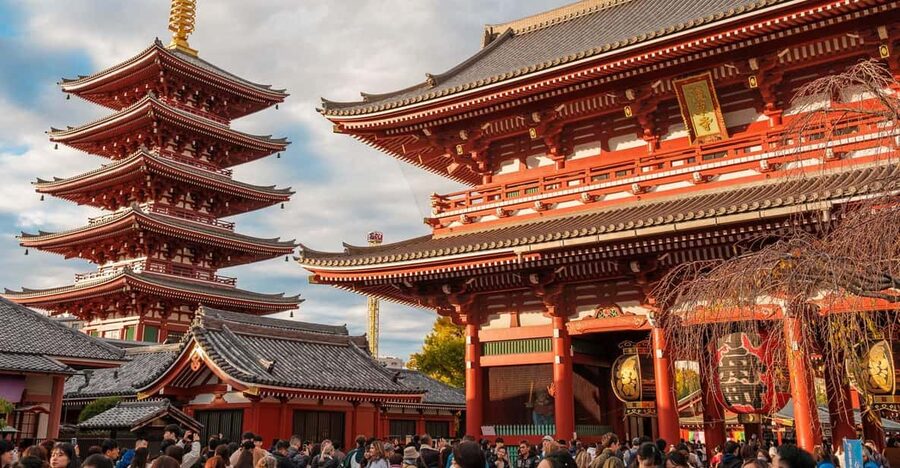
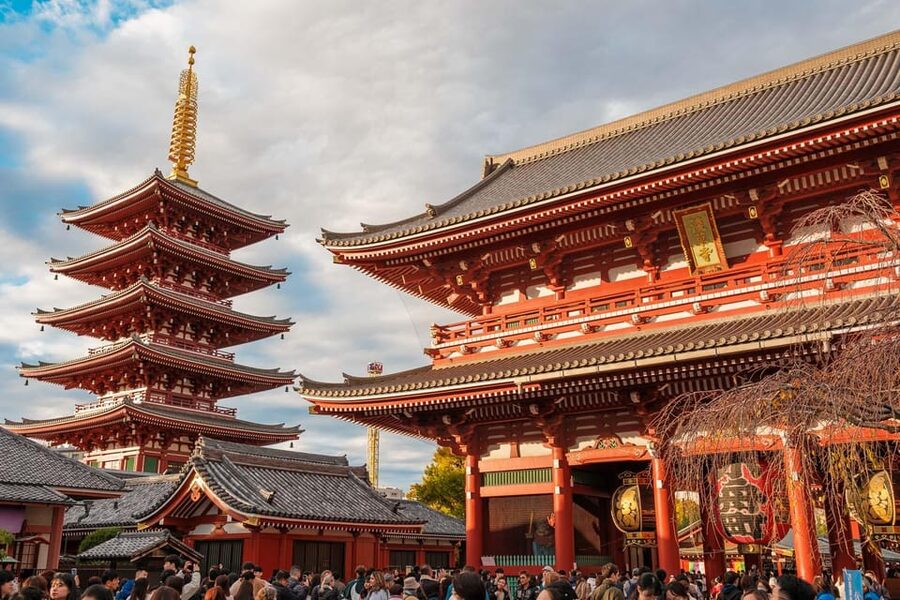
Asakusa and Sensō-ji: the best traditional starting point
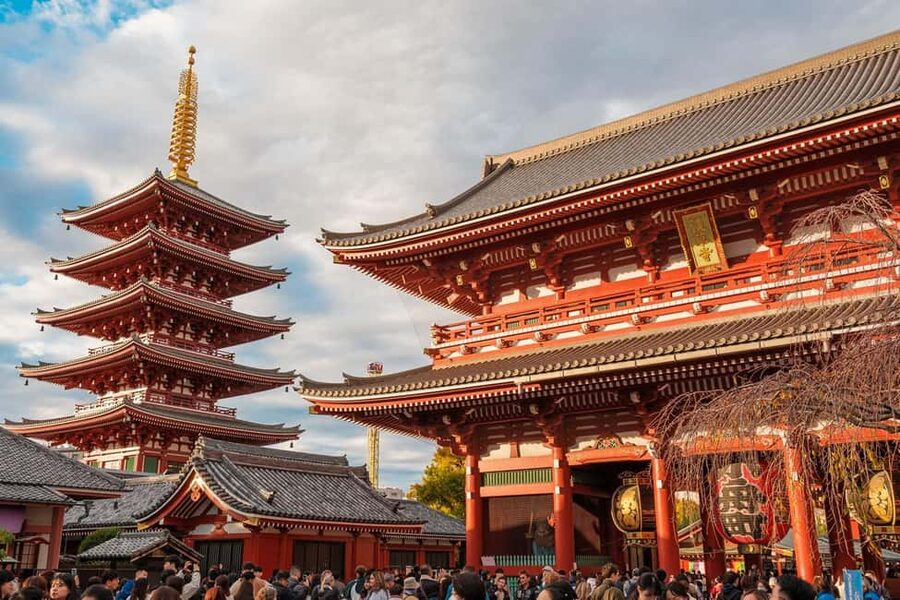
Sensō-ji Temple is one of the strongest choices for a first Tokyo outing. The approach through Asakusa gives you a clear introduction to temple customs, religious spaces, traditional streets, and the older side of the city.
Your guide can explain how a Buddhist temple differs from a Shinto shrine, how to behave at each site, and what you are looking at beyond the main gate and prayer hall. That context matters. Without it, you may simply take a few photos and move on. With a guide, the visit becomes a lesson in how Japanese spiritual traditions appear in daily life.
Asakusa also gives you a useful contrast with Tokyo’s newer districts. It is a good pick for families, first-time visitors, and anyone who wants culture without spending the whole day in museums. The tradeoff is crowds around the main temple approach, especially at popular times. Ask your guide to include side streets or nearby local areas if you want a quieter walk.
Ueno and Ameya-Yokocho: food, shopping, and everyday Tokyo
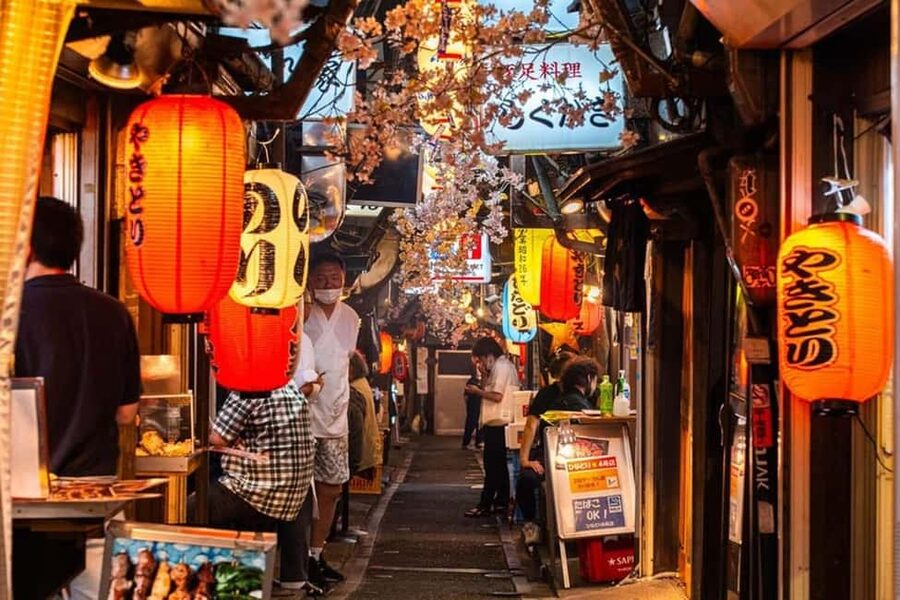
Ueno adds another useful layer. The area is known for parks, cultural attractions, and Ameya-Yokocho, a busy market street with food stalls and small shops. This is a practical place to ask your guide what people buy, eat, and look for in an ordinary shopping district.
Ameya-Yokocho is especially helpful if you want a less polished view of the city. You might see seafood, snacks, clothing, and bargain goods close together. Your guide can help with ordering, explain unfamiliar foods, and point out small places you would probably pass without noticing.
Ueno works well with Asakusa because the two areas can form a traditional and market-focused day. It is less useful to combine them with faraway Shibuya in a short booking. Tokyo trains are efficient, but transfers and large stations still consume time.
Akihabara: Tokyo’s electric and pop-culture side
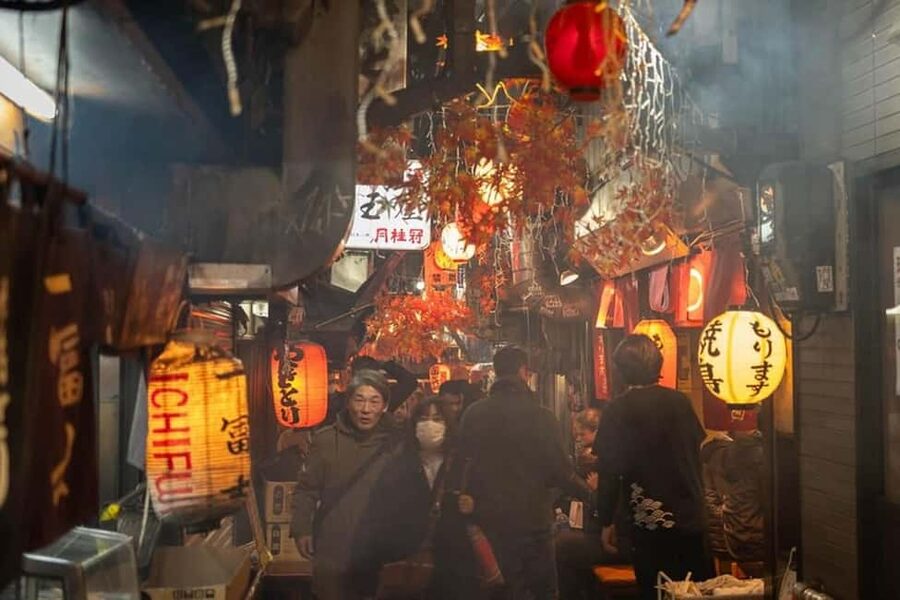
Akihabara is the obvious choice for electronics, anime, manga, games, and modern Japanese pop culture. The district is not a traditional sightseeing stop, so it works best when you have a clear interest in those subjects.
A local guide can help you understand what the different shops offer and how the area fits into Tokyo life. If you are not interested in shopping or pop culture, give Akihabara a lower priority. A private tour is most valuable when the route reflects you, not a standard checklist.
More Private Walking Tours in Tokyo:
- Private Walking Grand Tour of Copenhagen
★ 5.0 · 3,953 reviews - Vienna: Private Walking Tour with a Local
★ 4.6 · 1,446 reviews - Barcelona Helicopter, Sailboat & Old Town Private Walking Tour
★ 5.0 · 1,395 reviews - Private Walking Tour of Hanoi City
★ 5.0 · 1,251 reviews
Shibuya Crossing: famous, brief, and easy to overrate
Shibuya Crossing is one of Tokyo’s best-known city scenes. The spectacle is simple: crowds move across the intersection in several directions, surrounded by giant screens and tall buildings. It is a quick stop with strong photo value.
I would not build an entire tour around it. One guest specifically felt, afterward, that Shibuya Crossing was the one stop they would have skipped. That is useful advice. The crossing can feel more like a photo stop than a cultural experience, particularly if you have limited time.
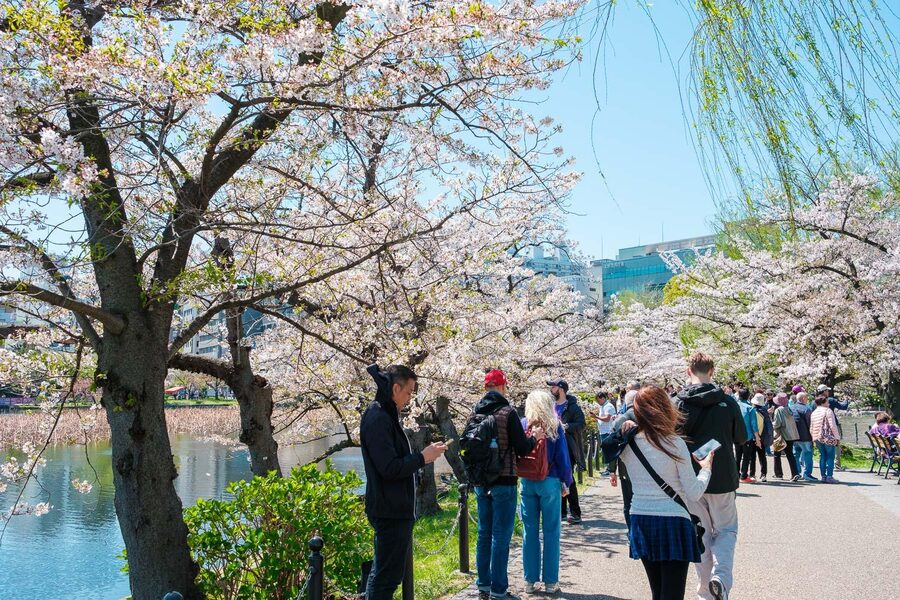
If you choose Shibuya, pair it with nearby Harajuku or Meiji Shrine. That gives you a better contrast between modern city energy, fashion streets, green shrine grounds, and Japanese religious customs.
Harajuku and Meiji Shrine: a strong old-and-new pairing
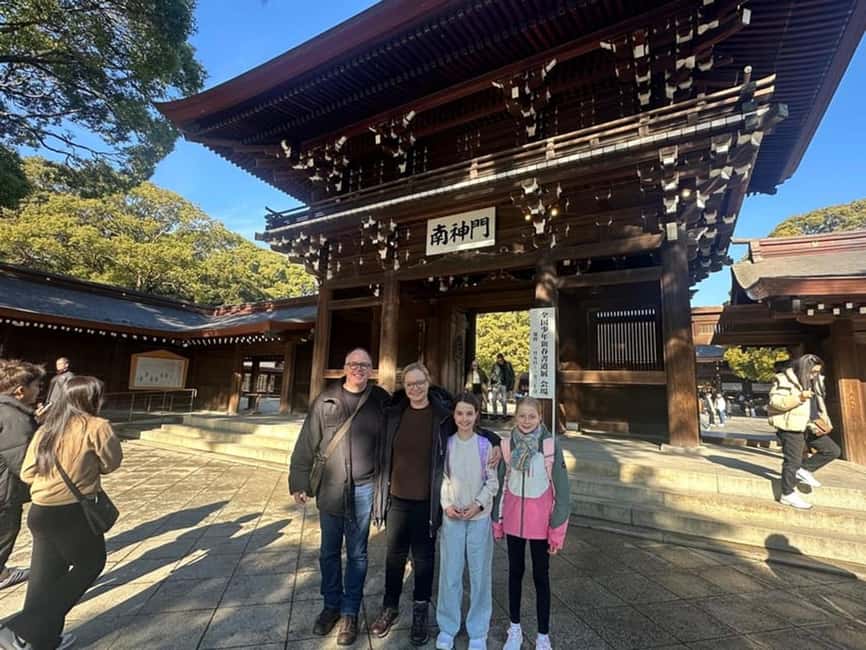
Harajuku brings fashion, youth culture, shopping, and narrow side streets into the day. Meiji Shrine offers a calmer setting and a chance to learn about Shinto practice. Together, they show Tokyo’s ability to place a sacred site beside one of its most fashionable districts.
Meiji Shrine is a particularly good stop for visitors who want an explanation of shrine etiquette. Your guide can help you understand the entrance gate, purification area, and prayer process without making the visit feel like a classroom.
The grounds involve walking, and a full day that also includes several distant neighborhoods can become tiring. In hot or humid weather, build in rest stops. One guide was praised for pacing a summer tour with cooling breaks, a useful reminder that Tokyo sightseeing is physical work.
Tsukiji Outer Market: make food the center of the day
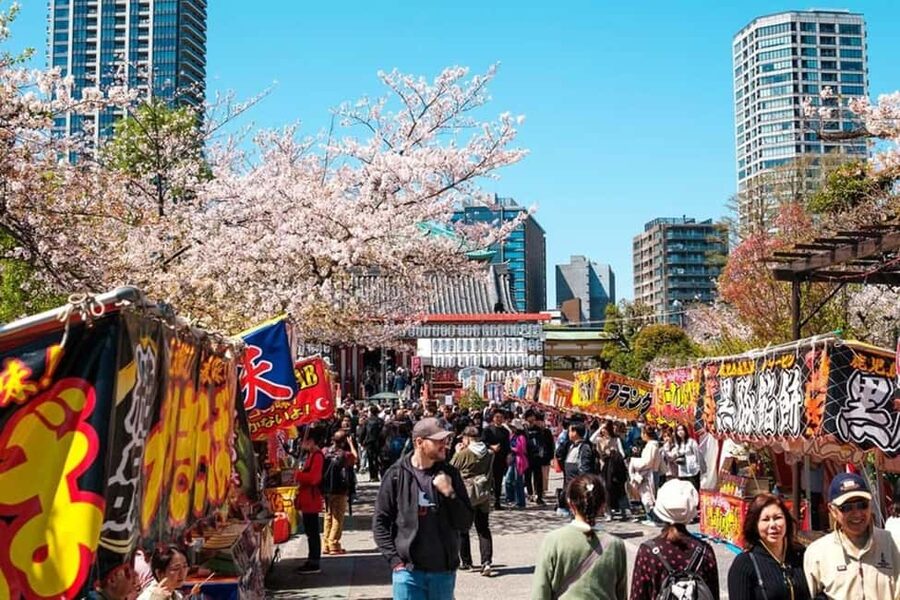
Tsukiji Outer Market is the pick for food lovers. The outer market has stalls and small shops where you can look at seafood, grilled items, snacks, and other ingredients. Some visits include free tastings, and grilled seafood was a particular highlight for one group.
This is where a local guide can make a real difference. You may need help understanding what is being sold, choosing a place to stop, or deciding how much time to spend eating rather than simply walking past the stalls.
Discuss lunch plans in advance. Meals and drinks are not included. If you decide to eat with your guide during the tour, the stated arrangement asks you to cover the guide’s meal as well. If you would rather eat separately, say so before the day begins.
Tsukiji pairs well with Ginza, the Imperial Palace area, or a nearby shrine. It is not a sensible add-on to every distant district in a short booking.
Ginza and the Imperial Palace: polished Tokyo and national symbols
Ginza is Tokyo’s refined shopping district, with department stores, major brands, restaurants, and broad streets. It is a useful stop if you care about shopping, architecture, or seeing a more polished side of the capital.
The Imperial Palace area provides a different kind of experience. You can see the surroundings of Japan’s imperial residence and ask your guide about the site’s role in the country. Do not assume the tour includes every palace interior or paid attraction. Additional admission tickets are not included, and you may need to pay for both yourself and the guide if a special attraction requires entry.
These stops suit visitors who prefer history, civic landmarks, and shopping over pop culture. They can also be convenient near central hotels, depending on your pickup point.
Shinjuku: big-city Tokyo with practical benefits
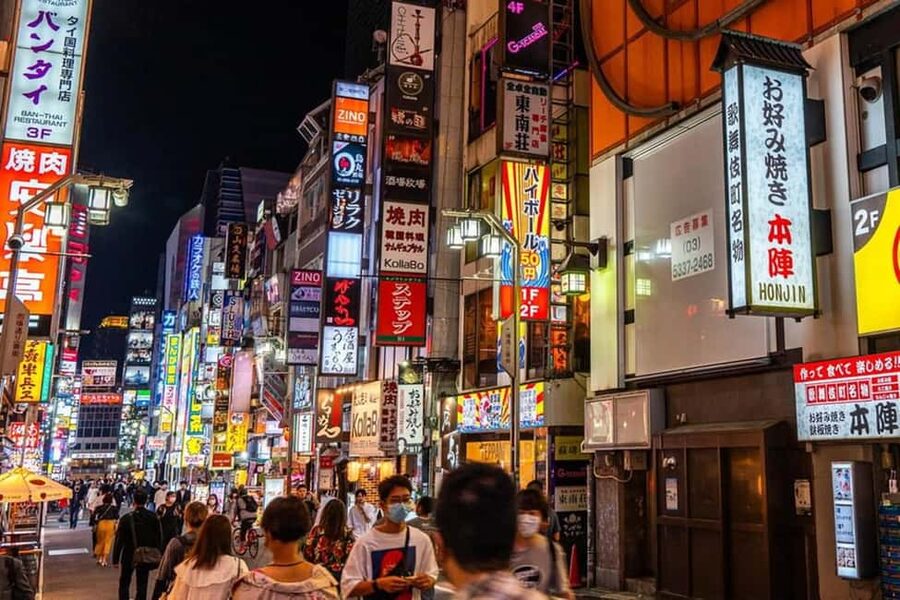
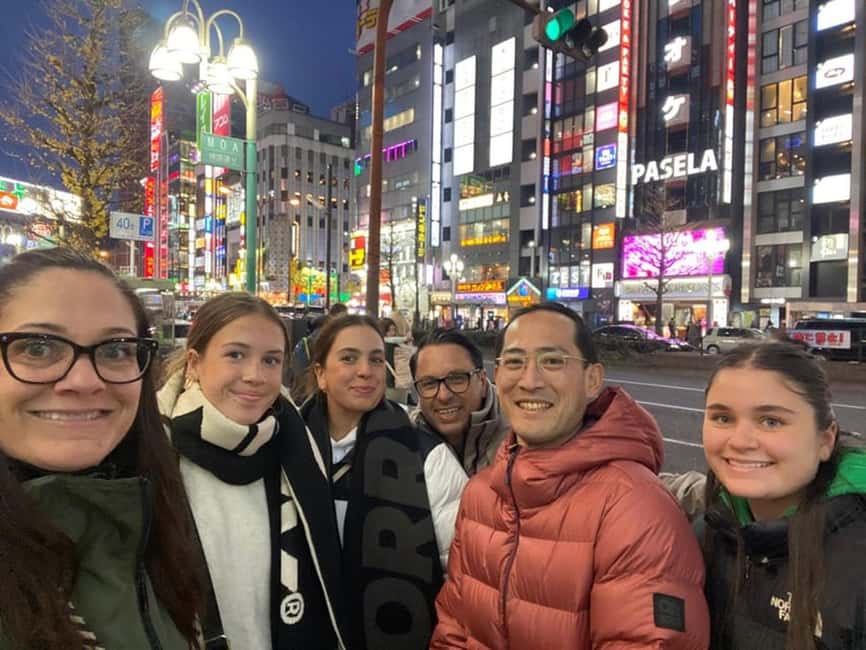
Shinjuku is a strong final stop for a first orientation. It shows Tokyo at its most urban, with major transport links, department stores, restaurants, nightlife, and tall buildings. Your guide can help you understand the area and point out places to return to later.
Shinjuku is also useful for learning how to navigate a major station. That may sound less exciting than a temple, but it can save time and stress for the rest of your trip. A guide who explains where to transfer, how to use a Suica card, or how to approach a large station gives you a skill you can use every day.
The district is not a quiet ending. If you want a slower final hour, ask for a neighborhood walk or a small local stop instead.
How the walking and train travel really work
This is called a walking tour, but it is not walking only. The guide accompanies you by public transport between districts, and you pay for those train or subway fares yourself. Airport transfers and private cars are not part of the package.
Bring a charged phone, cash, a credit card, and comfortable shoes. A Suica card or other convenient transit option can speed up the day, and one guest specifically advised having a metro pass or Suica card ready. Your guide can show you how to use the system, but you still need to budget for fares.
Expect a mix of walking, standing, station navigation, and train rides. Packed trains can be tiring, and taxis cost more. If you have limited stamina, tell your guide before the route is finalized and ask for fewer districts, more sitting breaks, or taxis where suitable. The experience is not recommended for wheelchair users or people with mobility impairments.
Is $53 per person good value?
At $53 per person, this is a strong price for a private two to eight hour introduction, especially if you are traveling with a small group and want personal planning. The value is not in included food or transport. It comes from the guide’s time, route planning, local explanations, and help with Tokyo’s rail system.
A four-hour booking is likely the most efficient choice for a first orientation. You can cover two or three nearby areas without turning the day into a race. Six hours makes sense if you want a traditional district, a modern district, and a food or shopping stop. Eight hours suits active visitors who want a full city day and can handle a lot of walking.
The two-hour option is best for a focused introduction, such as Asakusa and Sensō-ji, or a short neighborhood orientation. It will not allow a broad tour of Tokyo.
Remember the extra costs: your train fares, meals, drinks, and admission to attractions beyond the included temple and shrine entrance fees. Special attractions may also require you to buy a ticket for your guide. Those costs do not erase the tour’s value, but they should be part of your budget.
Communication before the day matters
Do not wait until the guide arrives to explain what you want. Send a short list through WhatsApp after booking: districts you care about, food interests, shopping plans, walking limits, and places you have already seen.
The final itinerary is normally discussed about 24 hours before the tour. Use that moment to cut unrealistic combinations. Tokyo rewards a focused plan. Three well-chosen areas will usually feel better than eight rushed stops.
Free cancellation is available up to 24 hours before the start, and you can reserve now and pay later. Bring your passport or identification, though you should still check how it will be handled during your own travel day.
Who should book this private experience?
I would recommend it most strongly to first-time Tokyo visitors, couples, families, solo travelers, and anyone nervous about using Japanese trains. It is also useful if you have only one free day and want help deciding what deserves your time.
Food lovers should request Tsukiji or another market-focused route. History and religion fans should prioritize Sensō-ji, Asakusa, Meiji Shrine, and the Imperial Palace area. Pop-culture fans should name Akihabara, Harajuku, and Shibuya. Older visitors or anyone who tires easily should keep the route local and discuss taxis or rest breaks early.
You may not need this tour if you already know Tokyo’s rail system, have a detailed route, and prefer exploring alone. You might also find a standard fixed itinerary better if you want every stop guaranteed. This experience trades certainty for flexibility.
Should you book the Tokyo private walking tour?
Book it if you want a friendly local to help shape your first Tokyo day, explain customs, and make public transport less intimidating. The strongest value comes from the guide relationship, not from racing through every famous district.
Choose four or six hours, pick a sensible cluster of neighborhoods, and tell your guide exactly what you like. I would not attempt the full sample route in one day. With realistic planning, the tour can give you both memorable sights and the confidence to explore Tokyo on your own afterward.
FAQ
How long is the Tokyo private walking tour?
You can choose a duration from two to eight hours. The final route and timing depend on the option you book and the places you request.
Where does the guide meet me?
Pickup is included from your hotel or accommodation in central Tokyo, or from another preferred meeting point in Tokyo.
Is the tour private?
Yes. It is a private group experience, so the itinerary is planned around your group’s interests and requests.
What transport is used during the tour?
The experience combines walking with convenient public transport. Train and subway fares are not included, and airport transfers and private cars are also excluded.
Are meals included?
No. Meals and drinks are not included. If you choose to eat with your guide, you are asked to cover the guide’s meal as well.
Are entrance fees included?
Temple and shrine entrance fees are covered. Tickets for additional attractions or special requests are not included. If an attraction requires a guide ticket, you may need to pay for both your own and your guide’s admission.
Is the tour suitable for wheelchair users?
No. The experience is not suitable for wheelchair users or people with mobility impairments. Comfortable shoes are recommended because the day includes walking and public transport.
Just added around Tokyo
- Asakusa: A Big-picture History Walk to Know Japan★ 4.6 · 77 reviews
- Tokyo: Private Walking Tour with a Local★ 4.4 · 419 reviews
- Tokyo: Private Custom Walking Tour with Local Guide★ 4.8 · 533 reviews
- Tokyo: Shibuya Highlights Walking Tour★ 4.8 · 601 reviews
- Tsukiji Fish Market Small-Group Food Walking Tour★ 5.0 · 621 reviews
- Tokyo Castle & Imperial PalaceーShogun Walking Tour★ 5.0 · 724 reviews
- Tokyo: Dark Side of Tokyo Shinjuku Red Light Walking Tour★ 4.7 · 862 reviews
- Tokyo Drift: GT-R Car Club R35 Liberty Walk Daikoku meeting★ 4.8 · 875 reviews
Private Walking Tours, compared.

Barcelona Helicopter, Sailboat & Old Town Private Walking Tour
Read our review →
Lyon: Private Walking Tour of “Traboules” in the Old Town
Read our review →
Browse the lists this tour appears in