
REVIEW · TOKYO
Tokyo Tsukiji Fish Market Food and Culture Walking Tour
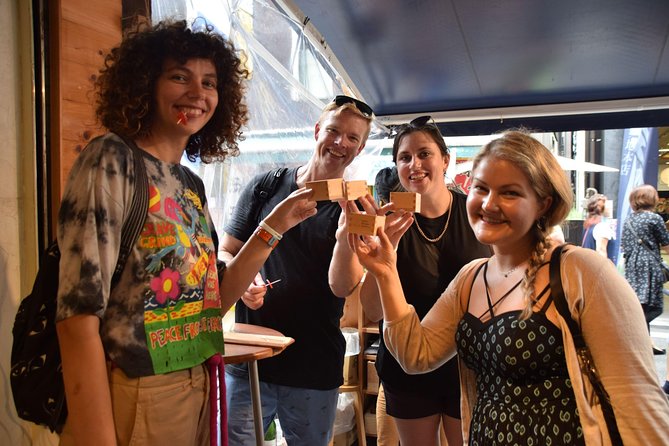
Tsukiji is less a single fish market than a maze of food stalls, wholesale counters, knife shops, and tiny places serving breakfast. This three-hour walk helps you make sense of it, with tastings of sushi or a seafood bowl, Wagyu beef, fish cakes, omelette, fruit, and other snacks along the way.
I like the way a good guide turns a crowded market into a lesson in Japanese food, and I like that you may see tuna being cut, uni packed for sale, or chefs shopping for ingredients. The main catch is simple: this is not a vegetarian-friendly tour, and the wholesale section is closed on Wednesdays, Sundays, and other market holidays.
Key things to know before you book
- Meet at Tsukiji Hongan-ji Temple: The group gathers at the main gate, not the back entrance shown by some map directions.
- Food comes in several rounds: Expect snacks such as dashi soup and green tea, plus fish cakes, Japanese omelette, fruit, Wagyu, and a final sushi or seafood bowl.
- The old inner market has moved: You explore the outer market and Tsukiji Uogashi, not the original wholesale fish market in its former location.
- Guides make the difference: Guides including Kiyo, Naz, Shoko, Masa, Yuki, and Nick have been praised for food advice, cultural background, and market navigation.
- Plan for a full morning of walking: Comfortable shoes matter, and late arrivals cannot be added back to the schedule.
- Dietary limits are firm: Vegetarian, halal, gluten-free, allergy-related, and no-fish requests cannot be accommodated.
Starting at Tsukiji Hongan-ji Temple
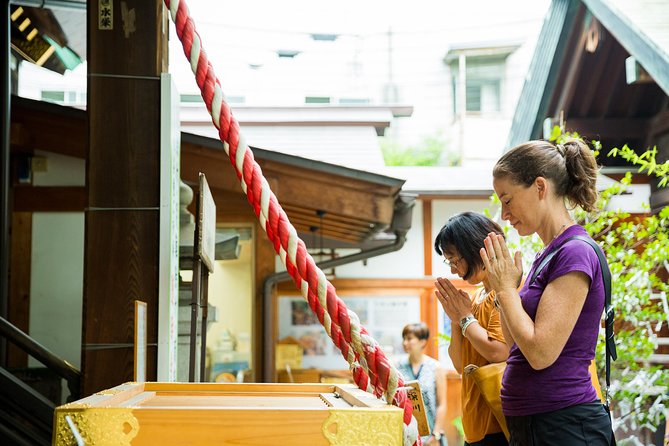
The meeting point is the main gate of Tsukiji Hongan-ji Temple, at 3-chome-15-1 Tsukiji. This is a useful starting place rather than a random corner near the market. The temple’s unusual exterior and cultural importance give your guide something worthwhile to explain before the food begins.
Pay close attention to the meeting instructions. The tour leaves at the scheduled start time and does not wait for late arrivals. Some map services direct people to the rear of the temple, but you need the front, main gate.
The temple is close to public transportation, though your transportation to the meeting point is not included. Since the tour ends where it begins, you can easily continue toward Ginza or another part of central Tokyo afterward.
More Food Walking Tours in Japan
- Tsukiji Fish Market Small-Group Food Walking Tour
★ 5.0 · 621 reviews - Osaka Local Foodie Walking Tour in Dotonbori and Shinsekai
★ 5.0 · 985 reviews - Kuromon Market Food Walking Tour in Osaka (6 stops, 6 tastes)
★ 5.0 · 550 reviews
Tsukiji Jogai Market, where the tour finds its rhythm
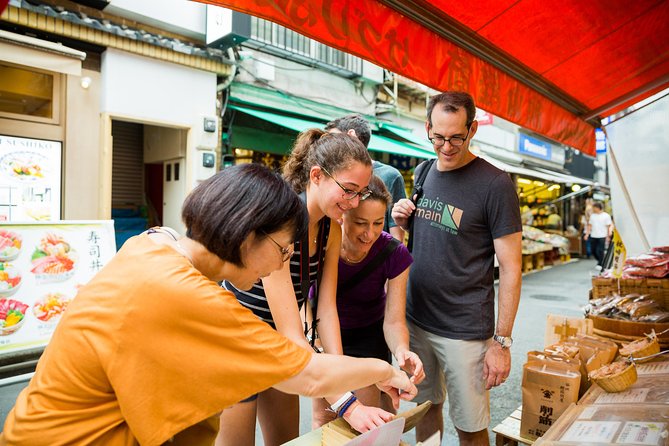
The first major portion takes place in Tsukiji Jogai Market, the outer market. Allow about 90 minutes here. This is where you encounter the market’s working side: seafood stalls, prepared foods, ingredients, kitchen tools, and shops aimed at both professional cooks and local households.
Your guide explains why Japanese chefs, including cooks from Michelin-starred restaurants, come here for ingredients. That detail matters because it changes how you look at the stalls. You are not simply passing rows of food for tourists. You are seeing the supply chain that supports serious Japanese cooking.
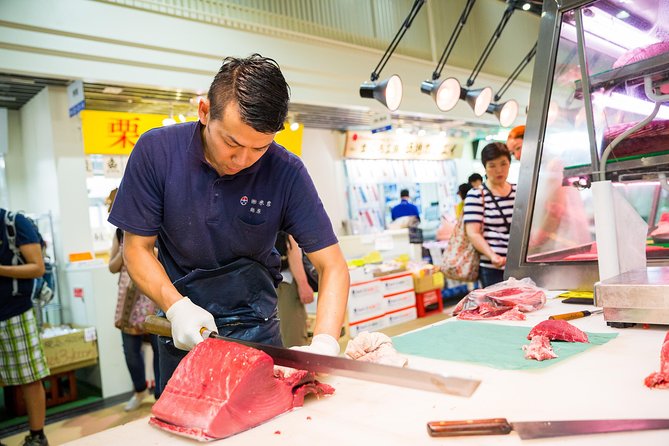
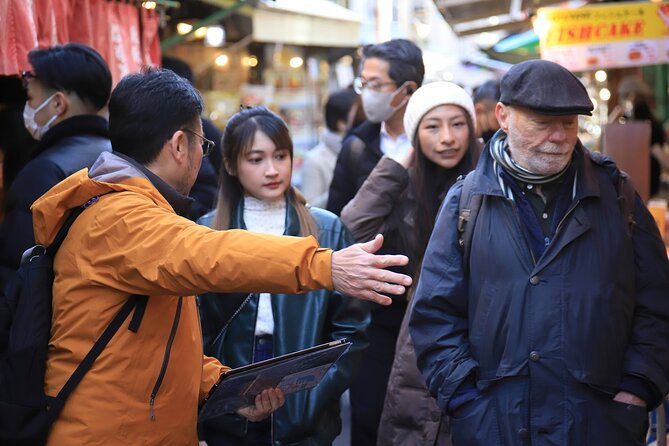
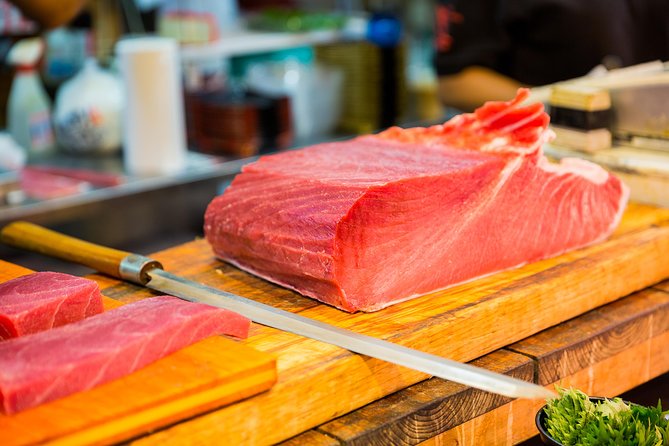
The sights can be striking. You might see boxes of sea urchin, tanks holding pufferfish, or vendors working on huge Bluefin tuna. You may also pass hundreds of fish varieties at the mini wholesale market. The guide’s job is to tell you what you are seeing and how it is used, since a row of unfamiliar seafood can otherwise become a blur.
Early tastings may include dashi soup and green tea. These are modest samples, but they help explain the quiet building blocks of Japanese cooking. Dashi, in particular, is not just a soup. It is a savory base that appears in many dishes, and trying it in the market gives the rest of the food stops more context.
This part can be crowded, and the pace depends partly on market activity. A group of four can move and listen easily, while a full group of up to 20 will feel slower in narrow lanes. I would stay near the guide and avoid expecting a relaxed shopping stroll. You are walking through an active commercial area.
Tasting the old Tsukiji Market
The next section focuses on food from the old Tsukiji market area. The schedule allows about 30 minutes, but the exact order and number of tastings can change with the day’s conditions.
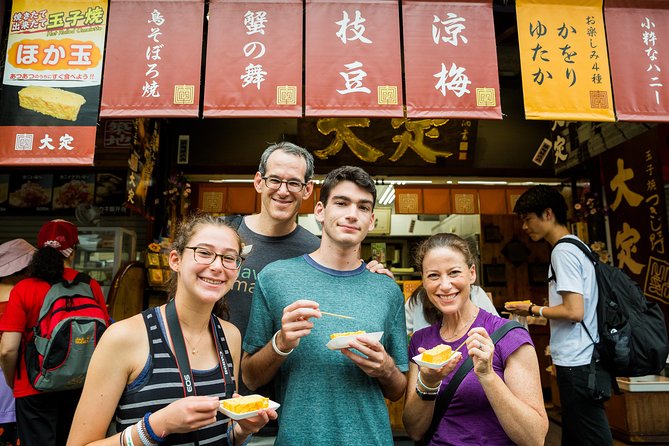
Known samples include Japanese omelette, fish cakes, seasonal fruit, and other market foods. Some people may be surprised by the omelette, which is often sweeter and softer than an ordinary Western breakfast egg. Fish cakes offer another useful contrast, showing how seafood is prepared beyond raw slices.
Wagyu beef skewers are another featured bite. The point is not to serve a full steak dinner, but to give you a chance to taste a high-quality product while learning how market stalls present it. You may also try tuna, squid, eel, tempura, seaweed, or other available foods depending on the route and the day.
This is one area where expectations matter. The tour includes lunch and snacks, but it is not an all-you-can-eat event. One disappointing experience described the food as too limited, so I would not arrive expecting to replace a large breakfast or lunch. If you eat a light breakfast, the samples and final meal should feel more satisfying.
The payoff is variety. You can taste a little of several foods instead of committing to a single restaurant meal. Guides may also help you select ingredients or kitchen goods to take home. Shoko, for example, has been praised for explaining how she uses local foods and spices in her own cooking and for helping with shopping choices.
Kitchen tools and practical market shopping
The route may include a stop for kitchen tools. This is a small detail, but it adds another layer to the market. Tsukiji is not only about fish. Knives, cookware, serving pieces, and food-related goods help explain how Japanese meals are prepared and presented.
Do not assume this is a dedicated shopping tour. The guide may point out useful shops or allow some time to browse, but the central purpose remains food and culture. In a small group, you may have more flexibility. In a larger group, lingering too long could disrupt the schedule.
If you hope to buy something, bring a clear idea of what you want and ask your guide early. A guide may know which shop fits your needs, but personal purchases and transportation are your responsibility.
More Food Walking Tours in Tokyo:
- Reykjavik Food Walk – Local Foodie Adventure in Iceland
★ 5.0 · 18,952 reviews - Ho Chi Minh City Street Food Tour & Sightseeing By Motorbike
★ 5.0 · 9,413 reviews - New Orleans Food Walking Tour of the French Quarter with Small-Group Option
★ 5.0 · 6,118 reviews - Naples: Street Food Walking Tour with Local Guide
★ 4.9 · 4,976 reviews
Tsukiji Uogashi and the changing market
The route also passes through Tsukiji Uogashi, a smaller wholesale market area with many kinds of fresh fish. This helps you see how Tsukiji continues to function after the famous inner wholesale market moved elsewhere.
That distinction is important. The tour does not take you into the former wholesale fish market that many people picture from old photographs and television reports. You explore the outer market and current wholesale areas instead. If your main goal is to watch the old tuna auction or enter the former inner market, this is the wrong tour.
Tsukiji Uogashi is closed on Wednesdays, Sundays, and holidays, along with other market closure days. On those days, the route changes, and Japanese omelette, fish cakes, and fruit may not be available because the relevant shops are shut. The experience can still include food and market exploration, but you should not expect every advertised sample every day.
This is also why the tour schedule should be read as a framework rather than a fixed restaurant menu. The final dish may be sushi or a seafood bowl, depending on the day and time.
Finishing with sushi or a seafood bowl
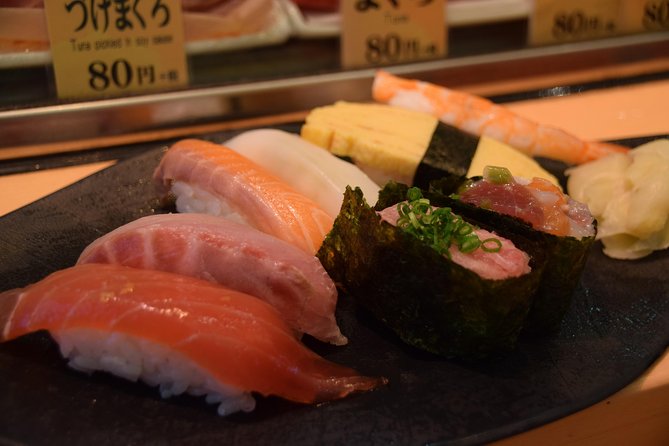
The tour ends with a fish-focused meal, usually sushi or a seafood bowl. This is the most substantial food stop and gives the morning a clear finish. The fish is meant to be the star, not a generic filler meal.
Some guides arrange an especially engaging restaurant visit. One route has included watching fish being prepared and making sushi. Another has finished with a sashimi lunch at Moritaya, where the fish presentation and quality were major highlights. These details are not guaranteed for every departure, but they show how the final stop can turn a simple lunch into a short lesson in preparation.
You may not know in advance whether your group will receive sushi or a seafood bowl. If you strongly prefer one, ask before booking rather than assuming. The restaurant can also change if a planned place closes suddenly, in which case an alternative is provided.
The meal is a good reason not to judge the tour by the early samples alone. Dashi, tea, fruit, and small bites build appetite; the final seafood dish supplies the main meal. Still, if you are a large eater, plan for a later snack.
Why the guide matters so much
The best part of this tour is not simply access to Tsukiji. You can walk through the outer market by yourself. The guide earns the fee by helping you understand what you see, choosing worthwhile food stops, and keeping you moving through a place that can feel confusing on a first visit.
Several guides have received particularly warm praise for different strengths. Kiyo has been associated with an engaging start at the temple and a broad tasting sequence. Naz has been praised for finding foods that a first-time visitor might miss. Shoko combines market history with useful cooking advice, while Masa brings a calm pace, humor, and cultural background.
Yuki has been noted for clear explanations and a professional manner, including a sushi-making stop. Nick has connected food tastings with nearby landmarks and arranged a memorable sashimi lunch. Other guides, including Joy, Hanako, Mari, Hedeki, Sean, Take, and Yuko, have been praised for friendliness, local food tips, and care with the group.
That said, the guide experience is not perfectly uniform. One weak tour can feel slow if the guide is inexperienced or does not bring much energy. Another complaint involved long waits and a final restaurant that felt too tourist-oriented. I would book this for the structure and access, but understand that the individual guide has a major effect on the day.
Is $99.49 a fair price?
At $99.49 per person, this is not the cheapest way to eat at Tsukiji. You could buy snacks and a seafood meal on your own for less, especially if you are comfortable reading menus, comparing stalls, and finding your way through the lanes.
The value comes from the explanation and organization. You receive roughly three hours of guiding, multiple tastings, snacks, and a final sushi or seafood bowl. You also get help identifying foods, understanding market customs, and finding shops you might overlook alone.
I think the price makes sense for a first visit, especially if you want food context rather than random bites. It is less attractive for an experienced Tokyo eater who already knows Tsukiji well and prefers to set an independent route. Even repeat visitors can find new shops with a good guide, but that depends on the guide and your group’s interests.
The 97 percent recommendation rate and 4.9 rating from 3,184 reviews suggest a strong overall record, though the occasional poor match is worth remembering. The price is easiest to justify if you treat the tour as a guided food class with lunch, not as a cheap meal deal.
Who should book this Tsukiji walk?
I would recommend it to first-time Tokyo visitors, curious eaters, and anyone uneasy about ordering unfamiliar seafood. It also suits people who want cultural background with their meal rather than a simple list of restaurant stops.
It can work well for families with older relatives if the guide sets a comfortable pace. One group found the route manageable for an elderly father. Still, you need moderate physical fitness, and comfortable walking shoes are essential.
This is not a fit for vegetarians, halal diners, people avoiding gluten, or anyone with serious food allergies. The operator cannot accommodate those requests. It is also unsuitable if you cannot eat fish, since seafood is central from the market stalls through the final meal.
The minimum drinking age in Japan is 20. If a drink is part of the experience, anyone under 20 receives another beverage instead.
Should you book it?
Book this tour if you want Tsukiji explained as a working food district, with a local guide leading you to tastings and showing you how Japanese ingredients reach the table. The strongest days combine a lively guide, a small group, and a final meal that feels connected to what you saw in the market.
Skip it if you want the old wholesale market, a tuna auction, a large amount of food, or complete control over every restaurant choice. Also check the calendar carefully if Japanese omelette, fish cakes, fruit, and the current wholesale area are priorities, since closures can change the route.
For most first visits, the combination of market access, cultural explanation, and varied seafood makes the $99.49 worthwhile. Just arrive on time, wear good shoes, and come ready to eat fish.
FAQ
Where does the tour meet?
You meet your guide at the main gate of Tsukiji Hongan-ji Temple, at 3-chome-15-1 Tsukiji, Chuo City, Tokyo. Do not go to the rear entrance, since some map directions may point there.
How long does the tour last?
The tour lasts approximately three hours and ends back at the meeting point.
What food is included?
The tour includes snacks and lunch. Possible tastings include dashi soup, green tea, Wagyu beef skewers, fish cakes, Japanese omelette, seasonal fruit, sushi, and a seafood bowl. The exact selection can vary.
Is sushi or a seafood bowl guaranteed?
The tour serves either sushi or a seafood bowl, depending on the day and time. You should not assume in advance which one you will receive.
Is the former Tsukiji inner wholesale market part of the tour?
No. The tour explores the outer Tsukiji market and passes through Tsukiji Uogashi. The former wholesale fish market is now located elsewhere.
Does the tour run through the wholesale market every day?
Tsukiji Uogashi is closed on Wednesdays, Sundays, holidays, and other market closure days. The route and available tastings change on those dates.
Can the tour accommodate vegetarian, halal, gluten-free, or allergy-related requests?
No. Those dietary requests cannot be accommodated. If you cannot eat fish, this tour is not suitable.
What happens if I arrive late?
The tour leaves at the scheduled start time and cannot be extended for late arrivals. Same-day late arrivals and cancellations are not eligible for a refund. You can cancel for a full refund up to 24 hours before the start time.
More Market Visits in Tokyo
- Tokyo: Tsukiji Fish Market Food and Walking tour
★ 5.0 · 1,724 reviews - Tokyo: Tsukiji Fish Market Guided Walking Tour
★ 4.9 · 1,397 reviews - Bangkok: City Highlights Temple and Market Walking Tour
★ 4.5 · 3,990 reviews - London Bridge & Borough Market Food Tour with 7 Authentic Dishes
★ 5.0 · 1,972 reviews
More Cultural Walking Tours in Tokyo
- Savannah First Squares Culinary & Cultural Walking Food Tour
★ 5.0 · 3,229 reviews - New Orleans French Quarter, Voodoo and Culture Walking Tour
★ 4.5 · 2,961 reviews - Southernmost Food & Cultural Walking Tour by Key West Food Tours
★ 5.0 · 1,730 reviews - Valletta: Street Food and Culture Walking Tour
★ 4.8 · 1,251 reviews
Just added around Tokyo
- Asakusa: A Big-picture History Walk to Know Japan★ 4.6 · 77 reviews
- Tokyo: Private Walking Tour with a Local Guide★ 4.9 · 469 reviews
- Tokyo: Private Walking Tour with a Local★ 4.4 · 419 reviews
- Tokyo: Private Custom Walking Tour with Local Guide★ 4.8 · 533 reviews
- Tokyo: Shibuya Highlights Walking Tour★ 4.8 · 601 reviews
- Tsukiji Fish Market Small-Group Food Walking Tour★ 5.0 · 621 reviews
- Tokyo Castle & Imperial PalaceーShogun Walking Tour★ 5.0 · 724 reviews
- Tokyo: Dark Side of Tokyo Shinjuku Red Light Walking Tour★ 4.7 · 862 reviews
Food Walking Tours, compared.
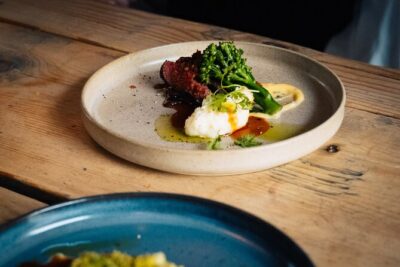
Reykjavik Food Walk – Local Foodie Adventure in Iceland
Read our review →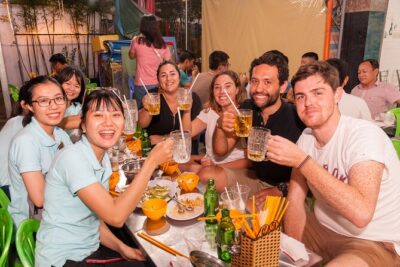
Ho Chi Minh City Street Food Tour & Sightseeing By Motorbike
Read our review →
New Orleans Food Walking Tour of the French Quarter with Small-Group Option
Read our review →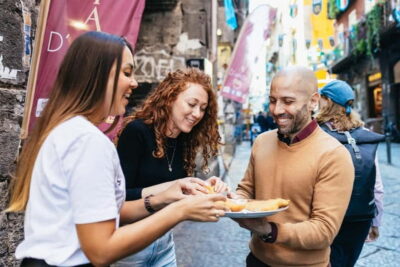
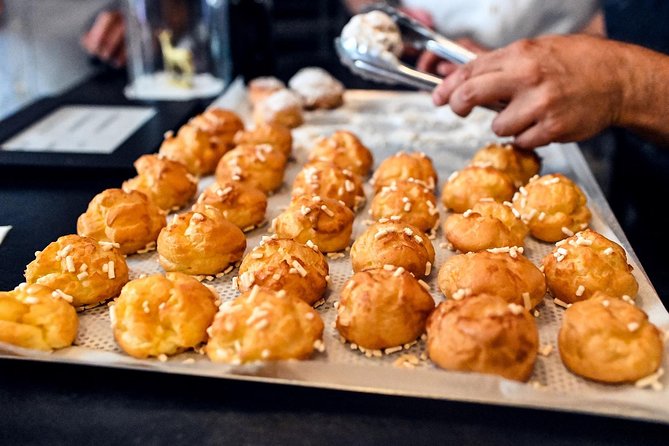
Authentic Parisian Gourmet Food Tour with 10 Local Dishes & Wines
Read our review →

Savannah First Squares Culinary & Cultural Walking Food Tour
Read our review →Browse the lists this tour appears in