
REVIEW · TOKYO
Tokyo: Guided Walking Tour of Tsukiji Market with Breakfast
Tsukiji is best understood one bite at a time. This 150-minute walk takes you from the striking exterior of Tsukiji Hongwanji Temple into the crowded lanes of the Outer Market, where shopkeepers, cooks, and wholesalers are busy at work. Along the way, you taste seven local specialties, including grilled seafood or wagyu beef, tamagoyaki, tuna sandwiches, fish paste skewers, tea, and dashi.
I like the way the tour gives you a useful introduction to a place that can feel confusing on your own. I also like the flexible guides, who have included Yumi, Nori, Minoko, and Rico, and who have adjusted tastings for picky eaters or helped visitors order extra food. The main consideration is that the market can be noisy and crowded, and one visitor found the guide’s English difficult to follow at times.
Key points to know before you book
- Seven breakfast tastings are included: Expect a generous meal, not just a few token samples.
- The tour begins at Tsukiji Hongwanji Temple: Exit A1 at Tsukiji Station is about 50 meters from the temple entrance.
- The market visit is practical and personal: Guides can translate, explain unfamiliar foods, and help you choose additional items.
- The group is limited to 10 people: Some departures may feel nearly private, especially during quieter periods.
- The temple is viewed from outside: The focus is the building’s unusual Indian-inspired Buddhist design before moving into the market.
- You need comfortable shoes: You will walk through busy market lanes for two and a half hours.
Starting beneath the unusual Tsukiji Hongwanji Temple
The meeting point is simple: stand in front of Tsukiji Hongwanji Temple. From Tsukiji Station on the Hibiya Line, use Exit A1, turn left, and walk about 50 meters to the entrance.
That easy meeting point matters in Tokyo, where a tour can begin with a confusing station transfer or a long search for a guide. Here, you can step out of the station and quickly spot the temple’s distinctive exterior. The building has an ancient Indian-inspired look that feels very different from the more familiar wooden temple designs you may see elsewhere in Japan.
You only visit the temple from the outside on this tour. I see that as a short but worthwhile opening rather than a full temple visit. Your guide can connect Japanese religion with food culture before you enter the market, giving the morning more meaning than a simple breakfast crawl.
The temple also gives the group room to gather before entering the tight market lanes. Guides have included Yumi, Nori, Minoko, and Rico on different departures. The exact guide is not guaranteed, but the format is consistent: an English-speaking local guide leads the walk and explains what you are seeing.
More Market Visits in Tokyo:
- Tokyo Tsukiji Fish Market Food and Culture Walking Tour
★ 5.0 · 3,184 reviews - Tokyo: Tsukiji Fish Market Food and Walking tour
★ 5.0 · 1,724 reviews - Tokyo: Tsukiji Fish Market Guided Walking Tour
★ 4.9 · 1,397 reviews
Entering Tsukiji Outer Market before the crowds build
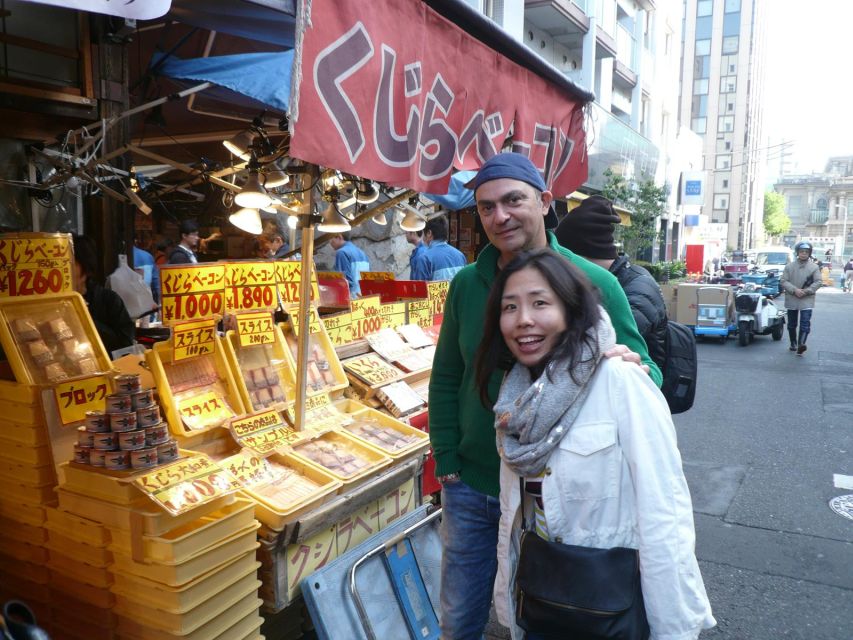
Tsukiji Outer Market is not the same place as the former inner wholesale market, which moved to Toyosu. The Outer Market remains a major food district filled with shops, restaurants, stalls, and businesses selling seafood, meat, kitchen goods, and Japanese ingredients.
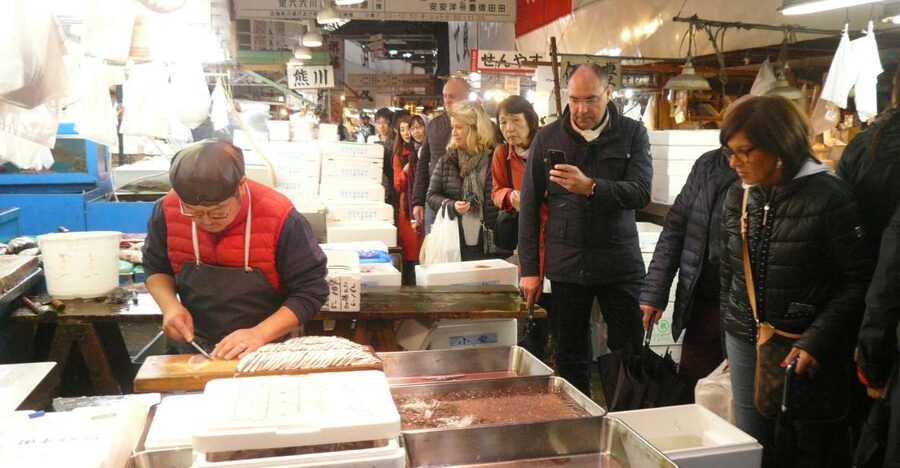
The tour is built around seeing this working market rather than simply walking past storefronts. You may watch expert wholesalers and market workers handle products while your guide points out what matters. The lanes can be crowded, and the workers are there to do business, not perform for sightseers, so you should stay alert and avoid blocking entrances.
This is one reason a guide helps. A first visit can feel like a wall of signs, smells, unfamiliar cuts of fish, and fast-moving people. Your guide gives you a route and context, then helps connect the products to everyday Japanese cooking.
The small group limit of 10 is useful here. A large party would be awkward in narrow lanes, while a small group can stop briefly without taking over the walkway. Some departures have ended up as private or nearly private tours, though you should not count on having the market to yourself.
The seven tastings that make up breakfast
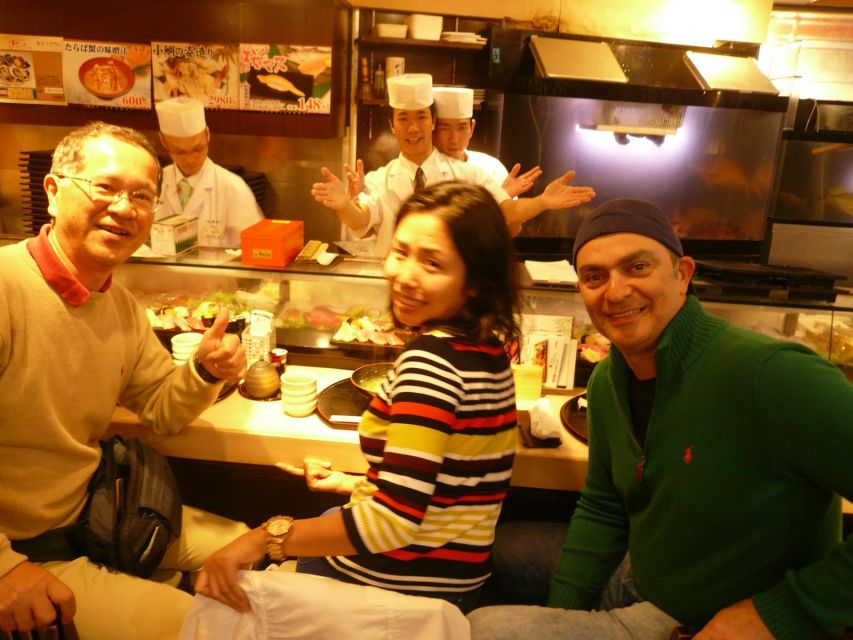
The food is the heart of the outing. Seven tastings are included, with the exact order depending on the market and the day. You can expect the following types of food:
- Grilled seafood or beef skewers, which may include wagyu
- Japanese-style omelette
- Tuna sandwiches
- Fried fish paste skewers
- A drink
- Japanese tea
- Dashi soup stock
That is a lot of food for a morning walk. I would arrive hungry and avoid scheduling a large breakfast beforehand. One person described the portions as enough to make the tour feel like a full meal, not a light sampling session.
The format also lets you try foods you might skip on your own. Dashi, for example, is easy to overlook because it is a basic soup stock rather than a flashy market snack. Yet it is central to Japanese cooking, and tasting it gives you a better sense of the savory flavor behind many soups, sauces, and noodle dishes.
The Japanese omelette offers another useful introduction. Tamagoyaki is familiar in appearance but often has a soft texture and gentle sweetness that differs from a Western omelette. Fish paste skewers, grilled seafood, and tuna sandwiches add different textures and preparation styles, so the meal does not feel like seven versions of the same dish.
The food can be adapted to some degree. Guides have offered alternatives when someone did not want to eat a particular item, and they have helped visitors choose foods that suited their preferences. That does not mean every dietary need can be handled, since no specific allergy or dietary guarantee is provided. If you have serious restrictions, ask before booking.
Why translation changes the market visit

The tastings are only part of the value. Your guide can speak with vendors, explain what you are looking at, and help you buy additional food beyond the included samples.
That support is especially useful when you want something more than the planned breakfast. Guides have waited in long lines, translated orders, helped visitors select food, and even assisted with later directions. One group received help finding its next tour, while another guide helped a visitor return to a hotel.
I would not expect this to function as a personal shopping service, but the practical help is real. You can ask what an unfamiliar item is, how it is prepared, or how to order it. If you want to purchase something extra, the guide can make the process less stressful.
The personal approach is also a recurring strength of the format. Guides have adjusted the food for adults and teenagers with different tastes, answered questions about Tokyo, and shared suggestions for the rest of the trip. A family with a selective teenage eater found this flexibility particularly helpful.
There is one communication point to keep in mind. The tour is conducted in English, but one visitor found the guide difficult to understand at times. Most of the feedback describes the guides as friendly, helpful, and easy to work with, but English ability may vary by departure. If detailed historical explanation is your main goal, ask questions clearly and confirm anything important.
More Shopping Tours in Tokyo:
- Tsukiji Fish Market Small-Group Food Walking Tour
★ 5.0 · 621 reviews - Tokyo: Tsukiji Market Walking Tour & Sushi Cooking Class
★ 4.6 · 122 reviews - Bangkok: City Highlights Temple and Market Walking Tour
★ 4.5 · 3,990 reviews - London Bridge & Borough Market Food Tour with 7 Authentic Dishes
★ 5.0 · 1,972 reviews
Food, faith, and daily Japanese culture
This tour works best when you treat it as a food and culture walk, not just a list of snacks. The opening temple stop gives your guide a chance to explain the relationship between religion, gratitude, food, and daily life in Japan.
You will not receive a long temple tour, and the activity does not promise access to the interior. Instead, the exterior acts as a visual introduction before you enter the market. That balance suits travelers who want context but prefer to spend most of their morning eating and walking.
The market itself shows how food connects different parts of Japanese life. You see the ingredients, the people who sell them, the shops that prepare them, and the customers who eat them. The guide’s explanations help turn random stalls into a clearer picture of how seafood, stock, meat, tea, and prepared foods fit together.
I especially like the dashi tasting in this context. A skewer is immediate and fun, but dashi explains something deeper about flavor in Japan. Together, the tastings show both the snack side of the market and the foundation of home and restaurant cooking.
What the 150-minute schedule feels like
Two and a half hours is long enough to see the main market area without taking over your entire day. The morning begins at the temple, moves into the market, and ends with enough time for you to continue exploring Tsukiji on your own.
That ending is useful. You can return to a shop you noticed, buy additional food, or simply walk through the market again with more confidence. The guide has already shown you how the area works, so your second pass is likely to feel less confusing.
The schedule also makes this a good first activity in Tokyo. It finishes early enough for another attraction, a museum, shopping, or a second neighborhood. Several people used the remaining market time to continue eating and browsing.
Do not expect a slow, quiet stroll. The route includes busy streets, food stops, lines, and frequent pauses. Comfortable shoes are required, and you should keep your belongings close in crowded sections. Wheelchair access is available, but the market’s tight lanes and busy conditions may still affect how comfortable the route feels.
Is $85 a fair price for this Tokyo morning?
At $85 per person, this is not the cheapest way to eat at Tsukiji. You could buy individual snacks on your own for less, especially if you already know what you want and can manage Japanese menus and busy lines.
The price makes more sense if you value the guide’s help. Seven tastings are included, along with translation, route planning, cultural explanation, and assistance dealing with vendors. You are paying for a guided introduction, not simply seven small portions.
I see the strongest value for first-time visitors, families, and anyone uneasy about ordering unfamiliar food. It is also useful for people who want to make the most of a short Tokyo stay. The guide removes much of the guesswork, and the included food gives you a full morning without having to plan each stop.
The value is weaker if you dislike group tours, already know Tsukiji well, or prefer choosing every dish yourself. It may also feel expensive if you are a light eater, since the seven tastings can add up to a substantial breakfast.
The overall score is 4.4 out of 5 from 134 ratings, which fits the experience as described: strong food and guide value, with occasional concerns about communication and the crowded setting.
Who will enjoy this market walk most
I would recommend this tour to you if you:
- Want a guided first look at Tsukiji Outer Market
- Like tasting several foods instead of ordering one meal
- Need help with translation or unfamiliar ingredients
- Enjoy learning how food connects with Japanese culture
- Are traveling with family members who have different food preferences
- Want a morning activity that ends early enough for more sightseeing
You may want to skip it if you prefer a quiet breakfast, have strict dietary restrictions that have not been confirmed in advance, or want an in-depth temple visit. You should also be comfortable walking and eating in a busy public market.
Solo visitors can benefit from the small group and easy social setting. Couples and families gain the most from the guide’s ability to customize choices. Food-focused visitors will appreciate the range of tastings, while casual sightseers may value the market orientation even more than the meal.
Practical details before you reserve

Meet in front of Tsukiji Hongwanji Temple. The closest stated access is Tsukiji Station on the Hibiya Line, Exit A1, with the temple about 50 meters away.
The tour lasts 150 minutes and is offered in English with a live guide. Group size is limited to 10 participants, and wheelchair access is available. Wear comfortable shoes, since the activity involves walking through market streets and standing at food stops.
You can cancel up to 24 hours before the start time for a full refund. The reserve-now, pay-later option also gives you some flexibility if your Tokyo schedule is still changing. Starting times vary, so check availability for your date before making plans around it.
Should you book this Tsukiji breakfast tour?
Book it if you want someone to make sense of Tsukiji for you while serving a generous Japanese breakfast along the way. The best parts are the seven varied tastings, the small group, and the guides’ willingness to translate and adjust the food when needed.
I would be especially keen to book this early in a Tokyo visit. You get a useful introduction to one of the city’s most famous food districts, and the tour ends with time to explore on your own. Just arrive hungry, wear good shoes, and remember that this is a working market, not a quiet food museum.
If you already know Tsukiji, prefer complete independence, or need tightly controlled dietary arrangements, spend the $85 elsewhere. For most first-time visitors who want an easy, tasty start to Tokyo, this is a sensible choice.
FAQ
Where does the Tsukiji market tour meet?
The tour meets in front of Tsukiji Hongwanji Temple. From Tsukiji Station on the Hibiya Line, take Exit A1, turn left, and walk about 50 meters to the temple entrance.
How long does the tour last?
The tour lasts 150 minutes, or two and a half hours.
What food is included?
The seven tastings include grilled seafood or beef skewers, a Japanese-style omelette, tuna sandwiches, fried fish paste skewers, a drink, Japanese tea, and dashi soup stock.
Is breakfast included in the price?
Yes. The seven local tastings are included and are intended to form a Japanese street-food breakfast.
What language is the tour conducted in?
The live tour guide conducts the tour in English.
How many people can join the group?
The group is limited to 10 participants.
Is the tour wheelchair accessible?
Yes, the activity is listed as wheelchair accessible.
What should I bring?
Bring comfortable shoes for walking through the market streets.
Can I cancel the booking?
Yes. You can cancel up to 24 hours in advance for a full refund. A reserve-now, pay-later option is also available.
Just added around Tokyo
- Tokyo: Tsukiji Market Walking Tour & Sushi Cooking Class★ 4.6 · 122 reviews
- Tokyo:Stroll in Old traditional culture towns~Yanaka & Nezu★ 4.9 · 186 reviews
- Tokyo: Shinjuku Nightlife & Secret Backstreets Walking Tour★ 4.8 · 229 reviews
- Tokyo: Shibuya Crossing & Hidden Streets Walking Tour★ 4.8 · 128 reviews
- Tokyo: Shinjuku Bar Hopping & Night Walking Tour★ 4.6 · 137 reviews
- Tokyo: Meiji Shrine Walking Tour — Shinto & Imperial System★ 4.9 · 266 reviews
- Tokyo: Private Custom Walking Tour with Local Guide★ 4.9 · 350 reviews
- Tokyo: Shibuya Highlights Walking Tour & Secret View Spot★ 4.9 · 196 reviews
Markets, compared.
City Highlights Temple and Market Walking Tour
Read our review →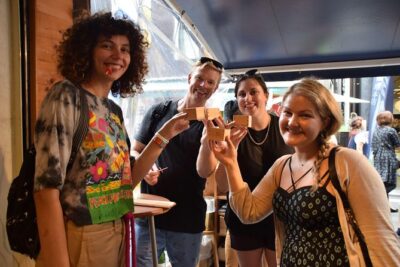
Tokyo Tsukiji Fish Market Food and Culture Walking Tour
Read our review →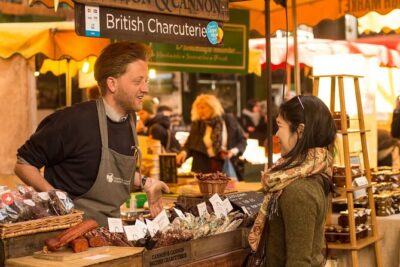
London Bridge & Borough Market Food Tour with 7 Authentic Dishes
Read our review →
Air Raid Shelter + St. Nicholas Market Walking Tour
Read our review →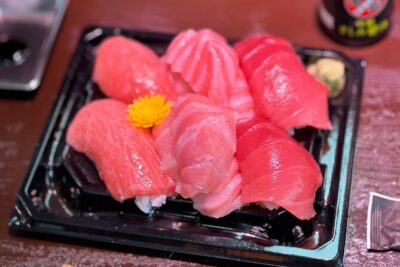
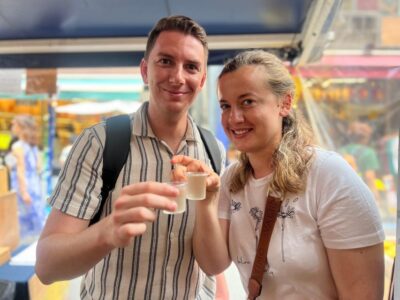
Nishiki Market Brunch Walking Tour (7 Tastings + Brunch)
Read our review →
Bologna Food & Market Tour with 6 Tastings, Pasta, Wines & More
Read our review →Browse the lists this tour appears in