
REVIEW · TOKYO
Tokyo: Tsukiji Fish Market Food and Walking tour
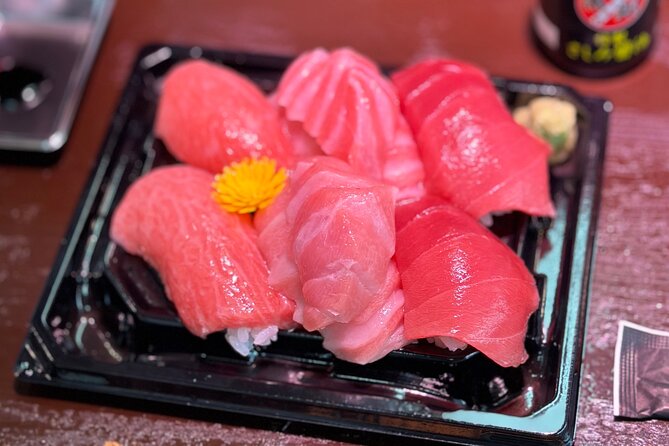
Tsukiji is easiest to enjoy when someone helps you read the market’s unwritten rules. This two-hour walk takes you from Tsukiji Hongwanji Temple into the food stalls, where you can choose sushi, seafood, fruit, Japanese omelets, fried fish cakes, and other bites instead of accepting a fixed menu.
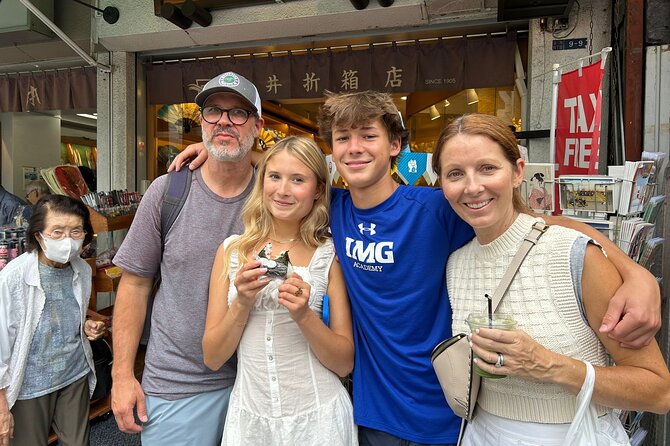
I like the freedom to pay only for what you want to eat, and I like the small-group format, capped at 10 people. Guides such as Rie, Haydn, Minori, Jim, and Sayaka are often praised for steering people toward good stalls and explaining unfamiliar foods. The catch is simple: food is not included, and one guest found the temple stop less useful than extra market time.
Key points to know before you book
- You choose every bite: There is no set menu, so you control both the food and the spending.
- The temple comes first: Allow about 30 minutes for Tsukiji Hongwanji Temple before entering the market.
- Bring yen: Food and drinks are paid separately, and cash is important. A budget of about 10,000 yen gives you room to sample several items.
- Small groups help: The maximum group size is 10, useful in narrow, crowded market lanes.
- Guides make the food less mysterious: You can ask about sushi ingredients, seafood, Japanese dishes, and which stalls offer fair value.
- Expect a short walking food tour: The experience lasts about two hours and ends back at the Starbucks near Tsukiji Station.
Why Tsukiji works better with a guide
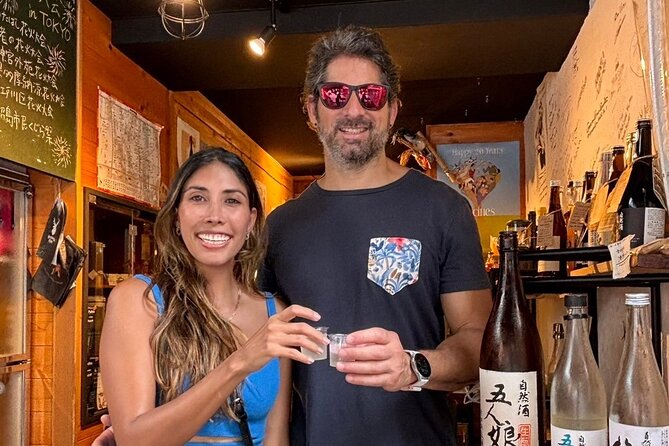
Tsukiji is no longer the site of Tokyo’s main wholesale fish market and famous tuna auctions. Those operations moved to Toyosu, but Tsukiji’s outer market remains a lively food district packed with shops, counters, ingredients, and small places to eat.
That distinction matters. If you arrive expecting to watch the old wholesale auction floor, you may be disappointed. If you want to taste market food and understand the area that grew around Tokyo’s seafood trade, this tour fits much better.
On your own, the market can feel like a maze of signs, smells, queues, and quick decisions. A guide gives you a plan without turning the outing into a rigid march. You can ask what a food is, how it is normally eaten, and if a particular purchase is worth the price.
The best part is the flexible food plan. You do not pay for a meal you do not want, and you can skip anything that looks too adventurous. If you want sea urchin or eel, your guide can help you try them. If raw seafood is not your thing, you can focus on fruit, omelets, fried fish cakes, or other cooked foods.
More Market Visits in Tokyo:
- Tokyo Tsukiji Fish Market Food and Culture Walking Tour
★ 5.0 · 3,184 reviews - Tokyo: Tsukiji Fish Market Guided Walking Tour
★ 4.9 · 1,397 reviews - Tsukiji Fish Market Small-Group Food Walking Tour
★ 5.0 · 621 reviews
Starting at Tsukiji Hongwanji Temple
The meeting point is the Starbucks Coffee near Tsukiji Station, at 2-chome 12-8 Tsukiji. From there, the group visits Tsukiji Hongwanji Temple for about 30 minutes.
The temple is an unusual opening to a food tour. Its architecture is distinctive, and the stop gives your guide a chance to explain some local background before the food stalls take over your attention. Guides including Haydn and Shino have been praised for making this part interesting, with some adding useful context about Japanese culture and the area.
Still, this is the clearest point of possible mismatch. You booked a market food walk, not a temple tour. One guest felt that the temple could have been skipped in favor of more time eating. If you are eager to reach the stalls, the first half hour may feel slow.
I see the temple as a useful bonus rather than the main reason to book. It gives the walk a sense of place, but you should choose a different experience if you want two straight hours of food.
Entering Tsukiji Fish Market
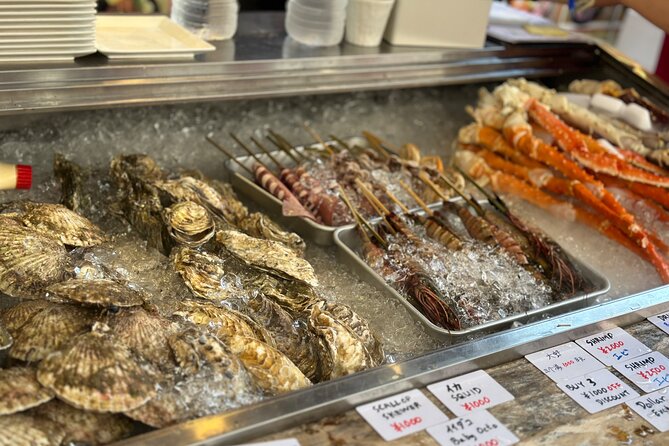
The next hour focuses on the fish market and the food culture around it. Your guide explains the role Tsukiji played in Tokyo’s seafood trade and points out ingredients used in sushi and other Japanese dishes.
This is where the tour earns its fee. The market’s lanes can be confusing, especially when you are trying to decide which stall to approach, what to order, and how much food is enough. Guides such as Rie, Haydn, Nicolas, Joe, and Minori are praised for helping groups move through the area without stress.
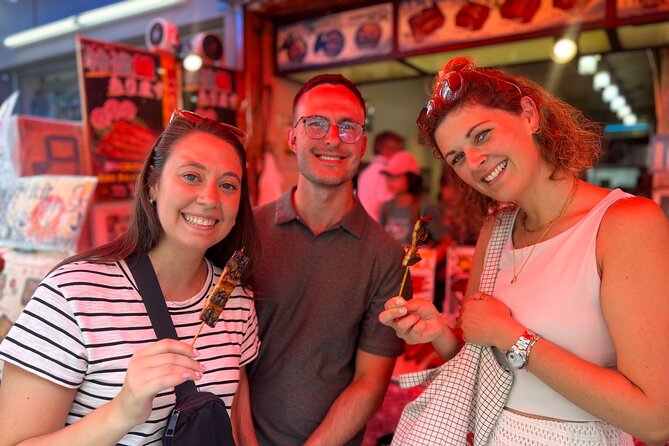
You may see fresh seafood, Japanese omelets, fruit, fried fish cakes, sushi, wagyu beef, eel, and sea urchin among the possible choices. The exact food depends on what you and the group want to try. Since there is no fixed menu, the guide can adjust the pace and food choices to suit the group.
That flexibility is valuable for families and mixed groups. One person can try an unfamiliar seafood item while another sticks to a cooked snack. You are not locked into a package meal, and you are not forced to eat a dish simply because it was included in the price.
The guide’s relationship with the stalls also matters. Several guides are praised for knowing where to find good food and for steering people away from poor-value purchases. That does not mean every recommendation will suit your taste or budget, so ask the price before ordering and keep control of your spending.
Walking through Tsukiji Jogai Market
The final 30 minutes are spent in Tsukiji Jogai Market, the outer market area filled with seafood shops, food counters, and stores selling Japanese ingredients.
This portion is less about sitting down to a long meal and more about grazing. You walk, look, ask questions, and stop for small portions. The experience suits you if you enjoy trying several foods instead of ordering one large dish.
Expect to stand and walk for much of the tour. The route is not described as strenuous, but narrow lanes and busy stalls can make it tiring for anyone who needs frequent rest. Comfortable shoes are a sensible choice, though the supplied details do not specify a dress code or special equipment.
The market is also a working commercial area, not a themed attraction built only for sightseeing. That gives the walk a more authentic feel, but it calls for courtesy. Stay close to your guide, avoid blocking shop entrances, and follow directions about where to stand and eat.
More Shopping Tours in Tokyo:
- Bangkok: City Highlights Temple and Market Walking Tour
★ 4.5 · 3,990 reviews - London Bridge & Borough Market Food Tour with 7 Authentic Dishes
★ 5.0 · 1,972 reviews - Air Raid Shelter + St. Nicholas Market Walking Tour
★ 5.0 · 1,950 reviews - Nishiki Market Brunch Walking Tour (7 Tastings + Brunch)
★ 5.0 · 1,355 reviews
What the food plan really means
The $30 price covers the guide and the market and temple visits, but not food or drinks. Think of the advertised price as an access fee for orientation, local explanation, and help with ordering, not as the cost of lunch.
That structure can be a good value if you want to choose carefully. You might spend less than you would on a fixed tasting menu if you sample only a few dishes. You might also spend more if you try premium seafood, wagyu beef, sushi, and several additional items.
Bring plenty of Japanese yen. A practical amount is about 10,000 yen per person if you want freedom to sample several foods, though your actual spending depends on your choices. The important point is that the food bill is separate from the booking price.
I like this arrangement because it avoids the common problem of paying for dishes you would never choose. It also lets you build a meal around your appetite. The tradeoff is that you must make buying decisions during a fast-moving walk, so ask your guide about portions and prices before ordering.
The guides are a major part of the experience
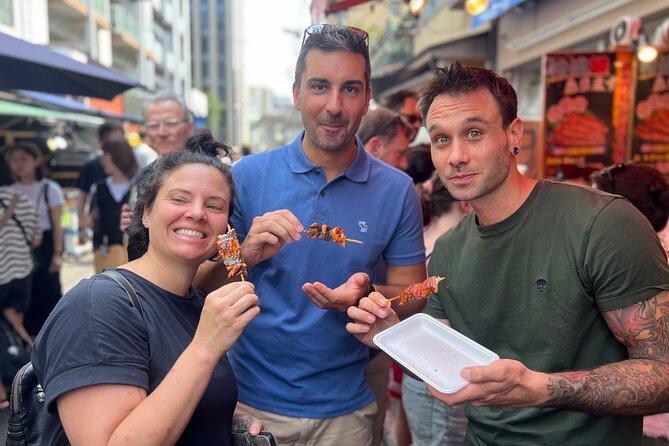
The tour is delivered by local English-speaking guides, and the quality of the outing depends heavily on who leads your group.
Rie receives especially strong praise for her energy, food suggestions, and ability to explain unfamiliar dishes. She is also noted for encouraging people to try sea urchin and eel while pointing out places that may charge more than necessary.
Haydn is praised for guiding groups through the market with ease and for explaining both the temple and the food. One useful detail is his ability to help families stay engaged, including children who might otherwise lose interest in a food-focused walk.
Minori is described as strong on Japanese history, culture, and food recommendations. Nicolas and Joe are also praised for answering questions and helping groups choose dishes. Sayaka is noted for a friendly, funny approach, while Shino brings food expertise and takes time to explain what the group is seeing.
Names can change depending on the date, so you should not book solely because you hope for one particular guide. The wider pattern is more useful: the guide is there to reduce confusion, explain the food, and adjust the route to group interests.
Who will get the most from this walk
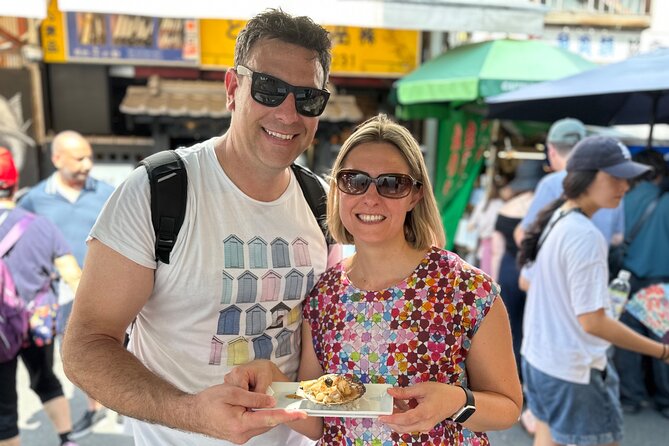
I would recommend this experience to a first-time visitor who wants an easy introduction to Tsukiji without spending hours planning every stop. It is also a good fit for anyone who enjoys small tastings and wants help identifying Japanese foods.
Families can benefit from the short length and flexible choices. You can keep children interested with fruit, omelets, fried foods, or other approachable snacks while adults try seafood. The group limit of 10 people is also more manageable than a large coach-style outing.
Food-curious visitors will get the most from the tour. If you are willing to try something new, your guide can suggest sea urchin, eel, unusual seafood, or other local dishes. You can still decline anything that does not appeal to you.
This is less suitable if you want a formal sit-down meal, a detailed look at current wholesale operations, or a full two-hour history lecture. It is also not ideal if you want complete control over the route and prefer to wander alone.
Timing, meeting point, and practical details
The tour lasts about two hours and ends where it begins, at the Starbucks near Tsukiji Station. That makes it easy to pair with other Tokyo plans, especially since you do not need to arrange a separate return transfer.
The schedule has some flexibility, but the three main sections are set around the temple, fish market, and outer market. Because food purchases take place during the walk, arrive ready to move at the group’s pace.
A mobile ticket is provided, and confirmation comes at booking. The activity is near public transportation, service animals are allowed, and most people can participate. The available details do not specify step-free access or seating at every stop, so contact the provider if those points matter to you.
The experience allows free cancellation up to 24 hours before the start time for a full refund. Changes or cancellations made inside that window are not accepted for a refund.
My verdict on value
At $30 per person, the tour is reasonably priced for a small-group guide through one of Tokyo’s most confusing food areas. You are paying for more than a walk. You are paying for food explanations, help with stall choices, cultural context, and less guesswork.
The value improves if you are new to Tokyo or uneasy about ordering at busy Japanese food counters. It is weaker if you already know Tsukiji well and are happy to browse without help.
The separate food cost is fair, but it means you should treat the total price as $30 plus whatever you choose to eat. Carry yen, set a rough food budget, and remember that premium items can raise the bill quickly.
Should you book it?
Book this tour if you want a guided introduction to Tsukiji’s food stalls, enjoy choosing your own dishes, and value help with unfamiliar ingredients. The strongest reason to go is not the temple alone or the market alone. It is the combination of a local guide, flexible tasting, and a small group moving through a complicated area.
Skip it if the temple stop would frustrate you, if you want the old tuna auction experience, or if you prefer a fixed meal with all costs settled in advance. For most first visits, though, this is a practical way to get oriented, taste widely, and leave Tsukiji with a better sense of what you are looking at.
FAQ
How long does the Tsukiji food and walking tour last?
The tour lasts approximately two hours.
Where does the tour begin?
It begins at Starbucks Coffee near Tsukiji Station, at Japan, 104-0045 Tokyo, Chuo City, Tsukiji, 2-chome 12-8, Daiko Building 1F.
Where does the tour end?
The activity ends back at the meeting point near Tsukiji Station.
Is food included in the tour price?
No. Food and drinks are not included. You choose and pay for the dishes you want during the walk.
How much cash should I bring?
The practical guidance from the experience is to carry about 10,000 Japanese yen for food purchases. Your spending depends on what you choose to eat.
What places are visited?
The route includes Tsukiji Hongwanji Temple, Tsukiji Fish Market, and Tsukiji Jogai Market.
How large is the group?
The tour accepts a maximum of 10 people.
Can I cancel for a full refund?
Yes. You can cancel at least 24 hours before the start time for a full refund. Cancellations and changes made less than 24 hours before the start time are not refunded.
Just added around Tokyo
- Asakusa: A Big-picture History Walk to Know Japan★ 4.6 · 77 reviews
- Tokyo: Private Walking Tour with a Local Guide★ 4.9 · 469 reviews
- Tokyo: Private Walking Tour with a Local★ 4.4 · 419 reviews
- Tokyo: Private Custom Walking Tour with Local Guide★ 4.8 · 533 reviews
- Tokyo: Shibuya Highlights Walking Tour★ 4.8 · 601 reviews
- Tsukiji Fish Market Small-Group Food Walking Tour★ 5.0 · 621 reviews
- Tokyo Castle & Imperial PalaceーShogun Walking Tour★ 5.0 · 724 reviews
- Tokyo: Dark Side of Tokyo Shinjuku Red Light Walking Tour★ 4.7 · 862 reviews
Markets, compared.
City Highlights Temple and Market Walking Tour
Read our review →
Tokyo Tsukiji Fish Market Food and Culture Walking Tour
Read our review →
London Bridge & Borough Market Food Tour with 7 Authentic Dishes
Read our review →
Air Raid Shelter + St. Nicholas Market Walking Tour
Read our review →
Nishiki Market Brunch Walking Tour (7 Tastings + Brunch)
Read our review →
Bologna Food & Market Tour with 6 Tastings, Pasta, Wines & More
Read our review →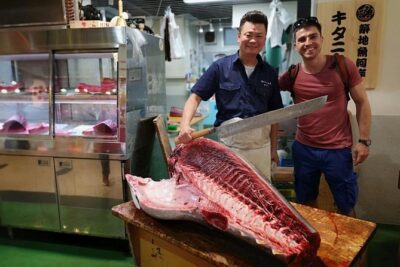
Tsukiji Fish Market Small-Group Food Walking Tour
Read our review →Browse the lists this tour appears in