
REVIEW · JAPAN
Hiroshima: History of Hiroshima Group Walking Tour
Hiroshima’s Peace Memorial Park can feel orderly and quiet today, but almost every path here carries a difficult story. This two-hour English walking tour helps you connect the memorials, survivor accounts, and exact locations tied to the atomic bombing instead of viewing each monument as an isolated stop.
I like the way the tour includes lesser-known memorials, such as the Korean Atomic Bomb Victims Cenotaph and the Dr. Marcel Junod monument, alongside the famous Atomic Bomb Dome. I also like the guides’ personal connections and careful storytelling. Guides including Cva, Moe, Tomas, Nisa, and Sada have been praised for answering questions and allowing time for reflection. The main drawback is that a large group can make it harder to hear and stay close to the guide.
Key points to know before booking
- The route connects major and lesser-known memorials: You see the Cenotaph, Peace Flame, Children’s Monument, Peace Bell, burial mound, and more.
- Personal stories shape the tour: Some guides share family links to survivors, adding a human dimension to the historical account.
- The National Peace Memorial Hall is included: This gives you an indoor stop during a largely outdoor walk.
- The Atomic Bomb Dome comes near the end: You finish with Hiroshima’s most recognizable memorial before visiting the hypocenter.
- Two hours is an efficient introduction: The pace covers a lot, but you will not have time for a full museum visit or long independent exploration.
- The price is reasonable for guided context: At $35 per person, you are paying mainly for interpretation, route planning, and access to the Peace Memorial Hall.
Why this Hiroshima walk is worth your time
Hiroshima Peace Memorial Park is not simply a green space with monuments. It is a carefully arranged record of what happened before, during, and after August 6, 1945. Without guidance, you can see the names and structures but miss how they relate to one another.
This tour gives you that framework. Your guide explains what Hiroshima was like before the bombing, why it was selected as the primary target, what happened that morning, and how the city rebuilt itself around a message of peace.
That wider view matters. The tour does not treat the bombing as a single dramatic event frozen in time. It connects the immediate destruction with the lives of survivors, the memorials built afterward, and Hiroshima’s place in the world today.
The guides come from varied educational and cultural backgrounds, including tourism, anthropology, history, and peace studies. Their styles differ. Cva is often praised for his engaging delivery, questions, and humor. Moe and Aya bring local family connections to the subject. Tomas and Nisa have been noted for patient explanations and thoughtful pacing. Your guide will depend on the date, but the experience is designed around informed, respectful interpretation.
Expect a serious outing. There are emotional sections, and the subject is not softened for comfort. At the same time, the tour is not presented as a lecture alone. You have chances to ask questions, look closely at the monuments, and consider how Hiroshima turned grief into a call for peace.
A few more walking tours around Japan worth a look
- Kyoto Geisha Walking Tour: Gion District & Hidden Gems
★ 4.7 · 3,273 reviews - Tokyo Tsukiji Fish Market Food and Culture Walking Tour
★ 5.0 · 3,184 reviews - Kyoto: Gion Magical Night Walking Tour with Geisha Trivia
★ 4.9 · 2,393 reviews
Meeting at the Gates of Peace
The walk begins at the Gates of Peace, beside the Italian restaurant Mario. Give yourself a few extra minutes to locate this point, particularly if you are arriving from another part of Hiroshima. One useful improvement would be a more precise meeting message before the tour, especially for first-time visitors.
From the start, you are in the open air. Wear comfortable shoes and dress for the weather. The route is wheelchair accessible, but this is still a walking tour through an outdoor memorial park, so rain, heat, cold, or snow can affect your comfort.
The guide sets the scene before leading you farther into the park. This opening context is important because the memorials make more sense once you understand the city that existed before the bombing and the scale of the change that followed.
Mother and Baby in the Storm and the Prayer Fountain
The first major stop is Mother and Baby in the Storm, a monument that gives the tour an immediate human focus. Rather than beginning with military strategy or dates alone, the route places individual suffering at the center.
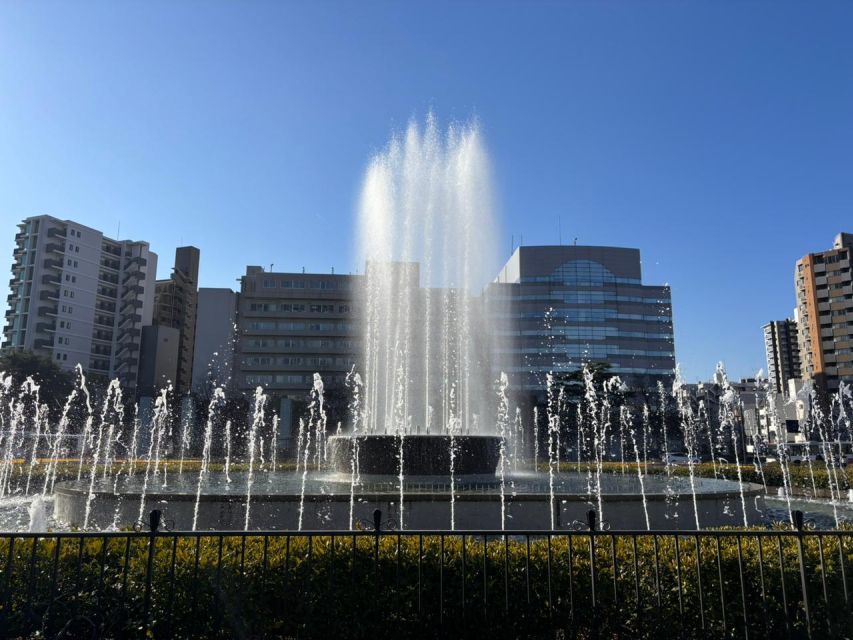
You then continue to the Prayer Fountain. This is a short stop, but the guide uses it to explain the meaning of the memorial and the wider landscape of the park. The fountain offers a quieter moment before the route moves toward the central monuments.
Because several stops receive only five or ten minutes, you should expect focused explanations rather than extended time at each site. That structure keeps the tour moving, though you may want to return later to the places that affect you most.
The Cenotaph and Flame of Peace
The Hiroshima Victims Memorial Cenotaph is one of the park’s essential stops. Here, the guide explains the memorial’s role in honoring people who died as a direct or indirect result of the bombing.
The wording matters. Hiroshima’s story includes those killed immediately, those who died later from injuries and radiation-related illness, and people whose losses continued through their families. A good guide helps you understand that the human cost cannot be measured only by the moment of the blast.
Next comes the Flame of Peace. The monument is closely tied to Hiroshima’s appeal for the abolition of nuclear weapons. Your guide connects its symbolism with the city’s continuing peace message, giving you a clearer sense of why this park remains an active statement rather than only a memorial to the past.
Same streets, a different route:
- Tokyo: Imperial Palace and Shogun Historical Walking Tour
★ 5.0 · 2,251 reviews - Kyoto: Gion Geisha District Walking Tour – Stories of Geisha
★ 4.7 · 2,187 reviews - Best of Kyoto: Gion, Geisha, Pagodas & Cobblestones
★ 4.9 · 2,058 reviews - Night Walk in Gion: Kyoto’s Geisha District
★ 4.5 · 2,003 reviews
The National Peace Memorial Hall: the tour’s indoor pause
The Hiroshima National Peace Memorial Hall for Atomic Bomb Victims is included in the tour price. This is one of the strongest practical features of the experience because it brings you indoors and adds a different kind of memorial space to the outdoor route.
The visit lasts about 15 minutes. Your guide introduces the hall and explains its purpose, while you have a chance to take in the quieter atmosphere. The hall is dedicated to the victims and preserves memories connected with the bombing.
Do not expect this short visit to replace a longer museum session. It is better viewed as part of a first orientation to Hiroshima. If you want extensive exhibits, survivor testimony, or a more detailed examination of wartime events, you should allow separate time elsewhere.
Free time and the Children’s Peace Monument
The itinerary includes about 20 minutes of free time. This is useful after several guided stops. You can pause, take photographs where appropriate, or collect your thoughts without a constant stream of explanation.
The Children’s Peace Monument follows. It is connected with the story of Sadako Sasaki and the children who died after the bombing. The monument has become one of the park’s most recognizable symbols, and the guide explains the meaning of the paper cranes and the memorial’s continuing role.
This is often an especially affecting part of the tour. Families may find the story accessible for younger visitors, but parents should decide how much detail is suitable for their children. The subject remains painful even when presented through a child’s story.
The burial mound and Korean Atomic Bomb Victims Cenotaph
The Atomic Bomb Memorial Burial Mound is easy to pass without a guide. Its plain appearance does not signal the scale of what it represents. The guide explains why this place was needed and how it relates to the many victims whose remains could not be identified or returned to families.
The Korean Atomic Bomb Victims Cenotaph adds an important part of the story that many independent visitors miss. Koreans were among those affected by the bombing, including people living and working in Hiroshima at the time. The stop broadens the account beyond a single national experience and shows how the bombing affected people from different backgrounds.
I value this part of the route because it keeps the tour from becoming a sequence of only famous photo stops. You are asked to remember people and communities whose stories can be overlooked.
The Peace Bell and the meaning behind the symbols
The Peace Bell is both a photo stop and a place for explanation. Your guide discusses its peace message and the way visitors interact with the monument.
Across the park, symbols can be easy to see but hard to interpret. A bell, flame, fountain, cenotaph, or children’s statue may look simple until you learn what it represents. The tour’s main strength is this connection between objects and personal testimony.
Many guides encourage questions throughout the walk. Cva, in particular, has been praised for involving the group and answering questions rather than delivering a fixed speech. That approach works well for people who already know the basic history and want to test their understanding.
The Atomic Bomb Dome and the final walk to the hypocenter
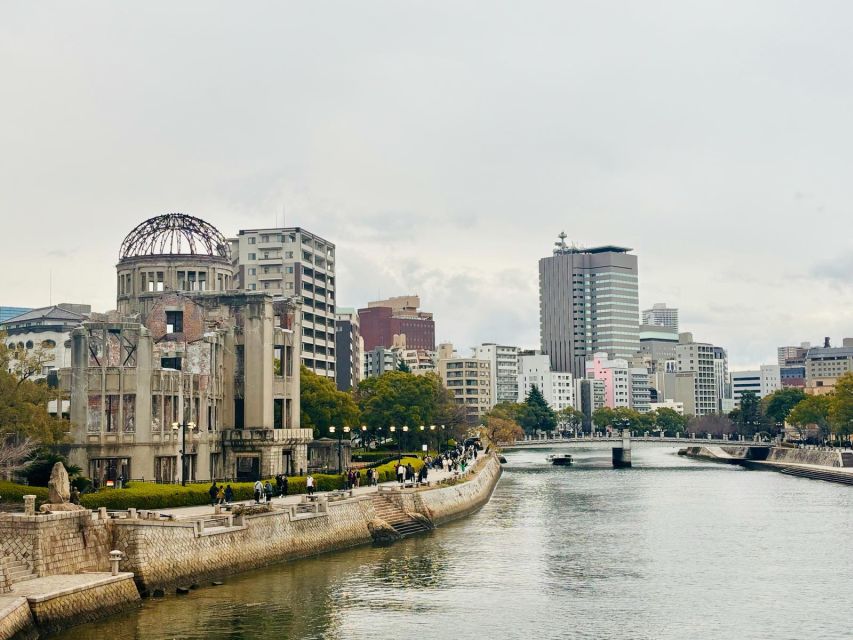
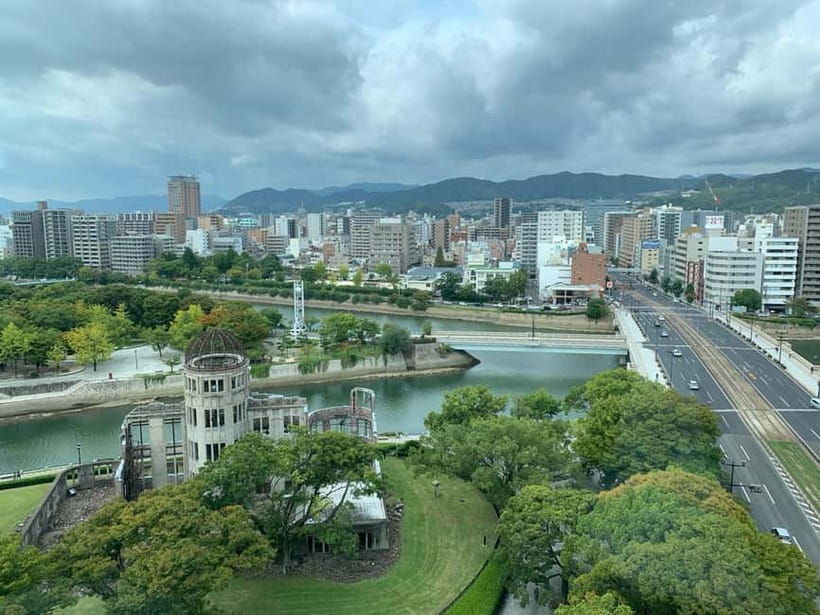
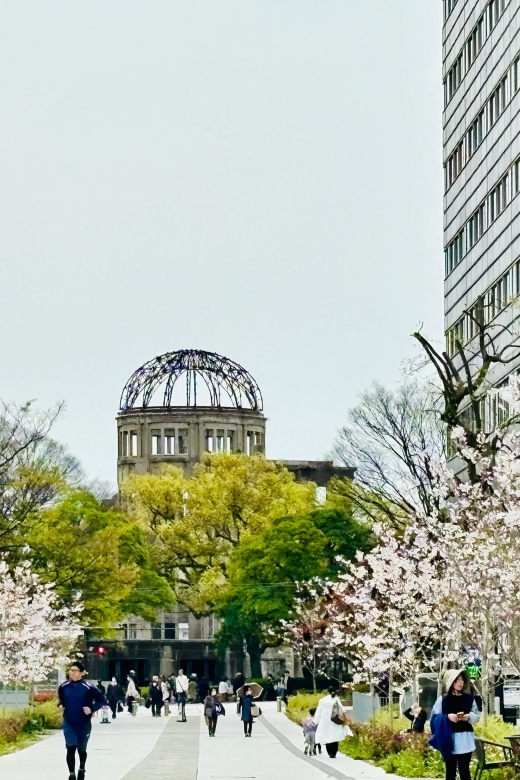
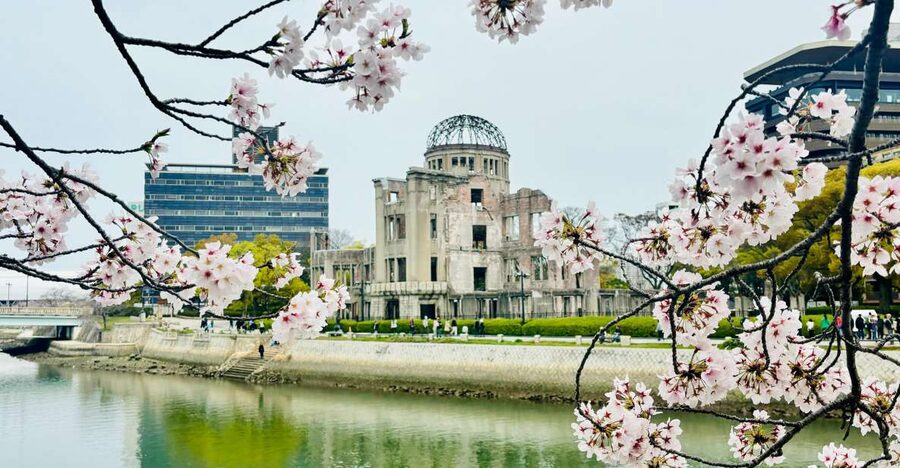
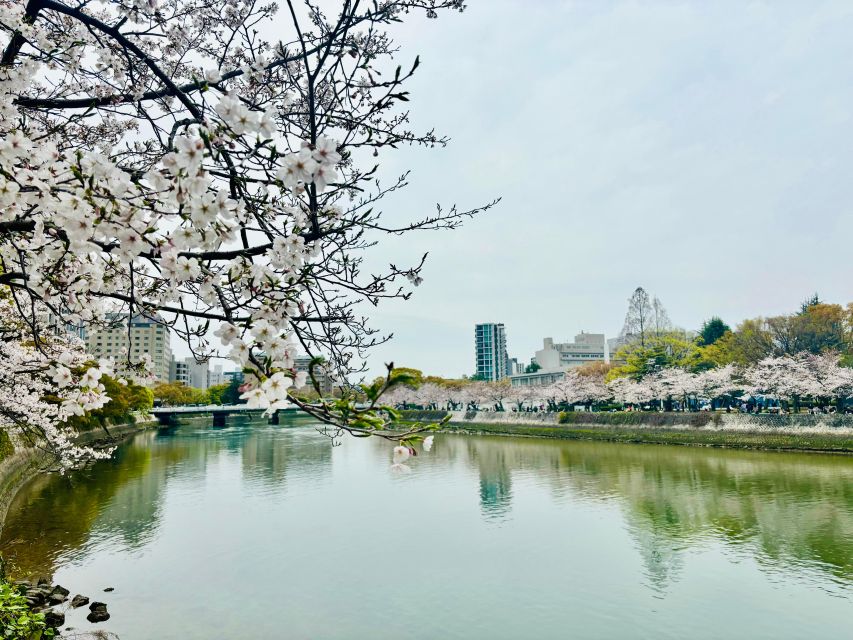
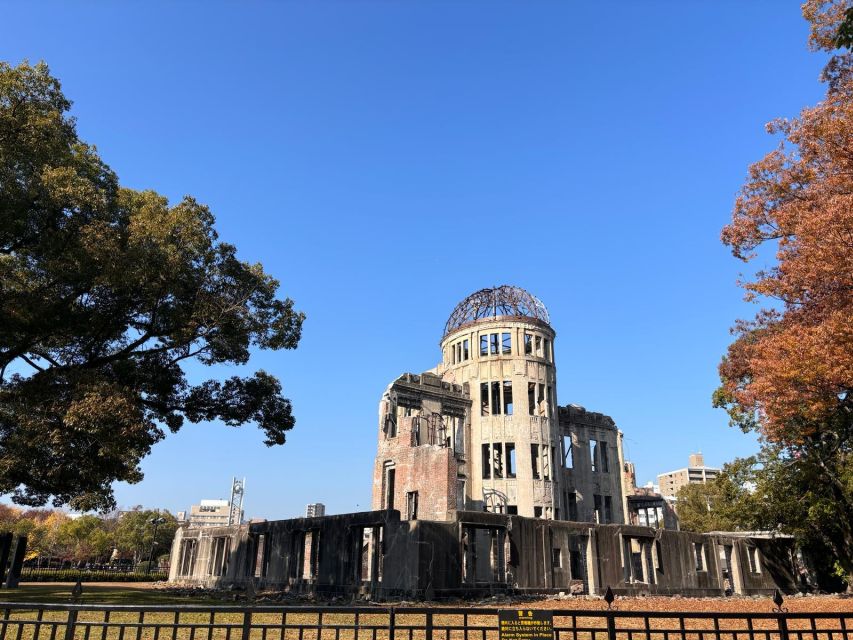
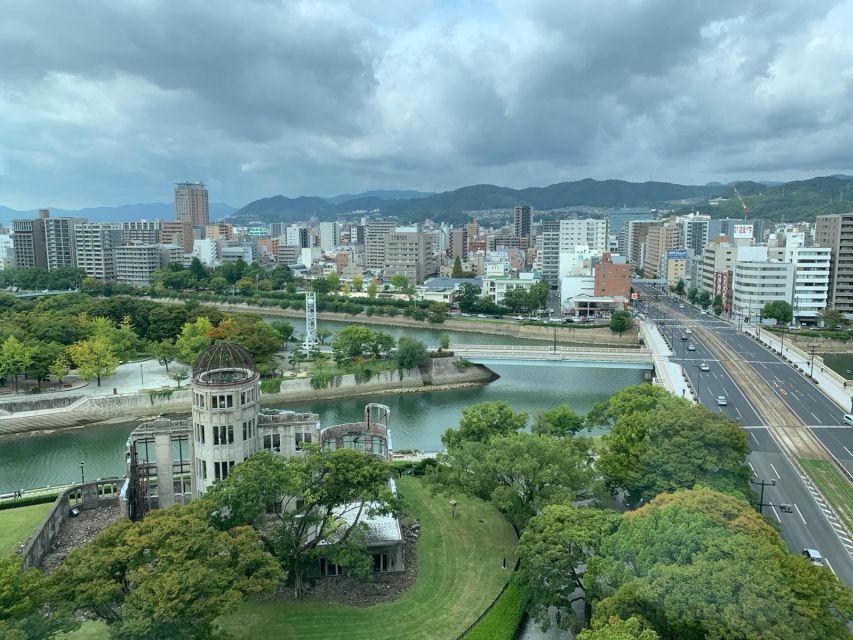
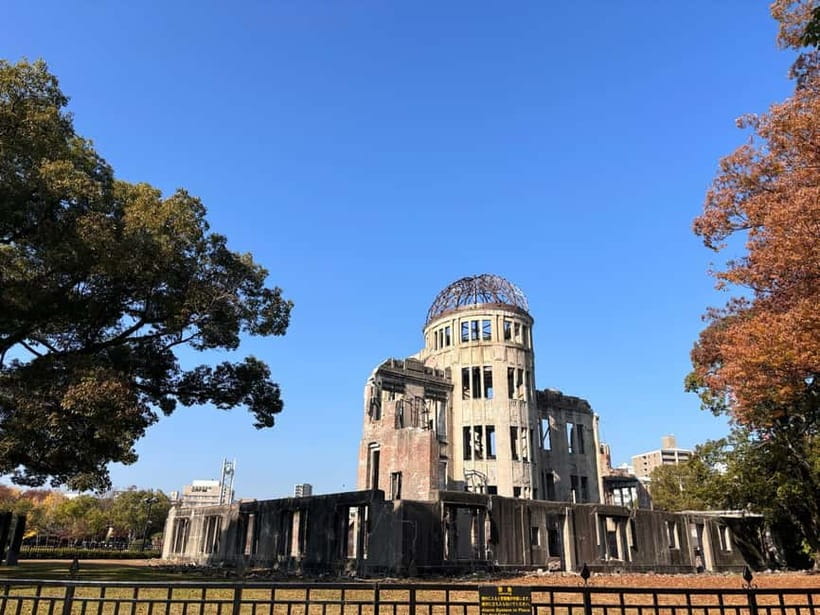
The Atomic Bomb Dome comes near the end of the route. It is the only structure left standing near the blast area, and its damaged frame has become the visual symbol of Hiroshima.
Seeing the Dome in person is different from seeing a photograph. The exposed structure and preserved ruin make the distance between the modern city and the bombing feel immediate. The guide explains what the building was and how it survived the blast, while also placing it within the wider history of the park.
You then visit the hypocenter, the point directly below the atomic bomb’s detonation. This final stop gives the route a precise geographic ending. Instead of leaving the story at a famous ruin, the tour takes you to the location where the explosion occurred.
The walk finishes at the Hiroshima Atomic Bomb Hypocenter Monument. That ending is fitting but heavy. You leave with a clearer understanding of the event’s physical location and its lasting effect on Hiroshima.
How the two-hour format works
Two hours is enough for a strong first introduction, not enough for every detail. The route includes many stops, with several receiving only five or ten minutes. A few sections allow more time, including the National Peace Memorial Hall and the free period.
The best guides keep the pace steady. Several people have praised Tomas, Cva, Moe, and others for avoiding a rushed feeling while still covering a lot. That balance matters in a place where you need time to listen and reflect.
A larger group can be the weak point. One participant found the group too large for comfort, even though the guide handled it well. If you have difficulty hearing in a crowd, stay near the guide and arrive early enough to position yourself. The tour is accessible for wheelchair users, but ask the provider about your particular needs if you require more detail.
What $35 buys you
At $35 per person, the price is fair for a live English guide, a carefully planned route, and entry to the Hiroshima National Peace Memorial Hall. You are not paying for transport or a full museum day. You are paying for the links between the sites.
That distinction is important. You could walk through the park independently at no cost, but you would need to research the memorials, find the less obvious stops, and build the historical sequence yourself. The tour saves that work and gives you a person to question.
The value is strongest if Hiroshima is new to you or if you want help handling a difficult subject with care. If you have already spent hours studying the park and prefer complete freedom at each site, you may find the fixed pace less useful.
You can cancel up to 24 hours before the activity for a full refund, and the reserve-now, pay-later option keeps your plans flexible. Check the available start times when booking, since the tour lasts two hours and outdoor conditions can affect your comfort.
Who should book this walk
I would choose this tour for a first visit to Hiroshima, especially if you want the Peace Memorial Park to have a clear shape and meaning. It also suits visitors who prefer stories and discussion over reading every sign alone.
Families can join, though adults should prepare children for serious material. The tour can also work well for history-minded visitors who already know the broad outline. One participant who considered themselves well read still found the guide’s answers and personal detail useful.
You should think twice if you want a private, slow-paced experience with long periods at each monument. This is a group walk, and the route has a set rhythm. It is also not a substitute for a full museum visit.
Should you book it?
Book this tour if you want a respectful introduction to Hiroshima that links the famous Atomic Bomb Dome with quieter memorials, survivor accounts, and the exact site of the blast. The guides’ strongest qualities are care, clear English, personal connection, and a willingness to answer questions.
The main trade-off is the group format and limited time at each stop. Still, for $35, the route covers a remarkable amount in two hours and includes the National Peace Memorial Hall. I would take it early in a Hiroshima stay, then return on your own to the places that deserve more time.
FAQ
How long is the Hiroshima history walking tour?
The tour lasts two hours.
What language is the tour conducted in?
The live guided tour is conducted in English.
Where does the tour meet?
Meet your guide in front of the Gates of Peace, next to the Italian restaurant Mario.
Where does the tour finish?
The tour finishes at the Hiroshima Atomic Bomb Hypocenter Monument.
Is the Hiroshima National Peace Memorial Hall included?
Yes. Entrance to the Hiroshima National Peace Memorial Hall for Atomic Bomb Victims is included.
Is the tour wheelchair accessible?
Yes, the activity is listed as wheelchair accessible.
What should I bring?
Bring comfortable shoes and clothing suited to the weather.
Just added around Japan
- Miyajima Half-day Trip Historical Walking Tour★ 5.0 · 284 reviews
- Hiroshima Walking Tour Why A Bomb was dropped to Hiroshima★ 5.0 · 347 reviews
- Tokyo: Asakusa & Sensoji ー Oldest Temple Walking Tour (2hrs)★ 5.0 · 213 reviews
- Asakusa Senso-ji Temple and Old Tokyo Walking Tour★ 5.0 · 560 reviews
- Asakusa Cultural Walk & Matcha Making Tour★ 5.0 · 245 reviews
- Tokyo: Tsukiji Market Walking Tour & Sushi Cooking Class★ 4.6 · 122 reviews
- Tokyo:Stroll in Old traditional culture towns~Yanaka & Nezu★ 4.9 · 186 reviews
- Tokyo: Shibuya Crossing & Hidden Streets Walking Tour★ 4.8 · 128 reviews
Walking Tours, compared.

Magical London: Harry Potter Guided Walking Tour
Read our review →
Reykjavik Food Walk – Local Foodie Adventure in Iceland
Read our review →
History and Hauntings of Salem Guided Walking Tour
Read our review →
New Orleans Premier Ghost, Voodoo and Vampire Walking Tour
Read our review →
Amsterdam Anne Frank: Small-Group Walking Tour & Local Guide
Read our review →

Edinburgh Castle: Guided Walking Tour with Entry Ticket
Read our review →
Anne Frank’s Story – Guided Walking Tour through Amsterdam
Read our review →Browse the lists this tour appears in