
REVIEW · BOLOGNA
Bologna Food & Market Tour with 6 Tastings, Pasta, Wines & More
Bologna’s food culture makes the most sense when you taste it street by street. This small-group walking tour brings together the Quadrilatero market, handmade pasta, Parmigiano Reggiano, Modena balsamic vinegar, regional cold cuts, wine, gelato, and a surprise dish in about three and a half hours.
I like two things in particular: the pasta demonstration turns a familiar dish into a real craft lesson, and the balsamic tasting explains why age matters instead of treating vinegar as a simple condiment. The group is capped at 12, which gives guides such as Claire, Federica, Caterina, and Mattia room to talk with people.
The main drawback is simple: this is a food-heavy walking tour. You should arrive hungry, wear comfortable shoes, and tell the company about dietary needs in advance. The menu and stops can change with weather and local availability.
Key points to know before booking
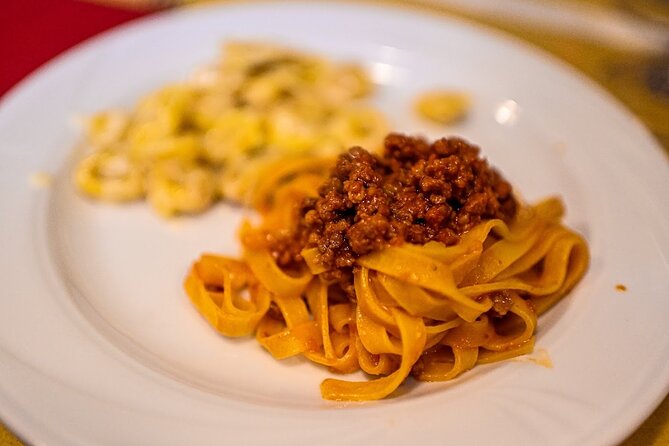
- Handmade pasta is the centerpiece: Watch fresh pasta made from scratch, then taste two traditional varieties.
- The Quadrilatero gives you Bologna at street level: Explore medieval lanes lined with food stalls, shops, and local specialties.
- The balsamic tasting has real range: Compare Modena vinegar aged for 8, 12, and 25 years.
- You will eat a full spread: Expect Parmigiano Reggiano, Prosciutto di Parma, Mortadella, other regional cold cuts, wine, gelato, coffee, and a secret dish.
- The small group matters: With no more than 12 people, the pace is easier to manage and questions are more practical.
- Book it early if your dates are fixed: It is commonly reserved well ahead, with an average booking lead time of 56 days.
Why this Bologna food tour works as an introduction
I like food tours best at the start of a city visit, and this one fits that role well. It gives you a working guide to Bologna’s eating culture before you choose your own lunch and dinner spots. You will learn what Parmigiano Reggiano should taste like, why balsamic vinegar can cost far more than the supermarket version, and which local meats deserve space on your plate.
The tour lasts about 3 hours and 30 minutes. That is long enough for several proper tastings without taking your entire day. The route also links food with central Bologna, so you are not simply seated in one restaurant for an extended meal.
The food is plentiful. You should not eat a large breakfast or lunch first. Several people found that the best strategy was to arrive with an empty stomach, since the tastings can include pasta, meat, cheese, wine, dessert, coffee, and a digestif.
The group limit of 12 is another useful detail. A small group does not guarantee a perfect day, since the guide still shapes the experience, but it makes conversation easier in narrow streets and small shops. Guides named in the tour feedback include Claire, Federica, Caterina, Mattia, Gabriela, and Mattia’s variation, Mattai, in one account. Assignments vary, but the repeated pattern is clear: the guide is expected to handle both food information and Bologna’s history.
A few more walking tours around Italy worth a look
- Bari: Pasta Experience Walking Tour
★ 4.7 · 660 reviews
Meeting near Via Zamboni and beginning at Palazzo della Mercanzia
The listed meeting point is Via Zamboni 8c in central Bologna. From there, the tour begins its city orientation around Palazzo della Mercanzia, a 14th-century building tied to Bologna’s commercial life.
That setting is a smart starting point. Food in Bologna has always been connected to trade, rules, skilled work, and the movement of goods. Palazzo della Mercanzia was once a center for economic and commercial activity, so it gives your guide a natural place to explain how the city’s markets developed.
Look for the wooden statue of San Petronio on the facade. Saint Petronius is Bologna’s patron saint, and the figure adds a local touch to what might otherwise be just an architectural introduction.
This opening portion is listed as about one hour, although the tour also has several food stops to fit into its total length. Expect the guide to use the surroundings as a frame for the meal ahead rather than deliver a formal architecture lecture. The history matters because it helps explain why Bologna’s food traditions are tied so closely to its city center.
The guide is also likely to set expectations here: how much walking remains, how the tastings work, and what to do if you have a dietary restriction. Contact the operator before the tour if you need changes to the food. Do not wait until the first tasting.
Walking the Quadrilatero market lanes
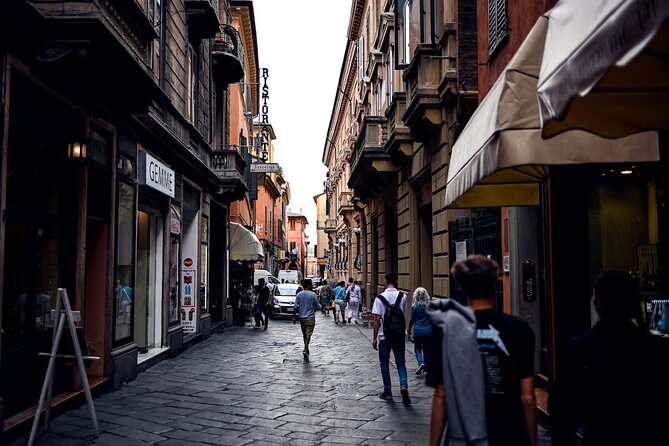
The Quadrilatero is the tour’s most atmospheric section. Its name refers to the district’s rectangular street plan, while its narrow lanes preserve the feel of medieval Bologna. Traditional porticoes, colorful buildings, food shops, and market stalls make this a place to look around between bites.
The market is not presented as a quick photo stop. The point is to find the stalls and foods that matter, then understand how locals use them. You can expect to see produce, meats, cheeses, and other regional products while the guide explains what is worth noticing.
This is where the tour gains an edge over a standard restaurant meal. You get a sense of how ingredients appear before they reach a plate. You can also ask useful questions: how to choose Parmigiano Reggiano, what makes a particular cold cut local, and which foods are best bought as gifts.
The lanes are narrow, and the tour involves a fair amount of walking. Comfortable shoes are essential. If you prefer a seated tasting with little movement, this is not the right format. If you like seeing how a historic food district operates, the walking is part of the value.
The Quadrilatero portion is listed at about one hour. The actual rhythm can change because shops, weather, and available food affect the route. That flexibility is worth keeping in mind. You are booking a guided food walk, not a fixed museum itinerary.
Fresh pasta made by hand
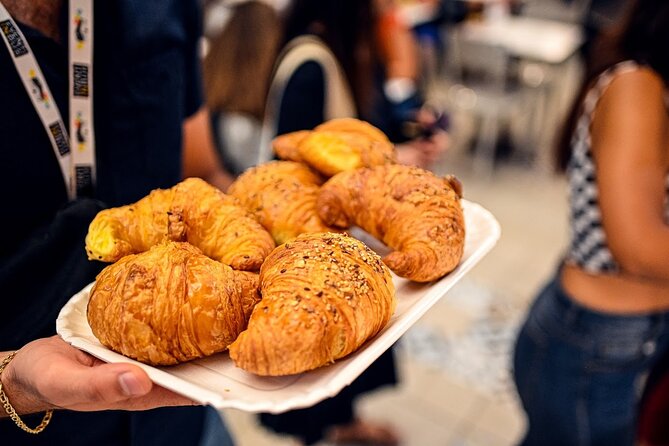
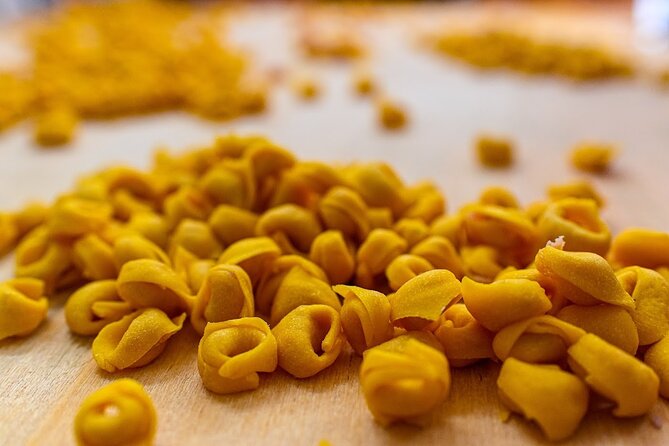
The pasta demonstration is one of the most useful parts of the experience. You watch pasta made from scratch and then sample the best batch. Two traditional homemade pastas are included, and the tour feedback specifically mentions tortellino and tagliatelle.
That combination shows two different sides of Bolognese pasta. Tagliatelle lets you notice the texture of the dough and the way it carries sauce. Tortellino is smaller and more delicate, with the shape itself requiring care. The lesson gives you something to watch for when pasta appears on later menus.
The demonstration is also more valuable than a generic tasting because it connects the food to hand skill. You see that fresh pasta is not just a label on a restaurant menu. Shape, thickness, and handling all affect the final bite.
This is one place where the guide’s personality matters. Claire is repeatedly described as lively and engaging, while Mattia is noted for his passion for Bologna and its food history. The quality of a demonstration depends on how clearly the guide links the technique to local tradition, not just on whether dough is placed in front of you.
More Market Visits in Italy:
- Bangkok: City Highlights Temple and Market Walking Tour
★ 4.5 · 3,990 reviews - Tokyo Tsukiji Fish Market Food and Culture Walking Tour
★ 5.0 · 3,184 reviews - London Bridge & Borough Market Food Tour with 7 Authentic Dishes
★ 5.0 · 1,972 reviews - Air Raid Shelter + St. Nicholas Market Walking Tour
★ 5.0 · 1,950 reviews
Parmigiano Reggiano, cold cuts, and the practical side of shopping
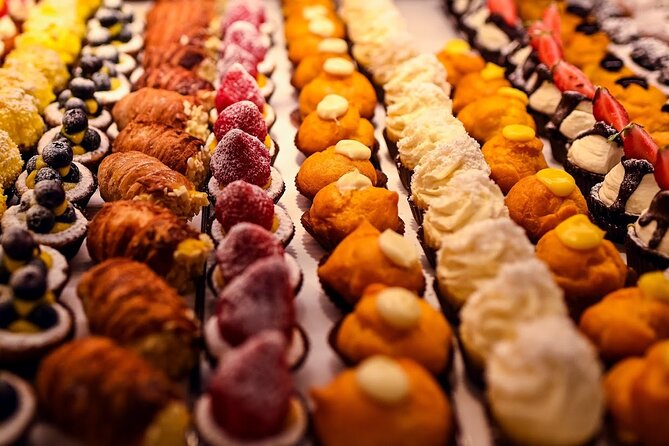
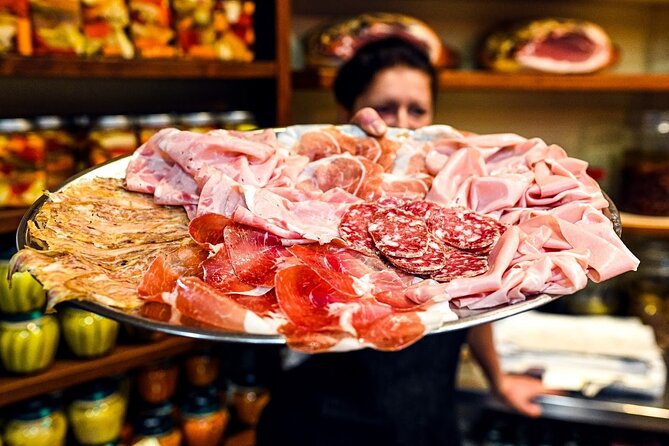
The cheese and meat tastings give you a useful shopping lesson. You sample aged Parmigiano Reggiano, along with Prosciutto di Parma, Mortadella, and other regional cold cuts.
The Parmigiano discussion is especially practical. Bologna is close to the production area, and the tour includes advice on shopping for the cheese. You will not just taste a salty hard cheese. You can learn what to look for when buying it and why the age affects flavor and texture.
The cold cuts add contrast. Prosciutto di Parma is delicate and familiar to many people, while Mortadella is softer and more aromatic. The regional selection may also include less common items. One tour account specifically mentions the rare culatello from the area, though the exact menu can change.
These tastings can easily become a meal on their own, especially when served with crackers or other accompaniments. If you are planning a full lunch immediately after the tour, leave a generous gap. The better plan is to treat the tour as lunch, then use the rest of the day for a lighter meal.
The Modena balsamic tasting, aged from 8 to 25 years
The balsamic stop is a strong reason to choose this tour over a basic market walk. You visit an authentic bottega and compare Modena balsamic vinegar aged for 8, 12, and 25 years.
The age range lets you taste a clear progression. Younger vinegar can be sharper and more direct. Longer aging generally brings a thicker texture and a more concentrated, rounded flavor. The point is not that the oldest bottle is always the right choice. It is learning when the price and style make sense for how you plan to use it.
This tasting also helps separate traditional balsamic from the inexpensive dark vinegar found in many kitchens. You will have a better idea of why some bottles are used drop by drop, and why a small amount can change a dish.
The stop may be a highlight if you enjoy learning through comparison. It is also one of the tour’s more distinctive experiences, since the tasting focuses on age rather than simply offering one sample. Federica is often praised for explaining Bologna’s food culture clearly, and the balsamic section gives a good guide plenty of room to make a complicated subject easy to follow.
Wine, gelato, coffee, and the secret dish
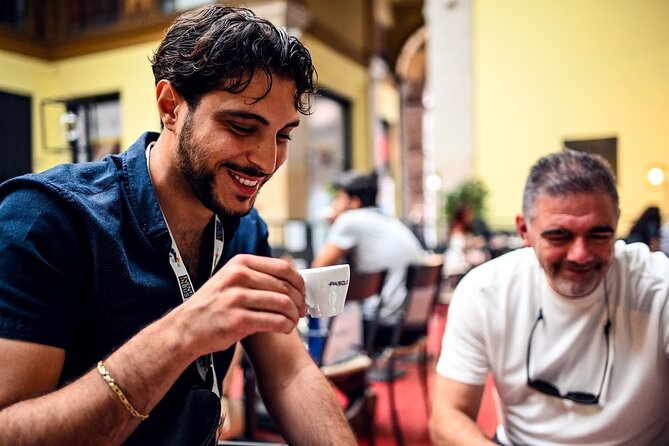
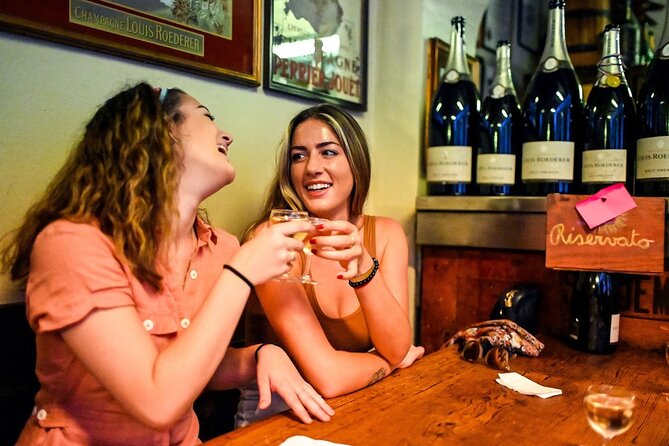
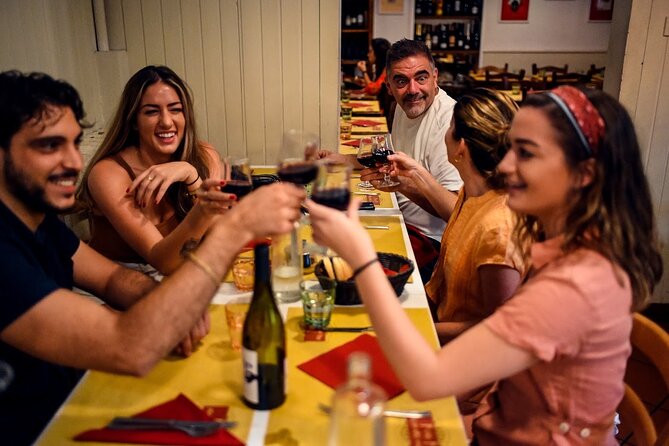
The tour includes local red and white wines, a traditional local digestif, espresso or macchiato, and creamy artisanal gelato. These final touches make the experience feel like a portrait of a whole meal rather than a string of isolated samples.
The welcoming sweet treat and gelato provide a pleasant break from the savory foods. Coffee and a digestif give the tour a distinctly Italian finish. Alcohol is part of the package, so keep that in mind when planning the rest of your day.
There is also a secret dish. The exact item is not disclosed, and the menu may change with availability. That uncertainty is intentional, but it means you should not book this tour expecting a precise checklist of dishes.
The surprise can be useful for adventurous eaters. It may introduce you to something you would not have ordered on your own. If you have allergies or strict dietary limits, contact the operator in advance so the team can decide how best to accommodate you.
San Petronio and the walk toward Santo Stefano
The Basilica of San Petronio is another important landmark along the central route. Dedicated to Bologna’s patron saint, the church began construction in 1390 and grew over centuries with work by different architects. It is one of the world’s largest churches and one of the city’s major sights.
You should think of this part as city context rather than a separate church tour. The food route becomes more meaningful when you recognize how close Bologna’s religious, civic, and commercial spaces sit to one another.
The tour ends at Piazza Santo Stefano, also called St. Stephen Square, on Via Santo Stefano. This is a good place to continue exploring on your own, and the guide can offer route advice before you leave. No hotel pickup or drop-off is included, so plan to reach the meeting point and continue from the ending square independently.
What the $118.51 price includes
At $118.51 per person, the tour is not a cheap snack crawl. The value depends on how much you would otherwise spend assembling the same experience yourself.
You are paying for about three and a half hours of guiding, several food stops, a pasta demonstration, market interpretation, wine, a digestif, coffee, gelato, and tastings of premium regional products. The Parmigiano and balsamic comparisons are especially useful because they can help you shop with more confidence afterward.
The price makes the most sense if you want both food and orientation. It is less compelling if you only want a single large meal or if you already know Bologna’s market and specialties well.
Group discounts are available, and the tour is offered in English with a mobile ticket. Confirmation is sent within 48 hours, subject to availability. Since it is often booked about 56 days ahead, reserve early if your schedule is fixed, especially during a short Bologna stay.
Who should book this walking food tour
I would recommend it to first-time visitors who want a quick education in Bolognese food. It also suits couples, friends, and small family groups who enjoy walking between tastings instead of sitting in one restaurant.
It is a particularly good first-day activity. You can learn which dishes to order later, get a feel for the center, and ask the guide about places to return to. Several guides also share practical city and food tips, which adds value beyond the included samples.
You should reconsider if you have limited mobility, dislike walking, or need a completely fixed menu. The tour is designed for most people, but the route covers central streets and involves a fair amount of movement. Weather and local availability can also change the plan.
The tour requires good weather and a minimum number of participants. If the operator cancels for either reason, you are offered another date or experience, or a full refund. You can cancel for a full refund up to 24 hours before the start time. Changes or cancellations inside that 24-hour window are not refunded.
Should you book the Bologna Food and Market Tour?
Book it if you want Bologna explained through food rather than simply served to you. The handmade pasta, three-stage balsamic tasting, market walk, and mix of meats, cheese, wine, sweets, and coffee create a broad introduction to the city.
Arrive hungry, wear comfortable shoes, and share dietary requirements before the day. If you do that, the $118.51 price is reasonable for a small-group experience with this many tastings and a guide-led look at the Quadrilatero.
Skip it if you want a quiet sit-down meal, a strict timetable, or a light tasting. For most first visits, though, this is a practical way to get your bearings, eat extremely well, and leave with better ideas for the rest of your time in Bologna.
FAQ
How long does the Bologna food tour last?
The experience lasts approximately 3 hours and 30 minutes.
Where does the tour start?
The listed meeting point is Via Zamboni, 8c, 40126 Bologna, Italy.
Where does the tour end?
The tour ends at Piazza Santo Stefano, also called St Stephen Square, on Via Santo Stefano.
How many people can join the tour?
The group has a maximum of 12 participants.
What food and drinks are included?
The tastings include artisanal gelato, aged Parmigiano Reggiano, Modena balsamic vinegar aged 8, 12, and 25 years, two traditional homemade pastas, Prosciutto di Parma, Mortadella, regional cold cuts, a secret dish, local red and white wines, a traditional digestif, and espresso or macchiato.
Is hotel pickup included?
No. Hotel pickup and drop-off are not included.
Can I cancel the tour for a refund?
Yes. You can cancel at least 24 hours before the local start time for a full refund. Cancellations or changes made less than 24 hours before the start time are not refunded.
More Shopping Tours in Italy
- Tokyo: Tsukiji Fish Market Food and Walking tour
★ 5.0 · 1,724 reviews - Tokyo: Tsukiji Fish Market Guided Walking Tour
★ 4.9 · 1,397 reviews - Nishiki Market Brunch Walking Tour (7 Tastings + Brunch)
★ 5.0 · 1,355 reviews - Tsukiji Fish Market Small-Group Food Walking Tour
★ 5.0 · 621 reviews
Just added around Italy
- Ferrara: City Highlights Walking Tour with Local Guide★ 4.6 · 219 reviews
- Verona: Romeo and Juliet Guided Walking Tour★ 4.6 · 82 reviews
- Discover Pompeii: French Walking Tour of the Buried City★ 4.8 · 253 reviews
- Naples: Maradona Stadium Guided Exterior Walking Tour★ 4.3 · 113 reviews
- Dark Heart of Rome – Facts, Legend & Mystery Walking Tour★ 4.5 · 329 reviews
- Catania: Street Food Guided Walking Tour★ 4.9 · 326 reviews
- Cefalù: History and Legends Guided Walking Tour★ 4.8 · 132 reviews
- Catania: Guided Street Food Walking Tour★ 4.7 · 300 reviews
Markets, compared.
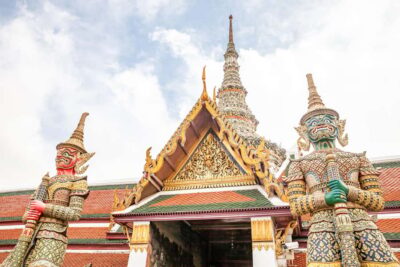
City Highlights Temple and Market Walking Tour
Read our review →
Tokyo Tsukiji Fish Market Food and Culture Walking Tour
Read our review →
London Bridge & Borough Market Food Tour with 7 Authentic Dishes
Read our review →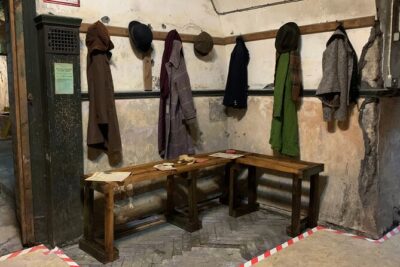
Air Raid Shelter + St. Nicholas Market Walking Tour
Read our review →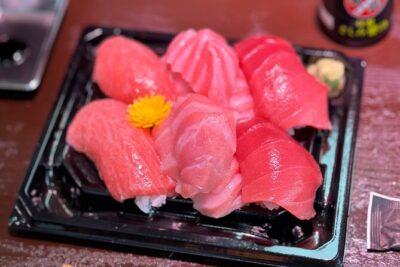
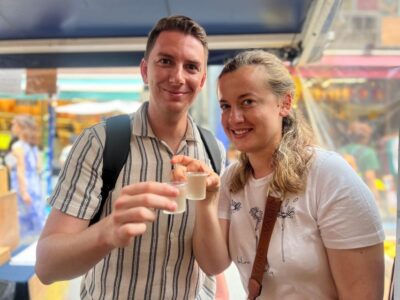
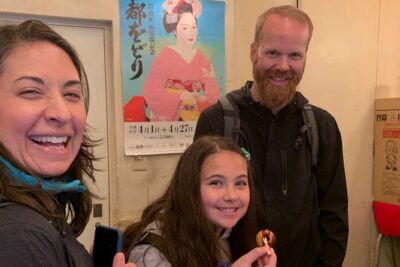
Nishiki Market Brunch Walking Tour (7 Tastings + Brunch)
Read our review →
Tsukiji Fish Market Small-Group Food Walking Tour
Read our review →Browse the lists this tour appears in