
REVIEW · OSAKA
Osaka: Main Sights and Hidden Spots Guided Walking Tour
Osaka reveals itself best in contrasts: a feudal castle, a Korean neighborhood, a department-store food hall, an aging entertainment district, and neon-lit Dotonbori all fit into one half-day. This tour links those places with a guide who explains not just what you are seeing, but how Osaka became a merchant city with its own strong character.
I like the wide range of neighborhoods and the way the route moves from old Osaka to modern Osaka without wasting time. I also like the guides’ practical help, from taking family photos to explaining subway tickets and helping a visitor order at a ramen shop. The tradeoff is simple: four hours, public transport, and more than 10,000 steps can feel tiring, especially in hot weather.
Key points at a glance
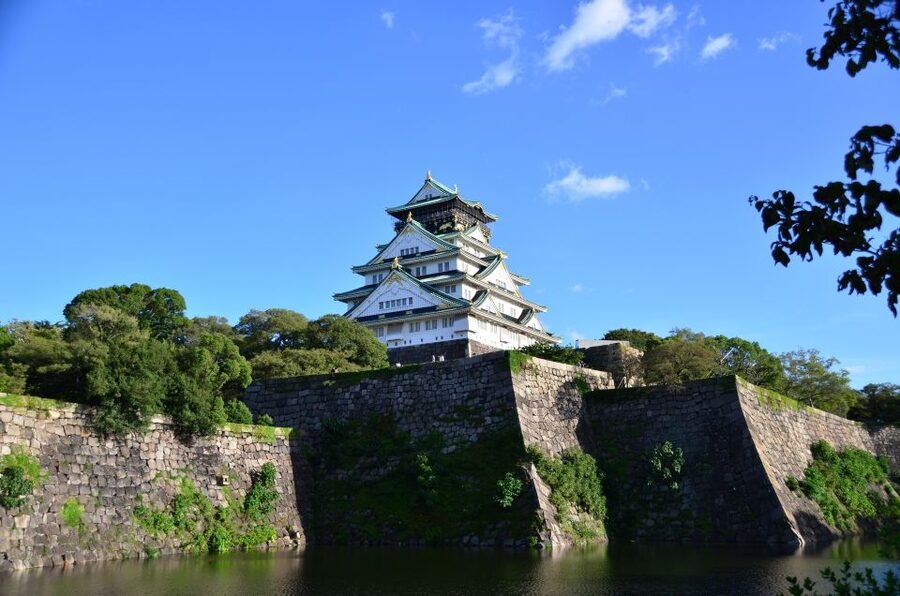
- Osaka Castle Park: See the imposing exterior and hear the story of Osaka’s struggle for power 400 years ago, without entering the castle.
- Tsuruhashi Korea Town: Walk narrow pre-war streets and learn about one of Osaka’s most distinctive communities.
- Harukas and its food hall: Look over Osaka from a high floor, then see prized ingredients such as puffer fish and Kobe beef below.
- Shinsekai to Namba: Compare an old entertainment district with the city’s main shopping and dining center.
- Dotonbori and Kuromon: Finish among Osaka’s famous signs, food stalls, fresh fish, and quirky side streets.
- A guide-led orientation: Guides including Kevin, Ferdinand, Oisin, Bryan, and others add history, customs, restaurant advice, and photo help.
Why this Osaka route works so well
At $59 per person, this is a useful orientation tour rather than a single-attraction visit. You get four hours of guiding across several parts of Osaka, while transportation, food, and entrance fees remain your responsibility. The price is most convincing if you have only one day in Osaka or want help making sense of the city before exploring alone.
The route also solves a common Osaka problem. The city’s major sights are spread out, and its best moments often sit in side streets rather than at one famous monument. Moving by subway lets you cover much more ground than a conventional walking loop, while the guide supplies the local context you would otherwise miss.
The pace is active. One guide described the day as a long tour that left tired legs, and that is useful advice. You will walk through large park areas, markets, shopping streets, and entertainment districts, then board public transport between major sections. Comfortable shoes are not optional.
More Guided Tours in Japan:
- Tokyo: Shinjuku Local Bar and Izakaya Guided Walking Tour
★ 4.9 · 1,794 reviews - Tokyo: Tsukiji Fish Market Guided Walking Tour
★ 4.9 · 1,397 reviews - Kyoto: Izakaya Bars Guided Walking Tour
★ 4.9 · 815 reviews
Osaka Castle Park and the story behind the walls
The meeting point is above ground at Exit 2 of Tanimachiyonchome Station. If you arrive by taxi, use the Tanimachi 3-chome intersection, written 谷3交差点. Starting here puts you close to Osaka Castle Park, the first major stop.
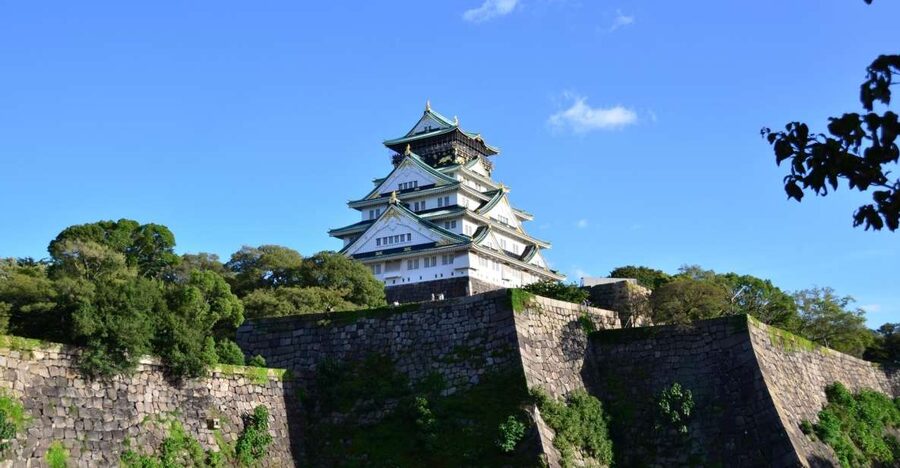
You spend about 75 minutes around the park and castle exterior. The castle itself is grand and imposing, but you do not go inside. That matters if you want interior displays or an observation deck, because this experience is about the setting and the story rather than an admission visit.
A good guide turns the castle into more than a photo stop. You hear about Osaka’s role in the Shogun period and how the city was nearly taken from Japan 400 years ago. Ferdinand, in particular, has been praised for making this part feel like a story rather than a list of dates.
The park gives you breathing room at the start of a packed route. It is also a useful place for your guide to explain how Osaka developed, before the tour shifts into neighborhoods shaped by trade, migration, food, and entertainment. I like this opening because it gives the rest of the day a historical frame.
The limitation is that the park can feel like a lot of walking before the tour really gets moving. If you mainly want to enter Osaka Castle, buy a ticket and inspect its displays, you will need separate time for that.
Tsuruhashi Korea Town and Osaka’s layered identity
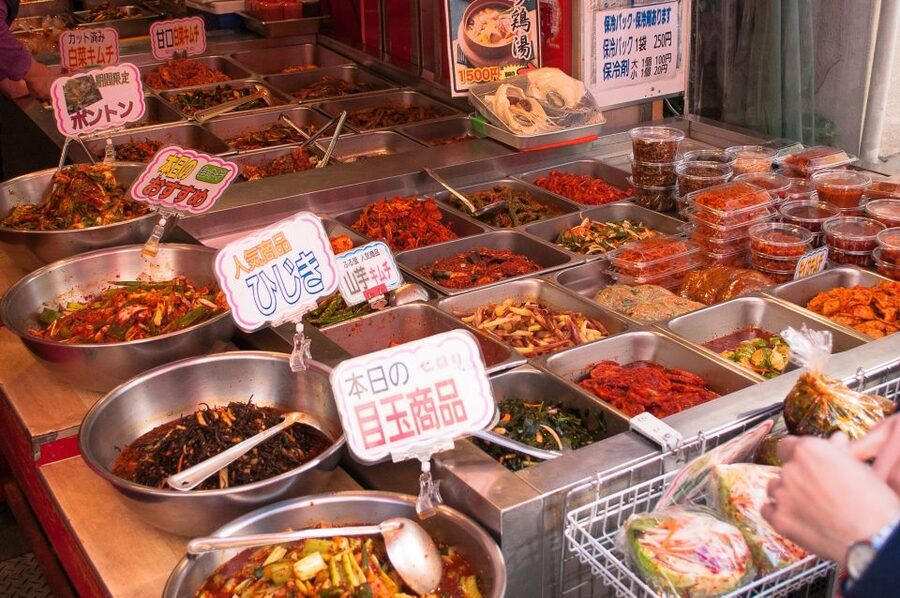
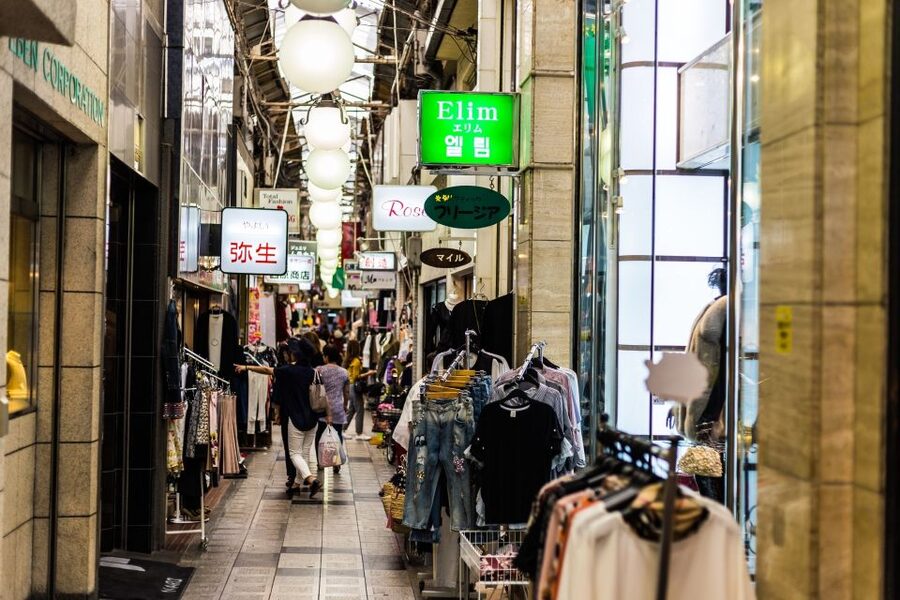
A short train ride takes you to Tsuruhashi, where the tour spends roughly 45 minutes. This is one of the route’s most valuable stops because it feels different from the polished areas most first-time visitors find on their own.
You walk through narrow streets and alleys in a pre-war commercial district. Shops, food, and local life give the neighborhood a more grounded feel than Osaka’s major tourist avenues. The guide explains the Korean presence in Japan and the ways different cultures and communities interact within the country.
This is also where a strong guide makes a real difference. Kevin has helped visitors understand cultural and social context, while other guides have explained language differences, religion, and the political system. Those subjects can be hard to interpret from a shop sign or a quick walk past a market stall. A guide gives you a way to ask respectful questions and understand what you are seeing.
If you want to buy snacks, this is one of the places where you may get a chance. Food is not included, and there are no formal food stops, so carry some cash or be ready to purchase small items as you go.
Do not expect a long food tour here. The stop is about the neighborhood and its story, with food as part of the surroundings rather than the main event.
Harukas 300 and the food hall below
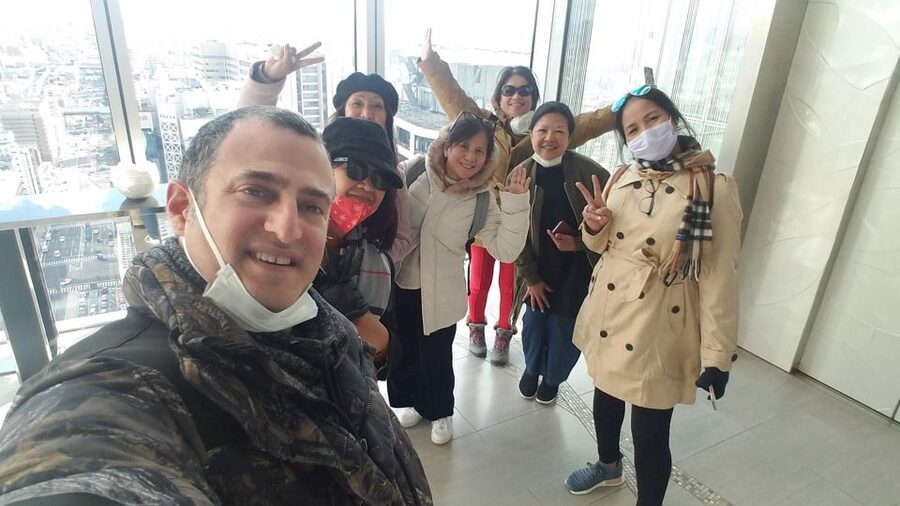
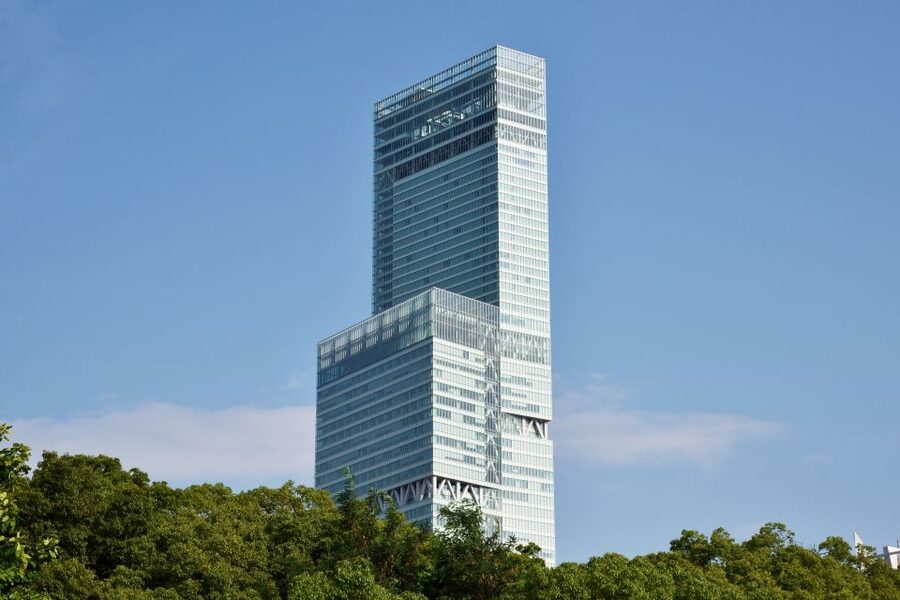
The next section takes you to Abeno Harukas 300, where you spend about 30 minutes. You get a high-floor view over Osaka, a welcome change after the close lanes of Tsuruhashi.
The view helps you understand Osaka as a large, connected city rather than a collection of separate tourist zones. It also offers a good photo opportunity. Several guides, including Kevin and Bryan, have been especially helpful with taking pictures, which can be useful when you are traveling as a family or couple.
After the view, you head underground into the department store food hall. This is not a tasting session, but it is a fine place to see how carefully presented Japanese food can be. Look for high-quality products such as puffer fish and Kobe beef, along with other ingredients and prepared foods.
I like the contrast here. You see Osaka from high above, then go below street level to inspect what people buy and eat. It gives you both the city’s scale and its attention to food, without pretending that a single market visit explains the entire cuisine.
Remember that purchases are extra. If you are hungry, you can buy something along the way, but you should not expect lunch to be built into the tour.
A few more walking tours around Japan worth a look
- Kyoto Geisha Walking Tour: Gion District & Hidden Gems
★ 4.7 · 3,273 reviews - Tokyo Tsukiji Fish Market Food and Culture Walking Tour
★ 5.0 · 3,184 reviews - Kyoto: Gion Magical Night Walking Tour with Geisha Trivia
★ 4.9 · 2,393 reviews - Tokyo: Imperial Palace and Shogun Historical Walking Tour
★ 5.0 · 2,251 reviews
Shinsekai, where old Osaka remains visible
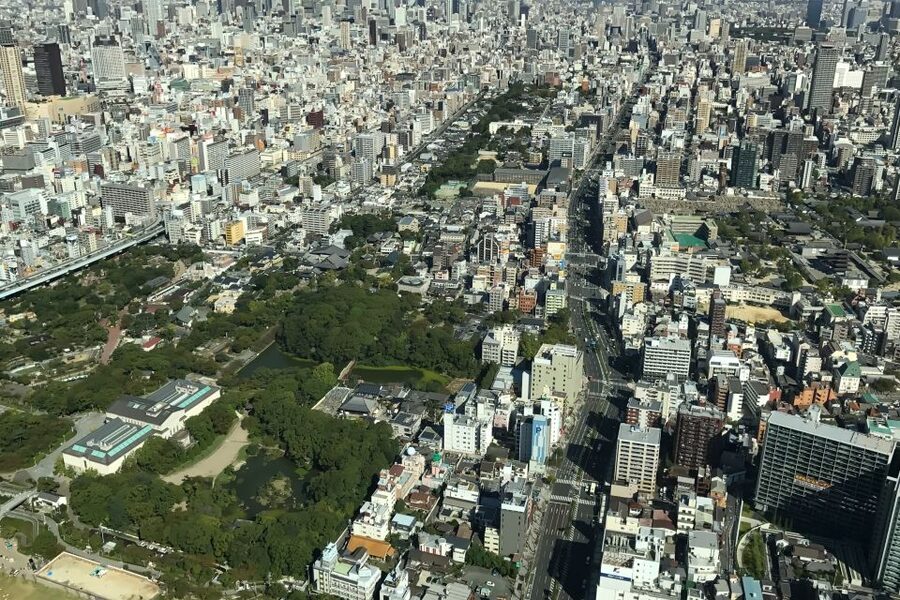
Not far from Harukas is Shinsekai, a traditional district with a worn, old-fashioned look. The tour spends about 30 minutes here, pointing out local sights that feel less polished and more frozen in time.
Shinsekai is useful precisely because it does not look like a newly planned visitor zone. Its slightly crumbling character helps explain Osaka’s older entertainment culture and the city’s less formal side. One visitor described the route as moving through a former leisure, yakuza, and gay district, but the exact emphasis can depend on your guide and the questions you ask.
This is a place to observe rather than rush through. Look closely at the signs, building fronts, and small details. Your guide can explain how the district fits into modern Osaka and how its past still shapes its identity.
The stop is brief, so do not expect a long neighborhood walk. It works best as a quick, informed look before the tour moves into Namba’s more intense shopping and entertainment streets.
Namba, Dotonbori, and Osaka after dark
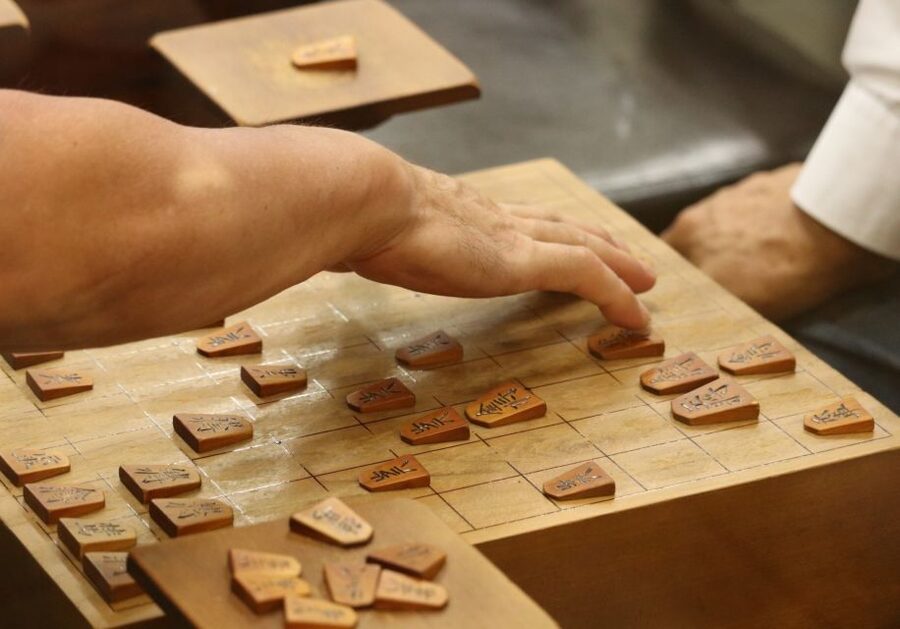
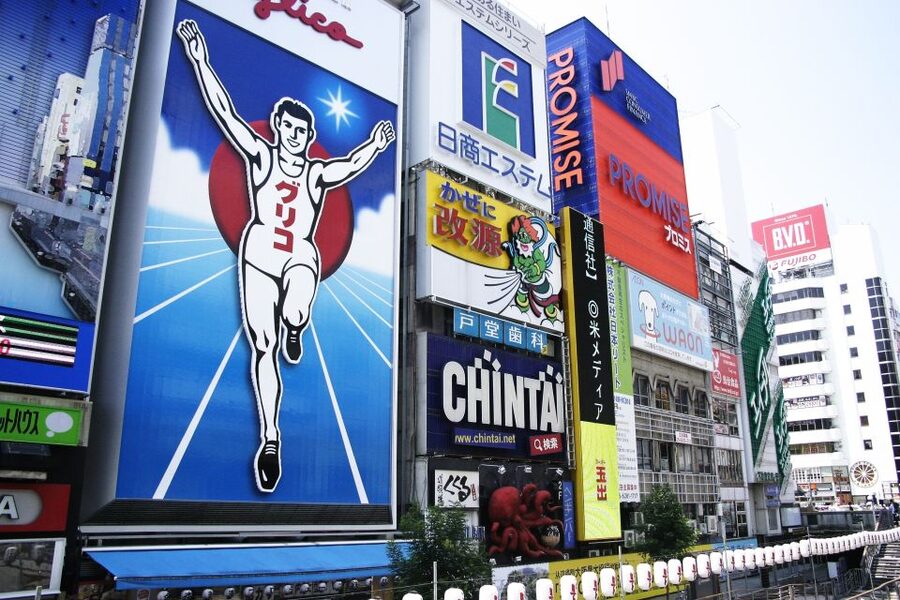
The route then reaches Namba, the center of present-day shopping, dining, and entertainment. Even in daylight, this area is full of signs, storefronts, narrow lanes, and people moving between restaurants and shops.
Dotonbori is Osaka’s answer to a giant city entertainment strip. The tour shows you the famous canal-side sights and then takes you into back streets where each lane has its own feel. This is where Osaka’s quirky personality comes through most clearly.
Your guide can point out photo locations and explain local habits that are easy to miss. Bryan has helped families take photographs, while Kevin has offered restaurant suggestions that visitors later used for the rest of their stay. Guides also help you read the area as more than a wall of advertising. They can explain why particular foods, signs, and businesses matter to Osaka’s public image.
Dotonbori is crowded and energetic, so this is not the calmest section of the tour. Stay close to your guide and expect plenty of foot traffic. The benefit is access to a district that can feel confusing when you first arrive, especially if you are trying to find the smaller streets behind the main attractions.
Kuromon Ichiba and Doguyasuji’s cooking culture
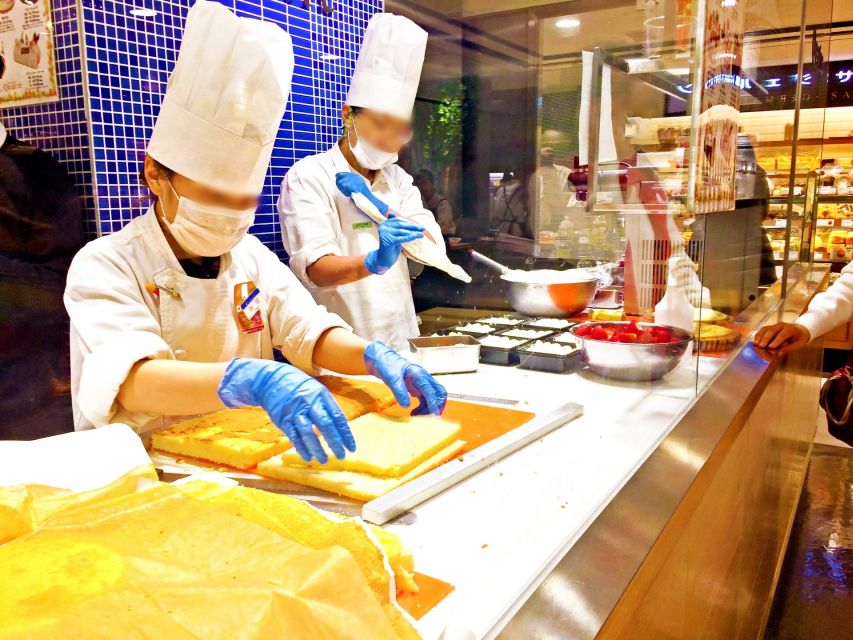
Kuromon Ichiba has served as a fresh fish market for more than 150 years. It is one of the route’s clearest links to Osaka’s food reputation, although you should remember that food and drinks are not included.
You can look at seafood, produce, and other market products, and you may buy snacks if you want them. The market works best when you treat it as a place to see local commerce and food presentation, not as a guaranteed meal stop.
The final area is Doguyasuji, a kitchen and cooking district. Its shops sell items such as wax food models, Japanese noren curtains, and large pottery pieces. These objects reveal the business side of Osaka’s restaurant culture, not just the dishes that appear on your plate.
I find this a clever ending. You finish by looking at the tools, signs, displays, and serving objects behind Japanese food. The tour ends at 1-chome-4-2 Nanba, Chuo-ku, which leaves you in a useful central area for continuing your evening.
What the guides add to the day
The route is only as good as its explanations, and the guide is the main reason to book it. Names that appear repeatedly in the guiding team include Kevin, Ferdinand, Oisin, Bryan, Jamie, Ethan, Hugo, Joshua, Lito, and Andrew.
The strongest pattern is a mix of history, everyday customs, and practical help. Kevin has explained Japanese society, cultural differences, and local food, while Ferdinand has focused on Osaka’s past and told the castle story with energy. Oisin has been praised for giving the larger picture without burying people in minor details.
Guides also adapt. One guide slowed the pace for older participants and changed the plan as the heat became difficult. Another helped a family use a ramen vending machine after the official tour ended. These small acts matter because Osaka can be easy to enjoy but tricky to navigate on a first visit.
The tour is available in English, French, and Spanish. Private and small-group options are offered, so the feel may vary depending on the booking. The minimum group requirement also matters for solo visitors. If fewer than two people book, you may be offered another date, asked to pay a 4,000 yen solo supplement, or given a full refund.
Walking, subway costs, and practical limits
Transportation is not included, so you should buy a subway day pass and use it to reach the meeting point and move between stops. The tour price is therefore not the complete cost of the day, though the added fare is usually easier to accept than arranging each transfer separately.
Hotel pickup is not included either. Central Osaka hotel pickup and pickup at the Tempozan Ferris wheel are available for an additional 5,000 yen, paid in cash to the guide or through a secure payment link. Most people will get better value by meeting at the station.
The tour runs in rain or shine. Bring comfortable shoes and dress for the season. There are no scheduled food stops, so eat before starting if you need a proper meal, and use the snack opportunities along the route for a quick bite.
The accessibility information needs careful attention. The activity is marked wheelchair accessible, but it is also listed as unsuitable for people with mobility impairments. Because the route includes extensive walking, public transport, markets, and busy streets, I would contact the operator before booking if you use a wheelchair or have difficulty walking.
Free cancellation is available up to 24 hours before the start, and you can reserve now and pay later. Those policies are useful if your Osaka schedule is still shifting.
Who should book this Osaka tour?
I would choose this tour if you have one full day or less in Osaka, want a strong first orientation, or feel unsure about using the subway and finding neighborhoods away from the main signs. It is also a good fit if history and social context matter as much to you as photographs.
Families can benefit from the guide’s help with photos, directions, food suggestions, and questions from children. Older participants may manage it if they walk comfortably, but the heat and distance can be demanding. Teenagers may enjoy Dotonbori and the quirky displays at Doguyasuji more than a slow museum visit.
I would skip it if you prefer to linger at one attraction, want to enter Osaka Castle, or plan to spend hours eating at each market. This is a broad survey, not a relaxed food crawl. You trade depth at individual sites for a wide look at Osaka’s different sides.
Should you book it?
Book it if you want to understand Osaka quickly and see far more than the usual castle and Dotonbori pairing. The best value comes from the guide’s storytelling, local explanations, route planning, and practical help, not from included admissions or meals.
Before paying, be ready for public transport, a long walking day, extra food and subway costs, and no castle interior. If those limits suit your plans, $59 buys a useful half-day introduction to Osaka, from its samurai-era power struggles to its market stalls and neon streets.
FAQ
Where does the tour start?
Meet above ground at Exit 2 of Tanimachiyonchome Station. If you arrive by taxi, use the Tanimachi 3-chome intersection, written 谷3交差点.
Where does the tour finish?
The tour finishes at 1-chome-4-2 Nanba, Chuo-ku, Osaka, 542-0076, Japan.
Does the tour go inside Osaka Castle?
No. You visit Osaka Castle Park and admire the exterior, but entry inside the castle is not included.
Is transportation included?
No. You should buy a subway day pass and use it to reach the meeting point and travel during the tour.
Are food and drinks included?
No. There are no formal food stops, but you have opportunities to buy snacks along the way.
What languages are available?
The tour is offered in English, French, and Spanish.
Is hotel pickup available?
Hotel pickup in central Osaka and pickup at the Tempozan Ferris wheel are available for an additional 5,000 yen. The fee is paid in cash to the guide or through a secure payment link.
Is the tour suitable for people with mobility impairments?
The activity information says it is wheelchair accessible but also lists it as unsuitable for people with mobility impairments. Contact the provider before booking to discuss your needs, since the route includes extensive walking and public transport.
Just added around Japan
- Kyoto: Meet the Geisha Maiko with Gion Walking Tour★ 4.8 · 371 reviews
- Hiroshima: Private City Highlights Walking Tour★ 4.9 · 73 reviews
- Cool Kyoto: 5-Hour Walking Tour with the Last Samurai★ 4.8 · 73 reviews
- Asakusa: A Big-picture History Walk to Know Japan★ 4.6 · 77 reviews
- Tokyo: Private Walking Tour with a Local Guide★ 4.9 · 469 reviews
- Tokyo: Private Walking Tour with a Local★ 4.4 · 419 reviews
- Hiroshima City 4hr Private Walking Tour with Licensed Guide★ 5.0 · 437 reviews
- Tokyo: Private Custom Walking Tour with Local Guide★ 4.8 · 533 reviews
Walking Tours, compared.

Magical London: Harry Potter Guided Walking Tour
Read our review →
Reykjavik Food Walk – Local Foodie Adventure in Iceland
Read our review →
History and Hauntings of Salem Guided Walking Tour
Read our review →
New Orleans Premier Ghost, Voodoo and Vampire Walking Tour
Read our review →
Amsterdam Anne Frank: Small-Group Walking Tour & Local Guide
Read our review →

Edinburgh Castle: Guided Walking Tour with Entry Ticket
Read our review →
Anne Frank’s Story – Guided Walking Tour through Amsterdam
Read our review →Browse the lists this tour appears in