
REVIEW · SINGAPORE
Singapore: Chinatown Hawker Market Food Tour with 7 Food Tastings
Singapore’s food culture makes the Chinatown hawker tour more than a meal. In about three hours, you move from restored shophouses and Hindu and Buddhist temples to Chinatown Complex Food Centre, tasting kaya toast, chicken rice, prata, chendol, and other local staples along the way.
I like two things right away: the small maximum of 12 people keeps the walk personal, and the guides, including Kent, Edwin, Natalie, Ronnie, Winston, and Jag, are praised for explaining both food and Singaporean history. The food list is generous, with beer and bottled water included.
The main caution is value. At $146 per person, this is not a cheap way to grab hawker food, and one diner felt hungry afterward while another found the tour more cultural than culinary. Come with room to eat, but know that the food portions can vary.
Key points to know before booking
- Seven-plus Singaporean tastes: Try bak kwa, kaya toast, popiah or oyster cake, chicken rice, prata or thosai, chendol, chwee kueh, and a secret dish.
- A small Chinatown group: The maximum is 12 people, with a private option also available.
- Food and culture share the stage: Temples, old shophouses, Ann Siang Hill, and a design museum add context between tastings.
- Expect a full walking morning or afternoon: Comfortable shoes matter, and transportation is not included.
- Guide quality is a major strength: Kent, Edwin, Natalie, Ronnie, Winston, Jag, Paul, Helen, and others receive repeated praise for warmth and local insight.
- Plan dietary needs early: You are asked to contact the provider before the tour so food requirements can be considered.
Why Chinatown is a smart place to start eating
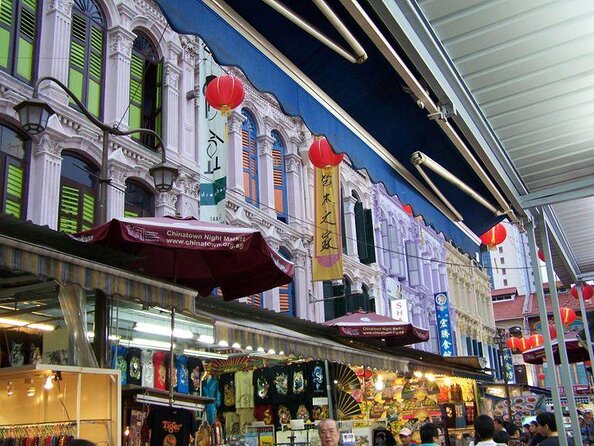
Chinatown gives you a quick lesson in how Singapore works. Chinese foodways sit beside Hindu worship, Buddhist traditions, colonial-era streets, restored shophouses, and hawker-center meals. You are not simply hopping between restaurants. You are seeing how migration and daily life shaped what ends up on the plate.
The tour begins at Bee Cheng Hiang, 69 Pagoda Street. That is a practical meeting point in the middle of Chinatown, and the activity returns there at the end. Since transportation is not included, you need to make your own way to the start and should allow time to find the shop on Pagoda Street.
I like that the route uses Chinatown as a working neighborhood rather than treating it only as a photo stop. The walking connects the food to the buildings and places of worship around it. That matters in Singapore, where a dish often carries a story about language, religion, trade, or family tradition.
The schedule can change because of weather, availability, and other circumstances. That is worth accepting from the start. A food walk built around operating stalls cannot promise the exact same dish every day, but the listed foods give you a clear idea of the style and range.
More Food Walking Tours in the world:
- Reykjavik Food Walk – Local Foodie Adventure in Iceland
★ 5.0 · 18,952 reviews - New Orleans Food Walking Tour of the French Quarter with Small-Group Option
★ 5.0 · 6,118 reviews - Naples: Street Food Walking Tour with Local Guide
★ 4.9 · 4,976 reviews
The first bites: coffee, toast, and traditional snacks
The early tastings introduce you to the kind of food many Singaporeans eat in ordinary settings. Nanyang coffee comes with kaya butter toast, a pairing that is simple but important. The coffee is fragrant, the toast sweet and crisp, and the kaya adds a coconut and egg spread with a buttery finish.
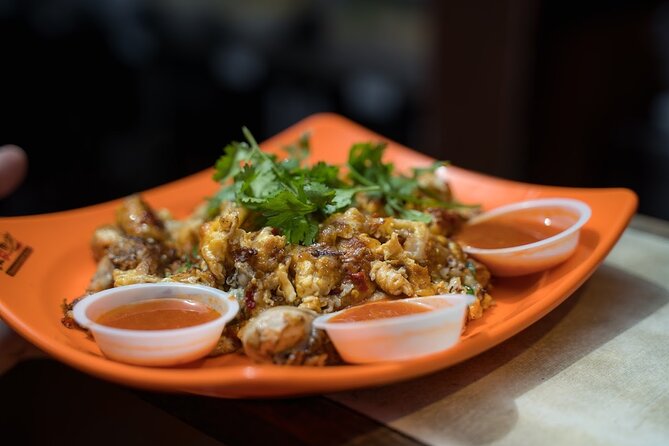
You may also try smoky, tender bak kwa, a barbecued meat delicacy, along with popiah or a golden oyster cake. These are useful first tastes because they show different textures and flavors without asking you to commit to a large plate.
Chwee kueh is another listed stop. These small steamed rice cakes are topped with savory radish. The dish looks modest, but it gives you a feel for the inexpensive, practical food served at hawker centers.
I appreciate this mix because it avoids making the meal only about famous dishes. Chicken rice gets much of the attention, but a good introduction also includes breakfast foods and small snacks you might not order alone. One guide, Paul, was praised for adjusting the food choices to suit personal tastes, though you should not count on every tour having the same substitutions.
Chicken rice and the main hawker-center lesson
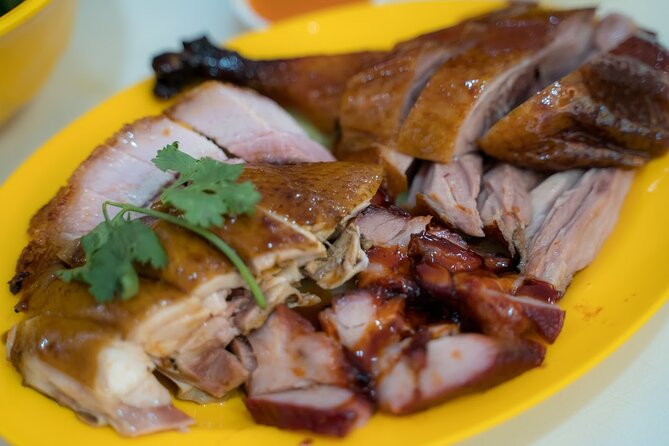
Hainanese chicken rice is the central food stop. It is one of Singapore’s best-known dishes, yet the value of trying it with a guide is not just tasting chicken and rice. You can ask how it fits into local eating habits and why such a plain-looking plate has become an icon.
The tour visits one of Singapore’s largest food centers. This is likely to be the most useful part for first-time visitors who feel unsure about ordering in a hawker hall. You get a look at the setting where people eat quickly, affordably, and with plenty of choice.
The food center stop also helps explain the price. You are paying for more than the retail cost of each sample. The guide handles the choosing and explaining, brings the group through a busy food setting, and adds cultural context. Still, $146 is a substantial charge for a three-hour walk, especially if your main goal is simply to eat a large, inexpensive hawker lunch.
This is where opinions can split. Several food-focused comments describe the portions as plentiful, with one person advising you to arrive with an empty stomach and avoid filling up too early. Another person felt the portions did not add up to a full meal. I would treat it as a tasting tour that may become lunch, not as a guaranteed large banquet.
Prata, thosai, and the tour’s wider food map
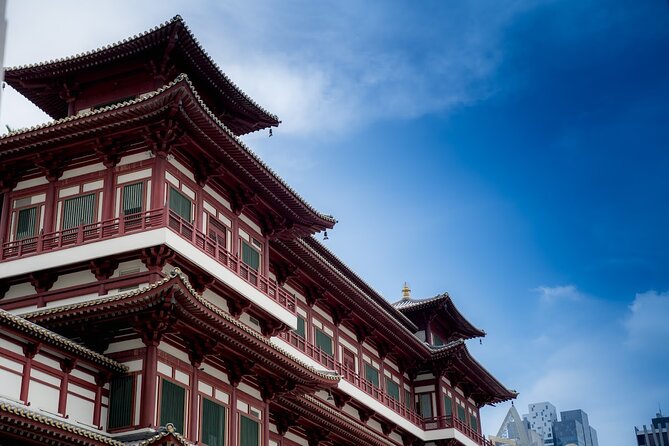
The route also includes fluffy prata or thosai served fresh from the griddle. These foods bring a South Indian influence into a Chinatown tour, which is one of the better reasons to choose this experience over a narrow Chinese-food walk.
That variety reflects Singapore itself. The menu crosses Chinese, Malay, Indian, and broader Southeast Asian food traditions. You get more than a list of dishes. You see how the city’s food identity was built from different communities sharing the same urban space.
The choice between prata and thosai may depend on availability. The menu is subject to change, so you should see the listed foods as a guide rather than a fixed contract. The same applies to the popiah or oyster cake option and the secret dish.
I like the element of surprise, but it makes this tour less suitable if you need a precise menu in advance. Contact the provider before the tour with dietary requirements. Do not wait until the meeting point, since the company specifically asks for advance notice so it can try to accommodate you.
More Market Visits in the world:
- Bangkok: City Highlights Temple and Market Walking Tour
★ 4.5 · 3,990 reviews - Tokyo Tsukiji Fish Market Food and Culture Walking Tour
★ 5.0 · 3,184 reviews - Air Raid Shelter + St. Nicholas Market Walking Tour
★ 5.0 · 1,950 reviews - Tokyo: Tsukiji Fish Market Food and Walking tour
★ 5.0 · 1,724 reviews
Chendol and the sweet finish
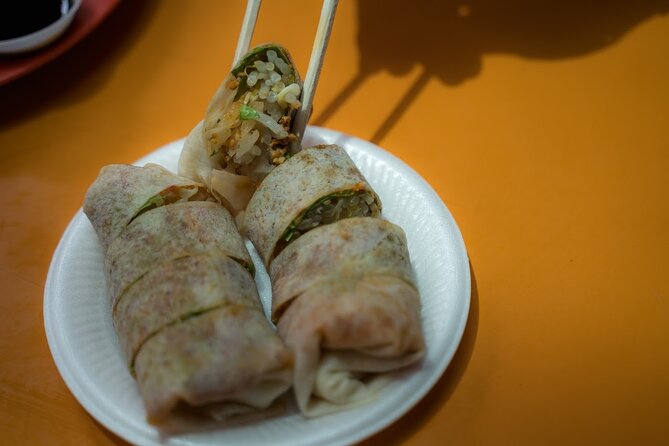
Chendol provides a cold, sweet break toward the end of the tasting route. Coconut and gula melaka give it a creamy, caramel-like profile, while the dessert’s texture makes it unlike a standard ice cream or pudding.
For many people, this is a welcome finish after savory snacks and rice. If you have already eaten before the tour, though, the succession of tastes may feel heavy. The safest plan is to arrive hungry and avoid a large meal beforehand.
Some tour schedules have included durian as a final surprise. It is not listed as a guaranteed inclusion, so do not book solely for that fruit. If it appears, you get a chance to try one of Singapore’s most divisive foods with someone who can explain its place in local eating culture.
Temples, shophouses, and Ann Siang Hill
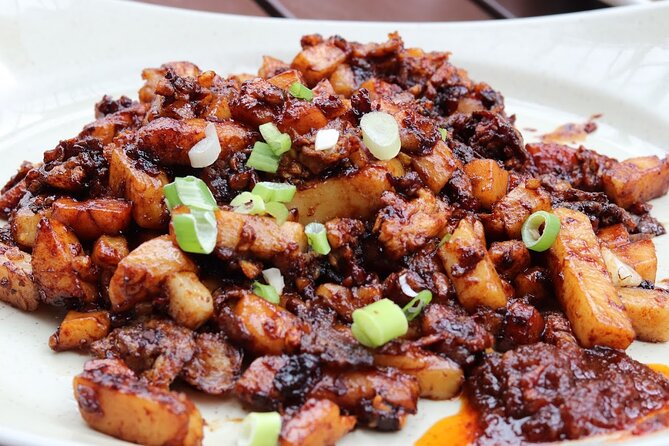
Food is only half the point. The route includes restored shophouses that show how early Chinatown settlers lived, with furnishings and artifacts that make the old streets easier to understand. These buildings are not just attractive facades. They help you picture the cramped, practical spaces behind the shopfronts.
Sri Mariamman Temple is another major stop. Built in 1827, it is Singapore’s oldest Hindu temple, known for its tower covered with deities. Its presence in Chinatown makes the neighborhood’s mixed religious identity clear.
The Buddha Tooth Relic Temple adds a Buddhist counterpoint. It follows a Tang dynasty style, contains religious relics, and includes ornate rooms and a rooftop garden. You may value this stop most if you want a better grasp of the area beyond food stalls.
Ann Siang Hill gives the walk another change of pace. It is a small hill and the name of a one-way road, named after businessman Chia Ann Siang. The stop adds a little street geography and business history to the food route.
A Red Dot Design Museum stop is also included in the stated itinerary. The museum sits along the Marina Bay Waterfront Promenade and represents the international Red Dot Design Award. Because the tour starts and ends in Chinatown and lasts about three hours, the precise timing and order of this stop may vary. I would ask about the current route if the museum is a priority for you.
The cultural stops explain why one person described the experience as more of a cultural tour than a food tour. That is not necessarily a flaw, but it is an important distinction. If you want constant eating with minimal walking, this may feel too broad. If you want food tied to streets, faith, and local life, the balance works better.
The guides make the biggest difference
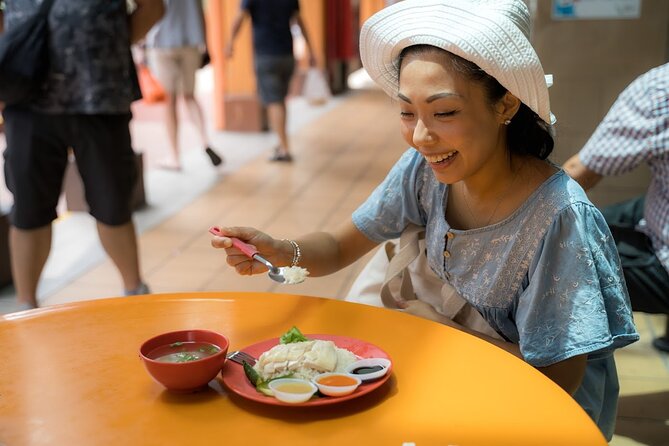
The strongest pattern in the feedback is the guide. Kent, Edwin, Winston, Jag, Natalie, Ronnie, Ronny, Paul, Jeanette, Helen, Kuo Ai, TC, YC, and others are praised for being friendly, clear, funny, and well prepared.
Natalie is especially noted for combining food with Singapore’s past and for keeping the pace comfortable. Ronnie is repeatedly singled out for explaining both food and national history. Edwin is praised for giving some visitors a strong start to their time in Singapore, while Jag receives credit for making the small group feel worth the cost even for someone who had already explored Chinatown alone.
That last point matters. A guide can add value after you have already walked through the neighborhood because the route gives you a reason to stop, taste, and ask questions. You may also try foods you would not have ordered independently.
The maximum group size is 12, and one tour even ran with a single participant. A small group makes it easier to hear the guide and ask about unfamiliar dishes. It also means the experience may feel social rather than private, although a private option is available if you want more control.
How much food do you really get for $146?
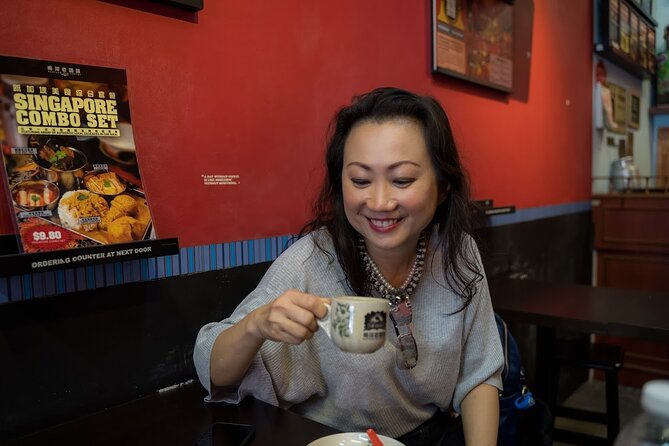
At $146 per person, this is a premium food walk. The included items are substantial in variety: bak kwa, coffee and kaya toast, popiah or oyster cake, chicken rice, prata or thosai, chendol, chwee kueh, a secret dish, local beer, and bottled water.
The price makes more sense if you value the guide, the organization, the walking route, and the cultural explanations. It is less convincing if you compare it only with the price of buying similar hawker dishes yourself. Singapore’s food centers are designed for affordable eating, and independent diners can spend far less.
I would also factor in what you get in practical terms. You do not need to research which stalls to choose, guess at unfamiliar dishes, or build your own route through Chinatown. You get a structured introduction in a small group, with enough food to serve as a meal for many people.
The best approach is to treat the experience as a guided orientation. Use it early in your Singapore stay, learn what you like, then return to the hawker centers on your own. That gives the price more lasting value than a single meal.
Walking, timing, and who should book
The experience lasts about three hours and involves a fair amount of walking. Wear comfortable shoes. You may have seating at some food stops, and one account specifically notes that the route included places to sit for anyone needing a break, but you should not expect to remain seated throughout.
Most people can participate, but the walk still requires enough stamina for several neighborhood stops. It suits curious eaters, first-time visitors, couples, small groups, and anyone who wants help ordering local food.
I would be more cautious if you have strict dietary needs, dislike surprise dishes, or want a large restaurant-style meal. Advance contact about dietary requirements is important, and the menu may change with availability or weather.
You receive confirmation within 48 hours, subject to availability. Free cancellation is available up to 24 hours before the start time. Within 24 hours, the payment is not refunded, and changes are not accepted.
Should you book the Chinatown food tour?
I would book this if you want food and neighborhood context together. The strongest part is the combination of tastings with temples, shophouses, the hawker center, and a guide who can explain what you are eating. The small group and broad menu add real convenience.
I would skip it if your only goal is the cheapest possible hawker meal or if you expect seven large restaurant courses. The price is high, and the menu and portions can vary.
For most first visits, I would schedule it near the beginning of your Singapore stay. Arrive hungry, wear good shoes, tell the provider about dietary needs, and leave room for both familiar favorites and one or two foods you might never order without a guide.
FAQ
How long does the Singapore Chinatown food tour last?
The tour lasts approximately three hours.
How much does the tour cost?
The listed price is $146 per person.
Where does the tour begin?
It begins at Bee Cheng Hiang, 69 Pagoda Street, Singapore 059228.
Where does the tour end?
The activity ends back at the meeting point on Pagoda Street.
What food is included?
The listed tastings include bak kwa, Nanyang coffee with kaya butter toast, popiah or oyster cake, Hainanese chicken rice, prata or thosai, chendol, chwee kueh, and a secret dish. Local beer and bottled water are also included.
Is transportation included?
No. Transportation is not included.
How large is the group?
The maximum group size is 12 people. A private tour option is also available.
Is the menu fixed?
No. The menu and itinerary may change because of location availability, weather, and other circumstances.
Can I cancel for a full refund?
Yes. You can cancel at least 24 hours before the experience start time for a full refund. Cancellations or changes made within 24 hours are not refunded or accepted.
More Shopping Tours in the world
- Tokyo: Tsukiji Fish Market Guided Walking Tour
★ 4.9 · 1,397 reviews - Nishiki Market Brunch Walking Tour (7 Tastings + Brunch)
★ 5.0 · 1,355 reviews - Tsukiji Fish Market Small-Group Food Walking Tour
★ 5.0 · 621 reviews - Kuromon Market Food Walking Tour in Osaka (6 stops, 6 tastes)
★ 5.0 · 550 reviews
Just added around the world
- Fira: Guided Foodie Walking Tour with Tastings★ 4.9 · 474 reviews
- Fez: Guided Walking Tour of the Historic Medina★ 5.0 · 359 reviews
- Fez: Walking Tour in the Ancient City of Fez★ 4.8 · 73 reviews
- Faro: Old Town Guided Walking Food Tour★ 4.9 · 94 reviews
- Feel like a local – Walking Tour in Mykonos Town 2hours★ 4.4 · 77 reviews
- Fes: A Guided Walking Tour Through the Historic Medina★ 4.4 · 97 reviews
- Fez: Half-Day City Private Walking Tour with a Guide★ 4.6 · 114 reviews
- Fanal / Assobiadores – Levada Walk★ 4.6 · 93 reviews
Food Walking Tours, compared.
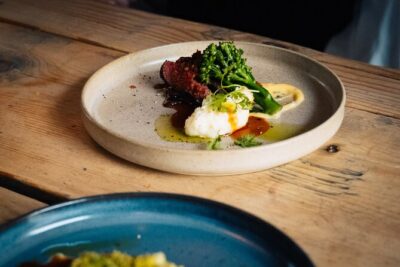
Reykjavik Food Walk – Local Foodie Adventure in Iceland
Read our review →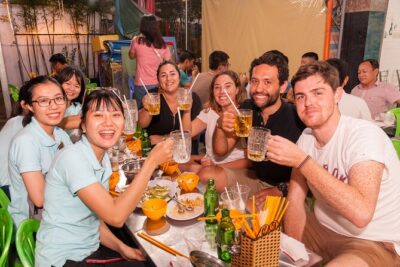
Ho Chi Minh City Street Food Tour & Sightseeing By Motorbike
Read our review →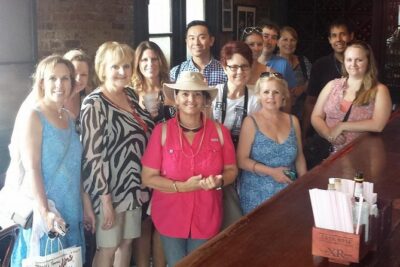
New Orleans Food Walking Tour of the French Quarter with Small-Group Option
Read our review →
Authentic Parisian Gourmet Food Tour with 10 Local Dishes & Wines
Read our review →
Savannah First Squares Culinary & Cultural Walking Food Tour
Read our review →Browse the lists this tour appears in