
REVIEW · TOKYO
Tokyo: Shibuya Highlights Walking Tour & Secret View Spot
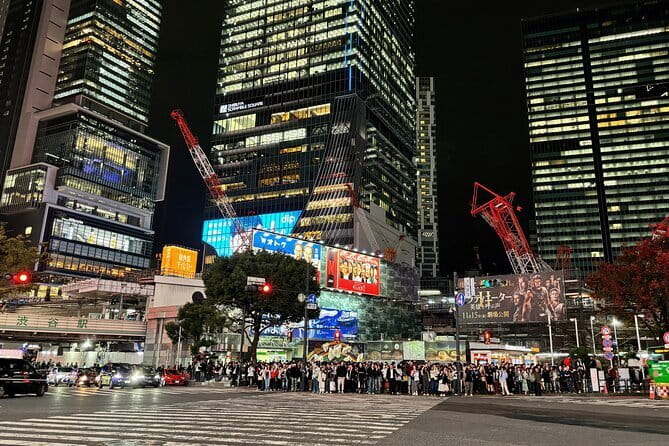
Shibuya Crossing is only the opening act. This 90-minute walk takes you from Hachiko and the famous scramble to small drinking alleys, a rooftop-style urban park, shopping streets, and a useful view of the crossing from above. I especially like the local food recommendations and the way guides such as Mao, Sakura, Ayaka, Noa, and Sota help you make sense of a district that can feel confusing at first.
I also like the easy pace and compact route. You cover a lot without giving up an entire morning, and several guides have helped with photos, train directions, restaurant choices, and basic Japanese customs. The main drawback is that Shibuya is crowded and noisy, so this is not a quiet historical walk. You should also expect a fair amount of standing and walking in all weather.
Key points at a glance
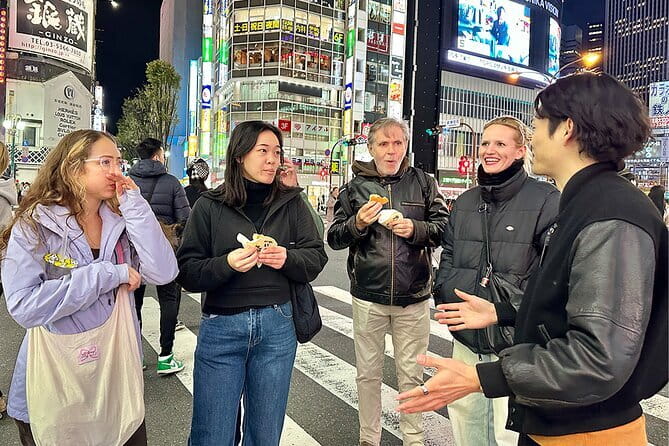
- A quick orientation to Shibuya: Cover the district’s essential sights in 90 minutes, starting beside the Hachiko Gate of JR Shibuya Station.
- The crossing from ground level and above: Walk through Shibuya Crossing, then see it from a higher viewpoint near Shibuya Mark City.
- Local food and nightlife tips: Pass Nonbei Yokocho, Center-Gai, and neon-lit restaurants where guides can suggest places to eat afterward.
- A useful break from the crowds: Spend about 20 minutes at Miyashita Park, an urban retreat popular with younger locals.
- Personal help from a local guide: Guides may take photos, answer questions, explain customs, and help you find your next train or meal.
- Good value for a first visit: At $23 per person, the tour costs less than many paid observation decks while adding local context and orientation.
Why this short Shibuya walk works
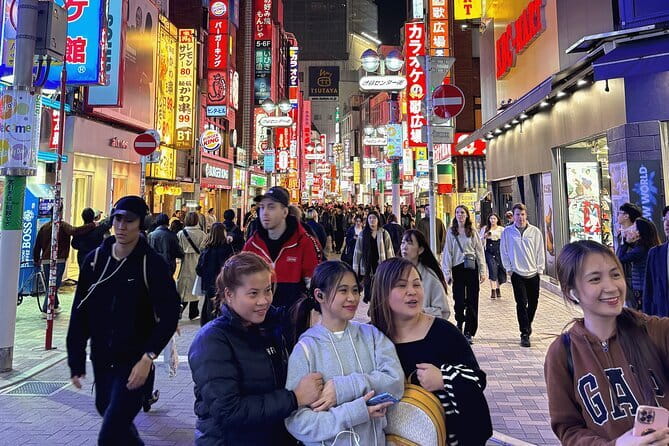
Shibuya can be hard to read when you first arrive. The station has several exits, large department stores surround the roads, and the crowds flow in every direction. This tour gives you a simple route through the area, with a local guide explaining what you are seeing as you go.
The 90-minute length is one of the strongest features. You get an introduction rather than an exhausting full-day commitment. I would book it near the start of your Tokyo stay, especially if Shibuya is unfamiliar. The walk can help you decide where to return for shopping, dinner, photos, or nightlife.
The emphasis is not only on famous landmarks. You will see the places most people come to Shibuya for, but you will also pass narrow streets and less obvious corners. Guides have pointed out ramen spots, monjayaki restaurants, shopping areas, and places to photograph the crossing without waiting in a long line.
This is a guided orientation, not a formal lecture. The best part is the chance to ask practical questions as you walk. You can ask what to order, where to eat, how to use the train system, or which nearby area fits your interests.
More City Highlights Walks in Tokyo:
- Tokyo: Shibuya Highlights Walking Tour
★ 4.8 · 601 reviews - Berlin City walk Government District and Places of Democracy
★ 4.7 · 8,467 reviews - Historic Charleston Guided Sightseeing Walking Tour
★ 5.0 · 6,216 reviews
Meeting beside Hachiko Gate
The walk begins in front of SHIBU HACHI BOX, close to JR Shibuya Station’s Hachiko Gate and Tokyo Metro Exit A8. The address is 2-1-1 Dogenzaka, Shibuya-ku, Tokyo 150-0043.
This is a sensible meeting point because Hachiko is one of the easiest landmarks to find near the station. Still, the station area is crowded, and one person specifically found the guide difficult to spot. Look for the guide holding a Local Guide Stars sign, and give yourself extra time to get out of the station.
Your guide may be from the regular team, with names including Mao, Sakura, Hannah, Sota, Ayaka, Noa, Tomo, or Yuki appearing among past departures. The assigned guide can vary, but the useful pattern is clear: you are getting a local host who can talk about Shibuya and help with everyday questions.
Hachiko and the first look at Shibuya
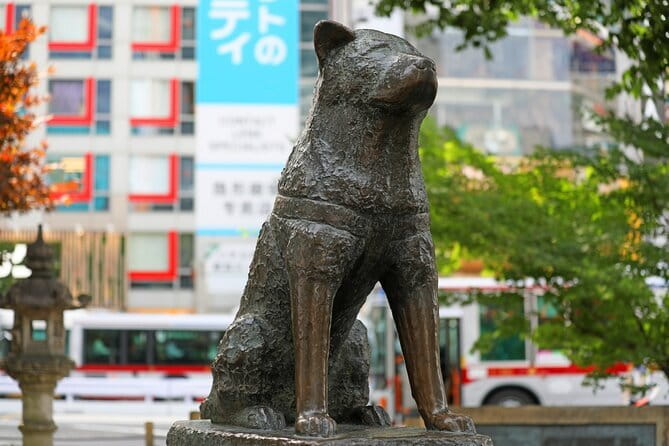
The Hachiko statue is more than a meeting point. It introduces one of Shibuya’s best-known stories and gives the guide a natural way to explain how the area became a major social and transport center.
Expect a short stop rather than a long museum-style talk. You will hear about Hachiko, the neighborhood, and the role of the station before moving into the main flow of Shibuya.
This is also a good time to ask your guide for a group photo. Several guides have offered to take pictures during the walk, which is useful when you are traveling alone or want everyone in the frame.
Crossing Shibuya Crossing
The walk across Shibuya Crossing is the tour’s signature moment. When the signals change, pedestrians move across the broad intersection from several directions at once. It is a fast, noisy, highly visual introduction to modern Tokyo.
You do not need to spend long here for the experience to work. The crossing itself takes only a few minutes, while the guide helps you understand the surrounding streets and landmarks. On a busy day, stay close to the group and follow the guide’s instructions.
The crossing is also one of the places where a local guide adds real value. You can cross it alone, of course, but it is harder to know where to go next or where to get a better view. Guides have shown participants photo spots from above and helped take pictures in the middle of the action.
Do not expect a calm photo session. The area is crowded, and stopping in the main flow can block other pedestrians. The best approach is to enjoy the crossing first, then take photos from the edge or a higher viewpoint.
A few more walking tours around Tokyo worth a look
- Tokyo Tsukiji Fish Market Food and Culture Walking Tour
★ 5.0 · 3,184 reviews - Tokyo: Imperial Palace and Shogun Historical Walking Tour
★ 5.0 · 2,251 reviews - Tokyo: Shinjuku Local Bar and Izakaya Guided Walking Tour
★ 4.9 · 1,794 reviews - Tokyo: Tsukiji Fish Market Food and Walking tour
★ 5.0 · 1,724 reviews
Shibuya Scramble Square and the view from above
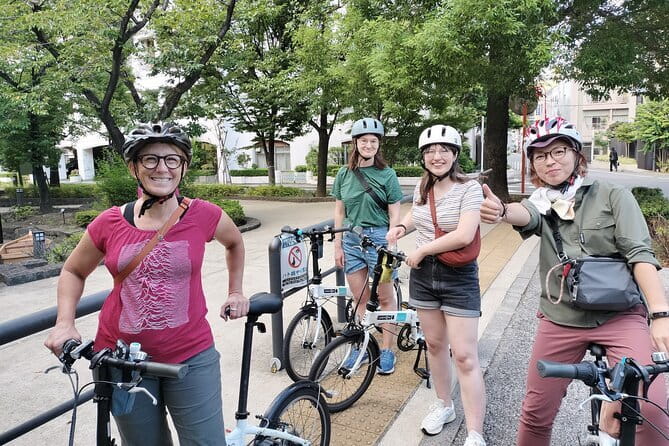
The route includes Shibuya Scramble Square, where you get a different angle on the district. A view from above lets you see the crossing as a moving pattern rather than a wall of people at street level.
The activity description calls attention to a secret view spot, and the route includes a higher look near Shibuya Mark City. The exact viewpoint may depend on the guide and current access, so do not treat this as a guaranteed visit to a ticketed observation deck.
That distinction matters for budgeting. The $23 price does not include an observation deck ticket, food, drinks, or transport. Still, the included viewpoint can be a strong value if you want a good photo without paying separately for a major attraction.
This stop also helps you understand Shibuya’s layout. From street level, the district can seem like one continuous wall of signs and shops. From above, the station, crossing, roads, and buildings make more sense.
Nonbei Yokocho and the smaller side of Shibuya

Nonbei Yokocho, often called Drunkard’s Alley, brings you close to a very different side of the district. Its narrow lanes and small eateries contrast with the large signs, department stores, and wide pedestrian spaces around the crossing.
The stop is brief, about 10 minutes, so you are mainly looking, listening, and getting suggestions rather than sitting down for a meal. Food and drinks are not included, and the tour does not turn into a restaurant crawl.
That is actually helpful. You can note down places that appeal to you and return later when you have time to eat. Ask your guide for recommendations suited to your budget or preferred food. Past guides have offered ideas for ramen, monjayaki, and other local meals.
Nonbei Yokocho also gives the tour a bit more character. Shibuya is often reduced to shopping and neon, but these compact lanes show how different kinds of city life sit close together.
Miyashita Park, a pause above the streets
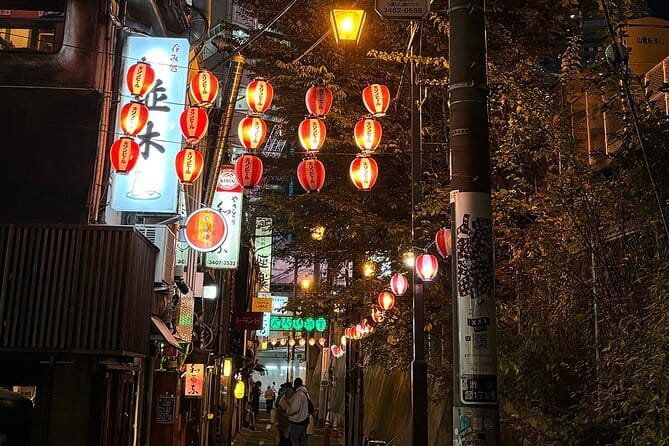
The tour spends about 20 minutes at Miyashita Park, one of the longer stops. This elevated public space gives you a break from the traffic and tight sidewalks around the station.
The park is popular with younger people and works well as a meeting place, rest area, and social space. It is not a traditional Japanese garden, so do not come expecting ponds, temples, or carefully arranged rocks. Its appeal is urban and modern.
I like this stop because it gives the route some breathing room. Shibuya can feel intense when you move from crossing to crossing. Miyashita Park lets you pause, ask questions, and watch local life at a slower speed.
In hot weather, this section may feel easier than walking continuously on exposed streets. One guide was praised for moving between air-conditioned places and outdoor areas during summer, which shows how much the pace can depend on the day and the person leading your group.
Center-Gai and Shibuya after dark
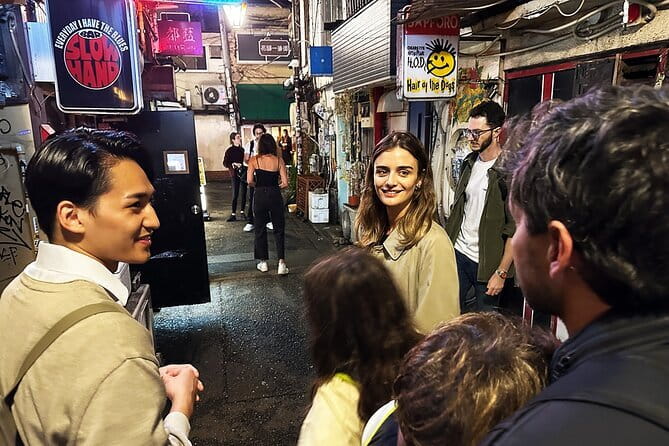
Center-Gai is the commercial heart of the walk. Its signs, restaurants, bars, clothing shops, and constant foot traffic show why Shibuya is associated with youth culture and late-night energy.
A daytime visit gives you a clearer look at shops and street design. An evening departure adds glowing signs and more nightlife activity. The route runs rain or shine, so bring an umbrella or raincoat if the forecast is poor.
Do not expect a silent or polished district here. Center-Gai can be loud, packed, and a little overwhelming. That is part of the point, but it may not suit you if you dislike crowds or have difficulty keeping up on busy sidewalks.
This is a good section for cultural questions. Guides have explained Japanese etiquette, food choices, local habits, and the way young people use the district. You are not simply looking at signs. You are getting help reading what the street means.
Shibuya Mark City and the route back
The final part passes Shibuya Mark City before returning to SHIBU HACHI BOX. This area connects the shopping district with the station and provides another chance to see Shibuya from above or from a less obvious angle.
The stop lasts about 20 minutes, which gives your guide time to tie the route together. You may revisit the best photo opportunities, ask for food suggestions, or get help planning your next stop.
Several guides have helped participants navigate trains after the walk. That is especially useful because Shibuya Station can be confusing even when you know the city well. If you need to continue to another neighborhood, ask your guide before saying goodbye.
The tour ends where it began, which makes it easy to collect your bearings and continue independently. You will not be taken back to your hotel, and transport is not included.
What the $23 price really buys you
At $23 per person, this is a modestly priced guided walk for central Tokyo. The value is not in included attractions, since there are no food, drink, or transport costs covered. The value comes from the route, the time saved, the local explanations, and the practical help you can get along the way.
You could visit Hachiko, the crossing, Center-Gai, Miyashita Park, and the station area on your own. The challenge is knowing how these places connect and where to find the better viewpoints. A good guide can save you that trial and error.
The price is strongest for first-time visitors, solo travelers, families, and anyone who wants an easy introduction before exploring alone. It is less useful if you already know Shibuya well or only want a dedicated photography session.
The tour also has free cancellation up to 24 hours before departure, and you can reserve now and pay later. Those terms help if your Tokyo schedule is still changing.
Pace, access, weather, and group comfort
The advertised duration is 90 minutes, with stops ranging from 10 to 20 minutes. You should expect continuous city walking, street crossings, and periods of standing. Wear comfortable shoes and keep your belongings secure in crowded areas.
The activity is listed as wheelchair accessible. Shibuya’s crowds and changing street conditions can still affect the ease of movement, so tell the operator about your needs when booking if you require extra assistance.
The walk takes place in rain or sunshine. Tokyo rain can make station exits, crossings, and narrow lanes harder to manage, so carry an umbrella or raincoat. On hot days, the outdoor sections may feel demanding, although the route includes indoor and shaded opportunities depending on the guide.
The guides speak English or Japanese. English ability has been praised repeatedly, and guides such as Sota, Noa, Mao, Sakura, and Ayaka have been singled out for clear explanations, friendly conversation, local tips, and help with photos.
Who should book this Shibuya tour
I would choose this walk if you have just arrived in Tokyo and want to get your bearings fast. It covers the famous sights but also gives you ideas for later meals, shopping, and independent exploring.
It suits families because the route is short and varied. It also works well for solo visitors, since the guide can take photos and make the crowded district feel less intimidating.
You may want to skip it if you prefer a slow, quiet cultural walk. Shibuya is a noisy modern district, and this experience focuses on streets, shops, food areas, views, and local life rather than temples or museums.
Should you book it?
Book this tour if you want a friendly introduction to Shibuya, a few good photo angles, and practical help from someone who knows the area. The combination of Hachiko, the crossing, Miyashita Park, Nonbei Yokocho, Center-Gai, and a higher viewpoint gives you a useful first look for $23.
I would schedule it early in your Tokyo visit and keep the rest of the day flexible. Use the guide’s restaurant and shopping suggestions afterward, then return to the corners that caught your eye. If you want a quiet, slow walk or already know Shibuya, spend the money elsewhere.
FAQ
How long does the Shibuya walking tour last?
The tour lasts 90 minutes.
What is the meeting point?
Meet in front of SHIBU HACHI BOX near JR Shibuya Station’s Hachiko Gate and Tokyo Metro Exit A8.
What address should I use for the meeting point?
The address is 2-1-1 Dogenzaka, Shibuya-ku, Tokyo 150-0043, Japan.
How will I identify the guide?
The guide will be waiting with a Local Guide Stars sign.
Which languages are available?
The tour is available in English and Japanese.
Is Shibuya Crossing included?
Yes. The route includes a visit to Shibuya Crossing for about 10 minutes.
Does the tour include food or drinks?
No. Food and drinks are not included.
Is transportation included?
No. Transportation, hotel pickup, and hotel drop-off are not included.
Is the tour wheelchair accessible?
Yes, the activity is listed as wheelchair accessible.
What happens if it rains?
The tour runs rain or shine. Bring an umbrella or raincoat if rain is expected.
Just added around Tokyo
- Tokyo: Tsukiji Market Walking Tour & Sushi Cooking Class★ 4.6 · 122 reviews
- Tokyo:Stroll in Old traditional culture towns~Yanaka & Nezu★ 4.9 · 186 reviews
- Tokyo: Shinjuku Bar Hopping & Night Walking Tour★ 4.6 · 137 reviews
- Tokyo: Shinjuku Nightlife & Secret Backstreets Walking Tour★ 4.8 · 229 reviews
- Tokyo: Shibuya Crossing & Hidden Streets Walking Tour★ 4.8 · 128 reviews
- Tokyo: Meiji Shrine Walking Tour — Shinto & Imperial System★ 4.9 · 266 reviews
- Tokyo: Private Custom Walking Tour with Local Guide★ 4.9 · 350 reviews
- Tokyo: Kimono Dressing, Walking, and Photography Session★ 4.9 · 427 reviews
City Highlights Walking Tours, compared.
Berlin City walk Government District and Places of Democracy
Read our review →
Historic Charleston Guided Sightseeing Walking Tour
Read our review →
Oxford: University and City Walking Tour with Alumni Guide
Read our review →
City Highlights Temple and Market Walking Tour
Read our review →
A History of Terror – Belfast City Centre Walking Tour
Read our review →Browse the lists this tour appears in