
REVIEW · TOKYO
Tokyo: Kimono Dressing, Walking, and Photography Session
Tokyo’s Yanaka district gives this kimono experience a more personal feel than a busy costume rental street. Sayoko dresses you in a real silk kimono, teaches you how to walk and behave in it, and takes you to a local shrine for photographs and a lesson in prayer.
I like the choice of about 50 kimonos or yukata, made available for selection before your visit. I also like the quiet route, the upcycled kimono umbrella, and the fact that Sayoko takes plenty of photos with an iPhone 14 Pro. The main consideration is comfort: summer heat, hills, stairs, and the snug kimono layers can make the outing tiring.
Key points to know before booking
- Real silk clothing: Choose from about 50 traditional kimonos in winter or cotton yukata in summer.
- Yanaka walking route: The tour uses quiet streets and leads to a scenic shrine away from Tokyo’s busiest photo spots.
- Practical etiquette lesson: Learn how to walk, sit, handle the kimono, and pray at a Japanese shrine.
- Many photos included: Sayoko usually shoots with an iPhone 14 Pro, and large groups of photos are provided.
- Optional upgrades: Professional photography costs an extra JPY 13,000. Hair, makeup, and tea ceremony services are also available for an added fee.
- Rain or shine: The tour runs in wet weather and includes a plastic umbrella if needed.
Why Yanaka is a smart place for a kimono walk
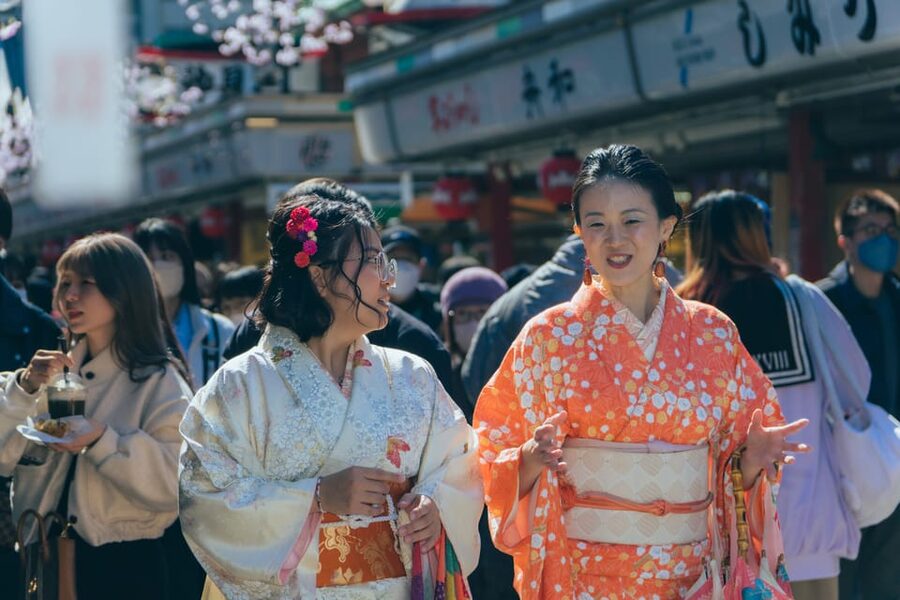
Yanaka feels different from Tokyo’s giant commercial districts. It is known for older streets, local religious sites, and a slower pace. That makes it a good setting for wearing formal Japanese clothing without spending the whole outing dodging crowds.
The meeting point is about a five-minute walk from Sendagi Station. After booking, Sayoko sends exact directions and photos by email or WhatsApp, so check your inbox and spam folder. The experience ends back at the same meeting point.
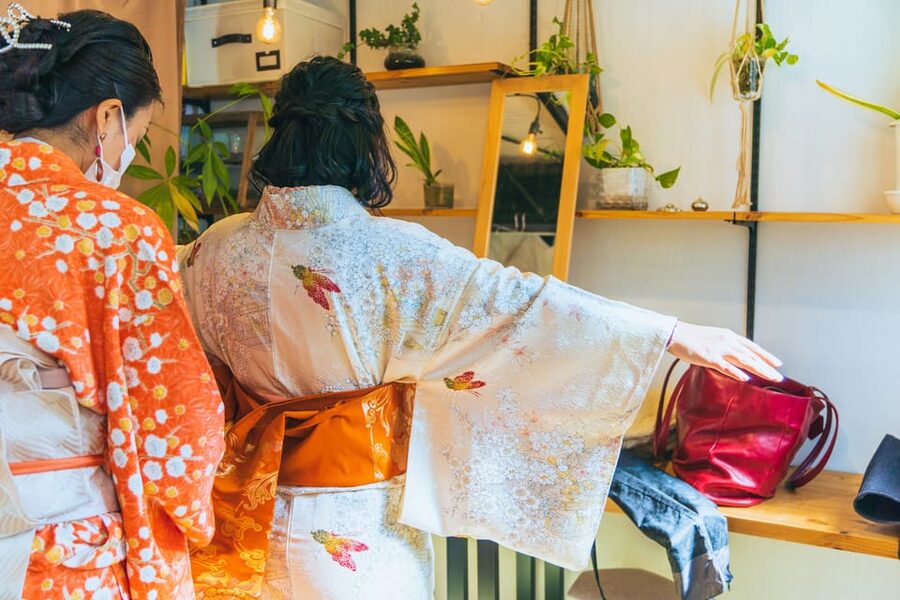
You get dressed at Sayoko’s home, which gives the first part of the visit a more intimate, traditional Japanese setting. This is not a quick rental counter where you are handed a costume and sent away. The dressing itself is part of the experience, and Sayoko explains what she is doing as she helps you into the layers and accessories.
The home setting does mean you should arrive ready to follow instructions and allow time for the dressing process. The supplied information does not give a fixed duration, so ask Sayoko about the expected schedule if you need to connect this activity with another booking.
More Photo Walks in Tokyo:
- Los Angeles: Hollywood Sign Walking and Pictures Tour
★ 4.9 · 1,095 reviews - NYC Professional Photoshoot and Walking Tour with Private Guide
★ 5.0 · 608 reviews - LA: Express Hollywood Sign Guided Walking Tour with Photos
★ 4.9 · 310 reviews
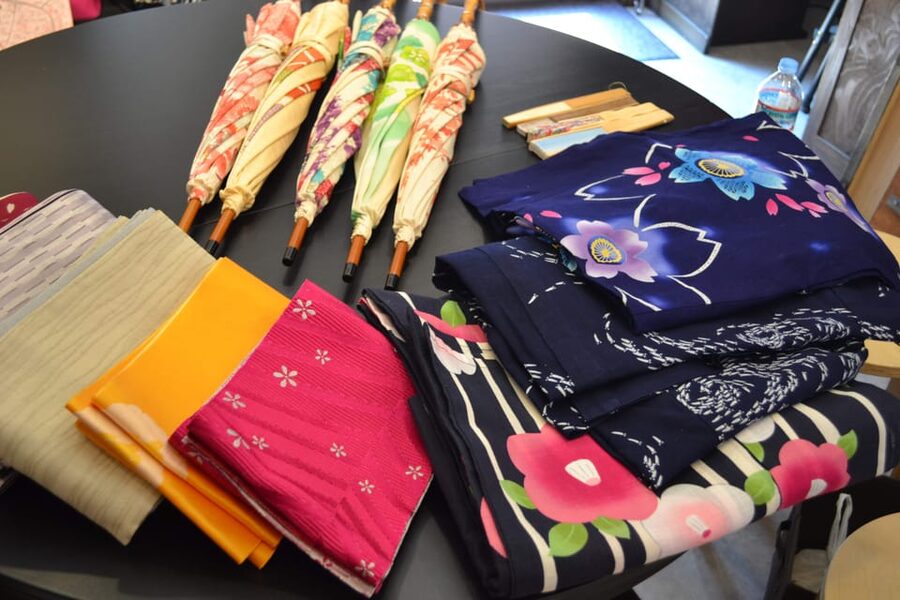
Selecting a silk kimono before your visit
You choose your kimono by the day before the tour. Sayoko contacts you within 12 hours of booking, using email or WhatsApp, to help you select from more than 50 kimonos or yukata. Reply promptly, since your choice needs to be confirmed before the day itself.
In winter, you wear a kimono. In summer, you wear a yukata, the lighter cotton garment commonly associated with warm-weather festivals and casual seasonal dress. The key point is that the clothing is presented as authentic, traditionally made, and in many cases silk, rather than a basic costume designed only for a quick photograph.
You also get the necessary accessories and an AKIZAKURA umbrella made from upcycled kimono fabric. It is a useful prop for photographs, but it also reflects the provider’s interest in reusing older textiles. If rain arrives, the included plastic umbrella protects you and the kimono, though it will not have the same visual charm as the decorative umbrella.
When choosing, consider color and comfort together. A bold pattern may photograph well, but you will also be walking, sitting, and climbing during the outing. Ask Sayoko about fit, fabric, and suitable choices if you have any concerns about heat or movement.
What getting dressed is really like
Kimono dressing is not simply putting on a robe and tying a belt. The clothing has to sit correctly, and the layers affect how you move. Sayoko guides you through the process and helps arrange the accessories so the final outfit looks polished.
This is one of the strongest parts of the activity. You learn why movement changes in a kimono instead of only posing in one for five minutes. You are shown how to take smaller steps, manage the fabric, sit down carefully, and avoid grabbing or scrunching the garment.
The dressing can take patience, especially for a group. Everyone attending must be booked and charged, even if someone does not plan to wear a kimono. Children under two are the exception. That rule matters for families who want one person to join only as an observer.
Hair and makeup are not included in the $67 price. Sayoko can arrange professional services for an extra charge. Several visitors found these additions worthwhile for a more formal portrait, particularly when booking a professional photographer and tea ceremony as well.
You do not need to add every option to enjoy the outing. The standard package already includes clothing, accessories, the umbrella, and the iPhone photography. The extras make most sense if you are marking a major occasion or want a polished portrait session rather than a cultural afternoon with photographs.
Learning to walk, sit, and pray
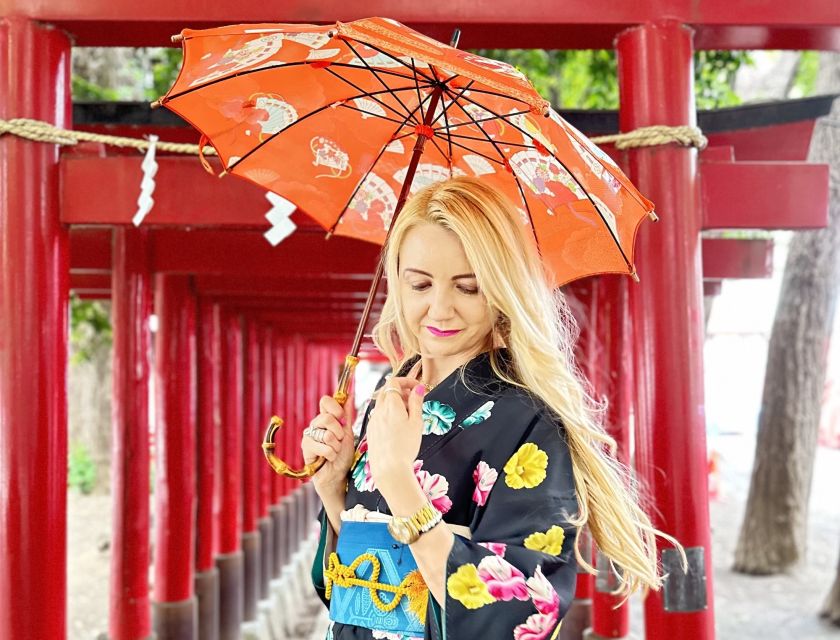
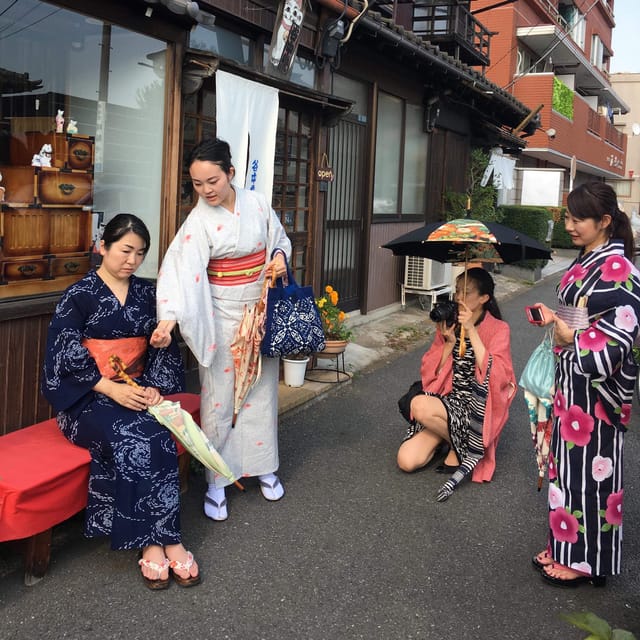
Once dressed, you walk through the Yanaka area with Sayoko. She shows you how to carry yourself in the kimono, how to sit, and how to behave while moving through public places. These small lessons give the clothing meaning and help you avoid feeling like you are simply wearing a costume.
The route leads to a shrine or temple area with scenic spots for photographs. The exact site can vary with the outing, and the supplied descriptions refer to a beautiful nearby shrine and, in one account, a temple visit. The important point is the setting: you leave the dressing location and walk through an older part of Tokyo to a religious site.
At the shrine, Sayoko explains the basic way to pray and make a wish. You may learn when to bow, how to approach the worship space, and how clapping fits into the ritual. This is a short cultural lesson, not a full religious tour, but it gives context to the photographs and helps you behave respectfully.
The quieter setting is a major advantage over the most famous kimono districts. You can pose without the same level of crowd pressure found at popular photo locations. You may also have time to explore local food and shopping around Yanaka after the session, though those costs are your responsibility.
A few more walking tours around Tokyo worth a look
- Tokyo Tsukiji Fish Market Food and Culture Walking Tour
★ 5.0 · 3,184 reviews - Tokyo: Imperial Palace and Shogun Historical Walking Tour
★ 5.0 · 2,251 reviews - Tokyo: Shinjuku Local Bar and Izakaya Guided Walking Tour
★ 4.9 · 1,794 reviews - Tokyo: Tsukiji Fish Market Food and Walking tour
★ 5.0 · 1,724 reviews
The photography session with Sayoko
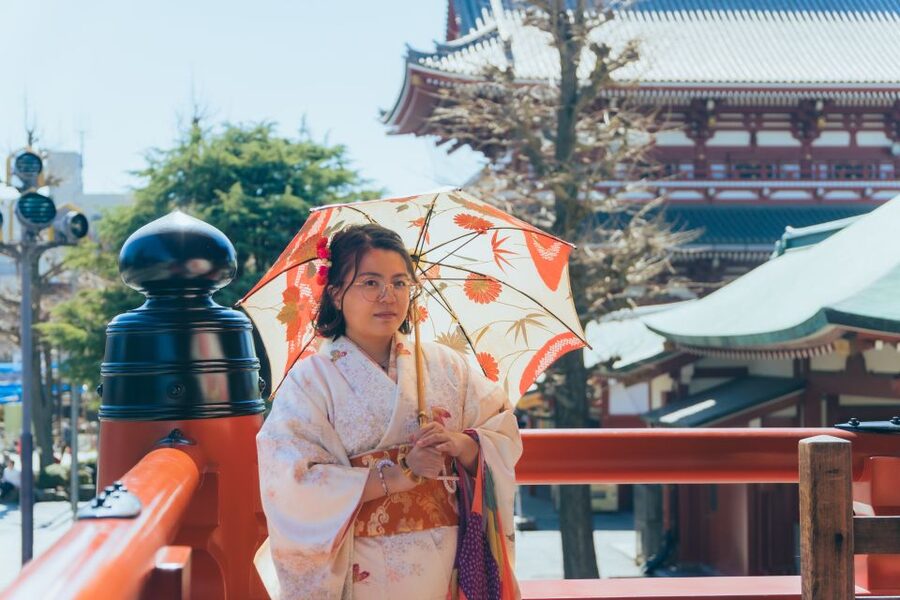
Sayoko usually takes the photographs with an iPhone 14 Pro. That might sound modest beside a professional camera package, but the quality depends as much on timing, composition, and direction as on equipment. The experience places strong emphasis on her ability to find good backgrounds and guide your poses.
She may suggest how to stand, where to look, and how to hold the umbrella. If you are uncomfortable in front of a camera, this direction helps. You can also check photos as you go, allowing you to approve the results before moving to the next spot.
Expect many images rather than a few formal portraits. One group received more than 230 photos, while another received about 190. The exact number is not guaranteed, but the approach is generous. The photographs are intended to give you a wide selection of poses and expressions.
This also works well for solo visitors. You do not need a partner or group to make the session worthwhile. Sayoko can direct you through the poses and keep the atmosphere relaxed, even if you are not used to having your picture taken.
The included photos are made with a phone. A professional photographer can be arranged for an additional JPY 13,000. If the photographs are the central reason for booking, that upgrade may be sensible. If you mainly want cultural instruction and personal memories, the standard photography is likely enough.
Rain, heat, stairs, and other practical realities
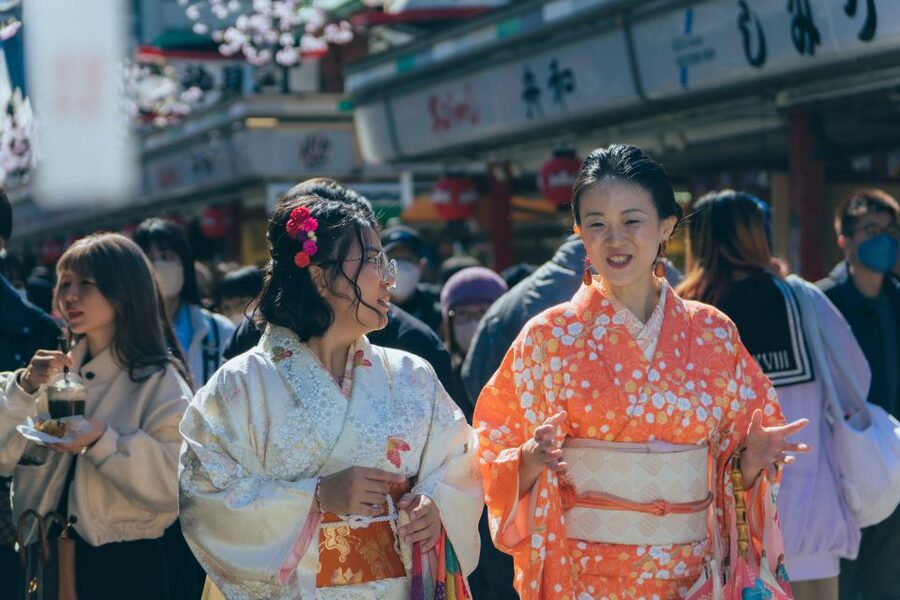
The tour runs rain or shine. A plastic umbrella is supplied in wet weather, and the route can still produce good photographs in rain. Reflective streets and shrine grounds can create a different mood, but bad weather may make the walk less comfortable.
Summer heat deserves serious thought. A kimono or yukata, walking, and humidity can be tiring. One outing took place in extreme heat, and Sayoko adjusted the pace. Still, you should not book this as a carefree air-conditioned activity. Wear suitable underlayers, drink water before and after, and leave enough time so you do not have to rush.
There are also stairs and a hill on the route. One reported arrangement included four flights of stairs at the dressing and tea ceremony location, plus a hill on the way to the shrine. The exact route may vary, but anyone with knee or leg problems should ask Sayoko about the current access details before booking.
You should wear shoes that are easy to manage and comfortable for walking. The experience is not a long-distance hike, but kimono footwear and altered stride can make a short walk feel longer than expected.
What the $67 price includes
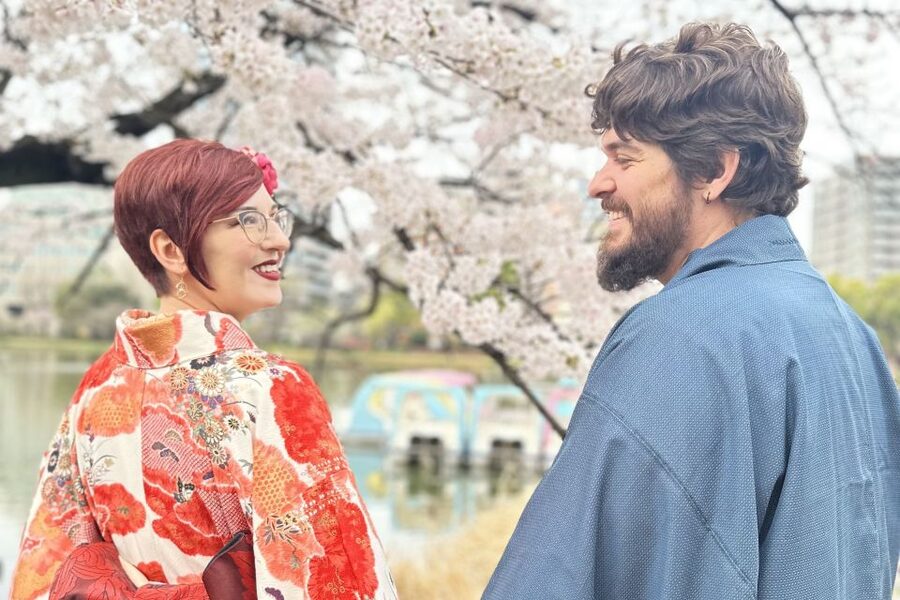
At $67 per person, the standard package includes:
- A kimono in winter or yukata in summer
- All required kimono accessories
- Use of the AKIZAKURA kimono upcycling umbrella
- Photography with an iPhone 14 Pro
- A plastic umbrella if it rains
Food and drinks during the walk are not included. Hair, makeup, tea ceremony, and professional photography cost extra.
I consider the price fair if you want more than a rental. You receive clothing, dressing assistance, cultural instruction, a walking route, shrine etiquette, and a large set of photographs. A cheaper rental may give you a garment and a few minutes of posing, but it may not teach you how to move in it or explain the customs connected with the setting.
The value is strongest for couples, families, and solo visitors who want one planned cultural activity with a personal guide. It is less compelling if your only goal is to wear a kimono briefly and take a single portrait.
The high rating of 4.9 from 427 reviews supports the idea that the experience is consistently well received, especially for Sayoko’s kindness, communication, photography, and cultural explanations. Even so, remember that the price does not include the more polished hair, makeup, or camera package shown in some of the most elaborate sessions.
Who will enjoy this most
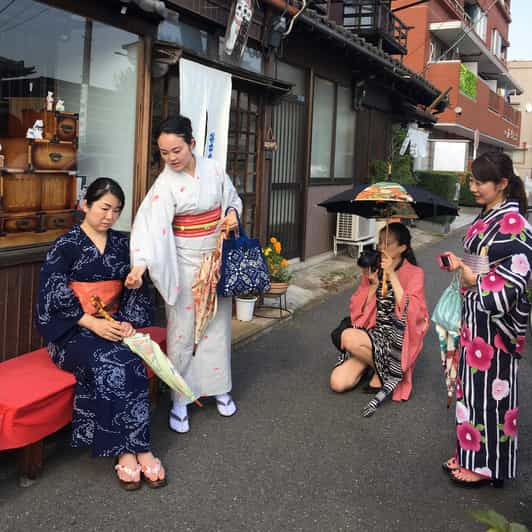
I would recommend this to first-time visitors who want an introduction to Japanese clothing and shrine etiquette without joining a large group. It also suits parents and adult children, couples, and solo visitors who want photographs with a quieter Tokyo setting.
It is a good choice if you prefer local streets to major sightseeing crowds. The walk gives you time to notice the area, not just pose against a backdrop and return to the station.
Families should book every person attending, even if someone will not dress. The activity can work well for children old enough to follow instructions, but the kimono layers, stairs, and walking pace may be less suitable for very young children. Children under two do not incur a charge.
You should think twice if you dislike posed photographs, struggle with stairs, or plan to schedule a demanding activity immediately afterward. A kimono changes your pace, and the dressing process deserves unhurried attention.
How to get the most from the afternoon
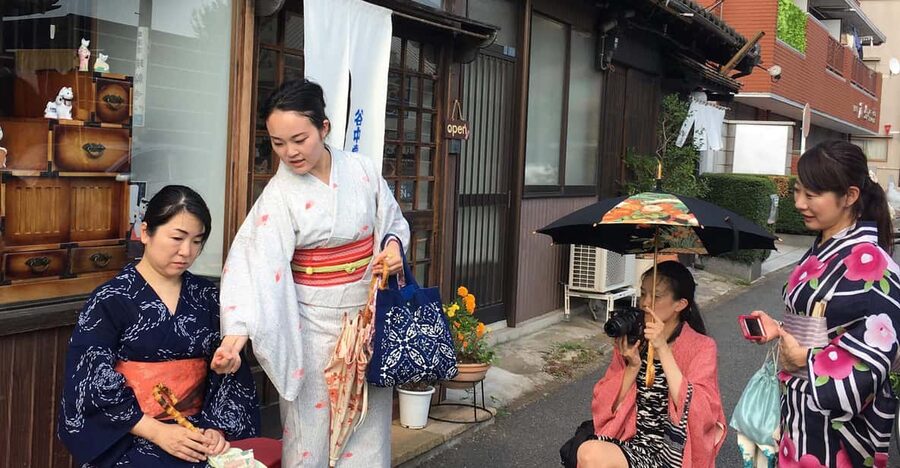
Reply quickly when Sayoko sends the kimono choices. Your selection must be made by the day before, and early communication gives you more time to discuss fit, color, hair, makeup, or photography upgrades.
Decide in advance how important the final images are. Choose the standard iPhone session for a relaxed cultural activity and plenty of memories. Add the professional photographer if you want a more formal portrait set. Hair and makeup can make a clear difference for special occasions, but they are not necessary for the basic experience.
Keep your schedule open around the booking. The supplied information does not state a fixed duration, and dressing, walking, shrine visits, and photographs can take more time than a quick rental session.
Bring patience, especially in hot or wet weather. Let Sayoko set the pace, follow her instructions about handling the garment, and treat the shrine visit as a cultural moment rather than only a photo stop.
Should you book the AKIZAKURA kimono experience?
Book it if you want real clothing, personal instruction, and photographs in a quieter Tokyo neighborhood. The strongest reasons are the choice of silk kimonos, Sayoko’s hands-on guidance, the shrine etiquette lesson, and the large number of images included at the base price.
Skip it if you want a fast, low-cost costume rental, dislike being photographed, or need a fully step-free outing. For everyone else, this offers a thoughtful way to spend an afternoon in Yanaka, with enough cultural detail to make the kimono feel like more than a photo prop.
FAQ
Where does the kimono experience begin?
It begins at a meeting point about a five-minute walk from Sendagi Station. After booking, Sayoko sends more detailed directions and photographs by email or WhatsApp.
Where does the activity end?
The activity ends back at the original meeting point.
Which clothing can I wear?
You can wear a kimono in winter or a yukata, which is a summer cotton kimono, in summer. You can choose from more than 50 options.
When do I choose my kimono?
You must choose your kimono or yukata by the day before the activity. Sayoko contacts you after booking to help with the selection.
Is the kimono made from real silk?
The experience provides authentic kimonos made from silk and produced in a traditional way. Summer participants wear cotton yukata.
What photography is included?
Photography with an iPhone 14 Pro is included. A professional photographer can be arranged for an additional JPY 13,000.
Are hair and makeup included?
No. Professional hair and makeup can be added for an extra fee.
Is a tea ceremony included?
No. A tea ceremony is an optional extra service and is not included in the $67 base price.
Does the activity run in bad weather?
Yes. The activity takes place rain or shine. A plastic umbrella is provided if it rains.
Just added around Tokyo
- Tokyo: Tsukiji Market Walking Tour & Sushi Cooking Class★ 4.6 · 122 reviews
- Tokyo:Stroll in Old traditional culture towns~Yanaka & Nezu★ 4.9 · 186 reviews
- Tokyo: Shibuya Crossing & Hidden Streets Walking Tour★ 4.8 · 128 reviews
- Tokyo: Shinjuku Bar Hopping & Night Walking Tour★ 4.6 · 137 reviews
- Tokyo: Shinjuku Nightlife & Secret Backstreets Walking Tour★ 4.8 · 229 reviews
- Tokyo: Meiji Shrine Walking Tour — Shinto & Imperial System★ 4.9 · 266 reviews
- Tokyo: Private Custom Walking Tour with Local Guide★ 4.9 · 350 reviews
- Tokyo: Shibuya Highlights Walking Tour & Secret View Spot★ 4.9 · 196 reviews
Walking Tours, compared.

Magical London: Harry Potter Guided Walking Tour
Read our review →
Reykjavik Food Walk – Local Foodie Adventure in Iceland
Read our review →
History and Hauntings of Salem Guided Walking Tour
Read our review →
New Orleans Premier Ghost, Voodoo and Vampire Walking Tour
Read our review →
Amsterdam Anne Frank: Small-Group Walking Tour & Local Guide
Read our review →

Edinburgh Castle: Guided Walking Tour with Entry Ticket
Read our review →
Anne Frank’s Story – Guided Walking Tour through Amsterdam
Read our review →Browse the lists this tour appears in