
REVIEW · TOKYO
Tokyo: Imperial Palace Japanese History Walking Tour
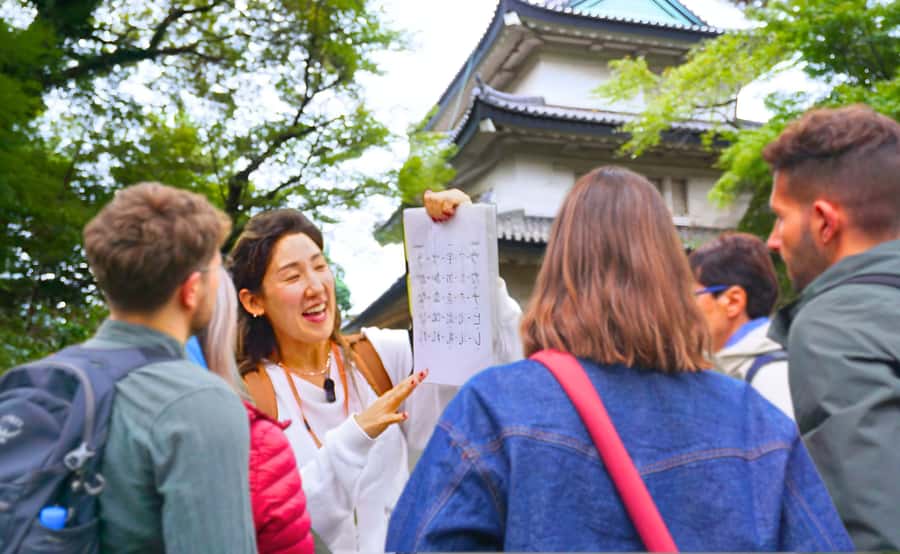
Tokyo’s Imperial Palace East Gardens tell a remarkable story: the site once held Edo Castle, the seat of the shogun, and later became part of the Emperor’s palace grounds. This two-hour walk connects castle ruins, samurai customs, Edo politics, and modern Tokyo in a way that makes the city’s past easier to follow.
I like the interactive guides, who explain the old order of farmer, samurai, daimyo, and shogun with questions, stories, and humor. I also like the peaceful stops along the route, from the miniature castle model and old stone walls to the bamboo grove and royal koi ponds. Guides such as Mika, Natsumi, Laki, and Alexandre are praised for clear explanations and useful restaurant and sightseeing advice.
The main drawback is physical rather than historical. You walk outdoors for about two hours, rain or shine, and summer heat can be tough. The inner palace is not open to the public, so this tour focuses on the East Gardens and former Edo Castle grounds rather than the Emperor’s private residence.
Key points at a glance
- Edo Castle remains: See the site where the shogun ruled Japan, including stonework and castle grounds that shaped Tokyo.
- A clear history lesson: Follow Japan’s shift from shogun rule to imperial government without needing prior knowledge.
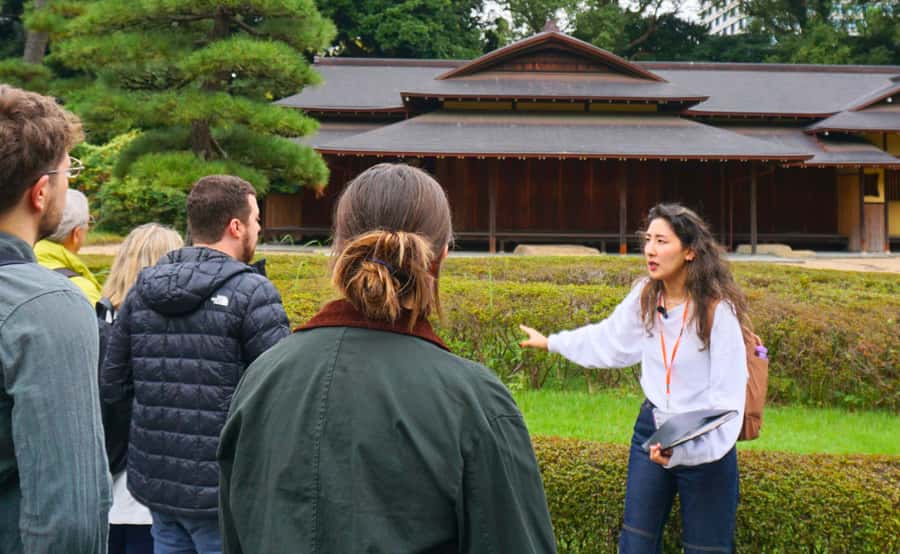
- Friendly English and French guides: Guides including Mika, Natsumi, Laki, Alexandre, and others make the walk conversational and easy to follow.
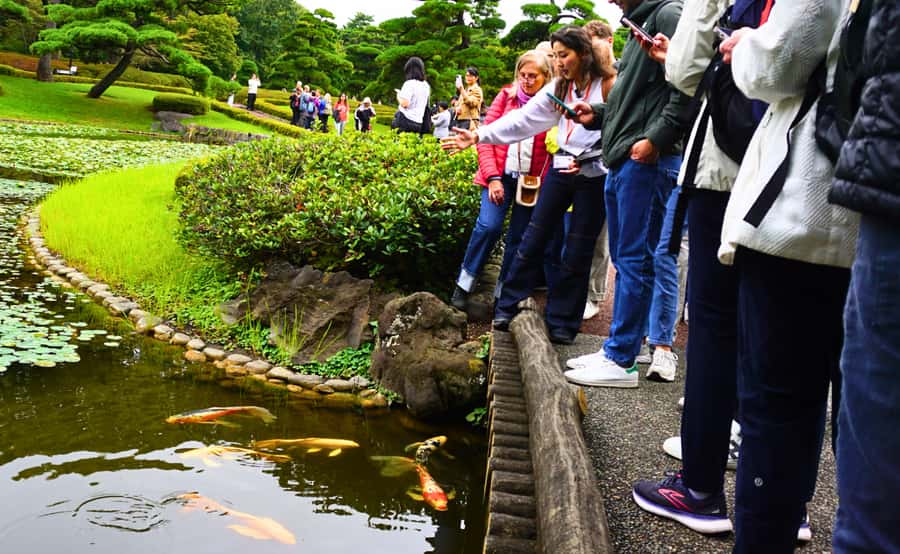
- Quiet garden stops: Look for bamboo, seasonal greenery, unusual trees gifted to the Emperor, and royal koi fish.
- Useful Tokyo advice: Your guide can suggest food, cultural activities, etiquette tips, and places to visit afterward.
- Outdoor conditions matter: Wear weather-ready clothing, bring water, and expect walking on palace paths and open grounds.
Why Edo Castle is the real star
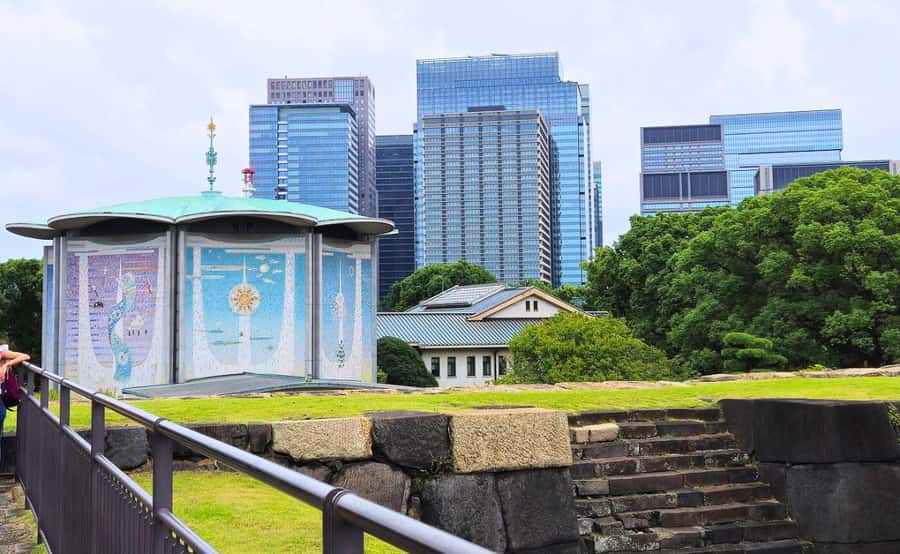
The most important thing to understand is that the Imperial Palace sits on top of a changing political story. Before modern Japan, this was Edo Castle, the center of power for the shogun. The castle itself is gone, but the grounds, walls, gates, gardens, and remaining structures help you picture the scale of the former stronghold.
Your guide begins near the grand Otemon Gate. Passing through this entrance gives the walk a useful sense of arrival. You are not simply entering a public park. You are following an old route into the compound that once protected the shogun’s government.
The original castle no longer survives, and that absence becomes part of the lesson. A miniature model helps show what the complex looked like in the past. This is especially useful because modern Tokyo can make it hard to picture a fortified castle occupying the center of the city.
I appreciate this approach. Instead of showing you one complete building and naming a few dates, the guide uses what remains to explain how power worked. You learn why the castle mattered, how the shogun governed, and how the site changed when Japan moved into the imperial period.
More History Walking Tours in Japan
- Tokyo: Imperial Palace and Shogun Historical Walking Tour
★ 5.0 · 2,251 reviews - Asakusa: A Big-picture History Walk to Know Japan
★ 4.6 · 77 reviews - Kyoto Gion: 2-Hour Geisha Culture & History Walking Tour
★ 5.0 · 1,186 reviews
From farmer to shogun
The tour’s history lesson centers on the old social ranking system: farmer, samurai, daimyo, and shogun. That structure gives you a simple framework for understanding the Edo period and the people connected to the castle.
The guide explains the role of the samurai, the regional power of the daimyo, and the authority of the shogun. This is more useful than memorizing isolated names. As you walk, the palace grounds become a setting for understanding the rules, duties, and power relationships that shaped Japanese society.
The transition from Edo Castle to the Emperor’s palace is another key part of the story. The site changed hands politically, but its importance did not disappear. The walk shows how Japan moved from shogun-led government toward imperial rule and eventually the modern nation you see today.
Several guides are especially good at making this understandable. Natsumi is praised for clear storytelling about the Edo and Meiji periods, while Laki brings warmth and energy to cultural details. Alexandre can lead the tour in French, and his history presentation is also available in English when needed.
This is not an academic lecture. The strongest guides ask questions, invite discussion, and add small facts that keep the group involved. That makes the tour a good choice if you want more than a quiet stroll through ornamental gardens.
Otemon Gate and the castle grounds
The meeting point is at the Starbucks near the fountain in Wadakuramon Fountain Park. From Tokyo Station or Otemachi Station, allow about five to ten minutes on foot to reach it. Look for a guide holding a SUNRISE ADVENTURE sign.
This arrangement is practical, though you should give yourself time to find the correct fountain and café. Tokyo Station is large, and Otemachi has several exits. Arriving a little early is wise, especially if you are unfamiliar with the area.
From the meeting point, the group walks toward Otemon Gate. The route starts calmly, then shifts into the formal setting of the palace grounds. Your guide explains what the gate protected and how the castle complex worked.
The East Gardens provide attractive photo stops, but the tour is not built around photography alone. You will pause for explanations, walk between major points, and hear how the grounds were used. The pace is generally manageable, with enough time for questions and pictures.
The path is outdoors and the tour operates rain or shine. In hot weather, shade under the large trees matters. One guide provided small cooling gifts and adjusted stops to keep the group as comfortable as possible, while another carried mosquito spray for guests. Those details are worth noting because the grounds are full of plants and insects in warm weather.
Stone walls, old houses, and a miniature castle
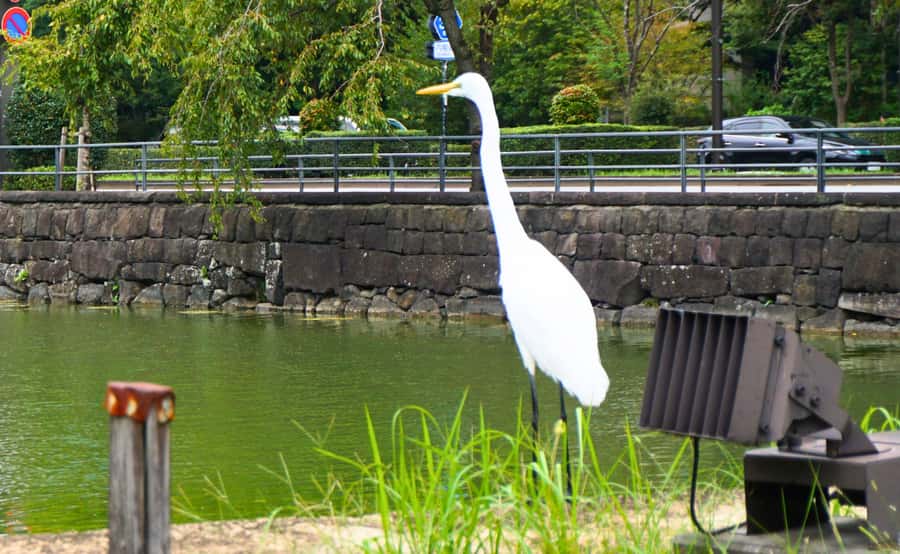
The remaining stonework helps you understand the defensive side of Edo Castle. Even without the main keep, walls and foundations show how seriously security was taken. Your guide can explain how the complex was organized and why the entrance routes mattered.
You also see an old samurai house. It is a helpful counterpoint to the grand idea of the shogun’s castle. The site was not only about rulers and ceremonies. It depended on many levels of service, administration, and military responsibility.
The miniature model is one of the most useful visual elements. A castle site can otherwise feel abstract, especially when modern buildings and garden paths occupy the same area. The model lets you compare the surviving grounds with the large complex that once filled them.
I would pay close attention during this section if you are visiting Tokyo early in your trip. Several guides use the palace to explain how Tokyo grew from Edo and how historical power shaped the city. That context can make later visits to districts, temples, museums, and former samurai areas easier to understand.
More History Walking Tours in Tokyo:
- Berlin: Third Reich & Cold War Guided Walking Tour
★ 4.9 · 8,378 reviews - Munich: Third Reich & WWII Walking Tour
★ 4.6 · 6,181 reviews - Berlin’s Best: 2 Hour Walking Tour Third Reich and the Cold War
★ 5.0 · 5,486 reviews - Third Reich Berlin: Hitler and WWII Walking Tour
★ 5.0 · 3,301 reviews
Bamboo, gifted trees, and royal koi
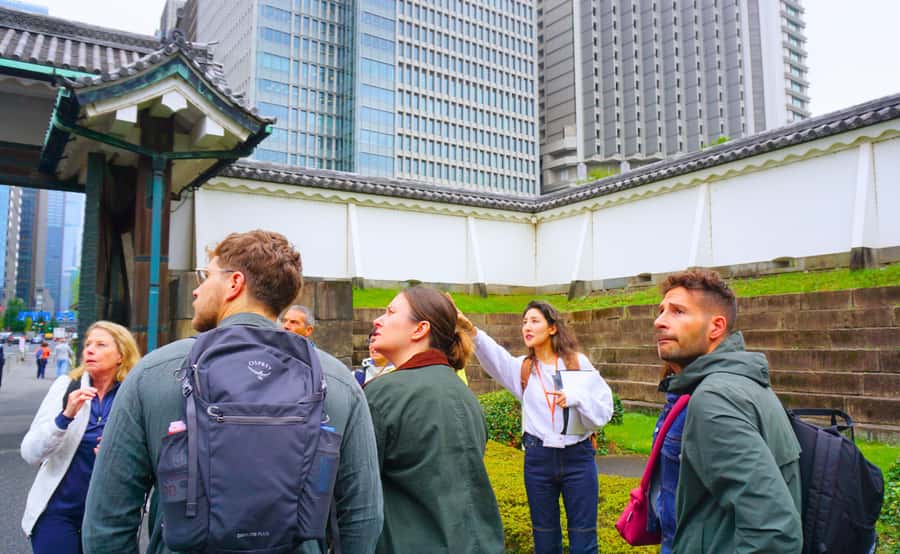
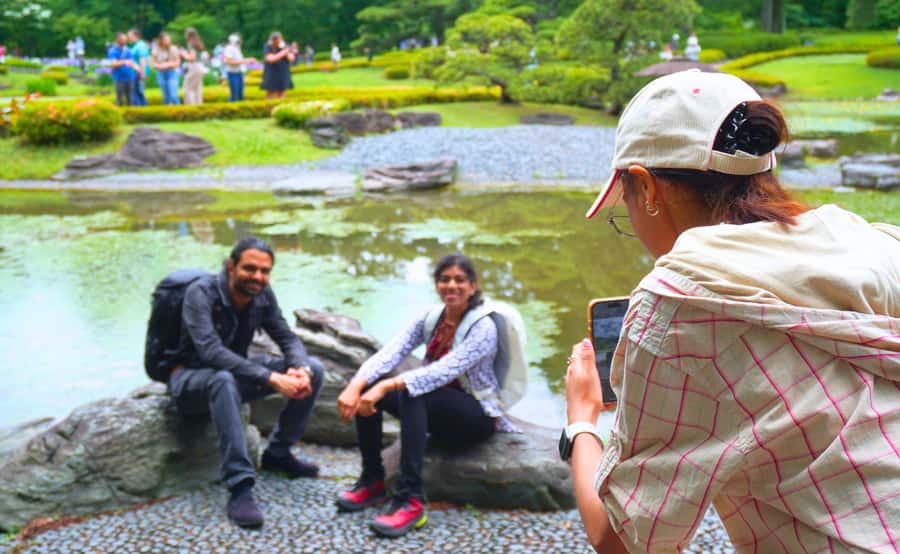
The gardens give the walk a welcome change of pace. After castle walls and political history, you move among trees from across Japan that were gifted to the Emperor. The setting is quiet, green, and well suited to photographs.
The bamboo forest is another memorable stop. It is not presented as a separate major attraction, but it adds texture to the walk and gives you a cool, shaded place to pause. Keep your camera ready, but also listen for the explanation of how the palace grounds combine formal history with living gardens.
The koi ponds provide the final visual treat for many people. These are described as royal koi fish, and they give the closing part of the route a gentle, almost surprising mood. The tour finishes back at the meeting point, but the garden section leaves you with a softer impression than the fortified entrance.
The gardens can also mean mosquitoes, especially in warm weather. Bring repellent if you have it, or ask your guide for help. Comfortable shoes, sun protection, and a water bottle are sensible choices.
The guides make the difference
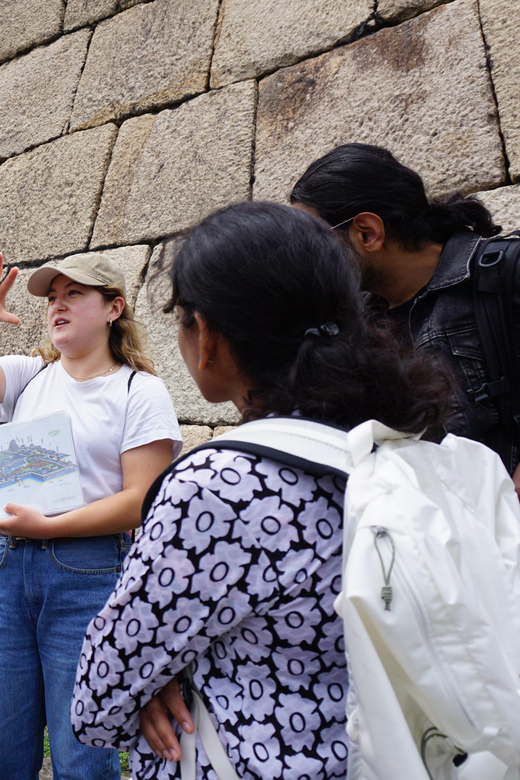
The strongest part of this experience is the guide. The route itself is pleasant, but the historical material becomes much more useful when someone explains what you are seeing and answers questions in real time.
Mika receives repeated praise for her clear English, warmth, attention to group needs, and ability to explain the palace without making it feel stiff. She is also noted for taking photographs, answering many questions, and adjusting for heat.
Natsumi is praised for storytelling, especially on the Edo period, palace design, and the growth of Tokyo. She also gives food and sightseeing suggestions after the walk. If you want a guide who connects the palace to the rest of your visit, that local advice can be valuable.
Laki is known for an energetic, friendly approach. He has handled difficult weather while keeping the group engaged and explains Japanese culture alongside political history. Alexandre offers a good option for French speakers and has also led strong English-language walks.
Other guides, including Nico, Hugo, Arief, Fei, and Lucky, are described as friendly, patient, interactive, and willing to help with photographs. The exact guide depends on the day, so you cannot request a particular style with certainty. Still, the repeated praise for guide clarity and personal attention is a strong reason to consider this walk.
What the $32 price gives you
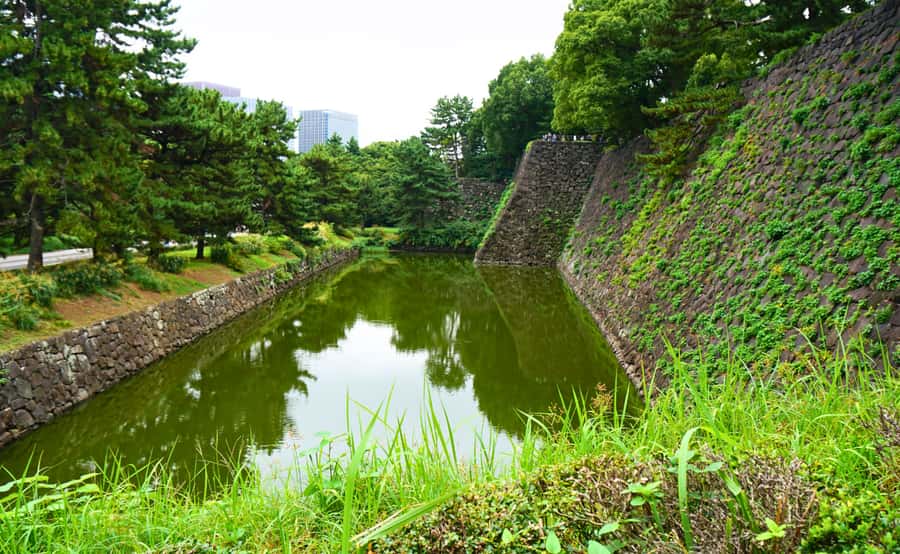
At $32 per person, the tour is reasonably priced for a two-hour guided walk in central Tokyo. You are paying for structure and interpretation rather than entry to a paid attraction. The East Gardens access itself does not turn this into a high-cost palace visit, so the value rests mainly in what the guide helps you understand.
I think the price works best for first-time visitors, history fans, and anyone who looks at castle remains and wonders what they are seeing. A guide can turn scattered stones, gates, and gardens into a connected story. Without that context, you may still enjoy the scenery, but you will miss much of the site’s meaning.
It is less necessary if you prefer to wander alone, read signs, and set your own pace. You also should not book it expecting palace interiors or a look inside the Emperor’s private residence. The inner palace is not open to the public, and this activity stays in the accessible garden and former castle areas.
The guide’s extra Tokyo advice improves the value. Food suggestions, cultural tips, and ideas for your next stop can be especially helpful on your first day. One guide even offered a private tour with a tea ceremony as an additional possibility, though that is not part of this standard experience.
Who should book this walk

I would choose this tour if you want a manageable introduction to Japanese history before visiting other parts of Tokyo. It is also a good fit for families with older children who enjoy questions, stories, and visual clues such as the castle model and koi ponds.
The walk suits solo visitors and couples who want a guide to fill in the gaps. It also works well for people who prefer English or French rather than trying to follow Japanese-only information.
You should think twice if you have low fitness, mobility limits, back problems, heart problems, a recent surgery, or are pregnant. The experience is not suitable for wheelchair users, and outdoor walking continues in poor weather. Those restrictions are important, not minor fine print.
Summer visitors need extra care. Wear light clothing suited to the forecast, use sun protection, bring water, and expect heat on exposed paths. Shade helps, but it is not available everywhere. In wet weather, proper shoes and rain gear will make the walk much easier.
Should you book the Imperial Palace walking tour?
Book it if you want the palace grounds to mean more than a pleasant garden. The strongest reasons are the clear explanation of shogun power, the transition from Edo Castle to the Emperor’s palace, and guides who answer questions rather than recite a script.
Skip it if you mainly want to see the inner palace, avoid organized walking, or cannot manage two hours outdoors. For everyone else, $32 is a sensible way to get historical context, attractive garden stops, and useful Tokyo advice in one compact outing. I would especially place it near the start of your stay, when the guide’s explanation can help you read the rest of the city.
FAQ
Where does the Imperial Palace walking tour start?
Meet your guide at the Starbucks near the fountain in Wadakuramon Fountain Park. Tokyo Station and Otemachi Station are both about a five to ten-minute walk away.
How do I recognize the guide?
The guide will be near the fountain holding a sign with the SUNRISE ADVENTURE logo.
Where does the tour finish?
The activity ends back at the original meeting point.
How long does the tour last?
The walking visit takes about two hours.
Is the inner Imperial Palace included?
No. The inner palace is not open to the public, and the tour visits the accessible East Gardens and former Edo Castle grounds.
Which languages are available?
The tour is offered in English and French.
Does the tour operate in bad weather?
Yes. It takes place rain or shine, so wear clothing suitable for the forecast.
Is the tour suitable for wheelchair users or people with mobility problems?
No. It is not suitable for wheelchair users, people with mobility impairments, low fitness, back or heart problems, recent surgeries, or pregnant women.
More Castle and Palace Walks in Tokyo
- Tokyo Castle & Imperial PalaceーShogun Walking Tour
★ 4.7 · 1,068 reviews - Tokyo: Imperial Palace and Shogun Walking Tour
★ 4.9 · 935 reviews - Tokyo Castle & Imperial PalaceーShogun Walking Tour
★ 5.0 · 724 reviews - Edinburgh Castle: Guided Walking Tour with Entry Ticket
★ 4.7 · 11,699 reviews
Just added around Tokyo
- Asakusa: A Big-picture History Walk to Know Japan★ 4.6 · 77 reviews
- Tokyo: Private Walking Tour with a Local Guide★ 4.9 · 469 reviews
- Tokyo: Private Walking Tour with a Local★ 4.4 · 419 reviews
- Tokyo: Private Custom Walking Tour with Local Guide★ 4.8 · 533 reviews
- Tokyo: Shibuya Highlights Walking Tour★ 4.8 · 601 reviews
- Tsukiji Fish Market Small-Group Food Walking Tour★ 5.0 · 621 reviews
- Tokyo Castle & Imperial PalaceーShogun Walking Tour★ 5.0 · 724 reviews
- Tokyo: Dark Side of Tokyo Shinjuku Red Light Walking Tour★ 4.7 · 862 reviews
Castle and Palace Walking Tours, compared.

Edinburgh Castle: Guided Walking Tour with Entry Ticket
Read our review →
Doge’s Palace and St Mark’s Basilica Walking Tour
Read our review →
3-Hour Walking Tour of Old Town & Prague Castle
Read our review →Edinburgh Castle: Guided Walking Tour with Entry Ticket
Read our review →
Edinburgh Castle Guided Walking Tour in English
Read our review →


Walking Tour of Split and Diocletian’s Palace
Read our review →Browse the lists this tour appears in