
REVIEW · TOKYO
Tokyo Castle & Imperial PalaceーShogun Walking Tour
Tokyo’s Imperial Palace grounds make more sense once you see them as the remains of Edo Castle, a fortress built to protect the shogun, not simply as a pretty park. This two-hour walk links surviving gates, guardhouses, stone walls, castle ruins, and gardens into one clear story about samurai power and Japan’s imperial system.
I like the small advertised group of up to 10, which should make questions easier, and I like the way the guides use pictures and old castle layouts to explain places that no longer exist. The main drawback is that the tour is English only, and the castle grounds are exposed in places, with steep slopes and stairs that can feel tough in hot or wet weather.
Key points to know before you book
- Edo Castle’s defenses: Learn why the largest fortress in Japan was never breached, with gates, walls, guardhouses, and watchtowers forming the story.
- A clear samurai lesson: The walk explains the different duties of lower-ranking samurai, castle guards, and higher-ranking officials.
- Ninomaru Garden: Finish with koi, seasonal plants, and a quieter view of the former castle grounds.
- Strong guide element: Guides including K, Keiko, Ai, Shin, Yuuki, and Mako have been singled out for clear explanations, humor, and helpful visual aids.
- Good value at $23.88: You get about two hours of guided context at a modest price, with no separate admission charge listed for the stops.
- Practical limits: You must pass a security check, leave knives and alcohol behind, and remember that the Emperor’s residence is not open to the public.
Why Edo Castle is the right place to learn Tokyo’s past
The Imperial Palace can be hard to read on your own. You see broad paths, stone walls, trees, and carefully kept gardens, but the shogun’s enormous castle is mostly gone. Without context, the grounds may feel like a pleasant walk with scattered relics.
This tour gives those relics a job. A turret becomes part of the castle’s warning system. A gate becomes a controlled passage through layers of defense. A guardhouse becomes a clue to the thousands of samurai who once served inside the compound.
That connection between the old military capital and modern Tokyo is the best reason to book. You learn about the shogun, samurai ranks, the 2,600-year imperial system, and the practical design of a fortress that controlled access at every turn.
The walk is not an interior palace visit. You will not enter the Emperor’s residence, and the experience focuses on outdoor grounds and historic structures. That distinction matters if you are expecting grand rooms, royal furnishings, or a tour of the current imperial home.
More Castle and Palace Walks in Tokyo:
- Tokyo: Imperial Palace and Shogun Historical Walking Tour
★ 5.0 · 2,251 reviews - Tokyo Castle & Imperial PalaceーShogun Walking Tour
★ 4.7 · 1,068 reviews - Tokyo: Imperial Palace Japanese History Walking Tour
★ 4.9 · 987 reviews
Starting at Wadakura Fountain Park
The meeting point is the Starbucks Coffee at Kokyo Gaien Wadakura Fountain Park, at 3-1 Kōkyogaien in Chiyoda City. The area is near public transportation, and the tour uses a mobile ticket, so keep the booking information easy to reach on your phone.
This is a sensible starting point because the open space around the Imperial Palace gives you room to gather before entering the historic grounds. Arrive ready to walk rather than expecting a seated introduction. The tour is built around movement, short stops, and explanations at each site.
The group is described as small, with up to 10 people, though the booking information also gives a maximum capacity of 60. I would treat the small-group size as the intended format but allow for the possibility that group arrangements can vary.
The guide quality matters here more than fancy equipment. K has been praised for clear English, humor, and the ability to answer questions. Keiko has used laminated images of former castle layouts, guard towers, and the royal family to make the past easier to picture. Other named guides include Ai, Anju, Nana, Yuuko, Dai, Shin, Franky, Mayuko, Yuta, and Mako.
That list is useful because the experience depends on who leads it. The strongest guide descriptions point to enthusiasm, patience, good English, and a gift for turning dry dates into understandable stories. One poor experience involved a guide whose English was difficult to follow, so the human element is not something to ignore.
Sakurada Tatsumi Yagura and the castle’s outer defenses
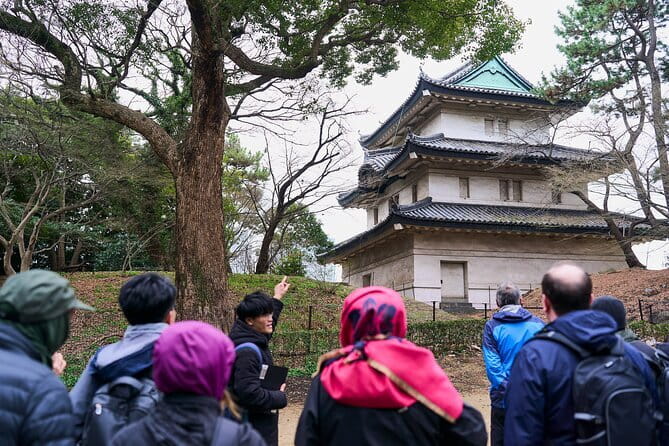
The first main stop is Sakurada Tatsumi Yagura, a surviving turret from the Edo period. You learn how the castle watched over approaches and how parts of the security system still protect the Imperial Palace area today.
A turret is more than an attractive old building. It shows how defenders could watch movement, control access, and use height to their advantage. This is one of the moments when a guide adds real value, since the building alone cannot explain the larger defensive plan.
Plan for about 20 minutes here. That is long enough for an explanation and photographs without making the opening feel rushed. The stop also begins the tour’s main theme: Edo Castle was designed as a series of obstacles, not just a single wall around a residence.
Otemon Gate and the logic of controlled entry
At Kokyo Otemon Gate, you see two massive gates and heavy stone walls from the original castle. The guide explains how the layout slowed and exposed anyone trying to reach the shogun.
This is one of the clearest places to understand castle design. Passing through a gate was not a simple matter of walking from one side to the other. Layers of walls, turns, guarded entrances, and changes in direction gave defenders time to respond.
The stop lasts about 10 minutes. That sounds brief, but the tour keeps moving at a useful pace. You get the main idea, take in the scale of the masonry, and avoid spending half the morning on one entrance.
Look closely at the stonework and the relationship between the gates. The value is not only in the surviving structures. It is in seeing how the physical layout helped protect the shogun and his government.
A few more walking tours around Tokyo worth a look
- Tokyo Tsukiji Fish Market Food and Culture Walking Tour
★ 5.0 · 3,184 reviews - Tokyo: Shinjuku Local Bar and Izakaya Guided Walking Tour
★ 4.9 · 1,794 reviews - Tokyo: Tsukiji Fish Market Food and Walking tour
★ 5.0 · 1,724 reviews - Tokyo: Asakusa Walking Tour with Sensoji Temple Visit
★ 4.8 · 1,583 reviews
Three guardhouses, three levels of samurai duty
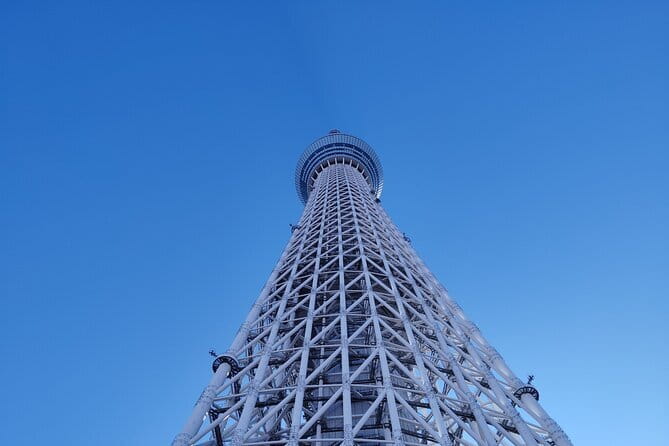
The Constable Guardhouse is a smaller post once used by lower-ranking samurai. Here, the guide explains who these men were and why their position mattered within the castle’s daily security.
This stop helps prevent a common mistake: treating samurai as one uniform class. The castle needed people with different ranks and jobs, from routine guards to officials with greater authority. A small guardhouse can reveal how much organization was required to keep a vast compound under control.
At Hyakunin Bansho Guardhouse, the scale changes. This larger post housed many samurai, and the discussion turns to their role in protecting the castle. The name and size help you picture a busy security point rather than a lonely guard booth.
The Obansho Guardhouse brings the tour closer to the inner gate. It was associated with higher-ranking samurai and more senior duties. Taken together, these three stops create one of the walk’s most useful lessons: rank, location, and responsibility were closely tied inside the castle.
Each guardhouse receives about 10 minutes. You will not get a long academic lecture at any single one, but the sequence makes the social order easier to follow. If you have children or companions who tire of dates, these concrete examples should keep the subject grounded.
Fujimi-yagura and the view from a watchtower
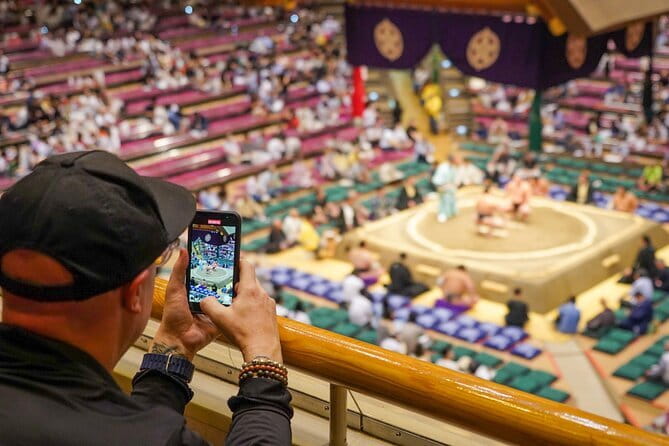
Fujimi-yagura is an old watchtower overlooking the grounds. The guide explains its former role and what made it important.
Watchtowers often look simple from the outside, but their position tells you about the priorities of the people who built them. A tower could provide warning, a strong defensive point, and a commanding view across the castle compound.
This is another 10-minute stop, so expect a focused explanation rather than an extended climb or interior visit. The tour does include slopes and stairs, but the provided details do not say that you enter the watchtower itself. Think of it as an outdoor viewing and history stop.
The sequence from outer turret to gate to guardhouses to watchtower works well. By this point, you have seen enough pieces to understand why Edo Castle was considered so difficult to attack.
A model of the former castle at Sannomaru Shozokan
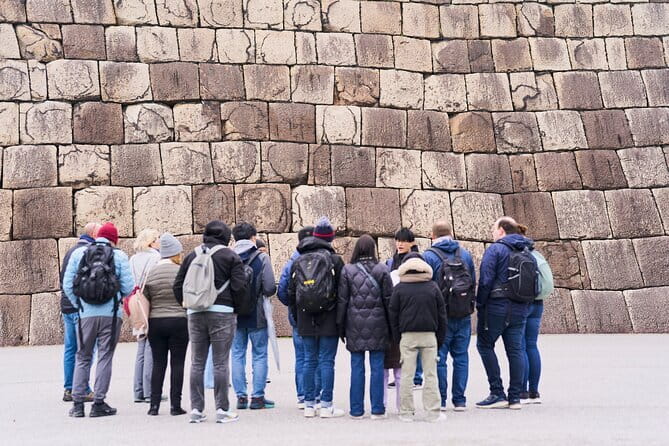
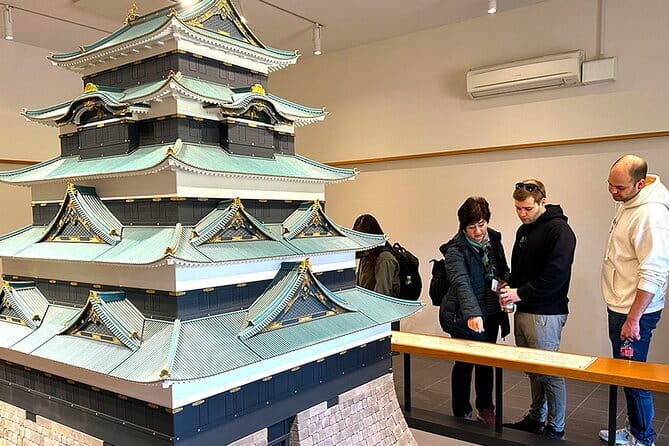
At Kokyo Sannomaru Shozokan, you can see a scale model of the former Edo Castle and visit a souvenir shop with palace-related goods. The model is particularly useful because much of the castle’s original structure no longer survives.
A scale model gives you the broad picture that individual ruins cannot. You can connect the gates, inner areas, towers, and former main buildings into one large complex. If you have trouble visualizing historical sites from foundations and fragments, this may be one of the most helpful stops.
The visit lasts about 10 minutes. The souvenir shop is a minor part of the experience, not the reason to book it, but it gives you a chance to browse palace-related items before the walk continues.
Edo Castle’s former main tower

The East Gardens of the Imperial Palace include the former site of Edo Castle’s main tower. This is where the guide explains why the tower no longer exists and what remains today.
The absence of the tower is part of the story. A castle ruin does not need to be grand to be meaningful. The open space and remaining foundations point to political change, fire, rebuilding, and the way old military centers can disappear while the city around them continues to grow.
You spend about 15 minutes here. I would pay attention to the guide’s explanation rather than expecting a dramatic structure to photograph. This is a stop for understanding the scale and importance of the former castle, not for seeing a preserved keep.
It also gives the tour a useful contrast. Early stops focus on defenses that survived. Here, you confront what has been lost and learn to read the ground itself.
Ninomaru Garden brings the pace down
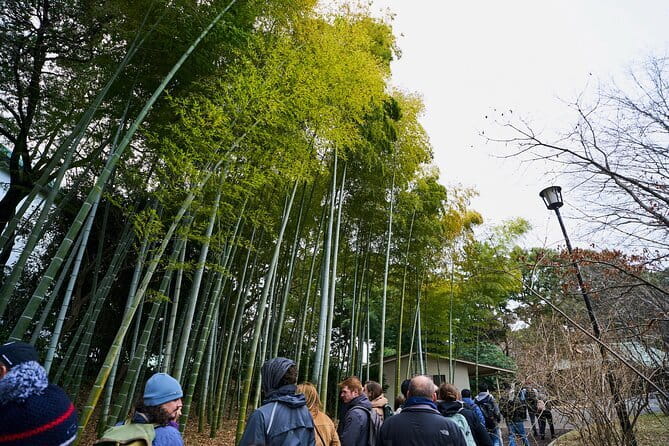
Ninomaru Garden offers a different mood from the gates and guardhouses. You see seasonal plants, a pond, and koi, with the guide explaining the calmer side of the former castle grounds.
I like this change of pace. A castle was a workplace, military center, political headquarters, and residence, but it was also a place with gardens designed for beauty and reflection. Ninomaru shows the courtly side of the compound after the tour has spent most of its time on defense.
The garden stop lasts about 15 minutes. It is a good place for photographs and a short breather, especially after walking across open ground. The garden will be at its best for you if you slow down long enough to notice the pond, trees, and seasonal planting instead of treating it as one more stop.
Several comments about the tour singled out the pond and trees as highlights. That makes sense, but keep your expectations measured. This is a guided visit through part of the gardens, not a long, unhurried garden meditation.
Ending near Tokyo Station’s ginkgo avenue
The walk concludes in front of the ginkgo-lined avenue stretching toward Tokyo Station, then returns to the meeting point according to the supplied meeting details. The ending places the old castle story beside modern Tokyo, which is a fitting final image.
The contrast is one of the tour’s quiet strengths. You move from shogun-era guard posts and castle ruins to a major city avenue, with the Imperial Palace grounds acting as a bridge between them.
The complete experience takes about two hours. That makes it easy to fit into a morning or afternoon, and several comments describe the length as just right. You get enough time to understand the site without giving up half a day.
Is $23.88 good value?
At $23.88 per person, I consider this a good buy for anyone who wants historical context rather than a self-guided stroll. There are no separate admission charges listed for the stops, and the main expense pays for the guide’s explanations, route planning, and ability to connect scattered remains.
The value depends on your interest. If you only want to walk through a garden, you can see much of the outdoor setting without paying for a guide. The tour earns its price by explaining why the walls, gates, guardhouses, and ruins matter.
A good guide can also save you from spending an hour looking at structures without understanding them. The strongest accounts describe guides who answered questions, used visual aids, added humor, and adjusted to the group. One guide even gave a family extra time, while another helped a visitor who had been left without a guide on a different booking.
Do not buy this expecting an interior palace tour. The Emperor’s residence is closed to the public, and the focus is on the grounds, surviving structures, and gardens.
Walking conditions, weather, and what to bring
You need comfortable shoes. The tour includes walking over historic grounds, steep slopes, and stairs, and most of the route can be exposed to the sun.
Bring water, especially in warm weather. A hat or umbrella will help, and sun protection is sensible because shade is not guaranteed. One hot-day experience was made easier with sweets and menthol cooling wipes from the guide, but you should not depend on that kind of extra care being available every time.
Rain does not automatically end the experience. A guide has continued explaining the grounds in wet weather, but you will still want suitable clothing and footwear.
There is a security check to enter the Imperial Palace area. Do not bring knives or alcohol. Most people can take part, but the walk is not suited to anyone who cannot manage slopes and stairs.
The tour is conducted in English only. Japanese language support is not available, so choose it only if you are comfortable following a two-hour English explanation.
Who should book this Imperial Palace walk?
I would recommend it to a first-time Tokyo visitor who wants a useful introduction to the shogun era, samurai society, and the imperial system. It also suits anyone who has already seen the palace grounds but felt unsure what the ruins and walls meant.
Families can benefit from the guardhouse stories and visual materials, especially if children prefer practical details to long museum labels. The route also gives photographers a mix of stone walls, historic gates, gardens, koi, trees, and city views.
You may want to skip it if your priority is entering the palace buildings, seeing royal interiors, or spending a full afternoon in a garden. It is also a poor fit if you dislike guided walking tours or find two hours outdoors uncomfortable.
Guide quality is the one variable I would keep in mind. Names such as K, Keiko, Ai, Shin, Yuuki, and Mako appear in especially strong accounts for clear English, humor, patience, and enthusiasm. The tour can still be worthwhile with another guide, but the experience depends heavily on the person leading it.
Should you book the Tokyo Castle and Imperial Palace Shogun Walking Tour?
Book it if you want the Imperial Palace grounds to tell a story. For $23.88, two hours with a capable English-speaking guide is a practical way to understand Edo Castle’s defenses, the samurai hierarchy, the missing main tower, and the peaceful Ninomaru Garden.
Skip it if you only need a quick garden walk or expect access to the Emperor’s residence. Go prepared for sun, stairs, and outdoor walking, and leave knives and alcohol at your accommodation. With those expectations in place, this is a compact, well-priced introduction to the part of Tokyo where shogun power, imperial tradition, and modern city life meet.
FAQ
How long does the Tokyo Castle and Imperial Palace walking tour last?
The tour lasts approximately two hours, including stops at historic gates, guardhouses, a watchtower, castle ruins, and Ninomaru Garden.
Is the tour conducted in English?
Yes. The tour is conducted in English only, and Japanese language support is not available.
Does the tour enter the Emperor’s residence?
No. The Emperor’s residence is not open to the public. The experience focuses on the Imperial Palace grounds, former Edo Castle sites, gardens, and surviving structures.
What should I avoid bringing?
You should not bring knives or alcohol because there is a security check to enter the Imperial Palace area.
Is the tour suitable for most people?
Most people can participate, but you need to manage walking, steep slopes, and stairs. Comfortable footwear is recommended.
What is the cancellation policy?
You can cancel up to 24 hours before the experience starts for a full refund. Cancellations or changes made less than 24 hours before the start time are not accepted for a refund.
Just added around Tokyo
- Asakusa: A Big-picture History Walk to Know Japan★ 4.6 · 77 reviews
- Tokyo: Private Walking Tour with a Local★ 4.4 · 419 reviews
- Tokyo: Private Walking Tour with a Local Guide★ 4.9 · 469 reviews
- Tokyo: Private Custom Walking Tour with Local Guide★ 4.8 · 533 reviews
- Tokyo: Shibuya Highlights Walking Tour★ 4.8 · 601 reviews
- Tsukiji Fish Market Small-Group Food Walking Tour★ 5.0 · 621 reviews
- Tokyo: Dark Side of Tokyo Shinjuku Red Light Walking Tour★ 4.7 · 862 reviews
- Tokyo Drift: GT-R Car Club R35 Liberty Walk Daikoku meeting★ 4.8 · 875 reviews
Castle and Palace Walking Tours, compared.

Edinburgh Castle: Guided Walking Tour with Entry Ticket
Read our review →
Doge’s Palace and St Mark’s Basilica Walking Tour
Read our review →
3-Hour Walking Tour of Old Town & Prague Castle
Read our review →Edinburgh Castle: Guided Walking Tour with Entry Ticket
Read our review →
Edinburgh Castle Guided Walking Tour in English
Read our review →


Walking Tour of Split and Diocletian’s Palace
Read our review →Browse the lists this tour appears in