
REVIEW · OSAKA
Osaka: Walking Tour and Top Highlights
Osaka’s appeal comes from its sharp contrasts, and this tour covers them in one sweep: samurai-era Osaka Castle, quiet temple grounds, old-school Shinsekai, a famous food market, and the neon rush of Dotonbori. You get a useful first look at the city without spending half a day figuring out train routes.
I like two things here. First, the guide handles the subway connections, which lets you reach widely scattered sights in four hours. Second, the route mixes major landmarks with everyday Osaka pleasures, from market snacks to local food advice. Guides such as Minori, Kenji, Buchi, Nagi, and Haruka have been praised for clear explanations, flexible pacing, and good restaurant suggestions.
The trade-off is pace. Four hours is tight for five major areas, and the listed stops allow only brief visits at several of them. You will see a lot, but this is an orientation tour rather than a slow, detailed study of Osaka Castle, Shitennoji, or the market.
Key points to know before booking
- Osaka Castle gets about 50 minutes, mainly for the grounds, photos, and an introduction to the site.
- Four subway rides are built into the route, but fares are extra and total about ¥800.
- The tour ends in Dotonbori, giving you an easy place to continue eating, shopping, or exploring.
- Kuromon Ichiba Market is a short stop, so bring cash and decide in advance what food you want to try.
- The guide can help with photos and local advice, with past guides including Minori, Kenji, Buchi, Nagi, and Haruka.
- The tour suits active walkers, but it is not recommended for people with mobility impairments, recent surgery, or those over 75.
Why this route works for a first Osaka day
Osaka is spread out. Osaka Castle sits east of the central districts, Shitennoji is farther south, and the food and nightlife areas cluster around Namba. Trying to connect them independently can eat up time, especially when you are still learning the subway system.
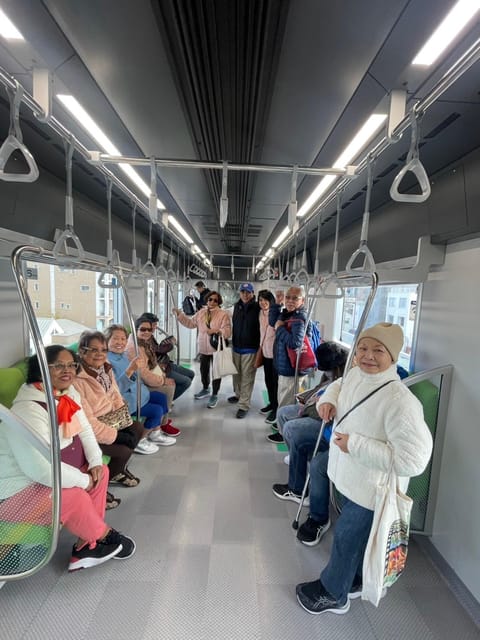
This tour gives you a guide, a ready-made route, and help with transfers. You walk between nearby sights and use the subway for longer jumps. That makes the experience less about ticking off isolated attractions and more about seeing how Osaka’s different districts fit together.
I would treat it as a city orientation. You get enough history to understand the major stops, enough free time to take pictures and look around, and enough food advice to plan the rest of your stay. The route does not offer long museum visits or a full meal, but it can save you from spending your first day on transport research.
The tour costs $64 per person for four hours. That is a fair price if you value a private or small-group guide and want help with the subway, photos, and local recommendations. You should also budget around ¥800 for subway fares, food and drinks, and up to ¥1,200 for Osaka Castle entry.
A few more walking tours around Japan worth a look
- Kyoto Geisha Walking Tour: Gion District & Hidden Gems
★ 4.7 · 3,273 reviews - Tokyo Tsukiji Fish Market Food and Culture Walking Tour
★ 5.0 · 3,184 reviews - Kyoto: Gion Magical Night Walking Tour with Geisha Trivia
★ 4.9 · 2,393 reviews
Starting underground at Namba Walk
The usual meeting point is the operator’s base in Namba Walk, an underground shopping area. Find the shop between exits B21 and B23, near the DOCOMO and MIZUNO shops. Namba Walk has two parallel walkways, so if the store is not where you expect it, check the other side.
This is a practical meeting point near the city’s southern core, but it can be confusing if you are rushing. Arrive early enough to locate the shop, especially if you are unfamiliar with underground Osaka. An optional hotel pickup is available for some arrangements, and cruise passengers can request pickup near the cruise terminal for an extra ¥5,000, tax included. That request must be made at least one day ahead.
The guide may meet you at a hotel holding an Osaka JOINER sign, though the sign is not guaranteed. If you use pickup, wait in the lobby about 10 minutes before the start.
Osaka Castle in 50 minutes
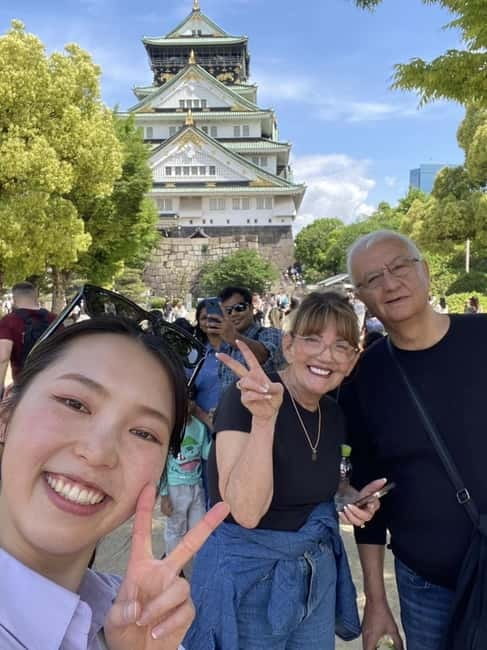
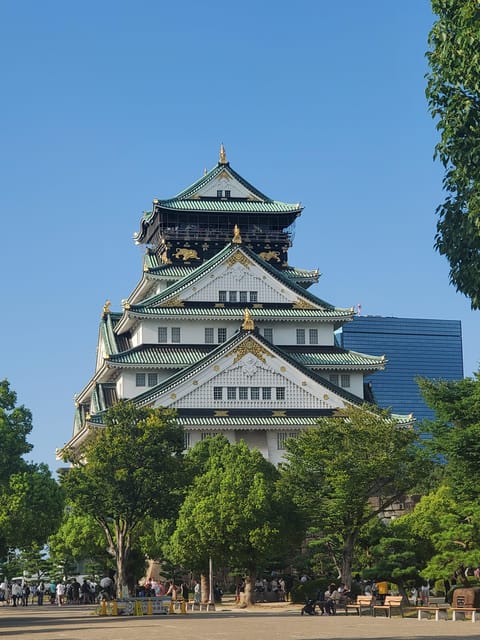
Osaka Castle is the biggest historical stop on the route. You get about 50 minutes for a guided look at the castle and its surrounding park, followed by a shorter visit to Hokoku Shrine.
The grounds give you room for strong city views and photographs. Your guide can explain the castle’s place in Osaka’s past while leading you through the park area. This is also the point where the tour feels most like traditional sightseeing, with stone walls, formal grounds, and one of Osaka’s best-known landmarks.
The time limit matters. The castle interior has an entry fee of ¥1,200, and the schedule does not leave room for a long museum visit. If you want to study exhibits inside the castle, you may prefer to return on your own later. If your main goal is photographs, orientation, and a look at the grounds, the allotted time is more workable.
Hokoku Shrine adds a smaller, quieter stop. The visit lasts about 15 minutes, so expect a short explanation and a chance to take pictures rather than a full temple or shrine visit. I like this pairing because it gives the castle stop some breathing room, but you should not expect a leisurely stroll through every corner of the park.
Shinsekai and the Tsutenkaku view
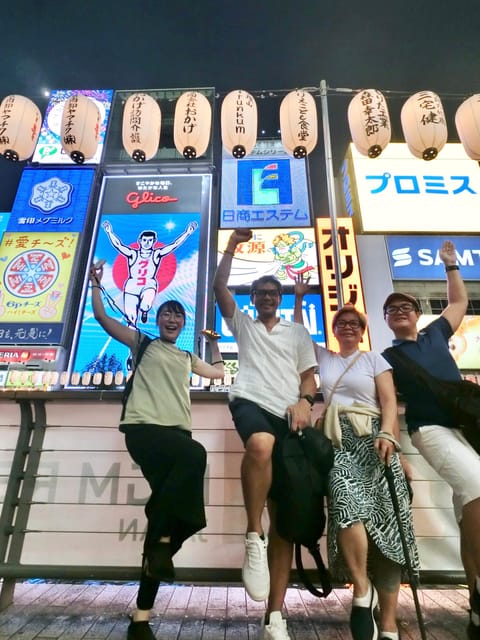
After another subway ride, the tour moves south to Shinsekai, Osaka’s old entertainment district. You get about 20 minutes to walk, take pictures, browse, and absorb the area’s retro character.
Shinsekai feels different from Osaka Castle. The mood shifts from grand history to bright signs, local shops, and casual food culture. Tsutenkaku Tower is the district’s best-known landmark, and the itinerary allows about 10 minutes for a photo stop and brief visit.
There is not much time for a full meal here. Instead, your guide points out local treats and explains how the neighborhood fits into Osaka life. This is one place where a guide adds value because the district is easy to cross quickly without understanding what you are seeing.
The tour also includes a 15-minute stop at Shinsekai Market. Depending on the selected option, this can include a matcha tea experience. The matcha activity is not included with every booking, so check the option carefully before paying. The market stop is short, but it adds a local food and drink note to a route otherwise packed with landmarks.
Same streets, a different route:
- Tokyo: Imperial Palace and Shogun Historical Walking Tour
★ 5.0 · 2,251 reviews - Kyoto: Gion Geisha District Walking Tour – Stories of Geisha
★ 4.7 · 2,187 reviews - Best of Kyoto: Gion, Geisha, Pagodas & Cobblestones
★ 4.9 · 2,058 reviews - Night Walk in Gion: Kyoto’s Geisha District
★ 4.5 · 2,003 reviews
Shitennoji and a quieter pause
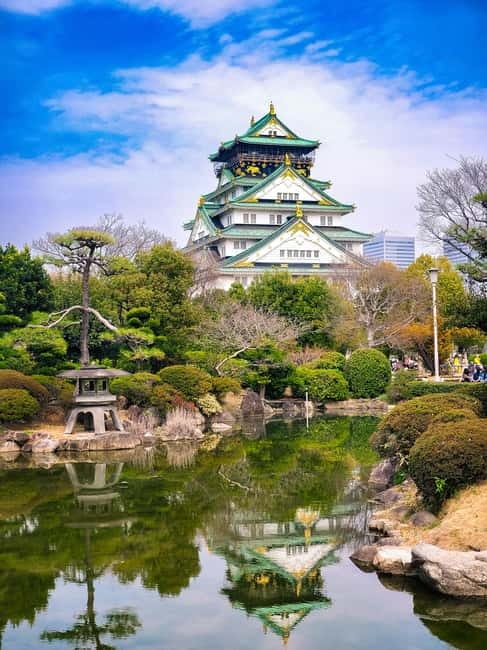
Shitennoji receives about 30 minutes, making it one of the longer cultural stops. It is described as one of Japan’s oldest Buddhist temples, and the grounds offer a useful change of pace after Shinsekai’s signs and street noise.
Your guide gives a short explanation of the temple and points out its architecture. You have time for photos and sightseeing, but not for a slow, detailed visit to every building or garden area. I would listen closely here, since the guide’s context helps turn a quick temple stop into more than a photo break.
Shitennoji is also a good reminder that Osaka is not only about food and neon. The route makes room for religious architecture and older traditions, even though the overall tour moves quickly. If temples are your main interest, plan a separate return visit.
Eating your way through Kuromon Ichiba Market
The next major stop is Kuromon Ichiba Market, often called Osaka’s kitchen. You get about 20 minutes for a market visit, food tasting, shopping, and a short break.
This is the place to keep your plans flexible. Food and drinks are not included, so carry cash and choose one or two small items rather than expecting a full meal. The market is known for fresh seafood, street food, and local snacks, and your guide can help you understand what is worth trying.
A short market visit has both an advantage and a drawback. You get a quick introduction without losing the rest of the route, but you may feel rushed if you want to compare stalls or sit down to eat. I would use this stop to sample something small, then return later if Kuromon becomes a favorite.
Several guides have also offered useful food advice beyond the scheduled market visit. Kenji, Nagi, and Victor were specifically praised for restaurant and shopping suggestions, while one guide recommended a sushi restaurant that became a highlight for the person taking the tour. That kind of advice can be worth as much as the sightseeing, especially if you have only a couple of days in Osaka.
Finishing among the lights of Dotonbori
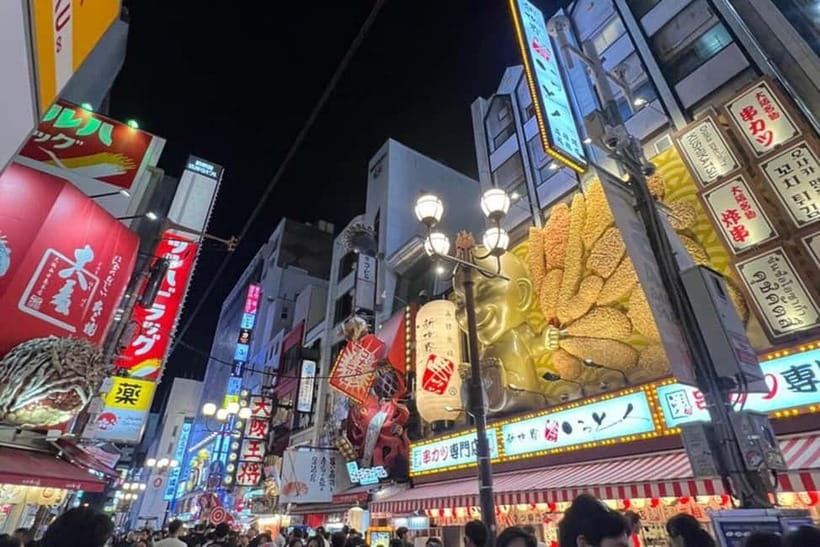
From Kuromon, you walk about 10 minutes to Dotonbori. The official stop is short, around 15 minutes, but the location is a strong ending because you can stay in the district after the guide departs.
Dotonbori is Osaka’s famous food and entertainment center, known for neon signs, shops, and street food. Your guide helps you get oriented, points out the main sights, and takes photographs if you want them. The tour’s final drop-off locations are in Dotonbori, so you are well placed for dinner or an evening walk.
This ending also solves one practical problem. You do not have to return to the starting point if Dotonbori is where you want to spend the night. One past guest chose to remain there after the tour, while others followed the guide back toward the start. Confirm the exact drop-off plan with your guide, but the structure gives you useful flexibility.
What the guides add
The quality of this tour depends heavily on the individual guide, and the available guide names include Buchi, Tony, Halu, Lily, Kyoka, Minori, Sergio, Nagi, Victor, Ken, Miki, Kito, Kota, Satsuki, Haruka, Kenji, Taisei, Risa, and others.
The strongest pattern is personal attention. Several guides have adjusted the route to suit the group, answered many questions, stopped for photos, and added food recommendations. On quieter departures, a single party has sometimes received a more tailored visit. Larger groups can still work well, but staying together through the subway and crowded Namba streets requires attention.
English is the listed tour language. Past participants have found the guides easy to understand, friendly, and patient. That matters here because you move between history, religion, food, and modern city life in a short time.
The photo help is another useful touch. The guide can take pictures for you, which is especially handy when you are traveling as a couple or family. One guide also made sure a group stayed together during subway transfers and kept an eye on safety in crowded areas.
Walking, subway time, and the pace
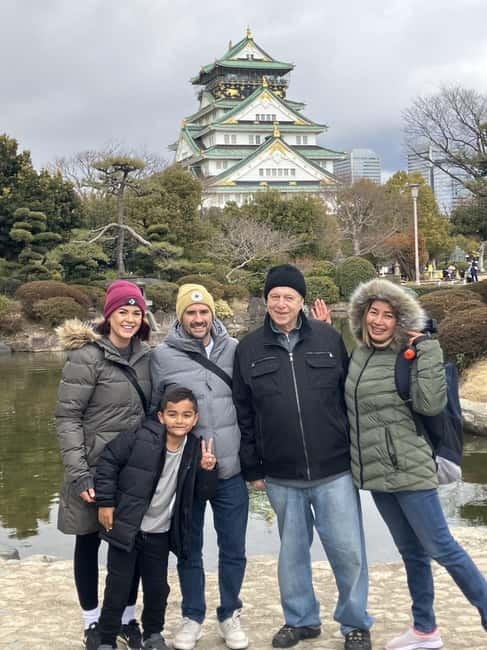
The itinerary includes subway rides of about 15 minutes between major sections, plus a 10-minute ride later in the route. The subway fares are not included and cost around ¥800 in total.
You need comfortable shoes. The tour combines city walking, station corridors, platform transfers, temple grounds, markets, and crowded entertainment streets. Even though the advertised duration is four hours, it can feel physically demanding in hot weather or rain.
The pace is helped by short stops and regular subway rides, but it remains busy. One guide made sure to offer water breaks on a hot day, and another continued the full route through steady rain. The tour operates in rainy weather, so take a raincoat or umbrella.
This is not the right choice if you need a slow pace or have limited mobility. It is specifically not suitable for people with mobility impairments, recent surgeries, or those over 75. The mix of stairs, walking, station transfers, and crowds is the main concern.
Who gets the best value
I would recommend this tour to a first-time visitor with limited time, especially someone staying near Namba or arriving with only a day or two in Osaka. You will learn the basic geography of the city, see the main districts, and leave with ideas for food and shopping.
It also suits families and small private groups that want help navigating the subway. The route covers enough ground to make the guide useful, but still leaves Dotonbori open for your own evening plans.
You may want a different plan if you prefer long museum visits, slow temple photography, or a food tour with several full tastings. The 20-minute market stop and brief Dotonbori visit are introductions, not extended experiences.
Bring comfortable shoes, cash, and a willingness to move on when the schedule says so. If you have a Suica card, it may be useful for your own transport, though the tour’s subway cost remains your responsibility. If the matcha experience matters to you, select the correct option at booking.
Should you book Osaka’s top highlights walk?
Book it if you want an efficient first look at Osaka and value a guide who can manage the subway, explain the sights, take photos, and suggest places to eat afterward. The route is especially useful for first-time visitors who want both major landmarks and local districts in one morning or afternoon.
Skip it if you want to linger. Osaka Castle, Shitennoji, Kuromon Market, and Dotonbori each deserve more time than this schedule can provide. The smart approach is to use this tour as your city primer, then return to the places that catch your interest.
With its $64 price, small-group or private options, flexible guides, and strong focus on practical orientation, it offers good value for an active visitor. Just budget extra for transport, food, and possible castle entry, and expect a fast four hours rather than a relaxed day out.
FAQ
How long does the Osaka walking tour last?
The tour lasts four hours.
What places does the tour visit?
The route includes Osaka Castle, Hokoku Shrine, Shinsekai, Shinsekai Market, Tsutenkaku, Shitennoji, Kuromon Ichiba Market, and Dotonbori.
Is the subway included in the price?
No. Subway fares are extra and cost around ¥800.
Is Osaka Castle admission included?
No. Castle entry is not included and costs ¥1,200.
Is food included?
No. Food and drinks are not included. You pay separately for market snacks, meals, and beverages.
Is the matcha tea experience included?
The matcha tea experience is included only if you select the option that offers it.
What happens if it rains?
The tour runs in rainy weather. Bring a raincoat or umbrella, along with comfortable shoes.
Just added around Japan
- Miyajima Half-day Trip Historical Walking Tour★ 5.0 · 284 reviews
- Hiroshima Walking Tour Why A Bomb was dropped to Hiroshima★ 5.0 · 347 reviews
- Tokyo: Asakusa & Sensoji ー Oldest Temple Walking Tour (2hrs)★ 5.0 · 213 reviews
- Asakusa Senso-ji Temple and Old Tokyo Walking Tour★ 5.0 · 560 reviews
- Asakusa Cultural Walk & Matcha Making Tour★ 5.0 · 245 reviews
- Tokyo: Tsukiji Market Walking Tour & Sushi Cooking Class★ 4.6 · 122 reviews
- Tokyo:Stroll in Old traditional culture towns~Yanaka & Nezu★ 4.9 · 186 reviews
- Tokyo: Shinjuku Nightlife & Secret Backstreets Walking Tour★ 4.8 · 229 reviews
Walking Tours, compared.

Magical London: Harry Potter Guided Walking Tour
Read our review →
Reykjavik Food Walk – Local Foodie Adventure in Iceland
Read our review →
History and Hauntings of Salem Guided Walking Tour
Read our review →
New Orleans Premier Ghost, Voodoo and Vampire Walking Tour
Read our review →
Amsterdam Anne Frank: Small-Group Walking Tour & Local Guide
Read our review →

Edinburgh Castle: Guided Walking Tour with Entry Ticket
Read our review →
Anne Frank’s Story – Guided Walking Tour through Amsterdam
Read our review →Browse the lists this tour appears in