
REVIEW · JAPAN
Hiroshima Historical Walking Tour – Why A-Bomb was Dropped
Hiroshima’s most useful history lesson begins before the bomb fell. This 150-minute walking tour starts at a shrine for war dead and Hiroshima Castle, then moves toward the A-Bomb Dome and Peace Memorial Park. That order matters: you first see why Hiroshima had military value, then face what happened to the city and its people.
I like the way the tour builds a story rather than simply pointing at monuments. I also like the human touch. Guides such as Chihiro and Emi have family connections to Hiroshima, while Thomas offers an outsider’s view shaped by years living in Japan. The main drawback is that the subject is heavy, and the walk may feel emotionally demanding before you enter the museum itself.
Key points to know before you book
- The route explains the target choice: Gokoku Shrine and Hiroshima Castle help place Hiroshima’s military role in context.
- The tour ends at the Peace Memorial Museum: This makes it a useful introduction before you view the museum exhibits on your own.
- Guides bring different perspectives: Chihiro and other local Japanese guides share personal and family connections, while Thomas offers a long-term foreign resident’s view.
- The pace is steady: The route includes short guided visits and sitting breaks, with about 2.5 hours on foot.
- You get more than bomb history: Guides also explain Hiroshima’s culture, local food, monuments, paper cranes, and places to visit afterward.
- The price is fair for the time: At $35 per person, you are paying for a live English guide across several major sites, not just a short talk at one monument.
Why the route begins at Gokoku Shrine
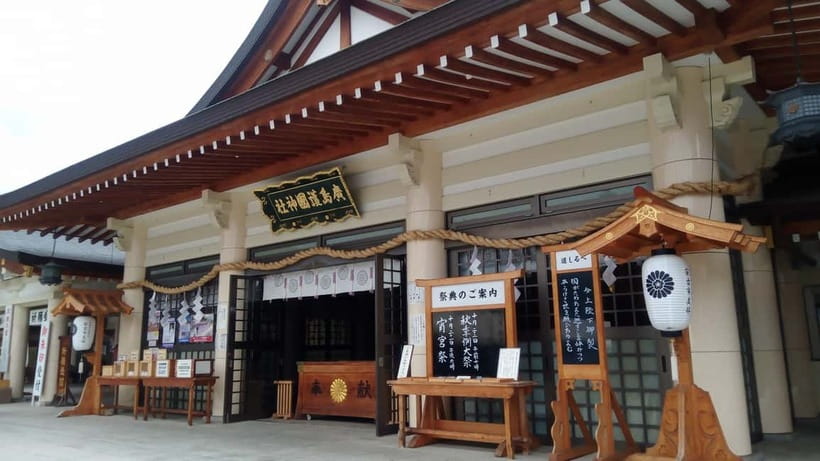
Meet in front of the torii gate at Hiroshima Gokoku-jinja, near the main hall. This opening can feel surprising. A shrine is not the first place most people associate with Hiroshima’s peace message, but it helps explain the city before August 6, 1945.
Gokoku Shrine is connected with remembrance for those who died in war. From here, the guide can begin with Japan’s military culture and Hiroshima’s role in the war. That framing is useful because the bombing did not happen in isolation. You will hear about the city’s military importance and why it was viewed as a significant target.
I like starting here because it avoids a narrow story that begins and ends with suffering. Hiroshima was a working city, a military center, and a place with its own traditions long before the attack. The shrine gives the tour a place to discuss that earlier identity.
The meeting point is specific, but the tour does not provide hotel pickup. You need to reach the torii gate yourself. Check the starting time carefully, especially if you are coming from Hiroshima Station or another part of the city.
More History Walking Tours in Japan
- Tokyo: Imperial Palace and Shogun Historical Walking Tour
★ 5.0 · 2,251 reviews - Kyoto Gion: 2-Hour Geisha Culture & History Walking Tour
★ 5.0 · 1,186 reviews - Tokyo: Imperial Palace Japanese History Walking Tour
★ 4.9 · 987 reviews
Hiroshima Castle and the military setting
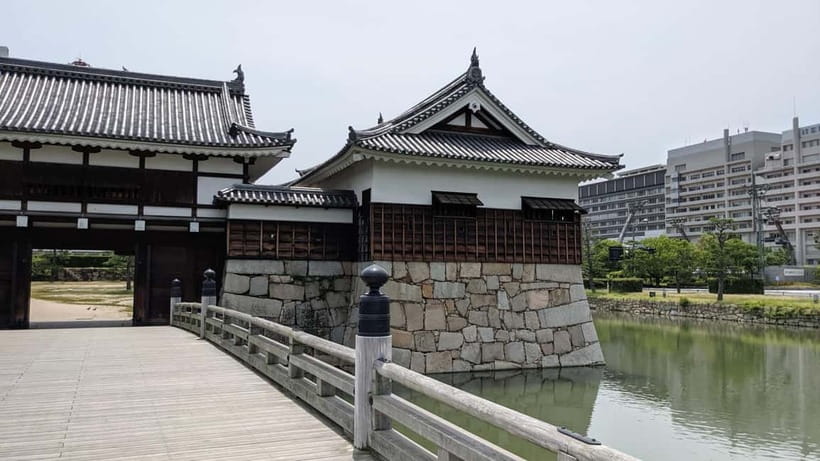
The walk continues to Hiroshima Castle, where the guided visit lasts about 20 minutes. This is one of the most useful stops for understanding the bombing’s military context.
The castle is not just a pretty photo stop. Hiroshima’s military facilities and communications role helped make the city important during World War II. Your guide connects the castle area with the wider wartime structure of the city, helping you see why Hiroshima was not selected at random.
The stop also gives the tour a change of pace. After the shrine, you get a historical landmark and time to look around. You may take photographs, but the guide’s explanation is the real point. This is not a castle-focused sightseeing tour, so do not expect a long architectural visit or a detailed tour of every room.
That limitation is worth knowing. If you want a full castle experience, you will need extra time beyond the 20-minute guided portion. If your main goal is to understand the road to the bombing, the shorter stop works well because it keeps the story moving.
The missing link between history and catastrophe
The itinerary includes another short guided visit of about 10 minutes before the route reaches Hiroshima Gate Park. The supplied details do not identify this stop by name, so you should treat it as a brief part of the connecting route rather than plan around a specific attraction.
That short segment matters because the tour is designed as a chain of ideas. The guide moves you from military history toward the city’s civilian and cultural life, then toward the memorial sites. You are not simply being transported from one famous landmark to another.
Hiroshima Gate Park and the city’s cultural memory
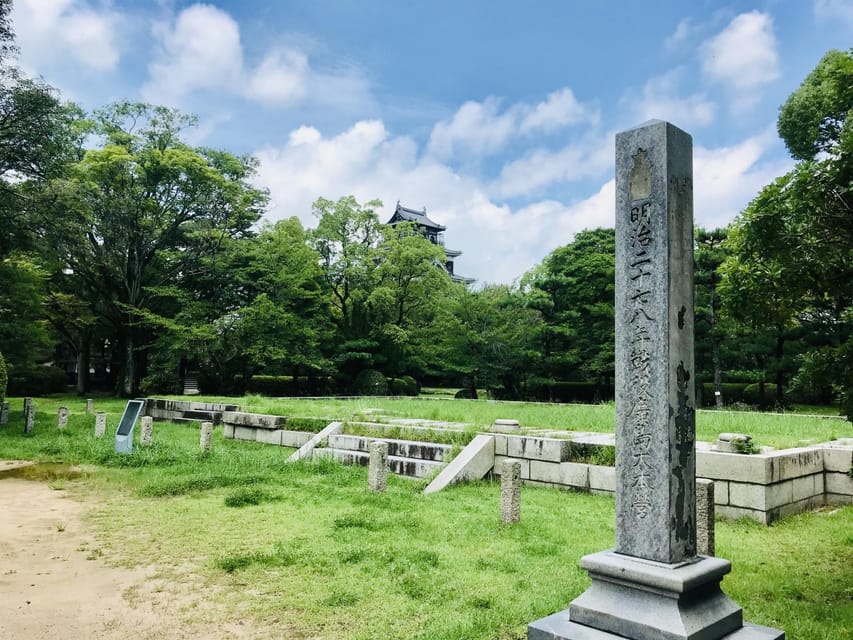
The tour spends about 30 minutes at Hiroshima Gate Park. This is a good place for the guide to broaden the discussion beyond the bombing itself.
Hiroshima’s story includes rebuilding, public memory, local customs, and the way the city presents its message of peace. Guides also use this part of the route to answer side questions about restaurants, museums, local food, and other places worth visiting.
I appreciate that practical layer. A serious history tour can leave you with a head full of facts and no idea what to eat afterward. Several guides, including Thomas and Chihiro, have also offered food suggestions and help with restaurant choices. That is a small benefit, but it makes the experience feel connected to the rest of your time in Hiroshima.
The park portion also gives you a chance to reset before the most difficult sites. The mood is still serious, but the tour is not delivered as one long speech. Guides pause, take questions, and keep the walk moving at a manageable pace.
Same streets, a different route:
- Kyoto Geisha Walking Tour: Gion District & Hidden Gems
★ 4.7 · 3,273 reviews - Tokyo Tsukiji Fish Market Food and Culture Walking Tour
★ 5.0 · 3,184 reviews - Kyoto: Gion Magical Night Walking Tour with Geisha Trivia
★ 4.9 · 2,393 reviews - Kyoto: Gion Geisha District Walking Tour – Stories of Geisha
★ 4.7 · 2,187 reviews
Standing before the A-Bomb Dome
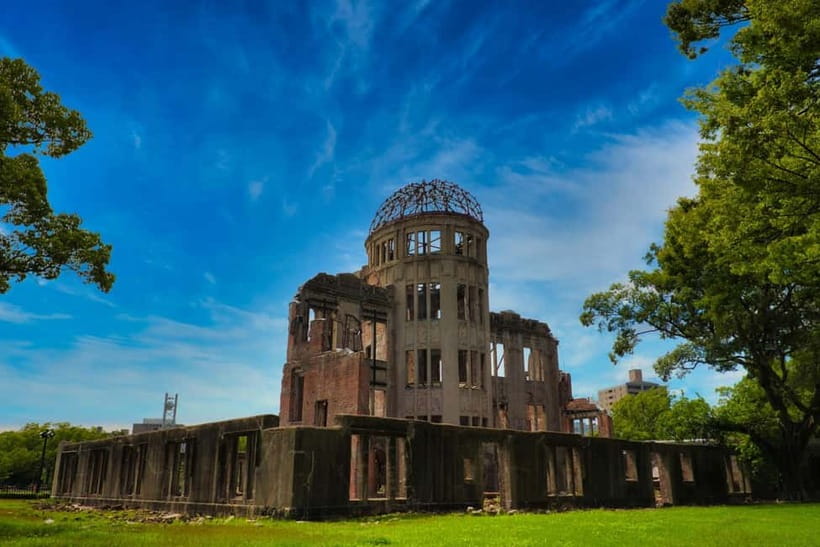
The A-Bomb Dome is given about 20 minutes with the guide. This is the point where the historical discussion becomes sharply physical.
The preserved ruins are powerful because they make distance and time feel less abstract. You are no longer hearing only about a date, a weapon, or a military decision. You are looking at part of the city that remained after the blast.
Your guide explains the building’s place in Hiroshima’s history and its meaning in the city’s peace message. This is also a natural point to ask questions about the bombing, the scale of destruction, and what happened to Hiroshima afterward.
You should expect a quiet and serious stop. The tour does not turn the Dome into a backdrop for casual sightseeing, although there is time for photographs. The guide’s role is to help you understand what you are seeing without rushing you through it.
Some people may find the emotional shift abrupt. That is part of the tour’s design. The first half gives you context, and the Dome makes the consequences visible.
Peace Memorial Park and the meaning of the cranes
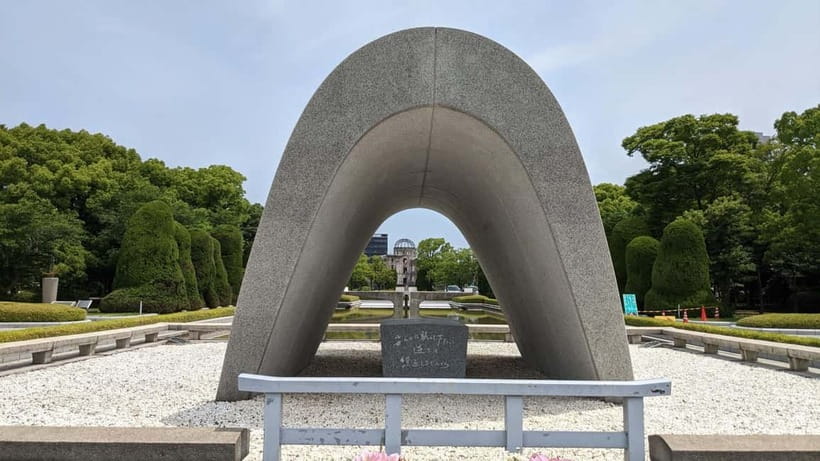
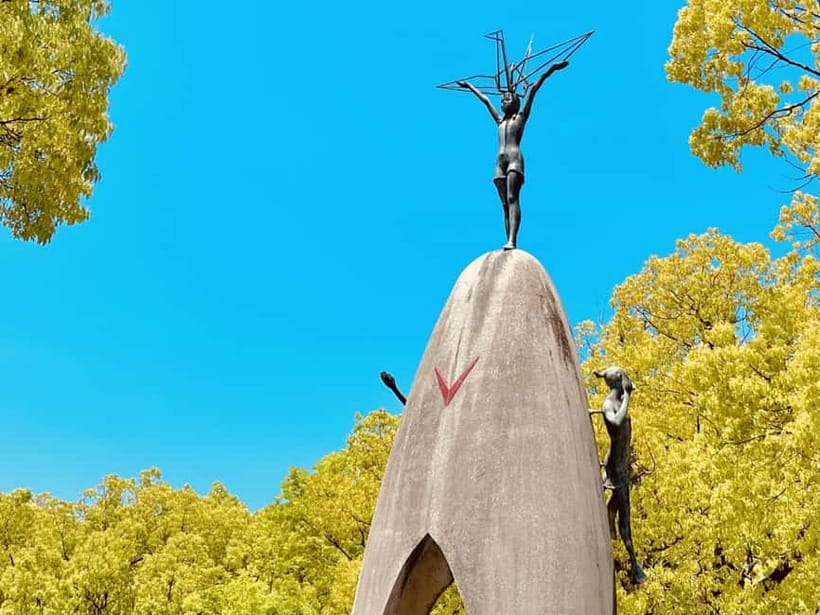
The longest major stop is Hiroshima Peace Memorial Park, with about 30 minutes of guided time. Here, the tour turns from why Hiroshima was targeted to how the city remembers the dead and argues for peace.
You will learn about the park’s monuments and the ideas behind them. The Children’s Peace Monument and the paper cranes are especially important parts of the experience. Guides explain what the cranes represent and how they became tied to remembrance, hope, and the call for peace.
This is where a local guide can add something a standard audio guide may not. Chihiro and other Hiroshima-based guides have spoken about family experiences and their own commitment to peace education. Emi has been praised for explaining Japanese perspectives with care and clarity. Those personal connections do not replace historical facts, but they can help you understand how the bombing remains part of family and city memory.
At the same time, the quality of the experience depends partly on the individual guide. The tour uses several guides, including Chihiro, Thomas, Emi, Chisa, Emmy, and Katja. Their backgrounds differ. Some are from Hiroshima, and some are long-term residents of Japan from other countries. You cannot assume which guide you will receive, but the range of perspectives is one of the tour’s strengths.
Finishing at the Peace Memorial Museum
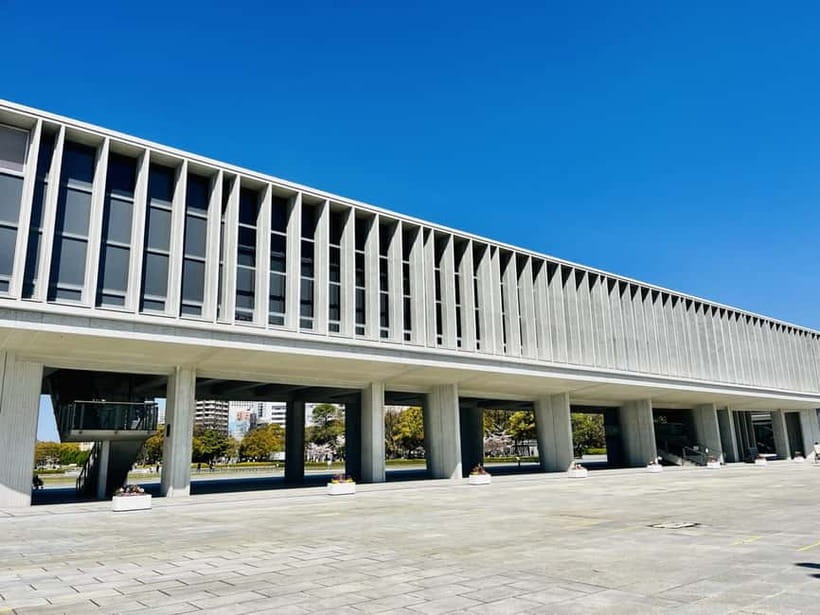
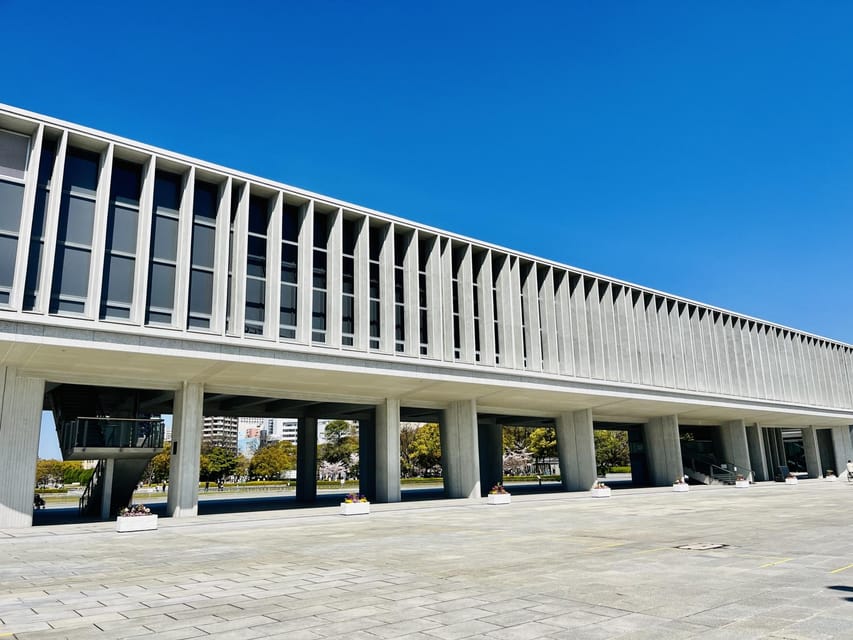
The walking portion ends at the Hiroshima Peace Memorial Museum. This is a smart ending point, especially if you have not visited the museum before.
The guide gives you the broad structure first: Hiroshima before the bombing, the military reasons behind the target choice, the attack, the immediate destruction, and the city’s later peace message. The museum can then supply the objects, photographs, testimony, and personal detail.
I strongly prefer this order to visiting the museum cold. The exhibits can be difficult to process, and a basic timeline helps you understand what you are seeing. The tour does not remove the emotional weight, but it gives you a framework.
Allow extra time for the museum itself. The 150-minute activity ends there, and the guided tour does not mean the museum visit is included in the walking time. The supplied details identify the museum as the finish, but they do not state that admission is part of the $35 price, so check the booking conditions before you go.
How the guides handle a difficult subject
The strongest part of this experience is the way the guides handle difficult material. The best accounts describe clear English, patience with questions, a steady pace, and a willingness to explain both Japanese and international viewpoints.
Chihiro is repeatedly singled out for local knowledge, personal warmth, and family connections to Hiroshima. Emi and Emmy are also praised for strong storytelling and clear English. Thomas is described as an especially prepared guide who can explain Japanese history and culture from the perspective of someone who has lived in Japan for years.
That range can work well for different kinds of visitors. If you value a local family perspective, a Hiroshima-born guide may be especially meaningful. If you want help interpreting Japanese culture as an outsider, Thomas or another long-term foreign resident may offer useful comparisons.
The guides also seem willing to answer questions outside the central subject. You can ask about local dishes, smoking areas, restaurants, museums, and other things to do. That makes the tour more useful for a first day in Hiroshima, when you are still working out how to use your time.
Still, no guide can make this subject light. The tour aims for an honest and compassionate explanation, not entertainment. You should arrive ready to listen and ask respectful questions.
Walking pace, comfort, and timing
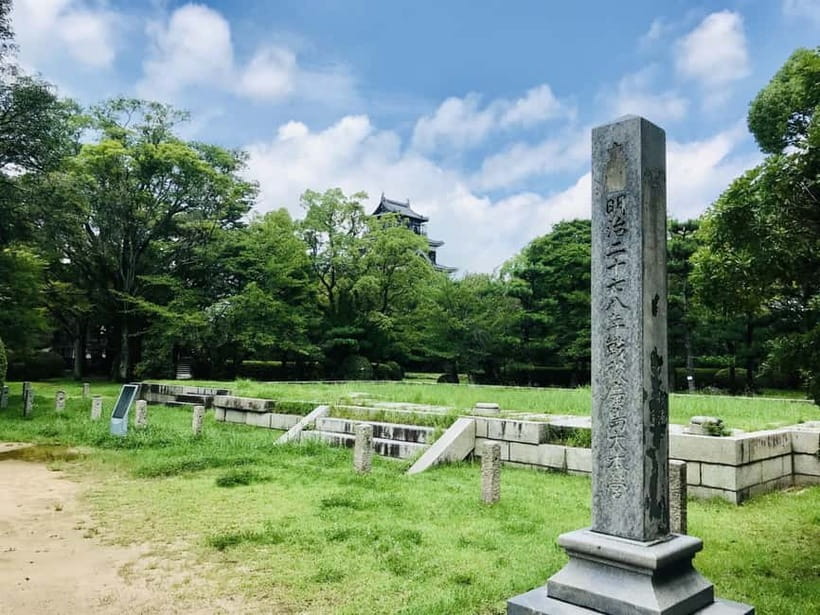
The activity lasts 150 minutes, or exactly 2.5 hours. The route covers several sites, but the walk is described as manageable rather than exhausting. Sitting breaks are included at points, and the guides keep a steady pace.
You should wear comfortable shoes and prepare for changing weather. The tour continues outdoors between stops, and one guide kept going through heavy rain. That says something about the format: this is an active walking experience, not a series of indoor talks.
The tour is wheelchair accessible, which is useful information for planning. Because the route includes outdoor spaces and several locations, you should still confirm the current meeting and route details if you need specific accessibility support.
English is the stated tour language. The guides are noted for clear English, but the amount of detail and speed may vary by guide. If you want to ask many questions, build that into the pace rather than waiting until the final stop.
Is $35 a fair price?
At $35 per person, this is good value if you want the history explained as you move through the city. You receive a live English guide for 2.5 hours and visit the shrine, castle area, Gate Park, A-Bomb Dome, Peace Memorial Park, and the museum finish.
The price is less compelling if you only want photographs of the main monuments. You can visit several of these areas independently, and the museum offers its own presentation. The reason to pay is the connection between the sites: the guide explains how Hiroshima’s military role, wartime history, destruction, rebuilding, and peace message fit together.
I also see value in the local advice. Food recommendations and suggestions for other museums can save you time later. That is not the main reason to book, but it adds practical worth.
Free cancellation up to 24 hours before the start and reserve-now, pay-later booking make it easier to fit the tour into a changing Japan itinerary. A tip for the guide is not included, so plan for that separately if you choose to give one.
Who should book this Hiroshima walk?
I would choose this tour if you are visiting Hiroshima for the first time and want context before entering the museum. It is also a good match if you prefer asking questions in person instead of reading every explanation on your own.
Families with older children and teenagers may find the format easier than a long museum visit without preparation. One guide was able to keep a 12-year-old engaged while explaining a difficult subject. The tour also suits visitors interested in Japanese culture, since the discussion reaches beyond the bomb to local food, customs, monuments, and modern Hiroshima.
You may want to skip it if you have already studied the bombing in detail and prefer a quiet, independent visit. It is also not a light sightseeing walk. Even with a friendly guide and occasional humor, the subject remains painful.
Should you book this tour?
Book it if you want to understand why Hiroshima was targeted and how that decision affected a living city. The sequence from Gokoku Shrine to Hiroshima Castle, the A-Bomb Dome, Peace Memorial Park, and the museum gives you a clear arc that independent sightseeing can miss.
I would schedule it before your museum visit, leave extra time for the exhibits afterward, and keep the rest of that day flexible. At $35, it offers solid value for a well-paced introduction, especially if you receive a guide such as Chihiro, Emi, or Thomas who can add personal insight and answer questions with care.
FAQ
How long does the Hiroshima Historical Walking Tour last?
The tour lasts 150 minutes, or 2.5 hours.
What is the tour about?
It explains Hiroshima’s history, military importance, the reasons the atomic bomb was dropped there, and the human and cultural effects of the bombing.
Where does the tour begin?
It begins in front of the torii gate at Hiroshima Gokoku-jinja, near the main hall.
Where does the tour finish?
The tour finishes at the Hiroshima Peace Memorial Museum.
Which places are visited?
The route includes Gokoku Shrine, Hiroshima Castle, Hiroshima Gate Park, the A-Bomb Dome, Hiroshima Peace Memorial Park, and the Peace Memorial Museum finish.
Is the tour conducted in English?
Yes. The live tour guide language is English.
Is the tour wheelchair accessible?
Yes, the activity is listed as wheelchair accessible.
Does the $35 price include a guide?
Yes, a guided tour is included. A tip for the guide is not included.
Can I cancel for a full refund?
You can cancel up to 24 hours in advance for a full refund.
Can I reserve now and pay later?
Yes. The activity offers reserve now and pay later booking, so you do not need to pay at the time of reservation.
Just added around Japan
- Kyoto: Meet the Geisha Maiko with Gion Walking Tour★ 4.8 · 371 reviews
- Hiroshima: Private City Highlights Walking Tour★ 4.9 · 73 reviews
- Cool Kyoto: 5-Hour Walking Tour with the Last Samurai★ 4.8 · 73 reviews
- Asakusa: A Big-picture History Walk to Know Japan★ 4.6 · 77 reviews
- Tokyo: Private Walking Tour with a Local Guide★ 4.9 · 469 reviews
- Tokyo: Private Walking Tour with a Local★ 4.4 · 419 reviews
- Hiroshima City 4hr Private Walking Tour with Licensed Guide★ 5.0 · 437 reviews
- Tokyo: Private Custom Walking Tour with Local Guide★ 4.8 · 533 reviews
History Walking Tours, compared.


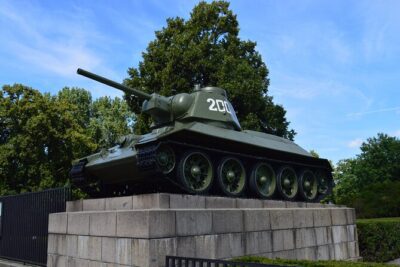
Berlin’s Best: 2 Hour Walking Tour Third Reich and the Cold War
Read our review →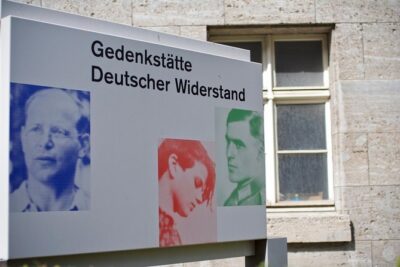
Third Reich Berlin: Hitler and WWII Walking Tour
Read our review →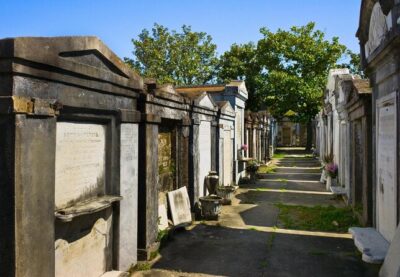
New Orleans Garden District History Walking Tour
Read our review →
Cartagena: Historic Center and Getsemaní Shared Walking Tour
Read our review →
Imperial Palace and Shogun Historical Walking Tour
Read our review →Browse the lists this tour appears in