
REVIEW · VIENNA
Vienna: Essential History Walking Tour
Vienna’s grand buildings can look like a row of polished facades until someone explains the people, power struggles, marriages, wars, and odd customs behind them. This two-hour walk connects Roman ruins, the Hofburg, Heroes’ Square, the National Library, the Albertina, the Imperial Crypt, and St. Stephen’s Cathedral into one readable story.
I especially like the small-group format, which gives you room to ask questions, and the guide’s use of historical images, sometimes shown on an iPad, to explain how Vienna looked after the Second World War. I also like the practical advice about museums, food, wine, and seasonal attractions. The main drawback is that the tour spends much of its time in the Habsburg center, so it is less useful if you want a broad tour of every district in Vienna.
Key points at a glance
- Roman beginnings at Michaelerplatz: See excavated remains and learn why this strategic site attracted a castle.
- Habsburg Vienna in one compact route: Follow the Hofburg, Heroes’ Square, the National Library, and imperial churches.
- History with personality: Guides such as Herbert are known for dry humor, anecdotes, and clear explanations.
- Wartime Vienna is not skipped: The Albertina and Monument Against War and Fascism introduce the city’s darker chapters.
- Useful planning advice: Get suggestions for museums, local food, Austrian specialties, and seasonal Lipizzaner performances.
- Good value at $34: The fee covers a live two-hour guide, while museum and church entry fees are extra.
Why this short walk works as a first look at Vienna
Vienna rewards context. You can walk past the Hofburg, the Austrian National Library, and St. Stephen’s Cathedral in a single afternoon, but without explanation they may feel like impressive scenery rather than connected pieces of European history.
This tour gives you that framework quickly. It begins at Michaelerplatz and ends at Stephansplatz, covering many of central Vienna’s major sights without requiring a full day or a museum ticket. I would book it near the start of your stay, since the advice about museums, food, and attractions can help you plan the following days.
The route is compact enough that you are not worn out by the end. One guide described by past participants, Herbert, is especially associated with a lively style, dry jokes, photographs, and detailed answers. Other guides named in the tour’s history include Dorothy and Wolfgang. The exact guide is not guaranteed, but the format is built around a live English or German speaker rather than a recorded commentary.
More History Walking Tours in Vienna:
- Vienna: World War II Historical Walking Tour
★ 4.8 · 1,772 reviews - Vienna Historic Center Small Group Walking Tour
★ 5.0 · 1,746 reviews - Berlin: Third Reich & Cold War Guided Walking Tour
★ 4.9 · 8,378 reviews
Michaelerplatz and the Roman remains
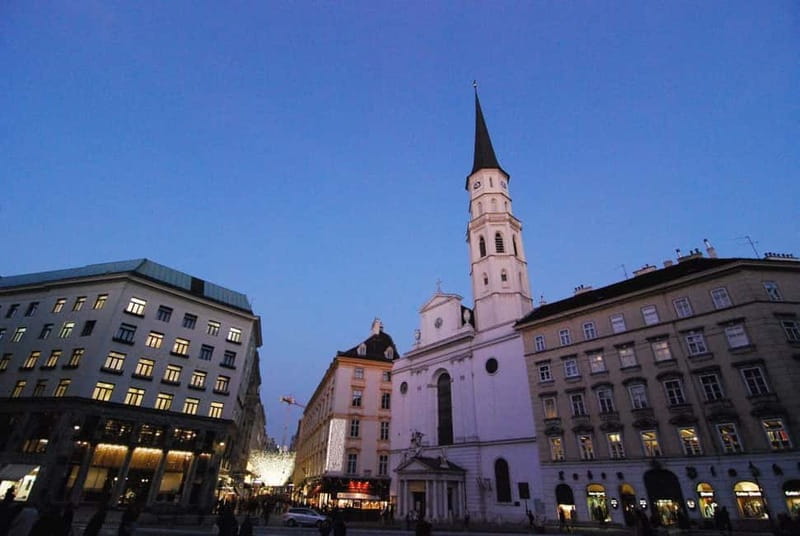
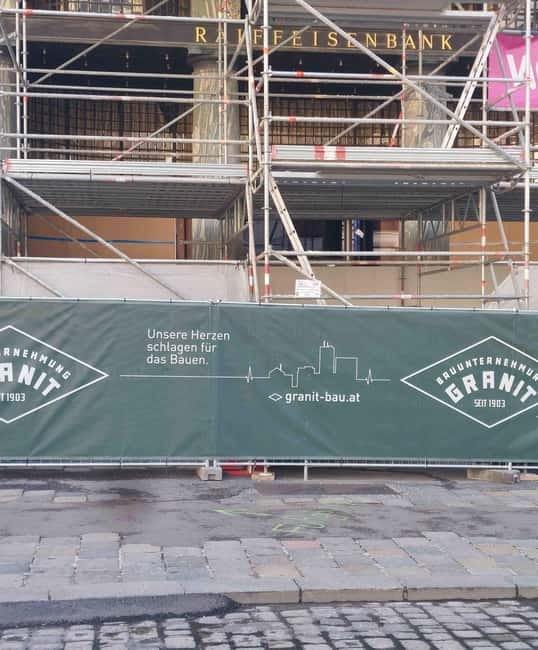
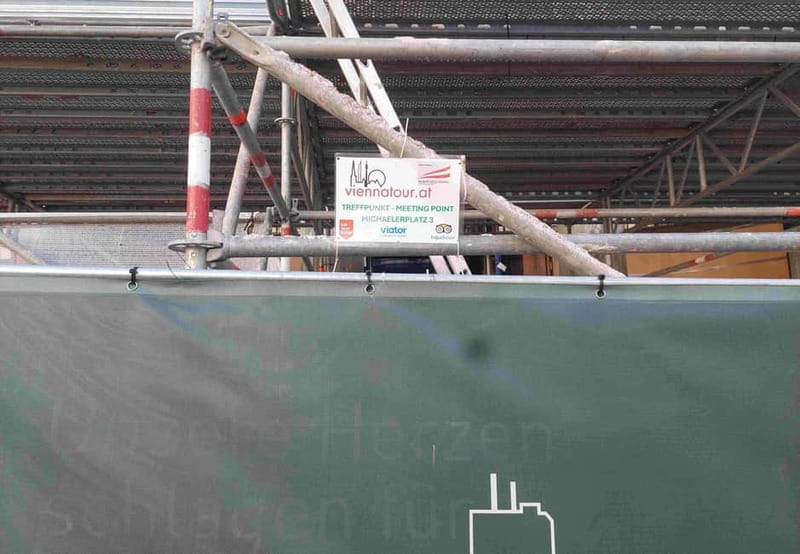
The meeting point is in front of the Loos Haus at Michaelerplatz 3, close to the Herrengasse station on the U3 metro line. Look for the building between Kohlmarkt and Herrengasse, with Raiffeisenbank written on the facade.
This is a useful place to begin because Michaelerplatz puts several eras side by side. The excavations reveal traces of Roman Vienna, while the surrounding buildings point to the imperial city that grew much later. Here, the guide tackles the basic question of why a castle was built in this location at all.
That question matters. Vienna’s central district did not develop by accident. Its position, defenses, and access to major routes helped make it a place worth controlling. The opening discussion gives you a way to read the city as you continue, rather than treating each palace and church as an isolated sight.
You will be on your feet, but the pace is not described as strenuous. Still, the tour is not suitable for people with mobility impairments, and children under 12 cannot join. Wear shoes that can handle stone streets and bring clothing for the forecast, since the walk operates in all weather.
St. Michael’s Church and the Habsburg center
St. Michael’s Church is presented as Vienna’s third-oldest church, with a mix of three architectural styles. That combination makes it a useful stop for understanding how Vienna changed over centuries. Instead of seeing one perfect period preserved in place, you see a building altered as tastes, patrons, and religious needs shifted.
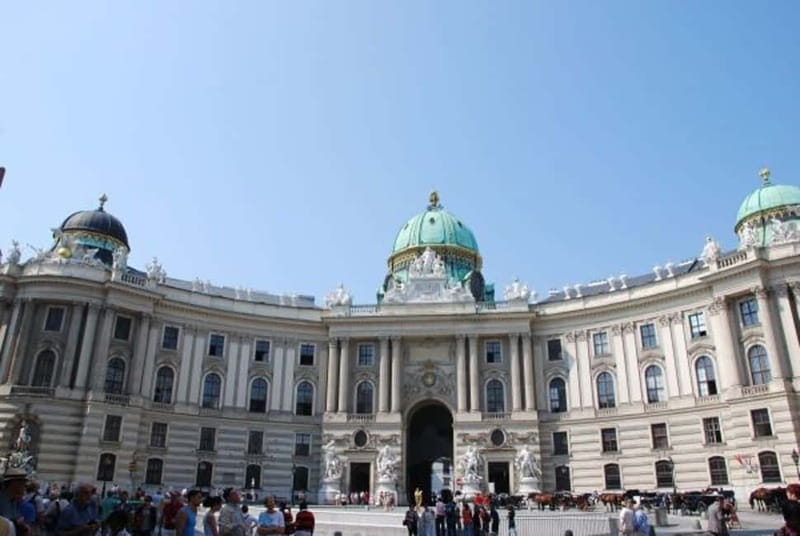
The church also helps set up the discussion of the Hofburg. The palace is not one single building with one clear architectural personality. It is a large collection of wings, courtyards, and additions shaped by successive rulers.
The tour explains the scale of the Hofburg grounds, listed here as 555,000 square meters, and introduces the rulers who shaped the city. This is where the walk is strongest for anyone who wants the Habsburg story without committing to a full palace visit.
You will learn how to look beyond the official grandeur. A palace facade tells you that power was present, but stories about rulers, marriages, ceremonies, and daily decisions make the setting easier to understand. If imperial Vienna is your main reason for visiting, this part alone gives the tour a strong case.
Heroes’ Square and the imperial showpiece
Heroes’ Square, or Heldenplatz, is one of the route’s most visually forceful stops. Its broad scale makes the political ambition of the Habsburg court easier to grasp. The guide also points out what lies behind the facades, which is useful because the ceremonial front of Vienna can hide a more complicated past.
This is not simply a photo stop. The square carries layers of imperial and modern political meaning, and the guide uses it to explain how rulers presented authority. You will hear about the people connected to the buildings, not just their dates and construction styles.
The route then brings you near the Imperial Treasury. Entry is not included in the $34 price, but the guide explains why the collection deserves attention and what you can expect to see there. That distinction is important: this is a guided city walk, not an admission-included museum tour.
If the treasury interests you, the walk can help you decide if a separate visit fits your schedule. You may also finish the tour with a clearer idea of which attractions deserve your limited museum time.
A few more walking tours around Vienna worth a look
- Vienna: Guided Walking Tour of City Center Highlights
★ 4.7 · 4,989 reviews - Vienna: Vienna Central Cemetery Guided Walking Tour
★ 4.8 · 3,307 reviews - Vienna: Guided Walking Tour of City Highlights & Hidden Gems
★ 4.9 · 2,180 reviews - Vienna: Viennese Underworld Guided Walking Tour
★ 4.7 · 1,865 reviews
The National Library and Joseph II’s square
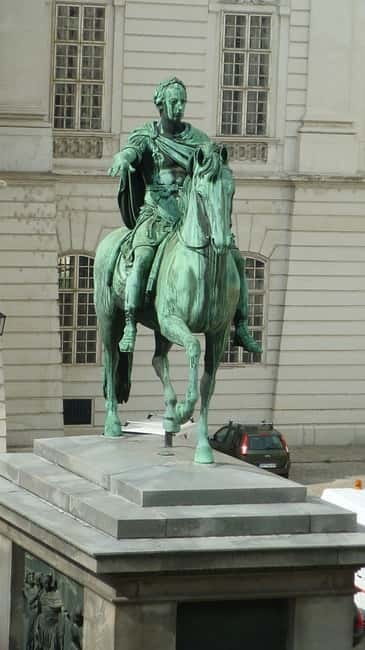
The Austrian National Library is one of the route’s major visual highlights. The tour takes you past its State Hall and explains the meaning of the symbol on the roof, along with the reason the square is named after Emperor Joseph II.
This kind of detail is where a local guide earns the fee. You can admire the library without knowing what its decorative symbols mean, or you can pause with a small piece of political and cultural context that makes the building more memorable.
The State Hall itself is not included as an entrance visit in the tour price. You are being guided around the central sights, with explanations about what you might choose to see later. For a first visit, that is a sensible arrangement. You get orientation before spending extra money on admissions.
I would take notes here if you care about architecture, museums, or imperial history. The route moves through several important institutions in a short distance, and the information comes quickly.
Habsburg weddings and an unusual marriage custom
The walk includes the church where Habsburg weddings were held. It is closed on Sundays and public holidays, so the stop may be affected on those days. The guide explains why the groom was sometimes absent from the ceremony, an unusual detail that brings the machinery of dynastic marriage down to a human level.
This is one of the tour’s more memorable themes. Royal marriages were often political agreements, and the ceremony did not always resemble the personal event you might imagine today. A brief anecdote about an absent groom can explain the system more clearly than a long list of dates.
You should not treat this section as a full interior church visit. The supplied details identify the church stop and its closure days, but do not promise admission. The value is in the story, the setting, and the connection to Habsburg power.
The Albertina and Vienna’s wartime scars
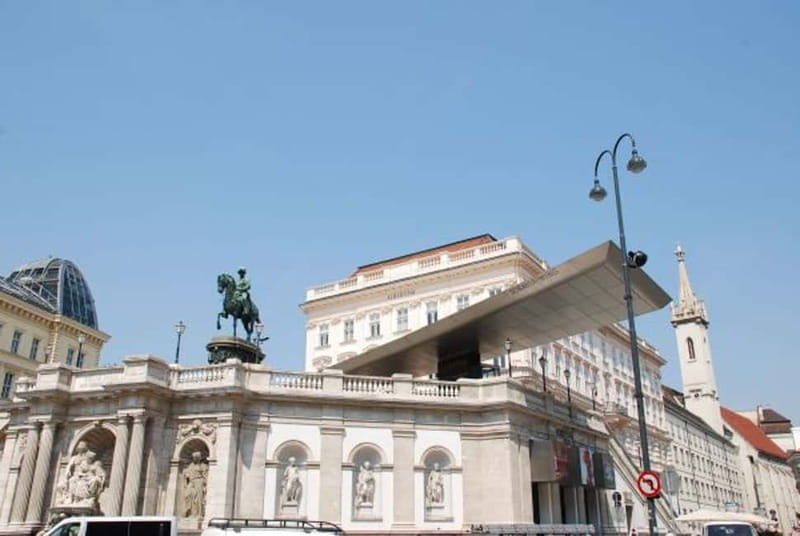
The Albertina is known for one of the world’s largest graphic art collections. The tour passes the museum and uses it as a bridge from imperial Vienna to the city’s darker twentieth-century past.
Nearby, the Monument Against War and Fascism confronts the horrors of the Second World War. This part of the walk changes the mood. Vienna is easy to admire for its palaces, coffeehouse culture, and music, but the city also had to face destruction, dictatorship, and the consequences of war.
Some guides use images on an iPad to show what buildings looked like after the war. That visual aid can be particularly useful here. The contrast between the polished central streets you see today and the damage shown in older photographs makes the city’s recovery easier to grasp.
I appreciate that the route does not turn Vienna into a costume drama about emperors. The wartime material adds necessary balance, even if some people may prefer a lighter sightseeing walk. If you want only pretty buildings and cheerful anecdotes, this section may feel sobering. It should.
The State Opera, Hotel Sacher, and a lost theater
At the State Opera, you hear why the Hotel Sacher occupies the site of the former Carinthian Gate Theatre. This is a small urban-history detail, but it helps you understand that Vienna’s famous addresses often replace earlier buildings and institutions.
The stop also gives the guide a chance to discuss what you can do in the city beyond the walk. Past participants valued tips about museums, food, local Viennese customs, and Austrian wine. One useful suggestion was Gemischter Satz, a Viennese wine made from several grape varieties grown together.
These recommendations are not a substitute for a dedicated food tour, but they can improve the rest of your stay. A good city walk should help you decide what to do next, and this one clearly aims to do that.
Neuer Markt and the Imperial Crypt
At Neuer Markt, the Providentia Fountain becomes the subject of another anecdote. The stop shows the tour’s preferred method: take an object you might otherwise pass, then use it to explain a piece of Vienna’s character or imperial symbolism.
The route also discusses the Habsburg burial ritual in the Imperial Crypt. This is a particularly distinctive part of Vienna’s court culture. The details help explain how the dynasty separated different parts of the body for burial, a practice that can sound strange until you understand its religious and dynastic setting.
The Imperial Crypt is not included in the tour price. The guide explains why it is worth visiting, so you can decide if you want to return independently. That is one of the clearest practical benefits of taking the walk early in your trip.
St. Stephen’s Cathedral and the final story
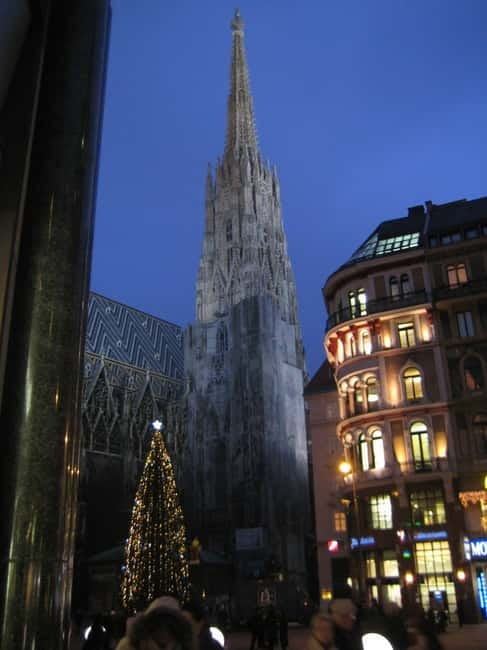
The tour ends at Stephansplatz, beside St. Stephen’s Cathedral, Vienna’s best-known landmark. The cathedral gives the walk a strong finish because it brings together religion, civic identity, wartime damage, and modern Vienna.
You will hear about the cathedral’s partial destruction during the Second World War and about a popular historical claim that is not entirely correct. That final correction fits the tone of the tour: Vienna’s past is full of stories, but not every story repeated in school survives close inspection.
Ending at Stephansplatz is practical. You are left in one of the city’s central areas, with easy access to further sightseeing, food, and transport. The listed drop-off location is Stephansplatz 8A, 1010 Vienna.
What the $34 price really buys you
At $34 per person, the tour is good value if you want a guide to connect the major sights. You are paying for two hours of live explanation, not for entry to the Imperial Treasury, National Library, Albertina, Imperial Crypt, or any other attraction.
That arrangement can save money if you use the walk to choose only the museums that genuinely interest you. It can also prevent a common Vienna mistake: filling your schedule with grand buildings without understanding which interiors are worth the extra admission.
The small-group setup is another part of the value. Group sizes have sometimes been as low as six or seven, and that makes it easier to hear, ask questions, and adjust the conversation. The size can vary, so do not treat a tiny private-style group as guaranteed.
Free cancellation is available up to 24 hours before the start, and you can reserve while paying later. The practical rules are simple: large bags and luggage are not allowed, and video or audio recording is not permitted.
Who should book this Vienna walk?
I would choose this tour if you are visiting Vienna for the first time, want an introduction to the imperial center, and prefer stories to a list of dates. It suits adults and older children, though children under 12 are excluded.
It is also a good fit if you want advice for the rest of your stay. Guides have offered suggestions for museums, local dishes, wine, and attractions such as the Lipizzaner performances. One useful seasonal warning is that the full Lipizzaner show is not offered in summer, so ask about current schedules before building your plans around it.
You may want something else if you are looking for a citywide survey. The route stays largely around the Hofburg and central Vienna, with much of the two hours focused on Habsburg history. A guide once received a lower rating because the imperial section felt too long for someone expecting a wider city tour. That is a fair caution.
Should you book it?
Book this walk if you want a compact, story-led introduction to central Vienna. The strongest reasons are the small groups, the clear historical structure, the use of visual aids, and guides such as Herbert who combine serious subject knowledge with dry humor.
Skip it if you need step-free access, want a museum admission included, or prefer a route spread across Vienna’s outer districts. For most first-time visitors who want to get their bearings fast, $34 is a sensible price for two hours of context and practical advice.
FAQ
How long is the Vienna Essential History Walking Tour?
The tour lasts two hours.
Where does the tour begin?
It begins in front of Loos Haus at Michaelerplatz 3, 1010 Vienna. The meeting point is about a three-minute walk from Herrengasse metro station on line U3.
Where does the tour finish?
It finishes at Stephansplatz, near St. Stephen’s Cathedral. The listed address is Stephansplatz 8A, 1010 Vienna.
Which languages are available?
The tour is offered in English and German.
Is the tour suitable for children?
Children under 12 are not permitted to join the tour.
Is the tour suitable for people with mobility impairments?
No. The activity is listed as unsuitable for people with mobility impairments.
Are entrance fees included?
No. The $34 price includes the local guide, but entrance fees are not included.
Does the tour operate in bad weather?
Yes. The tour runs in all weather conditions, so dress for the forecast.
Can I cancel the booking?
You can cancel up to 24 hours before the tour for a full refund. You can also reserve now and pay later.
Just added around Vienna
- Vienna: City Center Guided Walking Tour★ 4.8 · 99 reviews
- Historical Hitler Walking Tour of Vienna★ 5.0 · 887 reviews
- Vienna: Private Walking Tour with a Guide★ 4.7 · 962 reviews
- Vienna for Food Lovers: Cafés, Markets & Austrian Cuisine★ 5.0 · 1,063 reviews
- Vienna: Ghosts and Legends Guided Nighttime Walking Tour★ 4.4 · 1,088 reviews
- Vienna: 1.5-Hour Underground Walking Tour★ 4.9 · 1,146 reviews
- Vienna: Private Walking Tour with a Local★ 4.6 · 1,446 reviews
- Vienna Historic Center Small Group Walking Tour★ 5.0 · 1,746 reviews
History Walking Tours, compared.

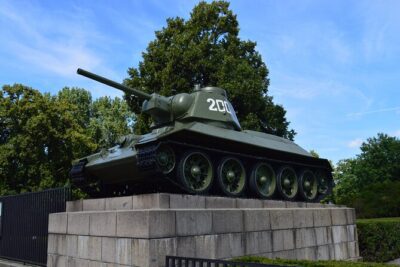
Berlin’s Best: 2 Hour Walking Tour Third Reich and the Cold War
Read our review →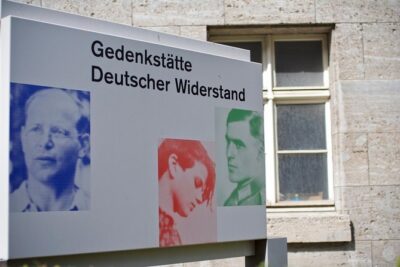
Third Reich Berlin: Hitler and WWII Walking Tour
Read our review →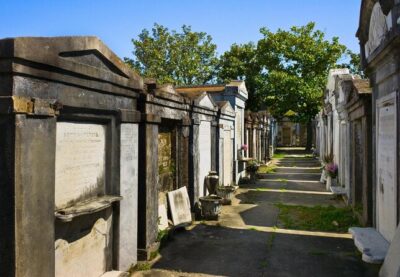
New Orleans Garden District History Walking Tour
Read our review →
Cartagena: Historic Center and Getsemaní Shared Walking Tour
Read our review →
Imperial Palace and Shogun Historical Walking Tour
Read our review →Browse the lists this tour appears in