
REVIEW · VIENNA
The unknown Vienna City- a guided walking tour in 3 hours
Vienna’s first district has grand palaces by the dozen, but this walk goes looking for the stories tucked between them. You’ll hear the legends of Lugeck, Augustine, and the basilisk, trace the city’s medieval remains, and visit places linked with Mozart and Mark Twain.
I like the small group of no more than 10 and the route through lanes and courtyards that most first-time visitors pass without noticing. I also like the way the tour connects buildings to larger events, from the Ottoman Wars to the end of the Habsburg Monarchy. The main drawback is its brisk three-hour format: if you stop often for photographs or ask many questions, the walk can feel packed.
Key points at a glance
- Three hours from Stubentor to the Hofburg: The route crosses Vienna’s historic center on foot, beginning near the Dr. Karl Lueger monument and ending at In der Burg 1.
- Legends with local flavor: Hear the stories of Lugeck, Augustine, and the basilisk, including how these monsters became part of Vienna’s urban folklore.
- Music and architecture together: Visit the Deutscher Orden Haus, associated with Mozart’s concert performances, and follow the footsteps of musicians and their patrons.
- Medieval Vienna beside modern Vienna: Gothic, Renaissance, Baroque, Art Nouveau, and newer buildings appear close together.
- Small-group attention: With a maximum of 10 people, it is easier to ask questions and adjust the discussion to your interests.
- Come ready to walk: Eat before you start, wear comfortable shoes, and note that the tour is not suitable for wheelchair users.
Starting near Stubentor, where Vienna’s old story begins
The meeting point is near the Dr. Karl Lueger monument, close to Stubentor subway station. This is a practical place to begin because it puts you near the old center without dropping you straight into the busiest sightseeing routes.
I like starting here rather than at a famous palace. You begin with Vienna as a medieval city, not just as the imperial showpiece seen on postcards. From the first steps, the guide can explain how the city grew, changed, and rebuilt itself over many centuries.
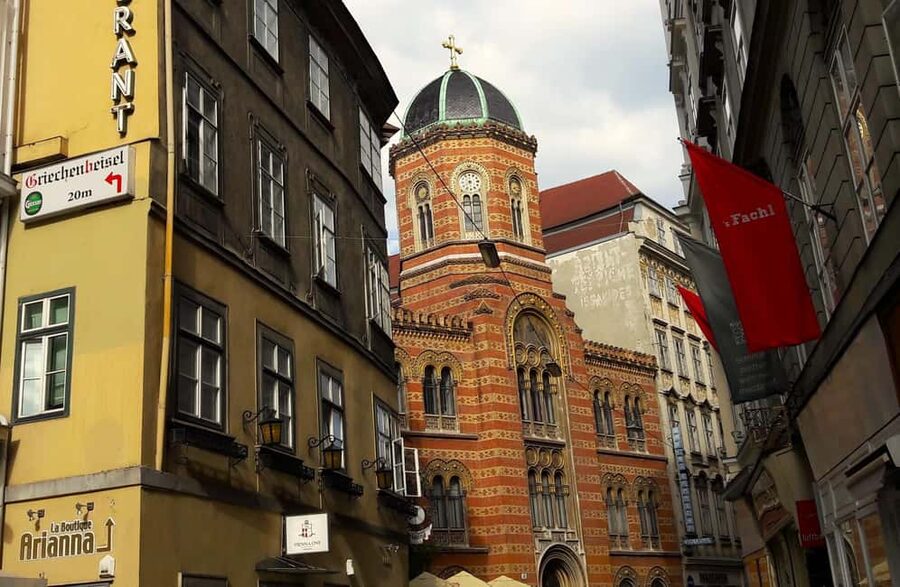
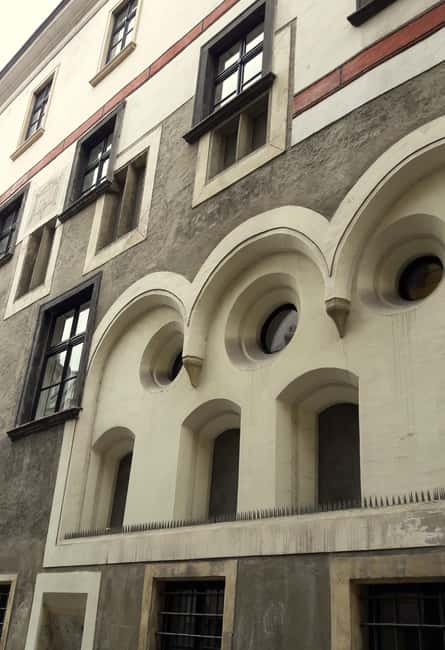
The tour covers the first district, but it does not simply follow the most obvious streets. You’ll move through known areas and less familiar passages, with the guide pointing out details that are easy to miss when you are walking alone. These may include unusual façades, courtyards, church interiors or exteriors, and architectural traces tucked beside more modern buildings.
The route is a walking tour in the full sense. Eat something before you arrive, since no meal stop is included, and wear shoes that can handle three hours on city streets. The pace may suit you well if you enjoy continuous sightseeing, but it is not designed as a slow café-to-café outing.
More Three-Hour Tours in Vienna:
- Prague: 3-Hour Walking Tour of Old Town & Prague Castle
★ 4.7 · 5,696 reviews - Eat Like a Local: Venice 3-Hour Small-Group Food Tasting Tour
★ 5.0 · 3,137 reviews - Experience Porto’s Charm: 3-Hour Guided Walking Tour
★ 5.0 · 2,432 reviews
Lugeck, Augustine, and Vienna’s monster stories
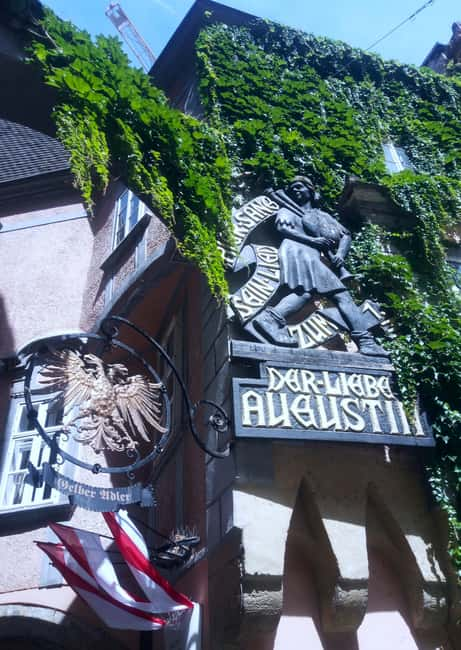
One of the tour’s most distinctive features is its use of local legends. At Lugeck, Augustine, and other points in the old center, the guide brings in stories of monsters, strange events, and the beliefs that helped shape Vienna’s identity.
The basilisk tale is especially suited to this kind of walk. Rather than treating folklore as a side note, the tour looks at where such stories came from and what they meant to the people who told them. You’ll also hear how Viennese people supposedly dealt with these creatures.
This gives the walk a welcome change of pace. One moment you are looking at a serious medieval building or an imperial institution, and the next you are hearing about a monster in the city. I like that mix because it shows Vienna as a lived-in place, not only a collection of official monuments.
The legends also help you notice the city at street level. A narrow passage, an old façade, or a small sculptural detail can make more sense once you know the story attached to it. If you prefer dates, rulers, and political events alone, this part may feel less essential. If you enjoy folklore and odd local tales, it is likely to be one of the walk’s most memorable sections.
Music at the Deutscher Orden Haus
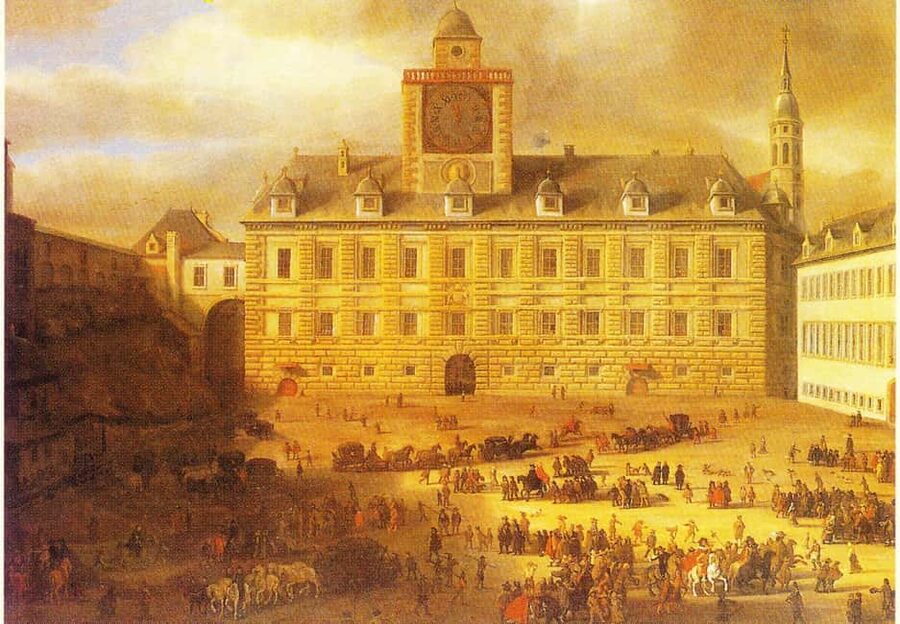
Music forms another thread through the route. The tour includes the Deutscher Orden Haus, connected with Mozart’s concert history, and follows places associated with musicians and the people who supported them.
Vienna is famous for Mozart, Beethoven, Schubert, and the later musical tradition, but it is easy to experience that story only through grand concert halls and museums. This walk places music in the setting of the old city, where churches, aristocratic residences, religious houses, and concert venues were part of the same urban world.
I find that useful because it adds social context. Music did not exist separately from architecture or politics. Musicians relied on patrons, religious institutions, and wealthy households, while the buildings around them shaped where performances took place and who could attend.
The tour is not presented as a full music-history lecture, so you should not expect a concert or an extended visit inside every music-related building. Its strength is the connection between place and person. You see where the musical story fits into Vienna’s streets.
Winding lanes, courtyards, and lesser-seen churches
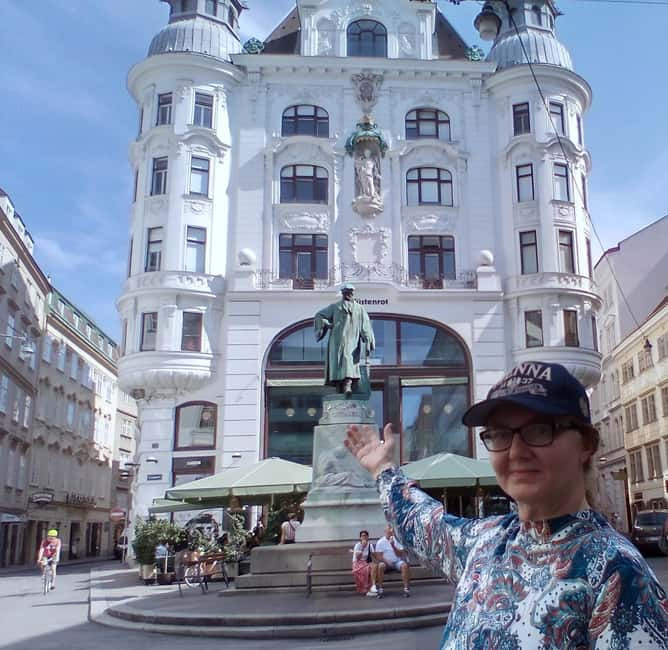
The guide leads you through winding streets and courtyards that you might easily pass without noticing. This is where the small group matters. A group of 10 or fewer can pause in a narrow space without blocking the whole passage, and you can ask why a building or lane matters.
Several people who have taken the walk found that the guide revealed corners they had already passed without really seeing. That is a useful promise for anyone who has already visited Vienna’s main sights. You may not need another explanation of the Hofburg’s grand exterior, but you may appreciate the story of a side street, a tucked-away courtyard, or an overlooked church.
The route also includes several beautiful churches, according to the tour experience described by participants. The exact interior access can depend on opening conditions, so think of these as architectural and historical stops rather than guaranteed private visits.
This portion rewards curiosity more than a checklist mentality. You are not rushing from one famous building to the next. You are learning how to read the old center, including the spaces between major attractions.
More Guided Tours in Vienna:
- Vienna: Guided Walking Tour of City Center Highlights
★ 4.7 · 4,989 reviews - Vienna: Vienna Central Cemetery Guided Walking Tour
★ 4.8 · 3,307 reviews - Vienna: Guided Walking Tour of City Highlights & Hidden Gems
★ 4.9 · 2,180 reviews - Vienna: Viennese Underworld Guided Walking Tour
★ 4.7 · 1,865 reviews
Medieval Hofburg and the city beneath the imperial image
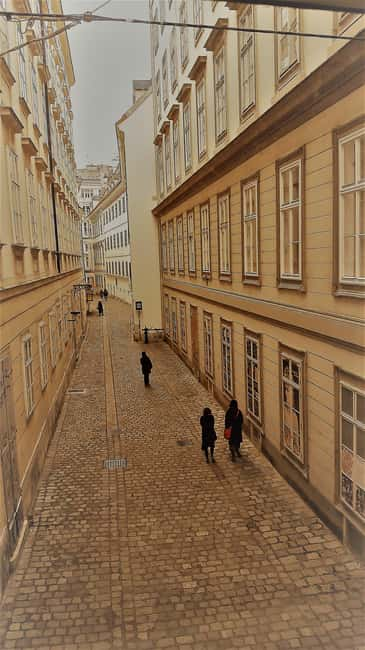
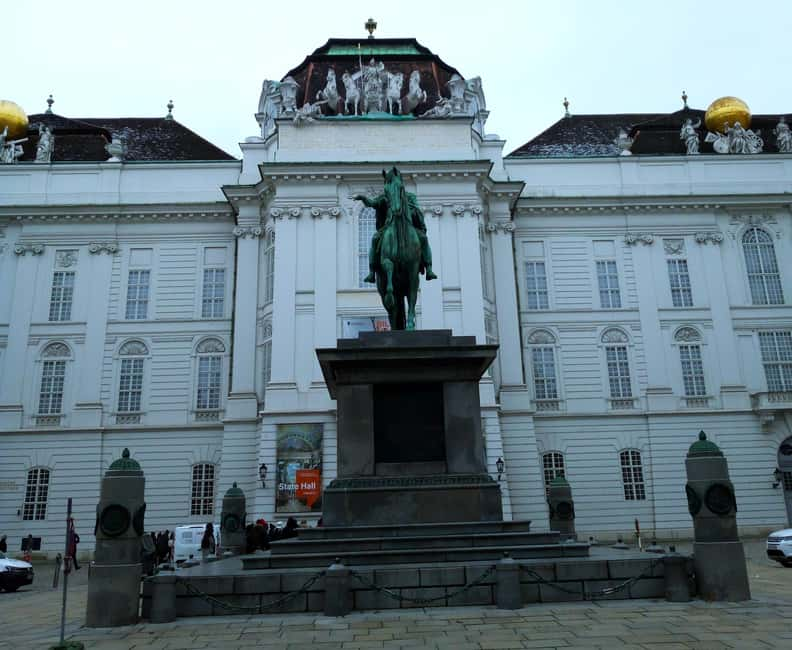
The Hofburg is usually presented as the great Habsburg palace complex. This tour looks for the older, less obvious side of it, including the medieval Hofburg and the layers that remain beneath later additions.
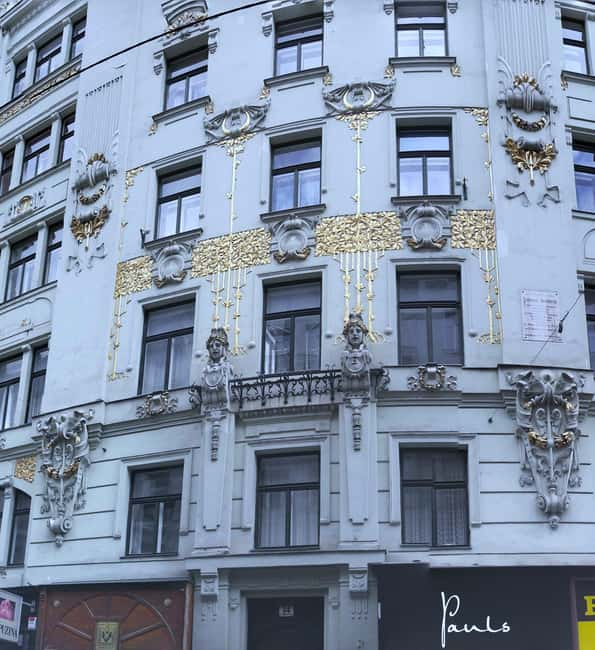
That approach is valuable because Vienna’s imperial buildings can appear visually unified, even though they were built and altered over a very long period. The walk helps separate those layers. Medieval forms, Renaissance changes, Baroque additions, Art Nouveau details, and newer modern construction all appear within a compact part of the city.
The route ends at In der Burg 1, within the Hofburg area. That gives the tour a clear sense of progression: you begin near the old city’s eastern side and finish at one of Vienna’s main political and architectural centers.
Do not expect a full palace tour with every imperial room. The focus is the city around and within the historic center, with special attention to overlooked traces. If you want the formal state apartments or a museum visit, you would need to arrange those separately.
Reading Vienna’s religious and political changes in stone
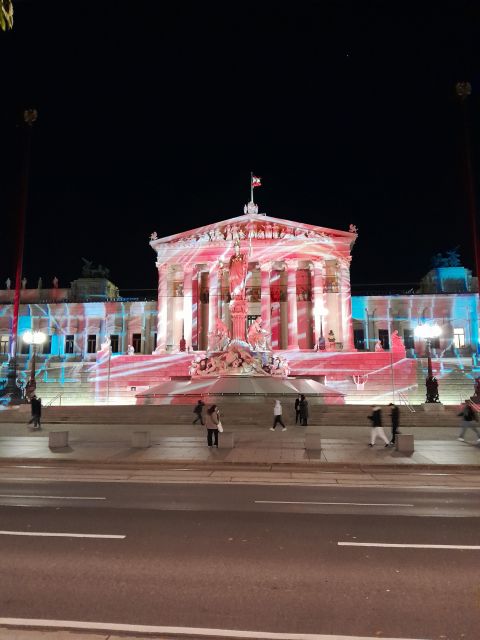
A particularly interesting theme is the architectural evidence of Vienna’s re-Catholicization. Buildings can reveal shifts in power and belief, and the guide points out traces of the period rather than treating religious history as a list of names and dates.
This matters because Vienna’s history was shaped by more than the Habsburg family. Religious conflict, Ottoman Wars, reconstruction, and changing political priorities affected how the city looked and how institutions used its buildings.
The route gives you a broad sweep from the 13th century to the 21st century. That is a lot of ground for three hours, but the walk is not trying to cover every event. Instead, it uses selected streets and structures to show how different periods sit side by side.
I appreciate this kind of overview when I am arriving in a city. You get a framework for later visits. After the tour, a church façade or a palace wing may no longer seem like an isolated object. You can place it in a longer sequence of medieval, religious, imperial, and modern change.
Why the small group and guide matter
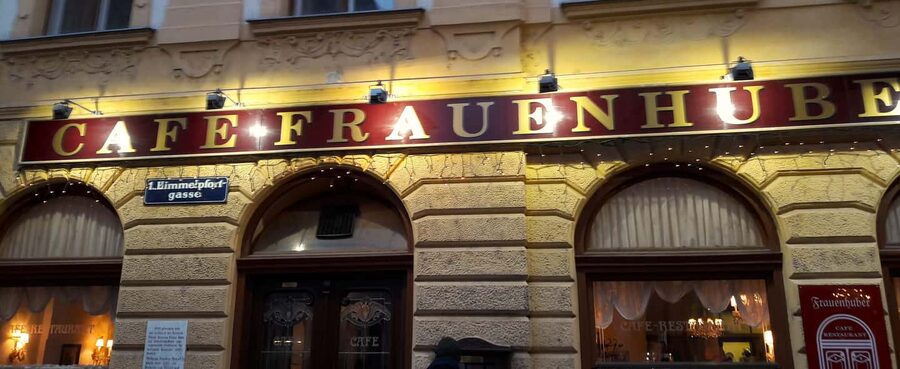
The group is limited to 10 participants, and that is one of the strongest practical features. A small group gives the guide room to answer questions, explain details, and respond to what interests you. One participant specifically found that the guide adjusted the visit to suit personal interests, which is a real advantage over a large group with a fixed script.
The guide named in the experience feedback is Nicoleta. She is described as especially attentive, patient, and able to answer questions in detail. Other comments highlight her unusual knowledge of Vienna and her ability to point out places that are easy to overlook.
That does not mean every departure will feel identical. The guide may be Nicoleta or another guide from RAXI Tours, and the atmosphere can change with the group. The listed languages are English, Italian, and German. In rare cases, the tour may be conducted in two languages, particularly when booked at short notice or during crowded holiday periods.
You cannot choose or see the language mix already booked through the activity information. If that matters to you, contact the provider at [email protected] before booking.
What $63 means for this Vienna walk
At $63 per person, this is not the cheapest way to see the first district. You are paying for a three-hour guided walk, a small group, and a route built around interpretation rather than just major photo stops.
I think the value is strongest if you care about context. The guide does not simply point toward the Hofburg and name Mozart. The experience links legends, religious changes, music, medieval construction, imperial history, and modern architecture across one walk.
The price is less compelling if you want only a quick orientation or a simple list of famous sights. You could see several central streets on your own. The extra value comes from access to the guide’s storytelling and from noticing places you would probably miss without direction.
The group size also affects the value. With only 10 people, you have a better chance to ask about a particular building, follow up on a legend, or request restaurant suggestions. One participant found the price especially good when only two people were booked, though you should not assume every departure will be private or nearly private.
Free cancellation is available up to 24 hours before the activity, and you can reserve now and pay later. Those terms help if your Vienna schedule is still shifting, but the main decision should be based on your interest in a focused history walk.
Languages, access, and the practical tradeoffs
The tour is offered in English, Italian, and German. Because it is sometimes conducted in two languages, you should be prepared for explanations to take longer or for the rhythm to feel less direct than on a single-language departure.
The tour is not suitable for wheelchair users. The combination of historic streets, winding lanes, and old courtyards may also be challenging for anyone who has difficulty walking for three hours, though the supplied information does not give a detailed surface or step-by-step accessibility assessment.
Recording the guide’s explanations is strictly prohibited. That is important to know before you arrive. You can take notes if useful, but the experience is intended to be heard in person rather than recorded for later use.
There is no stated meal break, so have breakfast or a snack first. You may also want water, though that is a general walking-tour precaution rather than a listed inclusion. The start is near Stubentor subway station, making public transport access straightforward from elsewhere in Vienna.
Who will enjoy this tour most?
I would choose this walk if you have already seen some of Vienna’s headline sights and want a more local-feeling route through the center. It also suits first-time visitors who prefer stories and connections over a standard parade of monuments.
You are likely to enjoy it if you like:
- Folklore about monsters, saints, and unusual local events
- Medieval streets and architectural details
- Mozart and the social setting around music
- Religious and political history
- Small groups with time for questions
- Walking through places you might not find alone
I would hesitate if you want a relaxed pace, a fully accessible route, or a tour devoted mainly to the grand interiors of the Hofburg. The three-hour schedule covers a lot, and the value depends on your willingness to keep walking and listen closely.
Should you book The Unknown Vienna?
Book it if you want to understand how Vienna’s first district was built up over time, not just photograph its imperial façades. The combination of medieval remains, Mozart connections, local legends, religious architecture, and lesser-known streets gives the walk a clear identity.
I would especially recommend it near the start or end of a Vienna stay. Early in your visit, it can help you read the city. Later, it can fill in the details you missed while visiting the major palaces and museums.
Skip it if you need step-free access, dislike walking tours, or want a short introduction with only the essential sights. For everyone else, $63 is reasonable when the small group, personal questions, and unusual route matter as much as the monuments themselves.
FAQ
How long is The Unknown Vienna walking tour?
The tour lasts three hours. Check the available booking times for the current starting options.
Where does the tour begin?
It begins near the Dr. Karl Lueger monument, close to the Stubentor subway station.
Where does the tour finish?
The stated finish point is In der Burg 1, in the Hofburg area.
What languages are available?
The tour is offered in English, Italian, and German.
How large is the group?
The group is limited to 10 participants.
Is the tour suitable for wheelchair users?
No. The activity is listed as not suitable for wheelchair users.
Should I eat before the tour?
Yes. You are advised to eat something before starting, and the information does not list a meal stop.
Can I cancel and receive a refund?
You can cancel up to 24 hours in advance for a full refund. You can also reserve now and pay later.
Just added around Vienna
- The best of Vienna on foot★ 4.8 · 126 reviews
- Hungry in Vienna? A Food Lover’s Coffee & Market Walk★ 4.9 · 276 reviews
- Vienna: City Center Guided Walking Tour★ 4.8 · 99 reviews
- Vienna: Essential History Walking Tour★ 4.9 · 633 reviews
- Historical Hitler Walking Tour of Vienna★ 5.0 · 887 reviews
- Vienna: Private Walking Tour with a Guide★ 4.7 · 962 reviews
- Vienna for Food Lovers: Cafés, Markets & Austrian Cuisine★ 5.0 · 1,063 reviews
- Vienna: Ghosts and Legends Guided Nighttime Walking Tour★ 4.4 · 1,088 reviews
Walking Tours, compared.

Magical London: Harry Potter Guided Walking Tour
Read our review →
Reykjavik Food Walk – Local Foodie Adventure in Iceland
Read our review →
History and Hauntings of Salem Guided Walking Tour
Read our review →
New Orleans Premier Ghost, Voodoo and Vampire Walking Tour
Read our review →
Amsterdam Anne Frank: Small-Group Walking Tour & Local Guide
Read our review →

Edinburgh Castle: Guided Walking Tour with Entry Ticket
Read our review →
Anne Frank’s Story – Guided Walking Tour through Amsterdam
Read our review →Browse the lists this tour appears in