
REVIEW · LISBON
Lisbon: Walking Tour in the Center (Max 12 Participants)
Lisbon’s historic center makes the most sense on foot, and this tour links four very different districts in one sweep. You’ll start at Rossio, climb through Baixa, Chiado, and Bairro Alto, then reach Alfama and a fine viewpoint over the Tagus. The route covers three hills, so it gives you a good feel for the city’s shape as well as its sights.
I like the small maximum group of 12, which should make it easier to hear your guide in narrow lanes and crowded squares. I also like the route’s balance: major sights such as Santa Justa Lift and Carmo Monastery share space with tiled streets, old neighborhoods, and river views. The catch is simple: this is a proper uphill walk, and it is not suitable for wheelchair users or people with limited mobility.
Key points at a glance
- Three Lisbon hills in 3.5 hours: Expect a steady walk with several climbs and descents.
- Four central districts: Baixa, Chiado, Bairro Alto, and Alfama each reveal a different side of Lisbon.
- Small group format: Group walks are capped at 12 people, with a private option available.
- A strong mix of sights: You’ll see Santa Justa Lift, Carmo Monastery ruins, Lisbon tiles, and the Arco de Rua Augusta.
- A Tagus view from Alfama: The route includes a viewpoint with one of the city’s memorable river vistas.
- German-speaking guides: Pedro, Sara, and Melina are among the named guides praised for clear and engaging walks.
Starting at Rossio, Lisbon’s natural meeting point
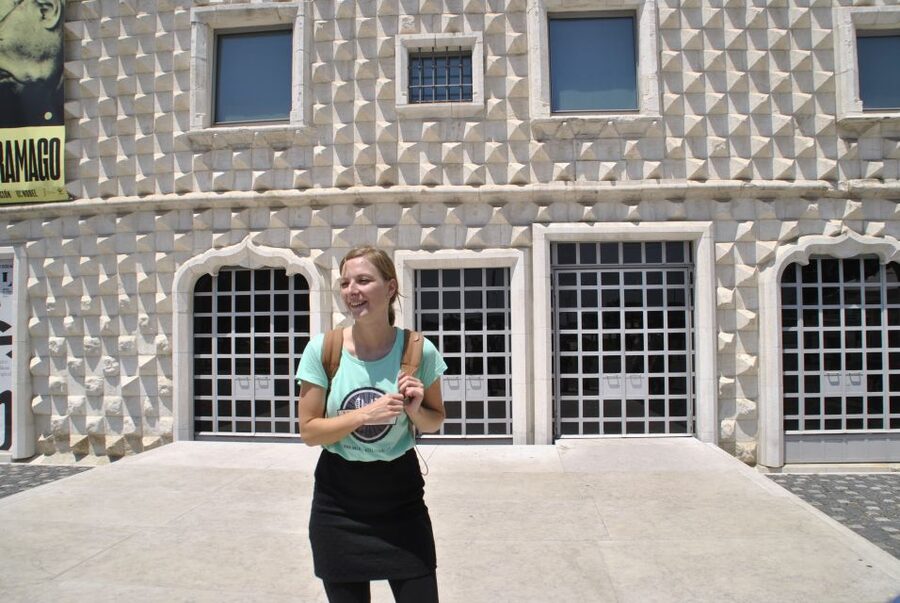
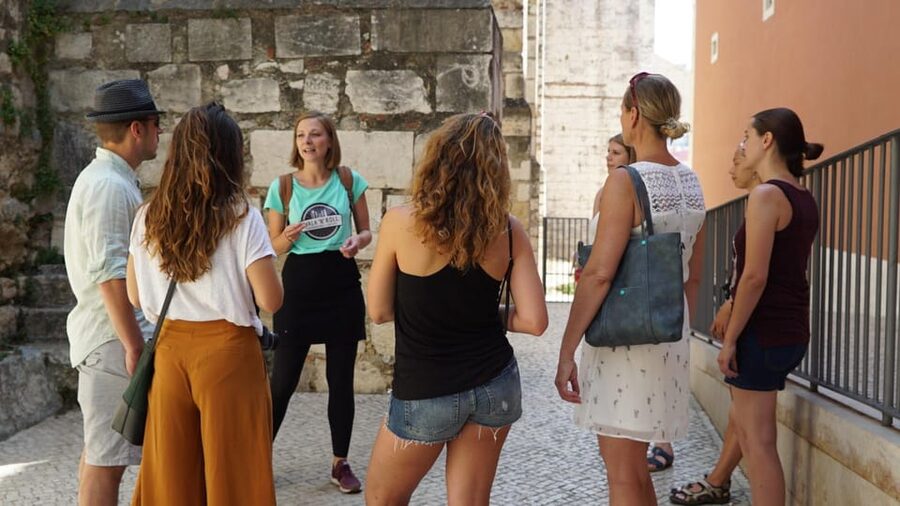
The tour begins at the north fountain in Rossio Square, between the National Theater and the Royal Statue. Look for a guide wearing a mint-colored WALK ‘N’ ROLL shirt or carrying a matching mint-colored burlap bag. This is a useful detail in a busy square, where a precise meeting point saves time and confusion.
Rossio is an excellent place to begin because it sits at the edge of several central districts. From here, you can quickly understand Lisbon as a city built in layers: grand squares in the lower center, steep streets rising toward old neighborhoods, and the Tagus opening out at the bottom.
The tour lasts about three and a half hours. That is long enough to cover a generous stretch of the center, but not long enough for detailed interior visits at every monument. I would treat it as an orientation walk, a history lesson, and a way to decide where you want to return later.
Because the guide speaks German, this tour is best suited to German-speaking visitors. Group walks are limited to 12 participants, while a private format is available if you want the pace and conversation tailored to your own party.
A few more walking tours around Lisbon worth a look
- Lisbon: History, Stories and Lifestyle Walking Tour
★ 4.8 · 10,902 reviews - Best of Lisbon Small-Group Guided Walking Tour
★ 5.0 · 4,869 reviews - Lisbon: Food and Wine Small Group Walking Tour
★ 4.9 · 4,082 reviews
Baixa and the straight-lined heart of Lisbon
From Rossio, you’ll head into Baixa, the lower part of the city. This area feels different from the crooked lanes of Alfama. Its streets and squares are more orderly, giving the walk a chance to explain how Lisbon’s center was rebuilt after the 1755 earthquake.
You’ll move through the central streets with your guide, learning about Portuguese history and daily life along the way. The value here is not simply seeing a square or street. It is learning how the city’s lower center fits together before you begin climbing.
Baixa is also a practical place to get your bearings. If you are new to Lisbon, the walk helps connect Rossio with Rua Augusta, Praça do Comércio, Chiado, and the hills above. That basic map can make the rest of your stay easier.
I would not expect a long stop at every building. The route is designed to keep moving, so listen for the guide’s explanations and note the places you may want to revisit on your own.
Santa Justa Lift and Carmo Monastery ruins
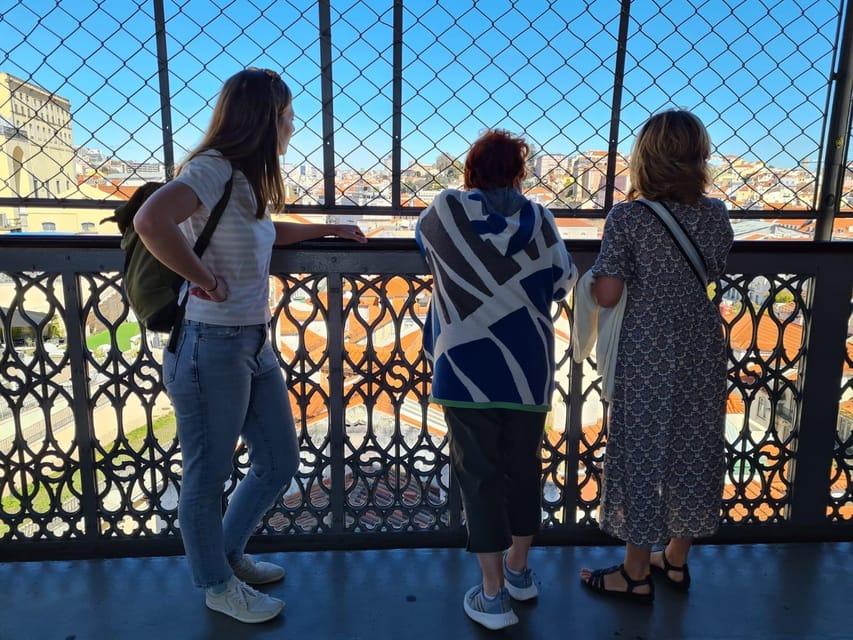
One of the early highlights is the Elevador de Santa Justa, the tall iron lift that connects the lower streets with the higher Carmo area. Its vertical shape and decorative metalwork make it one of Lisbon’s most recognizable structures.
The tour includes a guided look at the lift rather than promising a ride. That distinction matters. If riding the elevator is high on your list, you should plan to investigate it separately, since the supplied details only confirm a guided visit.
From here, you’ll walk up the first hill toward the ruins of Carmo Monastery. The open arches of the former convent are among Lisbon’s most striking reminders of the 1755 earthquake. The roofless structure lets the sky show through the old stonework, giving the stop a quiet, unusual character even in the middle of the city.
This part of the route also introduces Lisbon’s famous tiles. You may see some of the city’s most attractive examples as you continue through the center. Tiles are not just decoration here. They help explain the visual character of Lisbon, where patterned façades and worn ceramic panels appear in ordinary streets as well as grand buildings.
The climb is manageable for many fit walkers, but it is only the first serious reminder that Lisbon is not flat. Wear shoes with a firm sole. Smooth paving, slopes, and steps can be tiring in sandals.
Chiado, the poets’ quarter

After Carmo, the route continues into Chiado, once known as a quarter associated with poets and writers. Today, it is one of the center’s most recognizable districts, with elegant streets, shops, cafés, and cultural landmarks.
The guide’s role is especially useful here because Chiado can look polished and modern at first glance. A good explanation helps connect the streets to the people and ideas that shaped Lisbon’s cultural life. The walk does not just point at façades. It gives you a sense of why this district matters.
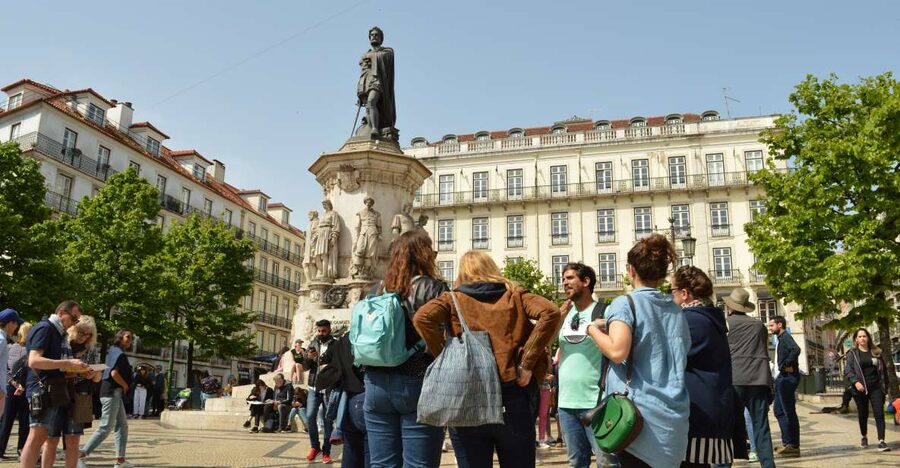
You’ll then reach Praça Luís de Camões, a useful transition between Chiado and Bairro Alto. This square also gives you a natural pause in the route before the next neighborhood.
I like this section because it breaks up the monuments with a lived-in city quarter. The drawback is that a walking tour cannot stop everywhere in Chiado. If you want time for shopping, café sitting, or close inspection of individual buildings, save that for another visit.
Same streets, a different route:
- Best of Lisbon Walking Tour: Rossio, Chiado & Alfama
★ 4.9 · 2,700 reviews - Age of Discoveries Walking Tour in Belém
★ 5.0 · 1,513 reviews - Lisbon Food Tour with 10+ Tastings of Local Delicacies & Wines
★ 5.0 · 1,339 reviews - Sintra & Cascais Day Tour with Pena Palace Entry and Gardens Walk
★ 5.0 · 962 reviews
Bairro Alto, from quiet lanes to nightlife streets
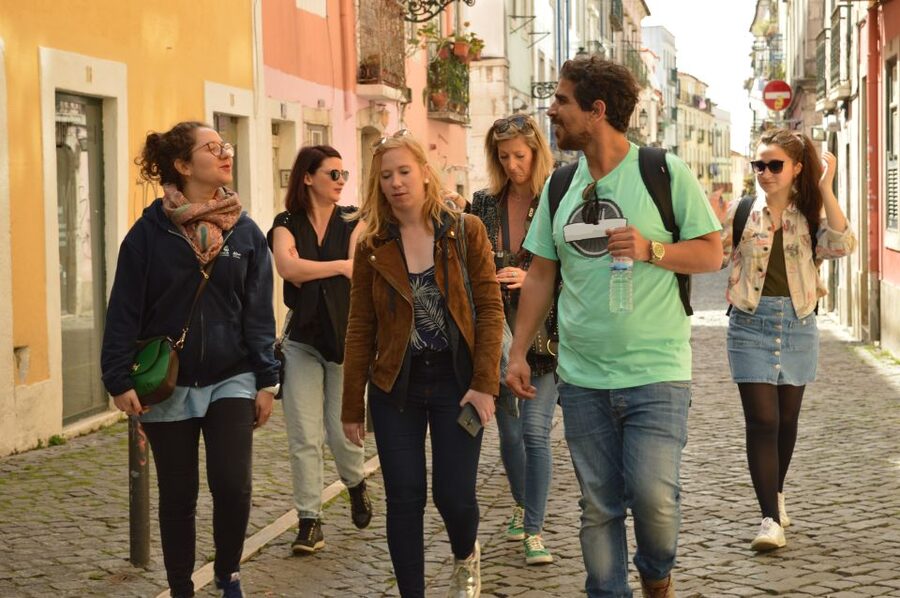
Bairro Alto is known for its residential streets and nightlife. During the day, the district can feel much calmer than its evening reputation suggests. The tour lets you see the street plan and local atmosphere without making nightlife the whole point of the visit.
This is another section where the walking format works well. You can notice the narrow lanes, changing elevations, tiled walls, and small details that are easy to miss from a vehicle. Lisbon’s character often appears at eye level, not in a grand monument.
You’ll have a short break to catch your breath before continuing. That break is welcome because the route includes more climbing ahead, especially as you move toward the viewpoints and Alfama.
The tour’s published route mentions a 30-minute break at Miradouro de São Pedro de Alcântara. That is a substantial pause, not just time to stop for a photograph. Food is not included, so bring water and plan to buy anything you want during the break. The included tasting is liquor, not a full meal.
São Pedro de Alcântara and the first big panorama

Miradouro de São Pedro de Alcântara is one of the route’s most rewarding stops. From this terrace, you can pause above the city and take in the broad Lisbon view before heading toward Alfama.
A viewpoint changes the rhythm of the tour. After narrow streets and uphill walking, you get space to look back at the city’s slopes and rooftops. Your guide can also help identify the parts of Lisbon spread below you.
The 30-minute break makes this more than a quick photo stop. You can rest, drink water, and reset your legs. Since the tour takes place rain or shine, the quality of this pause will depend on the weather. Bring sunscreen on a bright day and a light rain layer when conditions look unsettled.
The walk continues after the break, so do not treat this as the end of the climb. You still need enough energy for Alfama and the final route down toward the river.
Alfama and the Tagus from above
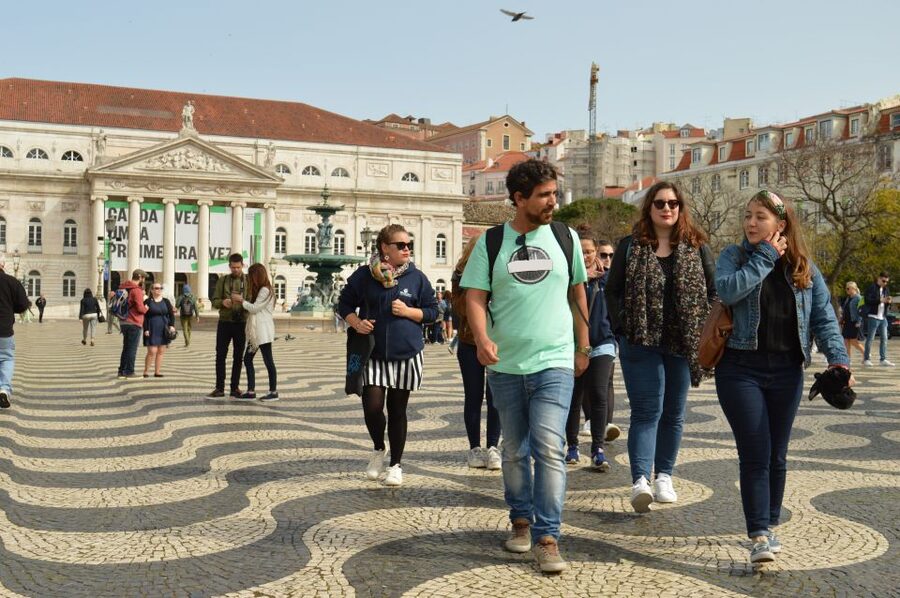
Alfama brings a sharp change in mood. Its winding alleys and irregular streets feel older and less planned than Baixa. The route leads you through this historic neighborhood before reaching a viewpoint over the Tagus.
The river view is one of the strongest reasons to choose this tour. You get both the close-up experience of Alfama’s lanes and the wide perspective of Lisbon opening toward the water. It is a useful pairing: one shows how people move through the old city, the other shows the city’s larger setting.
The route describes the viewpoint as one of the most beautiful overlooks in Alfama. You should expect a scenic stop, but not a long private viewing session. Alfama is often busy, and the group will need to keep to its schedule.
Walking here also requires attention. The lanes can be steep, uneven, and confusing, which is exactly why a guide helps. Keep your belongings close and leave bulky bags at your accommodation. Large bags and baby strollers are not allowed on this activity.
Rua Augusta and the riverfront finish
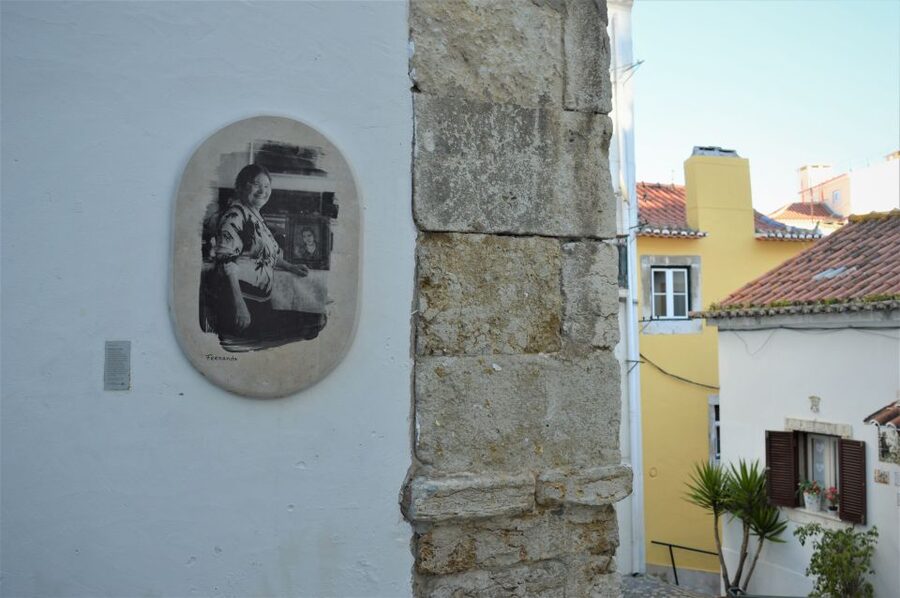
After exploring Alfama, the route heads back toward Rua Augusta. There is a brief food-tasting stop listed here, while the included tasting is specifically described as liquor. Food itself is not included, so keep your expectations modest: this is a short taste, not a meal or a market visit.
The finish comes at the Arco de Rua Augusta in Praça do Comércio, right beside the Tagus. This is a fitting endpoint because the walk begins in Lisbon’s inland center and ends at the river. The broad square gives you room to relax after the hills and continue exploring independently.
Praça do Comércio is also a practical place to end. You can remain by the water, walk along the riverbanks, or return into Baixa. The tour does not provide onward transport, so plan your next step before the walk ends if you have a timed reservation elsewhere.
What the guides add to the walk
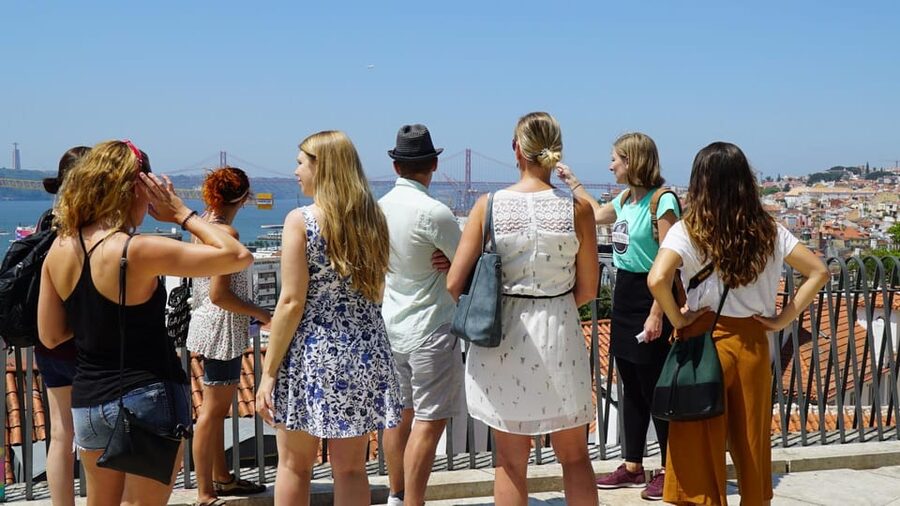
The experience depends heavily on the guide because much of the value comes through explanation rather than admission to a monument. The German-speaking guides named in the feedback include Pedro, Sara, and Melina.
Pedro received especially warm praise for making the walk engaging, while Sara was described as informative and entertaining even in difficult rainy weather. Melina was noted for giving a lively look at Lisbon’s history and people, along with useful suggestions for the rest of a stay.
Those comments point to an important strength: the guide is expected to do more than recite dates. You’ll want someone who can connect the earthquake, the neighborhoods, Portuguese culture, and present-day city life. The tour’s strongest form is a conversational walk with practical advice woven into the history.
One fair criticism is that some people may want more monument stops. The route covers a large part of central Lisbon, but it moves on after each area. If you want to enter multiple sights or spend long periods at individual landmarks, a slower private tour or self-guided follow-up may suit you better.
Price, group size, and physical demands
At $47 per person, the price is reasonable if you want a guided introduction to several central districts in one morning or afternoon. You are paying for three and a half hours with a live guide, a small group capped at 12, a liquor tasting, and a route that links viewpoints with major historic areas.
The value is strongest for a first visit. Instead of figuring out how Baixa, Chiado, Bairro Alto, and Alfama connect, you can cover them in one organized walk. The guide also saves you from passing the Santa Justa Lift or Carmo ruins without understanding their place in the city.
The price is less compelling if you mainly want interior access, a full food tour, or a gentle stroll. Food is not included, and the tour covers three hills. It is an active city walk, not a flat promenade.
Book this only if you can comfortably walk uphill and downhill for several hours. Comfortable shoes, water, and sunscreen are specifically recommended. The tour runs in rain or shine, so check the forecast and dress for conditions.
Free cancellation is available up to 24 hours before the start, and you can reserve now while paying later. Those terms are useful if your Lisbon plans are still shifting, though the physical demands will not change with the weather.
Who should book this Lisbon walk?
I would choose this tour if you want a broad first look at central Lisbon, prefer learning through local streets rather than sitting on a bus, and can manage repeated hills. It should suit couples, friends, and small families with older children who enjoy walking.
The small group is a real advantage. A group of up to 12 is large enough to keep the cost below a private tour, but small enough for questions and guide contact. If your party wants complete control over stops and pace, choose the private option instead.
I would skip it if you use a wheelchair, have a mobility impairment, need a stroller, or dislike steep streets. I would also choose something else if your main goal is a food-focused tour or extended time inside monuments.
Should you book it?
Book this WALK ‘N’ ROLL tour if you want Lisbon explained through its streets, hills, tiles, viewpoints, and neighborhoods. The route covers a lot, and the best parts are the contrast between Baixa’s ordered center, Chiado’s cultural feel, Bairro Alto’s narrow lanes, and Alfama’s river views.
Go in knowing that you will walk hard, pause briefly at some sights, and buy your own food. If those limits fit your plans, $47 buys a useful introduction to Lisbon with a small group and a German-speaking guide. It is especially worthwhile early in your stay, when the city still feels like a puzzle.
FAQ
Where does the tour begin?
Meet at the north fountain in Rossio Square, between the National Theater and the Royal Statue.
How do I identify the guide?
Look for a guide wearing a mint-colored WALK ‘N’ ROLL T-shirt or carrying a mint-colored WALK ‘N’ ROLL burlap bag.
Where does the tour finish?
The walk ends at Praça do Comércio, beside the Tagus, near the Arco de Rua Augusta.
How long does the tour last?
The tour lasts three and a half hours.
How many people can join the group?
The group option has a maximum of 12 participants.
Is a private tour available?
Yes. You can book a private group for yourself and your companions.
What language is the tour offered in?
The live guide speaks German.
Does the tour include food?
Food is not included. A liquor tasting is included, and the route lists a brief food-tasting stop on Rua Augusta.
Is the walk suitable for wheelchair users?
No. The tour is not suitable for wheelchair users or people with mobility impairments.
What should I bring?
Bring comfortable shoes, sunscreen, and water. The tour operates rain or shine.
Does the route include steep walking?
Yes. You will walk up and down three of Lisbon’s hills, so expect a fair amount of uphill and downhill walking.
Can I cancel the booking?
You can cancel up to 24 hours in advance for a full refund.
Just added around Lisbon
- Fado: Musical Walking Tour with Food & Live Show★ 5.0 · 121 reviews
- Eat & Walk Through Lisbon: A Local Food & Wine Experience★ 4.9 · 458 reviews
- Best of Lisbon Private Walking Tour★ 5.0 · 370 reviews
- Lisbon: Private Dark History Walking Tour with Drinks★ 4.8 · 387 reviews
- Lisbon: Award-Winning Guided Walking Food Tour with Local Drinks★ 5.0 · 374 reviews
- Lisbon: Best of City Private Walking Tour★ 4.9 · 601 reviews
- Lisbon: Belém Walking Tour with Jerónimos Monastery Ticket★ 4.9 · 637 reviews
- Lisbon: Kickstart Street Art Walking Tour★ 4.9 · 717 reviews
Walking Tours, compared.

Magical London: Harry Potter Guided Walking Tour
Read our review →
Reykjavik Food Walk – Local Foodie Adventure in Iceland
Read our review →
History and Hauntings of Salem Guided Walking Tour
Read our review →
New Orleans Premier Ghost, Voodoo and Vampire Walking Tour
Read our review →
Amsterdam Anne Frank: Small-Group Walking Tour & Local Guide
Read our review →

Edinburgh Castle: Guided Walking Tour with Entry Ticket
Read our review →
Anne Frank’s Story – Guided Walking Tour through Amsterdam
Read our review →Browse the lists this tour appears in