
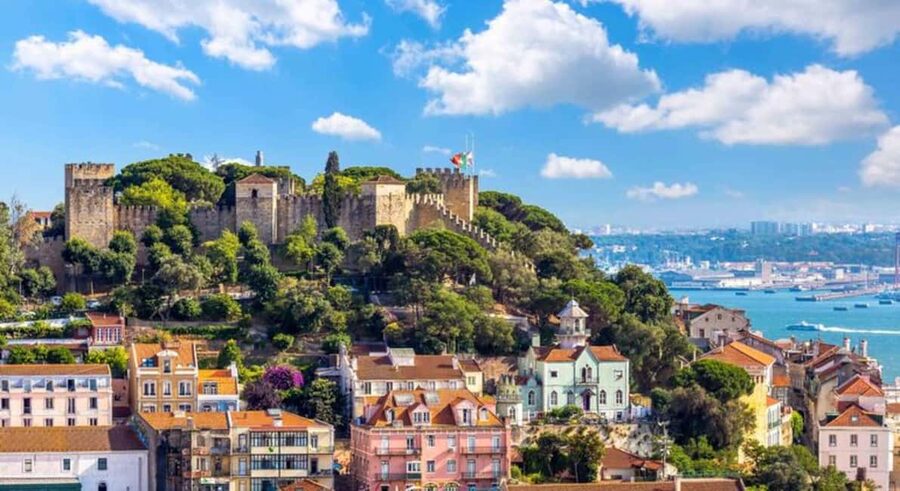
REVIEW · LISBON
Lisbon Through the Eyes of a Local – Food and Walking Tour
Lisbon becomes easier to understand when someone connects its grand squares with its small lanes, old legends, and everyday food. This two-hour walk begins at Rossio and moves through Baixa and Alfama, with stops for pastel de nata, ginjinha, and chocolate. Guides include Francisco, Chico, and JLO, depending on the departure.
I like the low price and the useful mix of sightseeing and tasting. I also like the final food and drink recommendations, which can save you from guessing where to eat later. The main consideration is time: two hours gives you a lively introduction, not a full examination of Lisbon’s monuments or museums.
Key points to know before booking

- Pastel de nata in Baixa: You stop at a local bakery for one of Portugal’s best-known pastries.
- Ginjinha in Alfama: The cherry liqueur is served with chocolate, adding a distinctly Lisbon-style tasting.
- A local point of view: Guides explain history, myths, customs, and modern city life rather than only naming buildings.
- Rossio to the cathedral: The route links Rossio Square, Rua Augusta, Praça do Comércio, Alfama, and Sé de Lisboa.
- Useful advice after the walk: You receive suggestions for restaurants, bars, fado, and further sightseeing.
- A strong first-day choice: The relaxed pace and central route help you get your bearings early in a Lisbon visit.
Starting beneath Pedro IV in Rossio Square
The meeting point is easy to identify: under the Column of Pedro IV in the center of Praça do Rossio. This is a practical place to begin because Rossio is one of Lisbon’s main central squares, with transport links and several major streets leading away from it.
Your guide introduces Lisbon through the city’s public spaces, rather than rushing straight to a famous monument. That matters here. Lisbon’s character is found in the relationship between its squares, hills, lanes, cafés, churches, and viewpoints.
The walk is conducted in English and lasts two hours. That makes it manageable for a first morning, a first afternoon, or even the day you arrive. One person took the tour right after landing and found it a good way to settle into the city. I can see why: the route gives you a mental map before you start exploring on your own.
A few more walking tours around Lisbon worth a look
- Lisbon: History, Stories and Lifestyle Walking Tour
★ 4.8 · 10,902 reviews - Best of Lisbon Small-Group Guided Walking Tour
★ 5.0 · 4,869 reviews - Lisbon: Food and Wine Small Group Walking Tour
★ 4.9 · 4,082 reviews
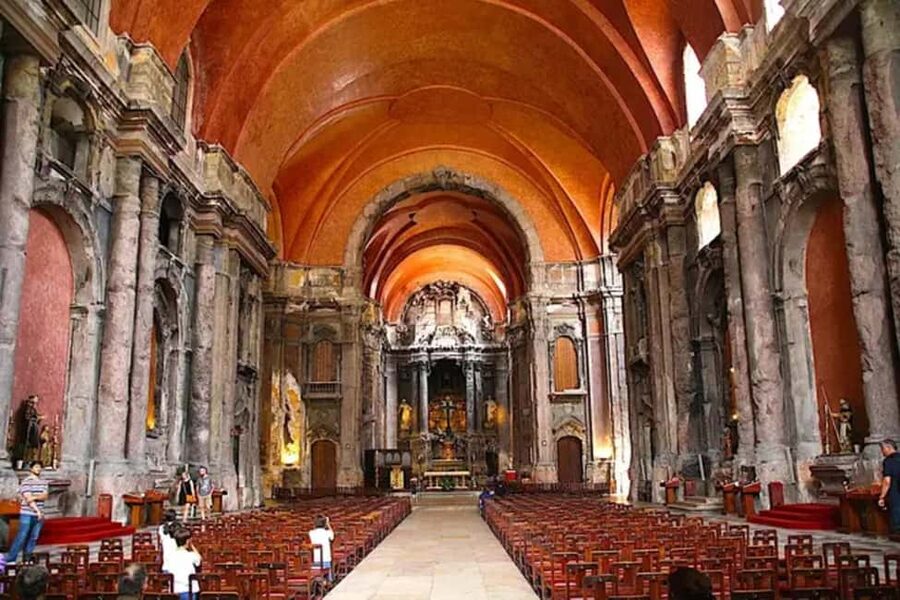
São Domingos Square and the Church of St. Dominic
The first section takes you to São Domingos Square and the Church of St. Dominic. These stops are close to Rossio, so you are not spending the opening minutes on a long transfer. Instead, you begin with places that reveal layers of Lisbon’s past.
The church is especially suited to a local explanation. A guide can point out details you might otherwise pass without noticing and connect the building to Portugal’s religious and social story. You should expect a guided visit and time for photographs, not an extended church tour.
This part of the walk also sets the tone. The guides are praised for mixing facts with humor and unusual details. Francisco, in particular, is often described as animated, direct, and good at answering questions. That style will suit you if you prefer a conversation to a formal lecture.
Praça da Figueira and the route into Baixa
From São Domingos, the walk continues to Praça da Figueira. The square helps show how central Lisbon is arranged, and it provides a useful contrast with the tighter streets you will meet later in Alfama.
The route then follows Rua Augusta, one of the city’s best-known pedestrian streets. You will see shops, cafés, street activity, and views toward the river as the walk heads south. The point is not simply to tick off Rua Augusta. Your guide explains how the street fits into Lisbon’s wider story and gives context for the buildings around it.
You also pass the Elevador de Santa Justa. The lift is one of Lisbon’s recognizable sights, but this experience does not appear to include a ride to the top. Treat it as a photo and orientation stop rather than a ticketed attraction. If you want to ride it or visit its upper platform, you will need to arrange that separately.
A fresh pastel de nata stop in Baixa
The food break comes at a local bakery in Baixa. Here you taste pastel de nata, the small custard tart that is central to Portuguese café culture. Several participants particularly enjoyed receiving a fresh pastry, with one guide bringing them directly for the group.
This is a simple tasting, but it adds real value to a short city walk. You are not just hearing about Portuguese food. You get to pause, eat, and ask questions about what you are tasting. The stop also breaks up the sightseeing, which helps keep a two-hour walking tour from feeling like a steady stream of monuments.
Do not expect a full food tour. The listed tastings are focused: pastel de nata, ginjinha, and chocolate. If you want a larger meal or several savory dishes, book a dedicated food tour instead. For a compact introduction, though, the pastry stop does its job well.
Same streets, a different route:
- Best of Lisbon Walking Tour: Rossio, Chiado & Alfama
★ 4.9 · 2,700 reviews - Age of Discoveries Walking Tour in Belém
★ 5.0 · 1,513 reviews - Lisbon Food Tour with 10+ Tastings of Local Delicacies & Wines
★ 5.0 · 1,339 reviews - Sintra & Cascais Day Tour with Pena Palace Entry and Gardens Walk
★ 5.0 · 962 reviews
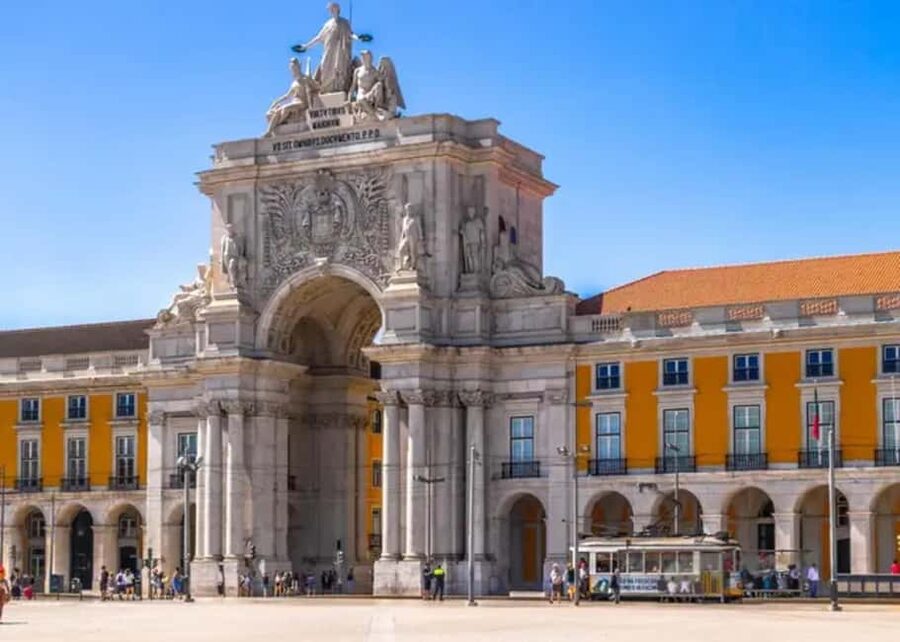
Rua Augusta Arch and Praça do Comércio
The route continues down Rua Augusta to the Rua Augusta Arch and Praça do Comércio. This is one of the most impressive open spaces in central Lisbon, with broad views toward the Tagus and grand buildings enclosing the square.
The guide uses these locations to explain Lisbon’s history, including the myths and stories that give the city some of its personality. You will have time for photos and scenic views, but the strength of the stop is the commentary. A good local guide helps you connect the scale of the square with the more intimate streets you have already walked through.
The arch itself is included as a sight, not necessarily as an interior visit. That distinction matters if you are planning your day around specific admission tickets. You will see the monument and hear about it, while the main experience remains a walking introduction to the city.
Entering Alfama through local stories
The shift from Baixa to Alfama is the most important change in the route. Baixa is orderly and open, while Alfama is known for narrower streets, older-looking lanes, and strong views over Lisbon. The tour gives you a first taste of this contrast without trying to cover every corner.
Alfama is where the local angle becomes most useful. A map can show you the neighborhood, but it cannot easily explain its myths, daily habits, or small details. The guides are praised for pointing out places that many people would walk past and for answering questions about food, culture, religion, and Portuguese traditions.
The walking pace is described as easy, including in hot weather. Still, Lisbon is hilly, and Alfama is not a flat district. The supplied information notes wheelchair accessibility, but anyone with mobility concerns should still ask about the exact route and current conditions before booking. Streets, slopes, and access points can affect comfort even when an activity is officially accessible.
Ginjinha and chocolate in Alfama
The second tasting is ginjinha, a sweet cherry liqueur. In this experience, it is paired with chocolate, and the drink may be served in a chocolate cup. This is a small but memorable Lisbon custom to try, especially if you want more than the standard pastry stop.
The tasting is not presented as a serious wine or spirits lesson. It is a quick local sample during the walk. If you do not drink alcohol, ask your guide about the available option before or during the tour. The listed experience centers on ginjinha, so non-drinkers should not assume that a separate substitute is included.
I like this pairing because it reflects the tour’s overall balance. You get one familiar Portuguese food, one local drink, and a chance to understand how both fit into city life. It is enough to add flavor without taking over the sightseeing.
Sé de Lisboa and the final views
The walk ends around Lisbon Cathedral, known as Sé de Lisboa. This is a fitting final stop because it places you in one of the city’s oldest and most atmospheric districts, close to viewpoints and further routes through Alfama.
You should expect a guided exterior visit and time for photographs. The itinerary includes sightseeing and scenic views around the cathedral, but it does not promise a detailed interior tour. If the cathedral is a priority, check its opening arrangements separately and allow extra time after the walk.
The final section also gives you a chance to ask practical questions. Several people valued being able to ask about other parts of Lisbon and nearby places, not just the sights on the route. That is one reason I would take this early in a trip rather than on the last day.
The guide makes the largest difference
The strongest praise centers on the guides, especially Francisco. He is described as funny, lively, responsive, and generous with recommendations. He has also contacted participants before the tour and remained available afterward through WhatsApp for questions.
Chico is another name connected with the experience, while JLO is also mentioned as an excellent guide. The exact guide can vary by departure, so you should not book on the assumption that Francisco will definitely lead your group. Still, the repeated pattern is clear: the experience depends heavily on a personal, conversational style.
That style is best for you if you like to interrupt with questions, hear local opinions, and learn through stories. It may be less suitable if you want a quiet, highly scripted tour with long blocks of architectural detail.
One useful feature is the guide’s willingness to discuss tourist traps and practical choices. Advice has covered restaurants, bars, fado, activities, dietary needs, and places open during holidays. In some cases, the recommendations have helped people avoid costly mistakes. That information can be worth more than the formal sightseeing, especially on a short visit.
What $17 buys you
At $17 per person, this is unusually inexpensive for a two-hour guided introduction that includes food and drink tastings. You receive a local guide, several central sights, a pastry, ginjinha, chocolate, and a list of further recommendations.
The value is strongest if you use the tour as a starting point. Take notes about places you want to revisit, ask where to eat that evening, and use the route to plan your next days. The tour is less valuable if you want a deep museum visit, a long food crawl, or admission to every monument along the way.
The price also makes it a low-risk choice for solo visitors and couples. One solo participant found it especially welcoming, and small groups can make the conversation more personal. Group size is not specified, so do not assume you will receive a private tour. Some departures may feel intimate, while others may be larger.
You can cancel up to 24 hours before the activity for a full refund, and you can reserve now while paying later. Those terms are useful if your Lisbon schedule is still shifting.
Who will enjoy this Lisbon walk most
I would recommend this experience to first-time visitors who want a quick orientation with personality. It suits people who want history, food, local stories, and practical advice in one compact activity.
It is also a good fit for:
- Solo visitors who want company without committing to a full-day tour
- Couples looking for an easy introduction to central Lisbon
- People arriving early in their trip who want restaurant advice
- Visitors who enjoy myths, humor, and everyday cultural details
- Anyone trying to keep sightseeing costs low
- People who want to explore Baixa and Alfama before returning independently
You may want something else if you dislike walking, need a completely flat route, want extensive time inside monuments, or prefer a formal food tasting with many dishes. The two-hour length keeps the tour accessible, but it also limits how much detail each stop can receive.
Practical advice for making the most of it
Meet under the Pedro IV Column in Rossio Square, not simply somewhere in the wider plaza. Arrive with enough time to identify the column and find your guide.
Wear comfortable shoes and bring water, particularly in warm weather. The pace is described as relaxed, but you will still walk between several neighborhoods and spend time outdoors. Alfama’s slopes can be tiring even on a short route.
Keep your schedule flexible afterward. The tour finishes near the cathedral, and you may want to continue through Alfama, stop for lunch, or visit another viewpoint. If you receive restaurant and bar suggestions, write down the names before they disappear into your phone messages.
Ask questions early. You can ask about food, fado, local customs, nearby towns, or the best use of your remaining days. The guide’s local advice is one of the main reasons this inexpensive walk can shape the rest of your Lisbon visit.
Should you book it?
Book this tour if you want a friendly two-hour introduction to Lisbon with three useful ingredients: central sights, small tastings, and advice from a local guide. The route from Rossio through Baixa and Alfama covers enough ground to orient you without consuming half a day.
I would especially choose it near the beginning of a visit. You can return to places that catch your interest, use the food recommendations for later meals, and avoid spending your first day wandering without a plan.
Skip it if you want a full food tour, extensive monument interiors, or a carefully fixed guide assignment. For $17, though, the mix of pastel de nata, ginjinha, chocolate, history, humor, and practical Lisbon tips is hard to fault. It is a modest tour with genuinely useful results.
FAQ
Where does the Lisbon walking tour begin?
The tour begins beneath the Column of Pedro IV in the middle of Praça do Rossio.
How long does the activity last?
The walking tour lasts two hours.
Which Lisbon neighborhoods are included?
The route explores Baixa-Chiado and Alfama, including Rua Augusta, Praça do Comércio, and the area around Lisbon Cathedral.
What food and drink are included?
You taste pastel de nata in Baixa, plus ginjinha, a Portuguese cherry liqueur, and chocolate in Alfama.
Which language is the tour conducted in?
The live guided tour is conducted in English.
Is the tour wheelchair accessible?
The activity is listed as wheelchair accessible. Since the route includes Alfama, you should confirm the exact route and access details when booking if you have specific mobility needs.
Can I cancel for a refund?
Yes. You can cancel up to 24 hours in advance for a full refund. You can also reserve now and pay later.
Just added around Lisbon
- Small Group Walking Tour of Belém★ 4.9 · 80 reviews
- Lisbon: Jewish Walking Tour★ 4.9 · 96 reviews
- Lisbon: Private Boat Trip, Guided Walking Tour, Bike & Tram★ 4.8 · 116 reviews
- Lisbon: Food and Culture 3-Hour Walking Tour★ 4.7 · 95 reviews
- Lisbon: Street Art Walk★ 5.0 · 79 reviews
- Lisbon: Helicopter Ride, Boat Trip, & Old Town Walking Tour★ 4.7 · 480 reviews
- Lisbon: Food & Wine Walking Tour Through Baixa★ 4.9 · 287 reviews
- Lisbon: City Highlights Guided Walking Tour★ 4.7 · 168 reviews
Walking Tours, compared.

Magical London: Harry Potter Guided Walking Tour
Read our review →
Reykjavik Food Walk – Local Foodie Adventure in Iceland
Read our review →
History and Hauntings of Salem Guided Walking Tour
Read our review →
New Orleans Premier Ghost, Voodoo and Vampire Walking Tour
Read our review →
Amsterdam Anne Frank: Small-Group Walking Tour & Local Guide
Read our review →

Edinburgh Castle: Guided Walking Tour with Entry Ticket
Read our review →
Anne Frank’s Story – Guided Walking Tour through Amsterdam
Read our review →Browse the lists this tour appears in