

REVIEW · LISBON
Lisbon: Alfama and São Jorge Castle Quarters Walking Tour
The most revealing part of this Lisbon walk begins at the Casa dos Bicos, the remarkable House of the Spikes. From there, you follow traces of Roman Olisipo, Moorish Al-Hamma, medieval Jewish Lisbon, and modern Alfama in one steep, winding route. I love that the tour connects places to daily life, not just dates, and I like that cathedral admission is included. The main catch is clear: São Jorge Castle itself is not included, only the surrounding quarter and castle walls.
The two-and-a-half-hour route is guided in English, Portuguese, Spanish, German, or French. Guides including Ricardo, Agatha, Helena, Elena, Lucy, and Fatima have been praised for clear storytelling and a friendly approach. You should still bring comfortable clothes and expect plenty of uneven streets and stairs, since this walk is not suitable for people with mobility impairments.
Key points to know before you book
- Start at the House of the Spikes: Meet at Casa dos Bicos in Campo das Cebolas, near Terreiro do Paço metro station.
- See Alfama through several eras: The route links Roman salting tanks, Moorish thermal waters, medieval quarters, fado customs, and modern Lisbon.
- Enter Lisbon Cathedral: A guided cathedral visit is included, with its unusual mix of architectural styles.
- Reach Portas do Sol: The belvedere gives you one of Alfama’s best-known panoramic viewpoints.
- Do not expect castle admission: You explore the São Jorge Castle quarter and see the walls, but you do not enter the castle.
- Allow for a hilly walk: The route runs through alleys, stairways, patios, and uneven streets, so sturdy, comfortable clothing matters.
Starting at Lisbon’s House of Spikes

Your meeting point is easy to recognize. Casa dos Bicos, or the House of the Spikes, has a sharply pointed stone facade that looks unlike almost anything else in Lisbon. It was built around 1523 and survived the 1755 earthquake, making it a fitting place to begin a walk through the city’s oldest quarter.
Meet at Campo das Cebolas, with Terreiro do Paço the nearest metro stop. The guide carries a black bag marked with the Lisboa Autêntica logo, which helps in a busy city center. Transfers are not included, so you make your own way to the start.
I like this opening because it gives you a strong visual marker before the route turns into Alfama’s maze. Casa dos Bicos is not just a meeting point. It introduces the central theme of the walk: Lisbon has been rebuilt, altered, and reused many times, yet pieces of earlier cities remain under and beside the modern one.
More Castle and Palace Walks in Lisbon:
- Sintra & Cascais Day Tour with Pena Palace Entry and Gardens Walk
★ 5.0 · 962 reviews - Edinburgh Castle: Guided Walking Tour with Entry Ticket
★ 4.7 · 11,699 reviews - Venice: Doge’s Palace and St Mark’s Basilica Walking Tour
★ 4.4 · 6,291 reviews
Roman Olisipo beneath modern Lisbon
One of the tour’s most unusual stops is the Cetária, where you can see traces of Roman salting tanks. These remains point to the practical side of ancient Lisbon. The city was not only a port and settlement. It was also a place where food was processed for trade and daily use.
Your guide places this site in the Roman city of Olisipo. That name helps you understand that Lisbon’s story did not begin with medieval Portugal or the famous age of ocean voyages. The route reaches further back, to a city shaped by Roman engineering, commerce, and local resources.
The story then moves to Alfama’s thermal waters. The Romans discovered these waters, and the Muslims later gave them the name Al-Hamma. That link between Roman and Muslim Lisbon makes Alfama feel less like a collection of old buildings and more like a neighborhood shaped by successive cultures.
This is one of the best reasons to take the walk early in your stay. You begin to see Lisbon as a layered city. A narrow lane, a wall fragment, or an old courtyard can carry more than one period of history.
Alfama’s alleys, patios, and stairways

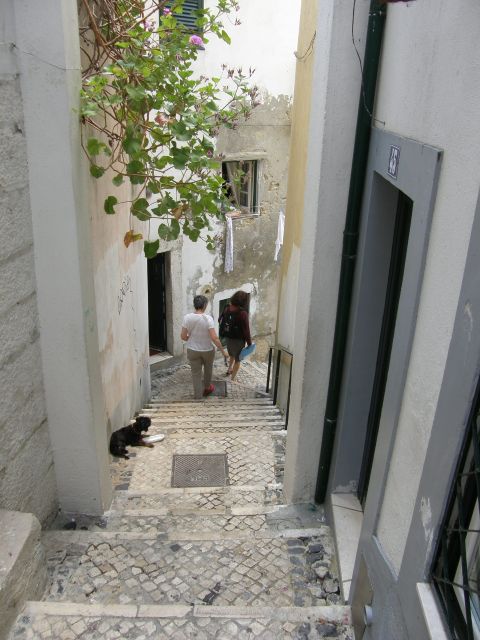
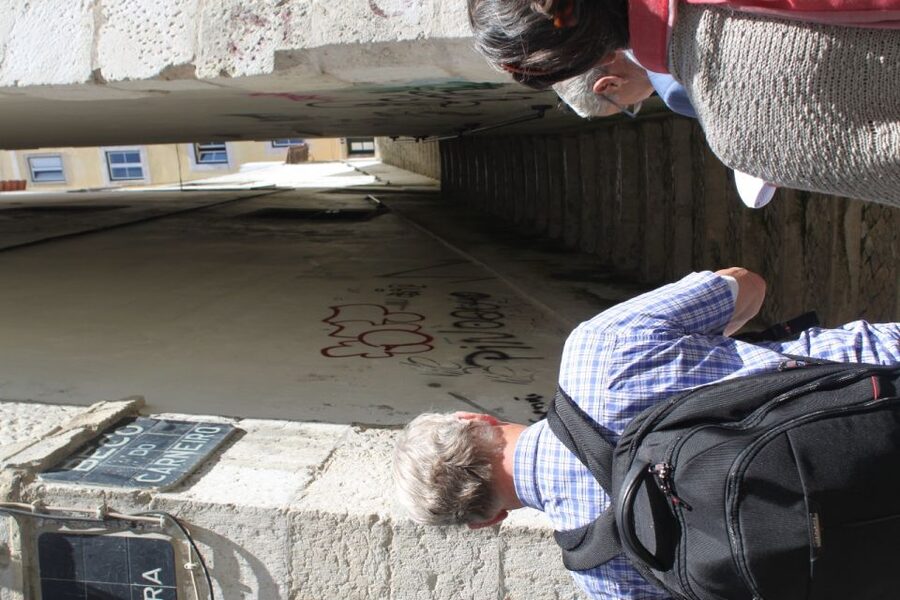
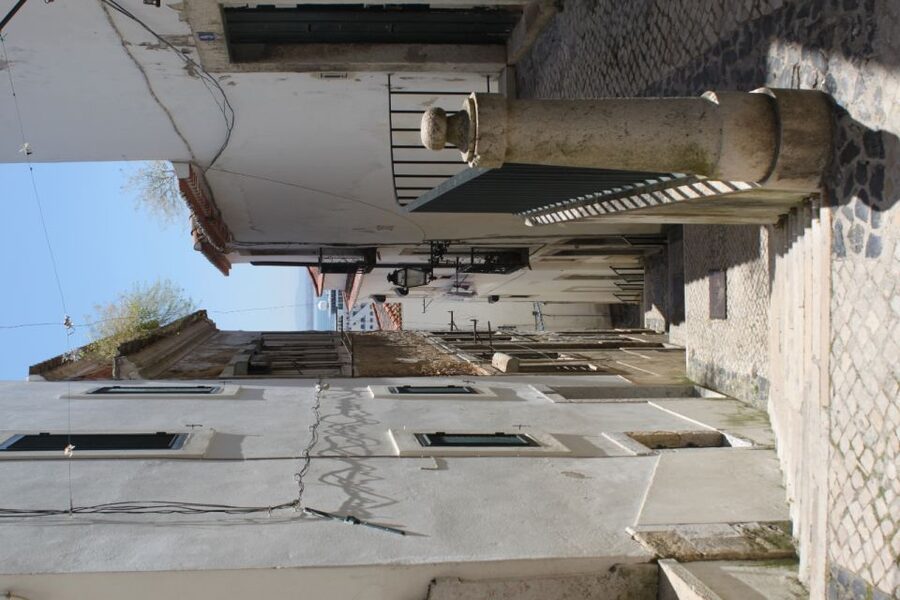
The route then winds uphill through the maze that makes Alfama so distinctive. You pass narrow alleys, interior patios, secret stairways, and small squares. The charm here comes from the route itself. You are not simply walking from one major monument to another. You are learning how the neighborhood is arranged and how people move through it.
Alfama’s streets can feel confusing even with a map. That is part of the appeal, but it can also make independent sightseeing less efficient. A guide helps you understand where you are while pointing out details you might otherwise pass without noticing.
The walk also reaches the area that used to be Lisbon’s Jewish Quarter. The tour does not treat the quarter as an isolated museum stop. Instead, it places the area within the changing shape of Alfama, where different communities and traditions left their mark over time.
Several guides have been praised for adapting the pace and route to the group. Helena, for example, was able to respond to a request for a slight route change, while Elena was described as flexible and personable. That kind of adjustment can matter on a walking tour, especially when the group includes children or people who want more time for questions.
Fado customs at Largo do Chafariz de Dentro
At Largo do Chafariz de Dentro, the focus shifts from stone and archaeology to fado. You learn about the birth of Portugal’s best-known musical tradition and one of the old customs connected with this part of the city.
The value here is not a concert. This is a story-based introduction to fado, its origins, and its place in Alfama’s identity. If you plan to attend a fado performance later, the background can help you listen with more context. You will understand why the music is so closely tied to Lisbon’s older neighborhoods and everyday life.
The stop also gives the guide a chance to talk about local customs rather than only royal buildings and major events. That is a strong feature of this experience. The route pays attention to how people lived, moved, worked, and gathered.
Guides such as Agatha and Beatrice have been praised for being warm and engaging, while Ricardo has been described as a history teacher who made the subject enjoyable for a teenager. That suggests the storytelling is pitched for general visitors, not only for people already familiar with Portuguese history.
A few more walking tours around Lisbon worth a look
- Lisbon: History, Stories and Lifestyle Walking Tour
★ 4.8 · 10,902 reviews - Best of Lisbon Small-Group Guided Walking Tour
★ 5.0 · 4,869 reviews - Lisbon: Food and Wine Small Group Walking Tour
★ 4.9 · 4,082 reviews - Best of Lisbon Walking Tour: Rossio, Chiado & Alfama
★ 4.9 · 2,700 reviews
Lisbon Cathedral and its mixed architecture
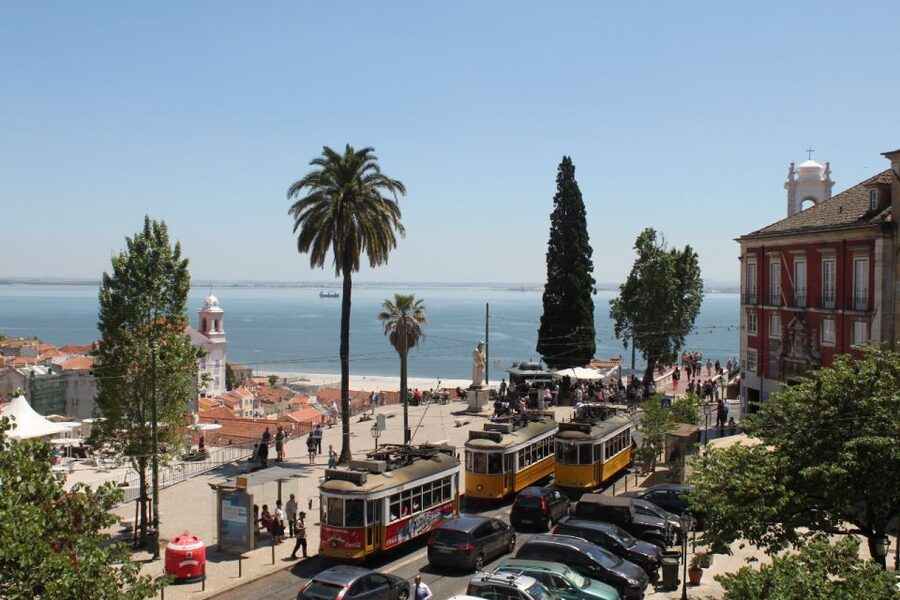
Lisbon Cathedral, or Sé, is the main interior visit. Admission and a guided tour are included, so you do not have to arrange a separate ticket for this part of the route.
The cathedral dates from the 12th century, but it has been modified in several architectural styles. That mixture is exactly what makes the stop useful. You are not looking at a building frozen in one moment. You are seeing a structure changed by time, repairs, and different artistic periods.
Your guide explains the building as part of the wider story of Lisbon. After walking through small lanes and modest residential spaces, the cathedral gives you a larger civic and religious landmark. The contrast helps you understand how Alfama fits into the city beyond its picturesque streets.
The cathedral visit also breaks up the outdoor walk. Two and a half hours can pass quickly when the route is varied, but it is still a substantial amount of time on foot. The interior stop gives you a chance to slow down while continuing the historical story.
The climb toward São Jorge Castle
The tour follows the streets around São Jorge Castle and traces parts of the old city defenses. You explore the quarter surrounding the castle and see the walls, but the entrance fee to São Jorge Castle is not included.
This distinction is important because the title may lead you to expect a castle visit. If entering the castle is high on your Lisbon list, plan a separate visit and budget for its admission. This walking tour is better understood as an introduction to the castle quarter, its approaches, and the old defensive shape of the city.
The streets here are among the most atmospheric on the route. They can also be the most demanding. Alfama is hilly, and the path includes alleys and stairways. The supplied information specifically says the experience is not suitable for people with mobility impairments, so take that warning seriously.
Wear comfortable clothes and sensible shoes. The tour does not list a special equipment requirement, but the terrain makes footwear more important than dressing up for photographs. If you are traveling with a child, the history and stories can hold attention well, but you should be prepared for the physical effort.
Portas do Sol and the best pause on the route
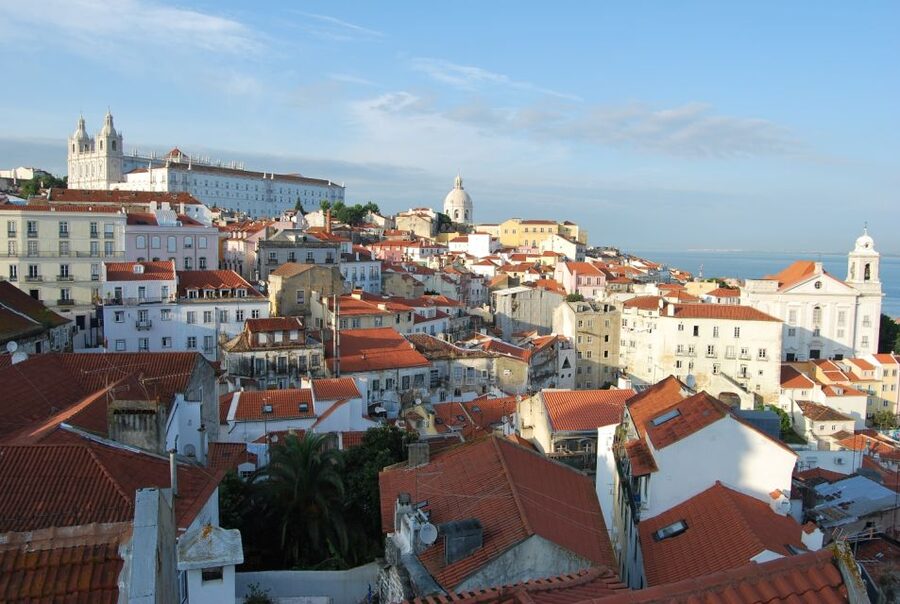
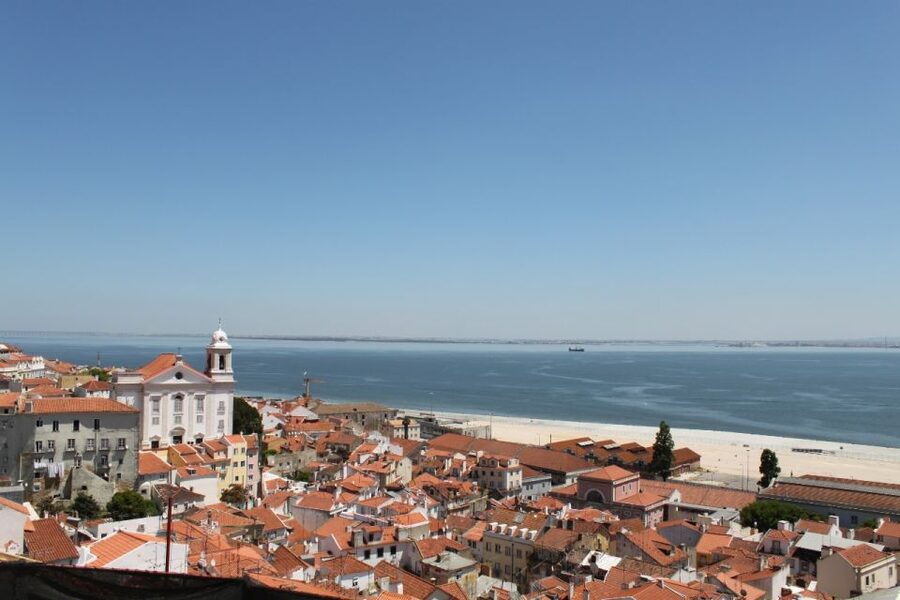
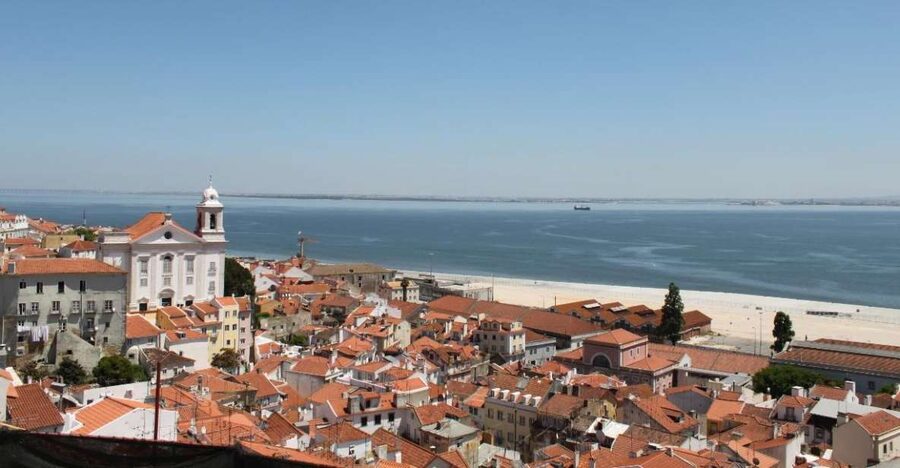
Portas do Sol provides the major viewpoint stop. From this belvedere, you get broad views across Lisbon and the surrounding area. After working through enclosed lanes and tight passages, the open outlook gives you a clear sense of how Alfama sits within the city.
I find viewpoints more useful when they come after a walk through the streets below. You have already seen the narrow route, the walls, and the old neighborhood pattern. At Portas do Sol, you can connect those pieces to the larger shape of Lisbon.
This is also a good place to get your bearings for the rest of your visit. Several people who took the walk found it useful for deciding which places to return to later. That is one of the practical benefits of booking a guided walk at the start of a city break. You are not only collecting facts. You are learning which streets, sights, and neighborhoods deserve more of your own time.
What the guides add to the experience
The guide is the heart of this tour. The route contains plenty to see, but the Roman tanks, old quarter, fado customs, and cathedral would feel disconnected without someone explaining how they fit together.
The guide team includes live hosts in five languages: English, Portuguese, Spanish, German, and French. Names connected with particularly strong experiences include Ricardo, Agatha, Helena, Elena, Lucy, Fatima, Beatrice, and Beatrix. The strongest pattern in the feedback is not one single guide or style. It is the ability to make history clear, personal, and easy to follow.
Lucy was praised for combining detailed storytelling with the visual experience of the streets and buildings. Fatima was described as organizing the walk well and giving detailed information. A guide who can keep the group moving while still answering questions is especially useful in Alfama, where stopping in the wrong place can block a narrow passage.
Group size can vary. In some cases, a booked group turned out to include only a family, creating a private-tour feel. You should not assume that every departure will be private, but smaller groups can make it easier to ask questions and request a modest route adjustment.
Is $23 a fair price?
At $23 per person, this is a reasonable price for a 150-minute guided walk that includes Lisbon Cathedral admission. You are paying for a live guide, a structured route through one of Lisbon’s hardest neighborhoods to navigate, and access to the cathedral with commentary.
The value is strongest if you want context. You can walk through Alfama for free, visit the viewpoint independently, and see the exterior of the cathedral without a tour. What you cannot easily reproduce is the connected story of Olisipo, Al-Hamma, the former Jewish Quarter, fado, the castle walls, and the cathedral in one organized outing.
The price does not include transport to Campo das Cebolas or entry to São Jorge Castle. Those exclusions are not serious problems if you already plan to use public transport and understand that the tour covers the castle area rather than the interior. They matter more if you want a full castle visit included in the same booking.
Free cancellation up to 24 hours before the start and the option to reserve now and pay later add flexibility. You can check the available starting times before committing, which is useful when planning around other Lisbon visits.
Who should book this Alfama walk?
I would choose this tour for a first day or second day in Lisbon. It gives you the basic shape of the old city, points out places you may want to revisit, and helps you understand the customs behind the streets.
It suits you especially well if you:
- Want a guided introduction to Alfama rather than a list of isolated sights
- Enjoy history told through buildings, customs, and local streets
- Want cathedral admission included
- Plan to attend fado and want some background first
- Prefer a small-group feel when available
- Are comfortable walking uphill and over uneven ground
I would think twice if you have limited mobility, dislike stairs, or mainly want to enter São Jorge Castle. In that case, the route may feel too demanding or incomplete for your priorities.
Final verdict: a strong introduction, with one important limit
This is a well-priced way to understand Alfama beyond its postcard views. The Roman salting tanks, Moorish thermal-water story, old Jewish Quarter, fado customs, cathedral, castle walls, and Portas do Sol viewpoint give the walk a useful range.
I especially like the way the route moves between grand history and ordinary neighborhood details. Guides such as Ricardo, Agatha, Helena, and Lucy have helped make the experience clear and engaging for adults, families, and teenagers alike.
Book it if you want a guided orientation to Lisbon’s oldest quarter and do not mind arranging a separate castle visit. Skip it only if your main goal is São Jorge Castle’s interior or if steep, uneven walking will be uncomfortable. For most first-time visitors who want to get their bearings fast, the $23 cost is justified by the guide, the structure, and the included cathedral visit.
FAQ
Where does the walking tour meet?
The meeting point is Campo das Cebolas at Casa dos Bicos, also called the House of the Spikes. The nearest metro station is Terreiro do Paço.
How will I find the guide?
The guide will be carrying a black bag with the Lisboa Autêntica logo.
How long does the tour last?
The tour lasts 150 minutes, or two and a half hours.
Which languages are available?
The live tour is available in English, Portuguese, Spanish, German, and French.
Is São Jorge Castle included?
No. The tour explores the streets and walls around the São Jorge Castle quarter, but entrance to São Jorge Castle is not included.
Is Lisbon Cathedral included?
Yes. Entrance and a guided tour of Lisbon Cathedral are included.
Is the tour suitable for people with mobility impairments?
No. The experience is listed as unsuitable for people with mobility impairments. The route includes hilly streets, alleys, stairways, and uneven surfaces.
Can I cancel for a full refund?
Yes. You can cancel up to 24 hours in advance for a full refund. You can also reserve now and pay later.
Just added around Lisbon
- Small Group Walking Tour of Belém★ 4.9 · 80 reviews
- Lisbon Through the Eyes of a Local – Food and Walking Tour★ 4.9 · 141 reviews
- Lisbon: Private Boat Trip, Guided Walking Tour, Bike & Tram★ 4.8 · 116 reviews
- Lisbon: Jewish Walking Tour★ 4.9 · 96 reviews
- Lisbon: Food and Culture 3-Hour Walking Tour★ 4.7 · 95 reviews
- Lisbon: Street Art Walk★ 5.0 · 79 reviews
- Lisbon: Helicopter Ride, Boat Trip, & Old Town Walking Tour★ 4.7 · 480 reviews
- Lisbon: Food & Wine Walking Tour Through Baixa★ 4.9 · 287 reviews
Castle and Palace Walking Tours, compared.

Edinburgh Castle: Guided Walking Tour with Entry Ticket
Read our review →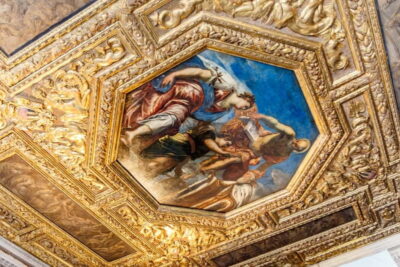
Doge’s Palace and St Mark’s Basilica Walking Tour
Read our review →
3-Hour Walking Tour of Old Town & Prague Castle
Read our review →Edinburgh Castle: Guided Walking Tour with Entry Ticket
Read our review →
Edinburgh Castle Guided Walking Tour in English
Read our review →

Walking Tour of Split and Diocletian’s Palace
Read our review →Browse the lists this tour appears in