
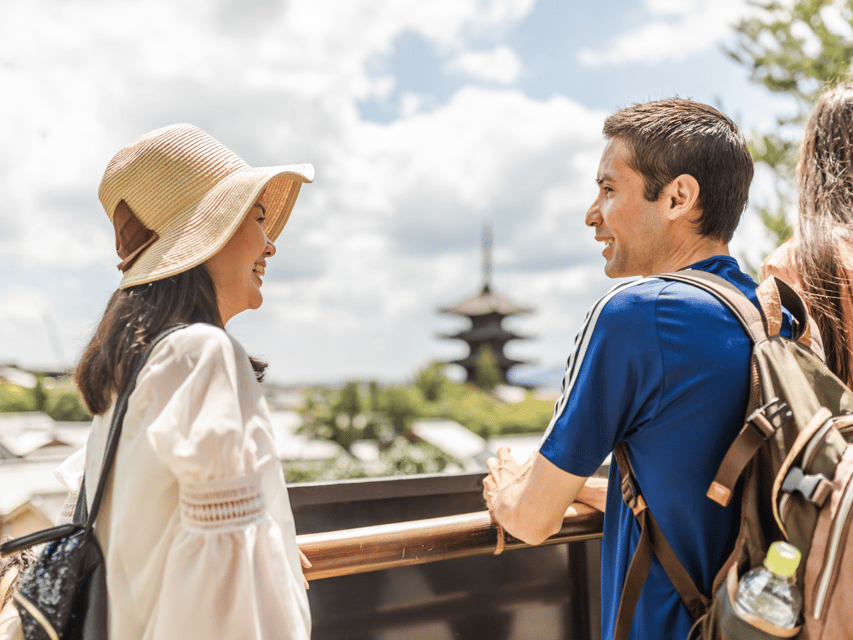
REVIEW · KYOTO
Kyoto: Private Customized Walking Tour with a Local Insider
Kyoto’s best moments often come between the famous sights: a quiet garden, a small food counter, a useful train tip, or a local explanation that makes a shrine feel less like a photo stop. This private walking tour lets you shape the day around what matters to you, from temples and gardens to food, shopping, geisha culture, or everyday life.
I like the pre-tour questionnaire, which helps match you with a host who fits your interests, and I like the freedom to change plans as you walk. Hosts such as Nisa, Milo, Hiro, and Mia have helped people find less crowded places, understand local customs, choose restaurants, and get around town. The main catch is that this is not a fixed sightseeing circuit, so you need to share clear priorities before you arrive. Food, admission fees, and transport cost extra.
Key points to know before booking
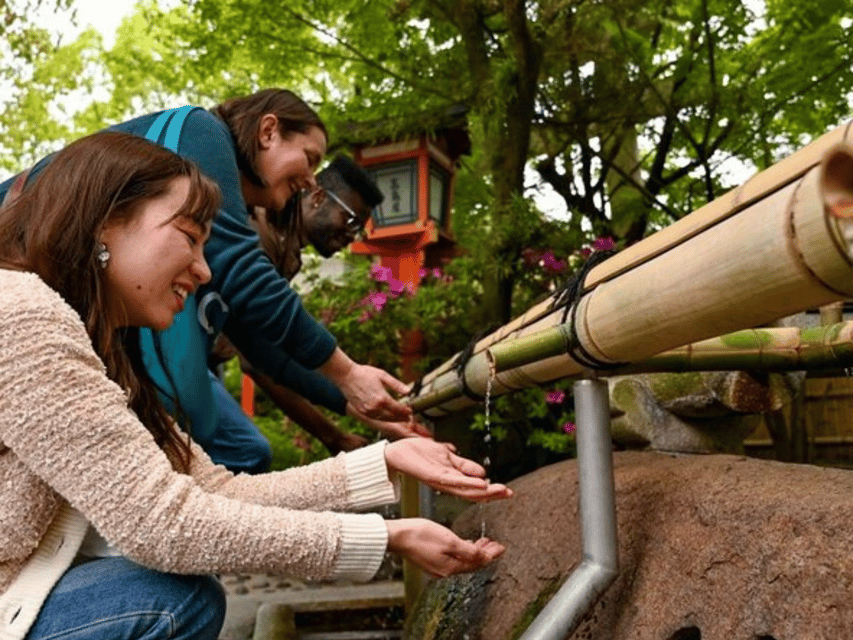
- Your interests shape the route: Ask for shrines, food, gardens, Gion, shopping, family-friendly stops, or practical city help.
- The host can change plans on the day: A snack, quiet temple, restaurant tip, or useful detour may become part of the walk.
- Local advice is a major benefit: Hosts have helped with trains, restaurant choices, dietary needs, shopping, and plans for the rest of a Kyoto stay.
- The tour works well at different lengths: Choose from two to six hours, with shorter walks useful for orientation and longer ones better for several districts.
- You pay for personal attention, not a packed itinerary: At $64 per person, the value is strongest for first-time visitors, families, and anyone who wants help making sense of Kyoto.
- Walking and extra costs matter: Public transport or taxis may be needed between areas, and those fares are not included.
A Kyoto walk built around your interests
This experience begins before you meet your host. You fill out a short questionnaire about your personality, interests, pace, and the sort of day you want. Your answers help the company assign a like-minded local and give that person a starting point for planning.
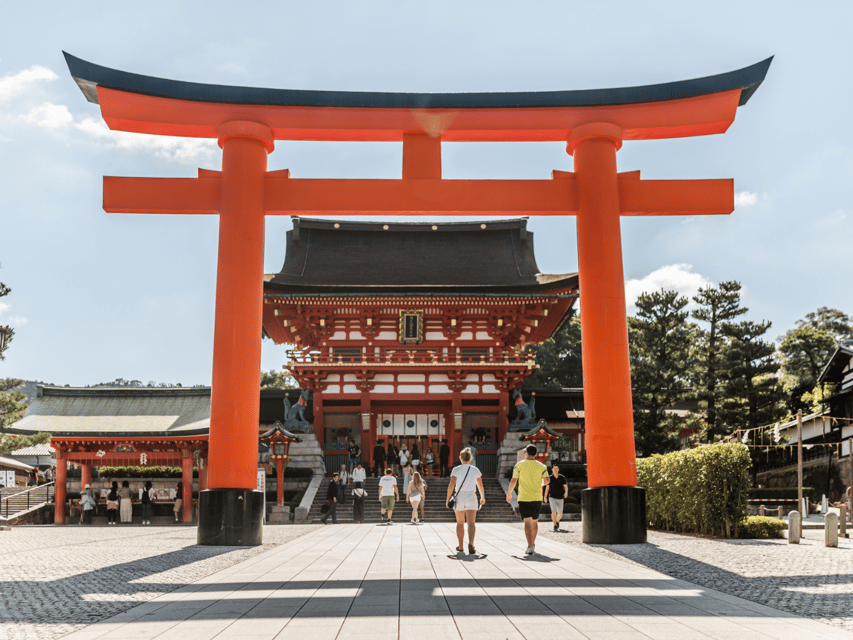
That step matters. Kyoto can pull you in too many directions at once. Fushimi Inari, Gion, Nishiki Market, Nanzenji, the Philosopher’s Path, Arashiyama, and countless temples all compete for your time. A host who knows what you care about can help you avoid spending half a day crossing town for a sight that does not fit your plans.
You communicate directly with the host before the tour. Use that chance well. Tell them if you care more about food than monuments, prefer quiet places to major sights, have mobility limits, need help with a child, or want advice for the rest of your trip. The more specific you are, the more useful the walk is likely to be.
You may be paired with a host such as Mia, who has helped families explore shrines and understand trains, or Nisa, who has focused on geisha culture, Buddhism, Japanese life, and local food. Other hosts, including Milo, Hiro, Harun, Eiko, and Takaya, have been praised for adapting the route and explaining the city in an easy, friendly way.
A few more walking tours around Kyoto worth a look
- Kyoto Geisha Walking Tour: Gion District & Hidden Gems
★ 4.7 · 3,273 reviews - Kyoto: Gion Magical Night Walking Tour with Geisha Trivia
★ 4.9 · 2,393 reviews - Kyoto: Gion Geisha District Walking Tour – Stories of Geisha
★ 4.7 · 2,187 reviews
What a two-hour Kyoto introduction can do
The two-hour option is best used as a focused introduction, not an attempt to see all of Kyoto. You might choose one district, ask for help with a particular interest, or use the time to get your bearings before exploring alone.
For a first visit, you could ask to focus on a central area, a pair of nearby shrines, or a food-oriented walk. A host can explain basic customs, show you how local transport works, and point out places worth returning to. That can save you plenty of time later, especially if you are still figuring out trains, meal customs, or how to behave at religious sites.
A short walk also suits you if your schedule is tight or your energy is limited. The tour is wheelchair accessible, but Kyoto’s streets, temple grounds, and older areas can still vary in surface and ease of movement. Tell the host about your needs in advance so the route can be planned sensibly.
The limitation is distance. Two hours does not leave room for far-flung neighborhoods, a long meal, and several major sights. Pick one clear theme and you will get more from it.
Making good use of a three to four-hour walk
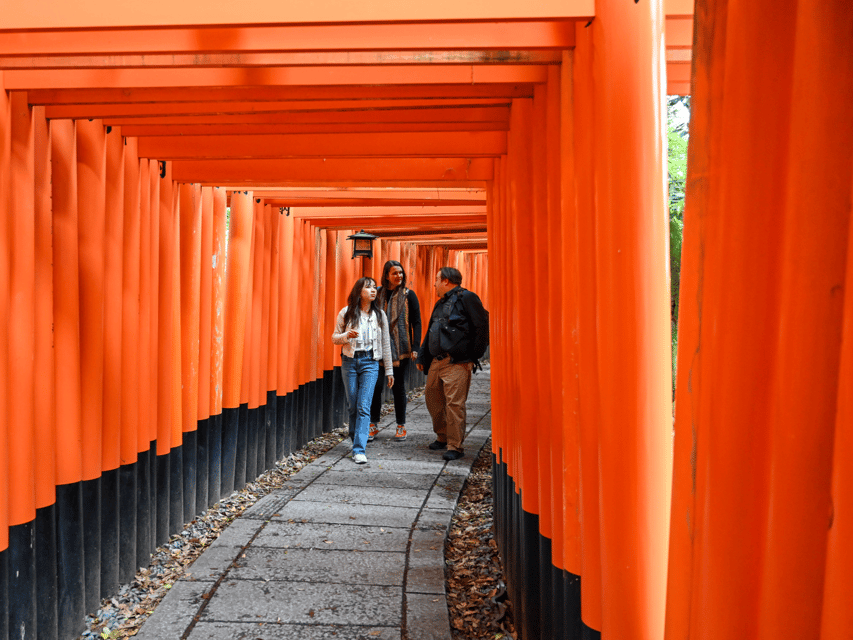
Three or four hours is the sweet spot for many visitors. You have time for several sights, a snack or meal stop, and the kind of conversation that makes the day feel less rushed.
A food-focused route might include Nishiki Market, where you can try local dishes and ask questions about ingredients and eating customs. One host took a visitor there for excellent food guidance, while another arranged lunch that suited dietary requirements. Food and drinks are not included, so budget separately, but the practical help can be worth more than simply being shown a row of stalls.
A culture-focused route might combine temples, gardens, and a historic district. One guest spent time with a host at Nanzenji, visited a Japanese garden, and stopped for matcha in a traditional tea room. Another route included the Philosopher’s Path and Gion during cherry blossom season. These examples show how a host can connect places that fit a theme rather than treating each stop as an isolated attraction.
Three to four hours can also give you a useful balance of major sights and quieter corners. Hosts have taken people away from the busiest paths, shown less crowded shrines and gardens, and added small points of interest that are easy to miss on a standard route.
You should still be realistic about geography. Kyoto is spread out, and walking from one district to another can eat into your sightseeing time. If your wish list includes places on opposite sides of town, ask about using a train, bus, or taxi. The tour is on foot, and any transport costs are extra.
When six hours is worth the extra time
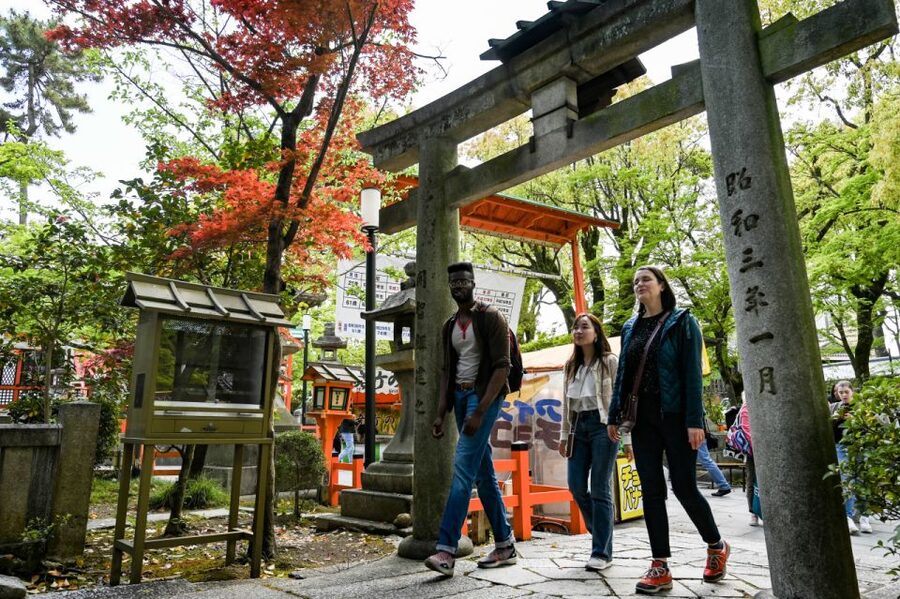
A six-hour tour makes sense if you want a full day with one person who can help shape the experience as it develops. You might combine a temple area with food, shopping, and a neighborhood walk, or use the day to explore several connected interests.
The longer format is especially helpful for families. A host can adjust the pace, answer questions, handle practical snags, and add a break when needed. One guide helped cheer up a tired child so the rest of the family could enjoy the afternoon. Another helped a family buy items and understand the train system after visiting two shrines.
It can also suit you if this is your first day in Kyoto. You gain an introduction to the city, practical advice, and a list of places to continue on your own. Hosts have suggested restaurants, temples, gardens, the Kyoto Zoo, and other stops for later in the trip.
The drawback is simple: six hours of walking is tiring. Kyoto’s summer heat, spring crowds, and uneven temple paths can make a long day feel longer. Plan sensible footwear and tell your host when you need a slower pace or a break. You can choose a shorter duration if a full day sounds like too much.
Same streets, a different route:
- Best of Kyoto: Gion, Geisha, Pagodas & Cobblestones
★ 4.9 · 2,058 reviews - Night Walk in Gion: Kyoto’s Geisha District
★ 4.5 · 2,003 reviews - Kyoto Gion Geisha District Walking Tour – The Stories of Geisha
★ 5.0 · 1,441 reviews - Nishiki Market Brunch Walking Tour (7 Tastings + Brunch)
★ 5.0 · 1,355 reviews
The kinds of stops you can request
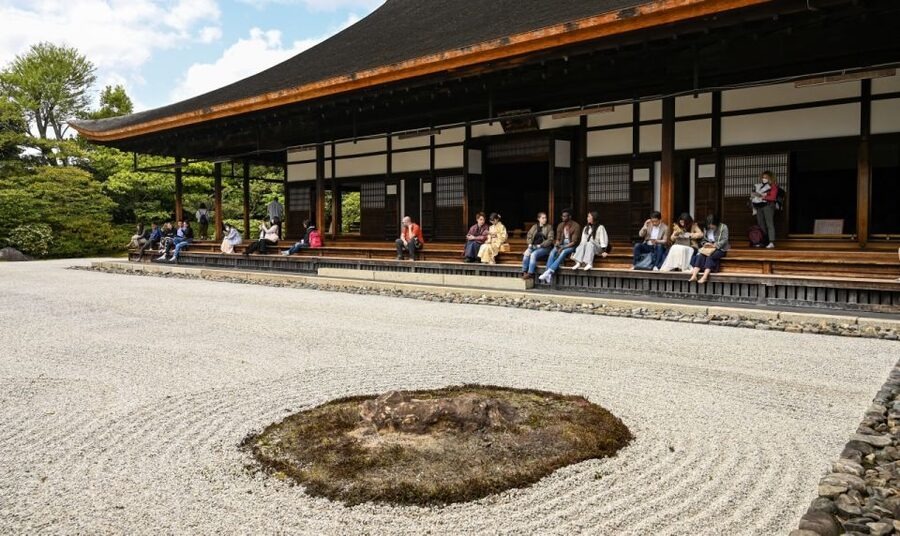
The experience is strongest when you arrive with a clear idea of what you want to learn or see. Here are several useful directions.
Shrines and temples: Ask for help understanding Buddhist and Shinto practices, architectural details, gardens, or the meaning behind rituals. Hosts have explained temples such as Nanzenji and helped visitors visit several shrines without turning the day into a race.
Gion and geisha culture: If you want context for Kyoto’s traditional entertainment districts, say so in the questionnaire. One host provided a detailed introduction to geisha culture, while others added background on daily life and local customs.
Food and markets: Nishiki Market works well for a food-centered morning or afternoon. Your host can suggest what to try and recommend a restaurant afterward. You still pay for your own food, and the host cannot guarantee that every stall or restaurant will suit your taste.
Gardens and quieter places: Ask specifically for less crowded gardens, shrines, and streets. A host may take you to places beyond the usual route, though exact stops depend on your interests, timing, and the day’s conditions.
Practical Kyoto: This is one of the most useful choices for a first visit. Your host can help explain trains, suggest restaurants, point out shops, discuss cultural manners, and give you ideas for the days ahead.
Seasonal sights: Cherry blossoms can change the best route, as can other seasonal conditions. During spring, one host adjusted a plan to include the Philosopher’s Path and Gion. Ask your host what makes sense for your dates rather than locking yourself into a rigid list.
Why the local host matters
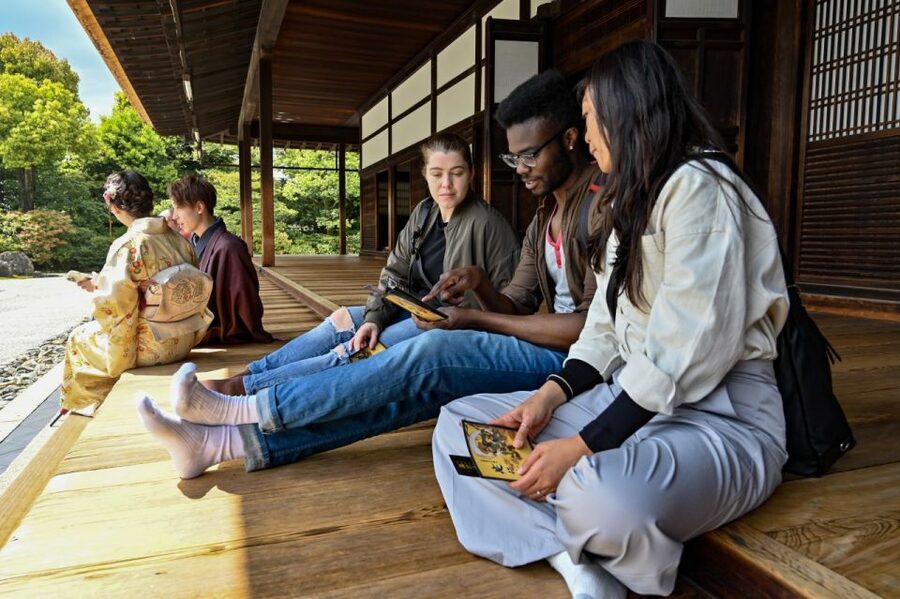
A private guide changes the tone of a city walk. Instead of following a group from one stop to the next, you can ask the question that comes to mind and linger when something interests you.
That personal exchange is the most praised part of the experience. Hosts have been described as warm, funny, attentive, and easy to talk with. Several people felt as if a friend were showing them around a hometown. That does not mean every host will have the same personality, but the matching process aims to connect you with someone suited to your style.
The best guides also listen. They do not simply deliver a speech about Kyoto. They notice when you want more food, fewer crowds, better photo stops, more history, or help with basic travel tasks. One host even helped locate a teenager’s lost phone after the group had moved on.
English and Japanese are available. The quality of communication can vary by host, so use your pre-tour conversation to make your interests and expectations clear. The supplied experiences include many English-speaking hosts who explained history, customs, and local life in an understandable way.
Price, private groups, and what you still pay
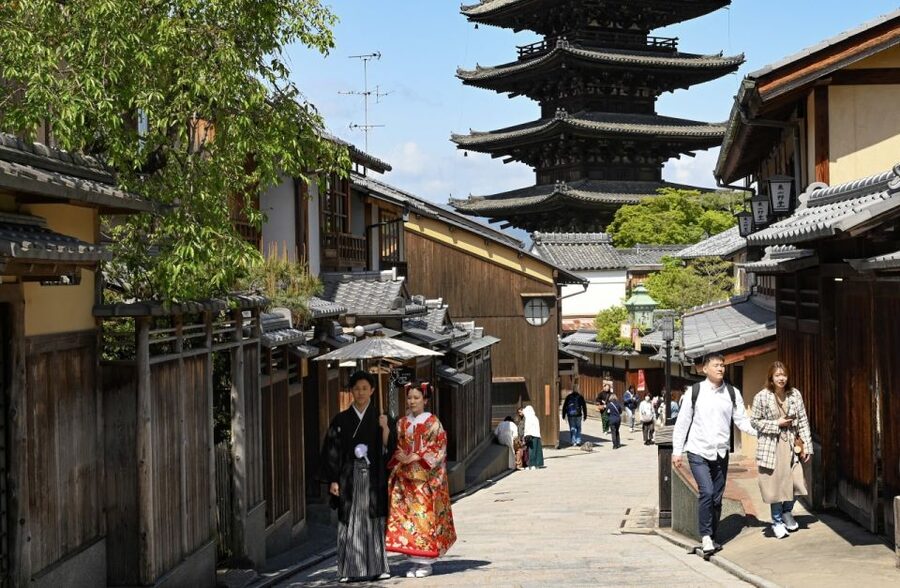
At $64 per person, the tour is a reasonable buy if you are traveling with others and want personal help without paying for a full private car and guide service. A private group means the route belongs to you, not to a busload of strangers. That can be especially useful for families, couples, and small groups with different energy levels.
The price covers the private personalized walk, your host’s time, planning communication, and local suggestions. It does not cover meals, drinks, admission tickets, trains, buses, or taxis. If the route includes several districts, ask your host to estimate likely transport costs before the day.
The value is not in the number of monuments you can check off. It is in avoiding poor choices, finding food that suits you, understanding what you are seeing, and leaving with a better plan for the rest of Kyoto. If you already know the city well and prefer to wander alone, the cost may be harder to justify.
Meeting up and keeping the day comfortable
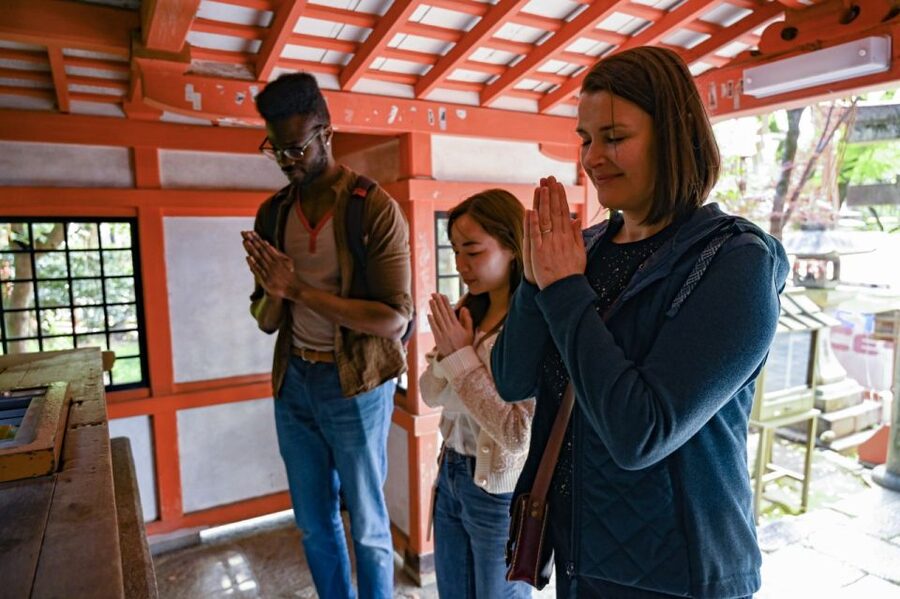
Hotel pickup can be arranged from any central Kyoto hotel. Otherwise, the listed meeting place is the Starbucks near Kyoto Sanjo-ohashi Bridge in Nakagyo Ward.
Confirm the meeting details with your host before setting out. Kyoto’s central streets can be busy, and a clear starting point saves time. Wear comfortable shoes, carry water, and allow room for a snack or meal if your walk is longer than two hours.
The schedule is flexible, but flexible does not mean limitless. Your host can adapt the route, yet travel between distant areas still takes time. Give priority to two or three goals instead of naming every famous Kyoto sight.
You can cancel up to 24 hours before the experience for a full refund, and you can reserve now and pay later. Those terms help if your Japan schedule is still shifting.
Who should book this Kyoto walk?
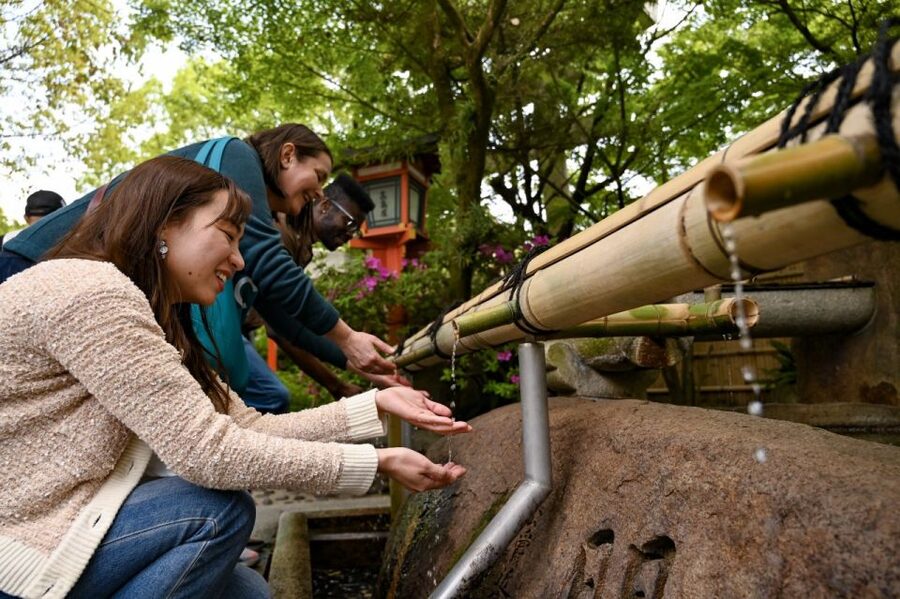
I would recommend it to first-time visitors who want a calm introduction, families who need a flexible pace, and anyone nervous about trains, food customs, or choosing among Kyoto’s many districts.
It is also a good fit for repeat visitors who have already seen the main temples and want gardens, local food, traditional neighborhoods, or less crowded places. People with dietary needs or mobility concerns should mention them early, since the route can then be planned around those needs.
I would be more cautious if you want a fixed list of landmark entrances, a private vehicle, or a specialist lecture with a guaranteed expert in one narrow subject. This is a personal city walk, not a formal museum tour or chauffeur service. Its success depends on the match with your host and on how clearly you explain what you want.
FAQ
How long does the private Kyoto walking tour last?
You can choose a duration from two to six hours. Starting times depend on availability.
What languages are available?
The tour is offered with a live guide in English or Japanese.
Is the tour private?
Yes. It is arranged for a private group, so the route and pace can be shaped around your group.
Can the itinerary be customized?
Yes. You complete a questionnaire about your personality and interests, then communicate with your host about possible plans and recommendations.
Is hotel pickup available?
Pickup can be arranged from any central Kyoto hotel. Otherwise, the meeting point is the Starbucks near Kyoto Sanjo-ohashi Bridge.
Are food, attraction tickets, and transport included?
No. You pay separately for food, drinks, attraction admission, and any public transport or taxi fares used between areas.
Is the tour wheelchair accessible?
Yes, the activity is listed as wheelchair accessible. Tell your host about your mobility needs when planning the route.
Should you book it?
Book this experience if you want Kyoto to feel personal rather than prepackaged. At $64 per person, it offers good value when you use the host for more than directions: ask for a thoughtful route, local food advice, cultural context, and help planning the rest of your stay.
Choose a focused request, communicate clearly, and leave room for a spontaneous stop. If you do that, the walk can give you something a standard sightseeing loop often misses: a better sense of how Kyoto fits together and how to enjoy it on your own afterward.
Just added around Kyoto
- Kyoto : Private Custom Walking Tour With A Local Guide★ 4.6 · 144 reviews
- Kyoto: Private 2.5 Hour Historical Walking Tour★ 4.9 · 121 reviews
- Kyoto: Private Walking Tour with a Local★ 4.6 · 118 reviews
- Kyoto: Gion Sunset Walking Tour with Local Guide★ 4.7 · 351 reviews
- Kyoto: Imperial Palace & Nijo Castle Guided Walking Tour★ 4.7 · 453 reviews
- Kyoto: Gion Walking Tour★ 5.0 · 195 reviews
- Kyoto Gion Cultural Walk & Geisha Show with Dining Options★ 5.0 · 518 reviews
- Kyoto: Gion Hidden Gems & Geisha Culture Tour★ 4.9 · 126 reviews
Walking Tours, compared.

Magical London: Harry Potter Guided Walking Tour
Read our review →
Reykjavik Food Walk – Local Foodie Adventure in Iceland
Read our review →
History and Hauntings of Salem Guided Walking Tour
Read our review →
New Orleans Premier Ghost, Voodoo and Vampire Walking Tour
Read our review →
Amsterdam Anne Frank: Small-Group Walking Tour & Local Guide
Read our review →

Edinburgh Castle: Guided Walking Tour with Entry Ticket
Read our review →
Anne Frank’s Story – Guided Walking Tour through Amsterdam
Read our review →Browse the lists this tour appears in