
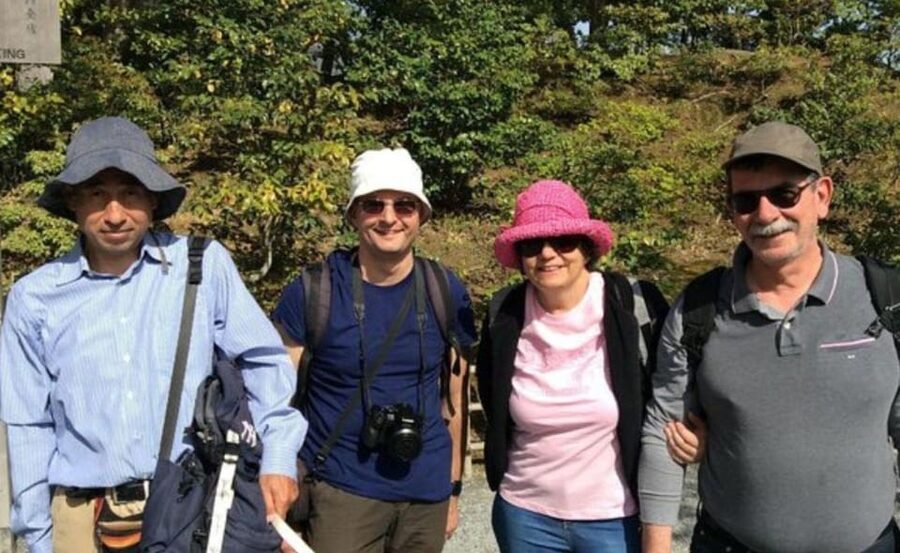
REVIEW · KYOTO
Kyoto : Private Custom Walking Tour With A Local Guide
Kyoto is easier to understand when someone helps you connect the dots. On this private walking tour, you can pair major sights such as Fushimi Inari, Kiyomizu-dera, and Gion with quieter streets, cafés, food stops, or a museum that fits your interests.
I like the freedom to choose a short two-hour introduction or a full eight-hour day. I also like the practical help: guides such as Kevin, Jerome, Flavio, and Wajid have helped visitors handle the heat, find good places to eat, and make sense of temple and shrine customs. The tradeoff is simple: admission tickets, food, drinks, and local transportation costs are extra.
Key points to know before booking
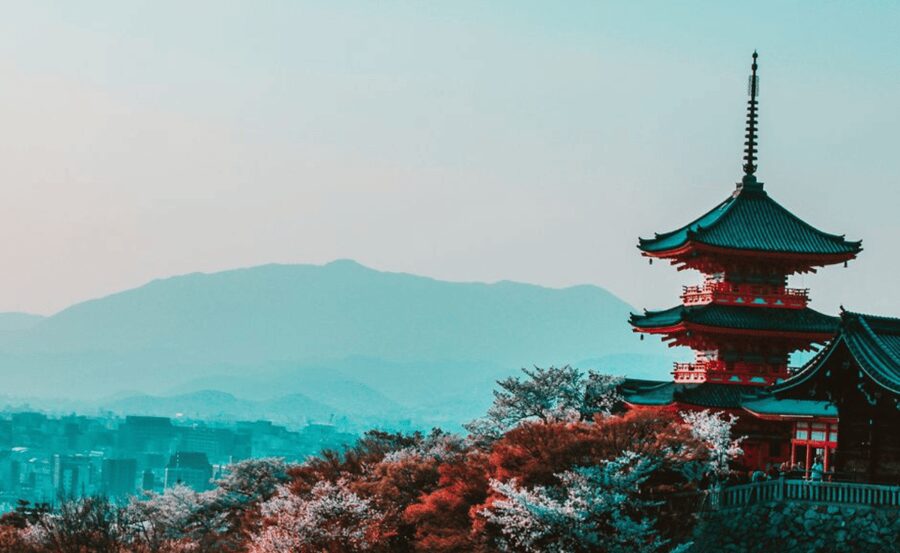
- Build your own Kyoto day: Choose the sights, neighborhoods, museums, food interests, and pace that suit you.
- Private means flexible: The guide can adjust the route for children, hot weather, walking ability, or changing interests.
- A useful first-day tour: You get practical advice on food, transport, and which parts of Kyoto deserve more of your time.
- Popular sights can be combined: Routes may include Fushimi Inari, Kiyomizu-dera, Gion, Sannenzaka, Ninenzaka, and Maruyama Park.
- Local details add value: Guides explain shrine and temple customs, geisha culture, architecture, history, and everyday life.
- Plan for extra costs: Attractions, meals, drinks, and local transportation are not covered in the $62 price.
Why a private guide helps in Kyoto

Kyoto can feel like several cities stitched together. One area is full of temple gates and souvenir shops. Another follows a quiet canal. A third is packed with food stalls, shrines, and narrow lanes. Without a plan, you can spend much of the day moving between sights and still miss the connections that make the city memorable.
This tour gives you a person to help shape the day. Before meeting, you can explain what interests you. You might want famous temples, traditional neighborhoods, gardens, architecture, food, or a look at everyday Kyoto. You can also ask to include a museum, although you should tell the team in advance so the route can be arranged properly.
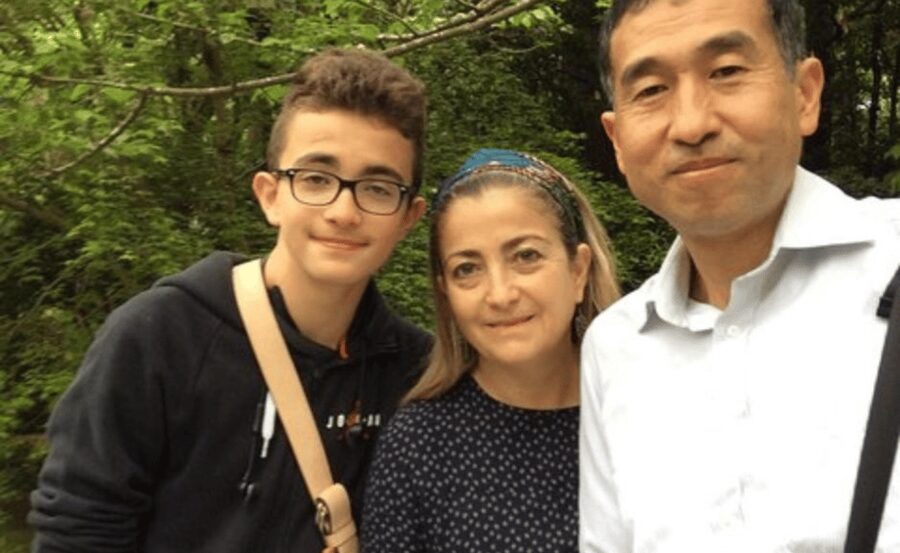
The private format matters most for families and small groups. A guide can slow down for children, shorten a walk, make a break when the weather is difficult, or spend more time on a subject that catches your attention. Mary Candice’s guide kept twin boys engaged during hot weather, while Jerome adapted a Gion visit for children.
You also avoid the fixed rhythm of a large group tour. If a temple explanation is fascinating, you can ask questions. If a certain shopping street does not interest you, you can move on. That freedom is the main reason to book this instead of a standard sightseeing circuit.
More Private Walking Tours in Japan
- Kyoto: Private Walking Tour with a Local
★ 4.6 · 118 reviews - Tokyo: Private Custom Walking Tour with Local Guide
★ 4.8 · 533 reviews - Tokyo: Private Walking Tour with a Local Guide
★ 4.9 · 469 reviews
Choose two hours or a full eight
The tour lasts from two to eight hours, so the length changes what you can reasonably cover. A two-hour booking works best as a first look at one compact area. You could focus on Gion, explore a section around Kiyomizu-dera, or get a short introduction to Kyoto customs and local transport.
Two hours is not enough for a full sweep of the city. Nicola booked only two hours with Ian and wished she had chosen longer, a useful warning if you already have several areas in mind. Travel between neighborhoods takes time, especially when public transport or steep streets are involved.
A half-day gives you room to combine a major sight with nearby streets and a food or café stop. An eight-hour day can link several districts, but you should not treat it as a checklist race. Kyoto rewards pauses, and a route with fewer stops may be more enjoyable than a long chain of temples.
Tell the guide what matters most before the tour begins. If Fushimi Inari is your top priority, say so. If you care more about architecture, food, or local customs than famous photo spots, say that too. The quality of the day depends heavily on this early conversation.
Fushimi Inari, Kiyomizu-dera, and Kyoto’s famous east side
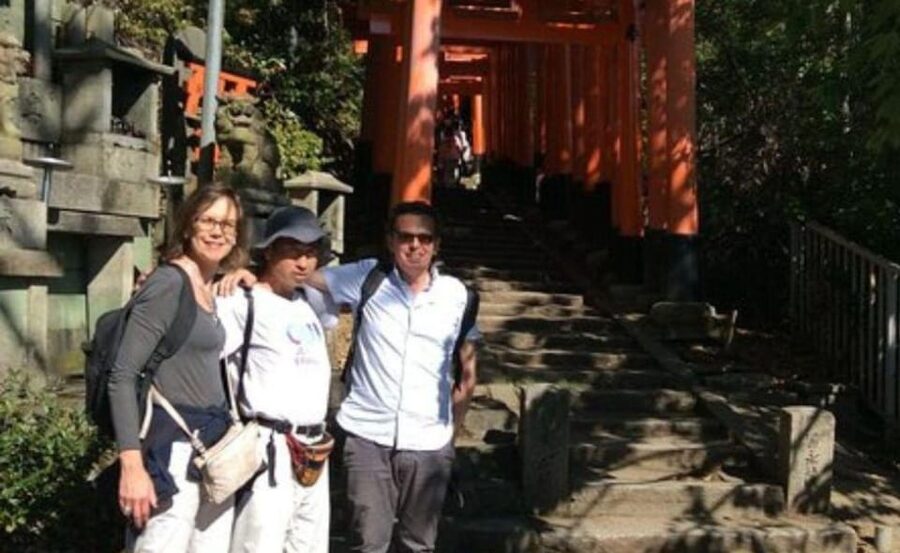
A popular full-day route can include Fushimi Inari Shrine, Sanjusangendo Temple, Kiyomizu-dera, Sannenzaka, Ninenzaka, and Maruyama Park. This is a strong introduction to Kyoto’s eastern side, but it involves plenty of walking and can become tiring.
Fushimi Inari is known for its long rows of orange torii gates. The path rises into the wooded hills, so your guide can help you decide how far to go rather than assuming you must complete the entire route. The shrine is visually striking, but its popularity means the lower section can be crowded.
At Sanjusangendo, the focus shifts from gates and outdoor paths to the temple’s famous collection of 1,001 Buddhist statues. Wajid has explained the statues in a way that gives the visit more meaning than a quick look and photograph. This is the sort of stop where a guide is useful because the visual scale alone does not explain the religious setting.
Kiyomizu-dera is one of Kyoto’s best-known temples and a UNESCO World Heritage site. The approach through Sannenzaka and Ninenzaka adds as much atmosphere as the temple itself, with traditional buildings, shops, and good places to stop for photos. The lanes can be crowded, and the sloping streets require comfortable shoes.
Maruyama Park provides a change of pace. A guide can point out details connected with geisha culture and small local features that you might walk past on your own. Wajid even highlighted a Pokémon manhole, a reminder that Kyoto is not only about old buildings and formal rituals.
This route gives you the classic Kyoto picture, but it is not a quiet one. If you dislike crowds, ask for a less familiar district or schedule your day around the busiest sights with that limitation in mind.
Gion and the old streets around Yasaka
Gion is a natural choice if you want traditional streets, teahouse architecture, and a chance to discuss geisha culture. Jerome has guided families through the area and adjusted the pace for children, which matters here because the streets invite slow looking rather than fast sightseeing.
A guide can explain how to behave around working businesses and why certain streets feel different from ordinary shopping areas. You should not expect guaranteed geisha sightings or private access to venues. The value is in understanding the district and seeing it respectfully.
Gion also works well for a shorter booking. You can combine it with nearby Maruyama Park, Yasaka Shrine, or the approach toward Kiyomizu-dera, depending on your time. It is a practical option if you want a compact route without spending the whole day on public transport.
Jerome has also been praised for taking photographs, a small but useful benefit for couples and families who want more than hurried phone snapshots. Still, photography depends on the guide and the conditions, so treat it as a possible extra rather than a promised feature.
More Private Walking Tours in Kyoto:
- Private Walking Grand Tour of Copenhagen
★ 5.0 · 3,953 reviews - Vienna: Private Walking Tour with a Local
★ 4.6 · 1,446 reviews - Barcelona Helicopter, Sailboat & Old Town Private Walking Tour
★ 5.0 · 1,395 reviews - Private Walking Tour of Hanoi City
★ 5.0 · 1,251 reviews
The Philosopher’s Path and Ginkakuji
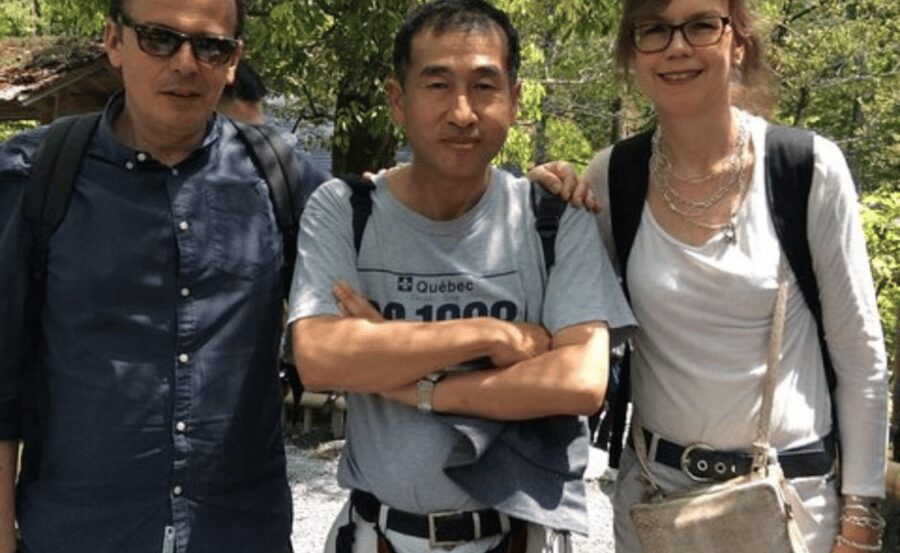
The northern Higashiyama area offers a calmer alternative to the densest parts of central Kyoto. A route along the Philosopher’s Path can be paired with Ginkakuji, often called the Silver Pavilion, and with a café break.
Sophie’s day with Kevin included a walk up Daimonji, an explanation of the difference between temples and shrines, the Philosopher’s Path, and Ginkakuji. That combination shows how the tour can mix a little physical effort with cultural explanation and a slower neighborhood walk.
Daimonji adds a hill climb, so it is not suitable for every group or every weather condition. Kevin adjusted the day to the heat and included café stops, including iced coffee and a later dessert break. This is good evidence that the guide can respond to real conditions instead of following a rigid schedule.
The Philosopher’s Path is best enjoyed at a relaxed pace. You can ask about local life, religious traditions, or the buildings along the route without feeling rushed from one major sight to the next. Ginkakuji provides the formal temple setting, while the path gives you a sense of how Kyoto’s quieter areas fit together.
Food, cafés, sake, and useful local advice
Food is not included, but that does not mean it has to be separate from the tour. Guides can recommend places and, in some cases, build a food stop into the route. Flavio’s full-day itinerary included a sake tour and tasting, pizza, and ramen recommended by his wife. That makes the day feel connected to local life rather than limited to monuments.
Kevin stopped with Sophie at cafés for iced coffee and frozen apple pie during a very hot Kyoto day. Kev also suggested food afterward and dropped a visitor at an udon restaurant. These details are valuable because deciding where to eat can take as much time as choosing what to see.
You pay for your own food, drinks, tastings, and attraction tickets. The $62 per person price covers the private walking service and customization, not a package of admissions and meals. That keeps the base price reasonable, but you need to budget for the rest of the day.
I would ask about food preferences before the meeting. If you want vegetarian food, sweets, sake, noodles, or a quick lunch, mention it early. The guide can then build the route around places that fit your needs, although the supplied information does not promise that every dietary request can be met.
What the guides add to temples and shrines
The strongest part of this tour is the explanation you receive while walking. Maria, who has lived in Japan for more than 25 years and is a licensed guide, has discussed temple history along with culture and economics. Terry helped a mother and son understand the history of shrines and temples, which made their later independent sightseeing easier.
That last point is important. Kyoto’s religious buildings can blur together after several days. A guide can explain the difference between a temple and a shrine, point out how to behave at each, and give you a basic framework for understanding what you see afterward.
Guides also vary in style. Kevin was praised for knowing when to talk and when to let the surroundings speak. Gef brought an interest in architecture and adapted his explanations to the group. Kenta helped make a full day of sightseeing easier, while Flavio mixed major attractions with local stops.
Because the guide assigned to you may differ, do not book this expecting one specific person unless the booking system confirms that arrangement. The overall format is designed around a local guide, but the individual personality and areas of special interest will vary.
Getting around on foot and by public transport
This is primarily a walking tour. Walking lets you notice details that disappear from a vehicle, but Kyoto’s distances, stairs, slopes, and summer heat can add up quickly. Comfortable shoes and water are sensible choices, even though drinks are not included.
The service includes walking and public transport, except where you select a different option. At the same time, local transportation costs around the city are not included in the price, so clarify the transport arrangement and carry money or a suitable payment method for your journeys.
Hotel pickup is available when your accommodation is within the city. Otherwise, the meeting point needs to be arranged. The tour is wheelchair accessible, but the exact route still matters because individual temple approaches and older streets may have slopes or uneven sections. Tell the team about mobility needs before finalizing the route.
The guide’s local transport advice can be one of the most useful parts of the day. You can learn how areas connect and use that information for the rest of your stay instead of spending every day figuring out routes from scratch.
Is $62 per person good value?
At $62 per person, this is good value for a private introduction if you use the customization well. A private guide costs more than joining a large group, but you are paying for time shaped around your group, not a fixed script.
The value rises if you are visiting Kyoto for the first time, have limited time, are traveling with children, or feel unsure about how to arrange temples and neighborhoods. It also makes sense if you want advice for the rest of your stay. Anne and her son used their tour to understand the city areas and decide where to spend later days.
The value is lower if you already know Kyoto well or simply want a self-guided walk. You will still pay for admissions, food, drinks, and transportation, and a busy itinerary can add up. A short two-hour tour may be enough for orientation, while a full day offers more help but requires greater stamina and a larger overall budget.
Booking details that affect your decision
The tour is for a private group and is offered in English, Spanish, French, or Italian. You can reserve now and pay later, and cancellation is free up to 24 hours before the tour for a full refund.
Starting times depend on availability. Since museums and special visits may need planning, tell the team ahead of time if you want one included. The guide can help with booking desired visit tickets, but the tickets themselves are not part of the price.
I would book this early in your Kyoto stay if possible. That lets you use the guide’s restaurant, neighborhood, and transport suggestions during the days that follow. If you already have a firm sightseeing plan, book a shorter route and use it to improve the details rather than repeating places you have arranged yourself.
Who should book this Kyoto walk?
This suits first-time visitors who want context without surrendering control. It is also a strong match for families, couples, solo visitors, and anyone who wants a private pace.
Families should explain children’s ages and interests. The guides have adjusted routes for children and heat, but a day that includes hills and several major temples may still be too much for younger children.
Solo visitors can gain confidence with transport and dining, while couples may prefer a slower route with photographs and cafés. Architecture fans should ask for buildings and design. Food-focused visitors should request restaurant advice. History fans should identify the periods and sites they care about.
I would be more cautious if you want a fully packaged tour with all admissions, meals, and transport included. This is a guiding service, not an all-inclusive sightseeing ticket.
Should you book it?
Book this tour if you want Kyoto explained by a person who can adjust the day as you go. The best use is to choose two or three priorities, then leave room for local advice, a café, a food stop, or a quieter street.
I especially like it as a first or second day activity. You can see major places such as Fushimi Inari or Kiyomizu-dera, learn the basics of temples and shrines, and come away with better ideas for the rest of your visit.
Skip it if you prefer to follow a detailed guidebook route alone or if you need every expense included upfront. For most first-time visitors, though, the private format and practical local help make $62 per person a sensible way to get oriented in a complicated city.
FAQ
How long does the private Kyoto walking tour last?
You can choose a tour lasting from 2 to 8 hours, depending on availability and the route you want.
What languages are available?
The live guides speak English, Spanish, French, or Italian.
Is this a private group tour?
Yes. The tour is arranged for a private group rather than a shared public group.
Can I customize the itinerary?
Yes. You can request sights, neighborhoods, museums, and other interests. Tell the team ahead of time if you want to include a museum or another ticketed visit.
Is hotel pickup included?
Hotel pickup is included when your accommodation is located within Kyoto city. The meeting arrangements may differ if it is outside the city.
Are attraction tickets included?
No. Tickets to temples, museums, and other attractions are not included. The team can help you book tickets for requested visits.
Is transportation included?
The tour includes walking and public transport as part of the walking experience, but local transportation costs around the city are not included. Car transportation is not included unless you select an applicable option.
Can I cancel for a full refund?
Yes. You can cancel up to 24 hours in advance for a full refund. You can also reserve now and pay later.
Just added around Kyoto
- Kyoto: Private 2.5 Hour Historical Walking Tour★ 4.9 · 121 reviews
- Kyoto: Private Walking Tour with a Local★ 4.6 · 118 reviews
- Kyoto: Imperial Palace & Nijo Castle Guided Walking Tour★ 4.7 · 453 reviews
- Kyoto: Gion Sunset Walking Tour with Local Guide★ 4.7 · 351 reviews
- Kyoto Gion Cultural Walk & Geisha Show with Dining Options★ 5.0 · 518 reviews
- Kyoto: Gion Walking Tour★ 5.0 · 195 reviews
- Kyoto: Gion Hidden Gems & Geisha Culture Tour★ 4.9 · 126 reviews
- Kyoto: Geisha Dinner & Gion Cultural Walk★ 5.0 · 73 reviews
Private Walking Tours, compared.

Barcelona Helicopter, Sailboat & Old Town Private Walking Tour
Read our review →

Lyon: Private Walking Tour of “Traboules” in the Old Town
Read our review →
Browse the lists this tour appears in