
REVIEW · TOKYO
Tokyo: Private Custom Walking Tour with Local Guide
Tokyo makes a poor first impression on a map. The city is huge, its best sights are scattered, and the train system can look like a bowl of noodles. This private tour fixes that by building a route around your interests, then linking the stops by train and on foot. Guides such as Fares, Nao, Sumire, and Taka have helped visitors combine major sights with food tips, cultural context, and practical help.
I like the private format, since you can slow down for photos, change the plan, or ask for help with the trains without holding up a group. I also like the local orientation: guides have helped people arrange Suica cards, find lunch, choose quieter spots, and understand Tokyo beyond its famous crossings.
The main drawback is that the $56 price does not cover your train fares, entrance fees, or lunch. The tour also involves walking and public transport, so it is not suitable for wheelchair users or people with mobility impairments.
Key points to know before booking
- Your route is built around your interests: Choose traditional sights, modern neighborhoods, food, shopping, photography, or a mix.
- The tour works well on your first day: A guide can show you how Tokyo trains work and help you plan the rest of your stay.
- You can book from 2 to 8 hours: Four hours is enough for a useful introduction, while six to eight hours allows a wider route.
- Public transport is part of the lesson: You pay your own fares, but you learn how to get around Tokyo on your own.
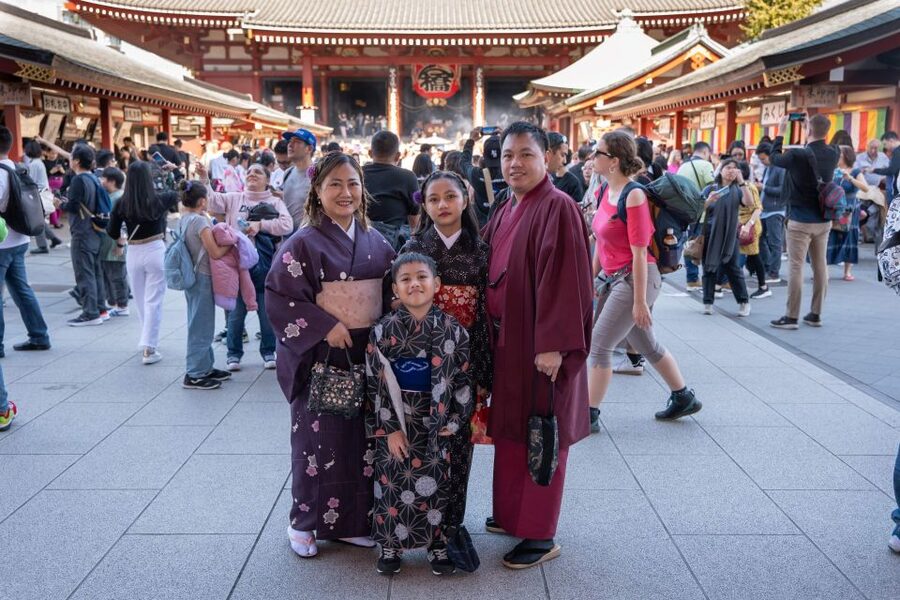
- Photography is a real strength: Several guides, including Fares, have taken polished photos during the walk.
- The pace can be adjusted: Guides have worked with families, older visitors, children, and people who want extra time for pictures.
Why a custom route helps in Tokyo

Tokyo is not one city in the sightseeing sense. It is a collection of very different districts, each with its own mood and purpose. You can spend a morning at a shrine, lunch in a market, and the afternoon among neon signs and department stores, but moving between those places takes planning.
This tour gives you a private English-speaking guide for that planning. Before the outing, the guide contacts you through WhatsApp to discuss what you want to see and how much time you have. That early conversation matters. A two-hour walk through one area is a very different experience from an eight-hour day crossing the city.
You might ask for temples and markets, modern Tokyo, food, photography, shopping, or an introduction to the train system. You can also combine interests. One family visited Shibuya Crossing, Takeshita Street, and Meiji Shrine, then received a sushi recommendation. Another visitor focused on Asakusa and added food and cultural suggestions for later.
I would book this most readily for your first full day in Tokyo. You will still see the headline sights, but you will also learn how the city fits together. That can save time and reduce the usual first-day confusion.
More Private Walking Tours in Japan
- Tokyo: Private Custom Walking Tour with Local Guide
★ 4.8 · 533 reviews - Tokyo: Private Walking Tour with a Local Guide
★ 4.9 · 469 reviews - Tokyo: Private Walking Tour with a Local
★ 4.4 · 419 reviews
Asakusa for temples, markets, and old Tokyo
Asakusa is one of the clearest choices if you want Tokyo’s traditional side. A guide can take you through the area’s major religious and market sights while explaining the customs and stories that are easy to miss when you walk alone.
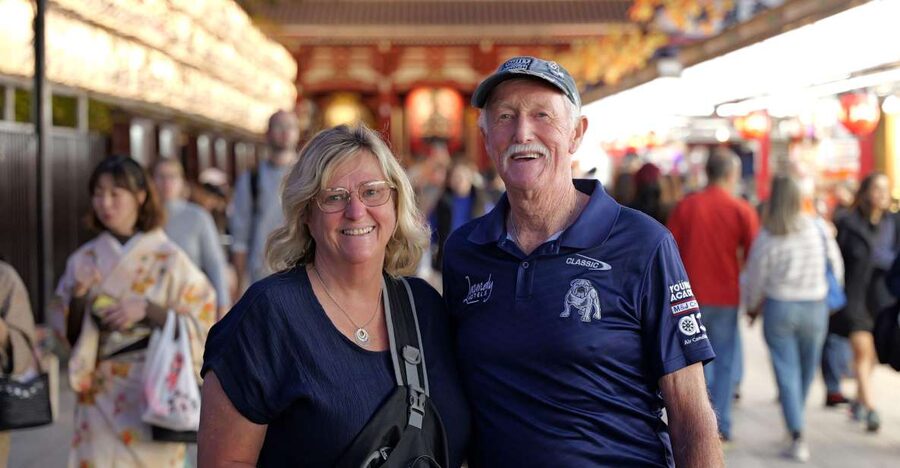
The advantage of visiting Asakusa with a guide is not simply finding the entrance to a temple. It is understanding what you are looking at, how to behave at a shrine or temple, and which details deserve your attention. One guide, Fares, used Asakusa as a base for explaining the main sights, then added less obvious food and cultural suggestions.
This area suits you if you want a slower start, good photo chances, and a sense of older Tokyo. It is less useful if your only goal is fashion, electronics, or high-rise city views. The tour can cover it in a short session, but you should not expect Asakusa, Shibuya, Harajuku, and Akihabara to receive equal time unless you book a longer outing.
Meiji Shrine and Harajuku in one walk
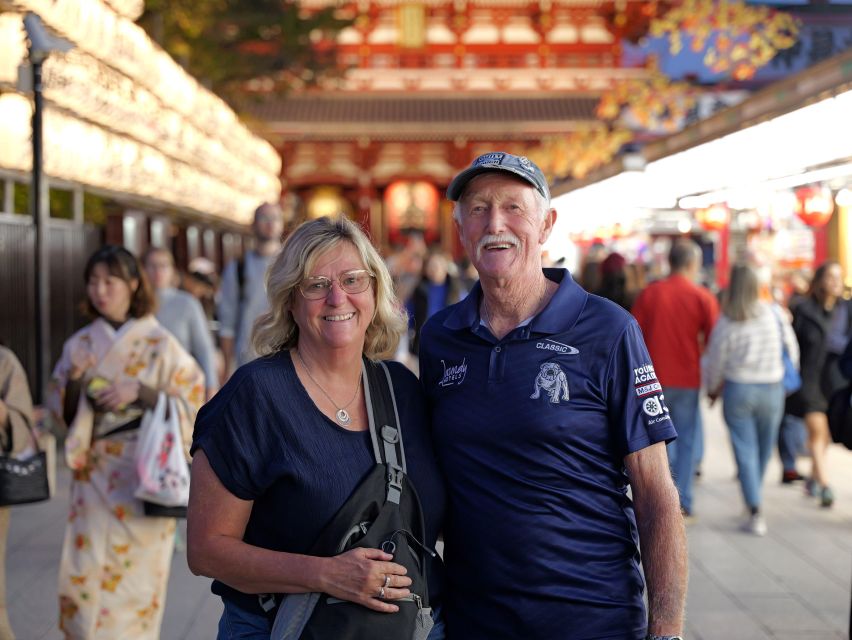
Meiji Shrine and Takeshita Street make a useful pair because they show two very different sides of Tokyo. The shrine offers a calm, traditional setting, while Takeshita Street brings youth fashion, shops, and a more modern urban mood.
This combination appeared in a family route that also included Shibuya Crossing. It worked because the three stops are connected by public transport and each gives you something different. You can see a major shrine, experience one of Harajuku’s best-known shopping streets, and finish among the city lights.
Ask your guide to keep the pace realistic. Shrine grounds can involve walking, and browsing Takeshita Street takes as long as you allow. If you want photographs, shopping, and explanations at every stop, four hours may feel tight. A shorter tour can still work if you choose two areas rather than trying to collect every famous name.
Shibuya Crossing and Tokyo’s modern side
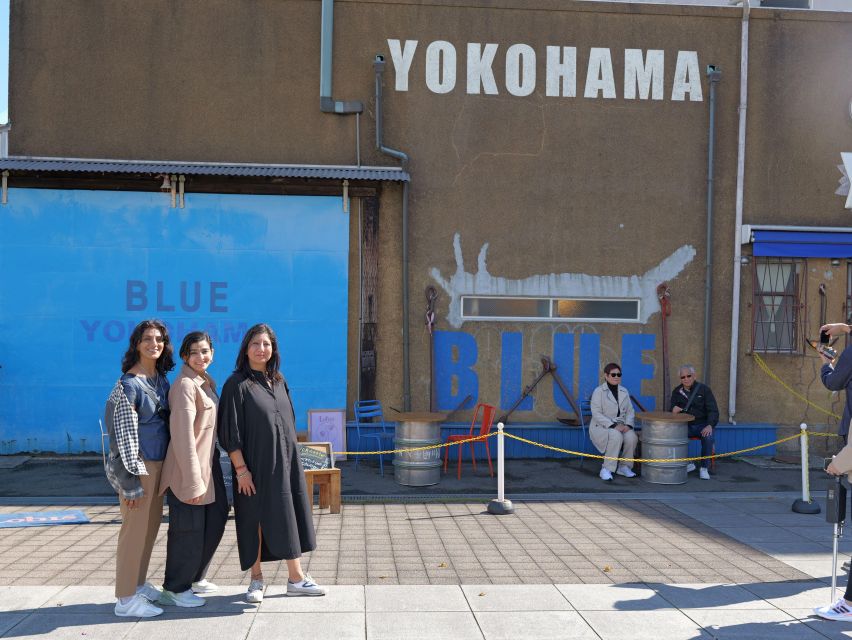
Shibuya is the obvious choice for a first look at present-day Tokyo. The crossing is famous, but the value of visiting with a guide is knowing what to do before and after the crossing. Your guide can help with viewpoints, nearby streets, photographs, and onward train travel.
Fares has been especially useful for visitors who wanted strong group photographs. That is a practical benefit for couples and families who do not want to rely on hurried self-timer shots. The photography help is not a separate studio session, so keep your expectations sensible, but a guide who knows how to frame a group can make a difference.
Shibuya is also a good test of the tour’s flexible format. You might want only a quick look, or you might want to combine it with Harajuku and Meiji Shrine. Tell your guide how much time you want for shopping and photos. Otherwise, the route can become a fast march from one landmark to the next.
More Private Walking Tours in Tokyo:
- Tokyo: Customizable Private Guided Walking Tour
★ 4.5 · 129 reviews - Private Walking Grand Tour of Copenhagen
★ 5.0 · 3,953 reviews - Vienna: Private Walking Tour with a Local
★ 4.6 · 1,446 reviews - Barcelona Helicopter, Sailboat & Old Town Private Walking Tour
★ 5.0 · 1,395 reviews
Akihabara and Ginza for a different Tokyo
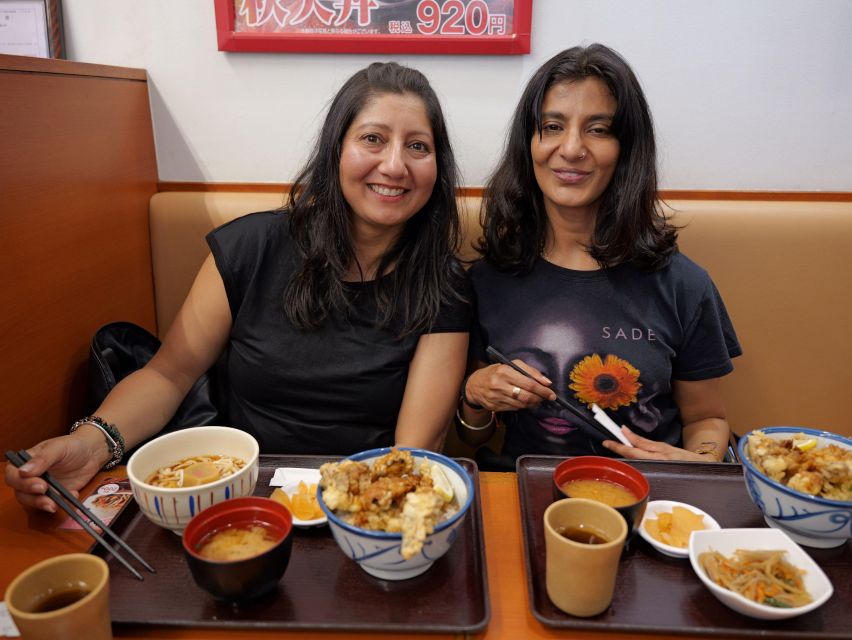
Akihabara and Ginza offer two more ways to shape your day. Akihabara is associated with electronics, games, and popular culture, while Ginza gives you a more polished shopping district. A guide can help you decide if either belongs in your limited time.
One custom route combined Meiji Shrine, Akihabara, and Ginza, along with help getting Welcome Suica cards and finding lunch. That is the kind of broad introduction this experience handles well. You are not simply looking at places. You are learning which parts of Tokyo match your interests and which can wait for another day.
The tradeoff is distance. Tokyo’s public transport is efficient, but every transfer takes time. If you choose districts spread across the city, you will spend part of the tour underground or inside stations. That is not wasted time if you are learning the system, but it does reduce time at the sights.
Public transport is part of the experience
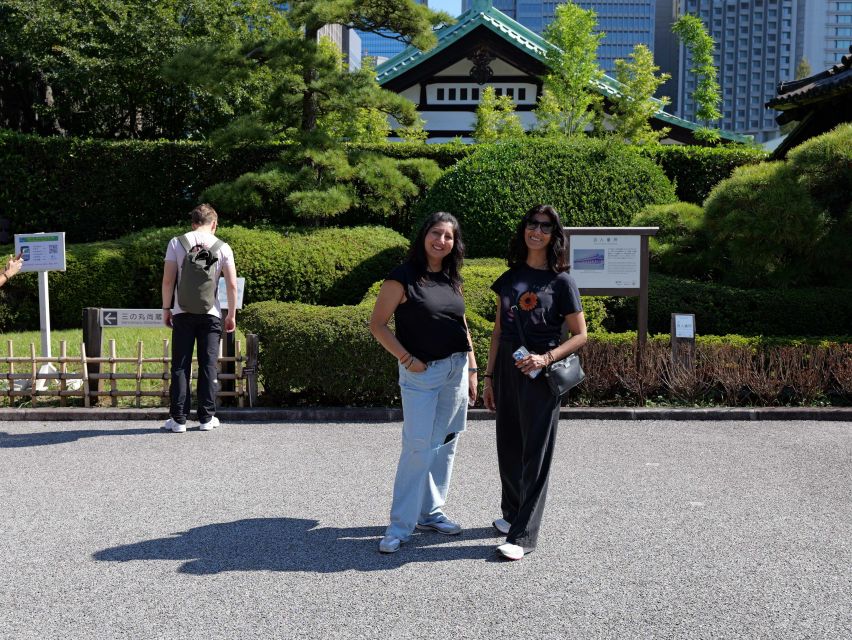
The tour uses trains and public transportation rather than private vehicles. Your guide meets you at your hotel lobby or another requested pickup location five minutes before the start, then helps you navigate the city.
This is one of the strongest practical reasons to book. Guides have helped people work out train travel, buy or arrange Suica cards, and reach their next destination after the tour. Toko was praised for helping with the metro, while Nao and other guides made train use part of the introduction to Tokyo.
You pay your own transportation costs, so allow for that in your budget. The exact amount depends on the route and how much ground you cover. Private transport is not included, and the guide does not provide a private car.
I would not treat the train rides as a nuisance. Tokyo’s transport system is part of daily life, and learning it with someone beside you can give you confidence for the rest of your trip. Still, if you strongly dislike stairs, transfers, or crowded stations, ask for a compact walking route before the day begins.
What the guides add to the day
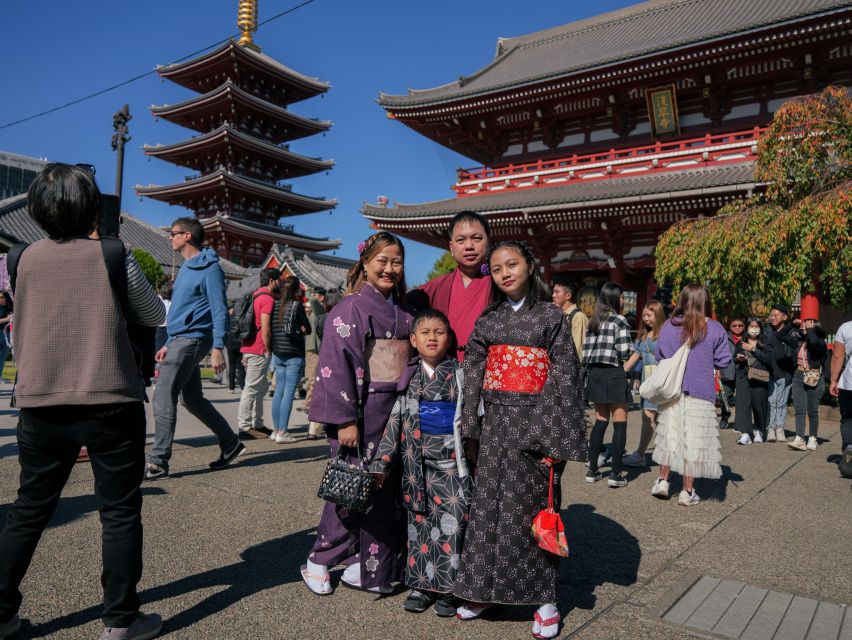
The guide roster is not fixed from the information provided, so you may be assigned someone different from the people named here. Still, the repeated strengths are clear: good English, flexibility, city orientation, historical explanation, and personal attention.
Nao has been a strong choice for visitors who want detailed explanations and a measured pace. She has adjusted for photography time and individual walking needs. Satoshi has shared lesser-known stories about Tokyo and Japan, which is useful if you want more than basic landmark facts.
Fares combines route planning, train help, photography, and food suggestions. Sumire has shaped tours around personal interests and helped families with transport, shrines, food, and seasonal sights. Taka has adapted schedules for families and picked routes that fit the available time.
You cannot guarantee a particular guide from the information here, but you can make your preferences clear before the tour. Tell the operator if you want history, food, photography, shopping, family activities, or a gentle pace. The more specific you are, the more useful the custom format becomes.
Families, older visitors, and different walking speeds

A private group is far easier for families than a fixed tour. You can pause for children, change the order of stops, or shorten the walking section without asking strangers to wait. One guide even brought large stuffed animals for children, while another suggested activities based on the children’s ages.
The experience can also work well for older visitors, but be honest about your pace. One six-hour outing covered about 17.6 kilometers, which is a serious day on foot even with train rides. Other guides have adjusted the route and waited patiently during photographs, so you should discuss mobility and energy levels in advance.
The official restrictions matter here: this tour is not suitable for wheelchair users or people with mobility impairments. That is not just a technical note. Tokyo stations and sightseeing areas can involve long walks, stairs, and changing surfaces.
How much time should you book?
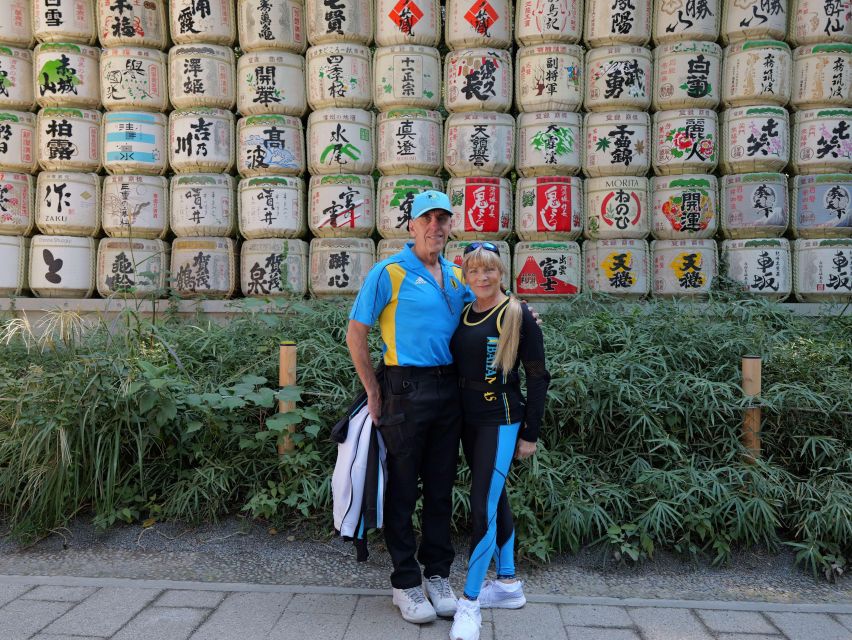
The available duration runs from 2 to 8 hours. Your best choice depends on how specific your goals are.
A two-hour tour makes sense if you want one neighborhood, help with the trains, or a quick introduction after arriving. Choose four hours if you want a few major stops without turning the day into a race. This is likely the sweet spot for first-time visitors who want Shibuya, Harajuku, and Meiji Shrine, or Asakusa plus nearby sights.
Six hours gives you room for a wider route, lunch advice, photos, and some flexibility. Eight hours can work as a full orientation day, but remember that a long tour may include substantial walking. More hours do not automatically mean a better experience. A focused four-hour route can be more satisfying than eight hours spent crossing the city.
Is $56 per person good value?
At $56 per person, the tour is reasonably priced for a private experience, especially if you are traveling with family or friends and can share the guide’s attention. You are paying for route planning, local guidance, language support, and practical help, not for an all-inclusive sightseeing package.
You need to add train fares, entrance fees, lunch, and personal expenses. Those extra costs are normal for a walking tour, but they mean the advertised price is not your full day’s budget. The guide can recommend a restaurant, but lunch remains your responsibility.
The best value comes when you use the tour to improve the rest of your trip. Learn the train system, ask what to book next, find areas that fit your interests, and get advice you can use after the guide leaves. If you only want a short escort to one landmark, the price may feel less attractive.
Small details that make the tour work better
Register a phone number that works with WhatsApp. The guide contacts you within the two weeks before the tour to discuss your schedule, so do not use a number you will not check.
Write down your top three priorities before that conversation. For example, you might choose traditional Tokyo, good family photos, and a sushi lunch. That gives the guide something clear to build around.
Wear shoes suitable for walking and public transport. The tour is not a vehicle tour, and one six-hour route covered nearly 18 kilometers. If you prefer a gentler day, say so early.
Also tell the guide if you need regular stops, extra photography time, or help getting to your next activity. Daichi has helped visitors reach their next hotel or tour, and that kind of practical finish can be especially useful on a packed Tokyo day.
Cancellation is flexible up to 24 hours before the start for a full refund, and you can reserve now and pay later. Those terms are useful if your Tokyo schedule is still shifting.
Should you book this Tokyo tour?
Book it if Tokyo is your first stop in Japan, you want a private route, or the train system feels intimidating. It is particularly good for families, couples, older visitors who can walk comfortably, and anyone who wants photos without constantly asking strangers to take them.
Choose it with a clear plan, not a wish to see all of Tokyo in one afternoon. Asakusa, Meiji Shrine, Harajuku, Shibuya, Akihabara, and Ginza each deserve time, and the city’s size makes overloading the itinerary a real risk.
I would book four to six hours, send your guide a short list of priorities, and ask for a pace that matches your group. If you want a private introduction that teaches you how to move through Tokyo as well as showing you the sights, this is a smart start. If you need wheelchair access, private transport, or an all-inclusive price, choose a different option.
FAQ
Where does the tour take place?
The tour takes place in Tokyo in the Kanto Region of Japan. The route is customized around your interests and may include traditional and modern areas of the city.
How long is the tour?
You can book a tour lasting from 2 to 8 hours. Starting times depend on availability.
Is the tour private?
Yes. It is arranged for a private group, so the guide can adapt the route and pace to your party.
Is hotel pickup included?
Yes. The guide meets you in your hotel lobby or at another requested pickup location five minutes before the tour begins.
What language does the guide speak?
The live tour guide speaks English.
Are train and public transport fares included?
No. You pay your own transportation fees. The tour uses public transportation, but private transportation is not included.
Are entrance fees included?
No. You pay your own entrance fees for attractions.
Is lunch included?
No. Lunch and personal expenses are not included.
Can I cancel the tour for a refund?
Yes. You can cancel up to 24 hours in advance for a full refund. You can also reserve now and pay later.
Just added around Tokyo
- Tokyo: Tsukiji Market Walking Tour & Sushi Cooking Class★ 4.6 · 122 reviews
- Tokyo:Stroll in Old traditional culture towns~Yanaka & Nezu★ 4.9 · 186 reviews
- Tokyo: Shinjuku Nightlife & Secret Backstreets Walking Tour★ 4.8 · 229 reviews
- Tokyo: Shibuya Crossing & Hidden Streets Walking Tour★ 4.8 · 128 reviews
- Tokyo: Shinjuku Bar Hopping & Night Walking Tour★ 4.6 · 137 reviews
- Tokyo: Meiji Shrine Walking Tour — Shinto & Imperial System★ 4.9 · 266 reviews
- Tokyo: Shibuya Highlights Walking Tour & Secret View Spot★ 4.9 · 196 reviews
- Tokyo: Kimono Dressing, Walking, and Photography Session★ 4.9 · 427 reviews
Private Walking Tours, compared.

Barcelona Helicopter, Sailboat & Old Town Private Walking Tour
Read our review →
Lyon: Private Walking Tour of “Traboules” in the Old Town
Read our review →
Browse the lists this tour appears in