
REVIEW · BARCELONA
Barcelona: The Spanish Civil War Historical Walking Tour
Barcelona’s prettiest streets carry a difficult past. This 2.5-hour walk through the old town looks beyond Gothic façades to the street fighting, political divisions, fascist bombings, and dictatorship that shaped modern Spain. You’ll sort out fascists, republicans, anarchists, labor unions, international volunteers, and the Catholic Church without being left alone with a confusing list of names.
I like the clear explanations of tangled politics, and I like the way the guides use photographs to connect past events with the streets around you. Guides including Javier, Chrisa, Yannis, Filipa, Henrieta, and Evan have been praised for making a hard subject easy to follow, while still answering serious questions. The main drawback is that this is an emotionally heavy tour, and you’ll spend much of the time standing outdoors.
Key points
- A street-level history lesson: Walk through Barcelona’s old town, where fighting and bombing left physical and political scars.
- The factions finally make sense: Learn how fascists, republicans, anarchists, labor groups, and foreign powers fitted into the conflict.
- Orwell’s Barcelona comes alive: Visit places connected with Homage to Catalonia and the clashes he described.
- More than battlefield dates: The tour covers women’s politics, Mujeres Libres, the Catholic Church, ordinary people, and life under Franco.
- Useful visual material: Guides use old photographs and other images to help you match historical events to present-day streets.
- A manageable walk: You stroll between stops, then pause for explanations, so it is not 2.5 hours of nonstop walking.
Why Barcelona’s Civil War story belongs on your itinerary
Most first visits to Barcelona focus on Gaudí, Roman walls, food markets, and the Mediterranean. All of that is worthwhile, but it can leave you with a polished picture of the city that says little about the political violence of the 20th century.
This tour changes the angle. You walk through the old town, where the Spanish Civil War was not a distant event on a map. It happened in streets, squares, churches, offices, and neighborhoods that still shape the city you see today.
The story also reaches beyond the war itself. Your guide explains the years before the conflict, the 1936 to 1939 fighting, and the 36-year dictatorship that followed under Francisco Franco. That longer view matters. Without it, the war can sound like a short clash between two neat sides. It was not.
You’ll hear how industrialization and social change affected Barcelona, why labor politics became so intense, and how different groups imagined Spain’s future. You’ll also look at the way Spain deals with this past now, including the continuing debate over memory, public symbols, political identity, and the stories that were silenced under Franco.
More History Walking Tours in Barcelona:
- Berlin: Third Reich & Cold War Guided Walking Tour
★ 4.9 · 8,378 reviews - Munich: Third Reich & WWII Walking Tour
★ 4.6 · 6,181 reviews - Berlin’s Best: 2 Hour Walking Tour Third Reich and the Cold War
★ 5.0 · 5,486 reviews
Meeting under the white umbrella at Plaça de Catalunya
The tour begins on the sidewalk in front of Foot Locker at Plaça de Catalunya. Your guide will be carrying a white umbrella, which is a useful marker in one of Barcelona’s busiest meeting areas.
Plan to arrive early. The starting point is central, but Plaça de Catalunya is large and can be hectic, especially if you are coming from the Gothic Quarter, the Eixample, or a nearby hotel. The tour does not include hotel pickup, so you are responsible for reaching the meeting point.
From there, the route moves toward the old town. The exact order of explanations can vary by guide, but the structure is clear: background first, then the war and Barcelona’s role, followed by Franco’s rule and the question of how the period is remembered today.
Some guides use wireless tour systems. These cost an additional €1 per person, payable by cash or card at the beginning. The system can help you hear in a busy street, though it is one extra cost to remember when working out the total price.
Walking through the old town’s political scars
The best part of the experience is the way ordinary streets become historical evidence. You are not simply told that Barcelona was divided. You are shown how political conflict affected the city’s public spaces and daily life.
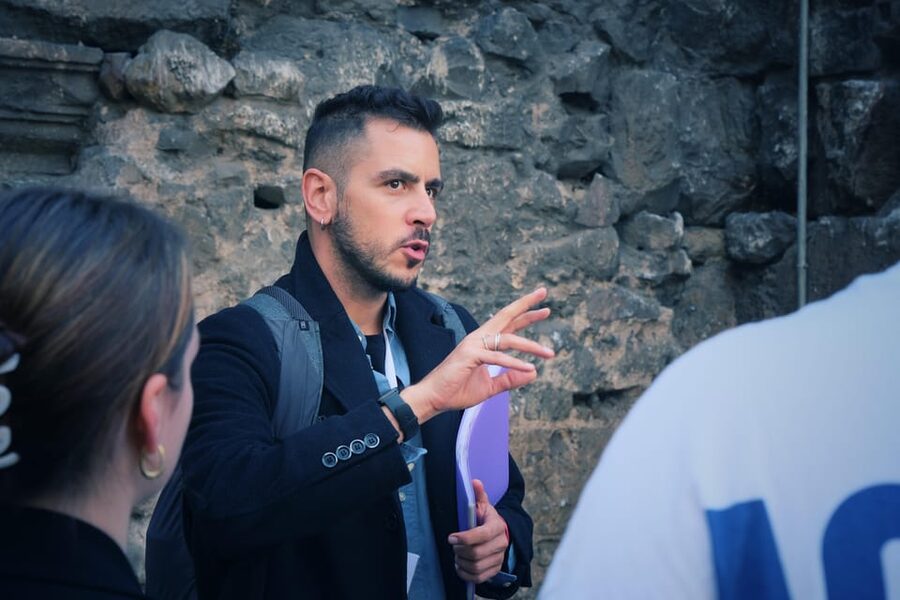
The old town is a natural setting for this subject. Its narrow streets and dense buildings help you picture the confusion of street fighting and political confrontation. Your guide points out places connected with the conflict and explains what happened there, using photographs to show how the same areas looked during the war.
Do not expect a long sequence of formal museum stops. There are virtually no official museums or memorials devoted to the Spanish Civil War in Barcelona, so the city itself becomes the classroom. That is both the tour’s strength and its limitation. You gain a direct sense of place, but you do not have indoor exhibits, permanent displays, or a quiet bench at every stop.
You’ll walk for a while, then stop as the guide explains a subject. This pattern repeats throughout the route. Several people who worried about the walking found the pace manageable, but you should still wear comfortable shoes because standing is a major part of the tour.
Sorting out fascists, republicans, and anarchists
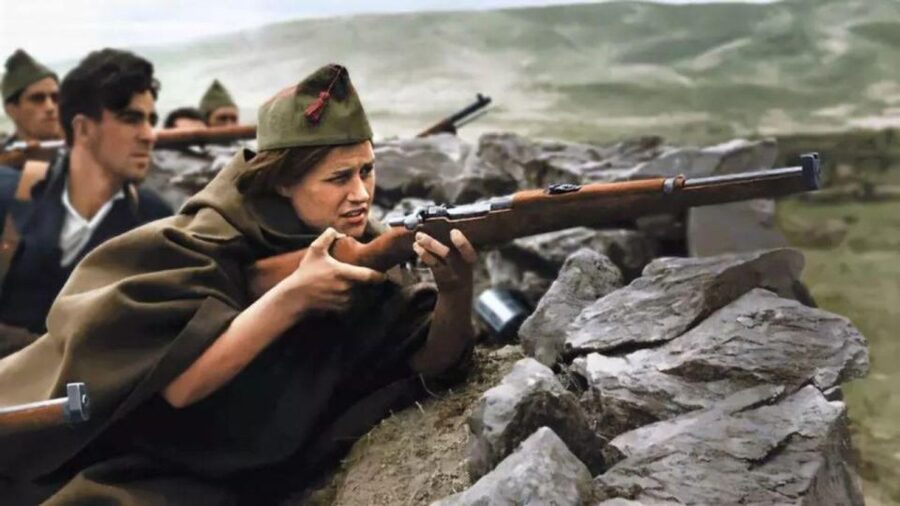
The Spanish Civil War is difficult partly because the usual two-sided explanation does not work. The conflict involved the military uprising led by Franco, the Republican government, socialist and communist groups, anarchists, labor unions, regional political movements, and other factions with competing goals.
Your guide’s job is to show where those groups agreed and where they did not. The Republican side was not a single united force, and the opposition to Franco included political movements that often disagreed about the future of Spain, the role of the state, private property, religion, and the pace of revolution.
This is where guide quality matters most. A list of factions can make the topic harder. The strongest guides, including Javier, Chrisa, Yannis, Filipa, Henrieta, and Evan, have been praised for using plain explanations, checking that people are following, and handling questions without losing the thread.
You should expect plenty of names and political terms. If you know little about the war, the tour is still accessible, but a short introduction before you arrive will help. One useful approach is to remember that the tour is explaining both the official conflict and the internal struggle over what kind of society should come after it.
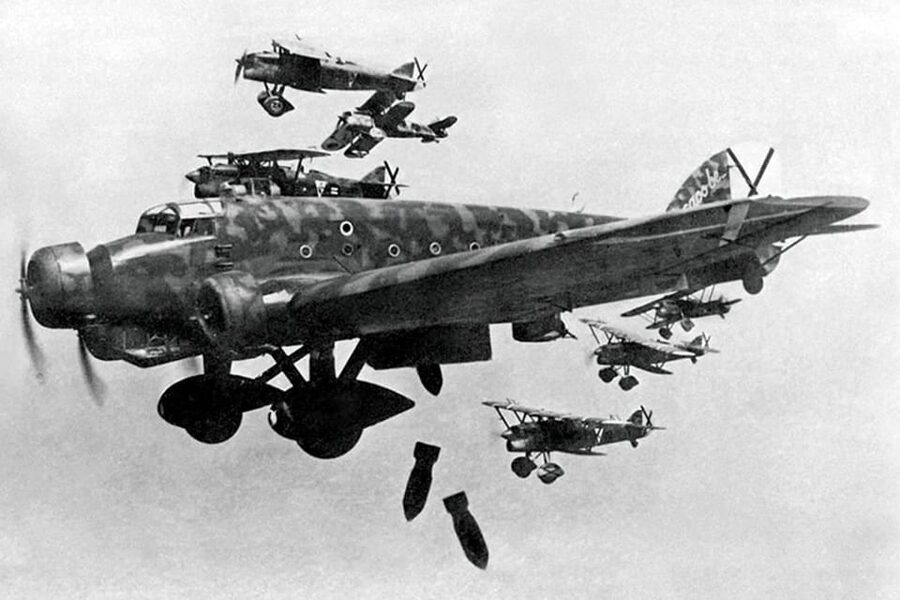
The guides also deal with the role of Hitler and Mussolini, the International Brigades, and the response of the Western Allies. These subjects place Barcelona’s story within the wider European crisis of the 1930s. You learn why the war mattered beyond Spain and how foreign involvement changed the balance of power.
A few more walking tours around Barcelona worth a look
- Barcelona Tapas and Wine Experience Small-Group Walking Tour
★ 5.0 · 5,804 reviews - Barcelona: Tapas Walking Tour with Food, Wine, and History
★ 4.8 · 4,261 reviews - Barcelona: Food Walking Tour with Tapas and Wine
★ 4.9 · 2,180 reviews - Barcelona Tapas Walking Tour: Food, Wine & History
★ 4.5 · 1,928 reviews
Finding Orwell’s Barcelona
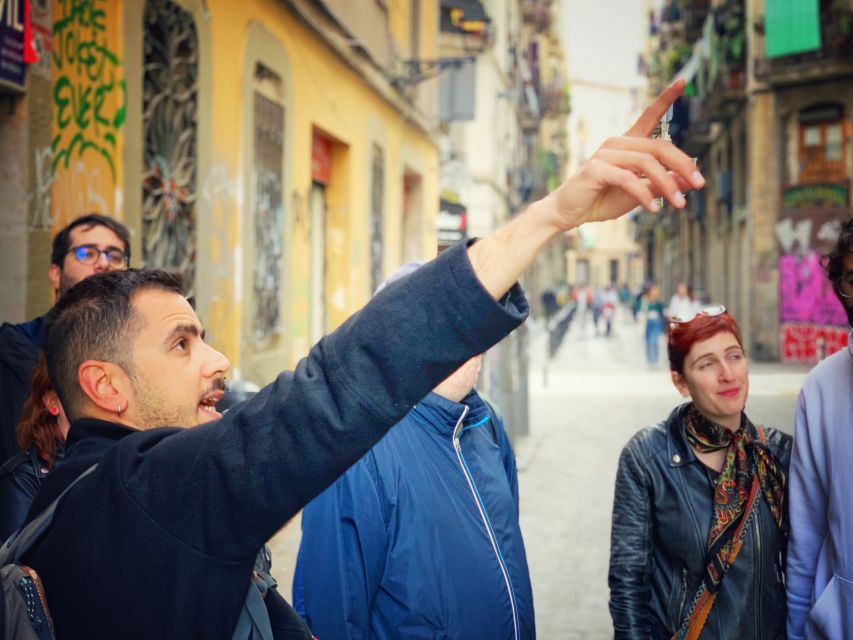
George Orwell’s Homage to Catalonia gives many English-speaking readers their first connection to the Spanish Civil War. This walk visits places associated with the Barcelona described in that book, bringing the text closer to the streets where Orwell lived and observed the conflict.
That connection is useful even if you have not read the book. The guide can explain what Orwell saw, which political struggles he encountered, and why Barcelona became such an important part of his account. If you have read Homage to Catalonia, the walk adds a physical sense of distance, direction, and place to scenes that can otherwise feel abstract.
It also helps correct a common problem with famous historical writing. Orwell’s account is important, but it is one person’s view during a specific period. The tour widens the frame to include other factions, women, workers, religious institutions, and ordinary residents affected by the war and its aftermath.
The human story behind the political argument
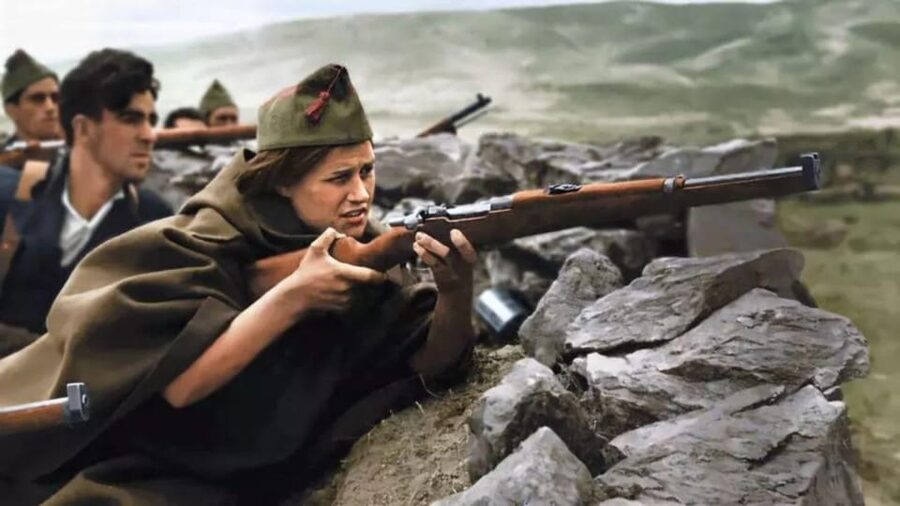
This experience is not only about generals, parties, and foreign governments. Its strongest moments come when the guide brings the story down to the level of daily life.
You hear about people living through shortages, fear, propaganda, violence, and political pressure. You also learn how the conflict affected different communities in Barcelona and how the dictatorship changed public life after the fighting ended.
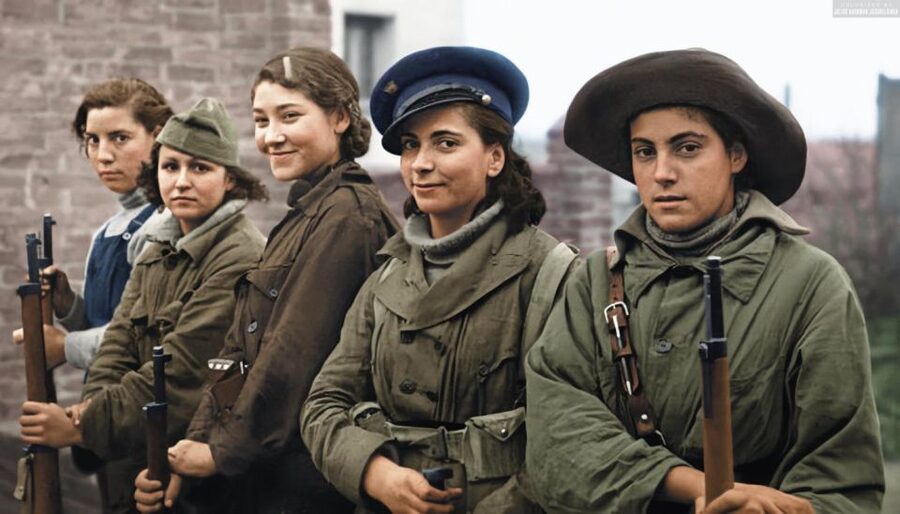
The discussion of women and the Mujeres Libres movement is especially valuable. It shows that the war was also a struggle over gender, work, education, and personal freedom. That subject can easily be skipped in a conventional military account, but here it helps you see how broad the political changes were.
The Catholic Church receives attention as well. Its role was not a minor side note, and your guide explains how religion, political power, and Franco’s Spain were connected. This gives you a better basis for understanding why the war and dictatorship remain sensitive subjects.
The tone is serious, but guides use humor carefully when appropriate. Evan, Javier, and others have been praised for keeping explanations human and approachable without making light of the subject. That balance is important during a tour dealing with war, repression, and dictatorship.
From Franco’s victory to Spain’s unresolved memory
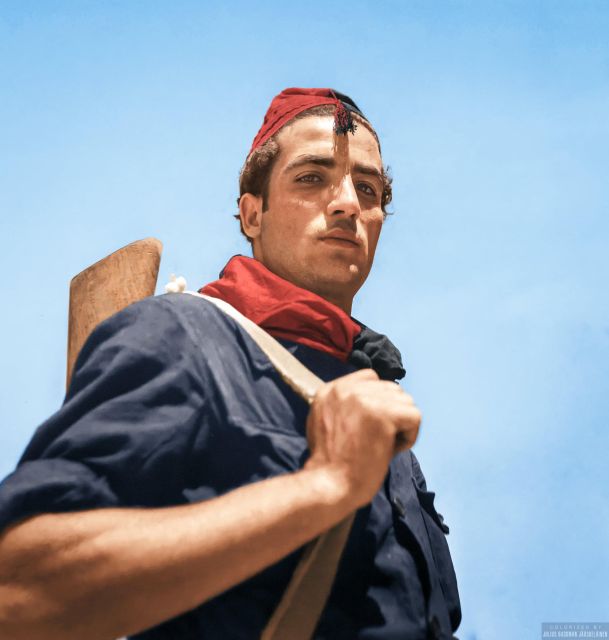
The war ended with Franco’s victory in 1939, but the story did not end there. The tour explains how the dictatorship lasted for 36 years and how its effects continued after Franco’s death.
You’ll consider what happened to political opponents, how public memory was shaped, and why Spain has had a complicated relationship with memorials and historical discussion. The guide also connects the past to current Spanish politics, including the rise of far-right and extremist movements in Europe and elsewhere.
This final section gives the tour present-day weight. You are not asked to treat history as a sealed box. Instead, you are encouraged to think about what societies remember, what they leave out, and how old political divisions can return in new forms.
The connection to present-day Barcelona is handled as context rather than a partisan speech. The best guides explain the issues and leave room for questions. That makes the walk useful even if you arrive with little political background or with views different from those of the guide.
What the $46 price gets you
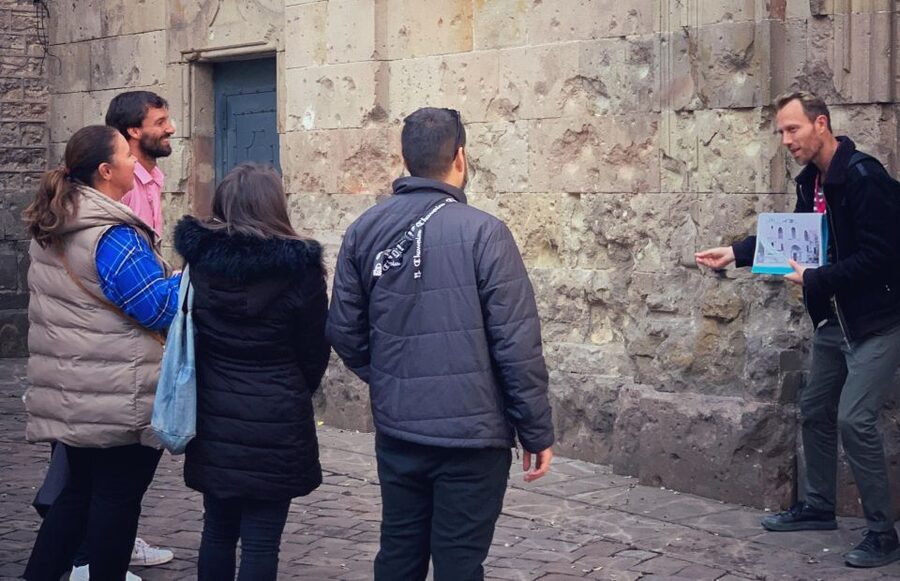
At $46 per person, the tour costs more than a free walk and less than many private half-day experiences. The value depends on what you want from Barcelona.
If your goal is to cover famous buildings quickly, this is not the best use of your time. You will not visit a major art collection or spend hours inside historic monuments. The price pays for a specialist subject, a live English-speaking guide, visual material, and the work of connecting scattered sites into one understandable story.
I consider it good value if you care about history, politics, literature, or modern Spain. The tour can also improve the rest of your visit. Once you understand the city’s political divisions and the shadow of Franco, Barcelona’s architecture and public spaces carry more meaning.
The price is less attractive if you dislike standing outdoors or already have a strong background in the Spanish Civil War. Even then, the focus on Barcelona, women’s politics, local experience, and historical memory may offer material you have not covered elsewhere.
The extra €1 for wireless equipment is small, but budget for it. Food, drinks, transport, and hotel pickup are not included.
Weather, comfort, and accessibility
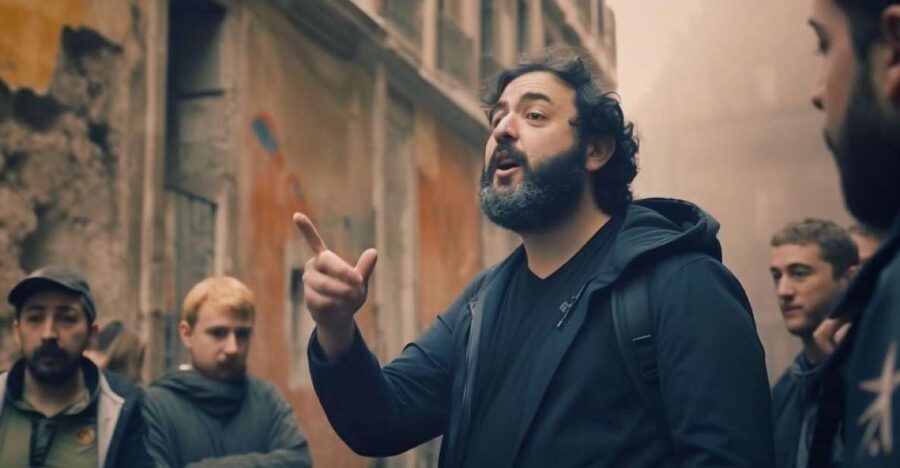
The tour runs rain or shine. Barcelona can be hot in the warmer months and surprisingly cold during a winter morning, so dress for the forecast rather than the season on your calendar. A January participant needed extra layers, and heavy rain did not stop the tour, so a waterproof jacket is sensible when the weather looks uncertain.
You will not walk continuously for 2.5 hours. The route includes short stretches of walking followed by longer explanations while standing. That makes the tour manageable for many people, but it is not a seated activity.
The experience is wheelchair accessible. Since you are moving through public streets and historic areas, it is still wise to ask the provider about your specific needs when booking.
Children are allowed, but the tour is not advised for young children because the subjects include politics, war, dictatorship, and violence. Older teenagers may appreciate it, especially if they have an interest in history. One family found it worked well for two teenagers, but the right choice depends on their attention span and comfort with difficult material.
Which guide might you get?
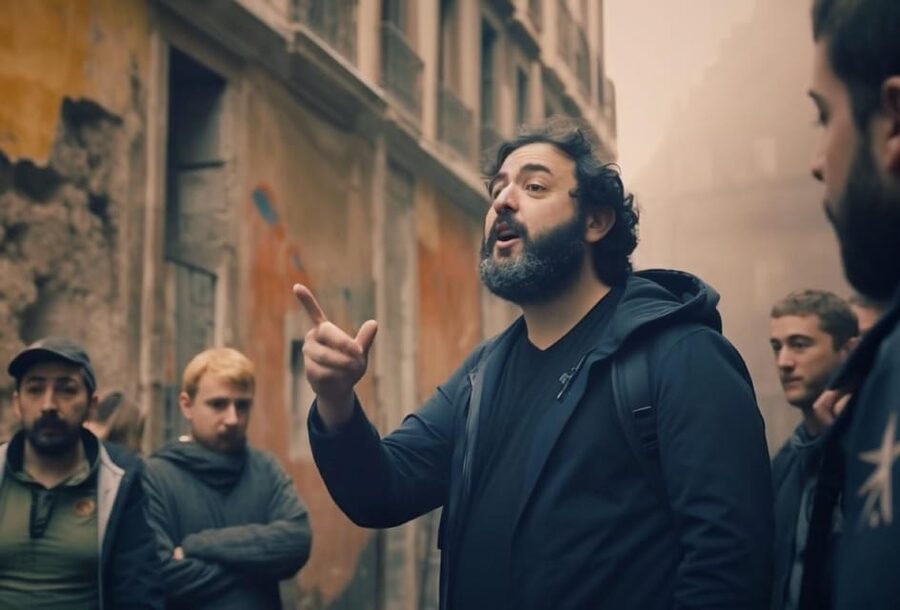
You cannot usually choose a particular guide, but the tour has several experienced presenters. Javier is known for clear storytelling, dry humor, and making a complicated topic approachable. Chrisa, also written as Chryssa in some places, has been praised for explaining competing factions, women’s politics, and modern connections in a calm, structured way.
Yannis, sometimes written as Yanis, created the tour and is known for covering the wider background, industrial Barcelona, the war, and its aftermath in detail. Filipa has a strong interest in Franco’s Spain and brings an engaging style to the subject.
Henrieta is especially good at answering questions and using visual material, while Evan is praised for a careful, balanced explanation and a friendly manner. The exact experience will depend on who leads your departure, but the repeated strength across the team is the ability to make a complex subject understandable in English.
The guides also tend to offer practical suggestions after the walk. You might receive restaurant ideas or further reading recommendations, which is useful if the tour leaves you wanting to learn more.
Is this Barcelona tour right for you?
Book it if you want to understand the Barcelona behind the postcard. It is a strong choice for history enthusiasts, readers of Orwell, students of European politics, and anyone who wants context for the city’s modern identity.
I would also recommend it to you if you know very little about the Spanish Civil War. The subject can sound intimidating, but the walking format, photographs, and regular explanations make it easier to follow than a dense book or lecture.
Think twice if you want light entertainment, indoor comfort, or a quick look at famous sights. The tone is serious, the subject can be upsetting, and you will stand outside in changing weather.
For most curious adults, though, this is one of the more useful ways to spend 2.5 hours in Barcelona. It replaces the city’s polished surface with a harder, more honest story, then gives you the tools to understand why that story still matters.
FAQ
How long does the Spanish Civil War walking tour last?
The tour lasts about 2.5 hours.
Where does the tour begin?
Meet on the sidewalk in front of Foot Locker at Plaça de Catalunya. The guide will carry a white umbrella.
Where does the tour finish?
The tour finishes in the middle of the Gothic Quarter, near Barcelona city hall.
What language is the tour conducted in?
The live tour guide speaks English. An English audio guide may also be available.
Is the tour wheelchair accessible?
Yes, the activity is listed as wheelchair accessible.
Is hotel pickup included?
No. You must make your own way to the meeting point at Plaça de Catalunya.
Does the tour run in bad weather?
Yes. The tour takes place rain or shine, so dress for the forecast.
Are children allowed to join?
Children are allowed, but the activity is not advised for children because it covers politics, war, and dictatorship.
Is there an extra charge for the wireless guiding system?
Wireless tour equipment is typically used depending on the guide. When provided, it costs an additional €1 per person, payable by cash or card at the start.
Can I cancel the booking?
Yes. You can cancel up to 24 hours in advance for a full refund. You can also reserve now and pay later.
Just added around Barcelona
- Barcelona Walk Like a Local: El Born & Gothic 15+ Sights★ 4.9 · 88 reviews
- Barcelona: Gothic Quarter Walking Tour w/ Montjuïc Cable Car★ 4.4 · 90 reviews
- Barcelona: Ramblas, Old Town & Gaudí Houses Walking Tour★ 4.9 · 239 reviews
- Barcelona: Old Town Private Walking Tour of Past and Present★ 5.0 · 160 reviews
- Barcelona: Private Walking Tour with a Local★ 4.5 · 202 reviews
- Barcelona: Jewish Quarter 2-Hour Walking Tour★ 4.8 · 333 reviews
- Barcelona: Picasso Walking Tour with Picasso Museum Tickets★ 3.5 · 93 reviews
- Barcelona: Gothic Quarter Walking Tour with 10+ Attractions★ 5.0 · 369 reviews
History Walking Tours, compared.

Berlin’s Best: 2 Hour Walking Tour Third Reich and the Cold War
Read our review →
Third Reich Berlin: Hitler and WWII Walking Tour
Read our review →
New Orleans Garden District History Walking Tour
Read our review →
Cartagena: Historic Center and Getsemaní Shared Walking Tour
Read our review →
Imperial Palace and Shogun Historical Walking Tour
Read our review →Browse the lists this tour appears in