
REVIEW · KYOTO
Best of Kyoto: Gion, Geisha, Pagodas & Cobblestones
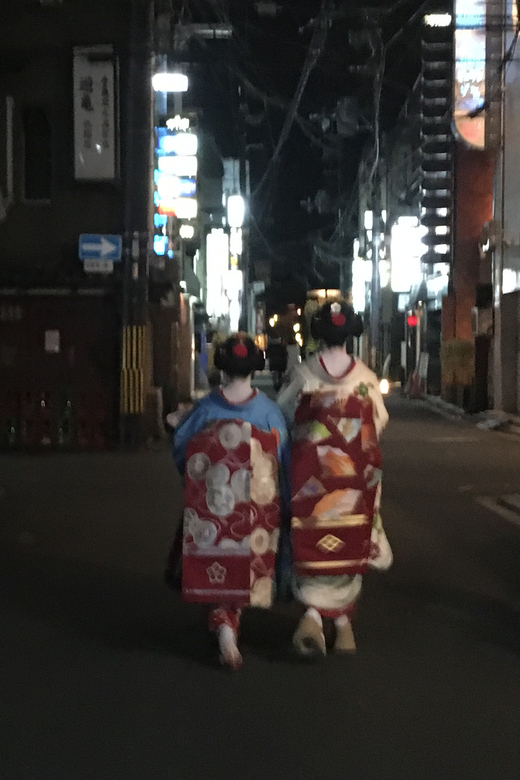
Kyoto’s Gion is most atmospheric after dark, when lanterns glow on wooden buildings and the daytime crowds thin out. This two-hour walk takes you from Yasaka Shrine to Gion, with stops at Ninenzaka, Hōkan-ji’s pagoda, and quiet temple and shrine grounds. It also offers a respectful introduction to geiko and maiko culture, with a chance, but no promise, of seeing them on their way to work.
I like the way the tour combines famous sights with a calmer evening pace. I also like the practical finish: your guide can suggest places for a drink or meal afterward. The main consideration is darkness. Some lanes are dim, and anyone arriving late or unable to find the meeting point will not receive a refund.
Key points to know before booking
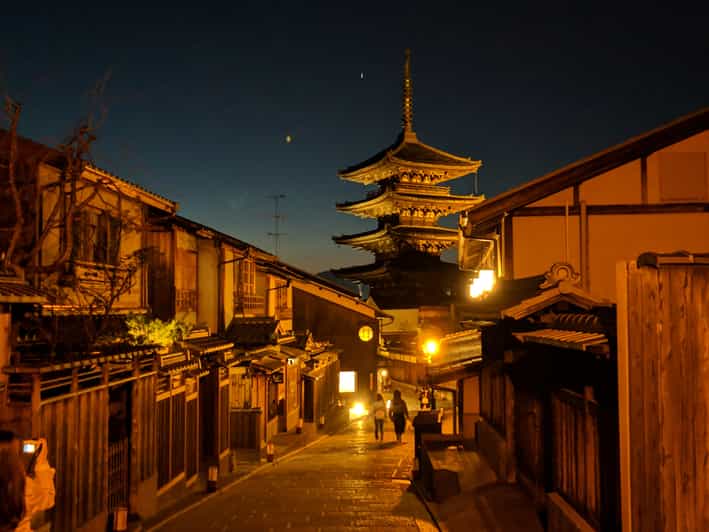
- Kyoto after dark: Lantern-lit streets and quieter lanes give Gion a very different feel from its daytime crowds.
- A useful first-day tour: The walk helps you understand Kyoto’s old districts, customs, religions, and layout early in your stay.
- Geiko and maiko explained carefully: Guides discuss their training, work, and place in Kyoto culture rather than treating them as a photo attraction.
- Four historic stops: Yasaka Shrine, Ninenzaka, Hōkan-ji Temple, and Yasui Kompira-Gu each offer a different look at old Kyoto.
- Guides shape the experience: Karim, Kevin, Ben, Janelle, Janiel, Salomé, and others are praised for friendly explanations, humor, and good pacing.
- Good value at $24: For two hours with a live guide in one of Kyoto’s most sought-after districts, the price is modest, especially for a private or small-group option.
Why Gion works so well at night

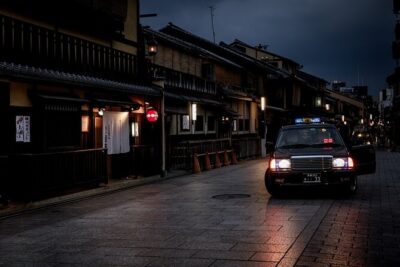
Gion can feel crowded and staged in daylight. At night, the mood changes. The narrow streets grow quieter, lanterns pick out the timber facades, and the district feels less like a sightseeing circuit and more like a working neighborhood with a long past.
That quieter setting is the chief reason to choose this tour instead of a standard daytime walk. You have more room to listen, and your guide can point out details that are easy to miss while following a crowd. The evening light also makes the pagoda, shrine gates, and traditional streets especially photogenic.
This is not a nightlife tour in the usual sense. You will not be taken from bar to bar, and food and drinks are not included. Instead, the walk ends with recommendations for places to eat or have a drink, which gives you freedom to choose what suits your budget and appetite.
I see this as an excellent first evening in Kyoto. You get an introduction to local religion, architecture, old neighborhoods, and geiko culture in one compact outing. You will also leave with a better sense of where to return during the day.
Other walking tours people book in Kyoto:
- Kyoto Geisha Walking Tour: Gion District & Hidden Gems
★ 4.7 · 3,273 reviews - Kyoto: Gion Magical Night Walking Tour with Geisha Trivia
★ 4.9 · 2,393 reviews - Kyoto: Gion Geisha District Walking Tour – Stories of Geisha
★ 4.7 · 2,187 reviews
Starting at Yasaka Shrine
The tour begins at one of two possible meeting locations near Kyoto’s Gion area. The exact point depends on the option you book, so check your confirmation rather than assuming every group starts in the same place. The listed meeting choices include the Tsuruha Drug Yasaka Shrine Store and a FamilyMart in Kyoto Gion.
Yasaka Shrine is the first formal stop, with about 20 minutes of guided explanation. This gives the tour a useful foundation. Instead of walking straight into Gion and hearing only about restaurants and geisha, you begin with a major religious site and the customs connected with it.
Your guide can help you understand the difference between the atmosphere of a Shinto shrine and that of a Zen temple later in the walk. That contrast matters. Kyoto’s old districts are not simply pretty streets lined with old houses. Their shrines, temples, festivals, and entertainment quarters developed alongside one another.
At night, the shrine visit feels calmer than a daytime stop. Still, remember that this is a walking tour, not a private ceremony or formal religious lesson. The value comes from the guide’s explanations and from seeing the site in context.
Ninenzaka and the old stone streets
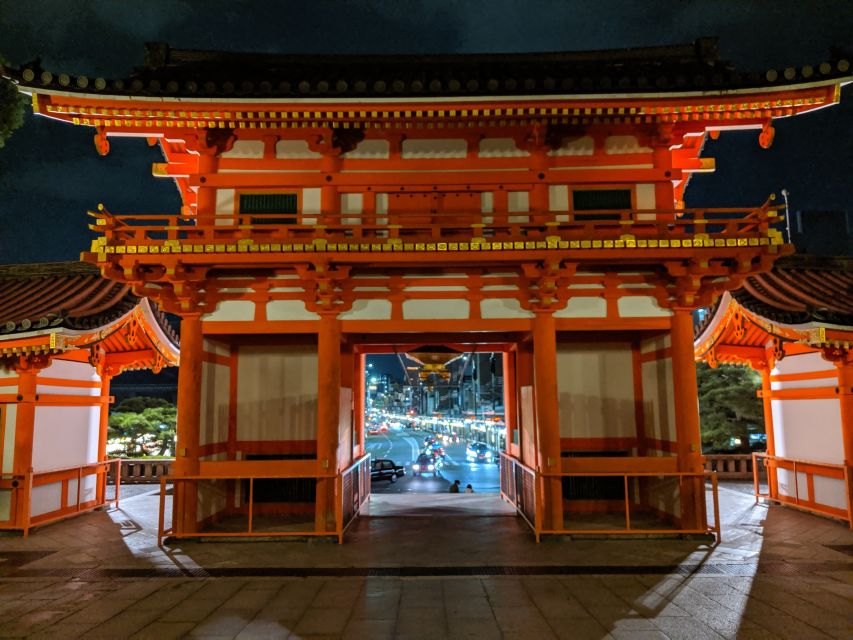
From Yasaka Shrine, the route continues toward Ninenzaka, with roughly 20 minutes of guided time. This is one of the most recognizable historic streets in the Higashiyama area, known for its sloping route and traditional buildings.
Ninenzaka is a strong photo stop, but it is also where you will notice the practical side of the tour. The street can be busy during the day, while a later visit usually offers a quieter walk. You can pay closer attention to the shape of the road, the wooden storefronts, and the way the old district rises toward the temple area.
Do not expect an empty film set. Gion and Higashiyama remain active parts of Kyoto, and evening conditions vary. Some tour times may still bring foot traffic, while other stretches can feel nearly silent. That uncertainty is part of the appeal, but it also means the experience is not built around guaranteed solitude.
Wear shoes you can walk in comfortably. The route includes narrow streets and historic lanes rather than smooth, modern sidewalks throughout. The supplied details do not specify accessibility arrangements, so anyone with mobility concerns should ask the provider before booking.
Hōkan-ji’s pagoda after sunset
Hōkan-ji Temple, famous for its five-story pagoda, receives about 20 minutes as a photo stop. The pagoda is one of the defining sights of Higashiyama, and the evening setting gives it a softer, more dramatic presence.
This section is likely to be one of the visual highlights. Your guide can help you find good places to frame the pagoda and explain how it fits into the surrounding historic district. One guide, Ben, is specifically praised for using visual material to explain Kyoto’s past, which can be useful when the subject is architectural or historical.
The stop is described as a photo opportunity, so do not expect an extended interior visit. The focus is on the exterior setting and the view of the pagoda from the surrounding streets. If taking pictures matters to you, keep your camera ready, but do not let it distract you from the guide’s explanation or from people living and working nearby.
Night photography can be tricky. Dim lanes are part of the charm, but they also make it harder to see uneven surfaces and other pedestrians. Take your time instead of walking quickly while looking through a phone screen.
Same streets, a different route:
- Night Walk in Gion: Kyoto’s Geisha District
★ 4.5 · 2,003 reviews - Kyoto Gion Geisha District Walking Tour – The Stories of Geisha
★ 5.0 · 1,441 reviews - Nishiki Market Brunch Walking Tour (7 Tastings + Brunch)
★ 5.0 · 1,355 reviews - Kyoto Arashiyama Walking Tour: Bamboo, Monkeys, Gardens & Secrets
★ 5.0 · 1,216 reviews
A quiet pause at Yasui Kompira-Gu
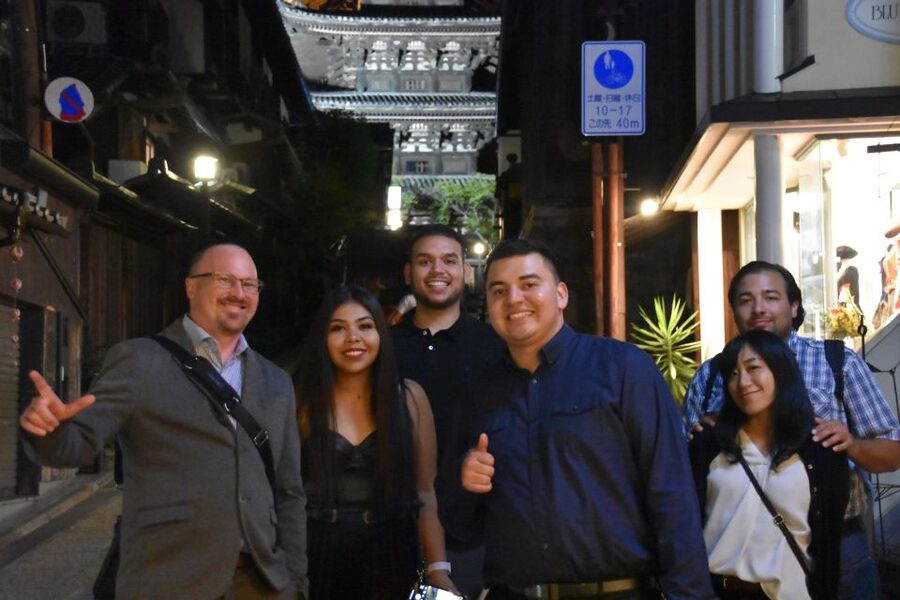
The next stop is Yasui Kompira-Gu Shrine, visited for about 15 minutes. It is a smaller and more focused stop than Yasaka Shrine, giving the route a change of pace after the busier streets around Ninenzaka and Hōkan-ji.
This visit adds another layer to the tour’s look at Kyoto’s religious life. You are not simply moving between famous photo locations. The walk includes places where local custom and belief still shape how people use the city.
The shorter stop also keeps the two-hour schedule moving. With several sites packed into one evening, the guide has to balance explanation with walking time. The best guides on this route are praised for doing exactly that: offering plenty of information without turning every stop into a lecture.
Gion and the world of geiko and maiko
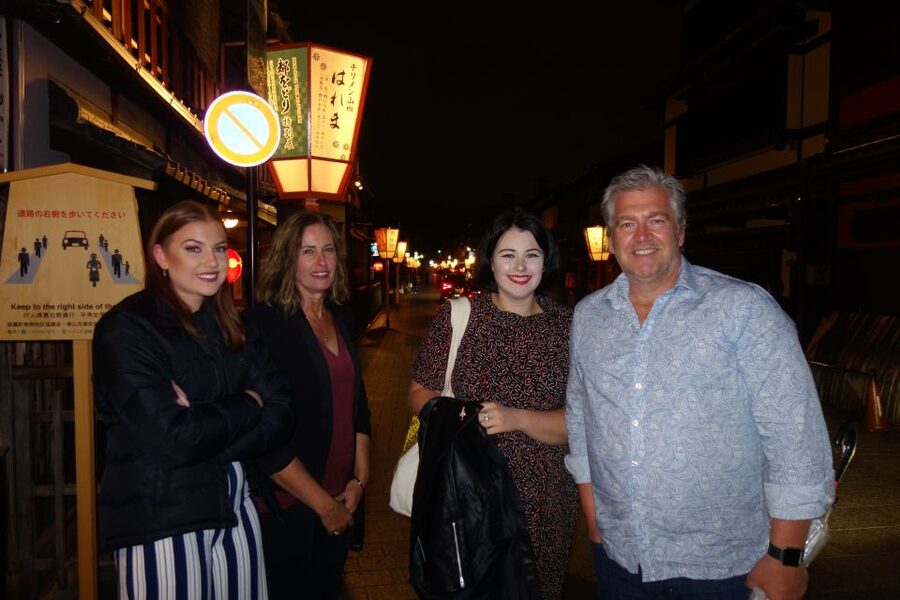
The final and longest section is Gion, with about 45 minutes of guided walking. This is where the tour’s main cultural subject comes into focus.
You will learn about geiko and maiko, the women often referred to outside Kyoto as geisha and apprentice geisha. In Kyoto, geiko are professional artists, while maiko are apprentices undergoing years of training. Their work involves traditional performance, conversation, music, dance, and social customs. The tour presents this world as a living profession and cultural practice, not as a costume display.
That distinction is important. Gion is a place where people work, and geiko and maiko are not performers waiting for tourists to photograph them. The strongest guides, including Karim, Kevin, and Ben, are praised for explaining their training and daily life with care. One guide was also credited with helping visitors avoid accidental disrespect, which is practical advice in a district where the line between public street and private working world can feel unclear.
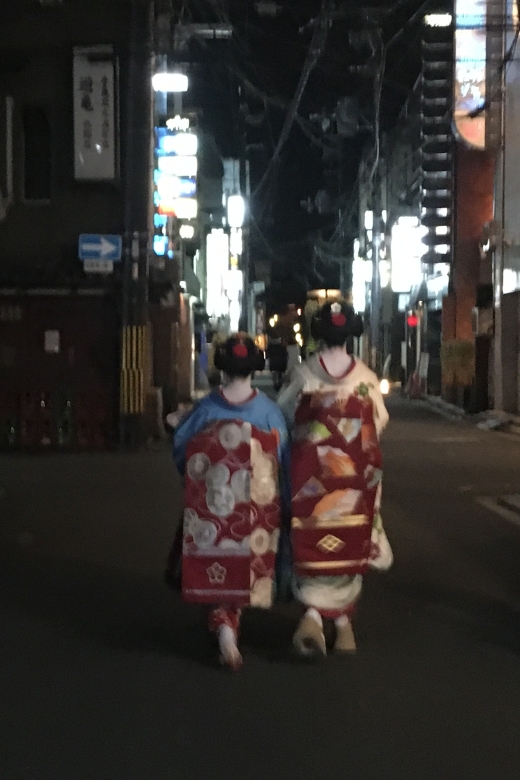
You might see geiko or maiko toward the end of the tour as they travel to appointments. Some groups have seen several in one evening, while others may see none. Treat an encounter as luck, not as the product being sold. The cultural explanation remains worthwhile even without a sighting.
If you do see one, follow your guide’s instructions and keep a respectful distance. Do not block a narrow lane or treat someone’s commute as a performance. The tour is at its best when it helps you understand why these women attract attention while also reminding you that they are working.
How the guides affect the evening
The experience depends heavily on the individual guide. The tour is available in English or French, and guide names frequently associated with strong feedback include Karim, Kevin, Ben, Janelle, Janiel, Salomé, Hina, Diana, Amir, Masu, and Kev.
The common thread is not one scripted personality. Some guides use slides or images on a tablet. Others rely on anecdotes, local explanations, and conversation. Karim is praised for a relaxed and funny style, while Kevin is often noted for answering questions carefully and pacing the walk well. Janelle and Janiel are praised for engaging storytelling and cultural background.
That range can be an advantage. You are not buying a silent route-finding service. You are paying for someone who can explain why a shrine matters, answer questions about Japanese life, and help you read the district with more care.
Small groups and private options are available. A smaller group should make it easier to ask questions and keep the pace comfortable, though the exact group size depends on the option booked. If you want a more personal exchange, check the booking choice closely rather than assuming every departure is private.
What the $24 price gets you
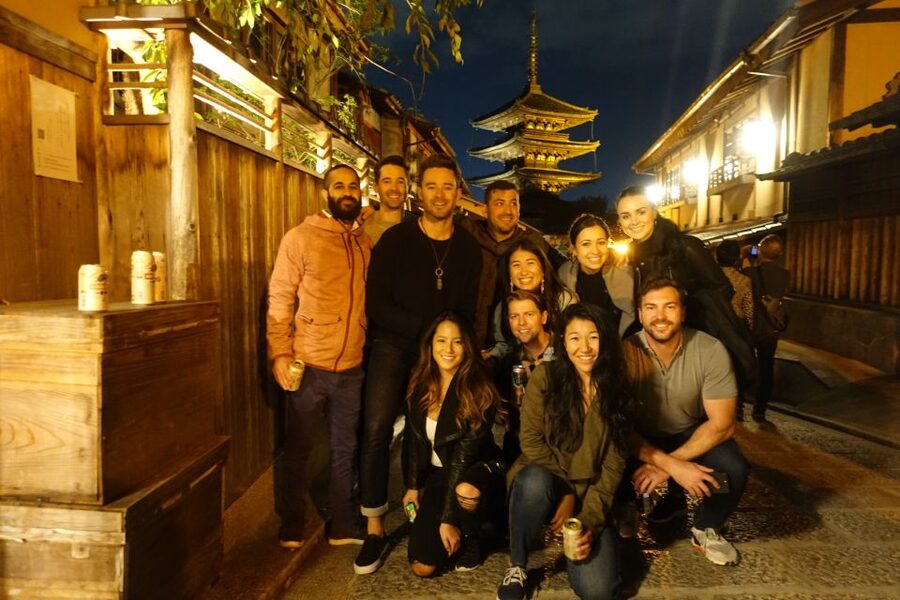
At $24 per person, this is a reasonably priced guided introduction to two of Kyoto’s most visited historic districts. The fee covers the guided walk and guide, not food, drinks, temple admission beyond what is part of the route, or transportation to the meeting point.
The value is strongest if you are new to Kyoto. A self-guided walk can show you the same streets, but it may not explain the difference between geiko and maiko, connect the shrines to local customs, or help you understand why Gion developed where it did. A guide also saves you from spending your first evening constantly checking a map.
For repeat visitors, the value depends on your interests. If you already know Gion well and prefer to wander alone, you may find the route too introductory. If you want a better grasp of geiko culture, religious sites, and the old Higashiyama streets, the evening format still offers a fresh view.
The free cancellation policy allows a full refund when you cancel at least 24 hours ahead. You can also reserve and pay later, which is useful while you are still arranging a Kyoto schedule. The strict point is lateness: if you cannot locate the guide or arrive late, there is no refund.
Practical advice for a smooth walk
Contact details for your guide are shared before the tour. If you have trouble finding the meeting place, call at least ten minutes before the start. WhatsApp is recommended, so make sure you can use it before leaving your hotel.
Check the starting option carefully. A convenience store or drugstore meeting point may sound simple, but Gion has many similar streets and entrances. Arrive early enough to orient yourself, especially if you are coming from another part of Kyoto.
Dress for the season. Several winter outings were completed in freezing weather, while summer walks can feel very different. The tour runs outdoors for two hours, and evening temperatures can drop after sunset. Comfortable walking shoes are more important than formal clothes.
You should also keep your expectations realistic. The tour is not a promise of geisha sightings, an extended temple interior visit, or included dining. Its strength is the combination of atmosphere, cultural explanation, and a well-chosen route through Gion and Higashiyama.
Who should book this Kyoto night walk?
I would recommend it most strongly to first-time visitors who want an easy introduction to Kyoto on their first day. Families with older children, couples, solo visitors, and anyone curious about geiko culture should find plenty to take from it.
It also suits people who prefer conversation and context over simply collecting photographs. The reviews praise guides for being approachable, funny, and willing to answer questions, so you can ask about religion, Japanese customs, local food, or the working life of Gion.
You may want to skip it if you dislike walking at night, have trouble on uneven historic streets, or want a food-focused evening. You should also choose another activity if your only goal is to guarantee a geisha sighting. No responsible tour can promise that.
Should you book Best of Kyoto at Night?
Yes, if you want a low-cost, well-paced first look at Gion and Higashiyama with someone who can explain what you are seeing. The route covers several major sights, but the real payoff is the quieter evening mood and the careful introduction to geiko and maiko culture.
Book it early in your Kyoto stay if possible. You can use the guide’s restaurant suggestions afterward and return later to the streets that caught your attention. At $24 for two hours, this is a practical way to get your bearings without turning your first Kyoto night into a rushed checklist.
FAQ
How long does the Gion and Higashiyama tour last?
The tour lasts two hours.
What places are included on the walking route?
The route includes Yasaka Shrine, Ninenzaka, Hōkan-ji Temple, Yasui Kompira-Gu Shrine, and the Gion district.
Is the tour available in English?
Yes. Live guides are available in English and French.
Is seeing a geisha guaranteed?
No. You might catch a glimpse of geiko or maiko toward the end of the walk, but sightings are not guaranteed.
Are food and drinks included?
No. Food and drinks are not included, although the guide can offer recommendations for places to eat or have a drink afterward.
What happens if I cannot find the meeting point?
Your guide’s phone number will be shared with you. If you have trouble locating the meeting point, call the guide at least ten minutes before the tour begins. Late arrivals or people unable to find the guide are not eligible for a refund.
Just added around Kyoto
- Kyoto: Meet the Geisha Maiko with Gion Walking Tour★ 4.8 · 371 reviews
- Cool Kyoto: 5-Hour Walking Tour with the Last Samurai★ 4.8 · 73 reviews
- Gion Walking Tour by Night★ 4.5 · 429 reviews
- Kyoto Sake Brewery & Tasting Walking Tour★ 5.0 · 623 reviews
- Kyoto Gion Night Walk & Geisha District Guided Tour★ 5.0 · 786 reviews
- Kyoto: Izakaya Bars Guided Walking Tour★ 4.9 · 815 reviews
- Kyoto Gion: 2-Hour Geisha Culture & History Walking Tour★ 5.0 · 1,186 reviews
- Kyoto Arashiyama Walking Tour: Bamboo, Monkeys, Gardens & Secrets★ 5.0 · 1,216 reviews
Kyoto Walking Tours, compared.
Kyoto Geisha Walking Tour: Gion District & Hidden Gems
Read our review →
Gion Magical Night Walking Tour with Geisha Trivia
Read our review →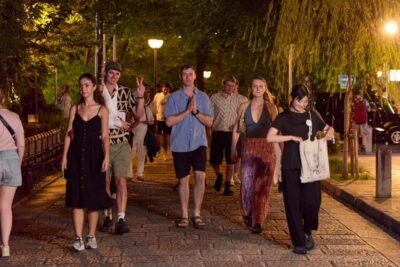
Gion Geisha District Walking Tour – Stories of Geisha
Read our review →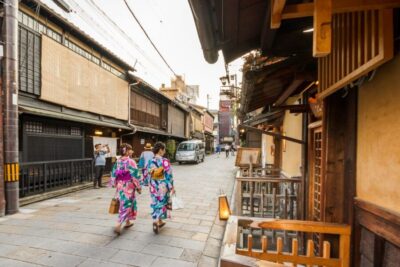
Kyoto Gion Geisha District Walking Tour – The Stories of Geisha
Read our review →
Nishiki Market Brunch Walking Tour (7 Tastings + Brunch)
Read our review →
Kyoto Arashiyama Walking Tour: Bamboo, Monkeys, Gardens & Secrets
Read our review →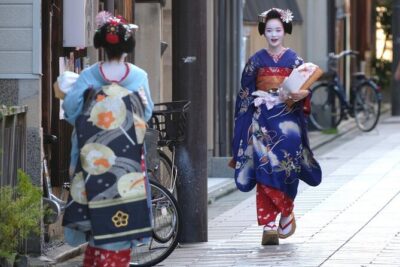
Kyoto Gion: 2-Hour Geisha Culture & History Walking Tour
Read our review →Browse the lists this tour appears in