

REVIEW · GERMANY
Leipzig: City Center Guided Walking Tour
Leipzig’s story comes together in a compact city center: music at St. Thomas’s Church, trade around the Market Square, literary fame at Auerbachs Keller, and the 1989 Peaceful Revolution at St. Nicholas’s Church. This 1.5-hour walking tour gives you a useful first look without sending you across the whole city.
I like the focus on Leipzig’s famous personalities, from Johann Sebastian Bach and Mendelssohn to Goethe and Schiller. I also like the mix of Art Nouveau and Renaissance buildings, since the walk is not just a roll call of dates. The main consideration is pace: one German participant found the tour a little long, while another praised its concise format, so your enjoyment may depend on how much historical detail you want in a short walk.
Key points
- Market Square and Old Town Hall: Begin with Leipzig’s central civic stage and its Renaissance architecture.
- St. Thomas’s Church: Connect the city’s musical identity with Bach and the long tradition of church music.
- St. Nicholas’s Church: Learn how Leipzig became a starting point for the peaceful events of 1989.
- Mädler Passage and Auerbachs Keller: See one of the city’s best-known arcades and its literary link to Goethe.
- Music, art, and architecture: Move between Leipzig’s composers, writers, Art Nouveau details, and older buildings.
- Flexible format: Choose German, English, or French, with private groups available and wheelchair access.
Why Leipzig’s Center Works So Well on Foot

Leipzig is a particularly good city for a short orientation walk because several important places sit close together in the center. In 90 minutes, you can connect the city’s commercial past with its musical life, literary associations, and role in the end of East Germany.
That compact route matters. A city tour can sometimes become a tiring march between distant sights. Here, the main stops are central enough for the guide to spend time explaining what you are seeing rather than using most of the hour to get from one place to another.
The walk is also a useful introduction if Leipzig is your first stop in the city. You get the basic map in your head: the Market Square as a central reference point, the churches as cultural and political landmarks, and Mädler Passage as a polished shopping and dining corridor. Afterward, you can decide which places deserve a longer return visit.
The activity is offered as a private group for up to 25 people at $188. That is a high total for one or two people, but the calculation changes quickly with a larger party. At the full group size, it works out to less than $8 per person. For a family, club, school group, or friends traveling together, a private walk can offer good value because the cost is shared.
More Guided Tours in Germany:
- Berlin: Third Reich & Cold War Guided Walking Tour
★ 4.9 · 8,378 reviews - Berlin: Hidden Backyards Guided Walking Tour
★ 4.8 · 5,360 reviews - Bamberg: Guided Walking Tour
★ 4.6 · 3,202 reviews
Starting at the Market Square and Old Town Hall
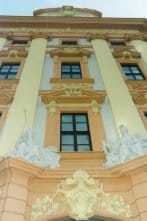
The Market Square is the natural place to begin a Leipzig city tour. It is the city center’s broad civic space, and the Old Town Hall gives the setting a strong architectural anchor.
A guide can use this first stop to explain Leipzig as a place of trade and public life. You see how the city’s past is not confined to museums. It is built into the squares, facades, passages, and churches you pass on an ordinary walk through the center.
The Old Town Hall is especially useful for understanding Leipzig’s architectural range. The tour highlights Renaissance and Art Nouveau buildings, two styles that help you read the city as you continue. Look beyond the main facade and pay attention to the surrounding streets, where older civic buildings sit alongside later decorative work.
This opening stop should also help you get your bearings. If you are staying in Leipzig for more than a day, knowing the Market Square makes it easier to find your way back to the center for meals, shopping, or another visit to the churches.
St. Thomas’s Church and Leipzig’s Musical Character
St. Thomas’s Church is one of the key reasons this walk feels distinctly Leipzig rather than simply a general German city tour. Johann Sebastian Bach worked in Leipzig, and the city’s musical identity remains closely tied to him.
The tour places Bach alongside Felix Mendelssohn and Robert Schumann, two other major musical names connected with Leipzig. This gives you a broader picture than a single composer biography. Leipzig’s cultural life grew through several generations of musicians, performers, teachers, and institutions.
The city’s reputation also continues through the Gewandhaus Orchestra. That link between historic composers and a living musical tradition is important. You are not only looking backward at famous names. You are seeing why music still forms such a large part of Leipzig’s public identity.
The church stop is likely to appeal most if you enjoy music, architecture, or European cultural history. If you prefer long interior visits, check the exact format when booking, since the information provided describes a guided city walk rather than a dedicated concert or church tour. The value here is the connection between the building, Bach, and the wider story of Leipzig.
A guide can also make this stop more memorable by explaining how artists and writers shaped the city’s reputation. One of the strongest parts of the experience is this linking of places to people. Instead of hearing a list of composers with no sense of location, you can connect the names to the streets and buildings around you.
St. Nicholas’s Church and the Events of 1989
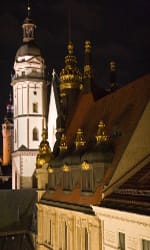
St. Nicholas’s Church adds a very different layer to the route. Leipzig is not only a city of composers and grand buildings. It was also a starting point for the events that led to the Peaceful Revolution of 1989.
This is one of the most important reasons to choose a guided walk rather than simply following a map. A church can look like an attractive historic building, but the guide can explain its role in modern German history and point out the original locations tied to the uprising.
The tour also introduces the former secret police headquarters, commonly known as the Stasi headquarters. Its presence shifts the focus from cultural fame to surveillance, protest, and political change. In a short time, you move from Bach and Goethe to the final years of East Germany.
For many people, this will be the most meaningful part of the walk. The 1989 story connects Leipzig to a wider European turning point, but the tour keeps the subject rooted in actual city locations. You can see how public spaces and religious buildings became part of a peaceful challenge to the state.
The information supplied does not promise a museum entry or an extended visit inside the former headquarters. Think of this as an introduction to the places and their importance. If 20th-century German history is a major interest, you may want to spend extra time at related sites after the walk.
A few more walking tours around Germany worth a look
- Discover Berlin Half-Day Walking Tour
★ 5.0 · 9,624 reviews - Berlin City walk Government District and Places of Democracy
★ 4.7 · 8,467 reviews - Munich: Third Reich & WWII Walking Tour
★ 4.6 · 6,181 reviews - Berlin: Discover Berlin Walking Tour
★ 4.9 · 5,998 reviews
Mädler Passage and Auerbachs Keller
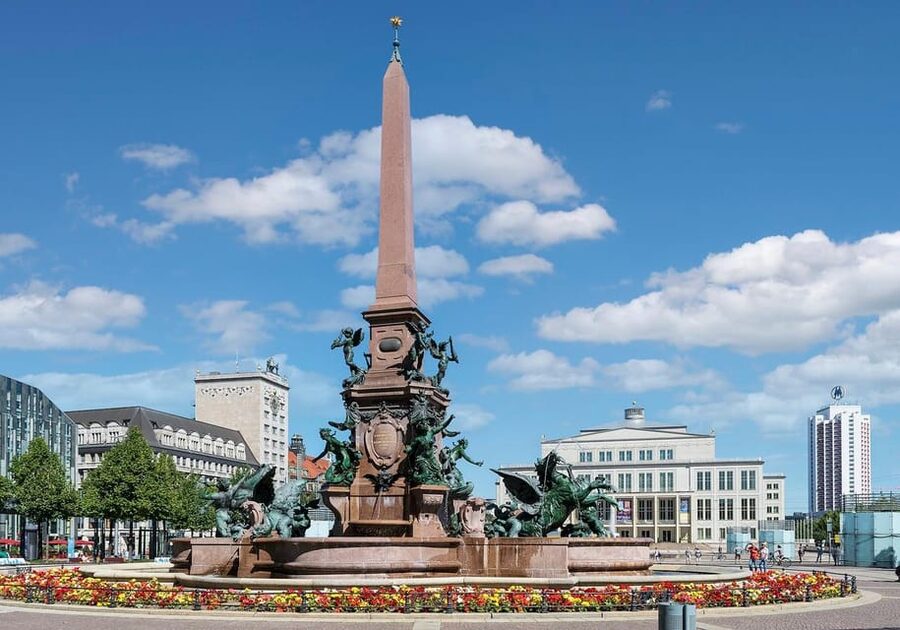
Mädler Passage brings a change of mood. This elegant arcade is one of Leipzig’s best-known central spaces, with shops, restaurants, and a more refined urban feel. Its inclusion shows how the tour balances major monuments with places that are still part of daily city life.
Auerbachs Keller is the passage’s famous restaurant, and it carries a strong literary connection through Goethe. Goethe studied in Leipzig in the late 1760s, and the restaurant is linked with the Faust tradition that helped make the place famous.
You do not need to be a Goethe specialist to enjoy this stop. It shows how a restaurant can become part of a city’s cultural memory. The setting connects food, literature, student life, and the long habit of artists finding inspiration in Leipzig.
This is also a practical place to note for later. If you want to return for a meal, the guided walk gives you the location and the basic story before you make your own decision. The experience does not include a meal, so plan separately if dining at Auerbachs Keller interests you.
Mädler Passage can be a welcome contrast to the churches and political sites. It keeps the tour from feeling like a sequence of solemn monuments. You are still seeing history, but in a place that functions as a shopping and dining passage in the present day.
Architecture Along the Route
The tour promises a mix of Art Nouveau and Renaissance buildings, and that combination gives the walk visual variety. Renaissance architecture can suggest Leipzig’s older civic and commercial power, while Art Nouveau brings decorative curves and a later taste for ornament.
You should not expect an architectural survey with every facade dated and catalogued. The route is designed as a general city-center introduction, with architecture forming one part of the wider story. That is a benefit if you want variety, though dedicated architecture enthusiasts may prefer a specialist tour with more technical detail.
Even so, the buildings help make the history easier to remember. A name such as the Old Town Hall means more when you can place it in a real square. A reference to Leipzig’s cultural life becomes clearer when you see the passages, churches, and public spaces that supported it.
I would keep your eyes up during the walk. The main attractions are not limited to the guide’s stops. Decorative details, different building styles, and the changing character of the central streets can add plenty to the experience.
The Guide, Languages, and Group Style
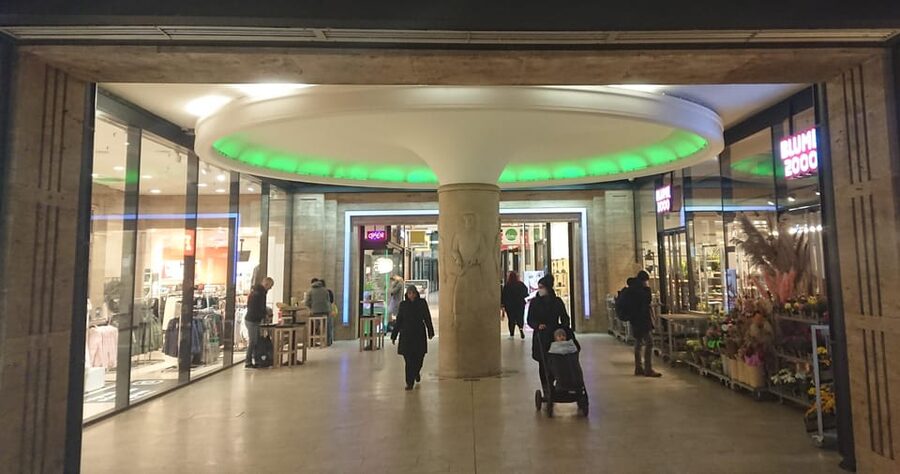
Live guiding is available in German, English, and French. That choice makes the activity practical for international visitors, and it is worth selecting the language in which you can comfortably follow names, dates, and political history.
A German participant singled out Max as pleasant and sympathetic. Since guide assignments can vary, you should not assume Max will lead every departure, but his name gives you a sense of the personal style available on at least some tours. The experience is intended to be informative without becoming stiff or overly formal.
The group format can vary, and private groups are available. A group of up to 25 people is large enough to keep the price sensible, but it may feel less personal than a very small walk. A private booking is the better choice if you want to keep your own pace or are organizing a family or group of friends.
The duration is 1.5 hours. That is long enough to cover the main places without taking over your day, though one participant felt it was slightly too long. If you prefer a quick introduction, the length may test your patience. If you want context at each stop, it should feel reasonably focused.
Who Will Get the Most from This Walk
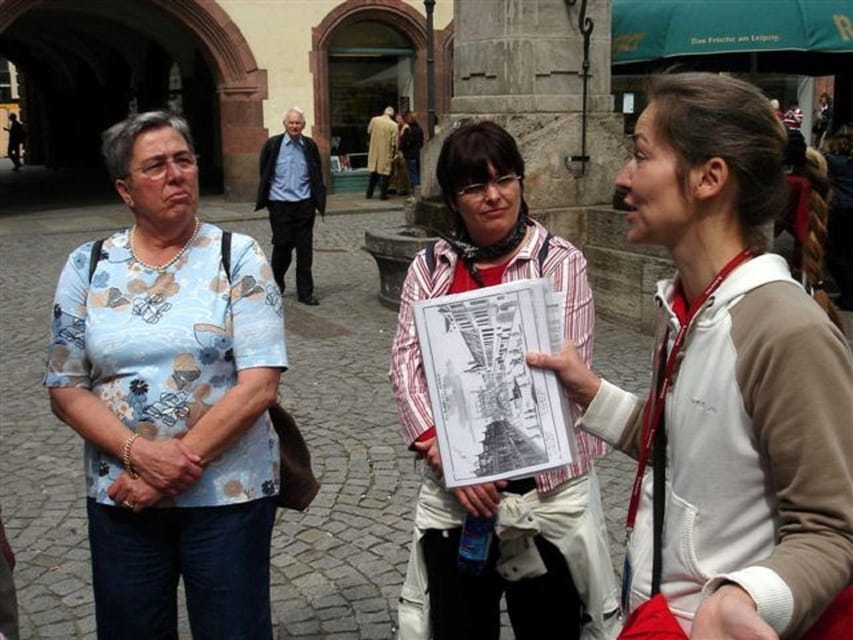
I would recommend this tour to first-time visitors who want a clear introduction before exploring Leipzig independently. It works especially well for people interested in music, literature, architecture, or the political history of modern Germany.
It also suits visitors with limited time. The route brings together the city’s most recognizable central sights in a single guided outing, so you do not have to choose between the churches, the Market Square, and the cultural passages before you understand how they relate.
Families may find the variety helpful. Children who are not interested in long art or history visits can at least move between churches, a square, a passage, and a restaurant with a famous story attached to it. The tour is wheelchair accessible, which can make it a practical choice for a mixed group, though the exact meeting point and route details depend on the option booked.
I would be more cautious if you want extensive interior access, a specialized music tour, or a detailed study of the 1989 demonstrations. The supplied details describe a guided walking introduction, not a full museum program or a concert experience.
Price, Timing, and Booking Flexibility
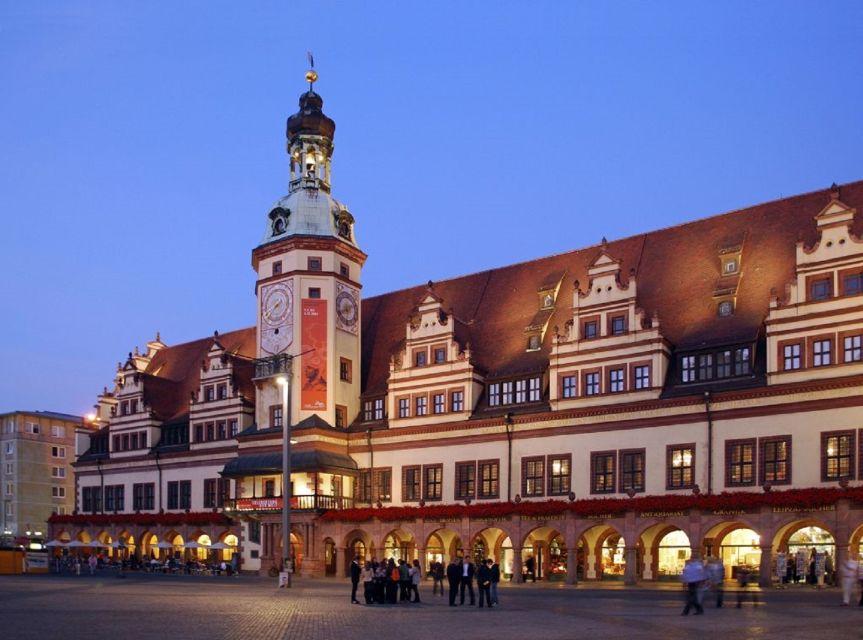
The price is $188 per group of up to 25. For one or two people, that total may feel steep compared with a larger public walking tour. For a group, the math is much more favorable, especially if you want a private guide in a chosen language.
The value comes from the concentration of sights and themes. In 90 minutes, you cover the Market Square, Old Town Hall, St. Thomas’s Church, St. Nicholas’s Church, Mädler Passage, Auerbachs Keller, Leipzig’s composers and writers, and the 1989 Peaceful Revolution. You are paying for a guide who ties those pieces together, not just for access to buildings.
Starting times vary, so check availability for your date. The meeting point can also change with the option you book, so confirm that detail before setting out. Since the city center is the focus, plan to arrive ready for a walking experience rather than expecting transport between stops.
You can reserve now and pay later, which is useful when your Leipzig schedule is still shifting. Cancellation is free up to 24 hours before the activity for a full refund. Those terms reduce the risk of booking the walk early while you arrange the rest of your visit.
My Verdict on This Leipzig City Tour

Book this walk if you want a compact, guided introduction to Leipzig’s main center and its unusual mix of music, literature, architecture, and political history. The strongest feature is the range: Bach and Goethe appear alongside the 1989 Peaceful Revolution, and the route connects those subjects to real city places.
The tour is an especially good buy for a private group sharing the $188 fee. Solo visitors and couples should compare the cost with other city walks, but the language choice, wheelchair access, flexible payment, and central route add practical value.
Skip it if you want a long specialist visit inside each church or museum. Choose it if you want to get your bearings, understand why Leipzig matters, and leave with a short list of places worth revisiting.
FAQ
How long is the Leipzig city center walking tour?
The tour lasts 1.5 hours.
What sights are included?
The route includes the Market Square, Old Town Hall, St. Thomas’s Church, St. Nicholas’s Church, Mädler Passage, and Auerbachs Keller.
Which languages are available?
The live guide is available in German, English, and French.
Is the tour wheelchair accessible?
Yes, the activity is listed as wheelchair accessible.
Can I book a private group?
Yes, private groups are available. The listed group price covers up to 25 people.
Can I cancel for a full refund?
Yes. You can cancel up to 24 hours in advance for a full refund. You can also reserve now and pay later.
Just added around Germany
- Private 2-Hour Hamburg Highlights Walking Tour★ 5.0 · 105 reviews
- Sightseeing Tour – Free Tour – Historic Center-Hamburg On Foot★ 5.0 · 112 reviews
- Discover Hamburg Walking Tour★ 5.0 · 77 reviews
- Historic Dresden Small-Group Walking Tour in English★ 5.0 · 160 reviews
- Walking Through Dresden’s Past with Dr. Fraser Macdonald★ 5.0 · 72 reviews
- Guided Brewhouse Walking Tour in Cologne★ 5.0 · 482 reviews
- Walking tour of Cologne: The essential and unmissable★ 5.0 · 121 reviews
- Berlin Walking Tour★ 4.5 · 378 reviews
Walking Tours, compared.

Magical London: Harry Potter Guided Walking Tour
Read our review →
Reykjavik Food Walk – Local Foodie Adventure in Iceland
Read our review →
History and Hauntings of Salem Guided Walking Tour
Read our review →
New Orleans Premier Ghost, Voodoo and Vampire Walking Tour
Read our review →
Amsterdam Anne Frank: Small-Group Walking Tour & Local Guide
Read our review →

Edinburgh Castle: Guided Walking Tour with Entry Ticket
Read our review →
Anne Frank’s Story – Guided Walking Tour through Amsterdam
Read our review →Browse the lists this tour appears in