
REVIEW · ITALY
Genoa: Food and Wine Tasting Walking Tour
Genoa’s best introduction may be eaten one small plate at a time. This two-hour walk links focaccia, pesto, farinata, seafood, dessert, and Ligurian wine with the city’s grand churches, palaces, and narrow old streets. Guide Lorenzo brings a clear local pride and often adds useful tips for the rest of your stay.
I like the generous range of food, which gives you a proper first taste of Genovese cooking rather than one famous dish. I also like the balance between eating and seeing the city, especially the stops around Doge’s Palace, Genoa Cathedral, and Palazzo San Giorgio. The main consideration is pace: five food tastings, two wines, and several historic stops make two hours feel full, and a cold or rainy day can make the walking less pleasant.
Key points to know before booking
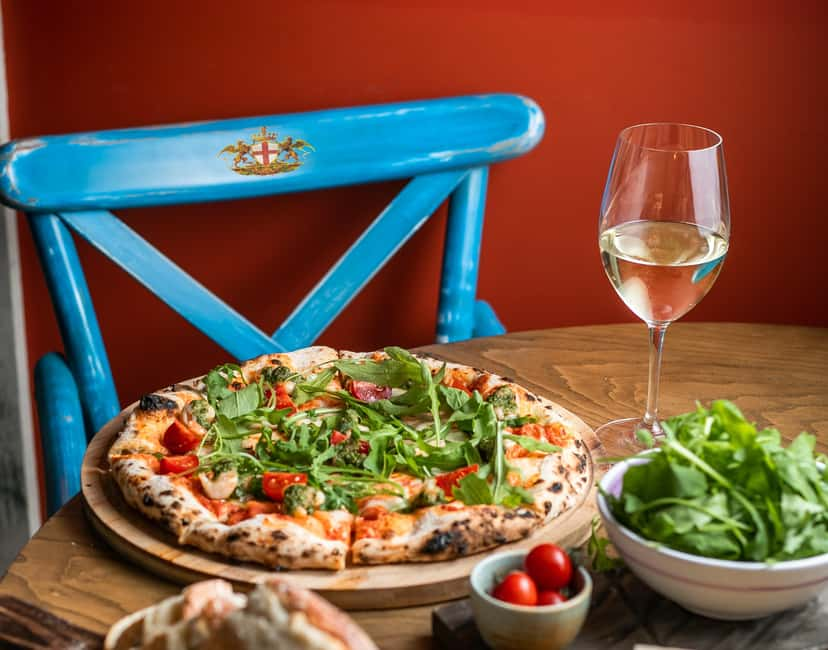
- Five traditional food tastings: Expect local staples such as focaccia, farinata, pesto, seafood, and a Genovese dessert, with dishes adjusted to your needs.
- Two local wines: The final 30-minute stop is at a local bar, where you taste two Ligurian wines.
- History included: The route begins at Casa di Cristoforo Colombo and passes Doge’s Palace, Genoa Cathedral, and Palazzo San Giorgio.
- Lorenzo is the guide to look for: He leads in English, Italian, or Spanish and is praised for his warmth, humor, and local pride.
- Good for mixed diets: Vegetarian and vegan menus are available, and food intolerances can be discussed in advance.
- Useful for a first day: The tour ends near its starting point and gives you food ideas, restaurant suggestions, and a quick sense of central Genoa.
Why this tour works as a first taste of Genoa
Genoa can be a little hard to read at first. Its old center has grand churches, dark lanes, busy squares, and plain-looking doorways that open into impressive buildings. A food walk gives you a reason to move through it slowly, with each stop adding a piece of the city’s character.
The food is not treated as a separate show. You eat while learning how Genoa grew wealthy through shipping, trade, and its position on the Ligurian coast. That connection matters. Pesto, focaccia, fried fish, and farinata are not random snacks chosen for tourists. They reflect the city’s working port, local crops, coastal setting, and practical cooking traditions.
I especially like the way the tour combines well-known dishes with less obvious tastes. Pesto is the star most people expect, but the tastings can also include walnut paste, focaccia al formaggio, panissa, mixed seafood, pastries, and a soft frozen dessert. The exact selection can change, so do not book expecting a fixed restaurant menu.
At $70 per person, the price is reasonable if you want both lunch-sized food and a guided walk through central Genoa. You receive five food samples, two wines, a live guide, and historical commentary. You are paying for the route and the local introductions as much as for the food itself.
If you only want a quick snack or a formal wine tasting, this is not the best match. The value comes from the combination. You will walk, listen, taste, and stop often rather than sit in one restaurant for two hours.
More Food Walking Tours in Italy
- Naples: Street Food Walking Tour with Local Guide
★ 4.9 · 4,976 reviews - Eat Like a Local: Venice 3-Hour Small-Group Food Tasting Tour
★ 5.0 · 3,137 reviews - Rome: Guided Food Walking Tour with Wine in Trastevere
★ 4.9 · 3,105 reviews
Starting at Casa di Cristoforo Colombo
The meeting point is Casa di Cristoforo Colombo, a useful place to begin because it puts you straight into Genoa’s old center. The guide usually gathers the group outside and carries a small flag with the GenovaTourMyLand logo. Look for that rather than assuming the meeting point means the entrance to a large visitor center.
One practical tip is worth taking seriously: a precise meeting spot at the bottom of the steps outside the house would make things easier, so allow a few extra minutes to orient yourself. This is a central area, but Genoa’s streets and stairways can be confusing if you arrive in a hurry.
The tour returns to the same general area at the end. That makes it easier to continue sightseeing, find a restaurant, or make your way back toward the port. If you are visiting from a cruise ship, tell the guide if your departure time is tight. Lorenzo has helped people arrange a taxi after the walk, but you should still leave a sensible margin.
Doge’s Palace and Genoa Cathedral
The first historic stops are brief, about five minutes each. That sounds short, but it keeps the tour moving and prevents the food portion from being crowded out by a long lecture.
At Doge’s Palace, you get a quick look at the political center of the old republic. The point is not a full museum visit. Instead, the building helps explain Genoa’s former power, its wealthy families, and the civic world that grew around trade and shipping.
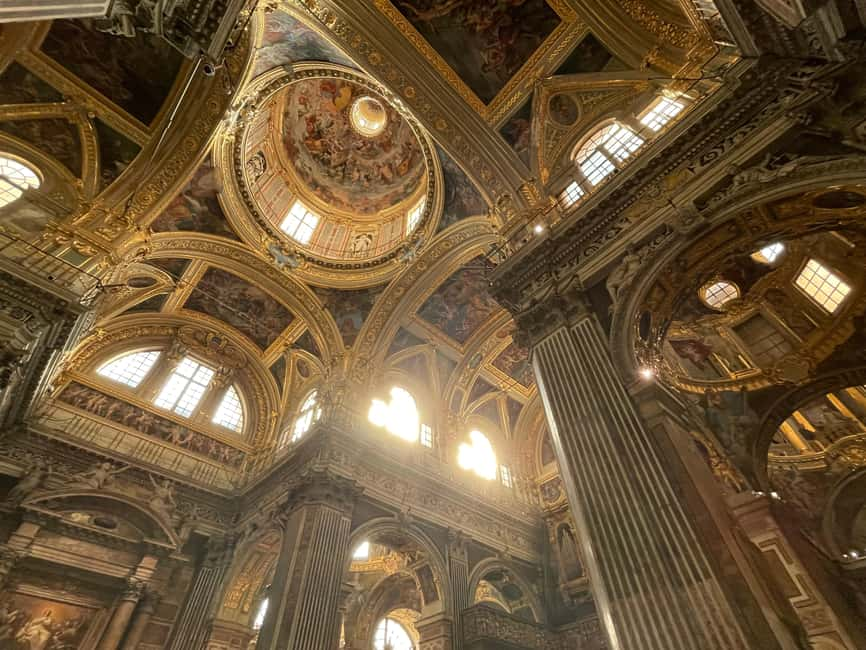
Genoa Cathedral adds a religious and architectural counterpoint. The route may include a look inside churches and historic spaces, depending on what is open at the time. You should think of these stops as a guided orientation, not as a substitute for a full cathedral or palace visit.
That balance suits me. You get enough context to notice the buildings later, but you do not lose half the tour standing in one room. If architecture is your main interest, plan to return on your own for a longer visit.
Focaccia and farinata at the first bakery stop
The first food stop is a local bakery, with about 15 minutes set aside for tasting. This is where Genoa’s everyday food begins to make sense.
Focaccia is one of the essential tastes. It is simple, portable, and tied to the Ligurian habit of eating well without fuss. You may also encounter farinata, a thin savory dish made with chickpea flour. Its plain ingredients do not mean plain flavor, especially when it is served fresh.
These are useful foods to try early in your stay because they are common throughout Liguria. You can recognize good versions later, and you will have a better idea of what to order when you see them in bakery windows.
The tasting is not a sit-down meal, so expect to stand or keep moving. If you need a slower pace, say so. The guide has been praised for adjusting to the group, but the route still covers several stops in a limited time.
Same streets, a different route:
- Venice: Doge’s Palace and St Mark’s Basilica Walking Tour
★ 4.4 · 6,291 reviews - Milan: Guided Walking Tour & Last Supper Visit with Ticket
★ 4.7 · 5,409 reviews - Florence: Highlights Walking Tour with Expert Guide
★ 4.6 · 4,662 reviews - Venice: San Marco to Rialto Walk & Spritz Like a Local
★ 4.2 · 3,651 reviews
Palazzo San Giorgio and a second regional tasting
Palazzo San Giorgio is another short history stop, lasting roughly five minutes. Its location ties neatly to Genoa’s maritime identity and commercial past. You are not simply walking between food shops. The buildings explain why this port city developed such a distinct culture and why food from the sea sits beside breads, chickpea dishes, and rich sauces.
The next stop is another local bakery, with about 15 minutes for a regional food tasting. This is a good point in the route for variety. You may taste another style of focaccia, a filled savory item, or a local specialty such as focaccia al formaggio, depending on the day and the menu.
One useful feature is the guide’s connection with the small food businesses along the route. You are brought to places that can be easy to miss when you are walking alone through the old center. You can also ask where to return later if something catches your eye.
Seafood, pesto, and the heart of the food route
The two restaurant stops are each listed at about 15 minutes. These are likely to be the most filling part of the experience, so avoid eating a large lunch immediately beforehand.
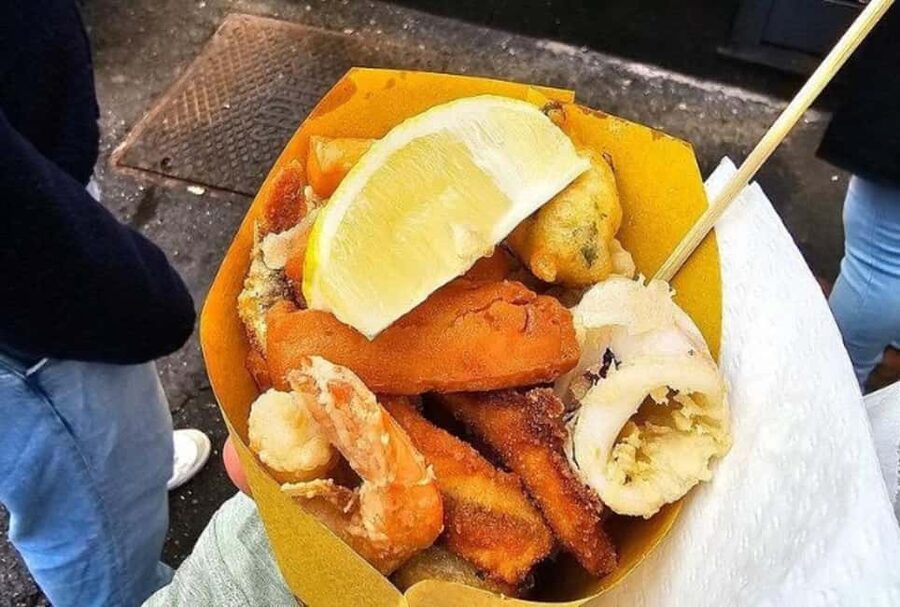
Genoese food is often reduced to pesto, but the tour shows a wider picture. You may taste pesto alongside walnut sauce, fried fish, mixed seafood street food, panissa, or another local plate. The seafood tasting is especially useful because it connects the city’s coastal setting with casual local eating rather than presenting fish only as an expensive restaurant dish.
Panissa is another worthwhile possibility. It is a traditional Ligurian preparation based on rice and beans, and it gives you a taste of the region’s more substantial side. The food may be generous enough to count as a good lunch for many people.
Pesto deserves a little attention. A good tasting can show how different fresh basil sauce is from a jarred version. If you find a favorite, ask the guide where to buy it. Lorenzo has directed people to local shops for olive oil and pesto, and some participants have returned to purchase the same products after the tour.
The exact food choices are not guaranteed, which is both a strength and a limitation. Seasonal availability and dietary needs can shape the menu. If you have allergies or avoid animal products, tell the operator before the tour so the stops can be adjusted.
Dessert at a local bakery
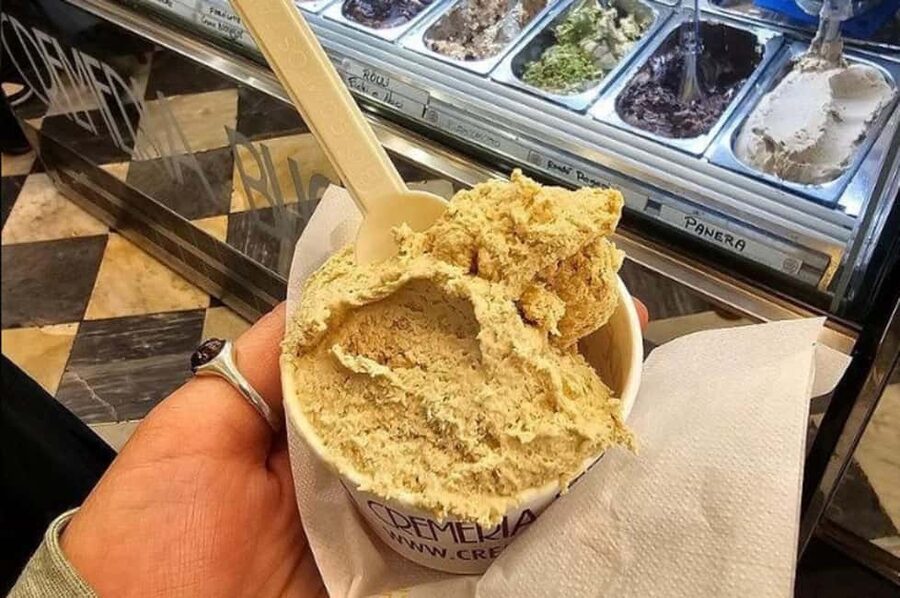
The dessert stop lasts about 15 minutes and gives the route a sweeter finish before the wine. Depending on the day, you might receive a pastry, gelato, or another local dessert.
The frozen dessert has received especially strong praise. Some people describe it as the best gelato of their time in Italy, while another tasting was remembered as an unusually creamy coffee gelato. That does not mean every group receives the same flavor, but it does suggest that the final bakery stop is more than a token bite.
I like ending the food portion this way. After bread, sauces, and seafood, a sweet course resets your palate before the drinks. It also gives you a practical address to remember when you want an afternoon treat later.
Two Ligurian wines at a local bar
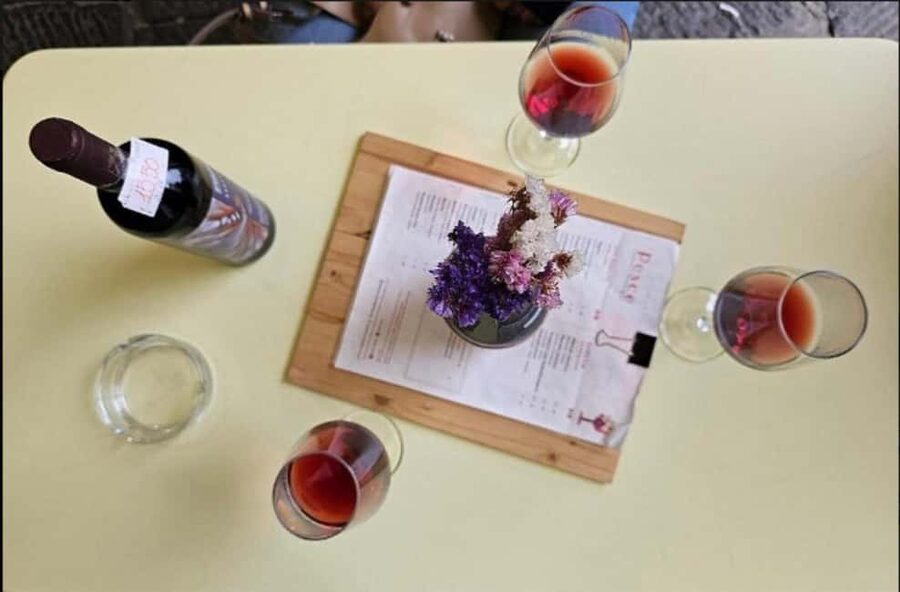
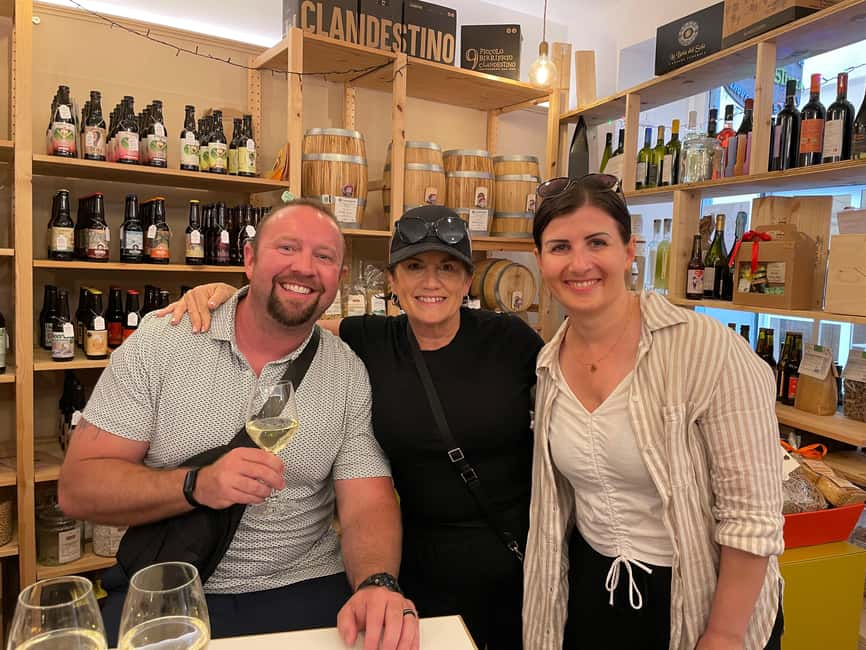
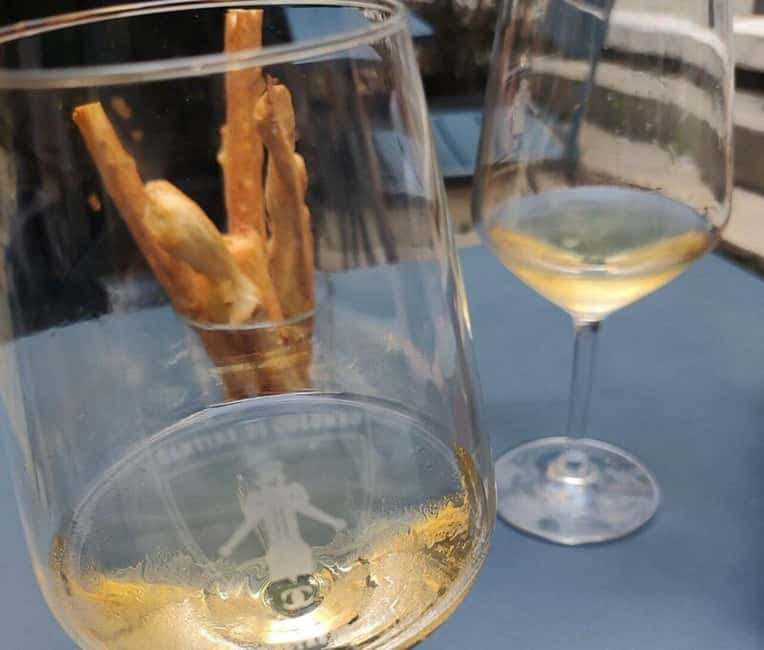
The final 30 minutes take place at a local bar, where you taste two local wines. This is the longest single stop, so it gives the group time to sit, talk, and ask questions.
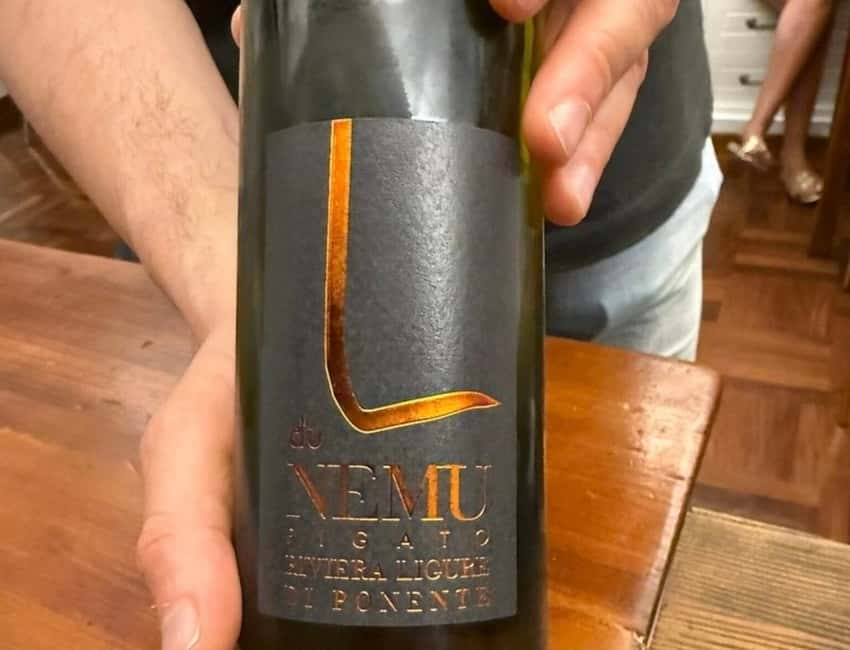
The wines are Ligurian rather than generic Italian pours, which keeps the tasting tied to the region. The guide can explain what you are drinking and how it fits the local food culture. The setting also makes the ending feel social rather than rushed.
One small consideration: the wine may be served on its own rather than paired directly with food. If you prefer tasting wine with a bite, ask whether a small pairing is possible. Two glasses can also be more than some people want after a full food route, so take your time.
The bar stop is a good place to compare notes with the group and ask for recommendations for the rest of your visit. Several people have received useful restaurant, market, and sightseeing suggestions after the tour, which adds value if Genoa is new to you.
What Lorenzo adds to the walk
The guide matters a great deal on a compact food tour. Lorenzo is repeatedly praised for his humor, clear explanations, flexibility, and enthusiasm for Genoa. He does not simply point out buildings and hand over food. He connects the dishes to the city and answers questions as the walk unfolds.
His local perspective is useful when you want more than the standard sights. He can point out churches, courtyards, architectural details, and small businesses you might walk past on your own. He also shares practical advice for restaurants and shops after the tour.
The experience appears to work especially well when the group is small. A small group makes it easier to ask about ingredients, change the pace, or spend a little longer on a point that interests you. Group size can vary, so do not assume you will always have a private-style walk.
English, Italian, and Spanish are available. The guide usually takes care of ordering at the stops, which is helpful when you are unsure how to describe a dietary restriction or do not speak Italian.
Who should book, and who should think twice
I would choose this tour if you are visiting Genoa for the first time, want to eat local food without planning every stop, or have only a short stay. It is also a good opening activity because you leave with a list of foods to seek out and places to revisit.
It suits couples, families, solo visitors, and mixed groups with different diets. Children under seven are free, and the experience is described as family and pet friendly. It is also wheelchair accessible, though you should still ask about the exact route if mobility is a concern because the historic center can include steps and uneven streets.
Vegetarians and vegans are welcome, and the menu can be adjusted for food intolerances. Still, be specific when booking. Saying exactly what you cannot eat is safer than relying on a general dietary label.
I would hesitate only if you dislike walking, want a long museum tour, or expect a fixed fine-dining menu. The route is active, the food is served in several small stops, and the schedule is full.
Wear comfortable shoes and check the forecast. A cold day can take the edge off a walking tour, while rain can make the old streets less pleasant. The guide’s care helps, but good clothing still matters.
Should you book this Genoa food tour?
Book it if you want a practical introduction to Genoa through food, architecture, and local stories. The $70 price makes sense for the amount of tasting included, especially if the samples add up to a light lunch and you value a guide who can save you time during the rest of your stay.
The strongest reason to book is the balance. You get pesto and focaccia, but also farinata, seafood, dessert, wine, churches, palaces, and street details. You do not get a long, specialist tasting of one dish, and the menu can change, but that variety is exactly what makes this a useful first look at Genoa.
FAQ
How long does the Genoa food and wine tour last?
The tour lasts two hours. It includes several short sightseeing stops, five food tastings, and a 30-minute wine tasting.
Where does the tour meet?
The meeting point is Casa di Cristoforo Colombo in Genoa. The guide usually waits in front with a small flag showing the GenovaTourMyLand logo.
What food is included?
You receive five traditional Genoese dishes per person. Possible foods include pesto, focaccia, farinata, focaccia al formaggio, seafood, panissa, pastries, and a local dessert, though the exact menu may vary.
How much wine is included?
You receive two local wines per person, served during a 30-minute tasting at a local bar.
Can vegetarians and vegans join?
Yes. The menu can be adjusted for vegetarian and vegan preferences, as well as possible food intolerances.
What languages does the guide speak?
The live guide service is available in English, Italian, and Spanish.
Is the tour accessible and family friendly?
The activity is wheelchair accessible, family friendly, and pet friendly. Children under seven years old are free of charge. Comfortable walking shoes and weather-appropriate clothing are recommended.
More Wine and Tapas Walks in Italy
- Walking Food Tour of Florence with Tastings and Wine
★ 5.0 · 518 reviews - Syracuse: Street Food Walking Tour in Ortigia with Tastings
★ 4.9 · 293 reviews - Bologna: City Center Guided Wine Walking Tour
★ 4.9 · 210 reviews - Taormina: Shared or Private Food & Wine Walking Tour
★ 4.6 · 167 reviews
Just added around Italy
- Genoa Walking Tour: Explore Top Sights & Hidden Gems★ 4.0 · 138 reviews
- Genoa Food, Wine Tasting & History Walking Tour★ 5.0 · 212 reviews
- Taste Genoa: A Full Meal Walking Food Tour by Do Eat Better★ 5.0 · 509 reviews
- Genoa Walking Tour: Discover Hidden Treasures and Street Food★ 5.0 · 80 reviews
- Tasty Florence Street Food with Guided Walking of the City★ 5.0 · 174 reviews
- Medici Legends & Renaissance Wonders: Florence Small Group Tour★ 5.0 · 205 reviews
- Florence Food Tour of 10+ Authentic Tastings with Cheeses & Wines★ 5.0 · 155 reviews
- Florence Private Walking tour with Skip-the-line to Accademia★ 4.5 · 236 reviews
Food Walking Tours, compared.

Reykjavik Food Walk – Local Foodie Adventure in Iceland
Read our review →
Ho Chi Minh City Street Food Tour & Sightseeing By Motorbike
Read our review →
New Orleans Food Walking Tour of the French Quarter with Small-Group Option
Read our review →
Authentic Parisian Gourmet Food Tour with 10 Local Dishes & Wines
Read our review →
Savannah First Squares Culinary & Cultural Walking Food Tour
Read our review →Browse the lists this tour appears in