
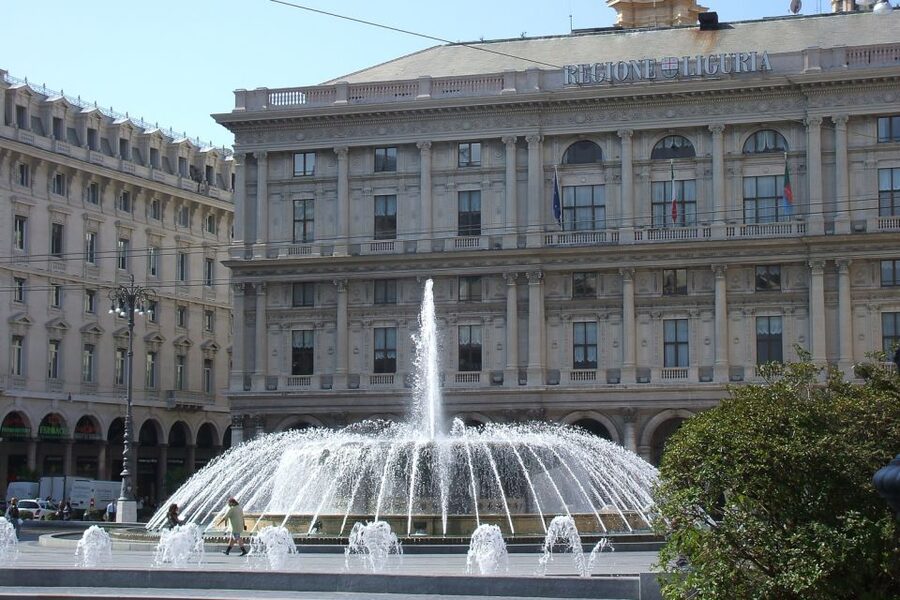
REVIEW · ITALY
Genoa: 2-Hour Guided Walking Tour of the Historical Center
Genoa’s old center is easiest to understand on foot, especially when a local guide leads you through the caruggi, the tight medieval lanes that can feel confusing on your own. This two-hour route links the Rolli palaces, San Lorenzo Cathedral, San Matteo Square, and Via Garibaldi, then gives you museum admission for further exploring.
I like the strong historical sweep and the useful museum tickets. You get the big picture of Genoa’s trading power, aristocratic families, churches, and hidden squares, then return to the Strada Nuova and Sant’Agostino museums independently. The main consideration is the bilingual format: every explanation is given in English and Italian, so the tour can take longer and the pace may feel stop-and-start.
- UNESCO-listed palaces: See the Palazzi dei Rolli and Strada Nuova, built for Genoa’s leading families in the 16th and 17th centuries.
- Medieval lanes: Walk the caruggi, where the city’s history is packed into narrow passages and small squares.
- Major landmarks: The route includes San Lorenzo Cathedral, the Doge’s Palace, the Opera House, and San Matteo Square.
- Two museum admissions: Continue alone at the Strada Nuova Museums and Sant’Agostino Museum on the same day.
- Bilingual guiding: English and Italian are both used, with past guides such as Barbara, Anna, Marina, Paola, Irene, Roberta, and Daniel praised for clear explanations.
- Good value: At $16 per person, the tour combines a guided introduction with museum admission and flexible cancellation up to 24 hours before departure.
Start on Via Garibaldi Among Genoa’s Palaces
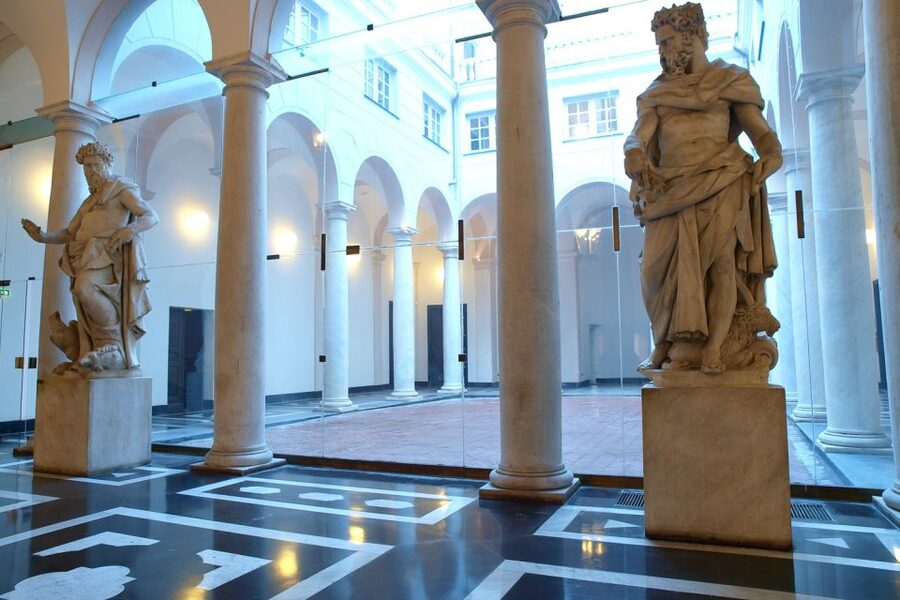
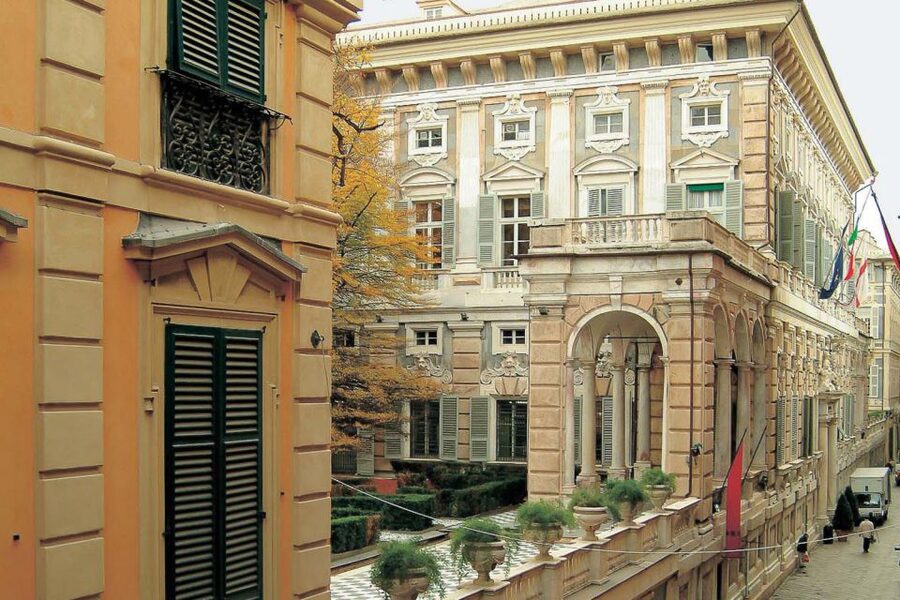
Meet at the Tourist Information Center at Via Garibaldi 12red. This is a useful starting point because Via Garibaldi, once called Strada Nuova, is one of Genoa’s grandest streets and part of the UNESCO-listed Palazzi dei Rolli area.
The Rolli palaces were aristocratic residences built mainly during the 16th and 17th centuries. Genoa’s powerful families used them to host important officials and foreign dignitaries when the city was a major maritime and banking center. The idea was unusual: selected private homes formed an official lodging system for honored visitors.
You will not simply see a row of handsome facades. The guide explains why these buildings mattered and how Genoa’s wealth shaped the street. The contrast is one of the city’s pleasures. One moment you are beside a formal palace entrance, and a few steps later you are in a narrow lane that feels much older and less polished.
The meeting point also makes the tour practical for a first morning in Genoa. You begin in a central area and finish with access to museums you can visit without the group. Several guides have been praised for adding local suggestions, including places for chocolate, gelato, coffee, and food. Those tips can help you turn the tour into a useful first orientation rather than a history lesson detached from daily life.
Follow the Caruggi Into Medieval Genoa
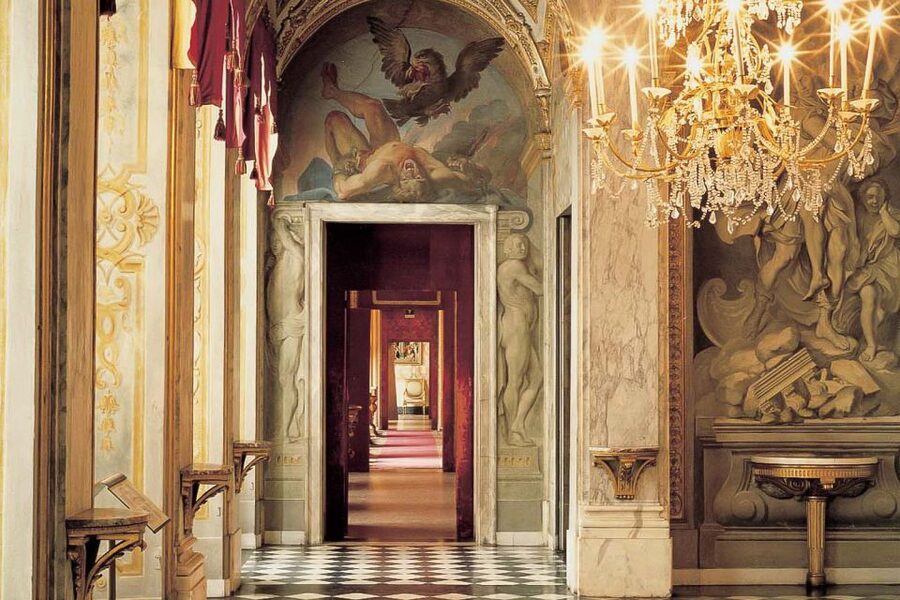
The caruggi are the heart of this experience. These narrow lanes form one of Europe’s widest historic centers, but the wording can be misleading if you picture a broad open district. Genoa’s old town is a dense web of passages, steep changes in direction, tiny squares, and buildings pressed close together.
A guide earns the $16 price by making this maze readable. Without local context, it is easy to admire an old doorway or church and keep walking. With an explanation, you begin to see how trade, religion, family power, and seafaring shaped each section of the center.
The route is described as a basic overview, not an exhaustive visit to every building. That is a strength for a short stay. You get enough context to decide where to return later, without spending half a day inside one palace or museum.
The pace has generally been comfortable, including for people with physical limitations. The tour covers the historic core rather than a great distance, so the value comes from interpretation and orientation more than from miles walked. You should still expect two hours on your feet over old city streets and lanes. Comfortable shoes are sensible, and staying close to the guide matters when the group turns into a side alley.
More History Walking Tours in Italy:
- Rome: Colosseum Arena, Roman Forum & Palatine Hill Tour
★ 4.5 · 1,874 reviews - Florence: Renaissance and Medici Tales Guided Walking Tour
★ 4.8 · 1,549 reviews - Palermo: Street Food and History Walking Tour
★ 4.9 · 1,486 reviews
San Matteo Square and the Doria Family
San Matteo Square gives the tour a focused look at Genoa’s ruling class. It is closely associated with the Doria family, one of the city’s most important political and maritime families.
This stop helps explain why Genoa can feel less like a single grand monument and more like a collection of family territories. Churches, palaces, courtyards, and squares often reveal who held influence. Your guide can connect the physical setting to the people who shaped the republic.
The square is also a good example of the tour’s style. You are not being marched from one famous facade to the next. The guide uses smaller places to explain how power worked. That makes the later sights, especially the Rolli palaces and Doge’s Palace, easier to place.
Guides have been praised for making these connections personal and lively. Barbara, Anna, Marina, Paola, Irene, Roberta, and Daniel are among the names associated with particularly strong experiences in past departures. The guide assigned to your tour may be different, but the pattern is clear: local knowledge and clear storytelling matter more here than theatrical presentation.
San Lorenzo Cathedral and Genoa’s Sacred Treasures
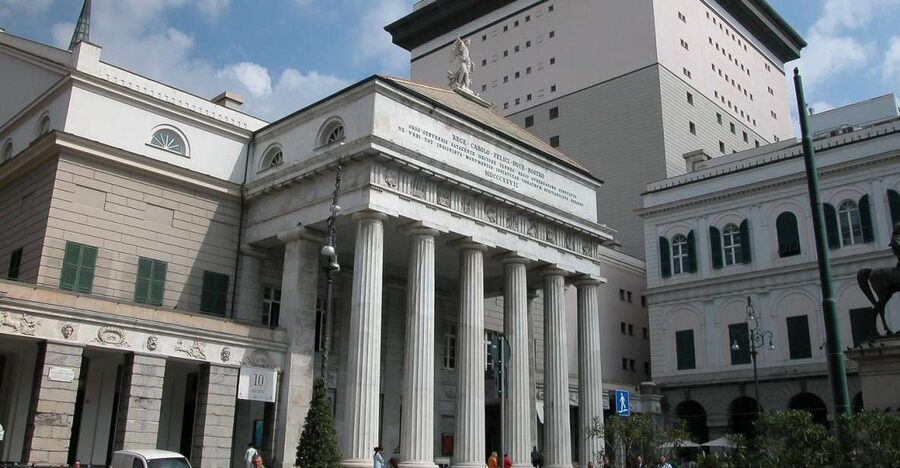
San Lorenzo Cathedral brings the religious side of Genoa into view. The church is Gothic in character and houses important religious objects, including relics connected with Saint John the Baptist.
The cathedral also connects Genoa’s commercial power with its religious ambitions. Maritime cities did not only bring back spices and wealth. Ships and crusading ventures also carried relics, art, and stories that increased the prestige of churches and ruling families.
The tour treats San Lorenzo as part of the wider city story rather than as an isolated church visit. You should expect an exterior and historical explanation within the walking route, not a long guided museum-style examination of every chapel or object. If the cathedral catches your interest, make a note to return and spend more time there.
A useful feature of this stop is the guide’s ability to explain what you are looking at before you move on. Genoa’s churches can contain centuries of visual information, and a short explanation can prevent the details from becoming a blur.
The Doge’s Palace and Opera House
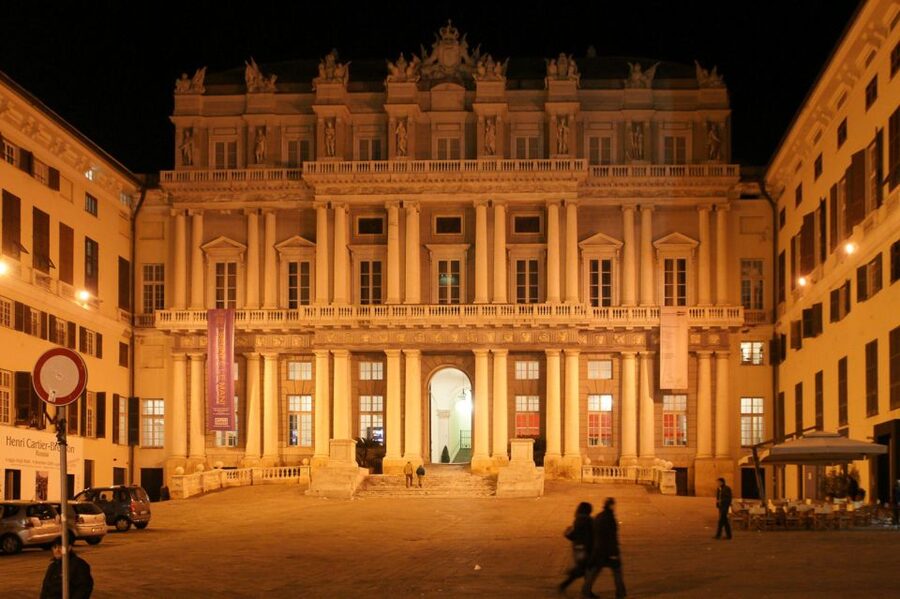
The route also includes the Doge’s Palace and the Opera House. These buildings help complete the picture of Genoa as a republic with its own government, elite families, cultural institutions, and public ceremonies.
You should think of this section as a city walk with commentary, not a full interior tour of every landmark. The guide points out the major buildings and explains their place in Genoa’s past. That format is useful if you want a framework for later visits, but less suitable if your main goal is detailed access inside each site.
One strength of the tour is the range of periods covered in a short time. The caruggi recall medieval Genoa. San Matteo points to family power. San Lorenzo shows religious importance. The Doge’s Palace and Opera House add political and cultural layers. The result is a clear introduction to the city’s development.
Past departures have included very small groups and groups of around 15 or 16 people. A small group makes questions and hearing easier. In a larger bilingual group, you may need to stay near the guide, especially in busy lanes or open squares.
More Two-Hour Tours in Italy:
- Lucca: 2-Hour City Center Walking Tour
★ 4.7 · 1,314 reviews - Berlin’s Best: 2 Hour Walking Tour Third Reich and the Cold War
★ 5.0 · 5,486 reviews - Budapest City Landmarks Walking Tour in 2 Hours
★ 5.0 · 2,048 reviews - Leipzig: 2-Hour Guided Walking Tour in German
★ 4.8 · 1,612 reviews
Strada Nuova Museums: Your Independent Follow-Up
At the end of the guided walk, the guide introduces the Strada Nuova Museums, then you continue alone. Your admission is included, but the museum visit is not a guided part of the walking tour.
This arrangement suits independent visitors. You can look more closely at the paintings that interest you, pause without holding up the group, and set your own pace. The museums contain Italian and foreign art from the 15th through 19th centuries, with notable holdings from the Genoese and Flemish schools.
The connection to the walking route is important. You have just seen the palaces and streets associated with Genoa’s wealthy families. The museum collection gives you a chance to see the culture those families supported, including the art that filled their residences.
Plan this visit carefully. The Strada Nuova Museums should be visited on the same day as the walking tour, and the same applies to Sant’Agostino Museum. Since the guided portion lasts two hours, you can visit afterward or return later that day, depending on opening times and your schedule. The tour does not remove the need to check the day’s practical timing.
Sant’Agostino Museum and Medieval Art
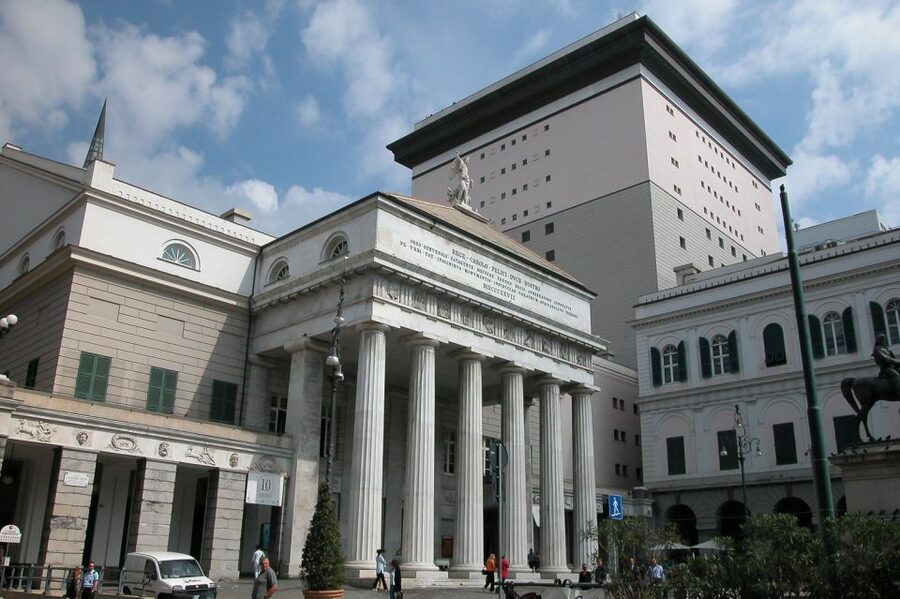
Sant’Agostino Museum adds a different mood. It occupies spaces connected with a triangular cloister and the largest preserved Gothic church in the city. Its collection focuses on significant art from medieval Genoa.
This is a useful companion to the Strada Nuova Museums. Strada Nuova gives you a broad span from the 15th to the 19th centuries and a strong palace setting. Sant’Agostino brings you closer to the medieval city and its religious art.
You can visit both museums independently after the guide leaves. That gives you more control, but it also means you must manage your own museum time. If you want a quick introduction, the two-hour walk alone may be enough. If art and medieval architecture are central to your trip, set aside a longer part of the day.
The museum tickets make the price easier to justify. Even if you do not inspect every room, you are getting more than a guided stroll through the streets. You receive a route, context, and two places to continue exploring at your own speed.
The Bilingual Format: Helpful but Slower
The tour is conducted in English and Italian by a bilingual guide. This is its biggest practical issue and also one of its strengths.
You should expect the guide to explain each point in both languages. Past guides such as Barbara and Anna were praised for giving the English-speaking group the same information as the Italian-speaking group. Guides have also been credited with switching languages clearly and patiently, even when only one person in the group spoke English.
The tradeoff is time. A two-hour tour can feel longer than expected, and the group may pause while the second explanation is delivered. Some English speakers have preferred a single-language tour because they wanted to keep moving. Others enjoyed the chance to listen to Italian or use the pause to take photographs.
Hearing can also depend on group size and where you stand. One past suggestion was to avoid turning away from the group while pointing out buildings. The tour does not specify microphones or headsets, so move close enough to hear, especially in narrow streets with background noise.
Price, Timing, and Who Gets the Most Value
At $16 per person, this is a strong-value introduction to Genoa. The price includes the live guide and admission to the Strada Nuova and Sant’Agostino museums. You are paying for orientation as much as for sightseeing.
The tour suits you best if this is your first visit to Genoa, if you have only a few hours, or if you want help finding the old center’s less obvious passages. It also works well before exploring independently. The guide shows you the main structure of the city, and you can return to the streets, churches, and museums that caught your attention.
Cruise passengers can find the timing practical, since the meeting point is within walking distance of the port area according to past experience. Still, you should allow a margin for the walk, check-in, and the fixed start time. A late ship or delayed taxi can create a problem, even though the local office has helped people catch up in the past.
Families can manage the route if children are comfortable walking for two hours. A past departure included a five-year-old and an infant, but the official information does not promise stroller access or a special family route. The old center’s lanes and surfaces may require extra care.
You can reserve now and pay later, and cancellation is available up to 24 hours in advance for a full refund. Those terms are useful when your Genoa schedule depends on a cruise, train, or changing Italian itinerary.
Should You Book This Genoa Walk?
Book it if you want a clear, affordable first look at Genoa’s old center, especially the caruggi and Rolli palaces. The strongest reasons are the local storytelling, the compact route, and the included same-day museum admission.
Skip it if you want a single-language tour with nonstop movement or long interior visits at every landmark. The bilingual format takes time, and the museum portion is self-guided.
For most first-time visitors, I would use this as an opening chapter. Take the walk, listen for practical local tips, then choose one museum and one landmark to explore at greater length. At $16, it gives you a useful map of Genoa’s past without taking over your whole day.
FAQ
How long does the Genoa walking tour last?
The guided walking portion lasts two hours. The museum visits afterward are independent, so you can decide how much additional time to spend there.
Where does the tour begin?
The meeting point is the Tourist Information Center at Via Garibaldi 12red.
Which languages are offered?
The tour is offered in English and Italian. The guide conducts the experience bilingually.
Which landmarks are included on the route?
The route includes the Palazzi dei Rolli, the caruggi, San Matteo Square, San Lorenzo Cathedral, the Doge’s Palace, the Opera House, and Strada Nuova, also known as Via Garibaldi.
Are museum tickets included?
Yes. Admission to the Strada Nuova Museums and Sant’Agostino Museum is included.
Can I visit the museums another day?
No. The included visits to the Strada Nuova Museums and Sant’Agostino Museum should be completed on the same day as the walking tour.
What is the cancellation policy?
You can cancel up to 24 hours before the activity for a full refund. You can also reserve now and pay later.
Just added around Italy
- Ferrara: City Highlights Walking Tour with Local Guide★ 4.6 · 219 reviews
- Verona: Romeo and Juliet Guided Walking Tour★ 4.6 · 82 reviews
- Discover Pompeii: French Walking Tour of the Buried City★ 4.8 · 253 reviews
- Naples: Maradona Stadium Guided Exterior Walking Tour★ 4.3 · 113 reviews
- Dark Heart of Rome – Facts, Legend & Mystery Walking Tour★ 4.5 · 329 reviews
- Catania: Street Food Guided Walking Tour★ 4.9 · 326 reviews
- Cefalù: History and Legends Guided Walking Tour★ 4.8 · 132 reviews
- Catania: Guided Street Food Walking Tour★ 4.7 · 300 reviews
History Walking Tours, compared.

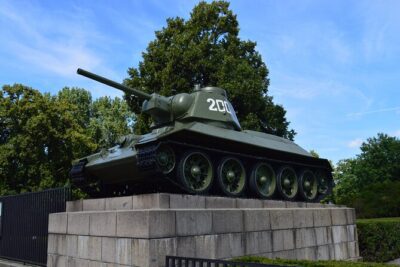
Berlin’s Best: 2 Hour Walking Tour Third Reich and the Cold War
Read our review →
Third Reich Berlin: Hitler and WWII Walking Tour
Read our review →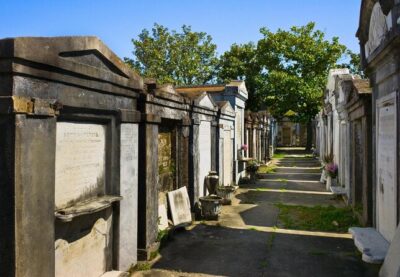
New Orleans Garden District History Walking Tour
Read our review →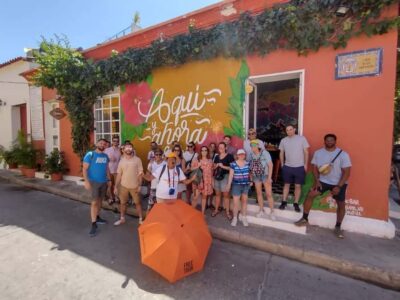
Cartagena: Historic Center and Getsemaní Shared Walking Tour
Read our review →
Imperial Palace and Shogun Historical Walking Tour
Read our review →Browse the lists this tour appears in