
REVIEW · CHICAGO
Chicago: Taste of Chinatown Food and Cultural Walking Tour
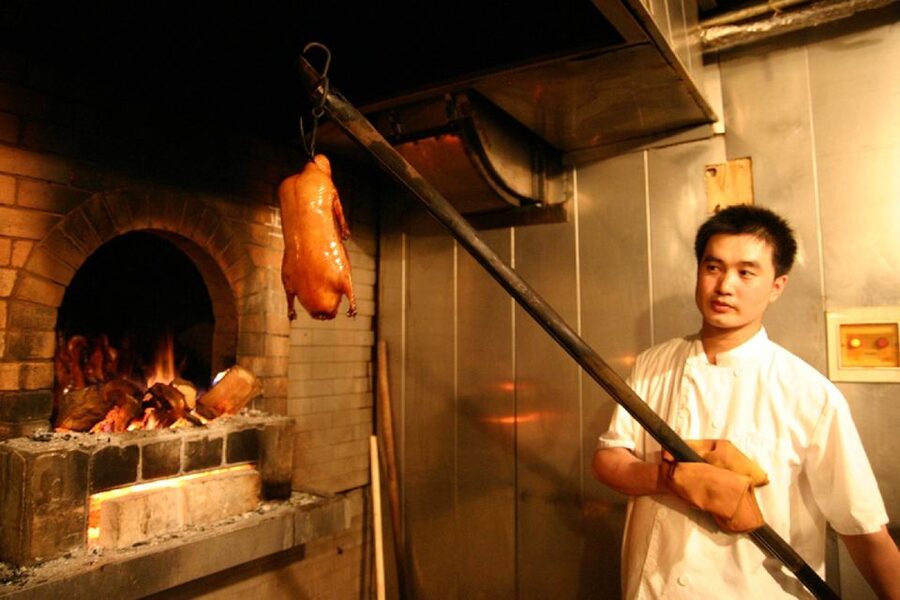
Chicago’s Chinatown food tour is built around a simple idea: five substantial tastings beat one restaurant meal when you want to understand a neighborhood. In three hours, you sample dim sum, hand-pulled noodles, dry chili chicken, cumin lamb flatbread, and a flaky egg tart while walking among Chinatown’s best-known cultural markers.
I like the range of Chinese regional cooking, especially the Xi’an-style lamb flatbread and the peppery, crunchy chicken. I also like the guides’ personal approach. Jeff, often called Chicago Gandalf, and guides such as York, Alex, Philip, and Ria have been praised for mixing food explanations with Chicago and Chinese-American history. The main consideration is the $84 price, plus a suggested cash tip and optional $19.99 drink package, so this is best for people who want a full meal and a guided introduction rather than a cheap snack crawl.
Five specific reasons to consider this Chinatown walk
- Five full tastings: Dim sum, noodles, dry chili chicken, cumin lamb flatbread, and a Portuguese-style egg tart make up a meal-sized progression.
- Regional Chinese variety: You move from Cantonese-style dim sum to northwestern Xi’an flavors, spicy dishes, noodles, tea, and bakery sweets.
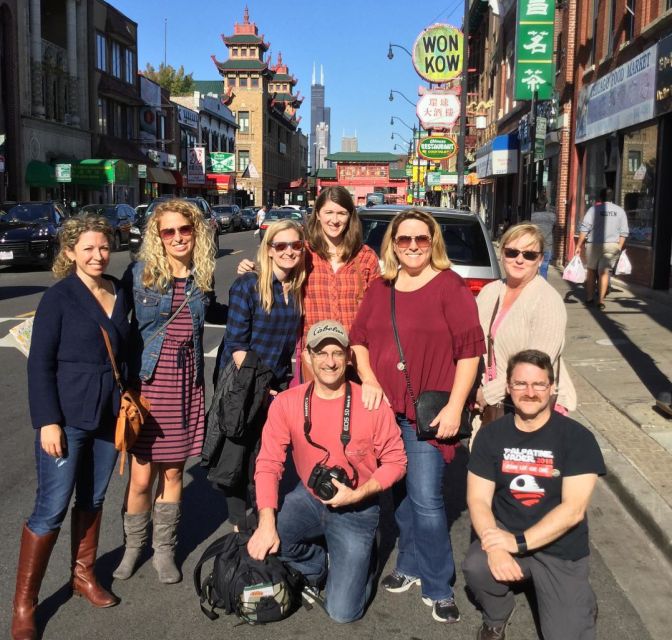
- Landmarks between bites: The route includes the Gateway Arch, Zodiac Plaza, Nine Dragon Wall, Chinatown Square, and Pui Tak Center.
- Strong guide-led storytelling: Jeff, York, Alex, Philip, and Ria have all led tours praised for clear explanations, humor, and personal attention.
- Relaxed walking pace: The tour lasts three hours and is designed for an easy walk, with about 15 minutes at each food or sightseeing stop.
- Generous portions: You should arrive hungry. Several people found the food sufficient for a full lunch or dinner.
Starting with dim sum at Phoenix Restaurant
Meet your guide at Phoenix Restaurant, 2131 South Archer Avenue. Arrive 15 minutes early and look for the Bobby’s Bike, Hike & Food Tours shirt and paddle. That simple check-in matters because the tour moves through several stops, and a late arrival could leave you chasing the group.
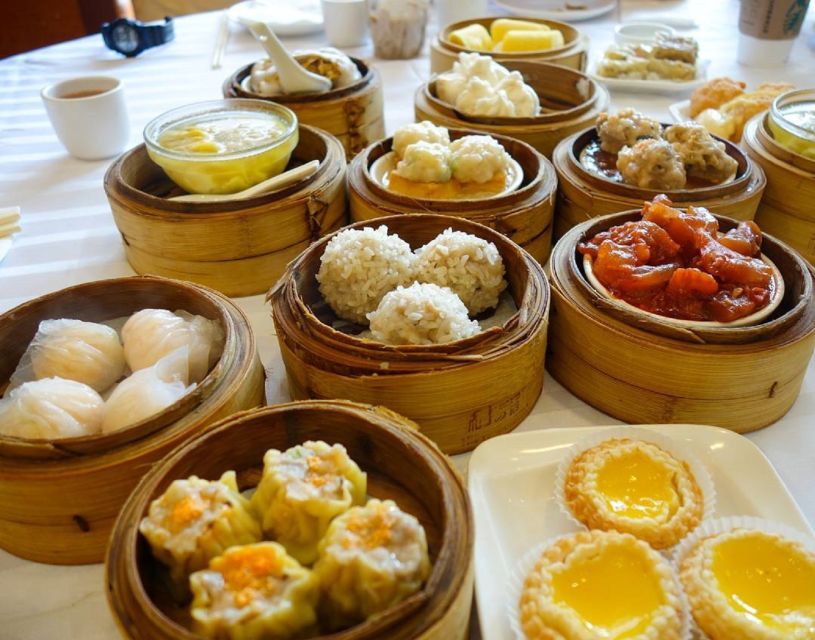
The first tasting sets the tone: handmade dim sum with savory fillings, paired with traditional Chinese tea. Dim sum is a useful opening because it introduces you to the social side of Chinese dining, where several small dishes are shared rather than one large plate ordered for one person.
Your guide handles the ordering and explains what arrives at the table. That removes one of the common Chinatown hurdles: unfamiliar menus, unfamiliar names, and uncertainty about how to share the food. You can pay attention to taste and texture instead of trying to decode every dish on your own.
The food is served in stages, not all at once. This helps you pace yourself, though you should resist eating as if each tasting were a stand-alone lunch. Five stops add up quickly.
More Cultural Walking Tours in Chicago:
- Savannah First Squares Culinary & Cultural Walking Food Tour
★ 5.0 · 3,229 reviews - Tokyo Tsukiji Fish Market Food and Culture Walking Tour
★ 5.0 · 3,184 reviews - New Orleans French Quarter, Voodoo and Culture Walking Tour
★ 4.5 · 2,961 reviews
Walking beneath the Chinatown Gateway Arch
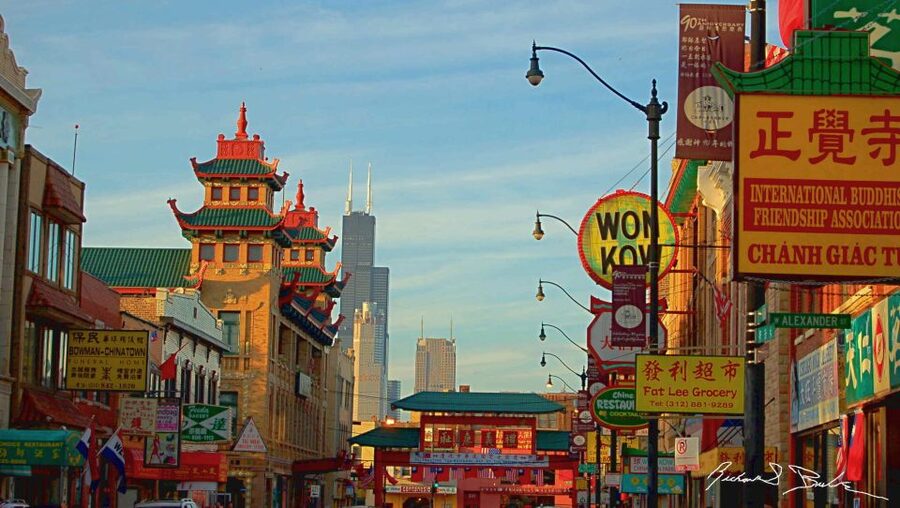
After the first restaurant, the tour shifts from table to street. The Chinatown Gateway Arch, built in 1975 by Chinese artisans, gives you an immediate sense of the neighborhood’s public identity. It is both a photo stop and a useful marker for how Chinatown presents its heritage to the wider city.
This portion is not a long lecture. Expect a short guided walk, time for photographs, and an explanation of the symbols and ideas connected with the area. The walking breaks also give your stomach a chance to catch up.
Chicago Chinatown is compact enough for a food walk, but the route is not simply a march from one restaurant to the next. Your guide uses the streets, plazas, and buildings to connect food with immigration, community life, and Chinese-American identity. That context is one reason I would choose this tour over eating at five unrelated restaurants on your own.
Zodiac Plaza and the meaning behind the statues
Chinatown Square Plaza is one of the route’s more visual stops. Twelve bronze zodiac animals represent the Chinese zodiac, and your guide explains the cultural meaning behind them. This is a good place to slow down and ask questions, especially if you know little about the zodiac beyond the animal associated with your birth year.
The plaza adds variety to the tour. You are not confined to dining rooms, and the public art gives you something concrete to look at while the guide explains customs and symbols. It also works well for photographs.
Do not expect a museum visit or a long formal presentation. The sightseeing portions are short, around 15 minutes each, and are designed to keep the food route moving. If you want an exhaustive architectural tour of Chinatown, this is not it. If you want enough background to notice more as you walk, it is a good fit.
Xi’an cumin lamb flatbread with a northern accent
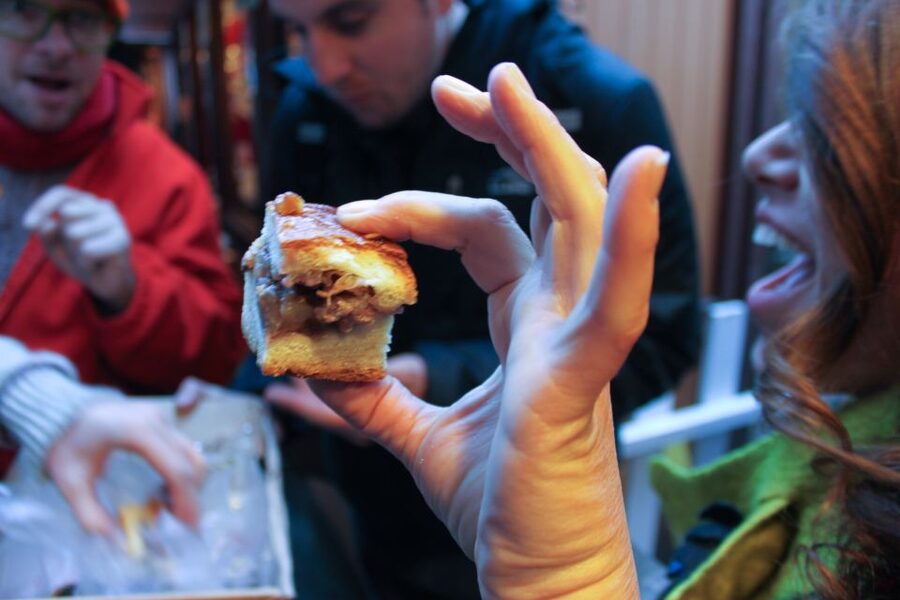
One of the most distinctive tastings is a crispy cumin lamb flatbread sandwich associated with Xi’an in northwestern China. It brings a different set of flavors from the opening dim sum: lamb, cumin, spice, and a crisp exterior with a savory center.
This is the kind of dish many diners might skip when ordering alone, either because it is unfamiliar or because the menu gives little background. In a guided group, you get an explanation before tasting it, then a chance to compare it with the Cantonese-style food from the first stop.
I like this part of the route because it keeps the food from becoming a parade of similar dumplings and noodles. The tour makes a point of showing that Chinese food is not one single cuisine. Regional differences appear in the seasonings, cooking methods, textures, and ingredients.
The portion also contributes to the tour’s meal-sized value. You are not paying $84 for five token bites. The tastings are described as generous, and the repeated advice is to skip breakfast or arrive ready for a substantial lunch.
A few more walking tours around Chicago worth a look
- Chicago: Gangsters and Ghosts Walking Tour
★ 5.0 · 7,155 reviews - Chicago Favorites Ultimate Food and Walking Tour
★ 5.0 · 1,962 reviews - Chicago: Gangsters and Ghosts Guided Walking Tour
★ 4.7 · 1,697 reviews - Chicago’s Secret Interiors Architectural Walking Tour
★ 5.0 · 635 reviews
Nine Dragon Wall and the symbolism of protection
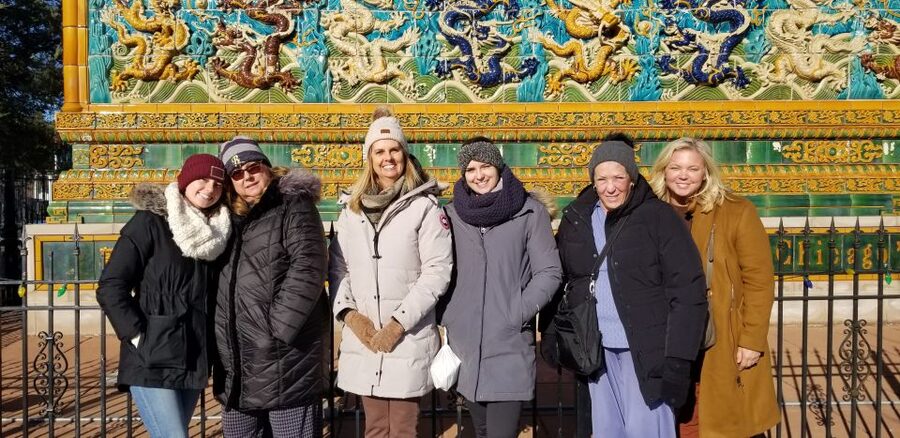
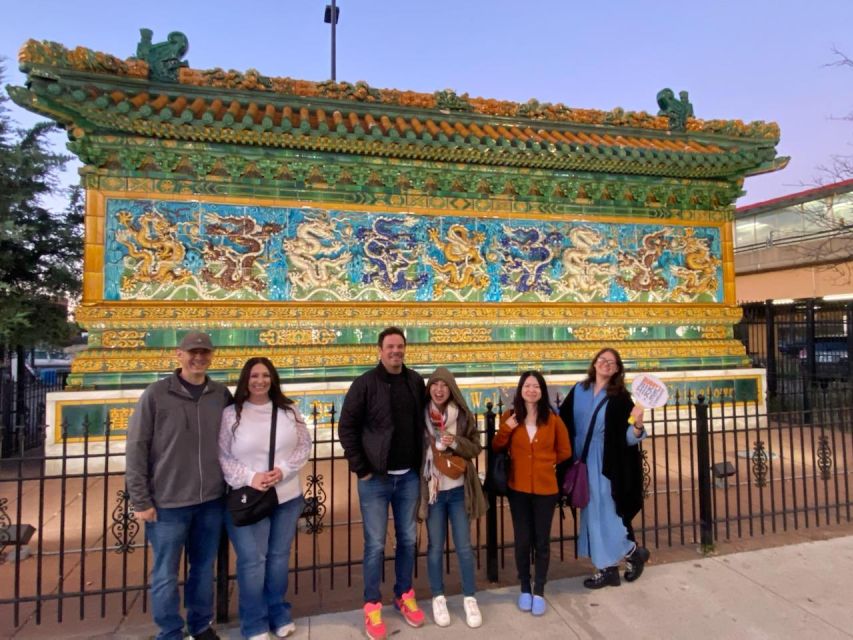
The Nine Dragon Wall is a glazed-tile replica of Beijing’s original wall. It gives the tour another short sightseeing pause and introduces the cultural meaning of dragons as symbols of power, luck, and protection.
For you, the value is less about the wall’s size than about the explanation around it. Without a guide, it might be a quick photo in a plaza. With one, it becomes a way to understand why dragons appear so often in Chinese art and public spaces.
The stop is also practical. You are walking between food tastings, and the short pauses help break up the meal. Wear comfortable shoes, especially if you plan to spend the rest of the day exploring Chicago on foot.
Dry chili chicken and a taste of heat
Another restaurant stop brings crispy dry chili chicken, a dish built around heat and crunch. The description is direct: bold spice, crisp texture, and a strong chili presence. If you enjoy spicy food, this may be one of the highlights. If you do not, tell the tour operator about dietary needs before the tour and ask your guide what adjustments are possible.
The guide’s role is especially useful here. You learn how the dish is flavored and what to notice, rather than simply being handed something hot. A peppercorn tasting has also been part of the experience, giving you a chance to notice the unusual mouth-numbing effect associated with Sichuan peppercorns.
This stop is a reminder that spicy does not always mean the same thing. Chili heat, peppercorn tingling, savory seasoning, and crisp texture can all work together. The guide helps separate those sensations.
Hand-pulled noodles with house-made sauce
The noodle tasting provides another change in texture. Fresh, hand-pulled noodles are served with house-made sauces, and the result is the sort of slurp-worthy dish that is difficult to appreciate from a rushed takeout order.
Noodles are a strong part of the route because they show technique as well as flavor. The dough, texture, sauce, and serving style all matter. Your guide explains the dish and removes the guesswork, which is useful if you have never ordered hand-pulled noodles before.
By this point, you may already be full. Pace yourself. The tour is designed as a meal, and the later egg tart is worth leaving room for.
Pui Tak Center and Chinatown’s community story
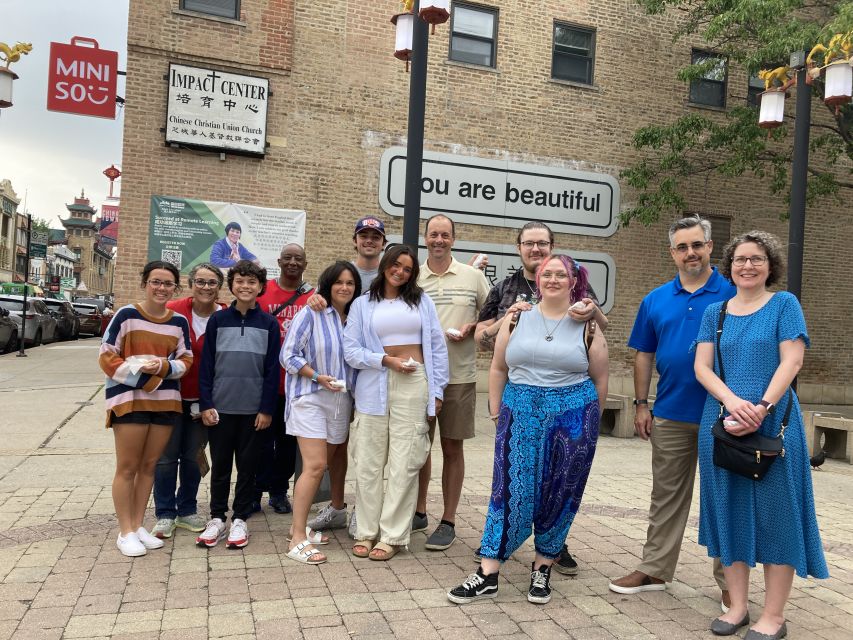
The Pui Tak Center brings the focus back to the neighborhood’s people. Built in 1928, it has pagoda-inspired towers and terra-cotta details. It once served as an important support center for immigrants and remains a visible symbol of Chinatown’s community life.
This stop helps prevent the tour from becoming only a restaurant checklist. Food is the entry point, but the guide also explains migration, neighborhood change, and the institutions that helped people settle and build a life in Chicago.
The strongest guides make this material personal without turning the walk into a dry history class. Jeff has been especially praised for linking Chinese and Chicago history with stories, humor, and a warm manner. York has also been praised for explaining both the food and the neighborhood in a way that works well for first-time visitors.
Guide assignments can change, so you cannot count on a particular person. Still, the repeated praise for different guides suggests that storytelling is a central part of how the company runs the tour.
Finishing with egg tarts at Chiu Quon Bakery
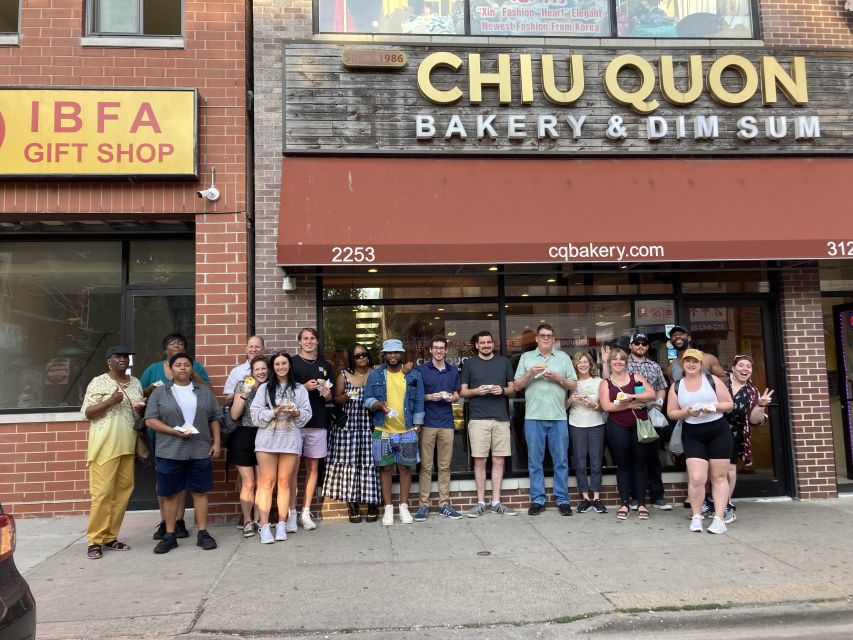
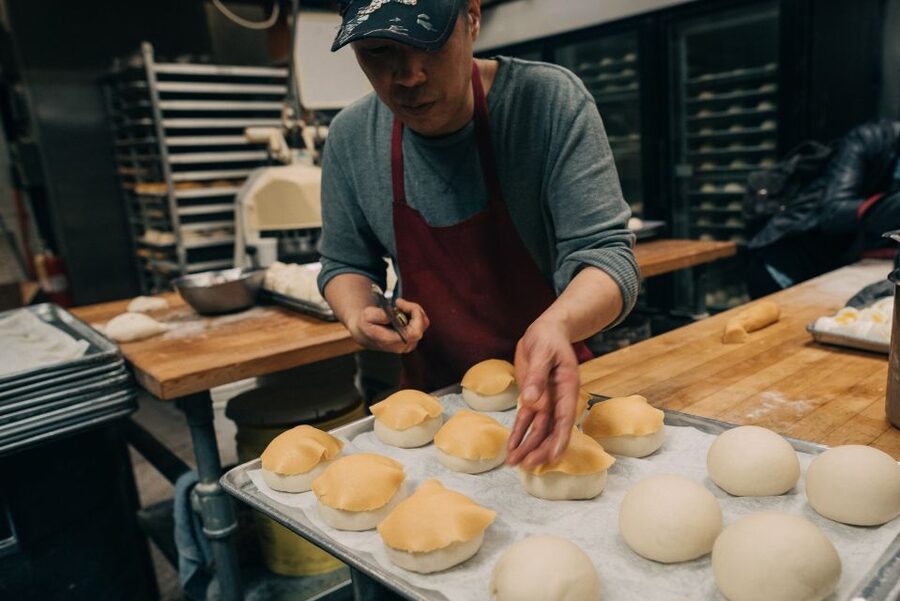
The final stop is Chiu Quon Bakery, where you taste a flaky, custard-filled Portuguese-style egg tart. Chiu Quon is described as Chinatown’s oldest bakery, which makes the finish feel connected to the neighborhood rather than tacked on as a generic dessert.
The egg tart gives you a softer, sweeter ending after the chili chicken, lamb, and noodles. It also reflects the wider history of Chinese food in the United States, where Chinese bakeries have adopted and adapted sweets from other culinary traditions.
You finish at the bakery rather than returning to Phoenix Restaurant. That is worth noting when planning the rest of your day. You may want to continue exploring Chinatown from there, or simply take a short break before another Chicago activity.
What the $84 price really covers
At $84 per person, this is not a budget meal. The value comes from the combination of food, ordering help, cultural explanation, and local orientation. If you bought five separate dishes, paid for drinks, and tried to create the same route yourself, the food alone might cost less or more depending on portions and group size, but you would not get the guide’s introductions or the built-in access to several regional styles.
The tastings are intended to replace lunch or dinner. That changes the calculation. If you eat a full meal before arriving, the price will feel high and the pacing will be difficult. If you skip breakfast or plan this as your main meal, the cost is easier to justify.
Gratuity is not included. A $10 cash tip per person is suggested, and the additional information recommends about 15 percent in cash. There is no on-site ATM, so bring cash. The optional drink upgrade costs $19.99 per person and includes three beverage pairings, such as local Chinese beer, selected wine, or sweet boba tea. I would treat that as optional, not essential, since tea is already part of the food experience.
Group size, pace, and dietary needs
The walk is described as relaxed and suitable for all fitness levels. The route includes repeated 15-minute food and sightseeing segments, though the full experience lasts about three hours. You should still wear comfortable shoes and weather-appropriate clothing because the tour runs in rain, snow, or sunshine.
Large bags and luggage are not allowed. Bring a reusable water bottle and an umbrella if the forecast calls for one. The route includes indoor restaurant and bakery stops, but you should be ready to spend meaningful time outside.
Vegetarian options are available, but you must state dietary needs in advance. Do not assume every tasting can be changed at the last minute. Ask before booking if you have allergies or strict restrictions.
Solo registration is allowed, but the tour requires at least three participants to operate. If that minimum is not met two hours before the scheduled time, you may be contacted about rescheduling or cancellation with a full refund. That is a small but important point if you are building a tightly timed Chicago itinerary.
Who will enjoy this most
I would choose this tour for a first visit to Chicago Chinatown, for diners who want to try unfamiliar dishes without ordering blindly, and for anyone who likes history delivered in short, useful pieces. It also suits solo visitors. The guide and group format make it easy to feel included, and one solo diner described being welcomed into the group.
Families and mixed-age groups may also find the relaxed pace manageable, though spice levels and unfamiliar textures will vary by person. Food-loving repeat visitors can enjoy it too, especially if they have visited Chinatown before but stayed with familiar restaurants.
I would be more cautious if you want a quiet private meal, dislike group tours, have severe dietary restrictions, or are looking for a low-cost way to eat. The tour is social, scheduled, and food-heavy. It is not a flexible hop-on, hop-off tasting plan.
My verdict: book it for context and a full meal
Book the Chicago Chinatown Food and Cultural Walking Tour if you want to taste across several Chinese regional traditions while learning how the neighborhood developed. The best parts are the variety, the generous portions, and the guides’ ability to connect dishes with places, symbols, and people.
The strongest practical advice is simple: arrive hungry, wear comfortable shoes, bring cash for the tip, and disclose dietary needs early. If you want to request a guide, you can ask, but names such as Jeff, York, Alex, Philip, and Ria do not guarantee who will lead your walk.
At $84, the tour asks you to pay for more than food. For a first visit, that extra structure is the point. You leave knowing what you ate, why it matters, and where to return when you want another Chinatown meal.
FAQ
How long does the Chicago Chinatown food tour last?
The tour lasts three hours, with food tastings and sightseeing stops spread through the walk.
Where does the tour begin?
It begins at Phoenix Restaurant, 2131 South Archer Avenue, Chicago, Illinois 60616.
Where does the tour finish?
The tour finishes at Chiu Quon Bakery in Chicago’s Chinatown.
What food is included?
You receive five tastings: handmade dim sum with tea, dry chili chicken, Xi’an-style cumin lamb flatbread, fresh hand-pulled noodles with sauce, and a Portuguese-style egg tart.
Is the tour suitable for vegetarians?
Vegetarian options are available, but you need to notify the tour provider in advance.
Is a drink package included?
Tea is included with the dim sum tasting. An optional adult drink package with three beverage pairings costs $19.99 per person and is paid on site.
What happens if the tour does not reach three participants?
The tour requires a minimum of three people. If that minimum is not reached two hours before the tour, you may be contacted about rescheduling or cancellation with a full refund.
Just added around Chicago
- Chicago: Prohibition Speakeasies Bus Tour or Walking Tour★ 4.8 · 168 reviews
- Chicago: Underground Pedway & Downtown Secrets Walking Tour★ 4.7 · 268 reviews
- Chicago: Secret Interiors Architecture Walking Tour★ 4.9 · 498 reviews
- Chicago: The Ultimate Foodie Walking Tour with Tasty Stops★ 4.6 · 92 reviews
- Chicago: Must See Chicago 90 minute Walking Tour★ 4.7 · 73 reviews
- Chicago: Gangsters and Food Tasting Walking Tour★ 4.6 · 228 reviews
- Chicago: Classic Food & Walking Tour with Free Bike or Kayak★ 4.9 · 145 reviews
- Chicago’s Chinatown Food and Walking Tour★ 5.0 · 600 reviews
Cultural Walking Tours, compared.
Savannah First Squares Culinary & Cultural Walking Food Tour
Read our review →
Tokyo Tsukiji Fish Market Food and Culture Walking Tour
Read our review →
New Orleans French Quarter, Voodoo and Culture Walking Tour
Read our review →
Southernmost Food & Cultural Walking Tour by Key West Food Tours
Read our review →
Valletta: Street Food and Culture Walking Tour
Read our review →
Lisbon Roots – Small group Food & Culture Walking Tour w/tastings
Read our review →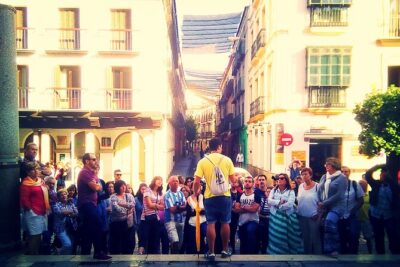
Browse the lists this tour appears in