
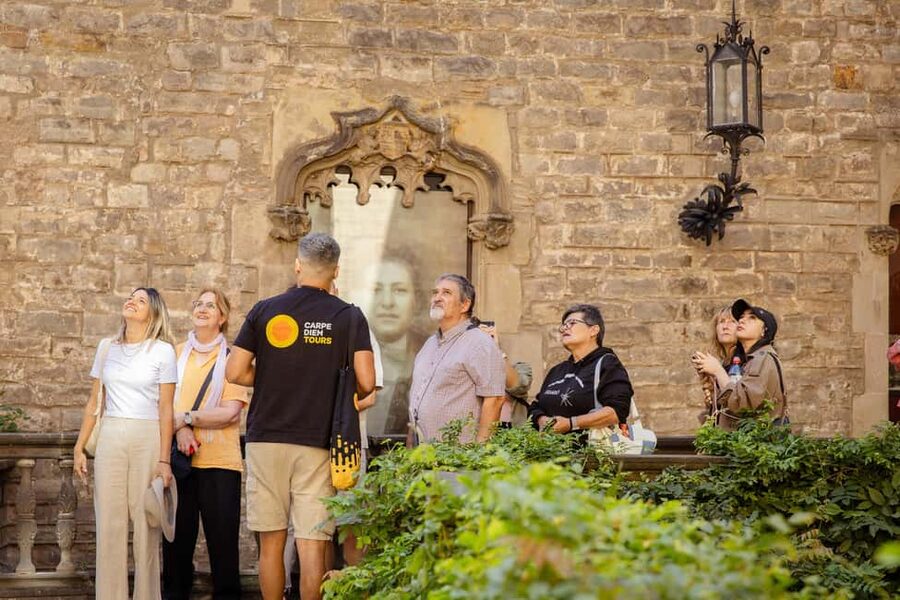
REVIEW · BARCELONA
Barcelona: City Walking Tour with a Local Guide
Barcelona’s oldest streets are best understood on foot, and this tour gets you into the Gothic Quarter’s narrow lanes, Roman remains, churches, and small squares before the city’s newer districts take over. Guides such as Juan, Mariah, Sara, Sonia, Petra, and Craig bring the route to life with history, legends, food tips, and local stories.
I like the way the tour connects 2,000 years of Barcelona’s past, from the Roman colony of Barcino to modern Catalonia. I also like the compact two-hour format, which gives you a useful first look without consuming half your day. The tradeoff is that the tour stays mostly outside, moves through crowded old streets, and does not include entry tickets.
Key points at a glance
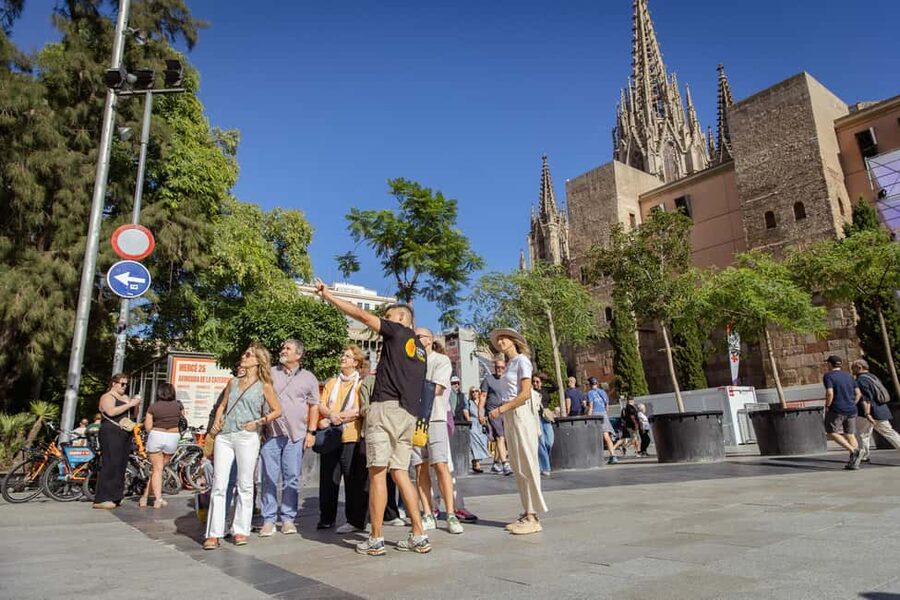
- Roman Barcelona in plain view: Begin near aqueduct remains and see how ancient Barcino still shapes the Old Town.
- A strong Gothic Quarter route: The walk includes the Cathedral, Carrer del Bisbe, Plaça Sant Felip Neri, Plaça del Rei, and the Jewish Quarter.
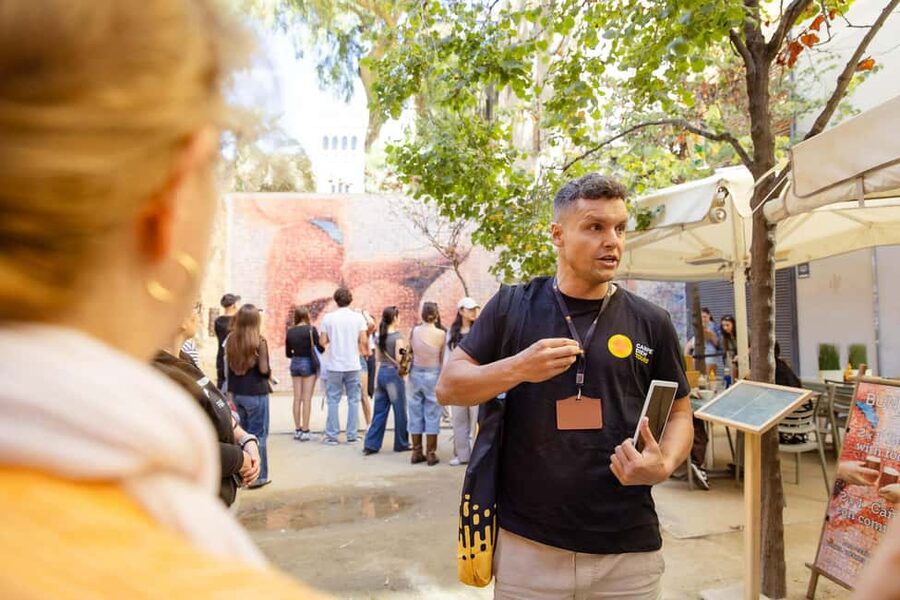
- Story-led guiding: Guides use legends, tragic episodes, architecture, and local anecdotes rather than simply naming buildings.
- Useful food advice: Juan, Petra, Craig, and others have offered restaurant, bar, and neighborhood suggestions during the walk.
- Good first-day value: At $29, the tour is reasonably priced for two hours with a live English-speaking guide.
- A focused rather than wide-ranging walk: You see the Old Town in detail, but not Gaudí’s major works or Barcelona’s beach and modern districts.
Why this two-hour walk works well in Barcelona
Barcelona can feel confusing at first. The Old Town is a web of lanes, tiny plazas, church walls, and streets that change name quickly. A map will get you from point A to point B, but it will not explain why Roman stones appear inside a medieval wall or why one quiet square carries such a dark story.
This walking tour gives you that framework. Over two hours, your guide links the Roman colony of Barcino with medieval Barcelona, the city’s Jewish quarter, Catalan identity, and the modern city around it. I find that context especially useful at the start of a visit. Once you know the basic shape of the Old Town, you can return to places that caught your interest.
The route is also pleasantly focused. You are not being rushed across the entire city to collect distant sights. Instead, you stay in the historic center and move through a series of connected streets and squares. That means less time spent getting around and more time listening, looking up, and noticing details.
The tour is offered in English, and guides have different personalities. Juan is often praised for detailed historical explanations and practical restaurant advice. Mariah is described as warm, entertaining, and especially strong at bringing Gothic Quarter stories to life. Sara, Sonia, Petra, Craig, and others have also been singled out for clear explanations, humor, and friendly help.
You cannot select a particular guide from the information provided, so treat those names as examples of the guide team rather than a promise. The quality of a walking tour depends on the person leading it, but the repeated strengths here are clear: strong city knowledge, a relaxed pace, good storytelling, and plenty of room for questions.
More City Highlights Walks in Barcelona:
- Berlin City walk Government District and Places of Democracy
★ 4.7 · 8,467 reviews - Historic Charleston Guided Sightseeing Walking Tour
★ 5.0 · 6,216 reviews - Quebec City Walking Tour
★ 5.0 · 4,716 reviews
Starting beside Roman aqueduct remains
The meeting point is Plaça del Vuit de Març, inside the park near Balmesiana Biblioteca Balmes and the remains of a Roman aqueduct. Look for the white van and the yellow Carpe Diem Tours flag, and arrive 10 minutes early.
This is a smart place to begin. You are not starting beside a giant modern landmark or a busy transport hub. You are starting with a physical clue to the Roman city, which gives the rest of the walk a useful anchor.
The tour finishes back at Escultura Barcino, so the route forms a loop rather than leaving you at an unfamiliar far corner of Barcelona. Wear shoes with good grip. The Old Town has smooth sections, uneven pavement, steps, and many streets where you will spend time standing while the guide talks.
Els Quatre Gats and Barcelona’s artistic past
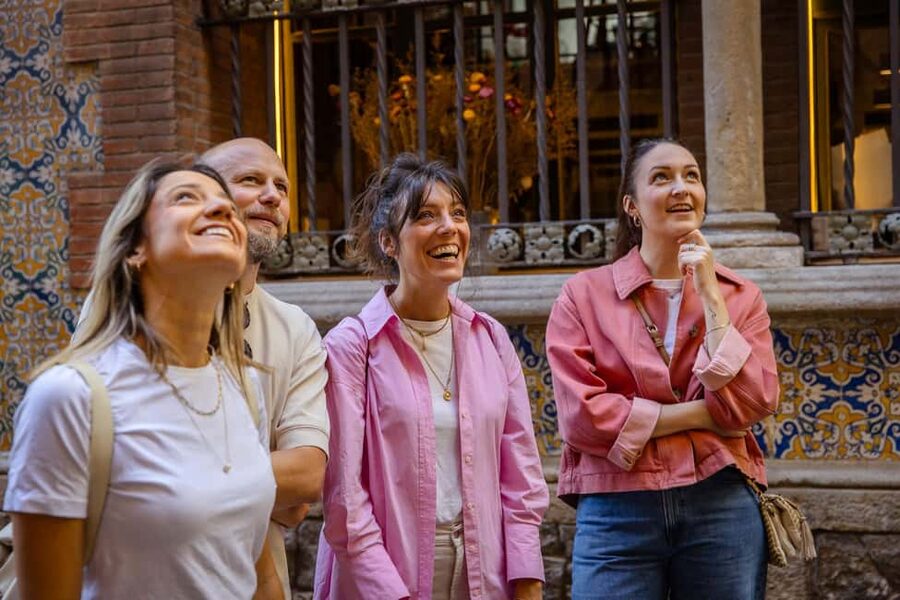
Els Quatre Gats is the first listed stop, with about 10 minutes of guided explanation. The name means The Four Cats, and the place is tied to Barcelona’s artistic and intellectual life.
The stop helps show that the Gothic Quarter is not only about medieval walls. Its streets also became a meeting ground for artists and modern cultural movements. Your guide may use the location to connect old Barcelona with the city’s more recent creative identity.
Because the stop is brief, expect an introduction rather than a full visit inside. Entry tickets are not included, and this is an exterior walking tour rather than a museum tour.
The Kiss of Freedom and public memory
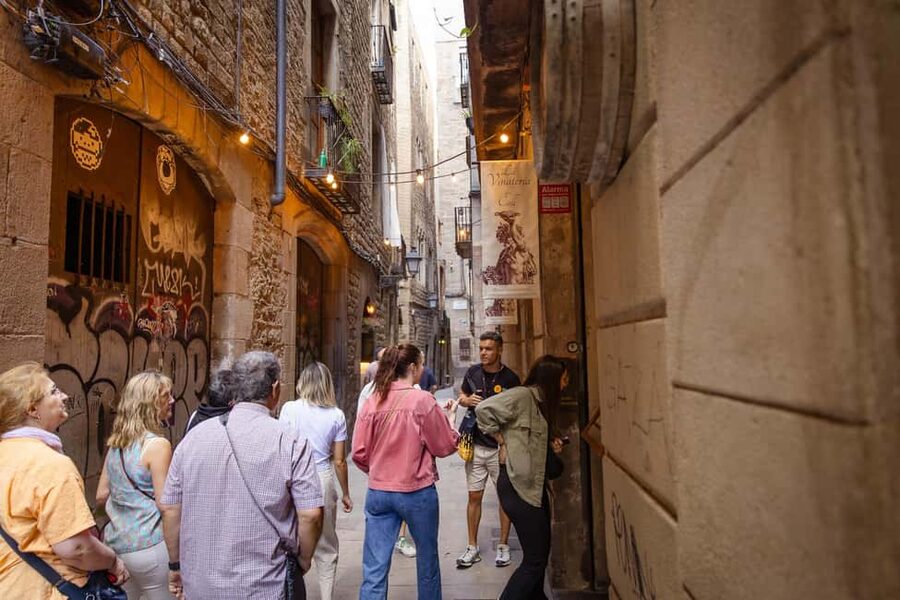
The Kiss of Freedom adds a more modern note to the route. It is one of the places where the walk shifts from old stone and church architecture toward public art, memory, and Barcelona’s changing political identity.
A good guide will help you see how a city tells its story through monuments as well as through buildings. This is also the kind of stop that is easy to pass without understanding if you are exploring alone.
The value here comes from the explanation, not from a long visit. You will spend roughly 10 minutes at the stop, so listen closely and ask questions if the subject interests you.
More Guided Tours in Barcelona:
- Barcelona: Guided Food Walking Tour with Tapas and Wine
★ 5.0 · 848 reviews - Barcelona: Picasso Museum Entry, Digital Guide & Born Walk
★ 3.6 · 148 reviews - Magical London: Harry Potter Guided Walking Tour
★ 4.7 · 22,044 reviews - History and Hauntings of Salem Guided Walking Tour
★ 5.0 · 14,564 reviews
Barcelona Cathedral and the Gothic Quarter’s main landmark
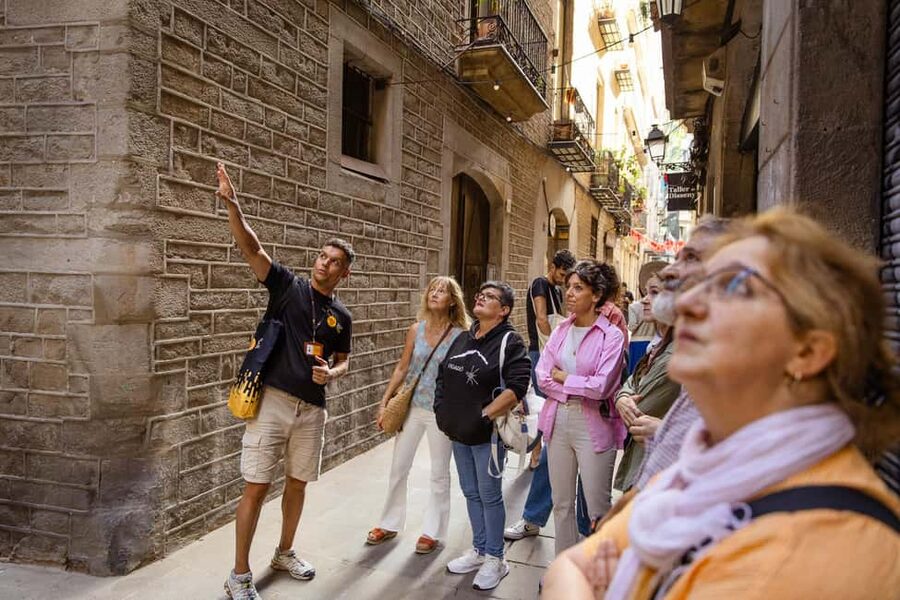
Barcelona Cathedral is the largest and most obvious anchor on the route. Its Gothic architecture gives the quarter its familiar name, but the surrounding streets reveal more than the facade alone.
Your guide explains the cathedral as part of the city’s long development, not as an isolated church. Look around the nearby lanes and walls as you listen. The contrast between the grand religious building and the tight streets around it is one of the Old Town’s most rewarding details.
The tour provides a guided look from the route, but entry tickets are not included. If you want to go inside, check the cathedral’s own visiting conditions separately and allow extra time beyond the two-hour walk.
La Casa de l’Ardiaca and layers of old Barcelona
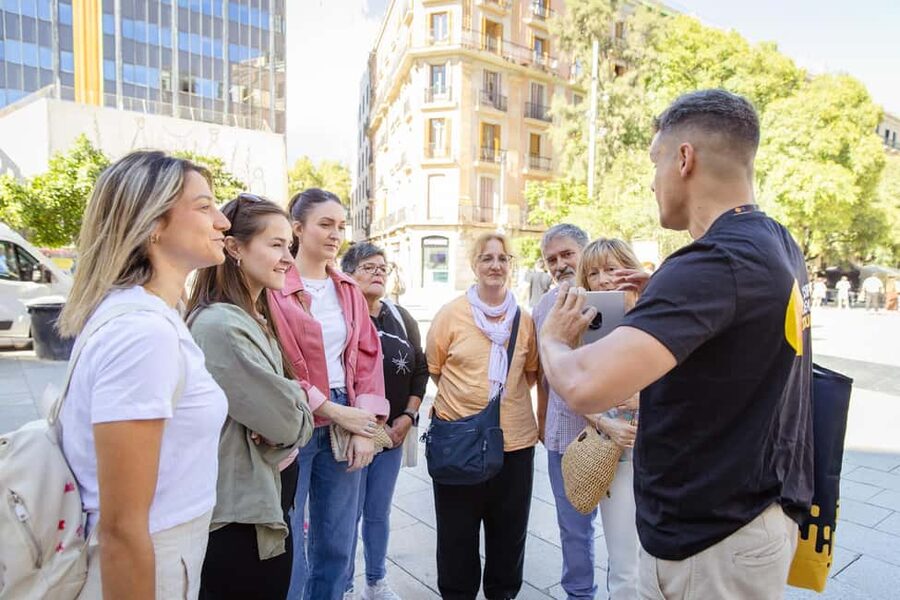
La Casa de l’Ardiaca sits beside the Cathedral and offers another look at how the Old Town mixes different periods. Its name refers to the archdeacon’s house, and the building helps explain the church district’s former importance.
This stop is useful because the tour does not treat architecture as decoration. The guide places the building within Barcelona’s social and religious history, giving you a better sense of who used these streets and why the district developed as it did.
You may find that some of the best moments are not the biggest sights. Small doorways, fragments of older walls, and changes in building height can make more sense once someone points them out.
Carrer del Bisbe and one of the city’s most photographed lanes
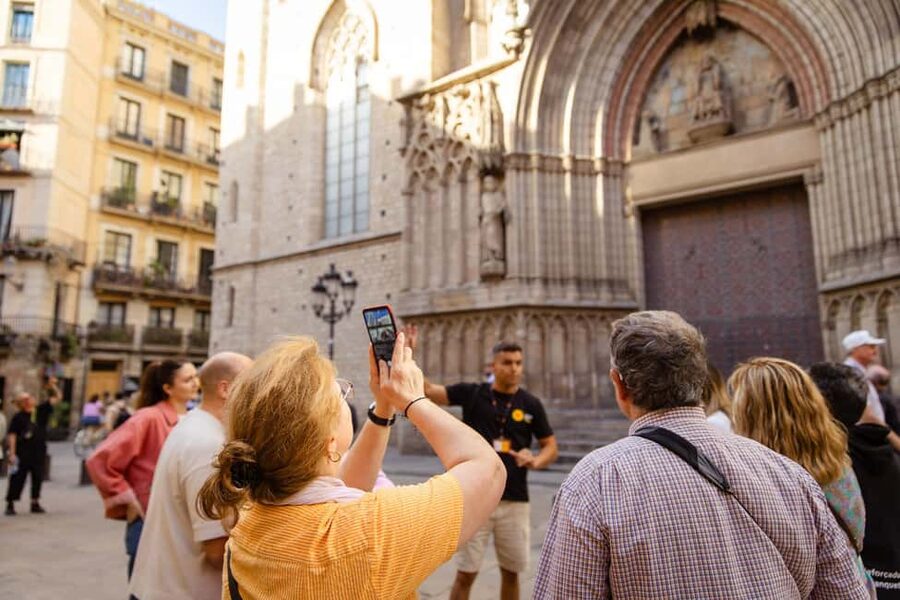
Carrer del Bisbe is famous for its narrow medieval appearance and the dramatic bridge that crosses above it. It is a natural pause on the route, and you will probably want a photograph.
The street can be busy, so be prepared to stop to one side while the guide speaks. This is a good example of why a small group and an attentive guide matter. One guide, Sara, was praised for keeping the group together when a protest interrupted the route, a useful reminder that city walking sometimes requires quick changes.
Do not expect to linger here for a long architectural study. The stop is short, but the guide’s explanation can turn a familiar photo spot into a more meaningful part of the city’s story.
Plaça Sant Felip Neri and the tour’s darker stories
Plaça Sant Felip Neri is one of the most atmospheric stops. It is a quiet square tucked among the Old Town lanes, with a church facade and walls that carry visible marks from the city’s painful past.
Several guides use stories of tragedy, courage, and conflict to explain the square. This is where Craig’s humor and horror stories, mentioned by one guest, fit the tour’s wider style. The tone is not simply cheerful sightseeing. You will hear about difficult chapters as well as proud ones.
The square can feel calm compared with nearby streets, but it is also a place where respectful listening matters. The guide’s interpretation gives the location weight without requiring you to spend a long time there.
MUHBA El Call and Barcelona’s Jewish Quarter
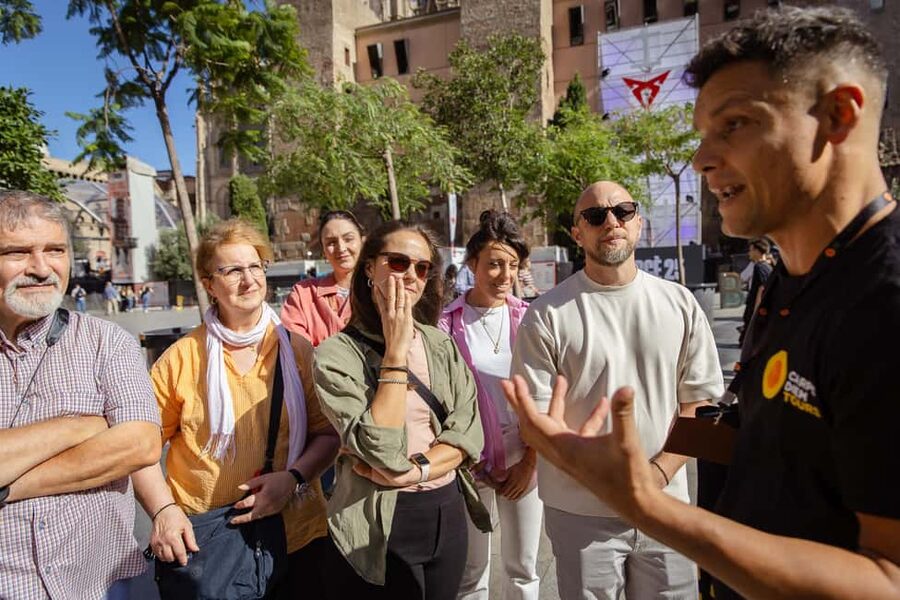
MUHBA El Call introduces the Jewish Quarter, known locally as El Call. The narrow streets here make more sense when you understand that this was once a distinct community within medieval Barcelona.
This stop adds needed balance to a tour that could otherwise focus too heavily on churches, nobles, and royal buildings. It gives you a chance to consider the different communities that shaped the city and the forces that changed or displaced them.
The tour passes the area and explains its history. It does not include museum admission, so anyone wanting a longer look at the museum should plan a separate visit.
Plaça de Sant Jaume and Catalan public life
Plaça de Sant Jaume is one of Barcelona’s main civic squares. It is associated with the city and Catalonia’s public institutions, making it a useful place to discuss local politics, identity, and the relationship between Barcelona and the wider region.
You may notice that the square feels more open and official than the lanes around El Call. That change in space helps you see how the Old Town shifts from private streets and religious corners to civic life.
A strong guide will explain the setting without turning the stop into a political lecture. The best approach is to ask questions if Catalan history or current identity is important to your trip.
Plaça del Rei and medieval power
Plaça del Rei is one of the route’s most impressive medieval settings. Its buildings and enclosed shape give you a clear feel for royal Barcelona.
This is where the earlier history starts to come together. Roman foundations, medieval government, religion, trade, and local identity are not separate subjects here. They overlap in the same small area, and a guide can help you read the buildings as evidence of that long development.
The square also rewards a slower look. Notice how the buildings frame the space and how little modern traffic intrudes. As with the other stops, admission to museums or interiors is not part of the $29 tour.
Plaça de Santa Maria and the final stretch
The listed route includes Plaça de Santa Maria, 1, before returning to Escultura Barcino. This brings you toward the Santa Maria area and the broader Born side of the old city.
Some descriptions of the walk include both the Gothic Quarter and the Born area, while the stop list remains centered on the historic core. Either way, you should expect a close look at old Barcelona rather than a citywide overview.
The finish at Escultura Barcino makes the tour easy to follow as a first-day orientation. You can then return to a square, museum, church, or restaurant that interested you, using the guide’s recommendations to plan the rest of the day.
What the $29 price really buys you
At $29 per person, the tour offers solid value if you want interpretation rather than simple directions. You receive two hours with a live English-speaking guide and a route that covers several important parts of the Old Town.
The strongest value is the time saved. You could walk past the Cathedral, Carrer del Bisbe, Plaça Sant Felip Neri, and Plaça del Rei on your own, but you would miss much of the meaning unless you had already researched each place.
The price does not include entry tickets, food, drinks, or transport. That keeps the basic cost clear, but you should budget separately if you want to enter the Cathedral or a museum.
A private group option is available. It may suit families or friends who want to ask more questions and set their own rhythm, though the supplied information does not give a separate private-group price.
The pace, group feel, and practical limits
Two hours is long enough to get a strong introduction and short enough to fit around other plans. One person wished the walk lasted longer because the stories were enjoyable, which points to the main limitation: the tour gives you a framework, not a complete study of Barcelona.
You will be standing and walking for most of the time. Comfortable shoes and comfortable clothes are important, and a camera is worth bringing. The narrow streets can be crowded, and stopping in the middle of a lane is not practical.
The tour is conducted in English. If you need another language, this experience may not fit your needs. A private group is available, but the supplied details do not confirm the usual group size or the exact format of each departure.
The meeting instructions are specific, so use them carefully: Plaça del Vuit de Març, inside the park near the library and Roman aqueduct remains, beside the white van and yellow Carpe Diem Tours flag. Arriving 10 minutes early is sensible.
Free cancellation is available up to 24 hours before the tour for a full refund, and you can reserve now and pay later. Those terms are helpful when your Barcelona plans are still shifting.
Who should book this Gothic Quarter walk
I would recommend this tour to first-time visitors who want a clear introduction before exploring alone. It also suits repeat visitors who have seen the major buildings but want more stories about the lanes, squares, and communities behind them.
Food-focused visitors may get extra value from the local suggestions. Several guides, including Juan, Petra, and Craig, are praised for restaurant, bar, and neighborhood advice. Ask for recommendations during the walk, while you still have time to use them.
Families and mixed-age groups may like the short duration and steady route. The stories can keep the walk interesting, but the dark episodes at Plaça Sant Felip Neri and elsewhere may not suit very young children.
I would choose a different activity if your main goal is Gaudí architecture, the Sagrada Família, panoramic views, the beach, or modern Barcelona. None of those are the focus here. This is a concentrated Old Town walk.
Should you book it?
Book this tour if you want history tied to real streets and squares, not just a checklist of sights. At $29, it is a fair way to get your bearings, learn the difference between Roman, medieval, religious, civic, and modern Barcelona, and collect useful food tips for later.
Skip it if you dislike walking tours, need a language other than English, or want interior visits included. For most first visits, though, the compact route and strong guide-led storytelling make this a sensible opening activity, especially on day one.
FAQ
How much does the Barcelona City Walking Tour cost?
The tour costs $29 per person.
How long does the walking tour last?
The tour lasts two hours.
What language is the tour conducted in?
The live tour guide speaks English.
Where does the tour meet?
Meet at Plaça del Vuit de Març, inside the park near Balmesiana Biblioteca Balmes and the Roman aqueduct remains, next to the white van. Look for the yellow Carpe Diem Tours flag.
How early should I arrive?
You should arrive 10 minutes before the tour begins.
Does the tour include entry tickets?
No. Entry tickets are not included.
Is a private group available?
Yes. A private group option is available.
Can I cancel for a full refund?
Yes. You can cancel up to 24 hours in advance for a full refund.
Just added around Barcelona
- Barcelona Walk Like a Local: El Born & Gothic 15+ Sights★ 4.9 · 88 reviews
- Barcelona: Gothic Quarter Walking Tour w/ Montjuïc Cable Car★ 4.4 · 90 reviews
- Barcelona: Ramblas, Old Town & Gaudí Houses Walking Tour★ 4.9 · 239 reviews
- Barcelona: Old Town Private Walking Tour of Past and Present★ 5.0 · 160 reviews
- Barcelona: Private Walking Tour with a Local★ 4.5 · 202 reviews
- Barcelona: Jewish Quarter 2-Hour Walking Tour★ 4.8 · 333 reviews
- Barcelona: Picasso Walking Tour with Picasso Museum Tickets★ 3.5 · 93 reviews
- Barcelona: Hidden Gems Walking Tour Including 10+ Sights★ 4.9 · 121 reviews
City Highlights Walking Tours, compared.
Berlin City walk Government District and Places of Democracy
Read our review →
Historic Charleston Guided Sightseeing Walking Tour
Read our review →
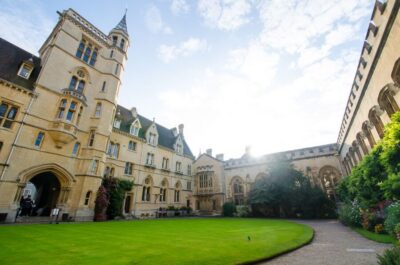
Oxford: University and City Walking Tour with Alumni Guide
Read our review →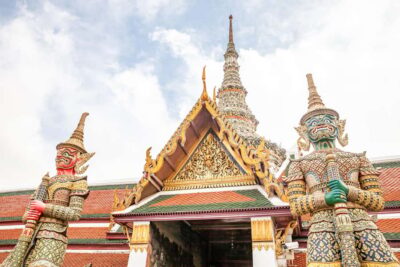
City Highlights Temple and Market Walking Tour
Read our review →
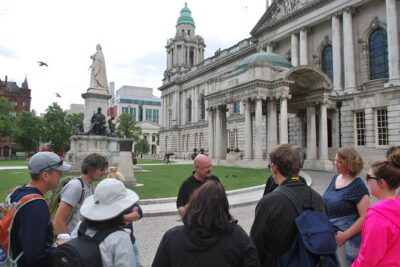
A History of Terror – Belfast City Centre Walking Tour
Read our review →Browse the lists this tour appears in