
REVIEW · MUNICH
Discover Munich 2-Hour Small Group Walking Tour
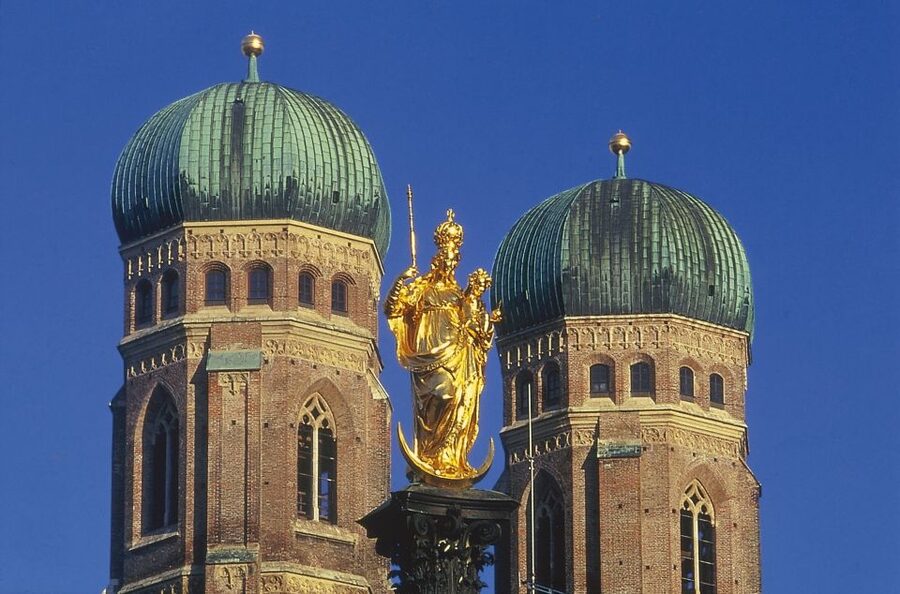
Munich’s old town is compact, but its stories are not. This two-hour walk takes you from the meeting point on Dachauer Straße toward Marienplatz, the Rathaus-Glockenspiel, churches, beer halls, and lesser-known corners. Guides such as Sam, Timmy, Anna, Sarah, and Leon have been praised for mixing clear history with humor and useful local advice.
I like the timing. You get a solid orientation without giving up half your day, and the tour works especially well on your first morning in Munich. I also like the practical angle: you learn where to eat, where to drink beer, what festivals matter, and which sights deserve a return visit. The main consideration is group size. It is usually intimate, but groups of 24 or 25 have occurred, which can make hearing and staying together harder.
Key points to know before you book
- Marienplatz is the star finish: The Rathaus-Glockenspiel and its moving figures provide the most memorable landmark moment.
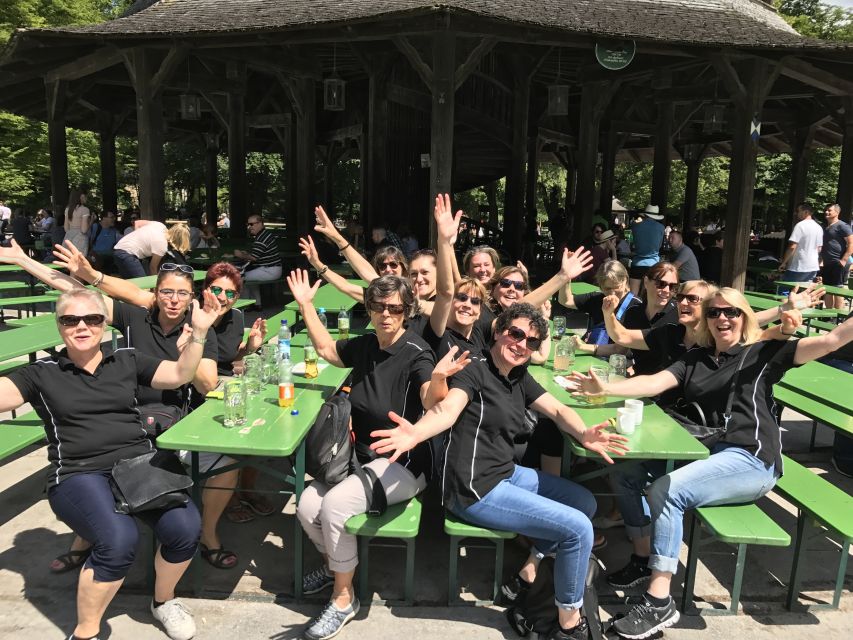
- Guides add personality: Sam, Timmy, Anna, Sarah, Leon, and others have been praised for humor, clear explanations, and thoughtful recommendations.
- You get more than postcard sights: The walk includes churches, famous beer halls, cultural customs, festivals, and less obvious historic spots.
- The pace suits first-time visitors: Most people can use the tour to get oriented before returning to places they want to explore in detail.
- The group is usually manageable: The stated average is 10 to 15 people, though larger departures are possible.
- It costs $27 per person: That is fair for a live, two-hour introduction, especially if you use the restaurant and beer advice afterward.
Why this two-hour walk works on your first day
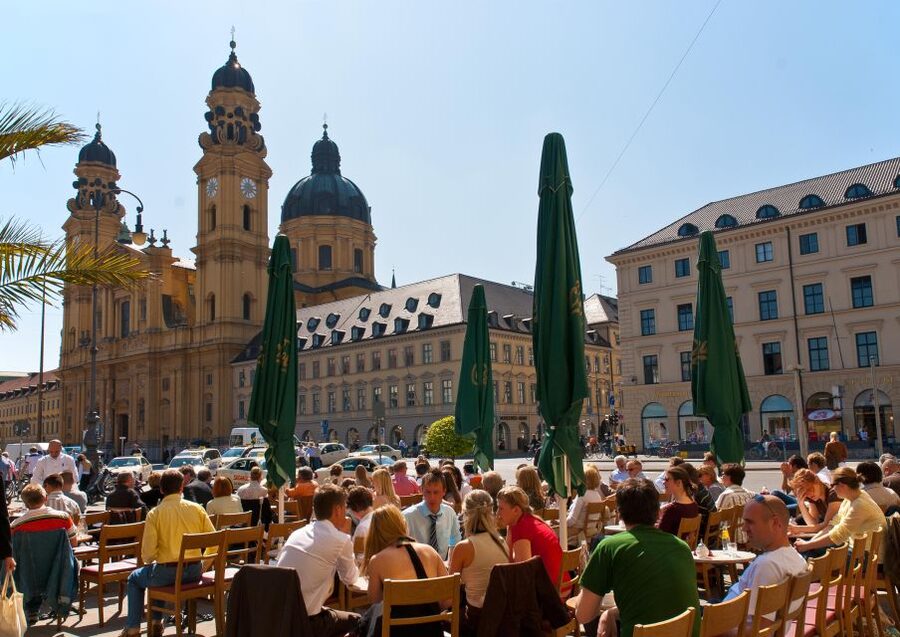
Munich rewards wandering, but a first visit can leave you unsure of how the center fits together. This tour gives you a simple mental map. You begin at Dachauer Straße 4, near the main railway station area, then walk toward the historic center with a guide explaining what you are seeing as the streets change around you.
I like this better than spending your first few hours rushing into a museum. You get a sense of the city’s scale, its major squares, its churches, and its public life. Then you can decide where to spend the rest of your stay.
The tour is also short enough to fit around other plans. You can book it early in a trip and still have time for a museum, a palace, the English Garden, or an evening meal. Several guests used it on their first or second day because it helped them choose what to revisit.
The stated group average is 10 to 15 people. That is small enough for questions and personal recommendations, though you should not assume every departure will be that size. One group had about 24 people, and another had at least 25. In a crowded square, a large group makes it harder to hear, so stay close to the guide and arrive ready to walk.
More Small-Group Walking Tours in Germany:
- Hamburg Reeperbahn Small-Group Walking Tour
★ 4.0 · 269 reviews - Dresden: Shared Small Group Walking Tour in English
★ 4.8 · 172 reviews - Amsterdam Anne Frank: Small-Group Walking Tour & Local Guide
★ 4.8 · 12,789 reviews
From Dachauer Straße into central Munich
The meeting point is the local operator’s office at Dachauer Straße 4, 80335 Munich. The walk begins here and covers central Munich on foot. You do not need a bus or taxi between stops, and there is no food or drink included, so have water with you if the weather is warm.
The opening stretch is useful because it takes you away from the immediate station area and toward the older part of town. The guide sets the scene for Munich, then adds the kind of details that help you read the city rather than simply photograph it.
This is where the quality of the guide matters most. A dry list of dates would make the first half feel slow. The strongest guides have been described as funny, approachable, and good at turning major events into stories. Timmy, Sam, Anna, Sarah, Leon, and Adrian were singled out for their ability to keep the walk lively while still explaining Munich’s past and present.
You can also ask questions early. If you want a recommendation for a beer hall, a place to eat, or another attraction, say so. The guide’s advice is most useful when it matches your plans.
Marienplatz and the Rathaus-Glockenspiel
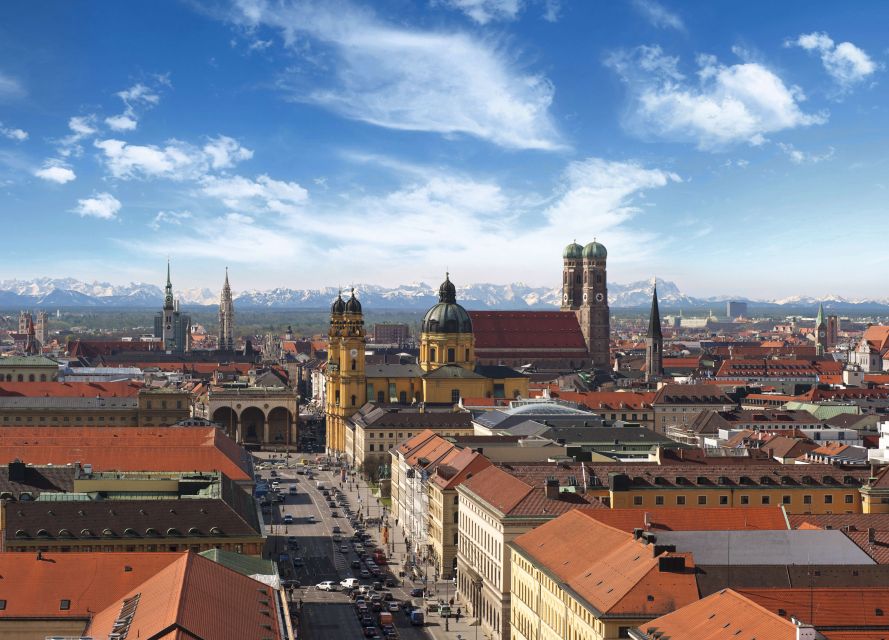
Marienplatz is the visual center of the tour. This broad square is where you see the New Town Hall and its famous Rathaus-Glockenspiel, a clock tower display with moving figures. The display is one of Munich’s best-known sights, and the guide helps you understand what you are looking at instead of leaving you to stare upward without context.
Timing can matter. One guide arranged the route so the group reached the square for the clock display at noon. That is not a guarantee for every departure, but it shows why the starting time can shape the experience. Check the available start times and ask the guide whether the route is expected to reach Marienplatz for a performance.
Marienplatz can be crowded, especially when the clock display is due to begin. A smaller group is easier to gather around the guide, but even then, you may need to stand where you can see and hear. Keep your attention on the explanation, not just the moving figures.
I like this stop because it gives the tour a clear centerpiece. You see one of Munich’s signature sights, hear why it matters, and then have a better reason to return later when you can explore the square at your own pace.
Churches, architecture, and less obvious corners
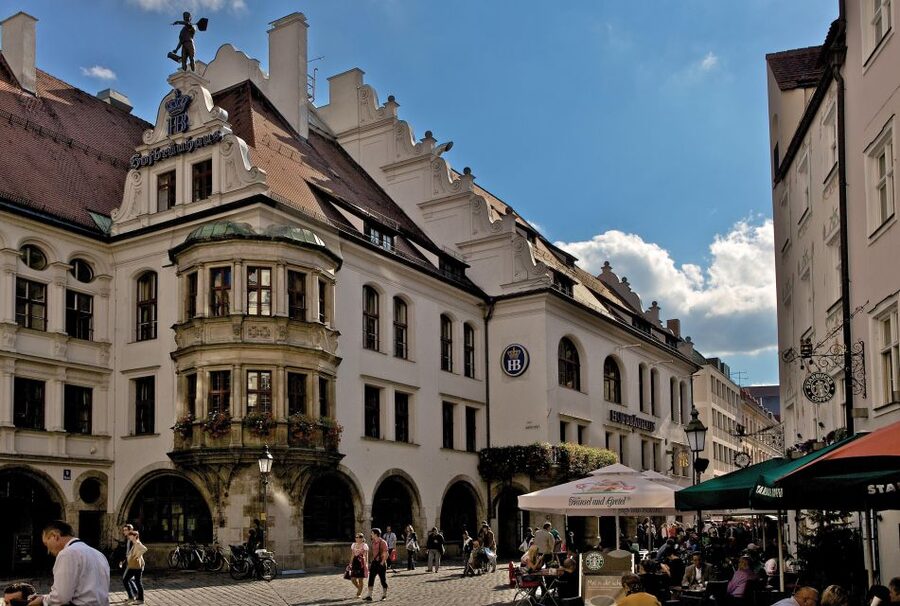
The walk also passes several beautiful churches and historic buildings. The exact route can vary with the guide and the day, but the point is not to rush inside every church. Instead, you get a useful introduction to the city’s religious architecture and the role these buildings played in Munich’s public life.
One departure included time to walk through some churches. That is a good sign for visitors who prefer a little breathing room rather than a nonstop march. Still, this is a walking overview, not a church tour. If one interior catches your eye, note its name and return later for a quieter visit.
The tour also promises sights that do not always appear in guidebooks. Think of these as smaller details, side streets, local customs, or overlooked places woven into the route. They help keep the walk from becoming a basic checklist of Marienplatz, a church, and a beer hall.
Do not expect every hidden location to be a dramatic secret landmark. The value is often in the explanation. A plain-looking corner can make more sense once you know its connection to Munich’s past or daily life.
More Two-Hour Tours in Germany:
- Berlin’s Best: 2 Hour Walking Tour Third Reich and the Cold War
★ 5.0 · 5,486 reviews - Leipzig: 2-Hour Guided Walking Tour in German
★ 4.8 · 1,612 reviews - Budapest City Landmarks Walking Tour in 2 Hours
★ 5.0 · 2,048 reviews - Lucca: 2-Hour City Center Walking Tour
★ 4.7 · 1,314 reviews
Beer halls, food advice, and local customs
Munich’s beer culture is a major part of the tour. You pass some of the city’s best-known beer halls and hear where to eat and drink afterward. Food and drinks are not included, so this part is advice rather than a tasting experience.
That is useful because the best meal is not always the first place you see near Marienplatz. Ask the guide for specific suggestions based on what you want: traditional food, beer garden atmosphere, a quick meal, or somewhere suitable for your group.
One guide recommended a beer garden in the English Garden, and the recommendation worked well for the people who followed it. Another guide gave suggestions for food and bars across town. You may want to write down names as you walk because it is easy to forget them once you are dealing with crowds and new streets.
The discussion of German customs is another strength. One guide went beyond landmarks and explained cultural habits and social norms. That kind of context helps you understand why a place feels different from home, and it gives you a better chance of behaving comfortably in restaurants, beer halls, and public spaces.
Munich’s festivals and darker twentieth-century past
The tour does not present Munich as a cheerful postcard only. Along with festivals and cultural events, it addresses some of the more troubling parts of twentieth-century history. That balance matters. Munich’s handsome squares and grand buildings sit alongside difficult memories, and a responsible introduction should acknowledge both.
The precise depth will depend on your guide and the questions the group asks. In two hours, you will not receive a full specialist treatment of modern German history. You will get a framework, a few important stories, and suggestions for where to learn more.
I appreciate that the tour includes this serious side without making the whole walk grim. Several guides have been praised for using humor while still treating historical subjects with care. That combination helps you stay engaged without turning difficult events into entertainment.
If this part interests you most, ask the guide for places or museums to visit afterward. The walk can point you toward further study, but it is not a replacement for a dedicated history tour.
Guides make the biggest difference
The experience depends heavily on who leads your departure. The strongest feedback goes to guides who speak clearly, answer questions, and tell stories rather than reciting facts.
Sam was praised for his passion, humor, and ability to keep children engaged. Timmy was noted for clear delivery, good jokes, and making sure a group stayed together. Anna was described as especially strong on Munich’s history and personal anecdotes. Sarah received praise for explaining a lot without making the walk feel like a university lecture. Leon was called funny, down to earth, and entertaining.
Other guides, including Adrian, Katerina, Daniel, Patrick, Stevo, Connie, Dan, Mark, and Manfred, were also praised for friendly delivery and useful recommendations. You cannot select a guide from this information, but the range of positive names suggests a strong emphasis on guide-led storytelling.
The best approach is to participate. Ask about a building, request a meal recommendation, or mention what you hope to see later. A guide can make the walk much more personal when you give them something to work with.
Pace, weather, and practical comfort
The tour lasts two hours and involves continuous walking through the city. One guest described the pace as easy, while another said it covered many good parts of town at a sensible speed. You should still wear comfortable shoes because Munich’s historic center is best experienced on foot.
Weather can affect the experience. A departure continued through heavy rain, with the guide trying to stop in drier places. That shows a practical effort, but it cannot turn bad weather into good weather. Bring suitable rain protection and dress in layers if the forecast is uncertain.
Summer heat also changes the walk. There is no mention of bottled water or refreshments being provided, so carry your own. The tour is wheelchair accessible, which is important, though busy streets and a moving group can still affect the ease of following the route. If you have specific mobility needs, confirm the route details before setting out.
The meeting area around Dachauer Straße may feel less comfortable than the polished old town. One guest reported an unpleasant wait nearby and advised avoiding a particular side street. That does not describe the entire meeting area, but it is sensible to arrive, find the operator’s office, and avoid lingering on unfamiliar side streets.
Is $27 a fair price?
At $27 per person, this is a reasonable buy if you want a live introduction rather than a self-guided walk. You are paying for two hours of route planning, local explanation, questions, and practical recommendations. The value grows if you use the advice to choose meals, beer gardens, or sights for the rest of your stay.
It is less useful if you already know Munich well or prefer to explore without a group. You will not receive food, drinks, museum admission, or a long stop inside major sights. This is an orientation tour, not a full-day sightseeing package.
The reported rating of 4.6 from 491 reviews supports the idea that the tour usually delivers what it promises. I would still judge it by your priorities. If you want a short, social introduction with history and local tips, the price is fair. If you want in-depth historical research or extended time inside monuments, spend your money on a specialist tour instead.
You can reserve now and pay later, and cancellation is free up to 24 hours before the tour for a full refund. Those terms are useful when your Munich schedule is still shifting.
Who should book this Munich walk?
I would choose this tour for a first visit, especially if you arrive with no clear plan for the old town. It suits couples, solo visitors, families, and anyone who wants to get their bearings quickly. Children may enjoy guides who use humor and stories, though the group still has to keep moving through busy streets.
It also works well for visitors who like to decide as they go. You can use the walk to mark restaurants, beer halls, churches, and other sights for later. The two-hour length leaves room for your own plans.
I would be more cautious if your priority is a truly tiny group. The average is 10 to 15, but larger groups have happened. Ask at the meeting point how many people are attending and stay near the guide if the group is large.
Should you book it?
Book it if you want a friendly, practical first look at Munich with Marienplatz, the Glockenspiel, churches, beer halls, cultural customs, and difficult history all included. The strongest guides turn a simple walk into a useful orientation, and the restaurant and beer advice can save you guesswork later.
Skip it if you want long museum visits, a specialist treatment of Munich’s twentieth-century past, or guaranteed one-to-one attention. For most first-time visitors, though, $27 buys a sensible start, especially when taken early in your stay.
FAQ
Where does the Munich walking tour meet?
You meet at the local operator’s office at Dachauer Straße 4, 80335 Munich.
How long does the tour last?
The walking tour lasts two hours.
What language is the tour offered in?
The live guided tour is offered in English.
Does the tour visit Marienplatz?
Yes. The route includes Marienplatz and the Rathaus-Glockenspiel.
Will I get to see the Rathaus-Glockenspiel operate?
The tour includes the Rathaus-Glockenspiel, and one departure was timed to reach it at noon. The exact timing can depend on the starting time and route.
How many people are in the group?
The average group size is 10 to 15 people. Larger groups are possible, with some departures reaching about 24 or 25 participants.
Are food and drinks included?
No. The walking tour and guide are included, but food and drinks are not.
Is the tour wheelchair accessible?
Yes, the activity is listed as wheelchair accessible.
Can I cancel for a full refund?
Yes. You can cancel up to 24 hours in advance for a full refund. You can also reserve now and pay later.
Just added around Germany
- Hamburg: Guided Port Walk for Families★ 4.6 · 191 reviews
- East Berlin and the Wall: Walking Tour★ 4.9 · 407 reviews
- Dresden: Shared Small Group Walking Tour in English★ 4.8 · 172 reviews
- Dresden: Taste of Dresden Food Walk★ 4.6 · 397 reviews
- Dresden: Private Guided Walking Tour★ 4.5 · 81 reviews
- Dresden: Guided City Walk and Panometer Entrance Ticket★ 4.5 · 176 reviews
- Dresden Old Town – Guided Walking Tour in English★ 4.8 · 135 reviews
- Dresden: Neustadt District Street Art Guided Walking Tour★ 4.3 · 333 reviews
Small-Group Walking Tours, compared.
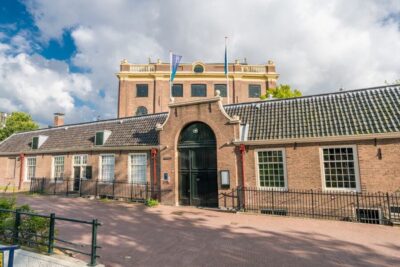
Amsterdam Anne Frank: Small-Group Walking Tour & Local Guide
Read our review →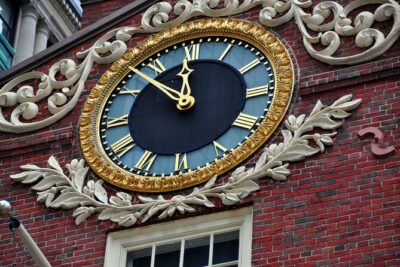
Freedom Trail History Small Group Walking Tour
Read our review →
Barcelona Tapas and Wine Experience Small-Group Walking Tour
Read our review →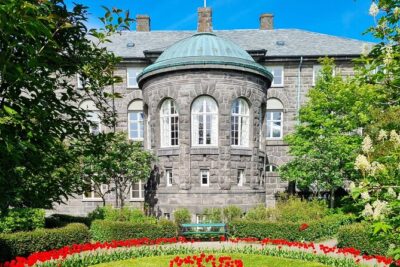
Reykjavík Small group Walking Tour – by CityWalk
Read our review →

Hidden Alleyways and Historic Sites Small-Group Walking Tour
Read our review →
Old Montreal Small-Group Walking Tour | Max 10 | by MTL Detours
Read our review →Browse the lists this tour appears in