
REVIEW · ITALY
Alghero: Historic Center Walking Tour with A Local Guide
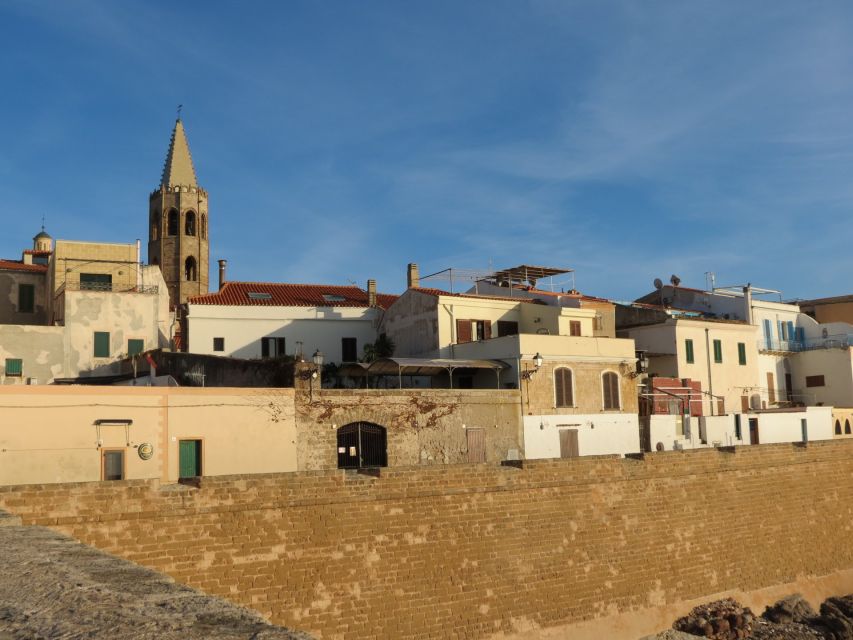
Alghero’s old town makes the most sense from its fortified sea walls, where towers, gates, and narrow lanes show how this Sardinian port was built and defended. This 1.5-hour walk with local guide Antonio gives you that useful framework before you wander off on your own.
I like the relaxed pace and the clear focus on Alghero itself. I also like the mix of Catalan and Sardinian culture, which gives the town a character you will not get from simply strolling past the churches and stone buildings. The main consideration is time: the route gives more attention to the outer walls, towers, and waterfront than to the old town’s interior streets.
Key points to know
- Start at Hotel Catalunya: The meeting point is in front of the hotel, near the entrance to the old fortified town.
- Enter through Porta Terra: This historic gateway sets up the story of Alghero’s defenses and its links to Barcelona.
- Follow the Aragonese towers and walls: You will see the defensive structure from close range and walk beside the sea.
- Antonio leads in English or Italian: He is praised for a friendly manner, clear explanations, patience, and useful local advice.
- A gentle 1.5-hour introduction: The pace suits hot weather and families, though the route does not cover every corner of the old center.
- Bring sensible basics: Wear comfortable shoes and seasonal clothing, and carry water, a camera, and some cash.
Why Alghero’s walls are the right place to begin
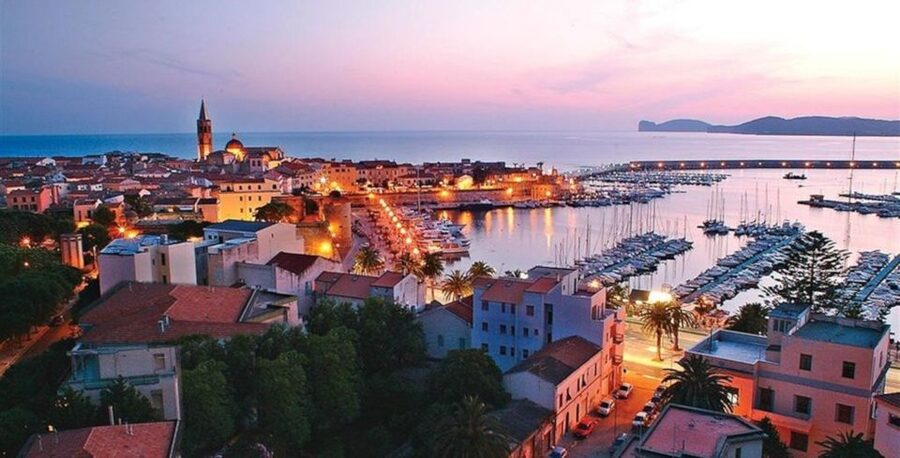
Alghero is not just an attractive old town with good waterfront views. Its walls explain why the city looks the way it does. The fortified center, sea-facing defenses, towers, gates, and tight lanes all grew from the need to protect this port.
That is why I like starting at the edge rather than plunging straight into the prettiest lanes. When you first see the walls and towers as parts of one defensive system, the old center becomes easier to read. You begin to understand why some streets are narrow, why the city turns toward the sea, and why the entrances mattered.
The tour begins in front of Hotel Catalunya, then moves toward Porta Terra, the land entrance to the old fortified city. This is a practical starting point because you can find the meeting place without entering the maze of old streets first. It also gives your guide a natural point from which to explain Alghero’s past.
You are not signing up for a long academic lecture. The tone is friendly and conversational, with plenty of room for questions. Antonio is particularly well regarded for making the story easy to follow, including for families and teenagers. That matters in a short tour. You want useful context, not a flood of dates that vanish before the next corner.
More History Walking Tours in Italy:
- Rome: Colosseum Arena, Roman Forum & Palatine Hill Tour
★ 4.5 · 1,874 reviews - Florence: Renaissance and Medici Tales Guided Walking Tour
★ 4.8 · 1,549 reviews - Palermo: Street Food and History Walking Tour
★ 4.9 · 1,486 reviews
Porta Terra and the story of entering Alghero
Porta Terra is more than a place to pass through. It marks the transition between modern Alghero and the enclosed historic center, so it gives the walk a clear beginning.
Here, you can expect an explanation of the land gate and the way people entered the walled city. The route also addresses the sea gate, an important part of understanding how Alghero faced both inland movement and maritime trade.
The exact amount of time spent at each point can vary, especially if the group asks questions. That is a strength when you want a personal introduction, though it also means the tour is not a tightly scripted march from one monument to the next.
Antonio’s approach seems especially useful for first-time visitors. Several people who took the walk early in their stay used it as a way to get their bearings and then returned to places that caught their eye. I would schedule it near the start of your time in Alghero if you want ideas for the rest of your visit.
Aragonese towers and the defensive walls
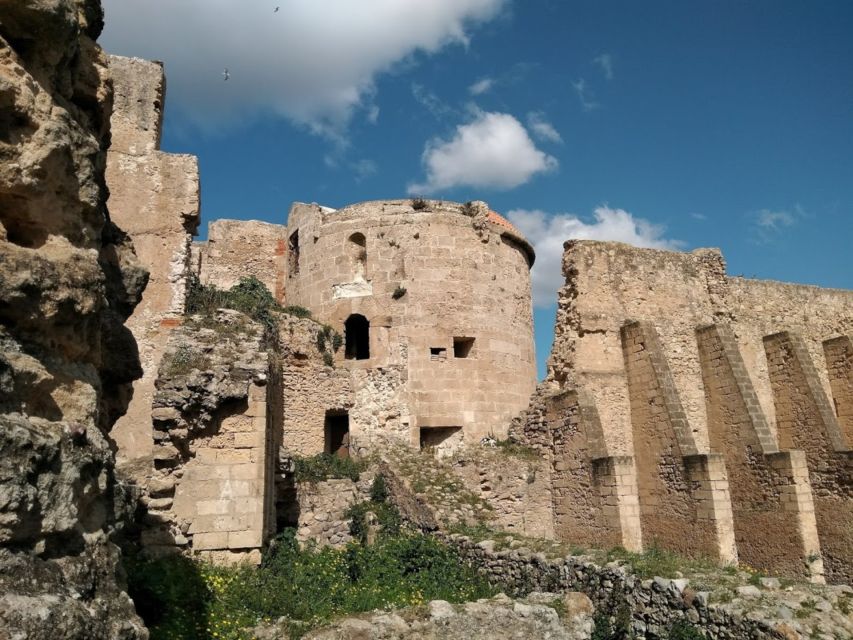
The core of the route follows Alghero’s Aragonese towers and old defensive walls. This is where the city’s military character comes through most clearly.
The towers are not just isolated photo stops. Seen along the walls, they help you understand how the city was watched and defended. Your guide can point out how the fortifications relate to the old center and the sea, giving you a much better sense of the city than a map alone.
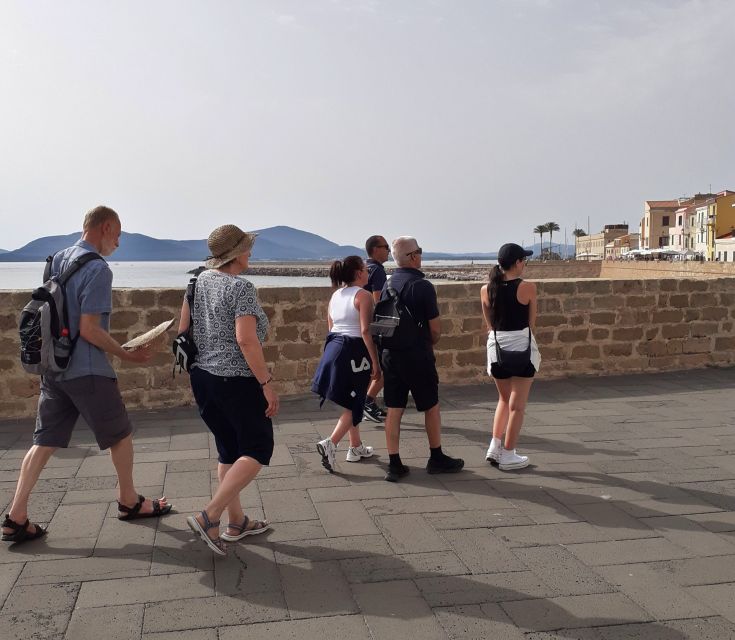
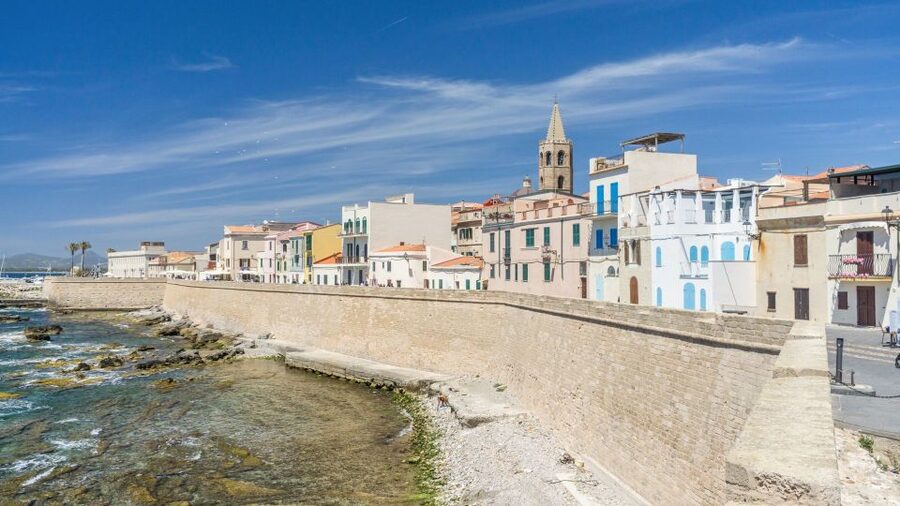
The walk along the walls also brings the open air into the experience. You move between enclosed lanes and broad views beside the water, which keeps the tour from feeling like a series of interior history lessons. Bring a camera if you enjoy architectural details, stonework, towers, and sea views.
The route can be especially pleasant in hot weather because the pace is unhurried. One account of the walk specifically praised the slower rhythm in high temperatures. Still, you should wear comfortable shoes and bring water. Cobblestones and uneven historic paving are a poor match for flimsy footwear, even on a short walk.
The walls are likely to be the strongest part of the tour if you enjoy military history, city planning, and old ports. If your main interest is church interiors or the small details of domestic architecture, you may wish for more time inside the old center.
Catalan culture in a Sardinian setting
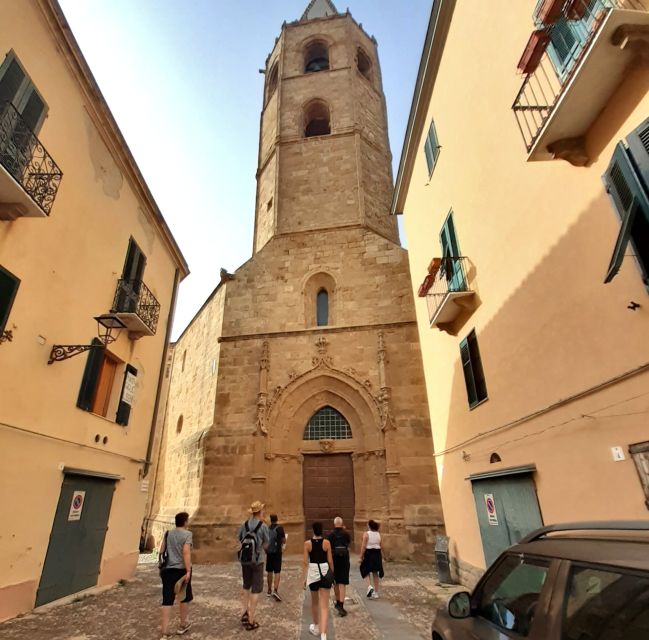
Alghero has a strong connection with Catalan culture, and the tour uses that connection to give the city a distinctive identity. You will hear about Barcelona-related influences as you move through the old streets, gates, and historic buildings.
This is one of the most useful parts of the experience because Alghero can otherwise seem like a postcard version of a Mediterranean town. The Catalan thread helps explain why the city feels different from other places in Sardinia. It adds a second layer to the stone walls and sea views.
The guide also places Alghero within the wider story of Sardinia. That broader context is helpful if you are visiting the island for the first time and want to understand how local history fits into the town you see today.
I would not expect a specialist lecture on every stage of Catalan rule or a detailed study of Barcelona. The emphasis is on memorable facts and visible places. You hear enough to notice the cultural marks around you, then you can explore further if the subject catches your interest.
More Guided Tours in Italy:
- Milan: Guided Walking Tour & Last Supper Visit with Ticket
★ 4.7 · 5,409 reviews - Naples: Street Food Walking Tour with Local Guide
★ 4.9 · 4,976 reviews - Florence: Highlights Walking Tour with Expert Guide
★ 4.6 · 4,662 reviews - Rome: Guided Food Walking Tour with Wine in Trastevere
★ 4.9 · 3,105 reviews
Churches, squares, and the old center’s interior
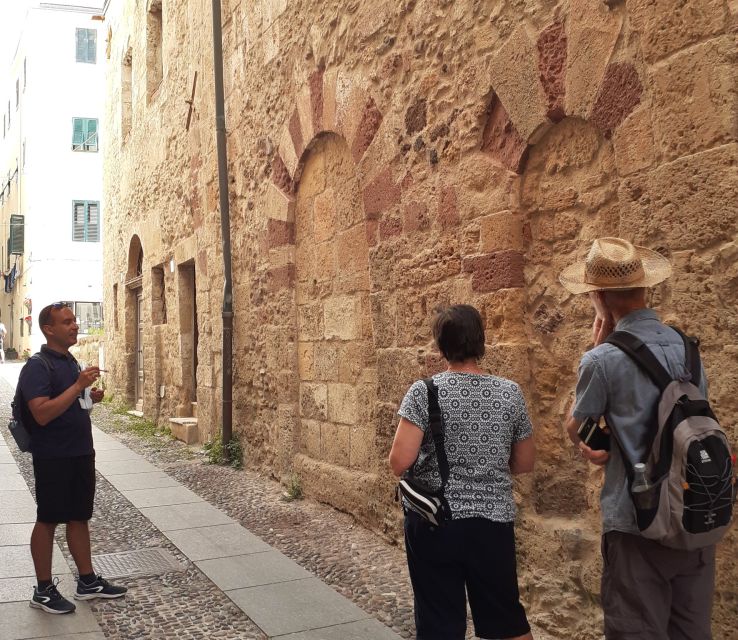
After the defensive route, the walk includes historic buildings, churches, and squares in the old center. These stops give you a look beyond the military shell of the city.
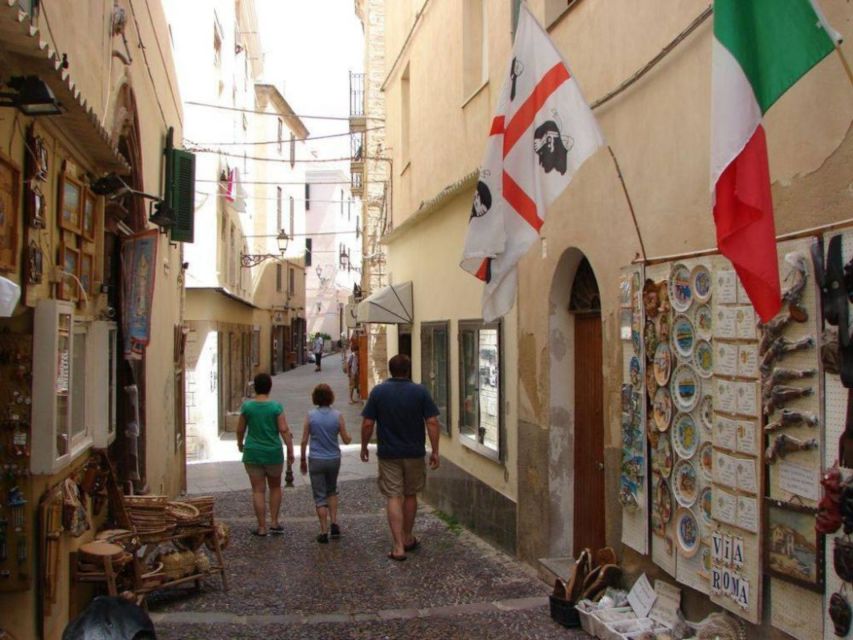
The interior streets are where you see Alghero as a living town rather than only as a fortress. Narrow lanes, old façades, small squares, and religious buildings create the everyday setting that the walls alone cannot provide.
This section is also where the time limit matters most. A 1.5-hour tour can introduce the interior, but it cannot give every lane and building the same attention. The route’s strongest emphasis remains on the outer bastions and towers, so you should not book it expecting a complete architectural survey of every street.
That is not a serious flaw if you treat the walk as an introduction. I would use the guide to mark places for a second look, then return later when you can move slowly and stop for photographs, food, or a closer look at a church or square.
One useful habit is to note the names of any buildings or streets that interest you. Antonio is happy to answer questions, and the tour’s friendly format leaves room for that exchange. You will get more from the walk if you ask about the places you are seeing instead of waiting for a nonstop speech.
Antonio’s guiding style and language options
The guide is a major part of this experience. Antonio is repeatedly described as friendly, patient, entertaining, and clear. He explains the story in a way that works for people who may not know much about Alghero or Sardinia before arriving.
His English is strong, and the tour is offered in English or Italian. One booking involved switching between the two languages, which suggests some flexibility when a group includes people with different language needs. You should still confirm your preferred language when booking.
The most praised quality is not theatrical performance. It is the balance between facts and conversation. Antonio answers questions, keeps the walk moving, and adjusts the pace to the conditions. That helps in a small group, where you can ask about a tower, a gate, a church, or a local custom without holding up a large crowd.
The tour is confirmed with at least two participants. The supplied details do not give a maximum group size, so do not assume you are guaranteed a private walk. The small-group design is intended to create a friendly atmosphere, but the final size may depend on bookings.
How much the $35 price is worth
At $35 per person, this is a reasonable buy if you want a short orientation with a local guide rather than a full-day history tour.
The value comes from the way the pieces fit together. You receive a guided route through the fortified center, explanations of the gates and towers, background on Alghero and Sardinia, and a look at the town’s Catalan influence. You also get the chance to ask questions and request local suggestions.
The price does not include food or drinks, and there is no hotel pickup or drop-off. That keeps the experience simple. You meet at Hotel Catalunya, walk through the old center, and arrange your own way back afterward.
I would compare this price with the cost of spending the same 90 minutes wandering without context. You can certainly see the walls and towers on your own. What you cannot easily recreate is the connection between the land gate, sea gate, defensive line, cultural influences, and historic buildings in one steady route.
For a visitor who enjoys independent exploring, the tour can work as a paid introduction rather than a complete sightseeing package. For someone who wants a long, detailed account of every monument, it may feel brief for the money.
Who will enjoy this walk most
This tour suits first-time visitors who want to understand Alghero quickly. It also works well for couples, families with older children, and anyone who prefers a gentle walk to a packed schedule.
Teenagers can enjoy it because the route is outdoors, varied, and not built around long periods inside museums. The combination of towers, gates, sea walls, and narrow streets gives the walk more movement than a standard lecture.
It is also a good choice if you are visiting in warm weather. The pace is easy, and the guide can adapt to the conditions. You still need water, light seasonal clothing, and shoes with a reliable grip.
Pet owners should note that dogs are allowed. A dog must have a muzzle and leash, while a small dog needs a leash. That makes the tour more flexible for people who are not leaving their pet behind, though you should consider the heat and cobblestones before bringing one.
I would skip this walk if you want a food-focused tour, a long museum visit, or a detailed study of church art. Food and drinks are not part of the experience, and the route is centered on history, architecture, defenses, and city culture.
Practical advice for getting more from the 90 minutes
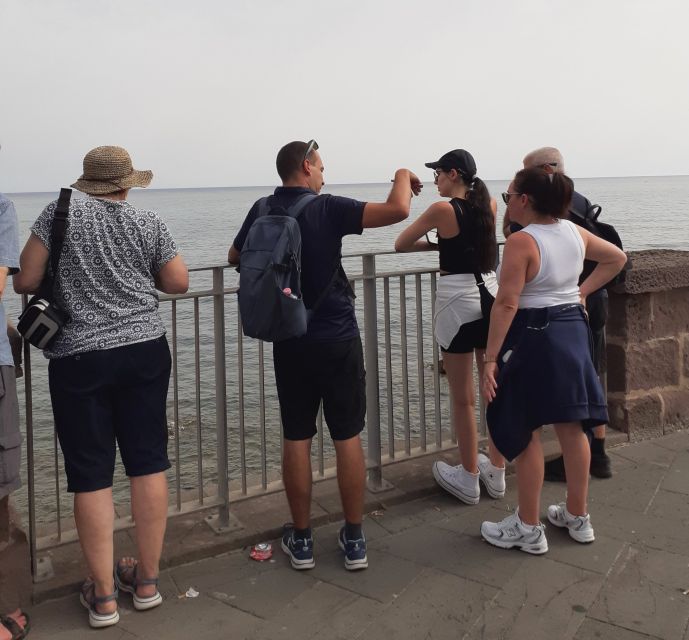
Arrive ready to walk rather than treating this as a quick photo stop. Comfortable shoes are important, and water is worth carrying even though the walk is short.
Bring a camera, but do not spend the whole route looking through a screen. The towers and walls are easy to photograph later. Pay attention when the guide connects the view in front of you with the way Alghero developed.
Some cash is also recommended. The tour does not include refreshments, and carrying a little money gives you flexibility after the walk. You can decide for yourself where to stop once Antonio has helped you understand the old center.
If you are visiting with children, explain that the tour includes walking through historic streets rather than a hands-on activity. The relaxed pace and open-air route help, but the experience still depends on listening.
Book with cancellation flexibility if your schedule is uncertain. You can cancel up to 24 hours in advance for a full refund, and the reserve-now, pay-later option lets you hold a place without paying immediately. Check the available start times because they can vary.
The main limitation: a short route in a layered old town
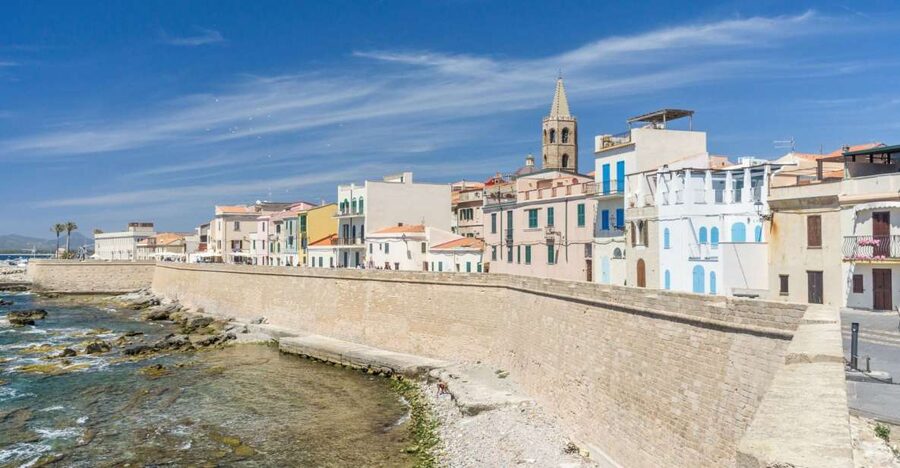
The strongest caution is simple: Alghero has more to see than this tour can cover in 90 minutes.
The route gives the walls, towers, gates, and waterfront a large share of the attention. That makes sense because these features tell the clearest story, but it leaves less time for the old town’s interior streets and buildings.
If you want more of that side, plan to return after the tour. Use the guided walk to understand the layout, then spend another hour or two exploring at your own pace. You will likely notice details you missed while listening, especially in the lanes and squares.
I see the short length as both a strength and a limit. It is easy to fit into a travel day, and it will not exhaust you. But if you want a single tour to explain every important corner of Alghero, you will need something longer.
Should you book the Alghero historic center walk?
Book it if you want a friendly first look at Alghero with a local guide who can explain the walls, towers, gates, Catalan links, churches, and old streets in plain language. Antonio’s calm pace and willingness to answer questions make it especially useful near the beginning of your visit.
The $35 cost is fair for a focused introduction, not for a full survey of the city. You will get the most from it if you treat the walk as a map for further exploring, especially because the interior streets deserve extra time after the guided route ends.
If your priority is authentic orientation, local conversation, and a manageable walk beside Alghero’s historic defenses, I would book it. If you want food, hotel transport, or a longer architectural tour, choose a different experience or plan additional independent time.
FAQ
Where does the Alghero walking tour meet?
The meeting point is in front of Hotel Catalunya.
How long does the tour last?
The walking tour lasts 1.5 hours.
Which languages are available?
The tour is available in English and Italian.
What does the route include?
The route enters the old fortified city through Porta Terra, follows the Aragonese towers and defensive walls, and includes historic buildings, churches, and squares.
Is food or drink included?
No. Food and drinks are not included.
Are dogs allowed on the tour?
Yes. Dogs are allowed with a muzzle and leash. Small dogs need a leash.
Just added around Italy
- Ferrara: City Highlights Walking Tour with Local Guide★ 4.6 · 219 reviews
- Verona: Romeo and Juliet Guided Walking Tour★ 4.6 · 82 reviews
- Discover Pompeii: French Walking Tour of the Buried City★ 4.8 · 253 reviews
- Naples: Maradona Stadium Guided Exterior Walking Tour★ 4.3 · 113 reviews
- Dark Heart of Rome – Facts, Legend & Mystery Walking Tour★ 4.5 · 329 reviews
- Cefalù: History and Legends Guided Walking Tour★ 4.8 · 132 reviews
- Catania: Street Food Guided Walking Tour★ 4.9 · 326 reviews
- Catania: Guided Street Food Walking Tour★ 4.7 · 300 reviews
History Walking Tours, compared.



Berlin’s Best: 2 Hour Walking Tour Third Reich and the Cold War
Read our review →
Third Reich Berlin: Hitler and WWII Walking Tour
Read our review →
New Orleans Garden District History Walking Tour
Read our review →
Cartagena: Historic Center and Getsemaní Shared Walking Tour
Read our review →
Imperial Palace and Shogun Historical Walking Tour
Read our review →Browse the lists this tour appears in