
REVIEW · ITALY
Genoa Food, Wine Tasting & History Walking Tour
Genoa reveals itself best one bite and one narrow alley at a time. This two-hour food and history walk begins at the house linked with Christopher Columbus and threads through churches, palaces, old lanes, and local food stops before ending on Via Garibaldi. Lorenzo is often the guide, and his love for his hometown gives the tour a personal feel.
I like the small maximum group of 15, which makes it easier to ask questions and keep pace in Genoa’s tight streets. I also like the menu: focaccia, farinata, pesto, panera, fried fish, and two Ligurian wines give you a useful first taste of the region. The main consideration is that this is a street-food walk, not a seated restaurant meal, and Genoa’s hills mean some up-and-down walking.
Key points to know before you book
- Start at Christopher Columbus’s house: The route begins in the historic center and ends near Via Garibaldi.
- Five local specialties: Expect focaccia, farinata, pesto, panera, and fried fish, with substitutions discussed for dietary needs.
- Two Ligurian wines: The tasting introduces local labels rather than offering a formal wine course.
- History between bites: Palazzo Ducale, San Lorenzo Cathedral, Palazzo San Giorgio, churches, and noble palaces are part of the walk.
- Street-food format: Most tastings are eaten along the route, with no promise of a private table at each stop.
- Plan for hills: Comfortable shoes, water, and a little flexibility matter, especially in hot weather.
A two-hour introduction to Genoa by foot and fork
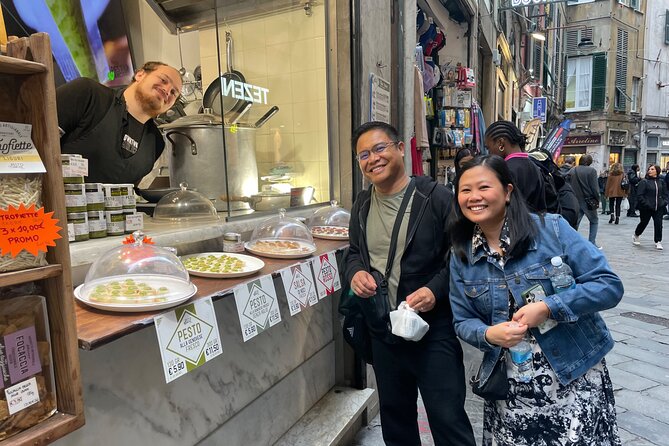
At about $71.38 per person, this tour sits in the middle range for a private-feeling food walk in an Italian city. You are paying for more than the food itself. The price covers a local guide, several tastings, two wines, and a compact introduction to central Genoa’s art and architecture.
I consider it good value if you want to combine orientation with lunch-sized sampling. It is less convincing if your priority is a long, seated meal with generous portions or detailed wine instruction. One person left feeling the portions were too limited for the price, while another found the amount of food substantial enough to finish quite full. That difference comes down to expectations and appetite.
The tour lasts about two hours, so it works well on your first day in Genoa. You get a sense of the city’s layout, learn which foods to seek out later, and still have most of the day left for the harbor, museums, or a longer meal.
The group limit of 15 helps. Genoa’s old center has narrow passages and busy corners where a large group would become awkward. A smaller group also gives you a better chance to ask about ingredients, buildings, family traditions, and places to eat after the tour.
More History Walking Tours in Italy:
- Rome: Colosseum Arena, Roman Forum & Palatine Hill Tour
★ 4.5 · 1,874 reviews - Florence: Renaissance and Medici Tales Guided Walking Tour
★ 4.8 · 1,549 reviews - Palermo: Street Food and History Walking Tour
★ 4.9 · 1,486 reviews
Starting at Christopher Columbus’s house
The meeting point is Casa di Cristoforo Colombo, at Vico Dritto di Ponticello 37. The house is one of Genoa’s most recognizable historic markers, though the Columbus connection is presented with the usual historical caution. Here, the point is less about a grand museum visit and more about placing you in the old city at once.
Starting here is practical. You are already among Genoa’s lanes and close to several major sights. The guide can establish the city’s maritime past before leading you toward its civic and religious center.
This is also a good moment to tell the guide about food restrictions. The menu can be adapted for vegan and vegetarian diets, and the operator contacts you after booking about special dietary needs. If you do not eat seafood or fried food, say so clearly before the tour. Fried fish is part of the proposed menu, and one person specifically wished it had been replaced with pizza. The food list can change according to your needs, but you should not assume every advertised item will suit you.
Focaccia, farinata, and the everyday taste of Liguria
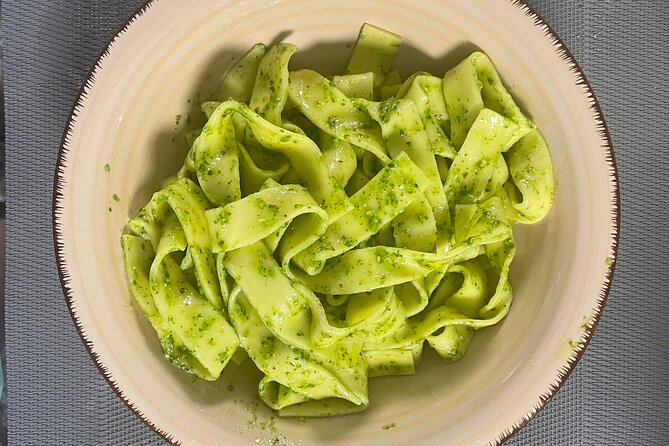
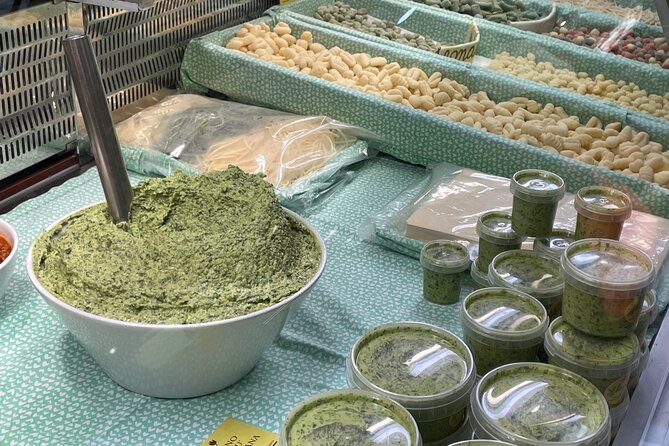
Focaccia is the natural opening act for a Genoese food walk. It is simple, portable, and closely tied to the city’s everyday eating habits. You may also encounter cheese focaccia with pesto, one of the combinations described during the experience.
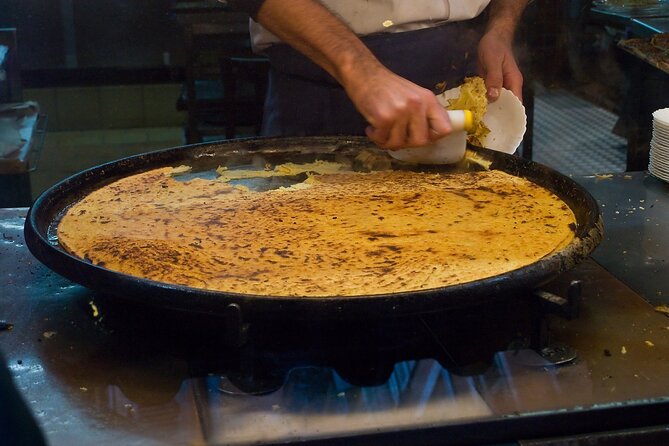
Farinata is another essential Ligurian bite. Made from chickpea flour, it is dense, savory, and quite different from the bread-based foods many people expect in Italy. It gives you a quick sense of how local cooking makes a satisfying snack from a few basic ingredients.
The format matters here. You are likely eating as you walk or standing near a food stop rather than sitting through a series of restaurant courses. That makes the tour feel more like a local food stroll, but it also means the guide may need to keep the group moving and the tastings may be smaller than a full meal.
Several people appreciated the way the food stops were paired with stories about Genoa. Still, if you want a lesson on the history and regional influences behind each recipe, keep your expectations modest. The guide explains the city and the foods, but the tour is not designed as a specialist culinary seminar.
Palazzo Ducale and the city’s seat of power
Palazzo Ducale is one of Genoa’s central landmarks and a strong stop for understanding the city’s political past. The palace served as a seat of power when Genoa was a major maritime republic, and its scale gives the walking route a welcome change from the tight lanes.
You should expect to admire the exterior and hear about the building’s role in Genoese government. This is not an admission-based palace tour, so you will not spend the afternoon exploring exhibition rooms or climbing through every wing.
That limitation is useful if you have only a short time in Genoa. The guide gives you context without taking a large block of time from your day. If Palazzo Ducale is a major reason for your visit, book a separate visit for the interior and use this walk as an introduction.
A few more walking tours around Italy worth a look
- Venice: Doge’s Palace and St Mark’s Basilica Walking Tour
★ 4.4 · 6,291 reviews - Milan: Guided Walking Tour & Last Supper Visit with Ticket
★ 4.7 · 5,409 reviews - Naples: Street Food Walking Tour with Local Guide
★ 4.9 · 4,976 reviews - Florence: Highlights Walking Tour with Expert Guide
★ 4.6 · 4,662 reviews
San Lorenzo Cathedral and Genoa’s religious center
The Cathedral of San Lorenzo is one of the most important churches in Genoa. Its striped stone facade and imposing position make it hard to miss, but the best part of including it in a walking tour is hearing how it fits into the city around it.
The route may take you inside churches along the way. One person with an older family member found the guide accommodating, but Genoa’s uneven streets and slopes still deserve attention. Accessibility can vary from one lane or church entrance to another, so discuss mobility concerns before booking.
San Lorenzo also helps balance the food stops. You are not simply moving from snack to snack. The walk connects cooking, faith, government, trade, and family wealth in a compact section of the old city.
Palazzo San Giorgio and Genoa’s maritime story
Palazzo San Giorgio is known for its grand facade and painted decoration. The building’s location near the port makes it especially useful for explaining Genoa’s connection to shipping, commerce, and the wider Mediterranean.
The stop is largely about seeing and interpreting the exterior. You should not expect a long museum visit, but the palace gives the guide another strong place to explain how Genoa gained influence and money.
This part of the route is also a reminder that Genoese food developed in a port city. Ingredients, cooking habits, and ideas arrived by sea. The tour does not promise a detailed academic discussion of those influences, but the setting gives the food context that a restaurant tasting alone would miss.
Noble palaces and lanes you might miss alone
The final stretch toward Via Garibaldi passes through palaces once connected with Genoa’s wealthy families. The city is full of grand facades set behind modest-looking entrances, and a local guide can point out details you might walk past without noticing.
The guide may also show you smaller churches, private chapels, old shops, and tucked-away architectural details. One of the strongest parts of the experience is this sense of being led through places that are easy to miss when you follow only the main sights.
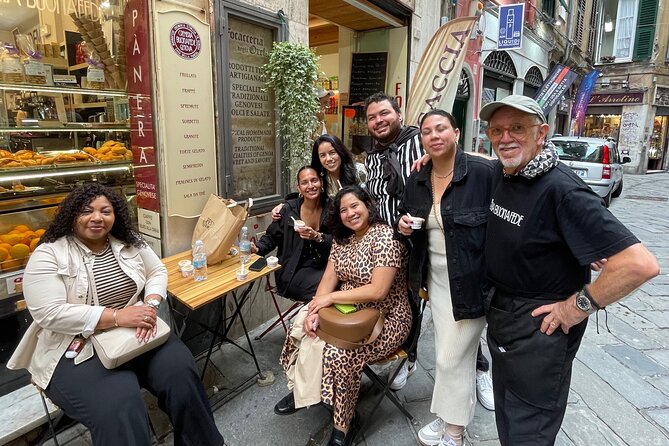
Lorenzo receives especially strong praise for this part of the walk. His approach is personal and informal. He is described as greeting people along the route and knowing the local businesses, which can make the city feel less like a collection of monuments and more like a living neighborhood.
The destination on Via Garibaldi is fitting. This street is associated with Genoa’s famous palaces and gives the tour a polished finish after the rougher lanes of the old center. You end with a clearer idea of where to return for more sightseeing.
Panera, fried fish, and the full tasting menu
Panera is Genoa’s coffee-flavored semifreddo or gelato-style dessert, and it gives the tasting a sweet finish. It is less familiar to many visitors than standard Italian gelato, so this is one of the more useful specialties to seek out.
Fried fish adds a distinctly coastal note. It tasted good to one person but caused stomach trouble the following day, and another person avoided it because fried food was not suitable. If you have a sensitive stomach, do not arrive expecting every item to be essential. Tell the guide what you can eat, and plan a light breakfast rather than arriving overly hungry.
The proposed five foods are:
- Focaccia
- Farinata
- Pesto
- Panera
- Fried fish
Actual tastings can vary with dietary requirements and local availability. Some food stops have also included cookies, cheese focaccia, and other local products. You may eat more than the formal list suggests, but you should think of the experience as a series of samples rather than five full courses.
Two Ligurian wines, with expectations set correctly
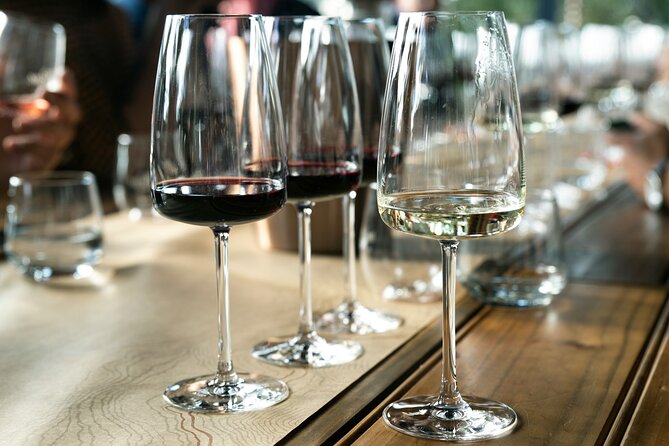
The wine portion includes two of the best Ligurian wines selected for the experience. It is a pleasant way to finish the food stops, especially if you want to try regional wine that may not be familiar outside Liguria.
Do not book this for a sommelier lesson. The focus is on tasting local labels, often from small family producers, rather than examining vineyard methods, winemaking, or regional classifications in detail. One critical account found the wines unremarkable and wanted more explanation. Other people simply enjoyed having a white and a red with the local food.
That contrast tells you how to judge the wine portion. If you want a relaxed introduction, it adds value. If you are a serious wine enthusiast seeking technical detail, make a separate appointment at a wine bar or shop.
The tasting may take place at a small wine and food shop rather than a seated restaurant. This keeps the route informal but means you may not linger as long as you would during a dedicated wine tasting.
Walking pace, heat, and practical comfort
Genoa is not flat. The route includes uphill and downhill sections, and the old center has uneven pavement, steps, and narrow passages. Most people can take part, but comfortable shoes are a smart choice.
Weather affects the experience. The tour requires good weather, and heat or humidity can make fried food and walking feel heavier. Bring water, wear light clothing in summer, and avoid scheduling this immediately after another long walking tour if you want a relaxed pace.
One person who had already taken a rickshaw tour asked for a slower food walk but felt the route still included a long history walk and then rushed the tasting. That is useful advice. Tell the guide at the start if you need frequent rests or want to focus more on food than sightseeing.
The tour is family-friendly and pet-friendly, and service animals are allowed. Children can enjoy the snack format, though parents should consider the walking and the possibility that some foods will not appeal to younger palates.
Who gets the most from this Genoa walk
I would recommend this experience to you if you:
- Have only a few hours in Genoa
- Want food and sightseeing in one booking
- Prefer local snacks to a formal restaurant meal
- Enjoy walking through older neighborhoods
- Want a friendly guide who can answer questions
- Need vegetarian or vegan arrangements
- Like finding small churches, palaces, and shops beyond the standard route
I would look elsewhere if you want a long lunch, fixed portions, formal wine education, or a route with very little uphill walking. Seafood fans should be pleased, but people who avoid fried food should arrange substitutions in advance.
The guide can speak English, Spanish, or Italian. English is offered for this booking, and the guide’s ability to answer questions clearly is one of the experience’s most important features. Lorenzo is often mentioned by name, though another guide, possibly Franco, has also led the walk.
Should you book the Genoa Food, Wine Tasting and History Walking Tour?
Book it if you want a compact, friendly introduction to Genoa that combines food with the city’s churches and palaces. The 4.9 rating from 212 ratings and 97 percent recommendation rate match the experience’s strongest qualities: an engaging local guide, good food variety, and access to corners you might miss alone.
Go in knowing what you are buying. This is a street-food walk with history, not a seated tasting menu or a serious wine class. At about $71.38, the value is strongest when you count the guide, the two wines, the food samples, and the useful orientation to Genoa. Tell the operator about dietary or mobility needs before you arrive, wear good shoes, and leave room for the tour to shape what you eat.
FAQ
Where does the tour start?
The tour starts at Casa di Cristoforo Colombo, Vico Dritto di Ponticello 37, 16121 Genoa.
Where does the tour end?
The tour ends on Via Garibaldi in Genoa.
How long does the experience last?
The tour lasts approximately two hours.
What foods are included?
The proposed tasting includes focaccia, farinata, pesto, panera, and fried fish. The menu can be adjusted according to dietary needs.
Are vegetarian and vegan options available?
Yes. Vegetarian and vegan options are available, and special dietary requirements can be discussed after booking.
Is the tour suitable for people with limited mobility?
Most people can participate, but Genoa has hills and the walk includes some up-and-down sections. Contact the operator before booking to discuss your needs.
Just added around Italy
- Genoa Walking Tour: Explore Top Sights & Hidden Gems★ 4.0 · 138 reviews
- Taste Genoa: A Full Meal Walking Food Tour by Do Eat Better★ 5.0 · 509 reviews
- Genoa Walking Tour: Discover Hidden Treasures and Street Food★ 5.0 · 80 reviews
- Tasty Florence Street Food with Guided Walking of the City★ 5.0 · 174 reviews
- Medici Legends & Renaissance Wonders: Florence Small Group Tour★ 5.0 · 205 reviews
- Florence Private Walking tour with Skip-the-line to Accademia★ 4.5 · 236 reviews
- Florence: Whispers of the Renaissance walking tour★ 4.5 · 78 reviews
- Florence Food Tour of 10+ Authentic Tastings with Cheeses & Wines★ 5.0 · 155 reviews
History Walking Tours, compared.


Berlin’s Best: 2 Hour Walking Tour Third Reich and the Cold War
Read our review →
Third Reich Berlin: Hitler and WWII Walking Tour
Read our review →
New Orleans Garden District History Walking Tour
Read our review →
Cartagena: Historic Center and Getsemaní Shared Walking Tour
Read our review →
Imperial Palace and Shogun Historical Walking Tour
Read our review →Browse the lists this tour appears in