
REVIEW · TOKYO
Tokyo Castle & Imperial PalaceーShogun Walking Tour
Edo Castle was once so large that modern Tokyo still contains its walls, moats, gates, and stone foundations. This two-hour walking tour helps you read those remains, turning a pleasant park stroll into a story about samurai power, shoguns, emperors, and the making of Tokyo.
I like the small group of up to 10 people, which gives you room to ask questions and hear the guide clearly. I also like the balance of history and scenery: one moment you are studying a defensive gate, and the next you are looking at koi, seasonal gardens, or an old stone wall.
The main consideration is that much of the visit is outdoors, and the price pays mainly for interpretation rather than a long list of paid attractions. If you only want photographs of the palace, two hours may feel unnecessary. If you want to understand what you are seeing, the guide makes the difference.
Key points to know before you book
- Edo Castle was far larger than the present palace grounds suggest, and the guide explains how its moats, gates, towers, and layered defenses worked.
- The walk connects samurai rule with the modern Imperial Palace, covering the long imperial tradition and the 260-year peaceful Edo period.
- The East Gardens provide the tour’s calmest stretch, with Ninomaru Garden, special koi, varied trees, and surviving castle ruins.
- English is the only tour language, with no Japanese-language support provided.
- Guide quality is central to the experience, with Anju, Fuma, Tomo, Yuka, Kosei, Ai, and others praised for clear explanations, warmth, and a relaxed pace.
- Dress for the weather and wear comfortable shoes, since the route includes outdoor paths, slopes, and a security check.
Why Edo Castle makes a good introduction to Tokyo
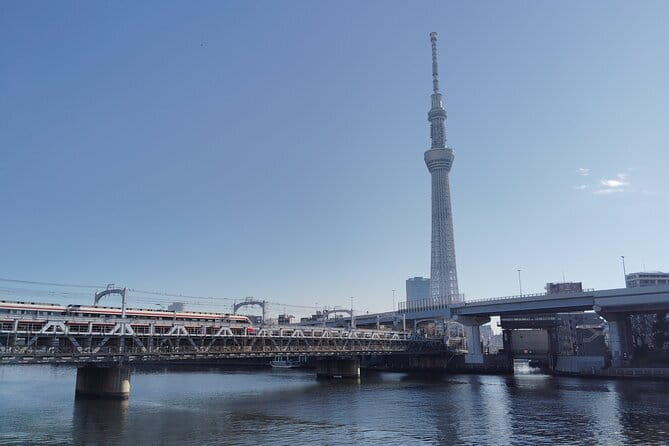
Tokyo can feel modern at street level: trains, towers, department stores, and office blocks. The Imperial Palace grounds offer a useful change of scale. Behind the broad roads and formal stone walls is the former center of shogun power, where Edo Castle controlled access to the city and housed the Tokugawa rulers.
The castle is gone in its original form, but that does not mean there is little to see. The tour shows you how to spot its surviving clues. Moats explain defense. Massive stonework hints at the labor and wealth needed to build the stronghold. Gates reveal how movement was controlled. Foundations help you picture buildings that no longer exist.
I find this kind of guided walk more useful than simply looking at a palace map. Without context, a wall can be just a wall. With an explanation of its purpose, its position begins to make sense.
The tour also links two systems of power that are easy to mix up. The shogun governed the country during the Edo period, while the emperor represented a much older imperial tradition. Your guide explains how these roles changed over time and how the Imperial Palace became the modern continuation of the site.
That connection gives the walk more weight than a simple garden visit. You are not only seeing a pleasant central park. You are following the shift from samurai government to modern imperial Japan.
More Castle and Palace Walks in Tokyo:
- Tokyo: Imperial Palace and Shogun Historical Walking Tour
★ 5.0 · 2,251 reviews - Tokyo: Imperial Palace Japanese History Walking Tour
★ 4.9 · 987 reviews - Tokyo: Imperial Palace and Shogun Walking Tour
★ 4.9 · 935 reviews
Meeting at Wadakura Fountain Park
The meeting point is in front of Starbucks Coffee Kōkyo Gaien Wadakura Fountain Park Store, at 3-1 Kōkyo Gaien, Chiyoda City, Tokyo. Your guide holds a sign reading Local Guide Stars.
Give yourself enough time to find the exact café. The location is practical, but the Imperial Palace area is broad, and a rushed arrival is a poor start to a walking tour. Once the group gathers, the route returns to the same Starbucks at the end.
The group size matters here. With no more than 10 people, the guide can usually keep everyone together without shouting across a crowd. It also makes it easier to pause for questions, photographs, or a closer look at a gate and its stonework.
The tour is conducted in English only. The guides have different personalities and backgrounds, but the strongest pattern in the available feedback is clear speech, patience, and a willingness to answer questions. Guides named Anju, Fuma, Tomo, Yuka, Kosei, Ai, and Kazuki received especially warm praise for combining facts with friendly conversation.
Sakurada Tatsumi Yagura: your first look at castle defenses
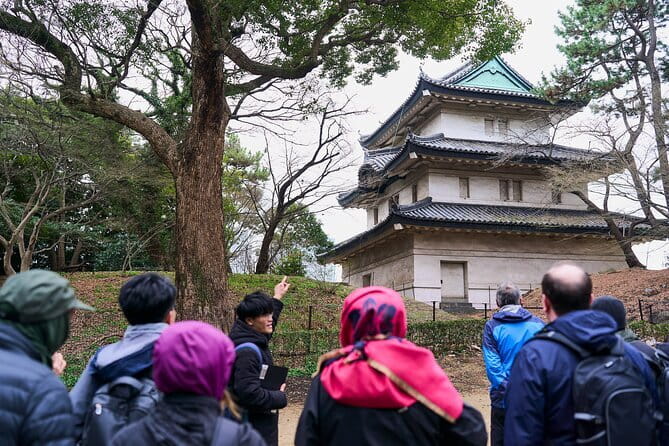
The first stop is Sakurada Tatsumi Yagura, a small fortified turret and a useful introduction to the castle’s defensive design. You spend about five minutes here, mainly for photographs and an explanation of its role.
Do not expect an intact castle interior. The value lies in what remains and in how the guide helps you imagine the larger complex. Edo Castle was once the largest castle in Japan, and this turret is one piece of a much wider defensive system.
A short opening stop also lets you settle into the group’s pace. The guide begins to explain how the castle protected the shogun and controlled movement through the compound. If you have seen television dramas about the Edo period, this is where the military setting starts to feel less theatrical and more physical.
The limited time is sensible. The turret is an important clue, but it is not a full museum visit. You see the structure, hear its basic story, and move on to the parts of the grounds where the castle’s scale becomes easier to understand.
Ote-Mon Gate and the logic of controlled entry
Ote-Mon Gate receives about 15 minutes. This is one of the more useful stops because a gate can show you how a castle operated.
Your guide explains the layered defenses and the way entry was managed. The details help you notice features you might otherwise pass without a thought. The stonework, gate placement, and surrounding spaces were not random decoration. They were part of a system designed to slow, confuse, and control anyone approaching the center of power.
This is also a good place to ask questions about samurai society. The tour is not limited to architecture. It explains the relationship between the shogun and retainers, and how the castle functioned as both a military stronghold and the center of government.
I would pay close attention here if you are visiting after watching a samurai drama. The tour can correct the impression that castle life was only about sword fights. Administration, rank, ceremony, security, and daily control were just as important.
The gate is also one of the better photo stops. You get a sense of scale, but remember that the strongest view depends on weather, season, and how busy the entrance area is.
A few more walking tours around Tokyo worth a look
- Tokyo Tsukiji Fish Market Food and Culture Walking Tour
★ 5.0 · 3,184 reviews - Tokyo: Shinjuku Local Bar and Izakaya Guided Walking Tour
★ 4.9 · 1,794 reviews - Tokyo: Tsukiji Fish Market Food and Walking tour
★ 5.0 · 1,724 reviews - Tokyo: Asakusa Walking Tour with Sensoji Temple Visit
★ 4.8 · 1,583 reviews
Tokyo Imperial Palace: connecting past and present
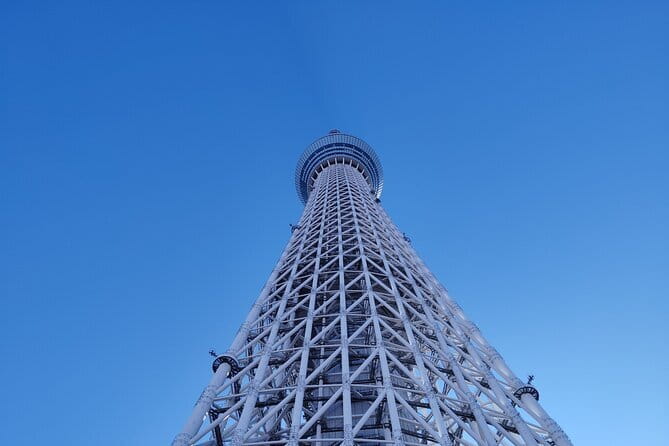
The tour then reaches the Tokyo Imperial Palace for around 20 minutes. This part shifts the focus from the former shogun’s castle to the emperor and the continuing imperial institution.
The supplied description presents Japan’s imperial system as a tradition lasting roughly 2,600 years. Your guide uses the palace grounds to explain how that tradition has survived, changed, and continued into the present day. This is a useful subject because the emperor and the shogun occupied very different positions in Japanese history.
You should not expect a general admission visit inside the private palace residence. The experience centers on the accessible grounds, views, structures, and historical explanation. That distinction matters if you are hoping to see lavish palace rooms.
What you do receive is a clearer sense of how the site functions symbolically. The modern Imperial Palace occupies ground once dominated by the Tokugawa shogunate. The same place can therefore tell two stories: the military rule of the Edo period and the modern role of the imperial family.
Guides such as Anju and Fuma have been praised for explaining this transition in a way that reaches from the Edo period to present-day Japan. That time bridge is one of the tour’s strongest features.
Ninomaru Garden and the quieter side of the grounds
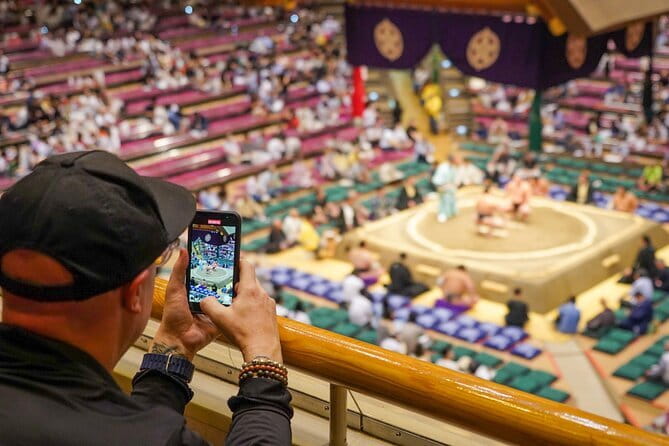
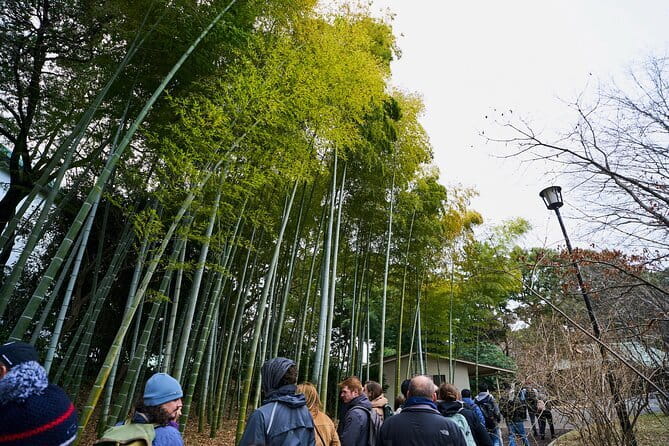
Ninomaru Garden receives about 15 minutes, though the actual pace can vary slightly. This is where the walk becomes less about fortification and more about design, nature, and the daily setting of elite life.
The garden is carefully arranged, with seasonal planting and water features that reward a slower look. You may see special koi and trees representing different parts of Japan. The guide points out details that are easy to miss if you are walking alone, including the way the garden fits into the former castle compound.
I like this change of mood. The earlier stops explain defense and political power. Ninomaru shows that the castle was also a place of formal beauty, controlled movement, and carefully planned surroundings.
This is a good section for photographs, but do not let your camera take over. The guide may be explaining why a particular garden element matters, and the meaning is often more interesting than the picture itself.
The garden can also be the calmest part of the experience. One visitor described the tour as a chance to enjoy a quieter side of Tokyo, and that is a fair way to think about this stretch. You are still in the middle of a huge city, but the sounds and pace feel removed from central Tokyo’s traffic.
Edo Castle ruins and the palace you can no longer see
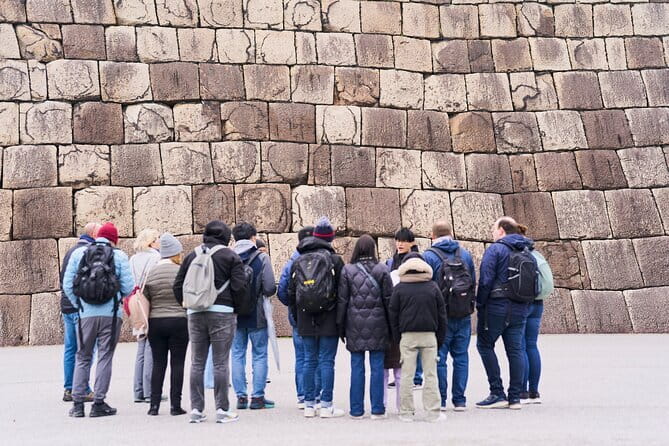
The Edo Castle ruins receive about 10 minutes. This is the point where the guide’s storytelling does much of the work because the original castle buildings are largely gone.
You may see foundations, stonework, and open areas that seem modest compared with the castle’s former importance. The guide explains the scale of the old complex and helps you picture the buildings, walls, and courtyards that once filled the site.
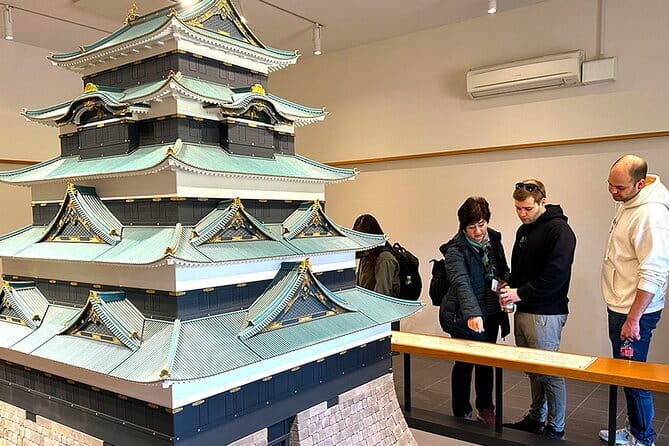
A miniature structure of the former palace is included as part of the experience. That visual aid is valuable. It gives you a more concrete idea of what the former palace looked like than bare foundations alone can provide.
The ruins also make a larger point about Tokyo. The modern city grew around and over the old castle town, but the old center has not vanished completely. Its shape survives in the palace grounds, roads, moats, and stone walls.
If you want a full archaeological tour, this stop will be brief. If you want a clear explanation of what happened to Edo Castle and why its remains matter, the timing works well.
Imperial Palace East Gardens: the final major stop

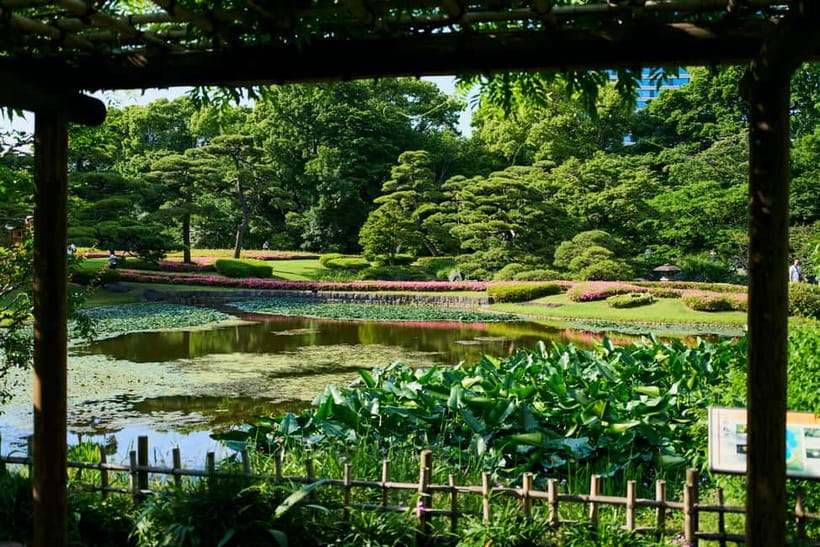
The East Gardens receive about 20 minutes and form the most scenic part of the route. You will have time to walk through open grounds, view garden plantings, see old castle traces, and take photographs.
The garden setting also brings together the tour’s main subjects. The walls and ruins recall the shogun. The planned gardens show the refined side of the castle compound. The palace beyond the grounds connects the site with the emperor and modern Japan.
This is where a good guide earns the tour fee. Guides have pointed out special koi, trees from across Japan, and small details that are easy to overlook. The experience is not only about being led from one location to another. It is about learning how to look at the place.
The gardens are also the part most affected by weather. On a clear day, the open views and seasonal plants can make the final section especially pleasant. In heat, rain, or cold, the same open paths may feel tiring. Dress for the forecast and bring whatever weather protection you normally use.
Wheelchairs are available and can be used within the Imperial Palace grounds, but some slopes and sections require walking or moving down on foot. If mobility is a concern, check your needs before booking and tell the tour provider in advance if possible.
How much value do you get for $23?
At $23 per person, this is an affordable guided experience for central Tokyo. You are paying for two hours of English explanation, local interpretation, and a small group rather than for a major paid attraction with extensive indoor access.
That distinction is important. The Imperial Palace grounds and East Gardens may not feel like a high-ticket attraction on their own, so a self-guided visitor could decide to walk through the area without paying for a guide. One participant also questioned the price because the gardens may not involve a large separate admission charge.
I still see reasonable value if Japanese history is new to you. The tour explains the defense system, the Edo period, the palace’s changing role, the gardens, and the link between samurai rule and the imperial institution. Those connections are difficult to assemble from signs alone.
The small group improves the value. A large group can turn a historical walk into a listening exercise, especially near open courtyards and busy gates. With up to 10 people, you have a better chance of hearing the details and asking about subjects that interest you.
I would skip the tour if you are happy reading on your own and mainly want a free stroll. I would book it if you want the site to make sense, especially if this is your first visit to Tokyo or your first serious look at the Edo period.
What the guides do best
The guide is the main variable in any walking tour, and the available guide team appears to have several strong habits. Anju is repeatedly praised for clear explanations, patience, energy, and stories linking the Edo period with the present. Fuma is praised for warmth, fun facts, and keeping the walk engaging.
Tomo has been described as friendly, interactive, and good at keeping a steady pace. Yuka is noted for clear explanations, answering questions, and taking photographs. Kosei has been praised for his passion, strong speaking skills, and comparisons between Japanese and international culture.
Other guides, including Ai, Kazuki, Koyo, Mai, Nana, Keiko, and Xin Yan, have also been praised for their friendliness and ability to explain details. You may not receive a particular guide, so book for the structure of the experience rather than one named person.
The tone seems best suited to people who like conversation. Several guides use questions, quizzes, anecdotes, and personal enthusiasm rather than delivering a dry lecture. That can make the two hours pass quickly, but it also means the exact feel may depend on the guide leading your departure.
Practical advice for a comfortable walk
Wear shoes suitable for two hours outside. The route includes walking between gates, gardens, ruins, and palace grounds, with some slopes along the way.
Bring protection from the weather. A large portion of the tour is outdoors, and there is no promise of shade or shelter at every stop. Comfortable clothing will matter more than dressing formally.
Expect a security check when entering the Imperial Palace area. Do not bring knives or alcohol. Photography is encouraged, so keep your camera or phone ready, but remain attentive while the guide is explaining a structure.
The tour begins and ends at the Starbucks in Wadakura Fountain Park. The return to the same meeting point makes it easy to continue into central Tokyo afterward, though the experience itself does not include transport between stops.
The cancellation policy allows a full refund when you cancel at least 24 hours ahead. You can also reserve now and pay later, which is useful if your Tokyo schedule is still moving around.
Should you book the Tokyo Castle and Imperial Palace Shogun Walking Tour?
Book this tour if you want the Imperial Palace grounds to tell a coherent story. You will see gates, walls, gardens, ruins, and palace views, but the real benefit is learning how those pieces fit together.
It is especially suitable for history fans, people interested in samurai and shogun culture, first-time Tokyo visitors, and anyone who watched a samurai drama and wants a real-world setting for the Edo period. Families and mixed-interest groups may also appreciate the manageable two-hour length and the mix of photos, gardens, and stories.
Skip it if you prefer complete independence or if you want access to elaborate palace interiors. The route is mainly outdoors, and some of the most important evidence consists of ruins and foundations rather than intact buildings.
For $23, I see this as a sensible way to spend a morning or afternoon in central Tokyo. The gardens are pleasant on their own, but the English guide is what turns the old stones into a readable chapter of Japanese history.
FAQ
How long is the Tokyo Castle and Imperial Palace Shogun Walking Tour?
The tour lasts two hours. It begins and ends at Starbucks Coffee Kōkyo Gaien Wadakura Fountain Park Store.
Where does the tour meet?
Meet in front of Starbucks Coffee Kōkyo Gaien Wadakura Fountain Park Store at 3-1 Kōkyo Gaien, Chiyoda City, Tokyo. The guide carries a Local Guide Stars sign.
Is the tour available in Japanese?
No. The tour is conducted in English only, and Japanese-language support is not available.
How many people are in the group?
The tour is limited to 10 participants, making it a small-group experience.
What should I avoid bringing?
There is a security check at the Imperial Palace. Do not bring knives or alcohol.
Can wheelchair users join the tour?
Wheelchairs are available and can be used within the Imperial Palace grounds. Some slopes and areas require guests to walk or go down on foot, so check whether the route suits your mobility needs before booking.
Just added around Tokyo
- Asakusa: A Big-picture History Walk to Know Japan★ 4.6 · 77 reviews
- Tokyo: Private Walking Tour with a Local Guide★ 4.9 · 469 reviews
- Tokyo: Private Walking Tour with a Local★ 4.4 · 419 reviews
- Tokyo: Private Custom Walking Tour with Local Guide★ 4.8 · 533 reviews
- Tokyo: Shibuya Highlights Walking Tour★ 4.8 · 601 reviews
- Tsukiji Fish Market Small-Group Food Walking Tour★ 5.0 · 621 reviews
- Tokyo Castle & Imperial PalaceーShogun Walking Tour★ 5.0 · 724 reviews
- Tokyo: Dark Side of Tokyo Shinjuku Red Light Walking Tour★ 4.7 · 862 reviews
Castle and Palace Walking Tours, compared.

Edinburgh Castle: Guided Walking Tour with Entry Ticket
Read our review →
Doge’s Palace and St Mark’s Basilica Walking Tour
Read our review →
3-Hour Walking Tour of Old Town & Prague Castle
Read our review →Edinburgh Castle: Guided Walking Tour with Entry Ticket
Read our review →
Edinburgh Castle Guided Walking Tour in English
Read our review →


Walking Tour of Split and Diocletian’s Palace
Read our review →Browse the lists this tour appears in