
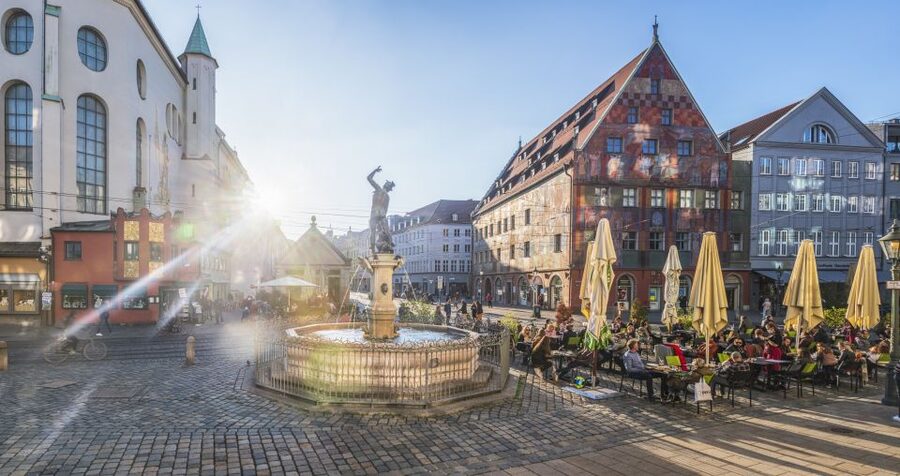
REVIEW · GERMANY
Augsburg’s Water Management System – City Walking Tour
Augsburg’s water system is more than a collection of pretty fountains. It is a working record of how the city used rivers, canals, wells, and water towers for centuries. This two-hour walk links the grand Augustus Fountain with the small Lech canals and the historic waterworks at Rotes Tor.
I like the route for two reasons: you see Augsburg’s best-known central sights while learning what made the city wealthy and livable, and you get away from the main streets in the Lech quarter, where red-roofed houses line narrow canals. The main consideration is the guide’s style. Some tours lean heavily on dates and facts, with fewer stories or technical explanations.
Brigitte Plonner has led the tour with real enthusiasm, even for a very small group. If you prefer history, urban planning, and clear explanations to a fast sightseeing checklist, this is a smart use of two hours. If you want a light stroll filled with anecdotes, the presentation may feel a little formal.
Key points to know before booking
- Augsburg’s water system is the star: See several parts of the UNESCO World Heritage Site rather than one isolated monument.
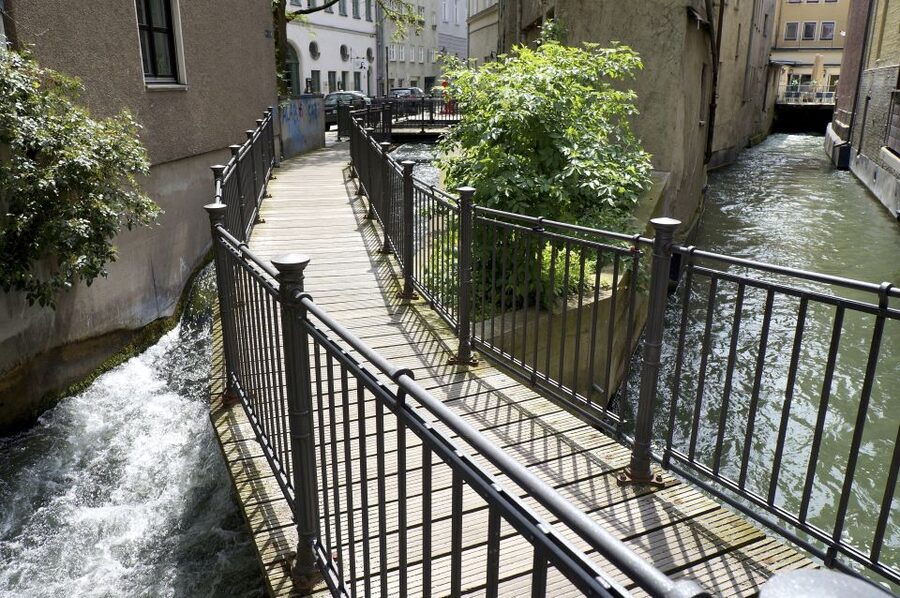
- The Lech quarter adds atmosphere: Small canals, cobblestones, and red-roofed houses give the walk a more local feel.
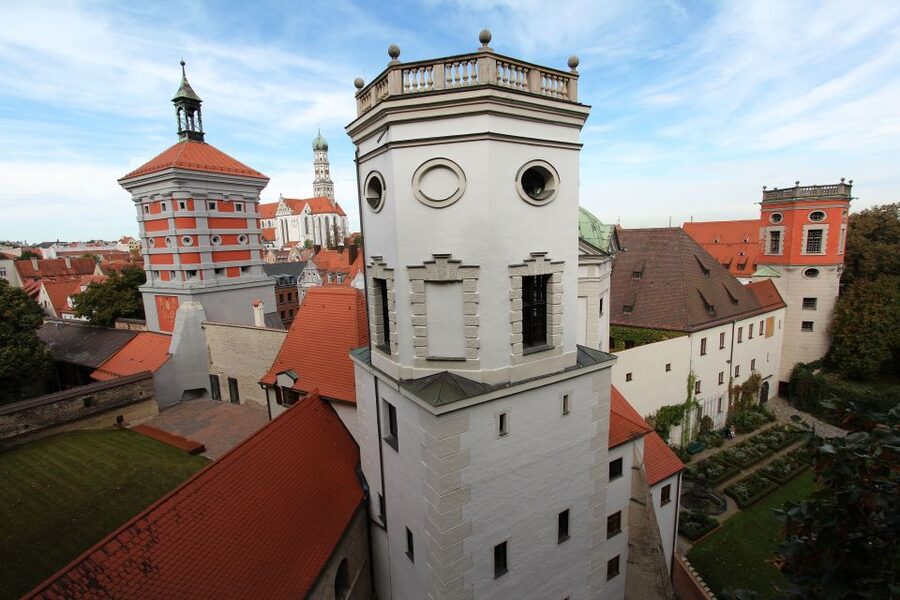
- Rotes Tor holds the biggest historical payoff: The waterworks here are described as the oldest existing waterworks in central Europe.
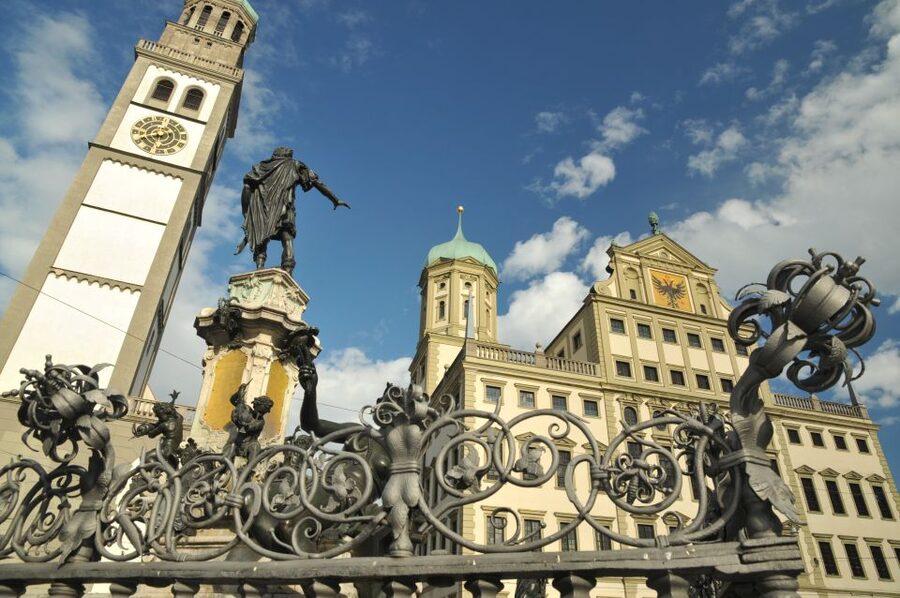
- The route includes famous fountains: Augustus, Merkur, and Herkules fountains provide striking stops in the city center.
- The tour is guide-led, not museum-based: Entry tickets are not included, and the value comes from explanation and access to the city streets.
- Bring your own audio equipment if desired: The free elysium system works through your smartphone, headphones, and an internet connection.
Why Augsburg’s water story makes a good walking tour
Augsburg can look like a handsome Bavarian city of church towers, fountains, and old houses. This walk gives those familiar sights a practical purpose. Water shaped the city’s growth, trade, public health, and civic pride, and the tour connects those subjects as you move through the center.
The UNESCO designation covers 22 elements of Augsburg’s water management system. You will not see all 22 in two hours, but you will visit several important examples. That makes the tour useful at the start of a stay, since it gives you a framework for understanding the canals, fountains, and waterworks you may notice later.
I especially like the way the route joins large public monuments with modest infrastructure. A grand fountain can seem decorative when viewed alone. Once you hear how water was controlled and distributed, it becomes part of a much larger civic system.
The tour is also a good reminder that old cities were built around practical problems. Clean water, power, drainage, and public fountains affected daily life long before modern pipes and electric systems. Augsburg’s story is easier to grasp when you are walking beside the channels and seeing the city’s water features in place.
More City Highlights Walking Tours in Germany
- Berlin City walk Government District and Places of Democracy
★ 4.7 · 8,467 reviews - Munich: Old Town & Viktualienmarkt City Walk in German
★ 4.7 · 2,304 reviews - Dresden: Guided City Walk
★ 4.6 · 2,075 reviews
Starting in the Old Town beside Augsburg’s fountains
Meet your guide in front of the Tourist Information Center, in the heart of the city. From there, the walk heads through Augsburg’s Old Town, where cobblestones and historic buildings provide the setting for the first part of the story.
The exact order of stops can depend on the guide and the day, but the route includes several of Augsburg’s major fountains. The Augustus Fountain is one of the key sights. It is not simply a photo stop. It helps show how water became part of the city’s public image and civic display.
The Merkur Fountain and Herkules Fountain are also included. These stops add variety to the walk and give you a chance to compare different artistic treatments of water in the city. I find this more satisfying than a tour that focuses only on one technical site, since you see how engineering and decoration worked together.
Cobblestones are part of the charm, but they are also a practical detail. Wear comfortable shoes with good support. The walk lasts two hours, and the surface may be uneven in places. Weather-appropriate clothing matters as well, especially since much of the experience takes place outdoors.
The fountains are likely to appeal to first-time visitors who want classic Augsburg sights. They also help families and mixed-interest groups stay engaged, since the guide can move between architecture, public art, and the practical history of water.
Following the small canals in the Lech quarter
The walk becomes more intimate in Augsburg’s Lech quarter. Here, the large central fountains give way to small historic canals, narrow streets, red-roofed houses, and old façades. This is one of the most appealing parts of the route because the water feels close to everyday life rather than displayed only as a monument.
You will walk alongside the Lech canals and see how water channels fit into the urban fabric. The canals are smaller and quieter than the grand civic sights, so this section helps you picture how water moved through the city and shaped its neighborhoods.
I like this part because it slows the pace. Instead of collecting one landmark after another, you get a better sense of Augsburg as a lived-in place. The canals are also useful for understanding why the UNESCO site includes more than fountains and towers. The system is spread across the city, woven into streets and quarters.
Do not expect a long riverside nature walk. This is an urban tour on city streets, with the canals appearing as part of the historic neighborhood. The appeal comes from the contrast between the water, the houses, and the cobblestones.
Your guide will explain the significance of what you are seeing, but the amount of technical detail may vary. One guide may focus on the historical development of water supply, while another may spend more time on the structure of the canals. If you are keen on engineering, ask questions during the walk. The format allows for a direct exchange, particularly when the group is small.
Rotes Tor and the oldest surviving waterworks
The strongest stop for many people is Rotes Tor, or the Red Gate. Here, the tour reaches the historic waterworks described as the oldest existing waterworks in central Europe.
This is where the subject becomes especially clear. The fountains show the public face of Augsburg’s water system. The canals show how water moved through the city. Rotes Tor brings you to the infrastructure that made the system possible.
The imposing gate gives the stop a strong sense of place. You are not hearing about an isolated machine in a modern gallery. You are looking at waterworks tied to the old city’s defenses and streets. That setting gives the explanation more weight.
Entry tickets to attractions are not included, so this tour should be understood as a guided exterior walking experience rather than a package with indoor admissions. The supplied information does not promise entry to every part of the waterworks. If you need interior access, check the arrangements before booking.
That limitation is worth knowing, but it does not remove the value of the stop. A guide can explain what you are seeing and place Rotes Tor within the wider system. The tour is strongest when you want context, not when you expect a long museum visit.
More City Highlights Walks in Germany:
- Regensburg: Guided City Walking Tour of the Old Town
★ 4.7 · 1,395 reviews - Cologne: Old Town Highlights Walking Tour
★ 4.6 · 1,093 reviews - Trier: Guided City Walk with Wine Tasting
★ 4.8 · 979 reviews - Ulm: City Center Walking Tour with Minster Visit
★ 4.7 · 831 reviews
How the guides shape the experience
The tour is offered in German and English with a live guide. The guide is the main source of value, so the experience can feel different depending on who leads it and how much you join in.
Brigitte Plonner has shown that a small group does not automatically mean a canceled or shortened experience. On one occasion, she continued with only three participants and made the subject clear through conversation. That detail matters if you are visiting in a quieter season or booking near a holiday period.
The most positive impressions center on clear, informative guiding. The subject can sound dry on paper, but a good explanation links the fountains, canals, and waterworks into one story. Brigitte’s approach has been described as especially vivid and engaging.
There is also a fair warning. One guide focused strongly on historical dates and facts, with few personal stories or anecdotes. Another assessment called the tour very informative but noted that it dealt more with the history of water supply than with the actual techniques.
So, set your expectations correctly. This is not presented as a theatrical performance, and it may not offer a large number of colorful legends. You are booking a city history walk with a strong educational side. If that suits you, the factual approach is a benefit. If you want constant humor and personal tales, you may find the tone restrained.
The optional elysium sound amplification system can help you hear. It is free, but you must bring your own smartphone, headphones, and internet connection. This is a useful choice for anyone concerned about following the guide in an open city setting.
What the €17 listed price gives you

The stated price is €14 per person plus a €3 administration fee. The headline cost is also presented as about $20 per person, so check the booking currency and final total before you pay.
For that price, you receive the walking tour, a live guide, and the option to use the sound amplification system. Food, drinks, and entry tickets are not included.
I consider the cost reasonable if you want an organized explanation of a complicated city system. You are not paying for transport or a long attraction admission. You are paying for a guide who turns scattered sights into a connected subject.
The value is best for people who would otherwise walk past the fountains and canals without knowing why they matter. It is less compelling if you plan to see only the main square, take a few photos, and move on. In that case, you can view several public sights on your own, though you will miss the larger story.
A two-hour duration is another strength. The tour is long enough to cover several parts of the system without taking over your day. You can pair it with other Augsburg sights before or afterward, while still having time for a meal or further exploring.
Who should book this Augsburg walking tour?
I would choose this tour if you enjoy European city history, public engineering, architecture, or UNESCO sites. It is also a good fit if you want more than a standard Old Town stroll but do not want to spend a full day inside museums.
The tour suits:
- First-time visitors who want an organized introduction to Augsburg
- People interested in historic water supply and urban design
- Architecture fans who enjoy fountains, old houses, and civic spaces
- Visitors who prefer a guide in German or English
- Small groups who like asking questions during a walk
- Anyone who wants a two-hour activity with no transport between stops
It may be less suitable if you dislike cobblestones, need frequent indoor breaks, or want a highly entertaining guide full of anecdotes. The walk is wheelchair accessible, but the route is still an outdoor city walk, so weather and street surfaces remain relevant practical concerns.
Families can enjoy the changing scenery, though the historical content may be more appealing to older children than very young ones. The subject is not presented as a hands-on activity. It is a guided explanation supported by real places.
Practical tips for getting more from the walk
Wear comfortable shoes. That is the most important preparation, since the route includes cobblestone streets and lasts two hours.
Bring a coat or rain protection when the forecast calls for unsettled weather. A rainy day does not change the subject, but it can make the open-air portions less pleasant. The tour continues through public streets, so you should dress for the conditions rather than count on indoor shelter.
If you want to use the elysium system, charge your phone and bring headphones. You also need an internet connection. The system is optional, so you can simply listen to the guide directly if you prefer.
Arrive at the Tourist Information Center with enough time to locate the meeting point. The guide meets you in front of the center, not at a separate waterworks entrance.
I would take notes of the fountain names and the places you pass. Augsburg’s water system has 22 elements, and one walk will not cover them all. A short list can help you recognize related features if you continue exploring the city afterward.
The free cancellation period is up to 24 hours before the start time, and the reserve-now, pay-later option can help if your schedule is still changing. The tour also offers skip-the-ticket-line booking, though attraction entry itself is not included.
My call: a focused walk with real substance
I recommend this tour for anyone who wants to understand why Augsburg’s fountains, canals, and waterworks matter. The route has a good balance of famous sights and quieter corners, with the Lech quarter and Rotes Tor providing the most distinctive parts of the walk.
The best guide will make the subject lively and connect the details to daily life. Brigitte Plonner, in particular, has shown a strong ability to explain the system clearly and keep a tiny group engaged. Still, prepare for a factual presentation rather than a stream of anecdotes.
Book it if you value context, historic infrastructure, and a well-priced two-hour walk. Skip it if you want indoor admissions, a dramatic performance, or a tour focused mainly on architecture without technical and historical background.
FAQ
How long does the Augsburg water management tour last?
The walking tour lasts two hours.
Where does the tour meet?
Meet the guide in front of the Tourist Information Center in Augsburg.
What languages are available?
The live tour guide is available in German and English.
Is the tour wheelchair accessible?
Yes, the activity is listed as wheelchair accessible.
Is entry to the waterworks or other attractions included?
No. Entry tickets to attractions are not included in the tour price.
What should I bring?
Bring comfortable shoes and weather-appropriate clothing. If you want to use the optional elysium sound amplification system, bring your smartphone, headphones, and an internet connection.
Just added around Germany
- Hamburg: Guided Port Walk for Families★ 4.6 · 191 reviews
- East Berlin and the Wall: Walking Tour★ 4.9 · 407 reviews
- Dresden: Shared Small Group Walking Tour in English★ 4.8 · 172 reviews
- Dresden: Taste of Dresden Food Walk★ 4.6 · 397 reviews
- Dresden: Private Guided Walking Tour★ 4.5 · 81 reviews
- Dresden: Guided City Walk and Panometer Entrance Ticket★ 4.5 · 176 reviews
- Dresden Old Town – Guided Walking Tour in English★ 4.8 · 135 reviews
- Dresden: Neustadt District Street Art Guided Walking Tour★ 4.3 · 333 reviews
City Highlights Walking Tours, compared.

Berlin City walk Government District and Places of Democracy
Read our review →
Historic Charleston Guided Sightseeing Walking Tour
Read our review →


Oxford: University and City Walking Tour with Alumni Guide
Read our review →
City Highlights Temple and Market Walking Tour
Read our review →
A History of Terror – Belfast City Centre Walking Tour
Read our review →Browse the lists this tour appears in