
REVIEW · ITALY
Lucca: Renaissance City Walls Walking Tour
Lucca’s city walls are far more than a pretty path around town. This two-hour walk takes you along the broad public park above the old defenses, then inside the bastions and their immense brick-vaulted galleries. The surprise is below your feet, where military rooms once sheltered heavy bronze cannons.
I especially like the chance to see both sides of the walls, outside and inside, and the way a local guide connects Lucca’s fortifications to the wider story of Italian military engineering. Guides such as Roberta and Paola have been praised for making the story lively and clear. The main drawback is that a bilingual tour may repeat each explanation in English and Italian, leaving less time for each language.
Key points
- Walk Lucca’s complete defensive ring: Follow the tree-lined path that surrounds the historic center.
- Enter restored bastions: See rooms and passages hidden inside the walls, not just the brickwork from outside.
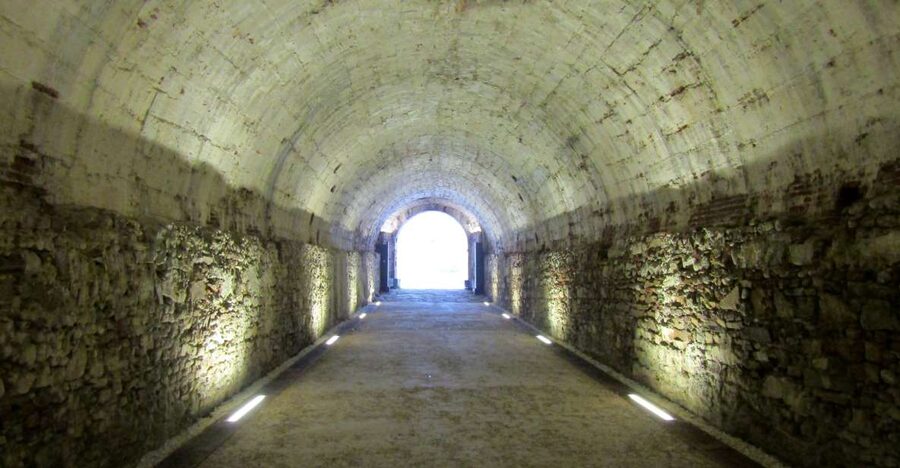
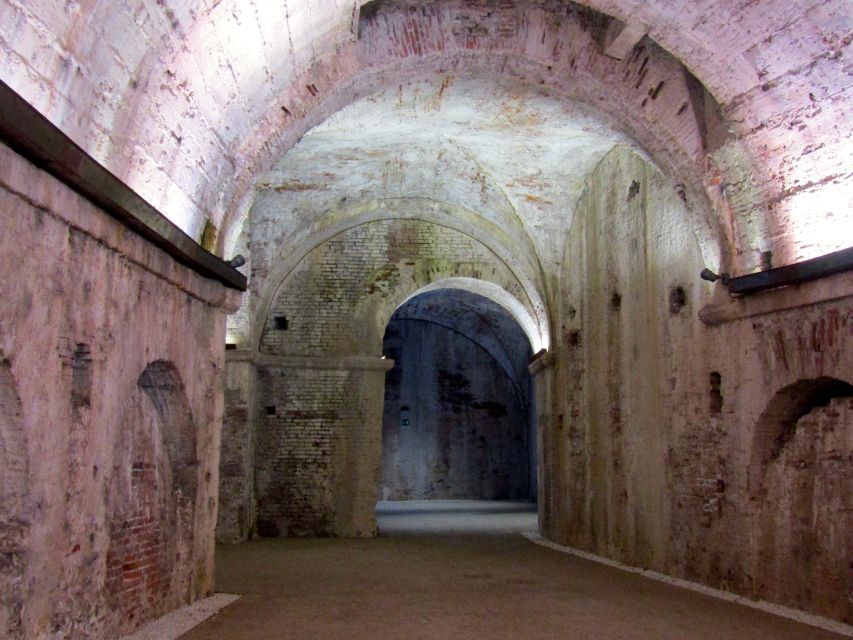
- Look up at huge brick vaults: The galleries were built to conceal heavy bronze cannons.
- Learn how warfare changed: Your guide explains fortification from the 13th through the 17th centuries.
- Expect two languages: The guide speaks English and Italian, which can lengthen some explanations.
- Plan for real walking: Comfortable shoes matter, and the tour operates rain or shine.
Why Lucca’s walls deserve two hours
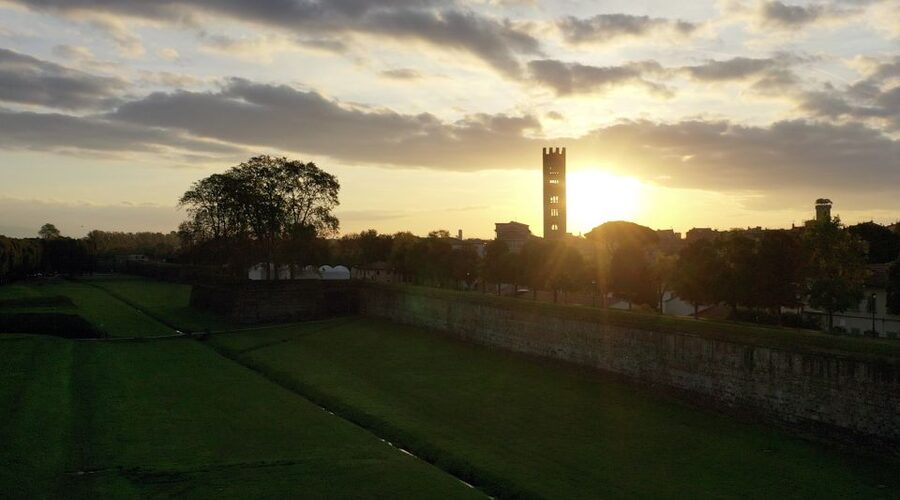
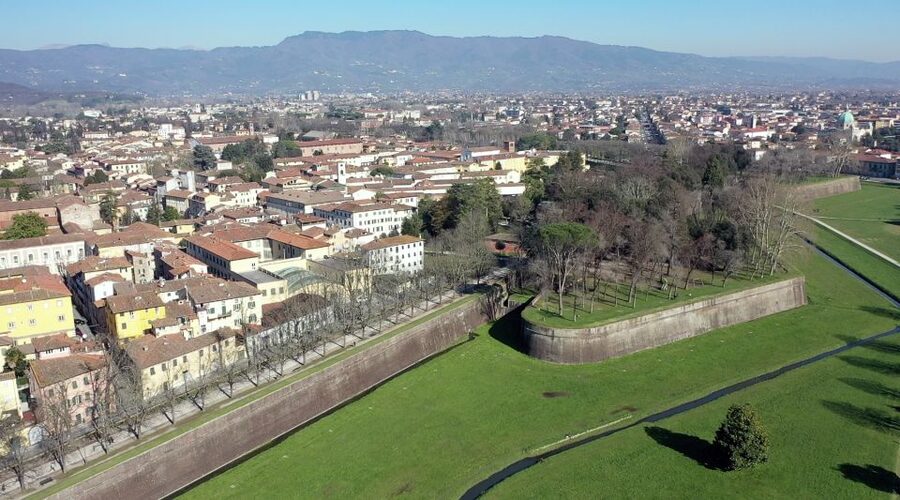
Many visitors first notice Lucca’s walls as a broad, green walkway circling the old city. That view is accurate, but incomplete. These fortifications are now a public park, a pleasant place to walk beneath trees, and one of the easiest ways to understand the shape of Lucca.
The walls also tell a story about changing warfare. They were built during the Renaissance, when older medieval defenses were no longer enough to withstand improved artillery. As you walk, your guide explains how Italian military design changed over several centuries, from the 13th to the 17th.
That context gives the stroll purpose. You are not simply circling the city for views. You are seeing how a defensive structure controlled movement into and out of Lucca, then became part of everyday city life.
The tour begins and ends at the entrance to the tourist information center. Arrive 10 minutes early so you can find the guide without rushing. The experience lasts about two hours, which is long enough to cover the walkway and interior spaces without turning into an exhausting full-day outing.
More History Walking Tours in Italy:
- Rome: Colosseum Arena, Roman Forum & Palatine Hill Tour
★ 4.5 · 1,874 reviews - Florence: Renaissance and Medici Tales Guided Walking Tour
★ 4.8 · 1,549 reviews - Palermo: Street Food and History Walking Tour
★ 4.9 · 1,486 reviews
Starting on the tree-lined city wall
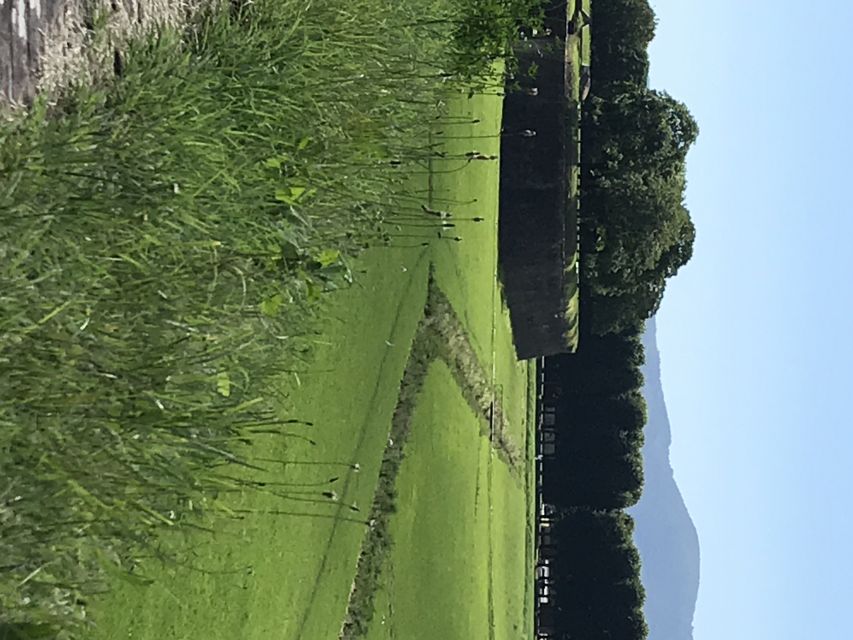
The first part of the experience takes place on the top of the wall, where the former military route has become a long public promenade. The path is flanked by different varieties of trees, giving the walk a softer feel than you might expect from a major Renaissance fortification.
This is a useful place to get your bearings. The wall surrounds and defines Lucca’s historic center, so the route helps you understand the city as a contained urban space. Your guide can point out how the wall relates to the city within and the area beyond it, while explaining why this particular fortification mattered.
The walls are large, so the walking portion gives you a sense of scale. Instead of seeing one gate or one tower, you experience the defense as a continuous ring. That broad view is one of the strongest reasons to take a guided walk rather than simply pause for a few photographs.
I would wear shoes with good support. The tour is not described as strenuous, but it involves walking for up to two hours, and comfortable footwear is specifically recommended. Bring a light rain layer as well. The tour runs rain or shine.
Inside the bastions, where the walls change character
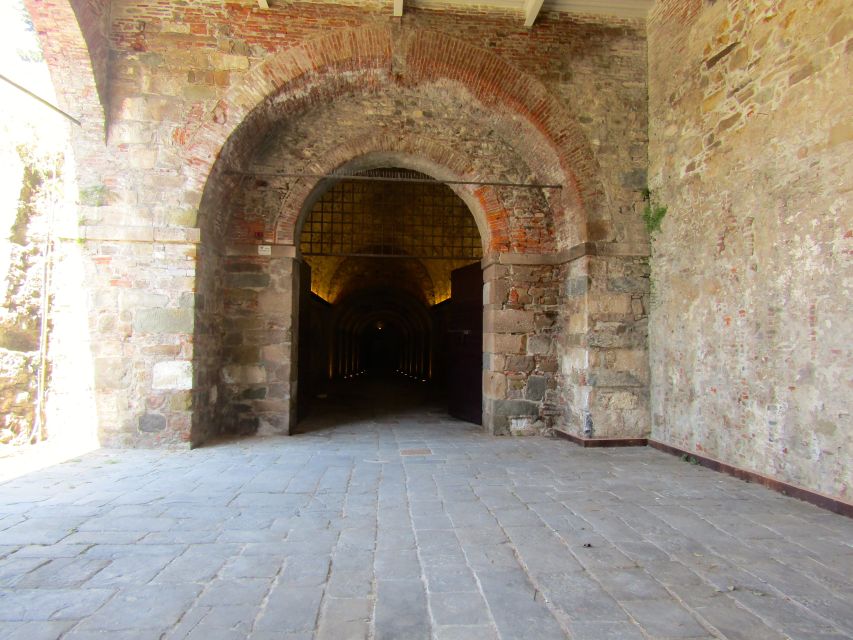
The most distinctive part of the tour comes when you leave the open walkway and enter the interior of the fortifications. Here, Lucca’s walls feel less like a park and more like a piece of military engineering.
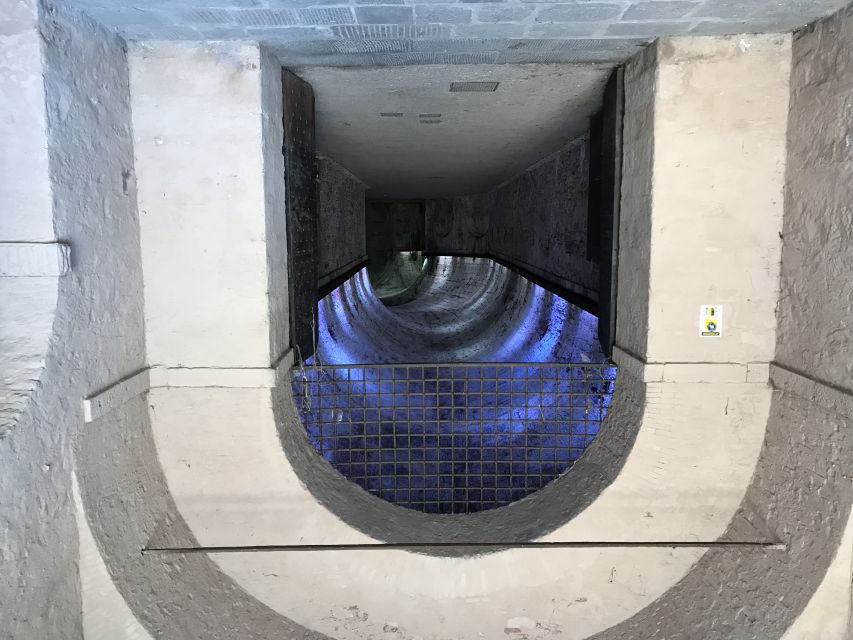
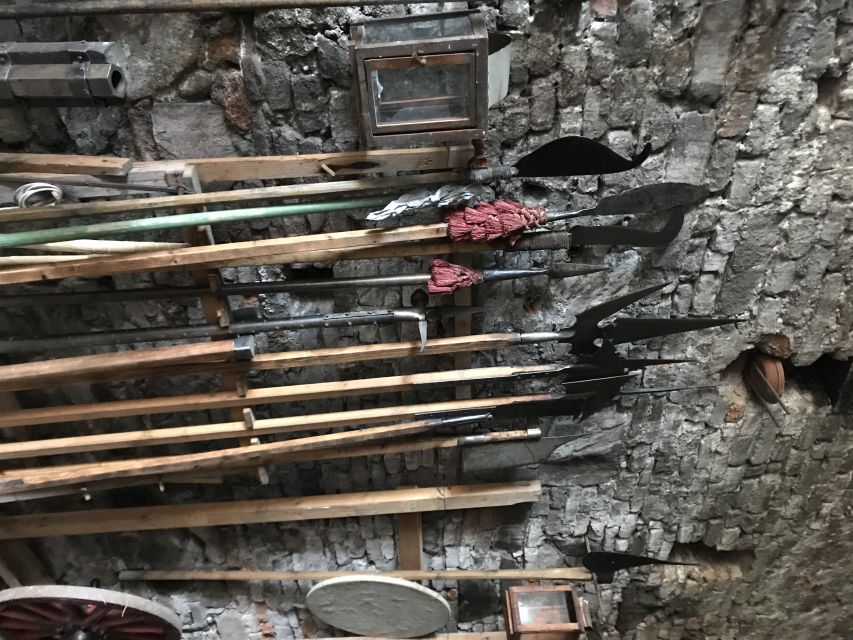
You visit the bastions and recently restored rooms within them. These spaces show how the wall worked from the inside, with passages and chambers designed to support the defense rather than provide a simple lookout point.
One especially interesting detail is that the bastions were never used for defensive purposes. That fact adds a useful twist to the visit. The design reflects the military concerns of the period, but the rooms did not end up serving in the way their builders intended.
The restoration has reopened parts of this monument for public use and made it easier to move between the inner city and the area outside the walls. You can see the structure as both a former defense system and a restored part of Lucca’s public life.
This section also helps explain why a guide adds real value. From the walkway, the wall can look simple: brick, grass, trees, and a long curve around town. Inside, the purpose of the rooms becomes much clearer.
The brick galleries and hidden cannon spaces
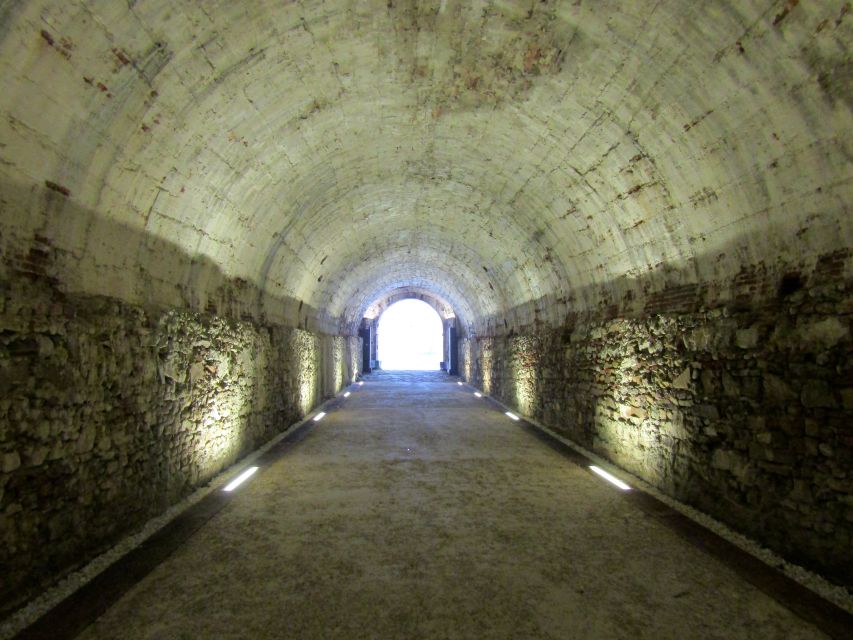
The interior galleries are the visual high point of the tour. Their immense brick vaults were built to hide heavy bronze cannons, and their scale gives you a better sense of the demands placed on Renaissance fortifications.
You do not need a technical background to appreciate the design. The guide explains how the galleries fit into the defensive plan, then connects the structure to the broader development of military engineering in Italy.
This is also where the tour moves beyond a standard city walk. You are not only hearing dates and names. You are looking at the physical solution to a problem: how to protect a city in an age when artillery was becoming more powerful.
The brickwork and enclosed spaces create a marked contrast with the open, leafy path above. That change is part of the appeal. In a short distance, you see Lucca’s walls as a public park, a city boundary, a military machine, and a restored historic monument.
A few more walking tours around Italy worth a look
- Venice: Doge’s Palace and St Mark’s Basilica Walking Tour
★ 4.4 · 6,291 reviews - Milan: Guided Walking Tour & Last Supper Visit with Ticket
★ 4.7 · 5,409 reviews - Naples: Street Food Walking Tour with Local Guide
★ 4.9 · 4,976 reviews - Florence: Highlights Walking Tour with Expert Guide
★ 4.6 · 4,662 reviews
What the guide adds to the walk
The tour includes a live guide in English or Italian. A strong guide can make the difference here because the walls do not explain every detail on their own.
Roberta has been singled out for her passion and clear command of Lucca’s story. Paola has also been praised for explaining the walls and their changing function, both past and present. Your guide may be someone else, but the experience is built around local interpretation rather than an audio recording or a self-guided route.
Expect explanations about the evolution of fortifications from the 13th to the 17th centuries. That period is wide enough to show major changes in military design, and the guide links those changes to what you are seeing in the brick and stone around you.
The bilingual format deserves careful thought. A guide may give each explanation in English and Italian. That is useful for a mixed group, but it can make the tour feel slower and may leave less time for detailed questions in one language. One participant found that a two-hour bilingual format felt closer to 45 minutes of actual explanation in English. If you want the fullest possible commentary, ask at booking which language group is expected for your departure.
At the same time, several comments praise the guides for being informative, entertaining, and passionate. The best result comes when you are happy with a shared tour and do not mind hearing some information twice.
How the price compares with the experience
At $17 per person, this is a modestly priced guided activity for a two-hour visit. The value comes from access and explanation rather than transportation, food, or a long list of included stops.
You can walk parts of Lucca’s walls on your own, but the interior galleries and restored rooms are the reason to pay for this experience. The guide also gives the fortifications a clear place in Italian military history, which is hard to get from a casual walk alone.
I would consider the tour especially good value if you are interested in architecture, city planning, or military history. It also works well if you have limited time in Lucca and want one activity that helps you understand the old city as a whole.
The value is less certain if you only want a fast scenic stroll. In that case, two hours may feel longer than necessary, particularly if the guide must repeat everything in two languages.
Who will enjoy this Lucca walk
This tour suits you best if you like historic structures with a practical story behind them. You will get the most from it if you enjoy asking how a city was built, protected, and later adapted for modern public use.
It is also a good choice for first-time visitors who want to get oriented. The wall encircles the historic center, so the walk provides a useful sense of Lucca’s shape and boundaries.
Families may appreciate the change of pace between the open path and the interior rooms, though the activity still requires sustained walking. History-minded couples and independent visitors can use the tour as a framework for exploring the rest of Lucca afterward.
The activity is wheelchair accessible. Since the tour takes place rain or shine, anyone with mobility concerns should still confirm that the planned route and interior access suit their needs at the time of booking.
Practical timing, weather, and meeting point
Meet your guide by the entrance of the tourist information center and arrive 10 minutes before the scheduled start. The tour returns to that same meeting point, so you do not need to arrange a separate pickup or find your way back across town.
Starting times vary, so check availability when you choose your date. A morning departure may leave the rest of your day free for museums, churches, or a relaxed meal in the old center. A later departure can work well if you want to walk the walls after arriving in Lucca, then use the guided visit to understand what you have seen.
Comfortable shoes are the one clear packing requirement. You will spend time walking outdoors, and the tour does not stop simply because the weather changes. Take a compact rain jacket or umbrella if rain is possible, and dress for conditions on the exposed walkway.
The booking terms are helpful for uncertain plans. You can cancel up to 24 hours before the activity for a full refund, and you can reserve now while paying later. Those options matter if your Tuscany schedule is still shifting.
What I would want to know before booking
The biggest decision is not the price. It is the language format and your interest in the interior spaces.
If the tour runs with a mixed English and Italian group, the guide will repeat information. That can be a little slow, but it also lets you hear the same story twice and gives the guide a chance to serve both audiences fairly.
I would also keep your expectations focused. This is not a full tour of Lucca’s churches, palaces, or museums. It concentrates on the city walls, their design, and the spaces inside them. That narrow focus is a strength if you want a clear subject, but a limitation if you are looking for a broad introduction to every major sight.
The most rewarding moments are likely to come in the bastions and galleries. If the weather is poor, the interior spaces become even more important, while the outdoor section may feel less comfortable. Since the tour operates in all weather, plan your clothing rather than counting on a rescheduled walk.
Should you book the Renaissance City Walls Walking Tour?
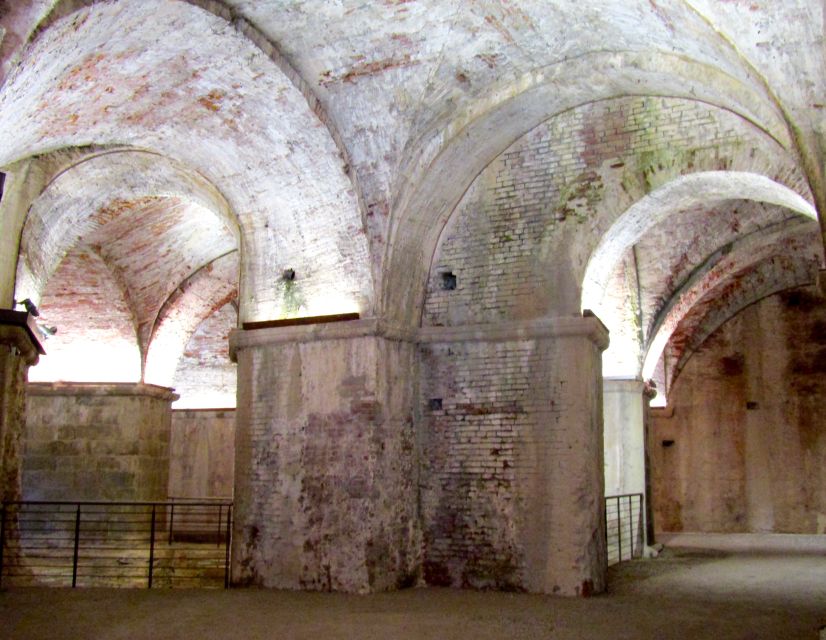
I would book this tour if you want to understand why Lucca is shaped the way it is, not simply photograph its walls. The combination of a tree-lined walk, restored interiors, unused bastions, and huge cannon galleries gives you a fuller picture than a quick stroll alone.
At $17, it offers solid value, particularly for visitors interested in architecture and military history. Guides such as Roberta and Paola have helped make the experience clear and engaging, though the bilingual format may reduce the amount of English or Italian commentary you receive.
Skip it if you dislike walking in uncertain weather or want a fast, self-guided look at the city. Book it if you have two hours, comfortable shoes, and curiosity about the practical machinery behind one of Lucca’s most recognizable sights.
FAQ
How long does the Lucca walls tour last?
The tour lasts two hours. Check availability for the specific starting time.
Where does the tour start and finish?
Meet your guide by the entrance of the tourist information center. The activity ends back at the same meeting point.
What languages are available?
The live guide speaks English and Italian. A bilingual group may hear the explanations in both languages.
Does the tour go inside the walls?
Yes. The experience includes the interiors of the bastions, restored rooms, and the brick-vaulted galleries built to shelter heavy bronze cannons.
Is the tour wheelchair accessible?
Yes, the activity is listed as wheelchair accessible.
What should I bring, and what happens if it rains?
Bring comfortable shoes. The tour takes place rain or shine, so suitable clothing for the forecast is sensible.
Just added around Italy
- Genoa Walking Tour: Explore Top Sights & Hidden Gems★ 4.0 · 138 reviews
- Genoa Food, Wine Tasting & History Walking Tour★ 5.0 · 212 reviews
- Taste Genoa: A Full Meal Walking Food Tour by Do Eat Better★ 5.0 · 509 reviews
- Genoa Walking Tour: Discover Hidden Treasures and Street Food★ 5.0 · 80 reviews
- Tasty Florence Street Food with Guided Walking of the City★ 5.0 · 174 reviews
- Medici Legends & Renaissance Wonders: Florence Small Group Tour★ 5.0 · 205 reviews
- Florence Food Tour of 10+ Authentic Tastings with Cheeses & Wines★ 5.0 · 155 reviews
- Florence Private Walking tour with Skip-the-line to Accademia★ 4.5 · 236 reviews
History Walking Tours, compared.



Berlin’s Best: 2 Hour Walking Tour Third Reich and the Cold War
Read our review →
Third Reich Berlin: Hitler and WWII Walking Tour
Read our review →
New Orleans Garden District History Walking Tour
Read our review →
Cartagena: Historic Center and Getsemaní Shared Walking Tour
Read our review →
Imperial Palace and Shogun Historical Walking Tour
Read our review →Browse the lists this tour appears in