
REVIEW · GREECE
Rethymno: Old Town Walking Tour with Meal
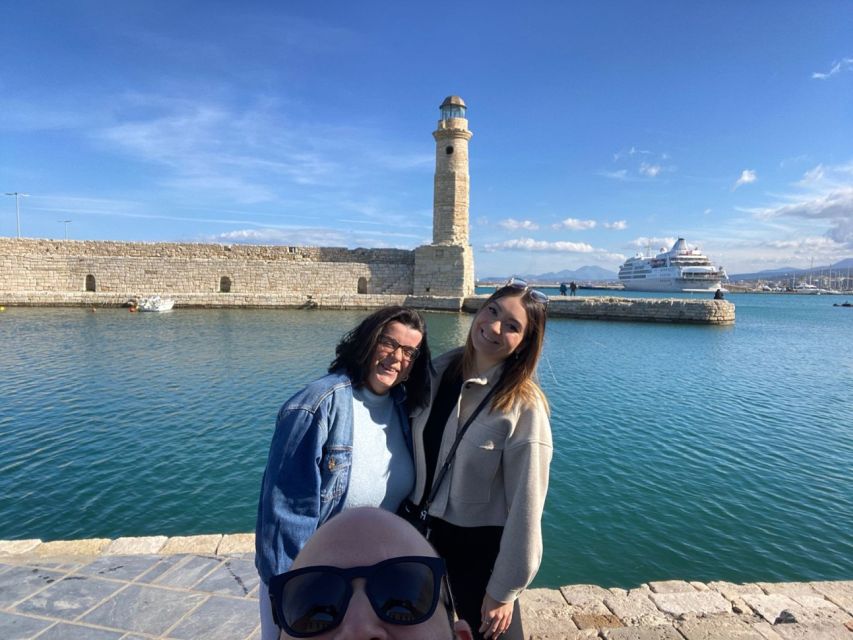
Rethymno’s Old Town is best understood one bite at a time. This four-hour walk links Venetian lanes and Ottoman courtyards with Cretan breakfast, olive oil, honey, raki, handmade phyllo, and a full garden meal. It feels less like a march from monument to monument and more like an introduction to how locals eat and live.
I like the slow pace and the way food opens the door to local history. I also like the small-group format, which lets guides such as Vincent, Maria, and Michael adjust the talk to your questions. The main consideration is the price: at $205 per person, this is not a cheap snack tour, and you should arrive hungry because the food adds up quickly.
Key points at a glance
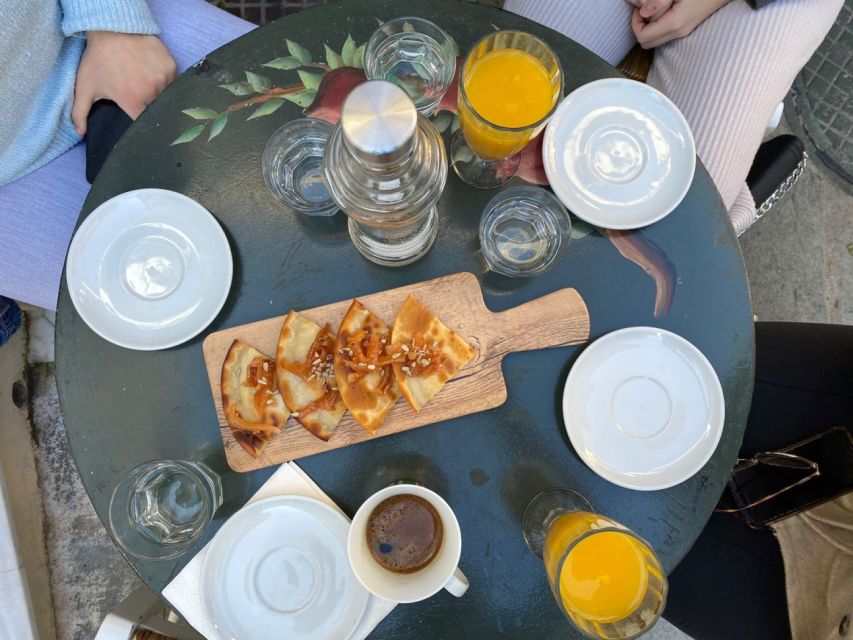
- A Cretan breakfast starts the walk: Greek coffee or fresh juice comes with sfakianopita, a handmade cheese pie finished with jam.
- Three local tastes get proper attention: You learn how to compare honey, olive oil, and raki rather than simply sampling them.
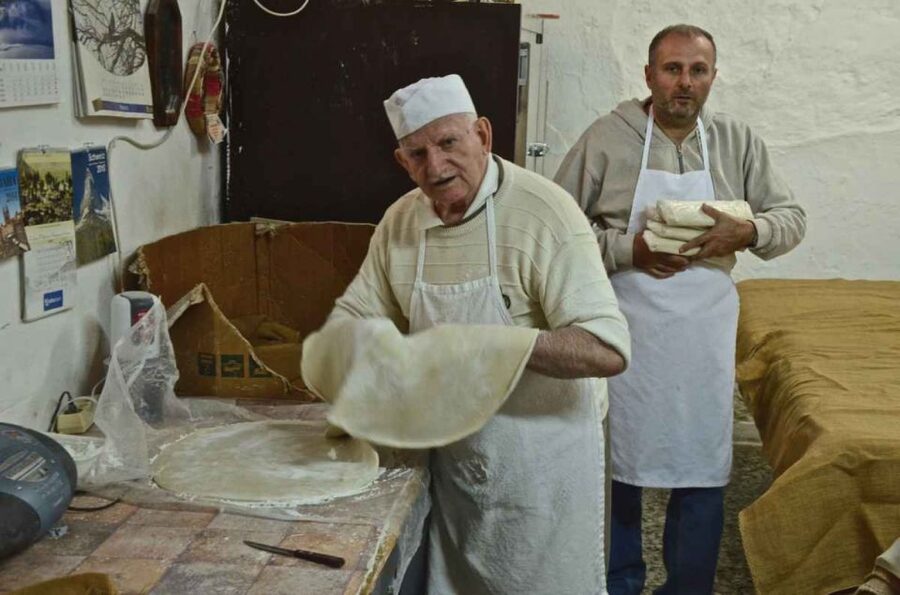
- A 63-year phyllo tradition takes center stage: Watch master maker Yorgos Hatziparaschos stretch basic dough into paper-thin sheets.
- The Old Town comes with context: Venetian houses, Ottoman influence, and present-day Cretan life are discussed along the route.
- The final meal is served under lemon trees: Expect a generous traditional meal made with local ingredients, with vegetarian and non-vegetarian choices.
- The tour works best early in your stay: You get useful advice about good places to eat and shop before making your own choices.
Why food is the best way into Rethymno
Rethymno’s old center can look like a pretty maze of stone houses, narrow lanes, cafés, and small shops. A guide helps you see the links between those details. The Venetian and Ottoman periods are not treated as a dry list of dates. Instead, the architecture, food, and local customs become part of the same story.
That approach earned strong praise from people who enjoyed the mix of culture and eating. The guide is not simply there to point out buildings. Vincent, Maria, Michael, and other guides have been noted for explaining present-day life as well as older periods of Cretan history. That makes the tour useful if you want more than a tasting menu with a few facts attached.
The private-group setup also matters. You can ask about a dish, a building, or a bottle of olive oil without worrying that the guide must keep moving a large crowd. Group sizes can be small, and the relaxed pace has worked even for a group traveling with a baby. On a hot day, one guide took care to keep the group in the shade.
The walking itself is part of the appeal, but do not confuse this with a strenuous city hike. The tour lasts four hours and includes seated food stops, conversation, and a long meal. Comfortable shoes still make sense for old-town lanes, but the schedule is built around savoring, not rushing.
More Old Town Walking Tours in Greece:
- Acropolis, Parthenon & Athens Old City Heritage Walking Tour
★ 4.5 · 876 reviews - Rhodes: Old Town Walking Tour with Guide
★ 4.8 · 149 reviews - Underground Vaults Walking Tour in Edinburgh Old Town
★ 4.5 · 8,506 reviews
Starting at Gerakari 4 with a Cretan breakfast
The meeting point is at Gerakari 4. From there, you begin at a Greek-style kafeneio, a traditional café in the heart of the city. This first stop lasts about 40 minutes and gives you a gentle start rather than sending you straight into a long explanation of Rethymno’s past.
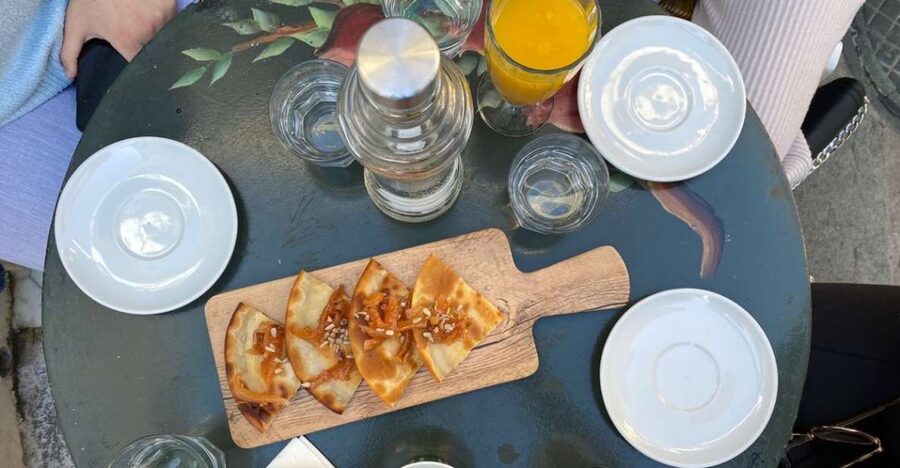
Your breakfast includes a traditional Greek coffee or fresh juice and a handmade sfakianopita. This Cretan cheese pie is served with a layer of handmade jam, a sweet touch that sets it apart from the savory pastries you may already know from Greece.
The value of this stop is not only the food. Your guide uses breakfast to explain how local traditions connect with Cretan cooking. You can ask about eating customs, ingredients, and the role of food in everyday life. It is a useful moment to learn the difference between a dish made for visitors and one that reflects local habits.
A practical tip: do not eat a large breakfast before you arrive. The first course is substantial enough to count as real food, and the later meal is generous. One person who usually prefers a big breakfast specifically wished they had arrived with more room.
The coffee option will suit people who want a traditional start, while fresh juice gives you a lighter choice. If you have dietary needs, mention them to the guide early. The full meal has vegetarian and non-vegetarian options, and a guide has previously adjusted the food around dietary restrictions.
Learning to taste honey, olive oil, and raki
The tasting section is one of the tour’s most useful features. Rather than handing you three samples and moving on, the guide explains how to tell higher and lower quality honey, olive oil, and raki apart.
That lesson has practical value beyond this one afternoon. You may want to take olive oil or honey home, and a little guidance helps you judge what you are buying. You also learn how these products fit into Cretan food and culture, rather than treating them as isolated souvenirs.
Raki can be a surprise if you have never tried it. The tasting gives you a chance to understand the drink in a setting where the guide can explain it and answer questions. The point is not to race through shots. It is to notice flavor, quality, and local use.
The tour’s food stops are listed as a café, local bar, bakery, and restaurant. In practice, the middle portion includes traditional snacks and street food, with roughly 40 minutes at a local bar and another 20 minutes at a bakery. The exact order may vary, but you should expect several small tastes before lunch or dinner.
This is where the tour differs from a standard walking tour. You are not only looking at Rethymno. You are learning how to judge some of the ingredients that define Cretan cooking. For many people, that turns the tour into useful preparation for the rest of a stay.
Watching Yorgos Hatziparaschos make phyllo
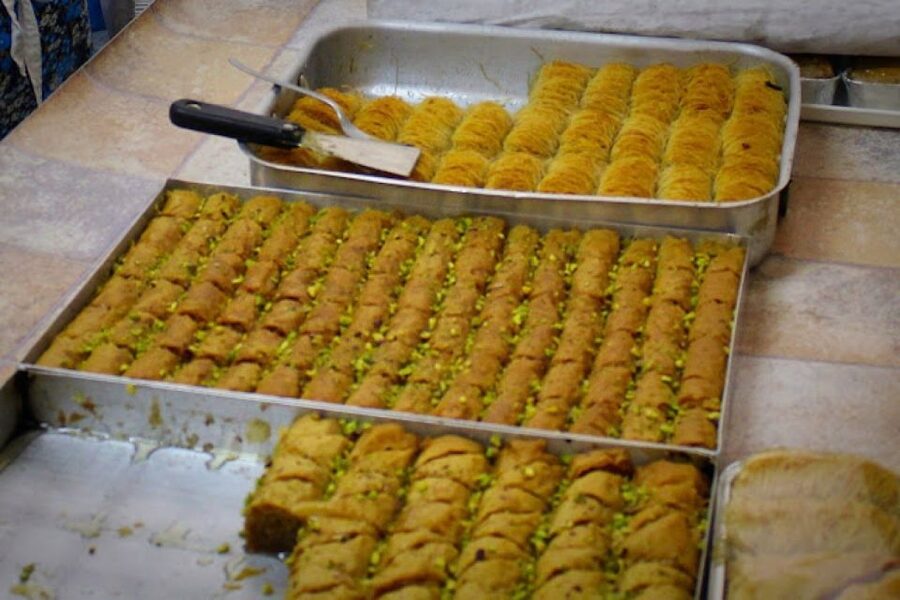
One of the most memorable stops takes place in a 17th-century Venetian mansion associated with Yorgos Hatziparaschos. He has made phyllo dough by hand for more than 63 years, and the demonstration shows why the craft deserves attention.
The ingredients are simple: flour, water, and salt. The skill lies in turning that mixture into dough thin enough for Greek sweets such as baklava. Watching the process makes clear how much control and practice are hidden inside something that looks effortless on the plate.
This is not just a bakery stop. The mansion links the food to Rethymno’s built past, while the family craft links older methods to life today. You see how a traditional technique remains relevant without being presented as a museum piece.
The phyllo demonstration is also a welcome change of pace. After walking through lanes and tasting ingredients, you pause to watch a highly specific local skill. The baklava and other pastries provide another chance to compare handmade texture with the more ordinary sweets sold in many tourist areas.
If you enjoy food-making demonstrations, this is likely to be a highlight. If you prefer a fast route with many landmarks, the stop may feel long, but the tour’s whole design favors conversation and attention over speed.
A few more walking tours around Greece worth a look
- Athens: Acropolis and Parthenon Guided Walking Tour
★ 4.6 · 5,882 reviews - Acropolis and Parthenon Guided Walking Tour
★ 5.0 · 4,755 reviews - Greek Food Walking Tour in Athens
★ 5.0 · 4,740 reviews - Acropolis: Acropolis and Parthenon Guided Walking Tour
★ 4.7 · 3,442 reviews
Walking through Venetian houses and Ottoman corners
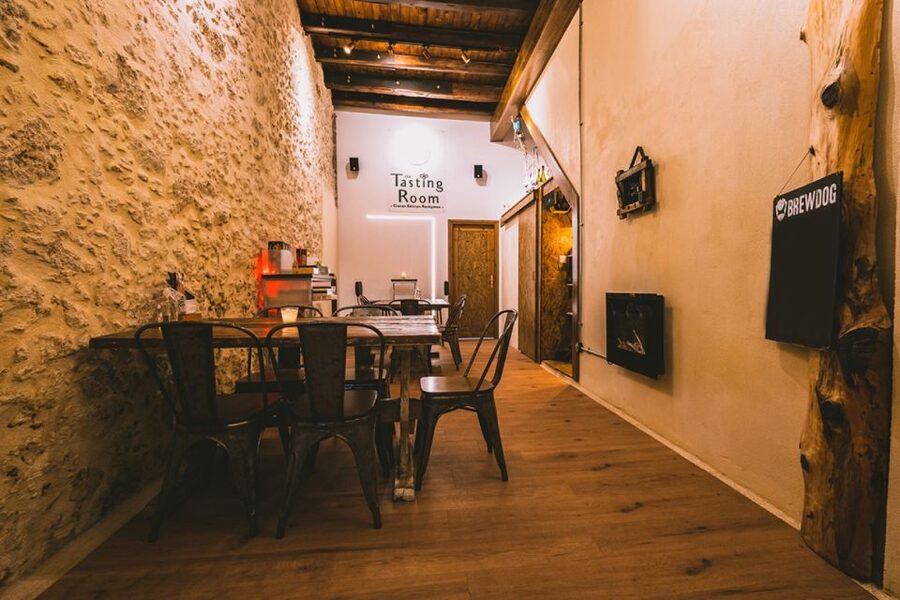
Between food stops, your guide leads you through the narrow streets of the Old Town. The stone-built Venetian houses give the area its strongest visual character, but the story does not stop with Venice.
The tour also discusses Ottoman influence and the different periods that shaped Crete. You may compare architectural details as you walk, noticing how different styles sit close together. This gives you a better sense of why Rethymno can feel layered rather than uniform.
I like that the historical discussion is tied to the places around you. You are not asked to memorize a long timeline. Instead, the guide can explain how occupation, architecture, food, and local identity connect. One especially useful part is the discussion of how Cretan people responded to outside rule and how those experiences still shape local life.
The Old Town can be confusing on your own, especially when small lanes seem to lead in every direction. Taking this tour early in your visit helps you get your bearings. You also receive practical suggestions about places to eat and shop, including advice on avoiding mediocre or overly tourist-focused choices.
Still, this is not a full archaeological tour. If your main interest is detailed architectural history, you may want a separate visit to Rethymno’s major sights. Here, buildings support the food and cultural story rather than taking over the morning.
A full Cretan meal beneath lemon trees
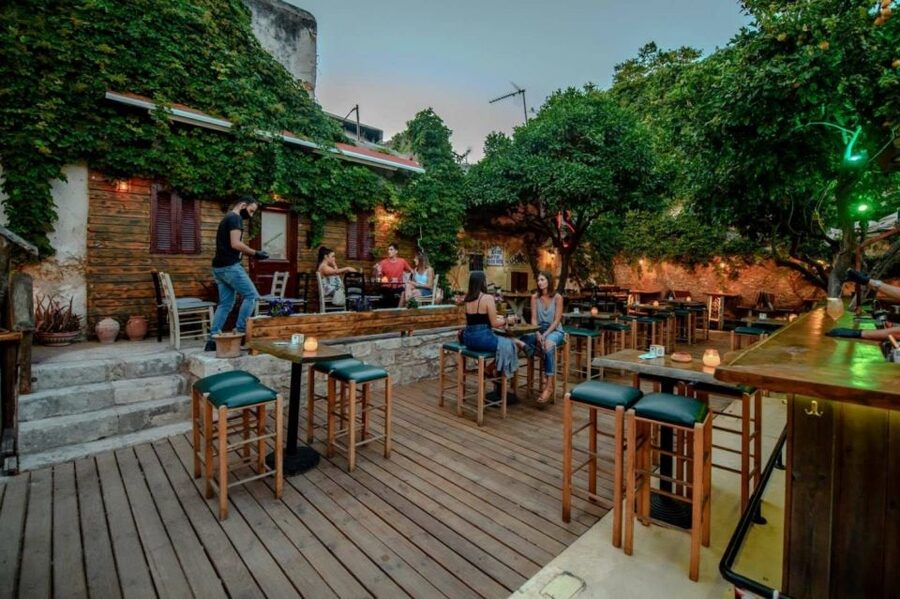
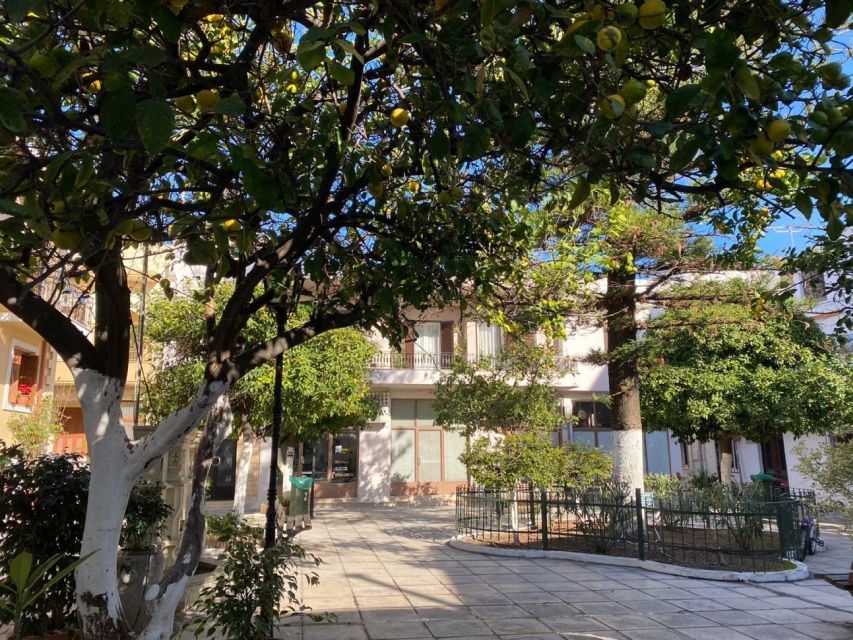
The final stop is a restaurant tucked into an Ottoman-style inner garden. This is the longest food stop, lasting about an hour and a half, and it is where the tour becomes a proper meal rather than a string of samples.
You eat beneath lemon trees and receive traditional Cretan dishes prepared with fresh local ingredients. The presentation is described as stylish and modern, but the meal remains rooted in local cooking. Vegetarian and non-vegetarian options are available, which makes the stop workable for different diets.
Plan on a generous serving. Several people found the meal plentiful, and one guide left a group feeling very full after the morning’s food. The restaurant setting also slows the experience down. You have time to talk, ask questions, and reflect on how older customs fit into modern Cretan life.
This is a good ending because it gives the tour room to breathe. You are not swallowing a final bite while hurrying to a bus. Instead, the guide can return to the themes raised earlier: ingredients, family traditions, local identity, and the contrast between food made for residents and food aimed mainly at tourists.
The meal is listed as lunch or dinner, depending on the starting time. Check the available departure times when booking, since the same four-hour format may work differently in your day depending on when you begin.
How the guides shape the experience
The guide can make or break a food tour, and this experience depends heavily on that personal connection. Vincent has been praised for learning everyone’s name, tying food and history together, and keeping the group involved. Maria has been noted for answering practical questions about where to buy particular items and for giving useful advice about the town.
Michael has led tours with a relaxed style, explaining Cretan life, culture, and food while keeping a small group together. He also adjusted the pace and route for heat, shade, dietary needs, and different walking preferences. The guide’s approach seems to favor conversation rather than a rehearsed speech.
Available languages are English, French, and Spanish. The activity information also describes the guide as English or French-speaking, so confirm your preferred language when reserving if that matters to you.
Because this is a private group, you should expect a more personal feel than on a large scheduled tour. That does not mean every guide will have the same personality. It does mean you have more room to ask about Cretan life, cooking, and the Old Town at your own pace.
Is $205 per person good value?
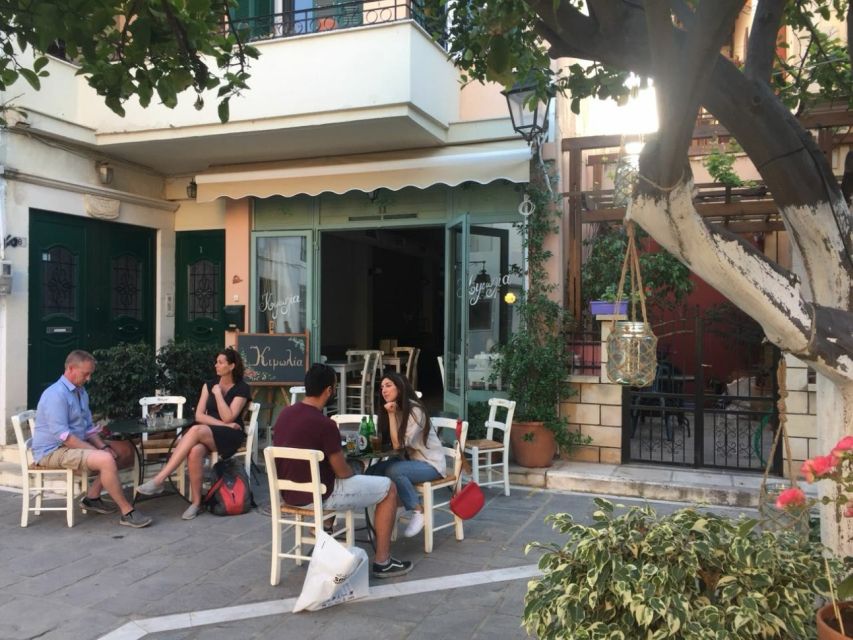
At $205 per person, this tour asks for a serious budget. You are paying for four hours, a private walking experience, a guide, breakfast, several tastings, a phyllo demonstration, and a full meal. Hotel pickup and drop-off are not included, so you must reach the meeting point at Gerakari 4 yourself.
The price makes the most sense if you value guidance and a complete food experience rather than simply wanting inexpensive samples. Buying a coffee, pastry, snack, and meal independently would cost less, but it would not give you the same explanation of quality, history, or local customs. Nor would it necessarily lead you to the same restaurant or phyllo workshop.
This is especially good value for a private group that wants one well-organized introduction to Rethymno. It can also save you from spending the first days of your holiday guessing which food shops are worth your time.
For a solo visitor or a couple watching every euro, the cost may feel high. You could explore the Old Town freely and choose your own meals for less. The extra money here pays for access, interpretation, and a long, generous meal, not for transport or major entrance tickets.
The free cancellation policy allows cancellation up to 24 hours before the activity for a full refund, and you can reserve now and pay later. Those terms are helpful, but they do not change the basic value question: book it if the food education and private guidance matter to you.
Who should book this Rethymno food walk?
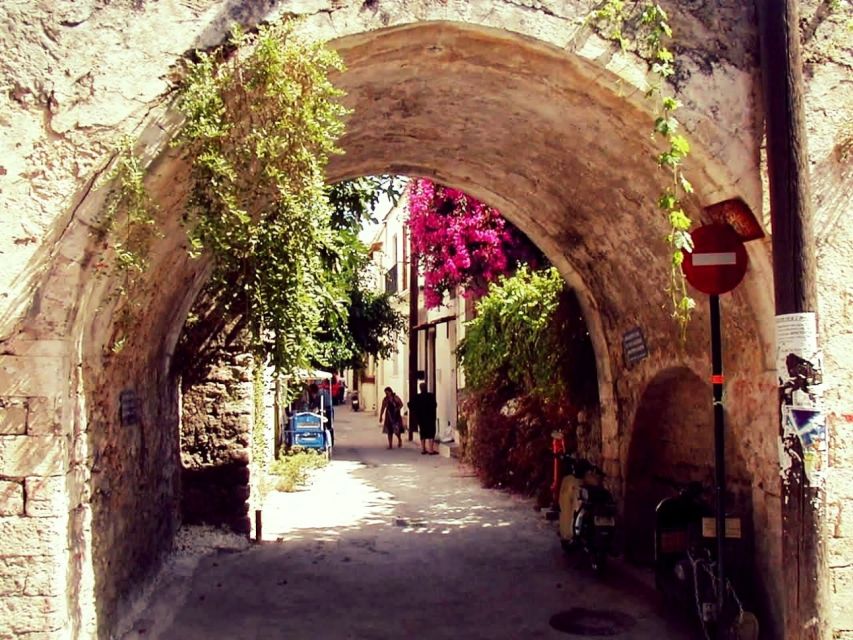
I would recommend it to first-time visitors who want to understand Rethymno quickly. It gives you a map in your head, a list of useful food ideas, and enough history to make the Old Town more meaningful afterward.
It also suits people who prefer conversation over a formal lecture. The guides have been praised for answering questions, learning names, and adjusting the pace. Families and groups with dietary restrictions can also benefit from the available meal choices and the guide’s ability to discuss alternatives.
Food lovers will get the most from the tastings. The honey, olive oil, and raki lesson is more useful than a simple sample tray, while the phyllo demonstration offers a rare look at a long-running local craft.
You may want to skip it if you dislike long meals, prefer to explore alone, or already have a firm list of restaurants and food producers. It is also not the right choice if your main goal is a rapid survey of every major sight in Rethymno.
FAQ
Where does the tour start?
The tour starts at Gerakari 4 in Rethymno.
How long does the experience last?
The walking tour lasts four hours.
What food is included?
You receive a Cretan breakfast with Greek coffee or fresh juice and sfakianopita, traditional snacks, tastings of honey, olive oil, and raki, and a full lunch or dinner.
Is the full meal vegetarian?
Yes. Vegetarian and non-vegetarian options are available for the full meal.
Who leads the tour?
Guides named in the activity information and guest experiences include Vincent, Maria, and Michael. Guide languages are English, French, and Spanish.
Is this a private tour?
Yes. The activity is organized for a private group.
Is hotel transportation included?
No. Hotel pickup and drop-off are not included.
Can I cancel for a refund?
Yes. You can cancel up to 24 hours in advance for a full refund. You can also reserve now and pay later.
Should you book it?
Book this tour if you want Rethymno explained through its food, not just its buildings. The combination of sfakianopita, ingredient tasting, handmade phyllo, Venetian and Ottoman architecture, and a lemon-tree meal gives you a clear sense of place in one relaxed morning or afternoon.
The price is the main hurdle, and independent eating will cost less. But if you are willing to pay for a private guide, several food stops, a generous meal, and practical advice for the rest of your stay, this is a strong introduction to Rethymno. I would schedule it near the start of your visit, arrive hungry, and leave room for one more pastry.
Just added around Greece
- Taste Corfu: Private Corfu Food Walking Tour★ 5.0 · 82 reviews
- Rethymno Walking & Gastronomy Tour★ 5.0 · 103 reviews
- Walking “Food tasting tour” in the town of Chania★ 5.0 · 297 reviews
- PRIVATE Walking Tour with Lunch and Wine Tasting by a Sommelier★ 5.0 · 113 reviews
- The Acropolis, Athens Walking City Tour and Acropolis Museum★ 5.0 · 442 reviews
- Athens Street Art Walk★ 5.0 · 309 reviews
- Athens Highlights: Myths & Philosophers Walking Tour★ 5.0 · 125 reviews
- Athens Street Food Walk★ 5.0 · 385 reviews
Old Town Walking Tours, compared.

Underground Vaults Walking Tour in Edinburgh Old Town
Read our review →
3-Hour Walking Tour of Old Town & Prague Castle
Read our review →


Old Town and Jewish Quarter Guided Walking Tour
Read our review →
Marrakech: Ben Youssef, Secret Garden, & Souks Walking Tour
Read our review →Browse the lists this tour appears in