
REVIEW · BANGKOK
Local Life, Culture & Food Walking Tour at Chinatown
Bangkok’s Chinatown is best understood on foot, and this tour takes you well beyond the main road. You’ll move from Odeon Circle through markets, shrines, old shophouses, and narrow lanes before reaching Talad Noi, one of the city’s oldest Chinese-Thai communities. Thai-Chinese street food gives the walk a tasty thread, with samples such as crispy pork belly, dumplings, and herbal tea.
I like the small-group format, which gives you room to ask questions and can lead to a very personal outing if only a few people book. I also like the human scale of the route: instead of ticking off famous buildings, you see places where people worship, work, eat, and live. The main caution is that this is a walking tour through crowded, uneven urban areas, so it is not suitable for wheelchair users and may feel tiring in Bangkok’s heat.
Key points to know before booking
- Start at MRT Wat Mangkon: Meet at Exit 1 near the Plaeng Nam intersection, a useful location for reaching Chinatown by subway.
- Food is part of the lesson: Tastings may include crispy pork belly, dumplings, herbal teas, and other Thai-Chinese specialties.
- Talad Noi adds real context: The route reaches an old Chinese-Thai community beside the Chao Phraya River, where the story moves beyond food and shopping.
- Guides shape the experience: JoJo, Sunee, Kaew, and Kae are praised for answering questions, adjusting the route, and explaining customs clearly.
- Expect an intimate group: Small numbers allow personal conversation, though a very small booking may turn into a private-style tour rather than a typical group outing.
- Pack light and dress for walking: Large bags are not allowed, and you should arrive 10 minutes early with comfortable shoes.
Starting at Odeon Circle and MRT Wat Mangkon
Your meeting point is MRT Wat Mangkon Station, Exit 1, at the Plaeng Nam intersection, 3 Plaeng Nam Road. This is a practical place to begin because you can reach the area by Bangkok’s subway rather than arranging a taxi through crowded streets.
Arrive 10 minutes early. The tour ends back at the meeting point, so you do not need to work out a new pickup location at the end of the walk.
The route begins around Odeon Circle, the grand entrance to Chinatown. Here, your guide sets the scene by explaining how Chinese immigrants helped shape this part of Bangkok. That opening matters because Chinatown is not just a food district. Its streets, temples, businesses, and family homes reflect generations of Chinese-Thai life.
I would pay close attention at the start, even if you are eager to get moving. The background helps you understand why certain shrines matter, why shop houses look the way they do, and why food traditions in this area combine Chinese methods with Thai ingredients and tastes.
More Food Walking Tours in Bangkok:
- Bangkok Authentic Tasting Thai-Chinatown Walking Food Tour
★ 4.9 · 852 reviews - Bangkok by Night Food Tour with 10+ Tastings in Chinatown
★ 5.0 · 545 reviews - Reykjavik Food Walk – Local Foodie Adventure in Iceland
★ 5.0 · 18,952 reviews
Markets, herbal remedies, and narrow lanes
From Odeon Circle, the walk heads into lively markets and backstreets. You can expect stalls selling items such as herbal remedies, small goods, and colorful trinkets. The value here is not simply seeing more shops. A guide gives you a way to read the district instead of wandering past it.
The main streets can be loud and crowded. That is part of the appeal, but it also means you should stay aware of the group and watch your footing. Narrow lanes may be easier to explore with a local guide than alone, especially when you want to understand how the area works rather than just take photographs.
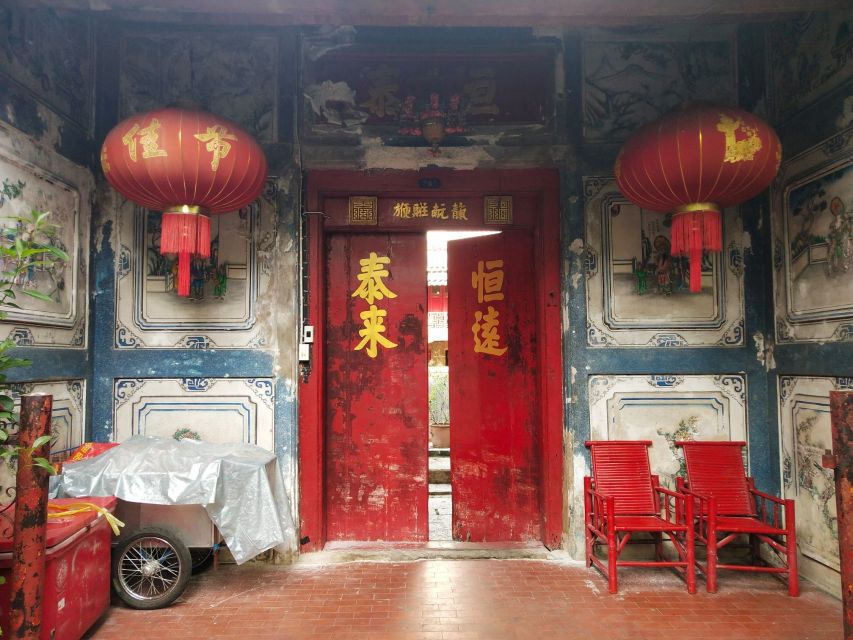
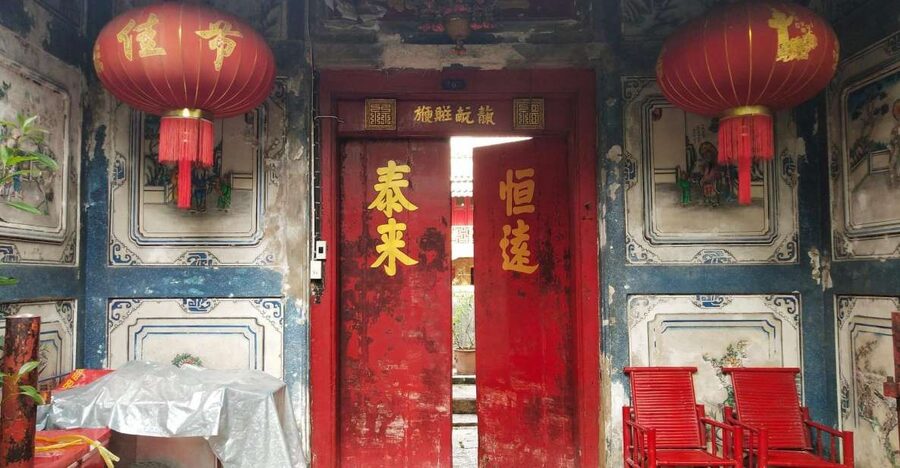
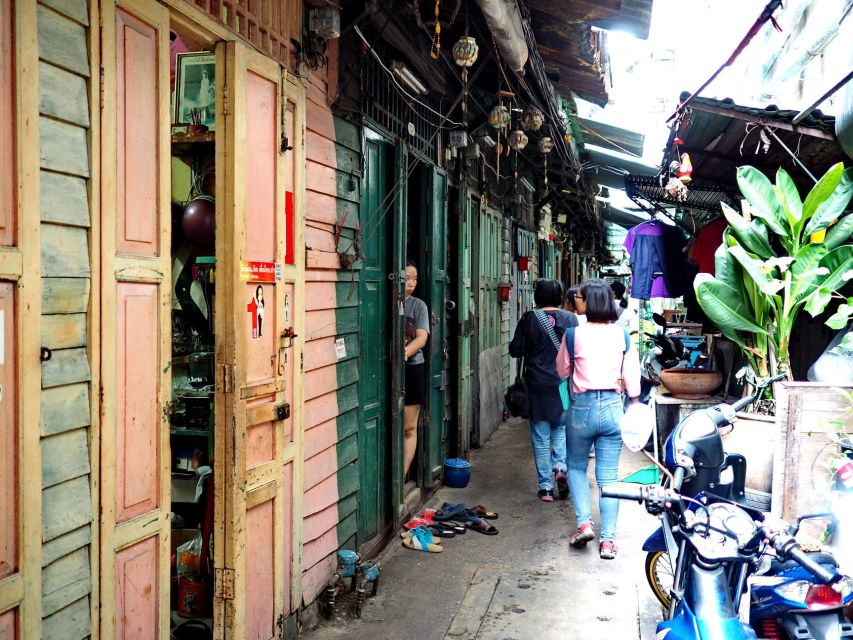
The route also reaches smaller community spaces and passages away from the busiest tourist streets. These sections bring you close to ordinary neighborhood life, including older wooden homes and tightly packed living areas. They may not look polished, but that is precisely why they are worth seeing. Chinatown’s character comes from the mix of old homes, working shops, religious sites, and newer businesses.
Several guides are praised for adjusting the pace and making time for questions. Kae, for example, is described as supplying handheld fans, pausing for photographs, and explaining local customs in an easy-to-follow way. Those small touches can matter in Bangkok’s heat, especially when the walk takes place in the afternoon.
Food stops that explain Thai-Chinese culture
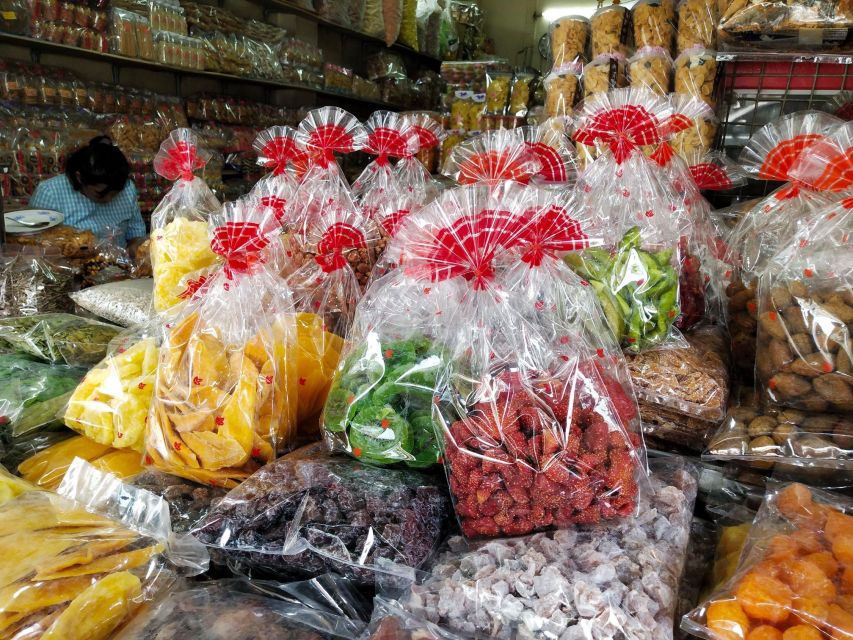
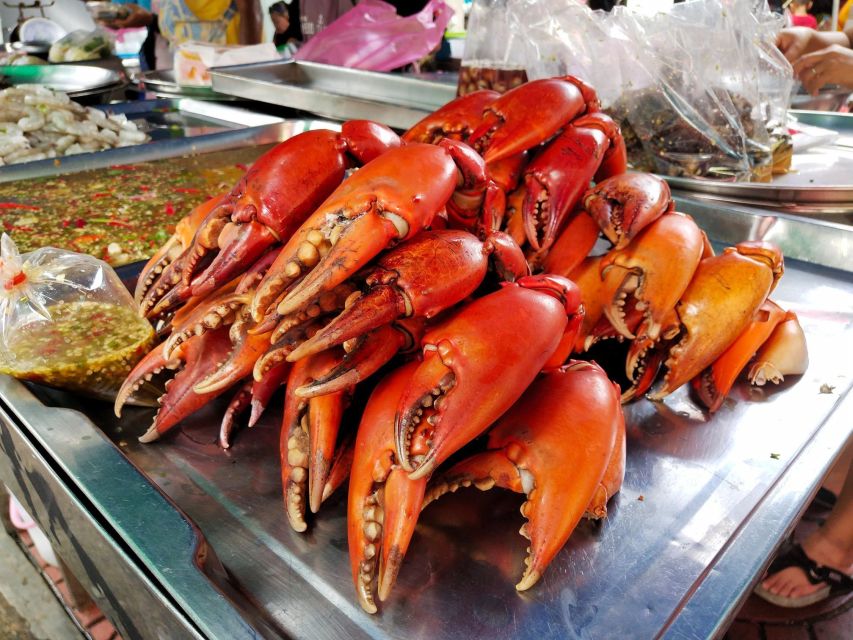
Food is one of the strongest reasons to book this tour. Tastings can include crispy pork belly, handmade dumplings, and herbal teas, with other local snacks depending on the route and what is available that day. You are not simply stopping for fuel. The guide connects dishes with the culture of the neighborhood.
You should tell the operator about allergies or dietary restrictions in advance. The information provided does not promise that every dietary need can be accommodated, so clear communication before the tour is important.
The food stops are also useful if you are unsure about ordering from Chinatown stalls on your own. A guide can explain what you are trying and help you approach dishes that may be unfamiliar. The experience may include more than ready-made samples. One guide helped a solo participant make papaya salad, turning a quick tasting into a hands-on moment.
Some outings have included unusual food choices, such as different kinds of durian, when participants specifically wanted to try it. That does not mean durian is guaranteed. It does show how the small-group format can make the afternoon flexible when the guide has time to respond to your interests.
Food lovers should keep their expectations sensible. The tour includes tastings, but additional snacks and drinks are not included. If you want to keep eating after the provided samples, bring money for personal purchases.
Temples, shrines, and the meaning behind the incense
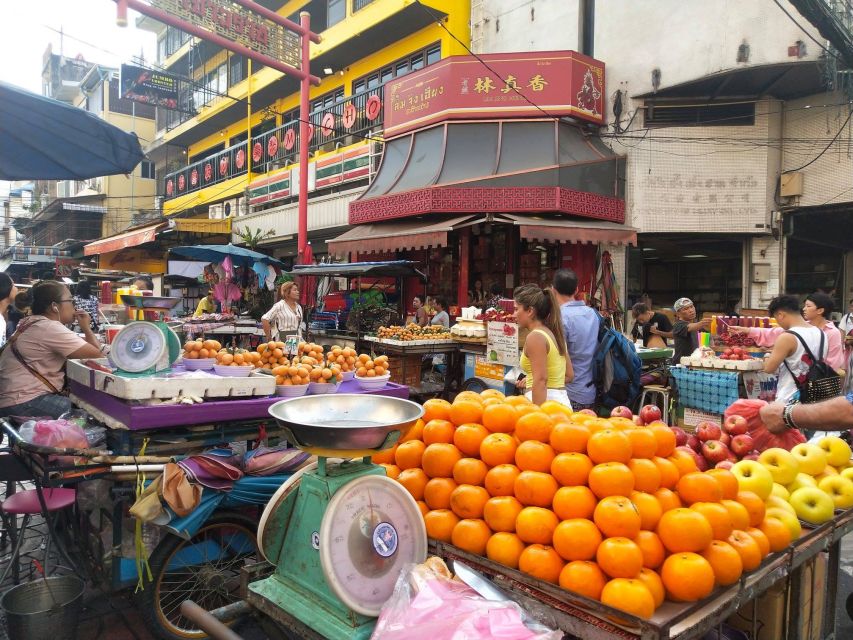
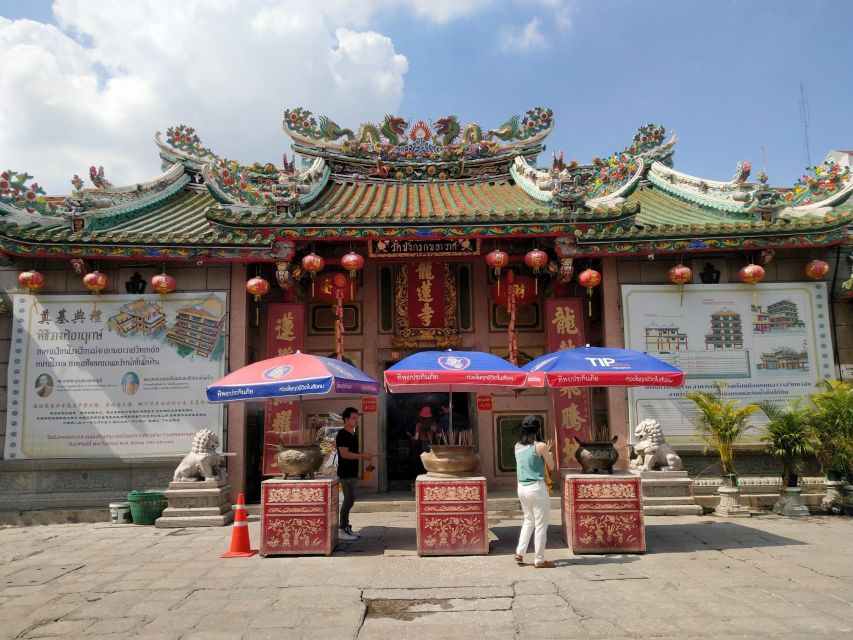
Chinatown’s religious sites give the walk a quieter rhythm. You visit historic temples and shrines, some marked by incense, gold decoration, and offerings. Your guide explains how local people use these places to pay respects and ask for blessings.
This is where a guide adds real value. Without context, a shrine can look like another ornate stop on a sightseeing route. With an explanation of customs and beliefs, you begin to see how these places remain part of daily life and family tradition.
The tour includes temples and shrines that many independent visitors may pass without understanding. Guides named Kaew and Kae are praised for explaining the different roles of religious sites and for connecting each place with the surrounding neighborhood. You should still dress and behave respectfully, since these are active places of worship rather than museum displays.
Photography is part of the experience, but it should not take over. A good approach is to take a few photographs, then listen. The stories about why locals visit a shrine often make a stronger memory than another picture of a doorway.
A few more walking tours around Bangkok worth a look
- Bangkok: City Highlights Temple and Market Walking Tour
★ 4.5 · 3,990 reviews - Bangkok: Grand Palace and Wat Phra Kaew Guided Walking Tour
★ 4.4 · 2,417 reviews - Bangkok: Wat Pho and Wat Arun Guided Walking Tour
★ 4.6 · 1,720 reviews - Bangkok: Chinatown by Night Walking Tour
★ 4.5 · 162 reviews
Old shophouses and Chinese-Thai architecture
The route pauses at old shophouses, whose narrow fronts and stacked living spaces tell you something about how families and businesses shared the same buildings. Their condition varies, and some lanes may feel cramped. That is part of the honest picture of Chinatown.
You will not see a neatly preserved historic quarter at every turn. You will see old architecture beside active commerce, repairs, clutter, and signs of change. The contrast helps explain how the neighborhood remains useful to residents rather than being preserved only for sightseeing.
This is another reason to choose a small group. In a large crowd, it can be hard to stop in a narrow lane while the guide points out a doorway or explains a family business. With fewer people, you have more chance to ask why a building is arranged in a particular way or how the area has changed.
Talad Noi and the old Chinese-Thai community
Talad Noi is one of the most meaningful parts of the walk. It is described as Bangkok’s oldest Chinese-Thai community, with deep connections to the first Chinese settlers who established homes along the Chao Phraya River.
The area adds a wider view of Chinatown. Instead of focusing only on food stalls and busy shopping streets, you see how Chinese-Thai communities developed beside the river and preserved their customs through family, work, worship, and neighborhood ties.
You may pass small museums, street art, community spaces, and old homes, depending on the exact route and the guide’s choices. These stops help show that the district is not frozen in the past. It continues to change while keeping links to earlier generations.
If you enjoy local history and neighborhood walks, Talad Noi may be the part you remember most. If you mainly want a fast list of major Bangkok sights, the pace may feel slower than you expect. This tour is about details and conversation, not rushing between landmarks.
Why the guide matters so much
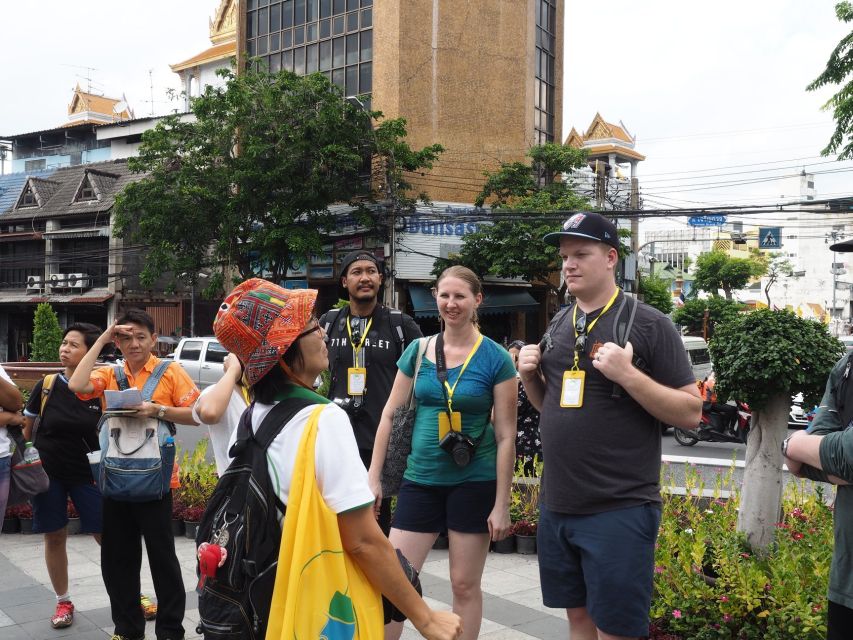
The guide can make or break a walking tour, and this experience appears designed around personal contact. English and German are offered, and the guides named in the feedback include JoJo, Sunee, Kaew, and Kae.
JoJo is praised for knowing Chinatown and Thailand well, introducing local places, and keeping the mood light. Sunee is described as tailoring the route to personal interests. Kaew and Kae are noted for patient explanations, help with food, and attention to comfort.
You should not assume you will receive one specific guide unless the booking confirms it. Still, the repeated pattern is useful: the best part of the tour is likely to be the guide’s ability to explain small details and respond to your questions.
Solo visitors may find this format especially appealing. If only one person or one small party books, the outing can feel close to a private tour, with time to discuss culture, food, and Bangkok life at length. That is a fine arrangement for some people, though anyone hoping for a larger social group should know that the format may be very quiet.
Price, group size, and what you receive
The price is $75 per person. That is not a bargain-priced Bangkok street-food walk, so value depends on how much you want from the guide.
You are paying for more than a route map. The fee covers a local guide, temple and shrine visits, market and backstreet exploration, food tastings, and cultural explanations. The small group also matters because it allows the guide to answer questions and adapt the pace.
The price does not cover transportation to the meeting point, souvenirs, extra food, extra drinks, or personal expenses. Plan to pay your own way to MRT Wat Mangkon and keep some money available if a market stall catches your eye.
I think the tour offers fair value for someone who wants interpretation and personal attention. It is less compelling if you are comfortable exploring Chinatown alone, already know the area, or mainly want a large amount of food for the lowest possible cost.
Walking conditions and useful preparation
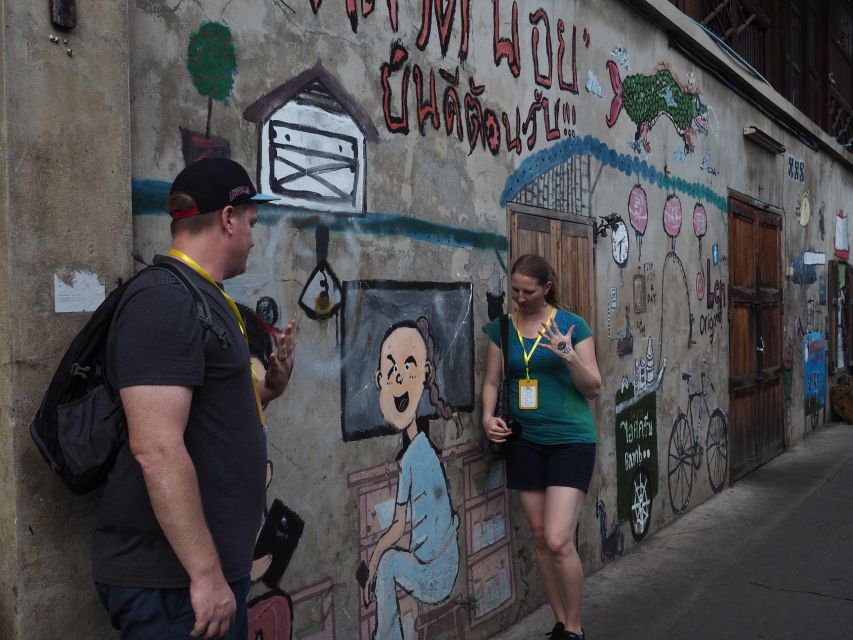
Wear comfortable shoes. You will walk through markets, alleys, temples, and community streets, often in conditions that may be crowded or uneven.
The tour runs in rain or shine. Bangkok weather can change quickly, so bring an umbrella or raincoat when the forecast looks uncertain. Light, casual clothing is recommended, but remember that temples and shrines call for respectful behavior.
Large bags and luggage are not allowed. A small day bag is the safer choice, but the operator specifically warns against large bags, so avoid arriving with suitcases or bulky shopping.
The tour is not suitable for wheelchair users. The narrow lanes, market areas, and walking route make this an important booking consideration. If you have limited mobility, contact the operator before paying rather than assuming the route can be changed.
Cancellation is available up to 24 hours before the tour for a full refund, and you can reserve now and pay later. Those policies are useful if your Bangkok schedule is still taking shape.
Who should book this Chinatown walk?
I would recommend it to first-time Bangkok visitors who want context for what they are seeing, solo visitors who value conversation, and food-minded people who want help trying Thai-Chinese specialties.
It also suits anyone who prefers a neighborhood walk to a standard sightseeing circuit. You get temples and architecture, but the focus stays on local life, family traditions, markets, and food.
I would hesitate to recommend it to visitors who dislike walking in crowded streets, need a fully accessible route, or want a tightly timed list of major monuments. The tour is flexible by design, and that means the exact balance of food, architecture, and conversation may depend on the guide and the group.
Should you book it?
Book this tour if you want Chinatown explained by a local person rather than viewed only through your own camera. The strongest reasons are the small group, the backstreet route, the food tastings, and the chance to ask detailed questions at temples, markets, and community sites.
The $75 price makes sense when personal guiding is your priority. For the best experience, arrive early at MRT Wat Mangkon, wear practical shoes, bring weather protection, notify the operator about food restrictions, and keep your schedule loose enough for conversation.
If those details suit you, this is a thoughtful way to meet Bangkok’s Chinese-Thai side, with JoJo, Sunee, Kaew, or Kae potentially turning a simple walk into a much more personal afternoon.
FAQ
Where does the Chinatown walking tour start?
It starts at MRT Wat Mangkon Station, Exit 1, near the Plaeng Nam intersection at 3 Plaeng Nam Road in Samphanthawong, Bangkok.
Where does the tour end?
The activity ends back at the meeting point.
How much does the tour cost?
The listed price is $75 per person.
Which languages are available?
The tour is offered in English and German.
What food is included?
Provided tastings may include crispy pork belly, handmade dumplings, herbal teas, and other Thai-Chinese street foods.
Can I join if I have food allergies or dietary restrictions?
You should tell the operator about allergies or dietary restrictions in advance. Additional food and drinks beyond the included tastings are not covered.
What should I bring?
Bring comfortable walking shoes. An umbrella or raincoat is useful because the tour runs in rain or shine.
Are large bags or luggage allowed?
No. Luggage and large bags are not allowed.
Is the tour suitable for wheelchair users?
No. The tour is not suitable for wheelchair users because of its walking route through markets, alleys, temples, and community areas.
Just added around Bangkok
- Grand Palace, Wat Phra Kaew, Wat Pho and Wat Arun Walking Tour From Bangkok★ 4.5 · 88 reviews
- Bangkok by Night Food Tour with 10+ Tastings in Chinatown★ 5.0 · 545 reviews
- 3-Hour Bangkok Walking Tour: Wat Pho and Wat Arun★ 5.0 · 102 reviews
- Bangkok: Grand Palace, Wat Pho, & Wat Arun Walking Tour★ 4.6 · 116 reviews
- Bangkok: Grand Palace and Wat Arun Guided Walking Tour★ 4.5 · 118 reviews
- Bangkok: Chinatown by Night Walking Tour★ 4.5 · 162 reviews
- Bangkok: Discover a Taste of Chinatown – 2 Hr Walking Tour★ 4.2 · 152 reviews
- Bangkok: City Highlights and Landmarks Private Walking Tour★ 4.3 · 142 reviews
Food Walking Tours, compared.

Reykjavik Food Walk – Local Foodie Adventure in Iceland
Read our review →
Ho Chi Minh City Street Food Tour & Sightseeing By Motorbike
Read our review →
New Orleans Food Walking Tour of the French Quarter with Small-Group Option
Read our review →
Authentic Parisian Gourmet Food Tour with 10 Local Dishes & Wines
Read our review →
Savannah First Squares Culinary & Cultural Walking Food Tour
Read our review →Browse the lists this tour appears in