
REVIEW · DUBLIN
Dublin: Mythology, Folklore and Legends Walking Tour
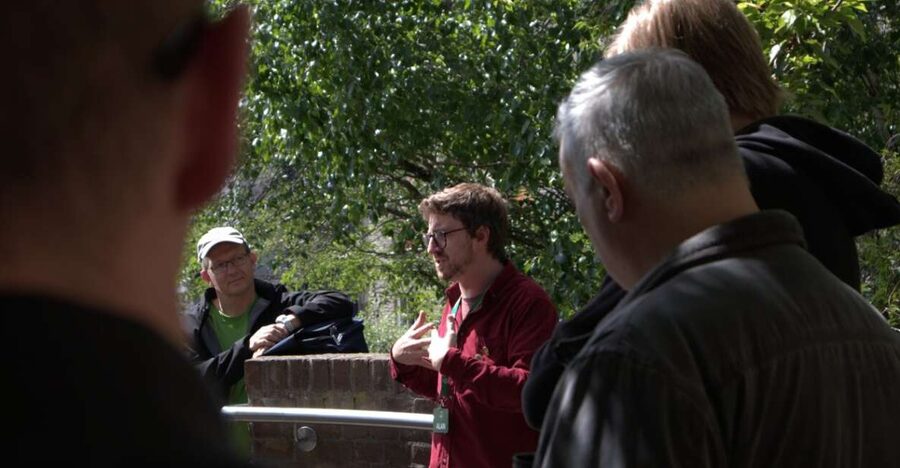
Dublin’s streets carry more than Georgian facades and pub signs. This two-hour walk connects Irish mythology with real city landmarks, from Celtic origins in Temple Bar to the rebellions, grave robbing, and theatre stories of the Georgian Quarter. It finishes on O’Connell Street with the revival of Gaelic language and culture.
I like the way the tour gets beyond the standard sightseeing loop, and I like that the storytelling includes both ancient creatures and modern Dublin life. Guides such as Helena, Emily, Lee, and Dave have been praised for humor, warmth, and clear storytelling. The main drawback is that this is an English-only walking tour, and some people may prefer a more conventional history tour.
Key points to know before you book
- Mythical Dublin from Temple Bar to O’Connell Street: The route links familiar sights with Irish legends, Celtic beliefs, and modern cultural identity.
- Stories include banshees, púca, fairies, and leprechauns: You get a broad look at Irish folklore rather than one narrow legend.
- The Georgian Quarter takes a darker turn: Rebellions, grave robbing, revolutions, and the Abbey Theatre add a macabre edge.
- Several guides bring different strengths: Helena, Emily, Lee, and Dave are praised for humor, warmth, audience care, and lively delivery.
- A gentle two-hour format: The tour includes several stops for listening, so it is not a nonstop march across Dublin.
- Good value at $27: The price covers a local guide and the walking tour, with no hotel transfer or extra inclusions.
Why this walk changes the way you see Dublin
Many Dublin tours explain what a building is. This one asks what people have believed about it, what stories survived, and how old ideas still shape Irish identity. That shift matters. You are not simply collecting dates and names. You are listening for the link between folklore, language, politics, and everyday life.
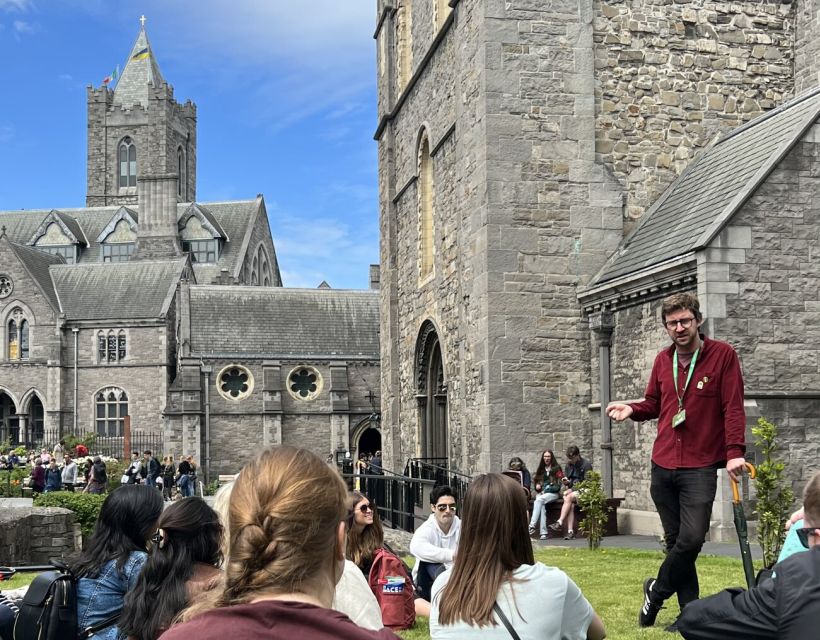
The tour begins in Temple Bar, one of the city’s most familiar districts. It can be crowded and heavily visited, but the guide uses it as a starting point for Ireland’s mythical origins and Celtic traditions. That makes the area more useful than it might seem at first. You see the same streets, but the explanation moves away from nightlife and toward the stories that helped define Ireland.
I particularly like this approach for a first day in Dublin. The guide gives you a set of ideas that can inform the rest of your visit. Later, when you see Irish names, symbols, or references to fairies and warriors, you have some cultural context instead of treating them as decoration.
A few more walking tours around Dublin worth a look
- Dublin Highlights and Hidden Gems Guided Walking Tour
★ 5.0 · 6,020 reviews - Dublin: Highlights and Hidden Gems Walking Tour
★ 4.9 · 2,140 reviews - 1916 Rebellion Walking Tour
★ 5.0 · 1,605 reviews
Temple Bar and the old stories beneath the city
At the opening stop, expect an introduction to Ireland’s mythical beginnings and the beliefs associated with Celtic culture. The guide sets up the idea that folklore is not just a collection of bedtime tales. It has helped explain place, identity, danger, luck, death, and the unknown.
The fairy traditions are an important part of this section. Irish folklore includes more than the cheerful leprechaun image often sold to visitors. You hear about fairies and other beings as forces deserving caution and respect. The banshee, púca, and leprechaun each show a different side of the Irish story world.
The banshee is tied to warning and death. The púca is a more changeable creature, often linked with mischief and transformation. The leprechaun is familiar worldwide, but the tour places that figure within a wider Irish tradition rather than leaving it as a souvenir-shop symbol.
This is one reason the experience works better than a basic city walk for curious visitors. The stories give you a way to understand how oral tradition works. The emphasis is not only on what happened, but on how a story is shaped, remembered, and passed along.
Irish warriors and the power of oral tradition
The walk also introduces ancient Irish warriors. These tales give the tour a heroic side, balancing the more unsettling stories about spirits and death. You get a sense of how Ireland’s legends helped create national figures and shared cultural references.
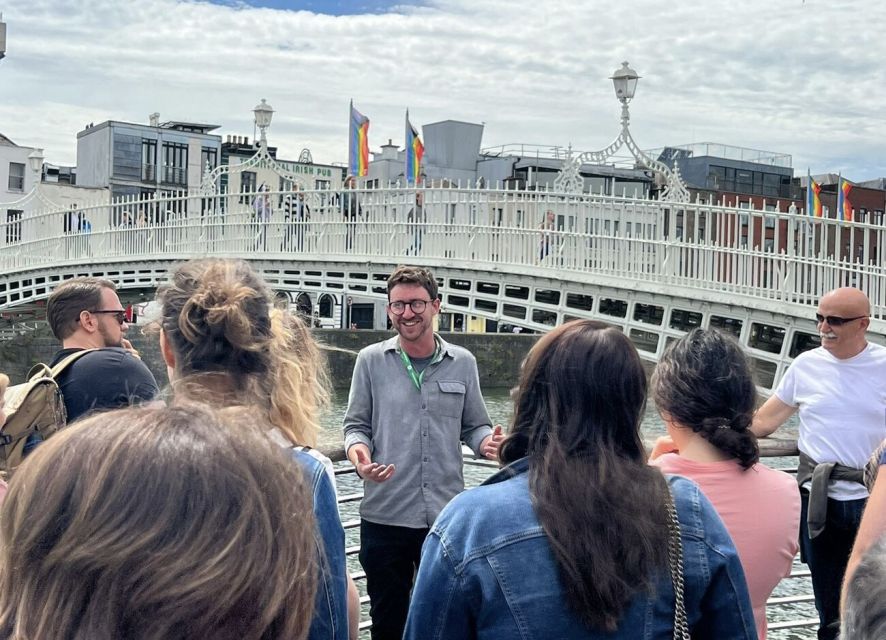
The guide’s delivery matters here. A dry list of names would lose the point. The strongest guides on this route, including Helena, Emily, Lee, and Dave, are praised for using humor, warmth, and lively narration. That makes complicated material easier to follow, especially if you do not already know Irish mythology.
I would choose this tour if you enjoy stories but do not want a lecture. The guides are described as welcoming and willing to answer questions. Some also offer suggestions for places to visit around Dublin after the walk, which can make the tour useful beyond its two-hour route.
Families can also find plenty to enjoy. One guide kept children engaged with humor and clear explanations, while the shorter format and regular stops help keep the pace manageable. Still, parents should remember that parts of the tour involve death, grave robbing, and macabre stories. It is not frightening by design, but the subject matter is not entirely light.
The Georgian Quarter’s darker side
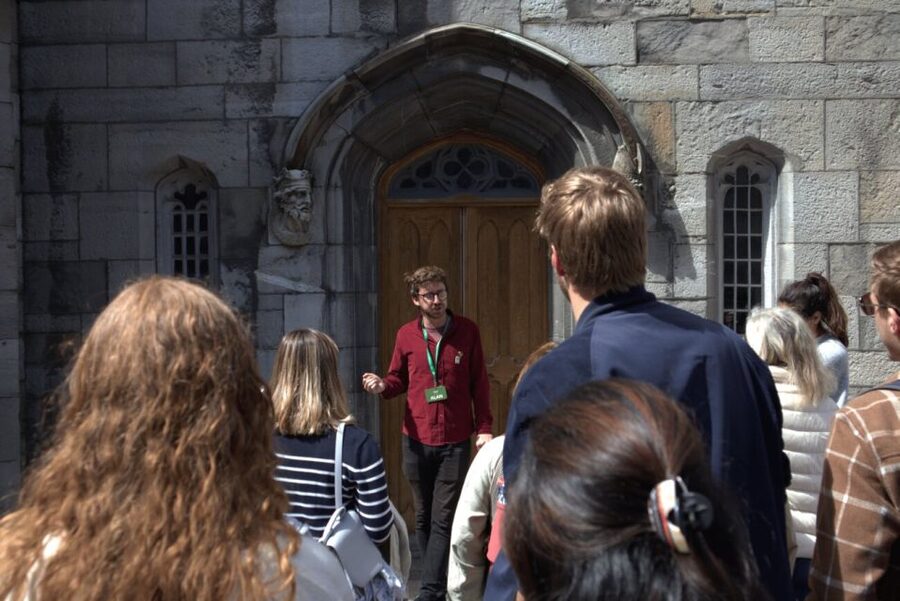
The route leaves the usual tourist path and brings you into the Georgian Quarter. Here, the tone shifts from ancient myth to darker episodes involving rebellions, revolutions, and grave robbing.
This is a valuable part of the walk because it shows how folklore and documented events can sit beside each other. Irish culture has carried legends, political memories, religious traditions, and local stories at the same time. The tour does not treat mythology as a separate subject sealed away in the distant past.
Grave robbing gives this section an especially macabre edge. It is the kind of detail that many standard city tours skip, yet it helps explain the fears and social tensions of earlier Dublin. The stories also give you a sharper sense of how people understood death, medicine, crime, and public order.
The Georgian Quarter itself is often admired for its architecture, but this tour asks you to look past the facades. The buildings become settings for human drama rather than just photo stops. You may not spend long at each location, but the pause-and-story format gives each place a clear role.
Same streets, a different route:
- Dublin Historical Centre Food Tour with 8 Food Tastings & Drinks
★ 5.0 · 1,718 reviews - 90 Minute Dublin Walking tour and Sightseeing tips
★ 5.0 · 916 reviews - 2-Hour Historical Walking Tour from Dublin
★ 5.0 · 875 reviews - Historical 2-Hour Guided Walking Tour of Dublin
★ 4.7 · 865 reviews
The Abbey Theatre and a tragic chapter
The tour also covers the tragic history of the Abbey Theatre. This adds an artistic and cultural thread to the route. You are not only hearing about warriors and supernatural beings. You are also learning how storytelling, performance, and national identity connect in modern Ireland.
The Abbey Theatre matters in this context because the stage became part of the country’s cultural conversation. The tour treats its history as something with emotional weight, not merely another landmark to pass on the way to the next stop.
This is a good example of the tour’s wider purpose. It uses folklore as a doorway into Irish culture, then moves between myth, politics, theatre, language, and public memory. If you already know Dublin’s standard attractions, this layer can make familiar places feel less predictable.
Finishing on O’Connell Street with Gaelic culture
The walk ends on O’Connell Street, where the guide introduces the revival of the Gaelic language and Irish culture. This closing section brings the tour into the present and helps explain why folklore still matters in contemporary Ireland.
That ending is well chosen. The tour begins with mythic origins and finishes with a culture actively reclaiming and reshaping its identity. You are left with a stronger sense that storytelling is not a museum piece. It remains part of how Ireland talks about itself.
The final section also includes contemporary street characters of Dublin. This keeps the ending from becoming too formal. Ancient legends and modern city life share the same route, and that contrast is one of the walk’s best ideas.
The guides make the difference
A storytelling tour depends heavily on the person holding the group together. Helena is praised for enthusiasm, humor, and a clear passion for folklore. Emily is described as warm, engaging, and especially strong at making complex stories accessible. Lee brings good energy and keeps the group involved, while Dave is praised for humor, useful Dublin suggestions, and keeping children interested.
You may receive a different guide, so do not book on the assumption that one named person will lead your departure. The important point is that the team is made up of local English-speaking guides with folklore training and accreditation.
The best part of the guide style is the mix of information and conversation. Several guides are described as happy to answer questions and chat with the group while moving between stops. That makes the walk feel less like a speech delivered at fixed points and more like an informal cultural lesson.
Pace, walking effort, and group comfort
The tour lasts two hours and includes several longer stops where you can listen to the guide. It is still a walking tour, so comfortable shoes and weather protection make sense, but the route is not described as an exhausting city trek.
This slower rhythm suits the material. Folklore needs room to breathe. If the guide rushed from landmark to landmark, the stories would become a blur of names and creatures. The pauses let you settle into each tale and ask questions.
The experience is listed as wheelchair accessible. Since the activity takes place on city streets and includes multiple stops, you may still want to confirm current route conditions if you have specific mobility needs. The guide’s attention to different energy levels is another useful feature, with stops chosen to allow people time to rest while listening.
There is no hotel pickup or drop-off. You meet outside The Old Storehouse pub in Temple Bar and look for the green umbrella. The tour ends back at the meeting point, which makes it easy to continue exploring central Dublin afterward.
Is $27 a fair price?
At $27 per person, the tour is reasonably priced for a guided two-hour experience in central Dublin. You are paying for a local guide and a focused route rather than transport, food, museum admission, or a long list of included extras.
The value depends on what you want from a city walk. If you only need basic orientation, a free map or general sightseeing walk may cover more ground. If you want context, storytelling, and a less familiar angle on Dublin, the price is easier to justify.
I see the strongest value in the combination of range and focus. In two hours, you move from Celtic traditions to mythical creatures, ancient warriors, Georgian-era crime, rebellion, theatre, Gaelic revival, and modern street life. That is a lot of ground, but the themes are connected by the importance of storytelling.
The free cancellation option up to 24 hours before the tour and the reserve-now, pay-later choice also make it easier to fit into a changing Dublin schedule. These are practical advantages, especially if your arrival plans are uncertain.
Who should book this Dublin folklore walk?
I would recommend it to first-time visitors who want an unusual introduction to the city, especially if you enjoy legends, oral tradition, theatre, or cultural history. It also works well for repeat visitors who have already seen the main sights and want a different reason to walk through central Dublin.
Families may like the humor, short duration, and stops, though some stories involve death and grave robbing. The tour also suits travelers who know Irish political history but want more mythology, as one participant from Belfast found the folklore angle offered something less familiar.
It is less suitable if you want a purely factual history tour, a pub crawl, or a route packed with major interior attractions. You will spend much of the time listening outdoors, and the experience is in English.
Should you book it?
Book this tour if you want Dublin to feel like a city of stories rather than a checklist of monuments. At $27, it offers a friendly guide, a manageable two-hour route, and access to parts of Irish culture that standard sightseeing often skips.
I would place it early in a Dublin visit. The mythology, Gaelic culture, theatre stories, and local recommendations can shape how you understand the city for the rest of your stay. Bring comfortable shoes, arrive at The Old Storehouse with time to find the green umbrella, and come ready to listen closely.
FAQ
How long is the Dublin Mythology, Folklore and Legends Walking Tour?
The tour lasts two hours.
How much does the tour cost?
The listed price is $27 per person.
Where does the tour start?
Meet outside The Old Storehouse pub in Temple Bar. Look for the green umbrella.
Where does the tour finish?
The activity ends back at the meeting point.
What language is the tour conducted in?
The live tour guide speaks English, and the listed tour language is English.
Does the tour include hotel pickup and drop-off?
No. Hotel pickup and drop-off are not included.
Is the walking tour wheelchair accessible?
Yes, the activity is listed as wheelchair accessible.
Can I cancel the tour for a full refund?
Yes. You can cancel up to 24 hours in advance for a full refund.
Just added around Dublin
- Dublin: Macabre History Walking Tour★ 4.9 · 95 reviews
- Dublin: Traditional Pub Walking Tour★ 4.6 · 295 reviews
- Dublin: Traditional Pubs Walking Tour with Local Guide★ 4.9 · 112 reviews
- Dublin’s Haunted History Walking Tour★ 4.3 · 345 reviews
- Dublin: Irish Music Walking Tour with Live Performance★ 4.8 · 137 reviews
- Dublin: Highlights and Hidden Corners Walking Tour★ 4.8 · 79 reviews
- Dublin: Delicious Walking Food Tour★ 4.9 · 137 reviews
- Dublin Highlights: 2.45-Hour Walking Tour in Italian★ 4.7 · 460 reviews
Walking Tours, compared.

Magical London: Harry Potter Guided Walking Tour
Read our review →
Reykjavik Food Walk – Local Foodie Adventure in Iceland
Read our review →
History and Hauntings of Salem Guided Walking Tour
Read our review →
New Orleans Premier Ghost, Voodoo and Vampire Walking Tour
Read our review →
Amsterdam Anne Frank: Small-Group Walking Tour & Local Guide
Read our review →

Edinburgh Castle: Guided Walking Tour with Entry Ticket
Read our review →
Anne Frank’s Story – Guided Walking Tour through Amsterdam
Read our review →Browse the lists this tour appears in