
REVIEW · SOUTH AFRICA
Cape Town: Langa Township Walking Tour
Langa gives you a side of Cape Town that most sightseeing routes skip: the history of apartheid, the daily work of local families, and the community projects shaping the future. A guide from Langa, including guides such as Wanda, Mike, Thando, or Mzukisi, leads you through the area and explains what you are seeing in personal, practical terms.
I like two things here. First, your money goes through a locally run tour rather than a distant company. Second, the tour brings history down to street level, from the old dompas office and courtroom to art studios, small businesses, and community centers. The main consideration is that some stops can feel confronting, and the walking route may be uncomfortable if you are not used to uneven streets or long periods on your feet.
Key points to know before you go
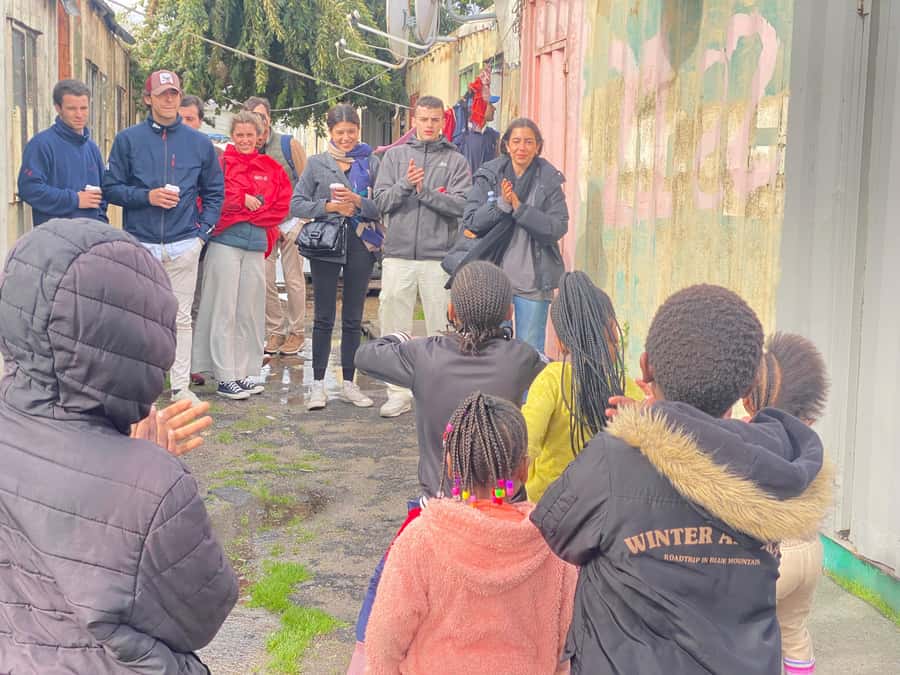
- Langa’s story is explained by people who live there, not by a guide passing through from Cape Town’s center.
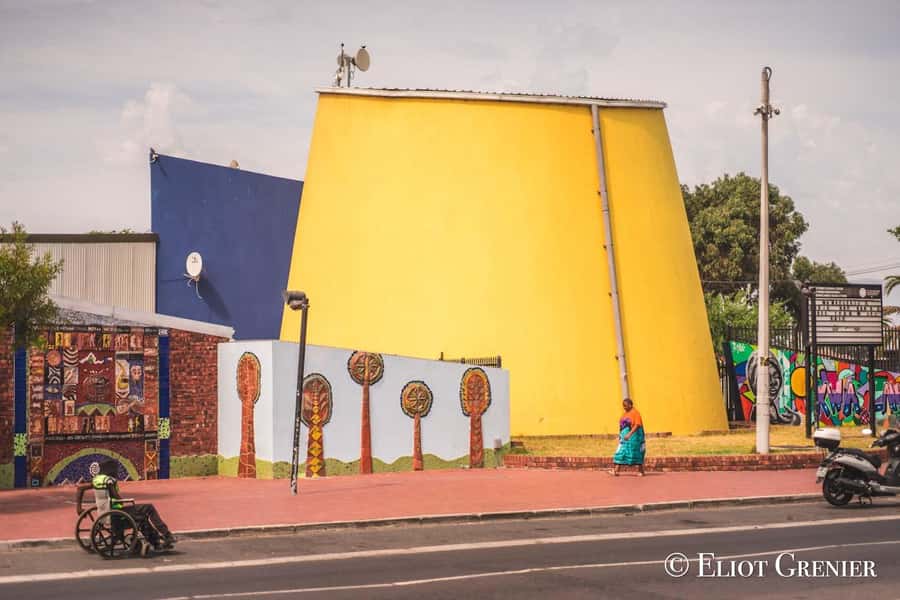
- Guga S’thebe Arts & Cultural Centre is the meeting point and often adds music, drumming, crafts, or dance to the visit.
- The route mixes difficult realities with local enterprise, including art, food, education, and youth projects.
- Small cash is useful for tips, food, crafts, and voluntary support at community initiatives.
- The 150-minute tour includes plenty of walking, so wear comfortable shoes and modest, practical clothing.
- Safety is handled through local guidance, but you should still follow instructions about photographs and interactions.
Why Langa adds an important chapter to Cape Town

Cape Town is easy to admire from Table Mountain, the V&A Waterfront, and the Cape Peninsula. Those places matter, but they do not explain how the city was shaped. Langa helps fill in that missing chapter.
Established in the 1920s, Langa is one of South Africa’s oldest townships. Its name means sun in Xhosa. The area grew under laws that separated people by race and controlled where Black South Africans could live, work, and travel. Your guide explains this past while showing how its effects still appear in housing, employment, education, and access to services.
The value of this tour is not simply seeing a different part of Cape Town. It is learning how history affects ordinary routines. A good guide can connect old government offices, housing areas, businesses, and community projects in a way that a museum alone cannot.
I also appreciate that the tour does not present Langa as only a place of hardship. You see difficult living conditions, but you also see humor, creativity, pride, faith, food, music, and people building useful services with limited resources. That balance matters. A township should not be reduced to a poverty display.
A few more walking tours around the world worth a look
- Magical London: Harry Potter Guided Walking Tour
★ 4.7 · 22,044 reviews - Reykjavik Food Walk – Local Foodie Adventure in Iceland
★ 5.0 · 18,952 reviews - History and Hauntings of Salem Guided Walking Tour
★ 5.0 · 14,564 reviews
Starting at Guga S’thebe Arts & Cultural Centre
The meeting point is Guga S’thebe Arts & Cultural Centre on King Langalibalele Drive. This center is one of the key cultural spaces in Langa, and it gives the tour a fitting start.
Depending on the day, the opening section may include an arts and crafts visit, local music, drumming, or a traditional dance performance. One tour account describes starting with drum lessons from local performers. These activities help you meet the place through sound and movement before the walk turns toward history and social issues.
The center also gives you a chance to see local creative work. Crafts are not included in the tour price, so bring cash if you want to buy something. Purchases can support individual makers, but do not feel pressured to buy. The important point is to treat the artists as people running businesses, not as part of a staged show.
Your guide will usually explain the plan here and set expectations about photographs and respectful behavior. This is a good moment to ask questions. Guides such as Wanda, Thando, Mike, and Mzukisi are praised for making the tour conversational, so do not be afraid to raise subjects that concern you.
Walking through Langa’s past and present

The main guided walk lasts about two hours, with the full activity taking 150 minutes. You move through several parts of Langa rather than staying inside one cultural center.
The historical section may include discussion of apartheid, the meaning of Langa’s name, and the restrictions that shaped township life. Some guides also show places connected to local administration and protest history, including the dompas office and courtroom. The dompas system controlled the movement of Black South Africans, so seeing the setting where such rules were enforced makes the subject more concrete.
Your guide may also explain how different parts of Langa have developed. Some areas have formal homes, while others include more basic structures and container homes. A few visitors describe seeing a sharp contrast between poorer sections and an area nicknamed Beverly Hills. That contrast is useful, but it can also feel uncomfortable. Avoid treating homes as photo subjects. Listen first, and take pictures only when your guide makes clear that it is appropriate.
The route is not a polished heritage trail. You are walking through a working community where people are going to school, running shops, preparing food, and going about private business. That is part of the strength of the experience, but it also means you need to stay alert, keep the group together, and follow local advice.
Meeting local people and seeing community work
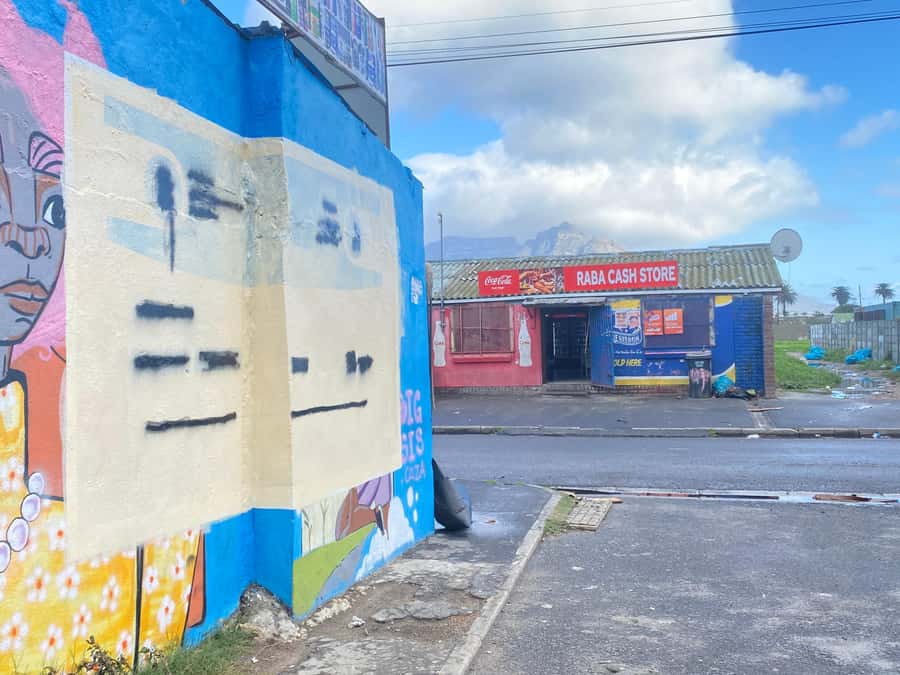
A major part of the visit is meeting people connected with Langa’s projects and small businesses. You may hear about cooperatives, educational programs, youth support, social enterprises, and craft workshops.
The tour can include a visit to a local home. This is one of the more personal parts of the experience, and it requires care. You are entering someone’s living space, not an exhibit. Listen to the introduction, ask before taking pictures, and remember that a brief visit cannot explain an entire household’s life.
Other stops may include a homework center, daycare, nursery, or community project. Some activities depend on the time of day, so you may not see each project in full operation. That is not necessarily a flaw. A homework center may be quiet during school hours, and a soup kitchen may not be serving food when your group arrives.
Some people consider visits involving children ethically uncomfortable. That concern deserves attention. Do not photograph children, and do not assume that bringing gifts is helpful. One guide specifically advised against distributing books, pencils, candy, or toys because children may argue over them and continue to approach visitors. If a nursery or project accepts donations, ask your guide what is useful and give through the organization rather than handing items to children.
Same streets, a different route:
- New Orleans Premier Ghost, Voodoo and Vampire Walking Tour
★ 4.5 · 12,856 reviews - Amsterdam Anne Frank: Small-Group Walking Tour & Local Guide
★ 4.8 · 12,789 reviews - Edinburgh: Harry Potter Magical Guided Walking Tour
★ 4.8 · 11,944 reviews - Edinburgh Castle: Guided Walking Tour with Entry Ticket
★ 4.7 · 11,699 reviews
Art, murals, and the Langa Art Gallery
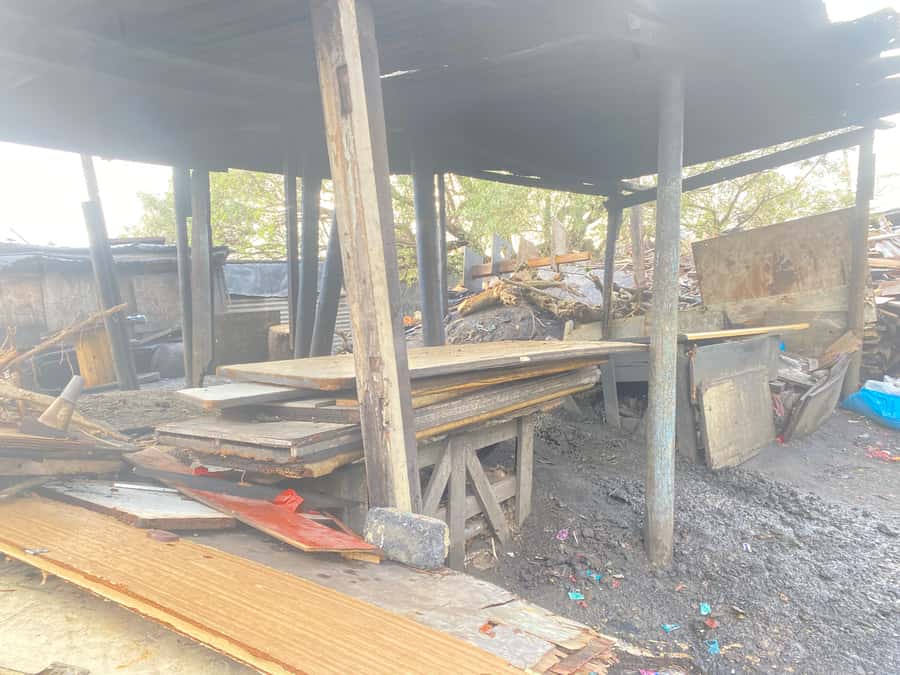
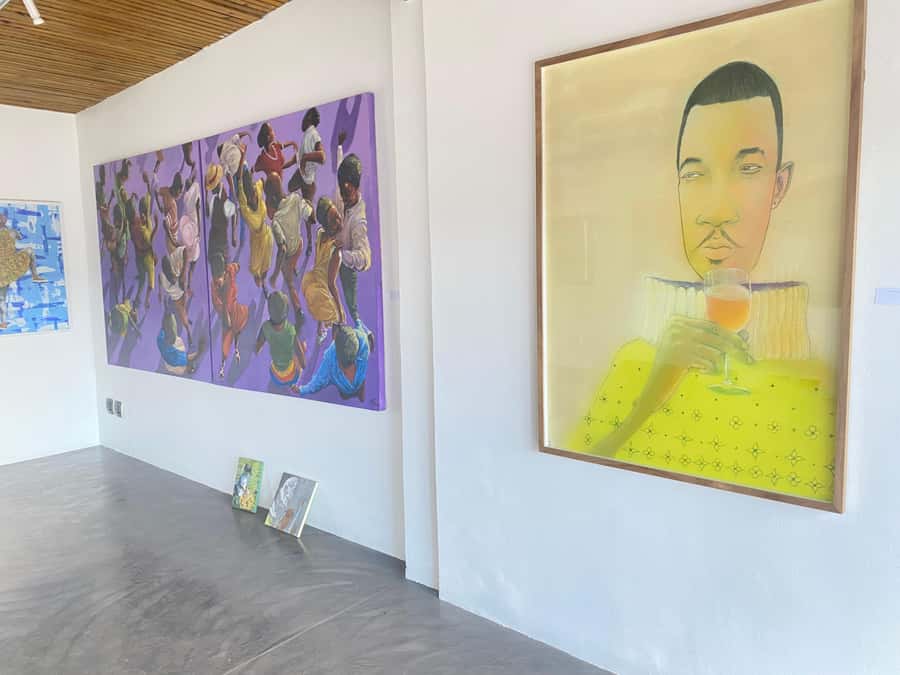
Art is one of the clearest ways Langa tells its own story. The route includes the Langa Art Gallery on 16, along with street art and murals that reflect local concerns, identity, hope, and political memory.
At the gallery, you may meet artists or see work connected to the community’s daily life. The value is not only aesthetic. Art provides employment, gives young people a place to develop skills, and allows local residents to speak about their own experience.
The murals also make the walk more engaging. Your guide can explain the ideas behind particular images and show how public art turns ordinary walls into places for memory and debate. Do not rush through this portion with your camera. Ask what a painting means locally, and notice how the answer changes your understanding of the street around it.
The gallery and the arts center are also useful if you want to support Langa without treating the visit as charity. Buying a piece directly from an artist, tipping a performer, or paying for food at a local business can be a more direct form of support than handing out objects.
Food, music, and local conversation
Food may be included as an optional stop or arranged during the route. Possibilities mentioned for the experience include bunny chow, braai, koeksisters, fried liver sandwiches, and dishes such as sampa and chakalaka. The exact food depends on the day and the local businesses open during your visit.
Do not expect a formal restaurant meal unless your guide says that is planned. You may stop at a food stall, eatery, or local bar. One account describes ending up in a bar with local people for food and drinks, while another mentions eating a fried liver sandwich with the guide. These moments can be memorable because food opens an easy conversation about family, celebrations, work, and local habits.
If you buy food or drinks, pay directly and carry small notes. It is also wise to tell the guide about allergies or dietary limits before accepting a sample. The tour information does not promise a specific dish, so treat food as a possible part of the experience rather than a guaranteed tasting menu.
Music and dance add another layer. Xhosa traditions, local songs, drumming, and dance may feature at the arts center or along the route. Participation is usually optional. You can enjoy the performance without joining in, but a little willingness to clap, learn a rhythm, or try a few words can make the exchange feel more natural.
What the guide contributes

The guide is the heart of this tour. The operator uses local guides from Langa, and that changes the experience in practical ways. A local guide knows which people to introduce, which projects are active, how to explain sensitive subjects, and when a planned stop needs to change.
The guides named in the tour material include Wanda, Mike, Thando, Mzukisi, Luvuyo, Kido, Sam, Mazo, Loyiso, Lathando, and Touch. Their styles will differ, but the most useful qualities are similar: clear English, personal connection to Langa, patience with questions, and pride in the community.
You can ask about apartheid, housing, education, work, religion, food, language, and the prospects of younger residents. The best guides do not give you a tidy answer to every problem. They explain the pressures and also point to people trying to create jobs, support children, and improve local services.
The experience may be private if only one booking is made, or it may be shared with a small group. A smaller group makes conversation easier and can reduce the sense of passing through as a crowd. You should still remember that personal attention does not give you permission to enter private spaces or ask intrusive questions.
Safety, respect, and the ethics of township tours
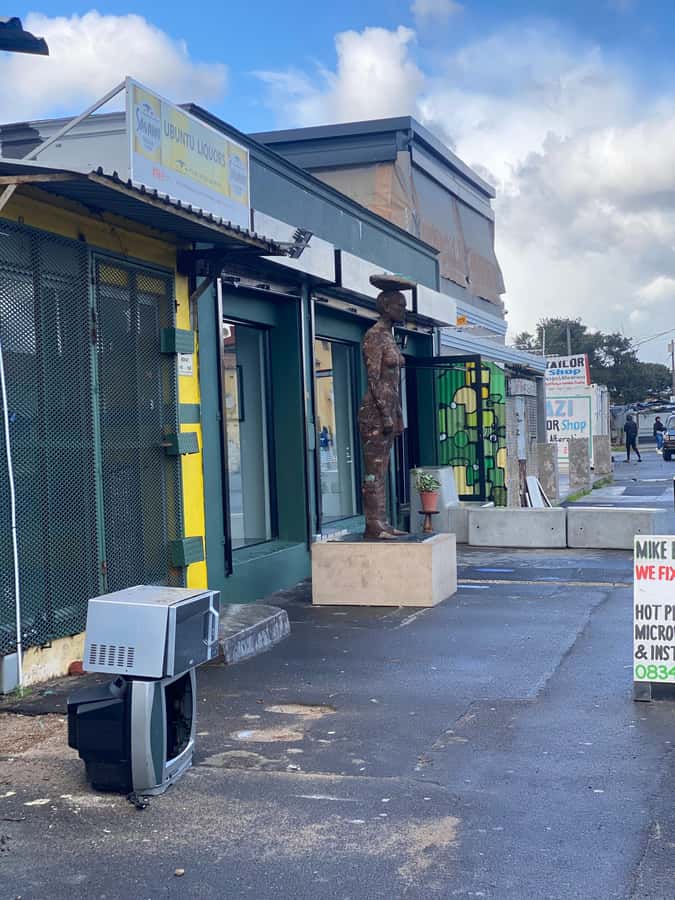
Safety is a common concern when visiting any unfamiliar part of a city. Local guides are well placed to advise you about where to walk, when to take photographs, and how to interact with residents. Many people feel comfortable throughout the route when following those instructions.
That said, do not treat a positive safety experience as a guarantee for every situation. Keep valuables out of sight, stay with the guide, and do not wander away to explore on your own. Follow instructions about phones and cameras.
The bigger issue is respect. A township tour can become voyeuristic if it focuses on poor housing, children, or hardship without giving residents a voice. This experience works best when you see the whole community: history, art, businesses, food, social projects, family life, and future plans.
Ask before photographing people. Do not hand out money or gifts in the street. If you want to help, ask about a local project, buy from an artist, eat at a local business, or make a donation through an organized initiative. Tips for the guide are expected and should be included in your budget.
Is $37 good value for 150 minutes?

At $37 per person, this is a reasonable price for a two-and-a-half-hour experience led by a local guide. The fee covers the guide, the walking tour, a visit to a local home, and the Langa art gallery. It also supports a locally operated activity rather than sending all the money to a large sightseeing company.
The price does not cover crafts, and food or donations may cost extra. Small cash is useful for tips and optional purchases. If you want to support several projects, those small costs can add up, so plan for them.
The value depends on what you want from Cape Town. If your goal is a fast list of famous sights, this tour will take time away from the usual circuit. If you want context, conversation, and a better understanding of how the city’s past shapes its present, the price is fair.
The booking terms are flexible: you can cancel up to 24 hours before the activity for a full refund, and you can reserve now and pay later. Starting times vary, so check availability when booking.
Who should book this Langa walk?
I would suggest this tour to adults, families with older children, students, and anyone who wants more than postcard views of Cape Town. The walking pace and discussion suit curious people who are willing to ask questions and listen carefully.
It can also work well for families. One family completed the route with children aged 12 and 15, finding the length manageable. Still, parents should prepare children for serious subjects and explain that local people are not attractions.
This is less suitable if you want a polished performance, guaranteed food tasting, or a fully predictable route. The tour changes with community schedules, and some parts may feel emotionally heavy. It is also not a good choice if you dislike walking.
The information is inconsistent about mobility access. The activity is marked wheelchair accessible in one place, yet it is also listed as not suitable for wheelchair users. Contact the operator before booking if access is important to you, since the walking surfaces and route may not work for every wheelchair.
What to bring and how to prepare
Wear comfortable shoes and practical clothing. You will be on foot for much of the 150 minutes, and the tour is not a short stop at a museum.
Bring water, a phone or camera used with discretion, and small South African notes for tips, food, crafts, or donations. Do not arrive with bags of toys, candy, books, or pencils for children. Ask the guide about useful support instead.
Read a little about apartheid before you arrive, but do not worry about knowing every date. The guide will provide the local setting. Come ready to ask direct questions without assuming that one person can speak for all of South Africa.
Should you book the Langa Township Walking Tour?
Book it if you want to understand Cape Town through local voices, community work, art, and history rather than famous viewpoints alone. The strongest reason to go is the guide’s connection to Langa. People such as Wanda, Mike, Thando, and Mzukisi can turn a walk into a thoughtful conversation about both hardship and possibility.
Skip it if you want a light, entertainment-only outing or if you are uncomfortable seeing poverty and discussing apartheid. For everyone else, this is one of the more useful ways to add human context to a Cape Town visit. Bring patience, small cash, respectful curiosity, and comfortable shoes.
FAQ
How long does the Langa Township Walking Tour last?
The activity lasts 150 minutes, or two and a half hours. The guided walking portion is listed as about two hours, followed by shorter visits and stops.
Where does the tour begin?
The meeting point is Guga S’thebe Arts & Cultural Centre at 42 King Langalibalele Drive in Langa.
What language is the tour conducted in?
The tour is conducted in English with a live English-speaking guide.
What places are included?
The experience includes Guga S’thebe Arts & Cultural Centre, the Langa Heritage Museum, community projects, a local home, the Langa Art Gallery on 16, and selected streets and cultural sites in Langa.
Is food included in the price?
Food is not listed as included. You might stop at a local eatery or food stall for dishes such as bunny chow, braai, koeksisters, or other local food, but the exact stop can vary.
Are arts and crafts included?
No. Arts and crafts are not included in the tour price. You can purchase items separately at the local arts and crafts market or from artists.
Should I tip the guide?
Yes. Tipping the guide is specifically requested. Bring small cash if you also want to support local performers, artists, food sellers, or community projects.
Can I cancel the booking?
You can cancel up to 24 hours in advance for a full refund. The reserve now and pay later option is also available.
What should I wear?
Wear comfortable shoes and clothes suitable for a walking tour. The route includes substantial walking through the township.
Is the tour suitable for wheelchair users?
The information is mixed. The activity is marked wheelchair accessible, but it is also listed as not suitable for wheelchair users. Contact the operator before booking to confirm whether the current route meets your needs.
Just added around the world
- Fira: Guided Foodie Walking Tour with Tastings★ 4.9 · 474 reviews
- Fez: Guided Walking Tour of the Historic Medina★ 5.0 · 359 reviews
- Fez: Walking Tour in the Ancient City of Fez★ 4.8 · 73 reviews
- Faro: Old Town Guided Walking Food Tour★ 4.9 · 94 reviews
- Feel like a local – Walking Tour in Mykonos Town 2hours★ 4.4 · 77 reviews
- Fes: A Guided Walking Tour Through the Historic Medina★ 4.4 · 97 reviews
- Fez: Half-Day City Private Walking Tour with a Guide★ 4.6 · 114 reviews
- Fanal / Assobiadores – Levada Walk★ 4.6 · 93 reviews
Walking Tours, compared.

Magical London: Harry Potter Guided Walking Tour
Read our review →
Reykjavik Food Walk – Local Foodie Adventure in Iceland
Read our review →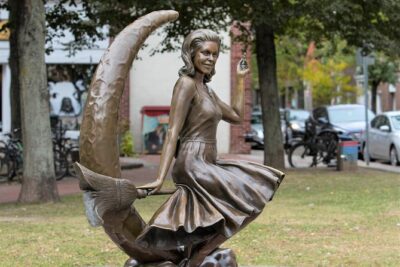
History and Hauntings of Salem Guided Walking Tour
Read our review →
New Orleans Premier Ghost, Voodoo and Vampire Walking Tour
Read our review →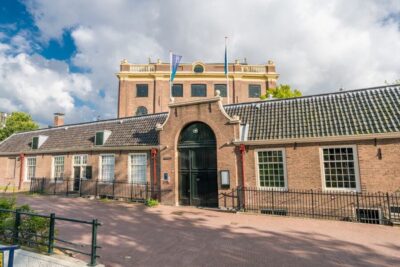
Amsterdam Anne Frank: Small-Group Walking Tour & Local Guide
Read our review →

Edinburgh Castle: Guided Walking Tour with Entry Ticket
Read our review →
Anne Frank’s Story – Guided Walking Tour through Amsterdam
Read our review →Browse the lists this tour appears in