

REVIEW · SOUTH AFRICA
Soweto Walking Tour with Lunch
Soweto’s past comes into focus on foot, where the 1976 student uprising, Nelson Mandela’s former home, and everyday township life are all part of the same four-hour walk. Guides such as Maweza bring local knowledge and personal stories to places that can feel flat on a quick drive-by tour.
I like the route’s clear historical shape, from the Hector Pieterson Memorial to Orlando Towers. I also like the chance to eat a kota sandwich, a filling local meal, rather than ending with only photographs and dates.
The main drawback is practical: there is no hotel pickup or drop-off, and one meeting-point issue has caused confusion. You should also bring cash if you want to thank local guides or buy from vendors along the way.
Key points at a glance

- Follow the 1976 uprising on foot: Connect the Hector Pieterson Memorial with Moema Street, where the story moves from museum displays to the streets themselves.
- See two Nobel Peace Prize connections: Vilakazi Street is associated with both Nelson Mandela and Desmond Tutu.
- Meet local guides such as Maweza: The strongest part of the experience is the guide’s ability to explain Soweto through local experience and wider South African history.
- Eat a proper kota lunch: The large township sandwich is served at Orlando Towers, the tour’s final stop.
- Plan for extra costs: Mandela House entry, transport to and from Soweto, and any purchases are not included.
- Allow four hours and wear walking shoes: The route covers several stops and includes a visit to an informal settlement area.
Why this Soweto walk matters
Soweto is not simply a place to collect photographs of famous addresses. It is the heartland of the movement that helped end apartheid, and the best part of this experience is the way it links major events to ordinary streets.
You begin near the Hector Pieterson Museum and Memorial, then walk through places tied to the youth uprising of 1976. From there, the route shifts to Vilakazi Street, Mandela House, Tutu House, Baragwanath Road, and Orlando Towers. That sequence gives you both the political story and a look at present-day Soweto.
I like this approach because the township does not become a backdrop. You hear about the people who lived here, the conditions they faced, and the changes that followed. Guides named Maweza and Mulalo Mphuma have been singled out for clear explanations, warmth, and personal connections to Soweto. The guide assigned to your date may differ, so treat those names as examples rather than a guarantee.
The tour is listed at $40.26 per person. That is a fair price if you want a local guide, bottled water, and lunch, and if you value context more than a short photo stop. It is less attractive if you are seeking private transport, a small luxury tour, or a long shopping break.
More Tours with Lunch in South Africa:
- Soweto: Walking Tour with a Local Guide and Lunch
★ 4.9 · 648 reviews - Constantia Wine Walk Storytelling Vineyard Tour with Lunch
★ 5.0 · 77 reviews - Prague Guided Walking Tour and Cruise with Authentic Czech Lunch
★ 5.0 · 3,627 reviews
Starting at the Hector Pieterson Memorial
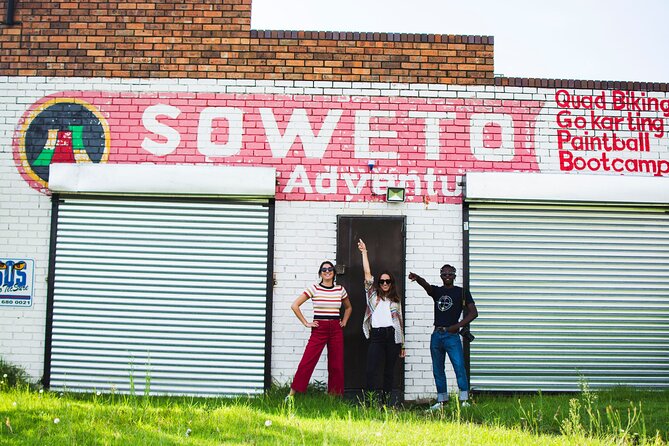
The first half hour is devoted to the Hector Pieterson Museum and Memorial. This is the right place to begin because the 1976 Soweto uprising gives meaning to nearly every later stop.
Your guide explains how students organized against apartheid-era education policies and how the protest turned deadly. Hector Pieterson became a symbol of the uprising after his death, and the memorial helps frame the courage and loss involved.
Admission to this stop is free. The meeting point is at the museum, so you need to make your own way there. Since transport is not included, allow extra time for arrival and check the meeting instructions carefully before setting out.
This opening section is likely to be serious rather than light sightseeing. You are dealing with state violence, student protest, and the long consequences of apartheid. I appreciate that the experience begins with this difficult material instead of treating Soweto as a colorful neighborhood tour with a little history added on later.
Walking the footsteps of 1976 on Moema Street
After the museum, you spend about 20 minutes on Moema Street. Here, the guide connects the events explained indoors with the actual streets where young people marched, were confronted, and faced gunfire.
This is where a walking tour earns its place. A vehicle can show you the route, but walking lets the guide point out distances, homes, roads, and living conditions as part of a single story. You are not only hearing about the uprising. You are following its path.
The stop also covers the aftermath and the conditions in Soweto at the time. That wider explanation matters. The uprising was not an isolated event, and the tour uses the street to show how political decisions affected daily life.
The walking pace is described as manageable, and the full tour lasts about four hours. Still, you should wear comfortable shoes and be ready to walk outdoors for much of the morning or afternoon.
Vilakazi Street and two Nobel laureates
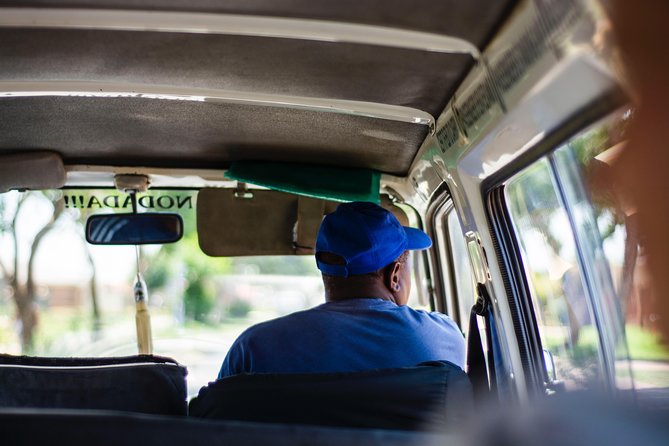
The group then takes a turn toward Vilakazi Street, one of the best-known addresses in Soweto. Its special claim is that both Nelson Mandela and Desmond Tutu lived in the neighborhood, giving the street an unusual place in South African public life.
The scheduled stop here is short, about 10 minutes, so do not expect a long browsing session. Instead, the guide uses the street to explain why these two figures matter and how their lives connect to Soweto.
This is also a good moment to remember that the tour is about more than one political leader. Mandela’s role is central, but Desmond Tutu’s religious leadership and opposition to apartheid are also part of the story. The pairing helps you see different forms of resistance and moral leadership.
One practical point: some people want time to stop at local vendors, but the walk does not promise a dedicated shopping break. If buying crafts, snacks, or other items matters to you, ask the guide when a suitable moment might arise and carry cash.
A few more walking tours around South Africa worth a look
- Plettenberg Bay: Bungee Jumping with Zipline and Sky Walk
★ 5.0 · 506 reviews - Cape Town: Nathi Langa Township Walking Tour
★ 4.9 · 493 reviews - Cape Town: Art, Culture & History Walking Tour
★ 4.9 · 392 reviews - Cape Town: Street Art Walking Tour in Woodstock
★ 4.8 · 293 reviews
Mandela House and the cost of going inside
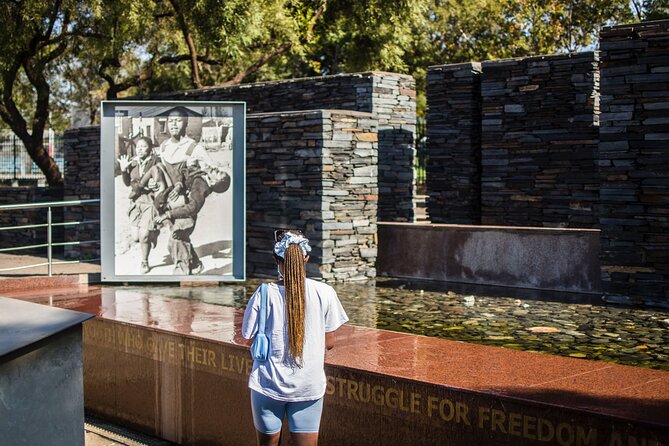
Mandela House is one of the route’s major landmarks. Nelson Mandela and Winnie Mandela lived here, and the home represents a more personal side of the struggle and the years that followed.
You spend about 20 minutes at this stop. Entry is not included in the tour price, so you should budget for an additional admission fee if you want to go inside. The supplied details do not give the current ticket price, so check it before booking if this visit is important to you.
That extra cost is worth considering when you compare this experience with a simple neighborhood walk. If you only want to see the exterior and hear the story, the tour still includes the location. If you want the house museum itself, the final price will be higher than the advertised $40.26.
The time allocation may feel brief to visitors who want a long museum visit. The tour has several other stops, so it is designed to give you a broad view of Soweto rather than spend most of the afternoon in one building.
Tutu House and the wider story of resistance
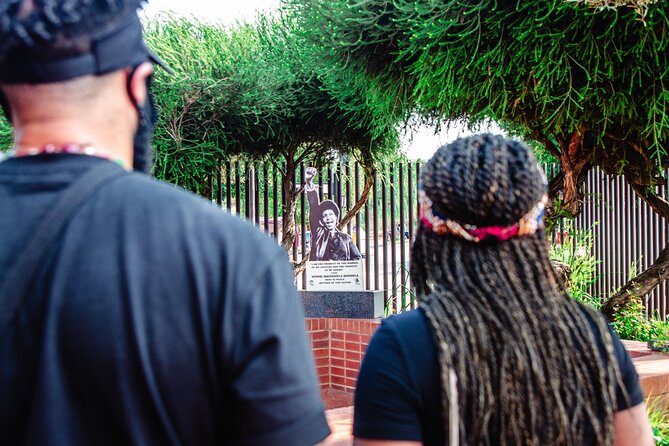
Tutu House follows, with about 10 minutes devoted to the home associated with Archbishop Desmond Tutu. The guide explains his role as a religious leader who criticized apartheid and later became a Nobel Peace Prize recipient.
This stop works well beside Mandela House because it broadens the route beyond one family and one political movement. You see how Soweto was connected to public figures who challenged apartheid through different paths.
The stop is short and admission is free. I would treat it as a guide-led explanation rather than a full house visit. The value comes from the context, especially if you know Mandela’s story but want a clearer sense of Tutu’s role.
Baragwanath Road and township life
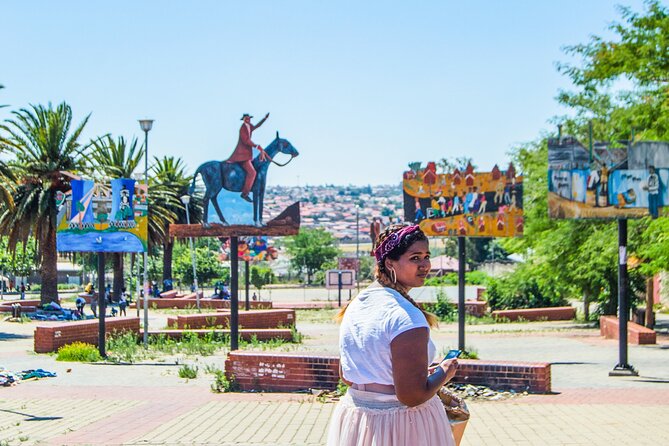
The route continues along Baragwanath Road for about 30 minutes. This section focuses on the early formal houses that helped form Soweto.
Here, the tour shifts from famous people to the shape of the township itself. Housing is not a side detail. It helps explain how Soweto developed, who was placed there, and how ordinary residents experienced the policies discussed earlier.
The route also includes an informal camp area, where you may see the difficult conditions faced by unemployed residents. This can be one of the most affecting parts of the walk, but it requires care and respect. You are entering a lived-in community, not an open-air museum.
A good guide sets the tone. Several accounts of Maweza describe a calm, considerate approach and clear explanations of both past struggles and present problems. That matters here. You should listen, avoid intrusive photographs, and follow your guide’s advice about respectful behavior.
The tour is presented as safe, and participants have described feeling comfortable throughout. No walking tour can remove every city concern, so stay with the group and pay attention to local guidance.
Orlando Towers and the kota lunch
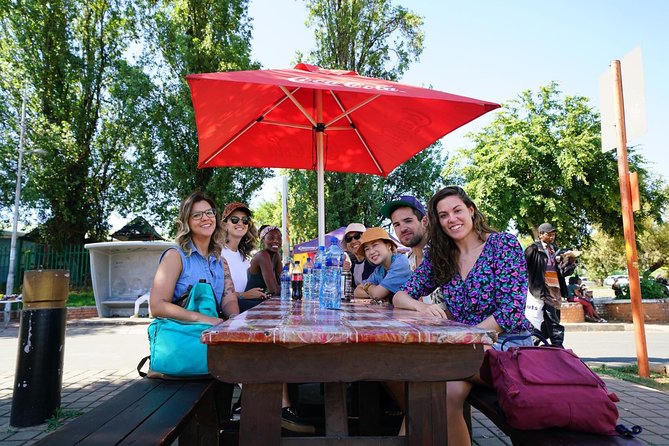
Orlando Towers is the final destination, with about an hour set aside for photographs and lunch. The towers are a memorable visual finish to a tour that has dealt with heavy subjects, and they offer a change of pace.
Lunch is a kota, a South African township sandwich often made with a hollowed-out quarter loaf packed with substantial fillings. Here, it is described as a local burger, and the portion is filling. The meal is included, along with bottled water.
Timing may matter if you choose a morning tour. One account places the kota meal around 11 a.m., so you may want only a light breakfast. An afternoon departure will shift the meal later, but the supplied details do not give exact start times.
You get time for photographs at the towers, but do not assume that this is a full food market or shopping stop. Additional purchases are your responsibility, and the price does not include other items beyond the listed lunch and water.
Guide quality makes the difference
The strongest part of this experience is the guide. Maweza is repeatedly identified by name in the supplied material, while Mulalo Mphuma is also praised for being welcoming and well informed. Their strengths include explaining apartheid in plain language, answering questions, and connecting national events with personal experience.
That personal element can change the feel of the walk. A guide raised in Soweto can explain not only where a famous person lived, but also how the area has changed and how different social groups live within the township today.
You should still keep expectations sensible. A guide can offer local insight, but the four-hour format cannot cover all of Soweto or every chapter of South African history. If you want long museum visits, extensive shopping, or a specialized political history lecture, you may find the schedule too broad.
The tour can include up to 100 people, according to the supplied details. That is a large possible maximum, though the actual group size on your date may be smaller. If personal conversation is important to you, ask about the group when you book.
Price, timing, and practical planning
At $40.26, the tour covers a local guide, bottled water, and a kota lunch. That makes the value solid for anyone who wants a guided introduction with food included.
You still need to pay for transport to and from the museum, Mandela House admission, and any extra food or shopping. Pickup and drop-off are not included. The tour offers morning or afternoon options, so you can fit it around other Johannesburg plans.
A mobile ticket is provided, and confirmation is sent at booking. The tour is near public transportation, but exact transport instructions should be checked carefully. One booking problem involved three possible meeting points even though the guide expected the group at only one location. To avoid losing time, confirm the museum meeting point directly before the day of the walk.
Most people can take part, but the route is on foot and lasts about four hours. If you have mobility concerns, ask the operator for current details before booking. The supplied information does not promise a fully accessible route.
Free cancellation is available up to 24 hours before the start time. Inside that window, the payment is not refunded, and changes are not accepted.
Who should book this Soweto experience?
I would choose this tour if you want history explained where it happened, prefer a local guide to a bus window, and are comfortable with a direct look at both famous landmarks and present-day hardship.
It suits first-time visitors to Johannesburg, families with older children, and anyone who wants a strong introduction to Soweto in half a day. A 15-year-old has enjoyed the format, and the pace has also worked for older relatives when the guide adjusted to their needs.
I would hesitate if you dislike walking, need hotel transport, want a private group, or expect a long visit inside Mandela House. You should also be ready for serious subjects and approach the informal settlement section with respect.
Should you book it?
Yes, if your priority is understanding Soweto rather than simply photographing it. The route has a clear story, the local guide is the main asset, and the kota lunch adds a useful taste of everyday township food.
Before booking, confirm the exact meeting point, check the added cost of Mandela House, and leave room in your budget for transport and optional purchases. Bring comfortable shoes and some cash. With those details handled, this is a well-priced, thoughtful way to spend four hours in Johannesburg.
FAQ
How long does the Soweto walking tour last?
The experience lasts approximately four hours.
What is included in the tour price?
The price includes a local burger-style kota sandwich and bottled water.
Is admission to Mandela House included?
No. Admission to Mandela House is not included, so you need to pay any entry fee separately.
Does the tour include hotel pickup and drop-off?
No. Pickup and drop-off are not included.
Are morning and afternoon departure options available?
Yes. You can choose between morning and afternoon tours.
What is the cancellation policy?
You can cancel up to 24 hours before the experience for a full refund. Cancellations or changes made less than 24 hours before the start time are not refunded or accepted.
Just added around South Africa
- Johannesburg City Centre Walking Tour★ 5.0 · 80 reviews
- Whale Watching Walking Tours (Land-Based) – from JUNE 2025★ 5.0 · 88 reviews
- Culture Walking Tour of Durban★ 5.0 · 110 reviews
- The 10 Tastings of Cape Town With Locals: Private Food Walking Tour★ 4.5 · 169 reviews
- Bo-Kaap: Walk with a local★ 5.0 · 131 reviews
- Cape Town Woodstock Street Art Walking Tour★ 4.5 · 77 reviews
- Constantia Wine Walk Storytelling Vineyard Tour with Lunch★ 5.0 · 77 reviews
- Stellenbosch: Guided Historical Walking Tour★ 4.7 · 283 reviews
Walking Tours, compared.

Magical London: Harry Potter Guided Walking Tour
Read our review →
Reykjavik Food Walk – Local Foodie Adventure in Iceland
Read our review →
History and Hauntings of Salem Guided Walking Tour
Read our review →
New Orleans Premier Ghost, Voodoo and Vampire Walking Tour
Read our review →
Amsterdam Anne Frank: Small-Group Walking Tour & Local Guide
Read our review →

Edinburgh Castle: Guided Walking Tour with Entry Ticket
Read our review →
Anne Frank’s Story – Guided Walking Tour through Amsterdam
Read our review →Browse the lists this tour appears in