
REVIEW · SOUTH AFRICA
Cape Town: Nathi Langa Township Walking Tour
Langa is not a staged attraction. It is a living community, and that is exactly what makes this 150-minute walking tour worth your time. With local guides such as Nathi, Zuzie, or Zuzi, you hear about apartheid, housing, work, family life, and present-day challenges from people who know Langa firsthand.
I like the direct contact with residents and the visit to Guga S’thebe Cultural Centre, where local craft and youth projects give the tour a constructive purpose. I also like that guides are clearly rooted in the area. The main consideration is that you will see real hardship, including cramped housing and poverty, so this is best approached with respect rather than as a photo opportunity.
Key points to know before you go

- Local guides lead from personal experience: Nathi grew up in Langa, while Zuzie and other guides live in or have close ties to the community.
- Guga S’thebe is a useful first stop: You can see crafts, community projects, and creative work linked to skills training.
- The walk covers both struggle and pride: Expect discussion of apartheid, inequality, local enterprise, celebrations, and community life.
- The guide makes the difference: Nathi is known locally and often greets people along the route, which helps visitors feel at ease.
- Plan for about two and a half hours: The tour involves walking, conversation, cultural stops, and time for questions.
- The price is $31 per person: That is fair value for a locally led experience that combines history, personal stories, and community-based spending.
Why Langa adds something important to Cape Town
Cape Town can make it easy to stay within a polished tourist circuit of the Waterfront, beaches, restaurants, and mountain views. Those places are worthwhile, but they show only one part of the city.
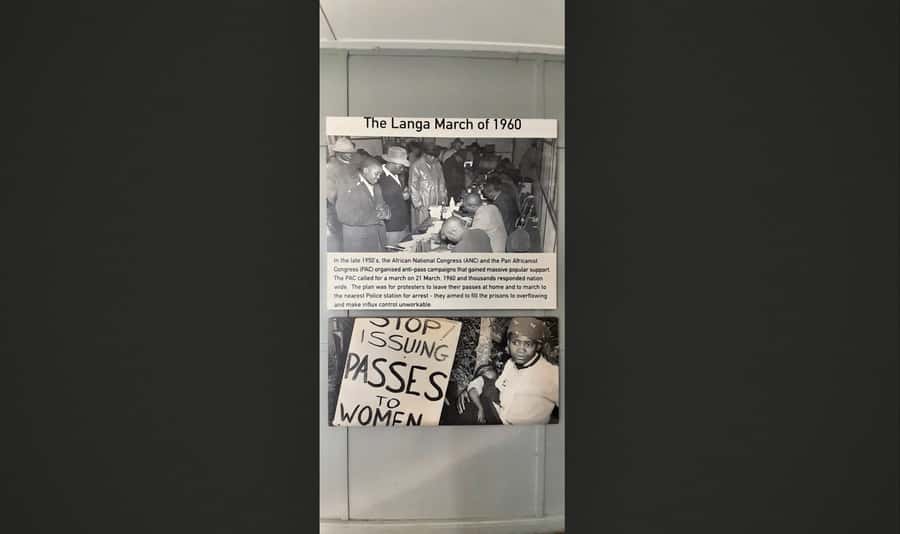
Langa gives you a different frame. The township has a long connection to South Africa’s segregation and apartheid era, and its streets still reflect the effects of those policies. The tour explains why townships were created, how people lived under apartheid, and how residents deal with the present-day effects of inequality.
That context matters. Without it, you may see Cape Town’s wealth and poverty as separate facts. With a local guide, you begin to understand how the two are connected by history, housing policy, employment, transport, and access to opportunity.
I would not book this tour expecting a neat historical walk with plaques and museum displays. You are walking through homes, businesses, streets, and gathering places where daily life continues around you. That makes the experience less predictable, but far more personal.
A few more walking tours around the world worth a look
- Magical London: Harry Potter Guided Walking Tour
★ 4.7 · 22,044 reviews - Reykjavik Food Walk – Local Foodie Adventure in Iceland
★ 5.0 · 18,952 reviews - History and Hauntings of Salem Guided Walking Tour
★ 5.0 · 14,564 reviews
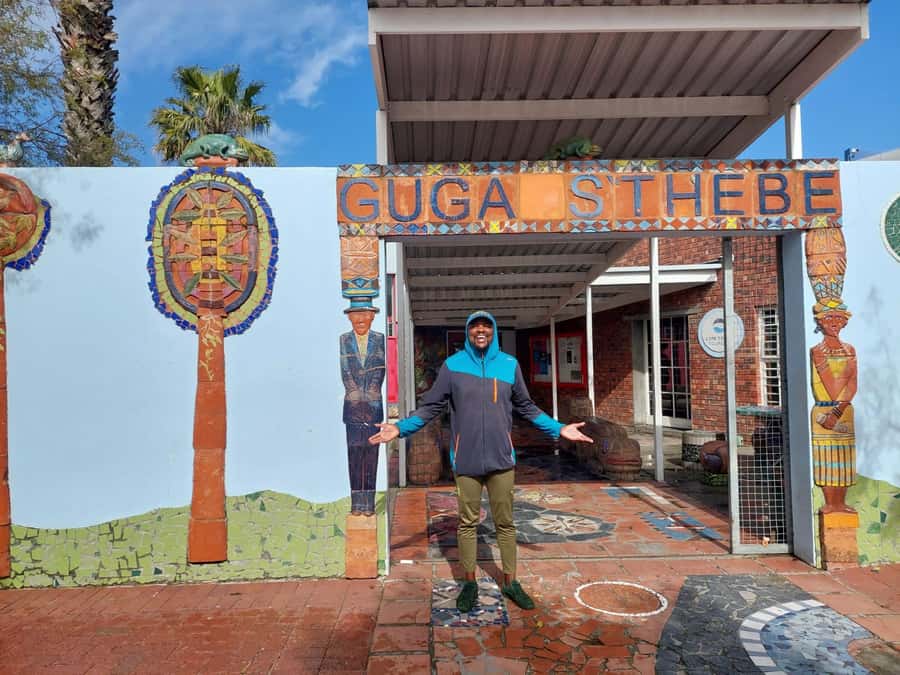
Meeting at Guga S’thebe Cultural Centre
The usual meeting point is the main entrance of Guga S’thebe at 36 Washington Street in Langa. You are asked to arrive 15 minutes before the start.
Guga S’thebe gives you a comfortable place to begin. Local artists display handmade work, and community projects use the centre to help unemployed people and school leavers develop practical skills. You may see pottery, crafts, or other creative work, with the chance to buy something if you wish.
There is no need to treat the shopping as an obligation. Buying directly from local makers can be a useful way to put money into the community, but you should only purchase something you genuinely want. The point of the stop is not simply retail. It introduces you to local initiative and shows how culture and income generation can work together.
Some tours also include a short djembe drumming session. This is a simple, hands-on moment that helps break the ice, especially for families. One family with children aged eight and ten found the guide welcoming and engaging with their kids, and the drumming added a playful note before the walking portion.
Walking through Langa with someone who knows the streets

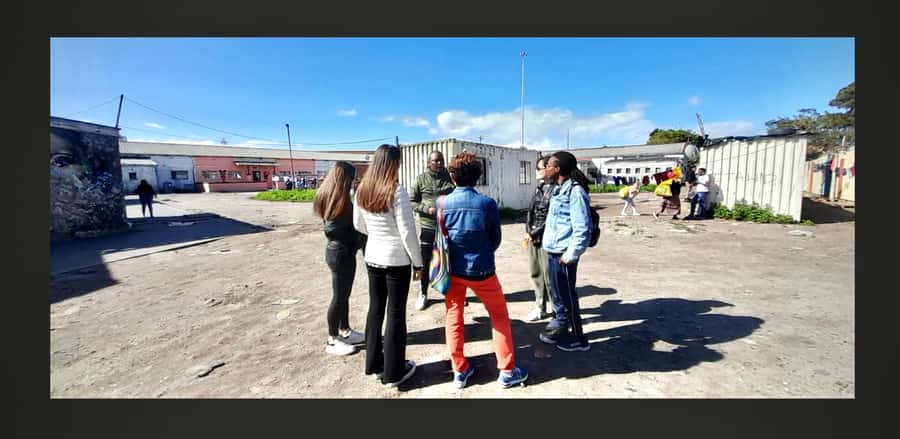
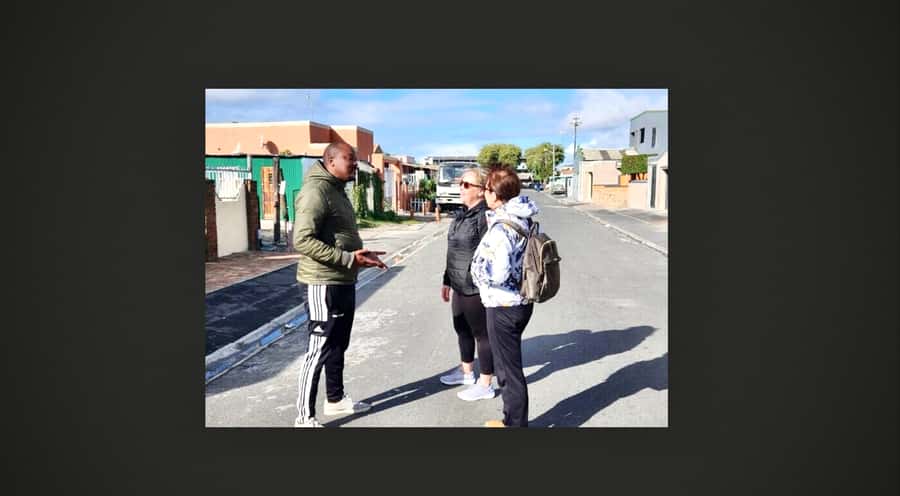
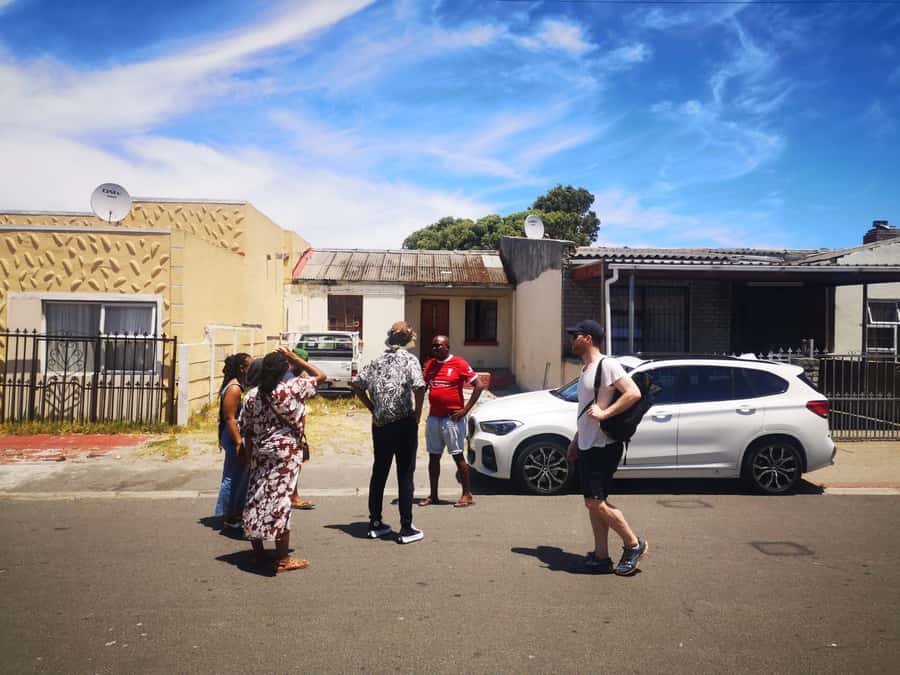
Once you leave the centre, the guide leads you through parts of Langa that you would be unlikely to visit comfortably on your own. Nathi is especially well connected. He grew up in the township and is often greeted by people along the way, from older residents to children playing nearby.
That local recognition changes the feel of the walk. You are not simply following a guide who has memorized a script. You are walking with someone who can explain relationships, point out familiar places, and answer questions about how the area works today.
The guides also help with an important social question: how do you visit someone’s home community without making people feel like objects in a tour? The best approach is to listen, ask before taking photographs, and follow the guide’s lead. Treat the streets as a neighborhood, not as an open-air exhibit.
The route can include markets, shops, cultural landmarks, and residential areas. You may meet people who greet the guide or speak briefly with the group. The mood is not uniform. Some people may be curious, some may ignore the tour, and others may welcome a conversation. That ordinary mix is part of the value.
The history is personal, not just chronological
A good township tour should do more than list dates. Nathi’s strength is explaining South African history through lived experience and local examples. He connects colonialism and apartheid to the creation of townships, then links that past to current housing and economic problems.
Guides such as Zuzie and Zuzi also explain the area from a resident’s point of view. They can discuss the township’s history, architecture, community projects, and everyday life. Their personal connection helps you understand why Langa is not defined only by deprivation.
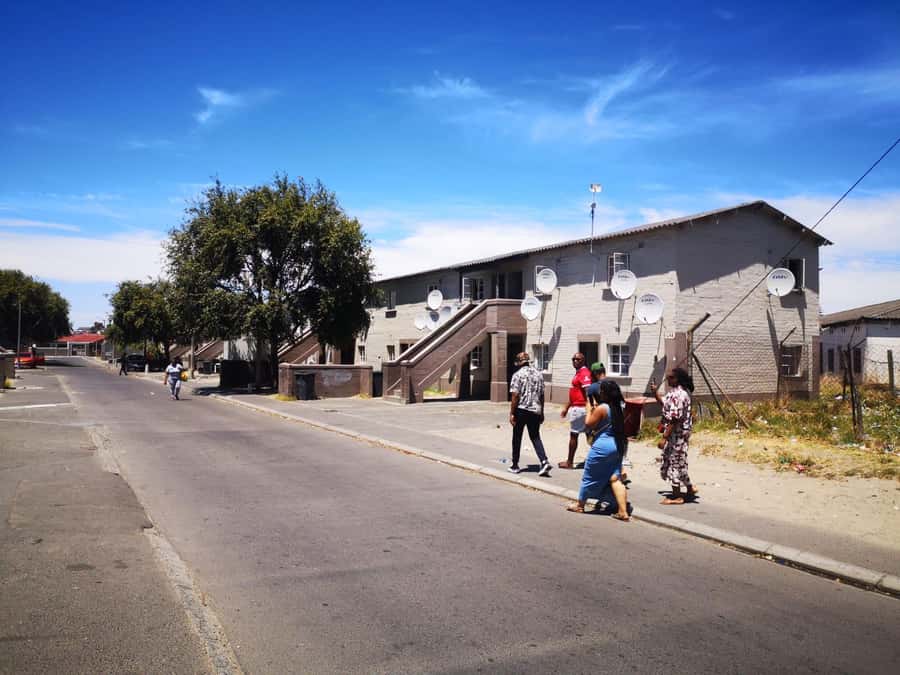
The discussion includes difficult subjects. You may hear about inequality, unemployment, limited opportunities, and the conditions faced by some residents. You may also see the contrast between cramped housing and more comfortable parts of the township, including an area that one tour described as Langa’s Beverly Hills.
That contrast is useful because it prevents a one-note picture. Langa has hardship, but it also has ambition, humor, creativity, family networks, celebrations, and local businesses. The guide’s job is not to make the place look better than it is, or worse than it is. The strongest moments come when both sides are allowed to be visible.
Same streets, a different route:
- New Orleans Premier Ghost, Voodoo and Vampire Walking Tour
★ 4.5 · 12,856 reviews - Amsterdam Anne Frank: Small-Group Walking Tour & Local Guide
★ 4.8 · 12,789 reviews - Edinburgh: Harry Potter Magical Guided Walking Tour
★ 4.8 · 11,944 reviews - Edinburgh Castle: Guided Walking Tour with Entry Ticket
★ 4.7 · 11,699 reviews
Community projects and the value of spending locally
Guga S’thebe is more than a cultural stop. The centre’s creative projects offer training and possible income for people who might otherwise have limited work options.
You may see handmade items for sale or learn about programs that help residents develop skills for their own businesses. This gives you a practical way to support the area without handing out money randomly in the street.
Some visitors choose to buy pottery or crafts. Others bring a donation for a local preschool or the cultural centre. If you want to contribute, carry some South African cash and ask the guide what is appropriate. The tour information does not set a required donation, so your contribution is optional.
The key is to support organized local work rather than treating children or individual residents as part of the attraction. One guide has received requests from visitors asking what to bring for children, such as crayons, books, or sweets. Those gestures should be handled sensibly and with the guide’s advice.
Meeting residents, children, and local businesses
The tour’s human contact can be its most memorable element. You might encounter children who say hello, residents who chat with the guide, or local businesses that welcome a brief visit.
Past tour experiences have included playing football with children, visiting a hair salon, and stopping at local food spots. One solo visitor even had the chance to get braids and eat chicken feet with children at a kindergarten. These details show how flexible a locally led walk can be, but they should not be treated as guaranteed inclusions.
The tour description allows for street food and local eateries, so you may have an opportunity to taste something unfamiliar. Ask what is included before ordering, since food is not listed among the standard inclusions. If you have allergies or dietary restrictions, raise them with the guide early.
You may also hear Xhosa spoken along the route. Tours are offered in English and Xhosa, and the guide can help explain expressions or customs that you would otherwise miss.
Safety and the role of the guide
Safety is a fair concern, especially if you have never visited a township. The tour is designed around a local guide who knows the area and the people in it. Nathi is frequently recognized on the streets, and several tour accounts describe feeling comfortable walking with him.
That does not mean you should switch off common sense. Keep valuables out of sight, avoid wandering away from the group, and listen when the guide gives instructions. Dress simply, ask before taking photographs, and do not photograph children or homes without permission.
Transport can also affect how the day begins. The meeting point is in Langa, and pickup may be available from hotels in central Cape Town, the Waterfront, and Atlantic Seaboard areas including Camps Bay. Contact the provider to confirm availability for your address.
If you use a taxi or rideshare, allow time to find the entrance. One visitor reported a short Uber ride from Cape Town’s central area, while another said a driver was initially reluctant to enter the neighborhood. The local guide can help with meeting arrangements, and pickup may be the least stressful choice.
How long the walk feels

The advertised duration is 150 minutes, or about two and a half hours. That is enough time to see several parts of Langa without turning the visit into an exhausting full-day outing.
Expect a mix of walking, standing, listening, questions, and cultural stops. The pace is likely to vary depending on the group and on conversations along the way. You should wear comfortable shoes and bring water, particularly on a warm day.
The walk is listed as wheelchair accessible, but it is still sensible to confirm the exact route and conditions when booking. Township streets and buildings can vary, and the information provided does not describe every surface or entrance.
Families can enjoy the tour, especially if children are old enough to listen to difficult history and understand that this is a working neighborhood. The guide’s friendly manner helps, but the subject matter may be more suitable for children who can handle serious discussions about inequality and apartheid.
Is $31 good value?
At $31 per person, this is not the cheapest way to spend two and a half hours in Cape Town. It is also not simply a sightseeing stroll. You are paying for a local guide, interpretation, access to a community setting, and the chance to direct some spending toward local makers and projects.
The value is strongest if you want context. A standard city tour may show famous buildings and viewpoints, while this walk explains how people live outside the areas most visitors see. It can also help you understand later visits to museums, Robben Island, or historic sites because you have already begun thinking about apartheid’s effects on ordinary communities.
I would be less enthusiastic if you want a polished performance or a tightly scripted attraction. The route takes place in a real neighborhood, so the experience depends partly on the group, the guide, and what is happening in Langa that day.
The very high rating, 4.9 from 493 reviews, fits the consistent strengths of the experience: personal storytelling, a strong sense of safety with the guide, and genuine contact with the community. The guide is the main value. If Nathi is leading, expect a warm, humorous style and strong local connections. If Zuzie or Zuzi is leading, expect a resident’s view of the area, clear explanations, and plenty of room for questions.
Who should book this Langa walking tour?
I would recommend it to you if you want to understand Cape Town beyond the Waterfront and postcard views. It suits curious adults, respectful families, solo visitors, and anyone interested in South African history, community development, or local culture.
It is also a good choice if you feel unsure about visiting a township independently. You have a guide who can introduce you to the area and help you read situations that might otherwise feel unfamiliar.
I would think twice if you dislike walking, feel uncomfortable seeing poverty, or want a purely cheerful cultural activity. Langa can be welcoming and hopeful, but the tour does not hide inequality. That honesty is one of its strengths, though it may be emotionally demanding.
Final verdict: book it for context and connection
Book the Nathi Langa Township Walking Tour if you want a personal introduction to one of Cape Town’s communities and are willing to approach it with care. The strongest reasons are the local guides, Guga S’thebe’s community work, and the chance to hear how history still shapes everyday life.
Bring curiosity, modest clothing, comfortable shoes, and perhaps cash for a craft purchase or an optional donation. Ask before taking photographs, listen more than you speak, and let the guide set the tone.
For $31 and 150 minutes, you get far more than a walk. You get a clearer sense of the people, pressures, humor, and hope that make up Langa today.
FAQ
Where does the Langa walking tour meet?
The meeting point is the main entrance of Guga S’thebe Cultural Centre at 36 Washington Street, Langa. You should arrive 15 minutes before the scheduled start.
How long does the tour last?
The tour lasts 150 minutes, or about two and a half hours.
Who guides the tour?
Guides include Nathi and local guides such as Zuzie or Zuzi. The available language options are English and Xhosa.
Is hotel pickup available?
Pickup may be available from hotels in Cape Town city center, the Waterfront, and Atlantic Seaboard areas including Camps Bay. You should contact the provider for details and availability.
What does the tour include?
The standard inclusions are a guide and the walking tour. Visits, activities, food, and purchases should be confirmed with the provider if they are important to your plans.
Is the tour wheelchair accessible?
The activity is listed as wheelchair accessible. You can contact the provider to confirm route details for your needs.
Can I cancel the booking?
You can cancel up to 24 hours in advance for a full refund.
Can I reserve now and pay later?
Yes. The booking option allows you to reserve your place and pay later.
Just added around the world
- Fez: Walking Tour in the Ancient City of Fez★ 4.8 · 73 reviews
- Fira: Guided Foodie Walking Tour with Tastings★ 4.9 · 474 reviews
- Fez: Guided Walking Tour of the Historic Medina★ 5.0 · 359 reviews
- Faro: Old Town Guided Walking Food Tour★ 4.9 · 94 reviews
- Feel like a local – Walking Tour in Mykonos Town 2hours★ 4.4 · 77 reviews
- Fes: A Guided Walking Tour Through the Historic Medina★ 4.4 · 97 reviews
- Fez: Half-Day City Private Walking Tour with a Guide★ 4.6 · 114 reviews
- Fanal / Assobiadores – Levada Walk★ 4.6 · 93 reviews
Walking Tours, compared.

Magical London: Harry Potter Guided Walking Tour
Read our review →
Reykjavik Food Walk – Local Foodie Adventure in Iceland
Read our review →
History and Hauntings of Salem Guided Walking Tour
Read our review →
New Orleans Premier Ghost, Voodoo and Vampire Walking Tour
Read our review →
Amsterdam Anne Frank: Small-Group Walking Tour & Local Guide
Read our review →

Edinburgh Castle: Guided Walking Tour with Entry Ticket
Read our review →
Anne Frank’s Story – Guided Walking Tour through Amsterdam
Read our review →Browse the lists this tour appears in